

Cadair y Cythraul: The Enigmatic Chair of the Devil in Llanfairpwllgwyngyll
Discover the mysterious 'Chair of the Devil' in Llanfairpwllgwyngyll, a historic landmark steeped in Welsh myth and ancient landscape charm.
Cadair y Cythraul, meaning 'Chair of the Devil,' is a mysterious historic landmark located in Llanfairpwllgwyngyll on Anglesey, Wales. This evocative site blends local folklore with ancient history, captivating visitors with its enigmatic name and atmospheric presence. Though less widely known than nearby Welsh peaks, it holds cultural significance tied to myth and landscape, offering a unique glimpse into regional heritage.
A brief summary to Cadair y Cythraul
- 4HWV+67, Llanfairpwllgwyngyll, GB
- Visit website
- Duration: 0.5 to 1.5 hours
- Free
-
 Outdoor
- Mobile reception: 4 out of 5
Local tips
- Visit during daylight hours to fully appreciate the atmospheric landscape and capture the evocative natural features.
- Bring a camera to photograph the unique rock formations and surrounding pastoral scenery.
- Explore local folklore before visiting to enrich your experience of the site’s mythological significance.
- Wear sturdy footwear as terrain may be uneven around the landmark.

For the on-the-go comforts that matter to you
- Seating Areas
- Information Boards
Getting There
-
Bus
Take the local bus service from Bangor to Llanfairpwllgwyngyll, which runs approximately every 30 minutes. The journey takes about 25–35 minutes. From the village center, a 10-minute walk over gentle terrain leads to the landmark. Bus fare ranges from £3 to £5 one way.
-
Car
Driving from Bangor, the route to Llanfairpwllgwyngyll takes around 15 minutes via the A5. Parking is limited near the site, so plan to use designated village parking areas. No parking fees apply, but spaces can be scarce during weekends.
-
Train
The nearest train station is Llanfairpwll, served by regular trains from Bangor and Holyhead. From the station, it is a 15-minute walk to Cadair y Cythraul. Train tickets typically cost £4–£7 depending on departure point.
Cadair y Cythraul location weather suitability
-
 Any Weather
-
 Clear Skies
-
 Mild Temperatures
-
 Rain / Wet Weather
Discover more about Cadair y Cythraul
Origins and Etymology of Cadair y Cythraul
Cadair y Cythraul translates from Welsh as the 'Chair of the Devil,' a name that immediately evokes a sense of mystery and folklore. Unlike the more famous Cadair Idris, this landmark’s name suggests a darker mythological association, possibly connected to local legends of supernatural beings or spirits. The term 'cadair' in Welsh often refers to a chair or throne-shaped natural feature, indicating that the site may be a distinctive rock formation or elevated seat in the landscape, imbued with symbolic meaning.Geographical Setting and Landscape Character
Situated in Llanfairpwllgwyngyll on the island of Anglesey, Cadair y Cythraul occupies a landscape rich in Welsh history and natural beauty. The area is characterized by rolling hills and ancient terrain, where historic place names preserve the memory of past cultures and beliefs. The landmark itself likely sits amidst this pastoral setting, offering atmospheric views and a tangible connection to the land’s storied past.Mythology and Cultural Significance
The 'Chair of the Devil' name hints at a deep-rooted folklore tradition, where such places were often believed to be sites of otherworldly power or supernatural activity. In Welsh mythology, locations associated with devils or spirits frequently served as cautionary or mystical landmarks, warning travelers or marking boundaries between the natural and the supernatural. While specific legends tied to Cadair y Cythraul are scarce, its evocative title invites speculation about its role in local storytelling and cultural identity.Historical Context and Preservation
Though not extensively documented in mainstream historical records, Cadair y Cythraul is recognized as a historic landmark, indicating its importance within the regional heritage framework. Its preservation reflects a broader effort to maintain the cultural landscape of Anglesey, where ancient place names and sites are valued for their links to Welsh language, history, and mythology. The landmark’s unclaimed status suggests it remains a quiet, contemplative spot rather than a heavily commercialized tourist destination.Visitor Experience and Atmosphere
Visitors to Cadair y Cythraul can expect a tranquil and intriguing experience, steeped in the atmosphere of Welsh myth and history. The site’s evocative name and setting inspire curiosity and reflection, making it a compelling stop for those interested in the cultural layers beneath Wales’ natural landscapes. The surrounding area offers peaceful scenery ideal for contemplation, photography, and connecting with the spirit of place.Connecting Cadair y Cythraul to Broader Welsh Heritage
Cadair y Cythraul stands as a lesser-known counterpart to the famed Cadair Idris mountain, sharing linguistic roots and a sense of mythic grandeur. Together, such sites illustrate the rich tapestry of Welsh place names that blend geography with legend. Exploring Cadair y Cythraul offers insight into how landscapes shape and are shaped by cultural narratives, enriching understanding of Wales’ enduring heritage.Iconic landmarks you can’t miss

Cadair y Cythraul
0.0 km
Discover the mysterious 'Chair of the Devil' in Llanfairpwllgwyngyll, a historic landmark steeped in Welsh myth and ancient landscape charm.
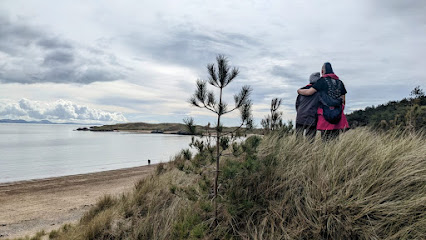
Porth y Clochydd
0.9 km
Explore the historical landmark of Porth y Clochydd in Llanfairpwllgwyngyll, a captivating site steeped in rich Welsh heritage and scenic beauty.

Celtic cross
1.0 km
A serene Celtic Cross memorial honoring Welsh poet Syr John Morris-Jones, set beside historic St. Mary's Church with stunning Menai Strait views.
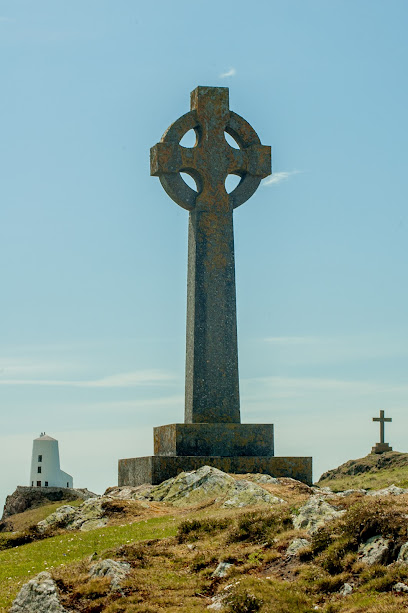
Bryn Gwyn Standing Stones
7.8 km
Discover the towering Neolithic Bryn Gwyn Standing Stones, ancient sentinels of Anglesey’s prehistoric past and ritual heritage.
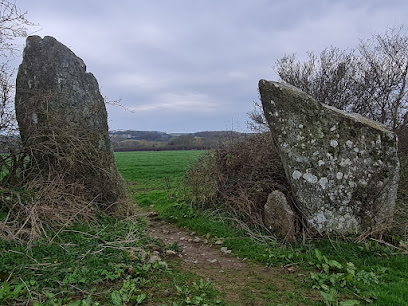
Caernarfon Tower
8.5 km
Explore Caernarfon Tower, a medieval fortress sentinel offering breathtaking views and rich Welsh history in a UNESCO World Heritage setting.
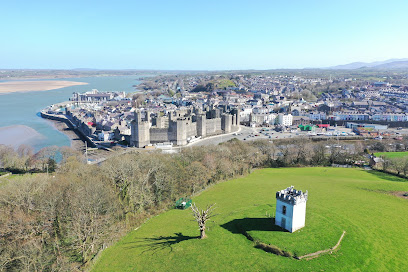
Pont Yr Aber
8.6 km
A scenic swing bridge linking Caernarfon Castle with woodland paths, offering iconic views and a touch of maritime theatre as boats pass beneath.
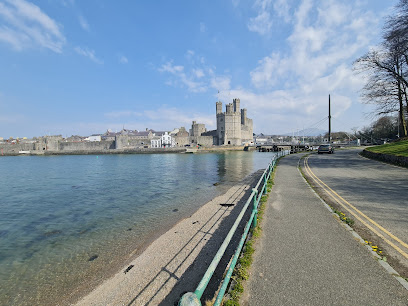
CARN / Oriel Pendeitsh
8.7 km
Discover contemporary Welsh art and culture in Caernarfon’s inspiring Oriel Pendeitsh gallery, a vibrant creative hub above the Tourist Information Centre.
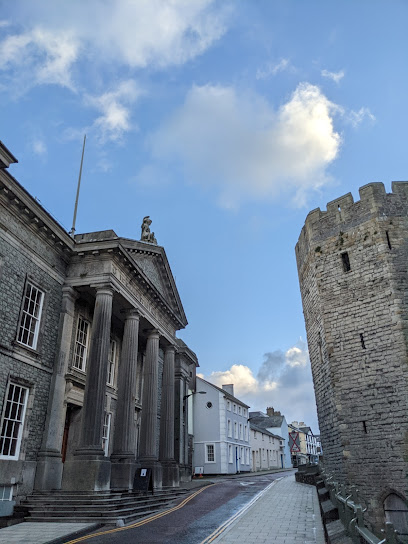
Caernarfon War Memorial
8.9 km
A dignified stone pillar in Castle Square honoring Caernarfon’s fallen heroes from the World Wars and beyond.
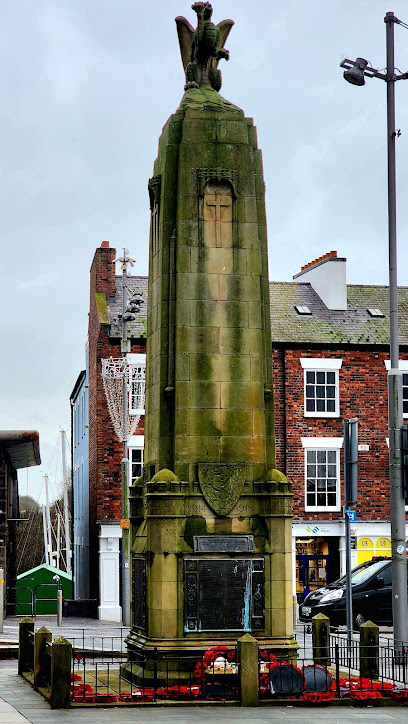
Caer Leb (Prehistoric Castle Enclosure)
9.0 km
Explore Caer Leb, a prehistoric fortified enclosure with water-filled ditches that reveal ancient defensive ingenuity on scenic Anglesey.
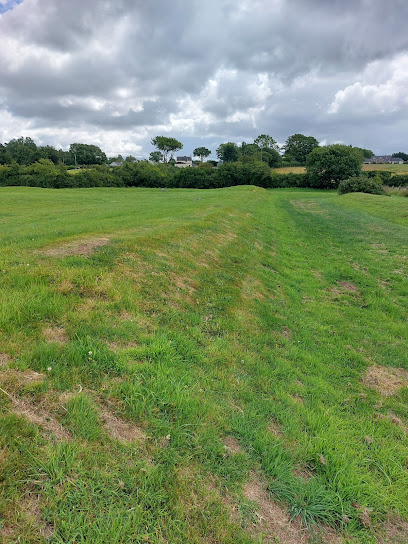
South African War Memorial
9.1 km
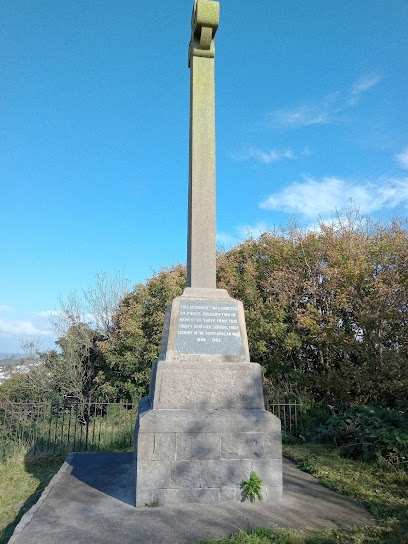
A wheel-headed Celtic cross honouring 173 Caernarfonshire soldiers lost in the Boer War, unveiled in 1904.
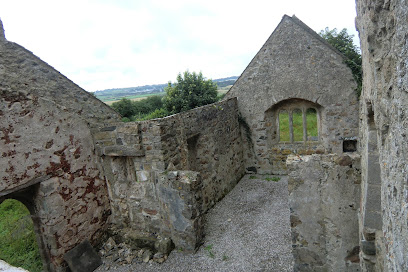
Hen Eglwys Llanfihangel Ysgeifiog
13.1 km
Explore the evocative ruins of Hen Eglwys Llanfihangel Ysgeifiog, a medieval Welsh church steeped in history and nestled in tranquil Anglesey countryside.
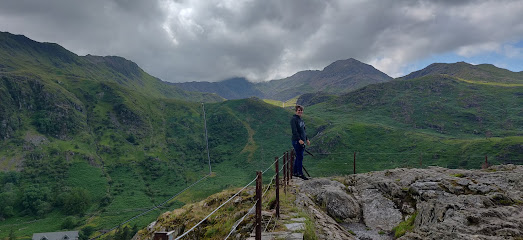
Tafarn Snowdonia Parc
14.3 km
Discover the heart of Welsh culture at Tafarn Snowdonia Parc, where delicious food meets stunning natural beauty in Snowdonia National Park.
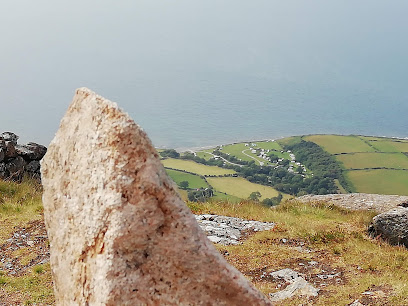
Gyrn Goch
16.1 km
A quiet coastal hamlet between Caernarfon Bay and the mountain Gyrn Goch, perfect for walkers and those seeking a peaceful Welsh retreat.
Ynys yr Eglwys
17.9 km
Discover the serene charm and rich heritage of Ynys yr Eglwys, a peaceful island gem beside the iconic Menai Suspension Bridge.
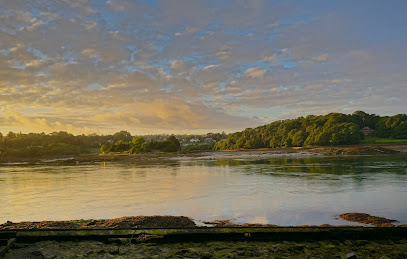
Braich Las / Trwyn y Gorlech
18.6 km
Discover the rugged coastal cliffs and ancient heritage of Braich Las / Trwyn y Gorlech on Wales’ scenic Llŷn Peninsula.
Unmissable attractions to see

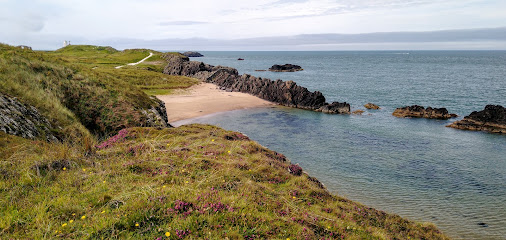
Maes Parcio Ynys Llanddwyn and Newborough Beach
1.4 km
Discover the tranquil blend of sandy beaches, forest trails, and rich wildlife at Maes Parcio Ynys Llanddwyn and Newborough Beach on Anglesey.
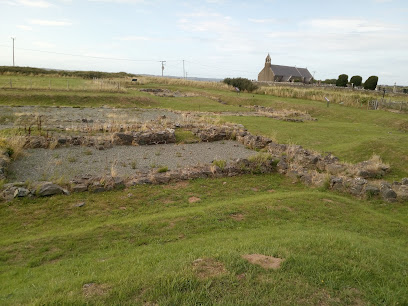
Llys Rhosyr
3.3 km
Explore the only visible medieval royal court of the Welsh Princes, where history and heritage meet the stunning Anglesey landscape.
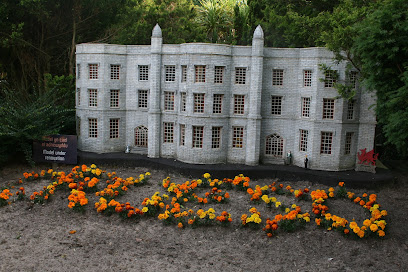
Anglesey Model Village & Cafe
4.5 km
Discover Anglesey’s charm in miniature form with scenic gardens, detailed models, and a cozy cafe experience.
Anglesey Transport Museum & Café - Tacla Taid
5.0 km
Discover Wales’ largest transport museum with over 130 vehicles, live restorations, and a cozy café in scenic Anglesey.

Airworld Aviation Museum
6.8 km
Explore historic aircraft and aviation heritage hands-on at Caernarfon Airport’s immersive Airworld Aviation Museum.
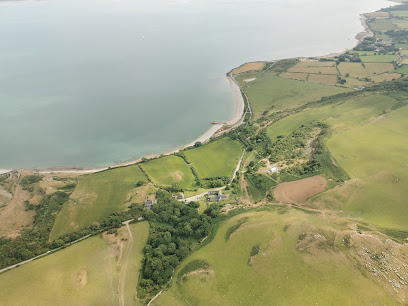
Eglwys Sant Baglan
7.0 km
Discover the timeless charm of St Baglan's Church, a medieval sanctuary steeped in ancient history and coastal Welsh heritage.
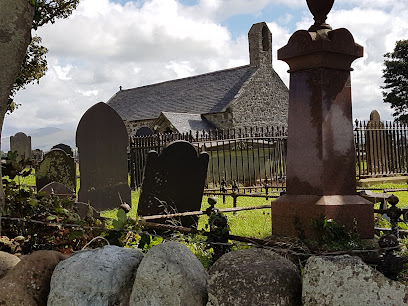
Eglwys Cwyfan
7.2 km
A serene 12th-century medieval church perched on a tidal island, blending history, sea, and Welsh heritage in a stunning coastal setting.
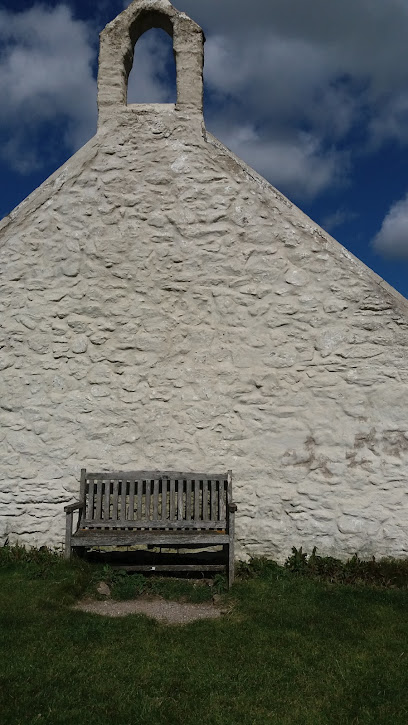
Aber Foreshore
8.1 km
A scenic coastal walk with iconic views of Caernarfon Castle and the Menai Strait, perfect for a peaceful stroll or a quiet moment by the water.
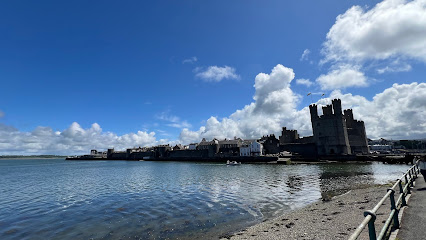
Castell Bryn Gwyn
8.1 km
Explore Castell Bryn Gwyn, a peaceful Neolithic enclosure on Anglesey with millennia of history etched into its ancient earthworks.
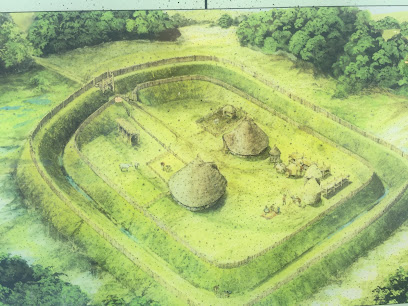
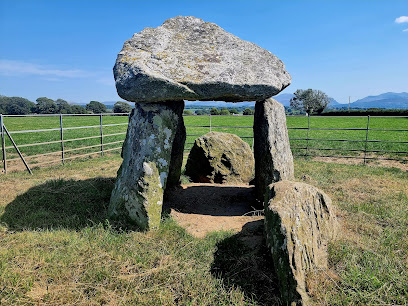
Bodowyr Burial Chamber
8.4 km
Explore the enigmatic Neolithic Bodowyr Burial Chamber on Anglesey, a timeless passage grave set amidst stunning Welsh countryside and panoramic Snowdonia views.
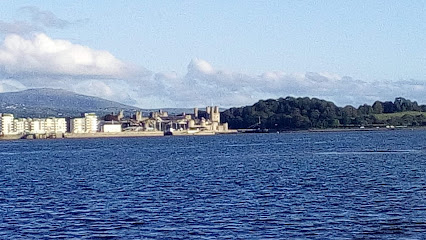
Foel Farm Park
8.4 km
Discover a charming working farm with animal encounters, scenic views, and family fun on the beautiful Isle of Anglesey.
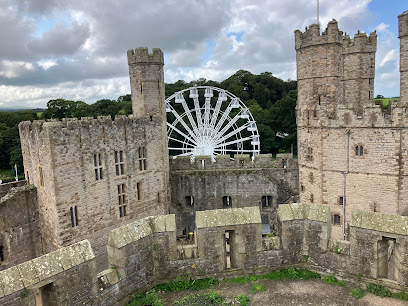
Big Wheel, Caernarfon Castle
8.6 km
Experience breathtaking panoramic views from the Big Wheel beside historic Caernarfon Castle, blending medieval heritage with modern leisure.
Hanging Tower
8.6 km
A haunting medieval tower in Caernarfon where justice was once served by execution, steeped in history and ghostly legend.
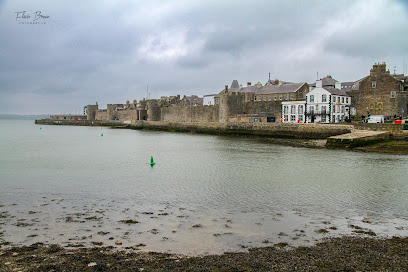
Caernarfon Waterfront
8.6 km
Historic Caernarfon Waterfront: Where medieval heritage meets vibrant maritime charm on the Menai Strait.
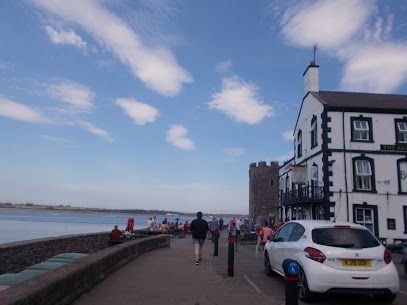
Bath Tower
8.6 km
Sleep in a 13th-century tower within Caernarfon's castle walls—where medieval history meets modern comfort.
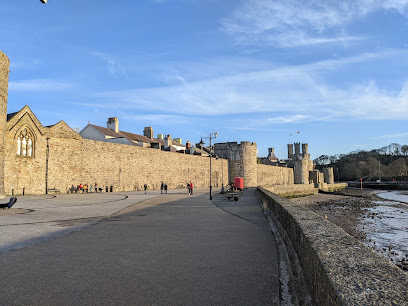
Essential places to dine

Y Marram
4.2 km
Discover Y Marram, Anglesey’s fine dining gem offering innovative dishes crafted from fresh, local ingredients in a serene coastal setting.
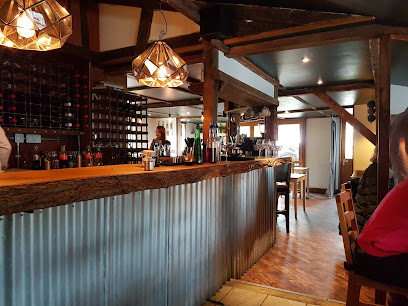
Molly's
8.3 km
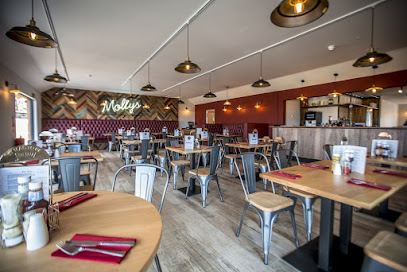
Contemporary bar and restaurant at Coed Helen Holiday Park offering fresh, shareable dishes and scenic views near Caernarfon.
The Old Courthouse, Caernarfon
8.6 km
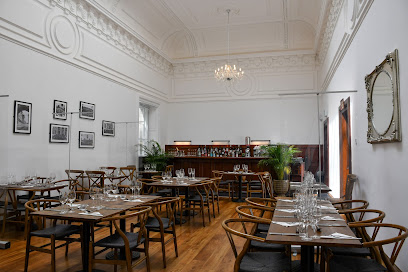
Historic neo-classical courthouse turned elegant bistro with stunning views of Caernarfon Castle and a modern British menu.
SeaView Indian Restaurant
8.7 km
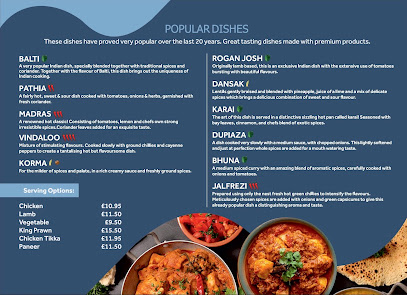
Authentic Indian flavors by Caernarfon harbour, blending culinary excellence with a serene waterfront setting.
Wal Restaurant
8.7 km
Experience the warm hospitality and diverse flavors of Welsh, British, and Italian cuisine at Wal Restaurant in the heart of Caernarfon.
Fu's
8.7 km
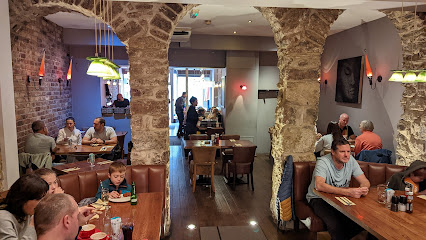
Authentic Cantonese dining with family-friendly warmth in Caernarfon's scenic marina setting.
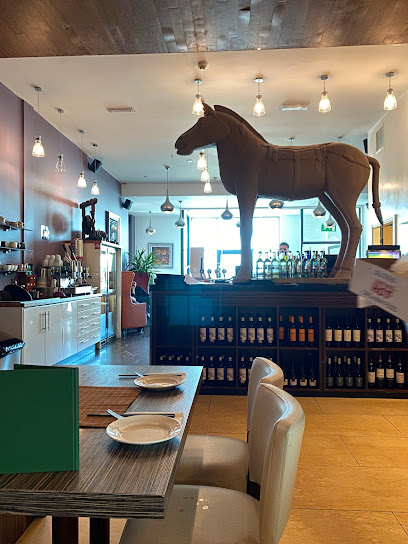
Tân Woodfired Pizza
8.7 km
Savor authentic wood-fired pizzas in a cozy Caernarfon setting, blending traditional flavors with local charm every evening.
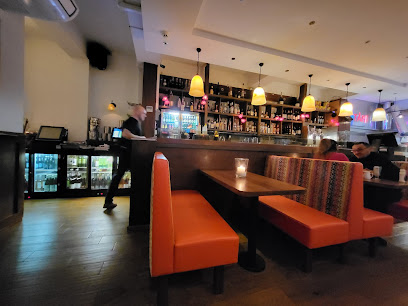
Black Boy Inn Four & Six Restaurant & Bar
8.7 km
Discover authentic Welsh cuisine at Black Boy Inn Four & Six Restaurant & Bar in Caernarfon, where tradition meets modern dining.
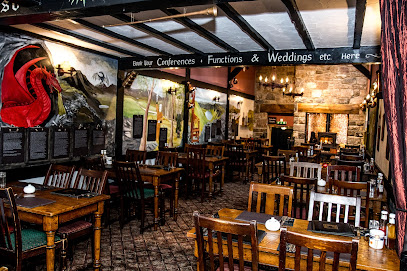
Four Alls
8.8 km
Historic charm meets delicious fare at The Four Alls, Caernarfon’s beloved pub and restaurant for great food, drinks, and community spirit.
The Market Hall Brew Pub
8.8 km
Discover the essence of Welsh hospitality at The Market Hall Brew Pub in Caernarfon – where local brews meet delicious bites.
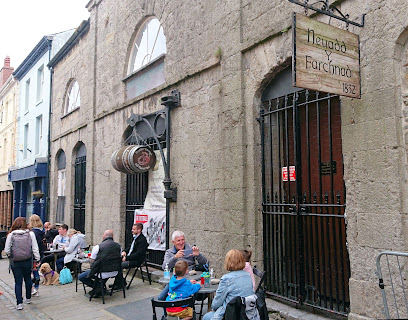
Galeri Café Bar
8.8 km
Enjoy fresh local flavors and stunning waterfront views at Galeri Café Bar, Caernarfon’s cozy hub for breakfast and casual dining.
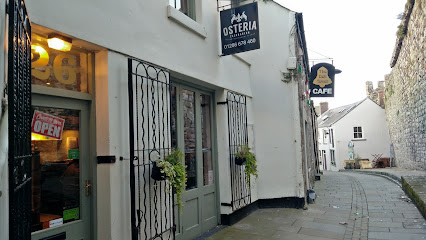
Osteria
8.8 km
Experience authentic Tuscan cuisine in a cozy, welcoming Italian restaurant nestled in the heart of Caernarfon.
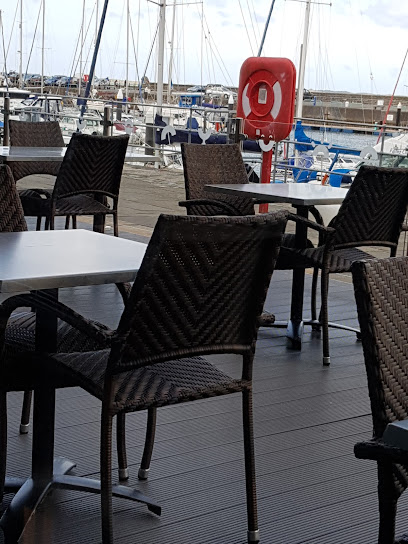
Harbour Table Table
8.8 km
Family-friendly British pub and restaurant overlooking Caernarfon’s Victoria Dock, offering hearty meals and scenic views of the Menai Strait.
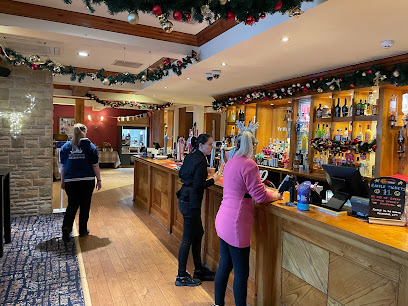
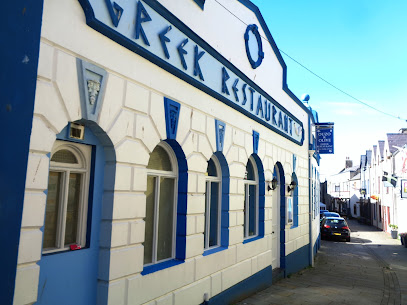
Ouzo & Olive
8.8 km
Discover authentic Greek tapas and warm hospitality in the historic heart of Caernarfon at Ouzo & Olive.
Lizzy's Caernarfon
8.8 km
A cozy, woman-owned café near Caernarfon Castle serving fresh, home-cooked British dishes with warm Welsh hospitality.
Markets, malls and hidden boutiques

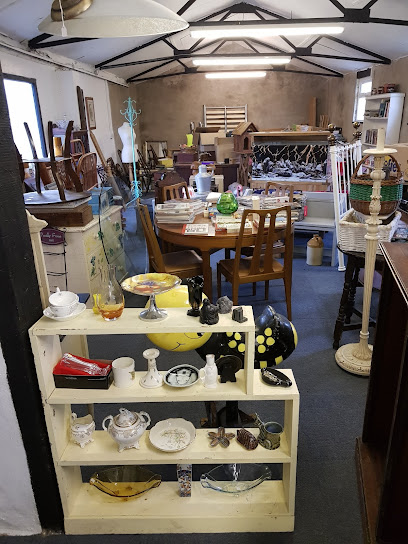
Blythe Farm Emporium
8.3 km
Discover vintage treasures and refurbished antiques at Blythe Farm Emporium, a charming hub of collectibles near Caernarfon.
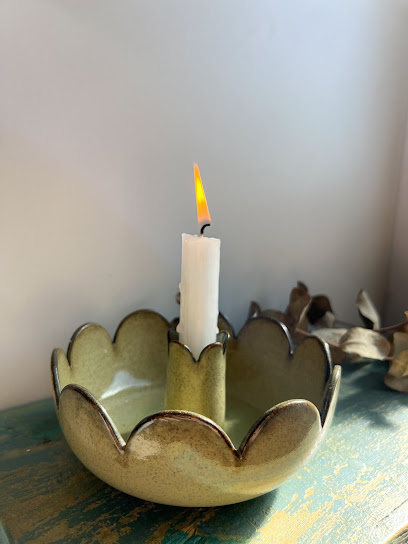
Hiraeth Vintage
8.5 km
Discover timeless vintage and antique homewares blending Welsh heritage with modern style in a charming family-run online boutique.
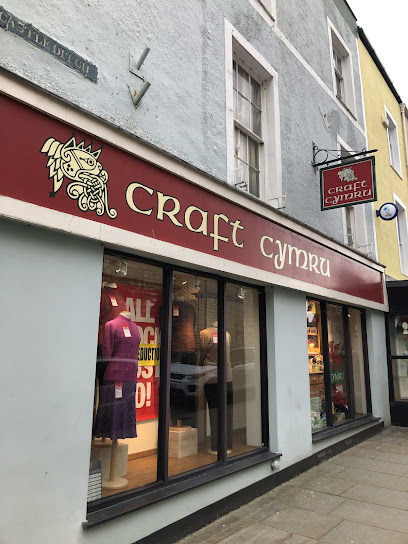
Craftcentre Cymru
8.7 km
Discover authentic Welsh handmade crafts and unique gifts in the heart of historic Caernarfon, opposite the iconic castle.
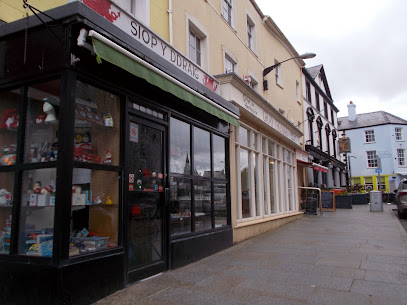
Siop Y Ddraig
8.7 km
Discover authentic Welsh gifts and souvenirs in a charming shop steeped in local culture at Caernarfon’s Siop Y Ddraig.
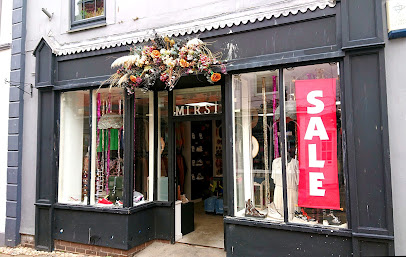
Mirsi
8.7 km
Discover stylish, affordable women's fashion in the heart of historic Caernarfon at Mirsi Boutique on High Street.
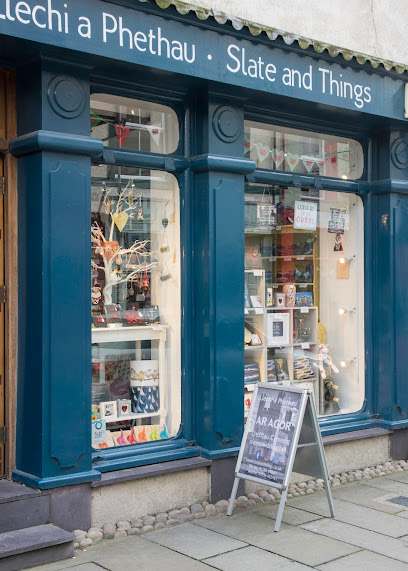
Slate and Things
8.7 km
Discover authentic Welsh slate crafts and unique souvenirs in the heart of historic Caernarfon at Slate and Things.
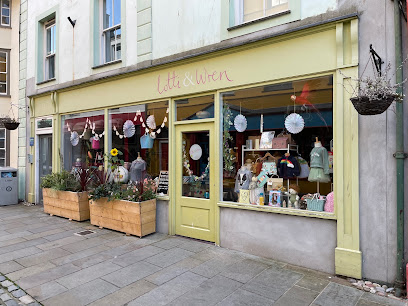
Lotti & Wren
8.7 km
Discover unique independent design treasures and handcrafted gifts in the heart of historic Caernarfon at Lotti & Wren.
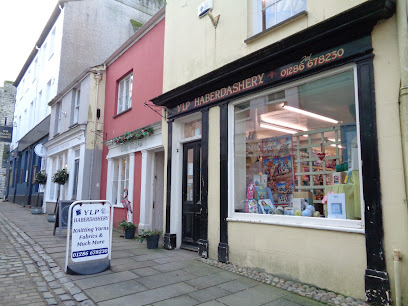
YLP Fabric & Wool Shop
8.7 km
Discover Caernarfon’s premier fabric and wool shop, a creative hub for knitters, quilters, and embroidery lovers alike.
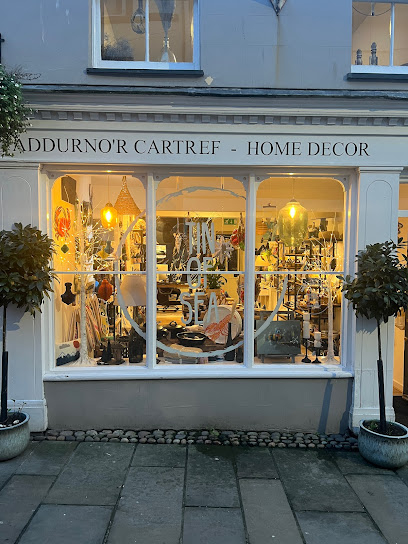
Tin of Sea
8.7 km
Discover unique home décor, gifts, and furnishings blending historic charm with modern style in Caernarfon’s Tin of Sea.
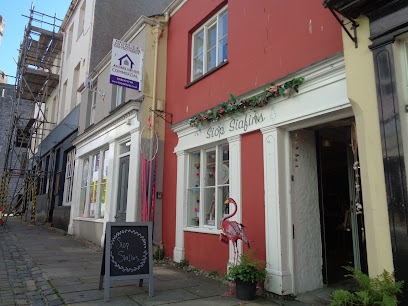
Siop Siafins
8.8 km
A charming gift shop in Caernarfon offering authentic Welsh crafts, souvenirs, and locally made treasures in the heart of historic North Wales.
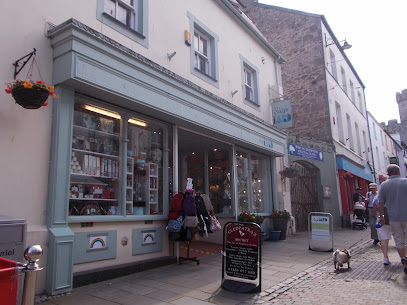
Siop iard Caernarfon
8.8 km
Discover handcrafted Welsh jewellery and crafts at Siop Iard Caernarfon, a unique boutique celebrating local artistry and heritage.
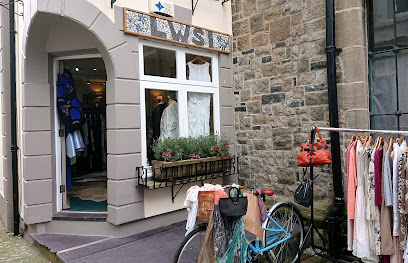
Lwsi
8.8 km
Discover unique sustainable fashion treasures in Caernarfon’s charming secondhand boutique nestled within medieval town walls.
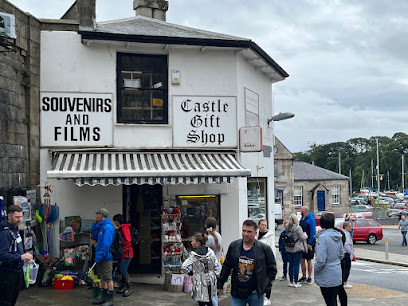
Castle Gift Shop
8.8 km
Explore the charm of Wales at Castle Gift Shop, your destination for unique souvenirs and local crafts in Caernarfon.
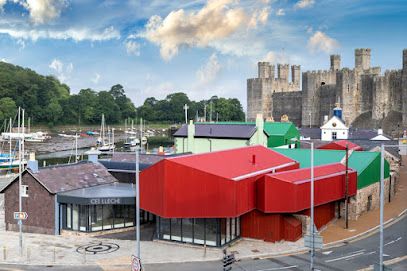
Cei Llechi: Artisan Shopping Village
8.8 km
A vibrant artisan village in Caernarfon blending heritage slate quay buildings with local crafts, food, and culture by the harbour.
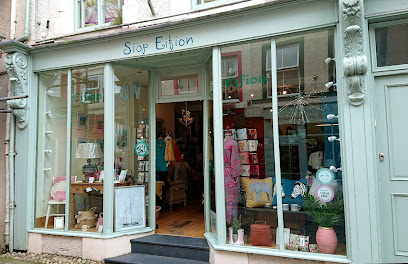
Miss Sophie
8.9 km
Discover unique Welsh gifts and local treasures at Miss Sophie, a charming boutique in the heart of Caernarfon.
Essential bars & hidden hideouts

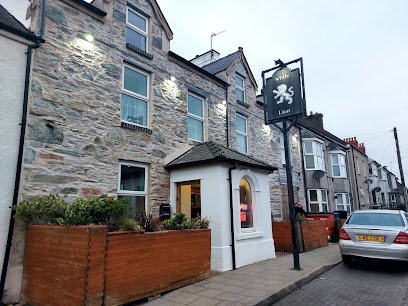
The White Lion
3.8 km
A cozy, welcoming village pub in Llanfairpwllgwyngyll offering hearty meals, local charm, and comfortable accommodation in scenic Anglesey.
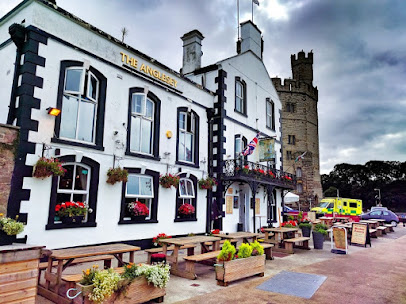
Anglesey Arms
8.6 km
Historic harbourfront pub and inn in Caernarfon offering cozy rooms, hearty Welsh fare, and stunning views of Menai Strait and Caernarfon Castle.
Tŷ Glyndŵr Bunkhouse & Su's Cocktail Bar
8.7 km
Cozy Georgian hostel with a lively cocktail bar, local flavors, and live music just steps from Caernarfon Castle in the heart of North Wales.
The Crown Y Goron
8.7 km
A cozy, family-friendly Welsh pub in Caernarfon offering local ales, home-cooked meals, and a warm, inviting atmosphere seven days a week.
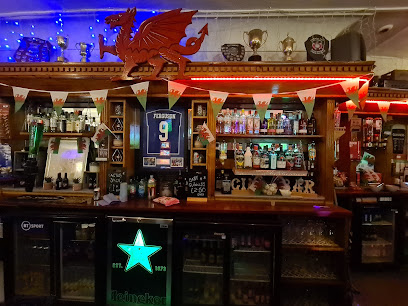
Palace Vaults
8.7 km
A cosy, historic pub opposite Caernarfon Castle offering hearty fare, live music, and a welcoming atmosphere in the heart of Gwynedd.
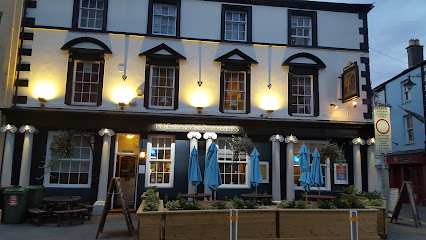
Market Hall
8.8 km
Historic Market Hall in Caernarfon offering excellent pints, authentic kebabs and curries, plus lively open mic nights in a vibrant local setting.
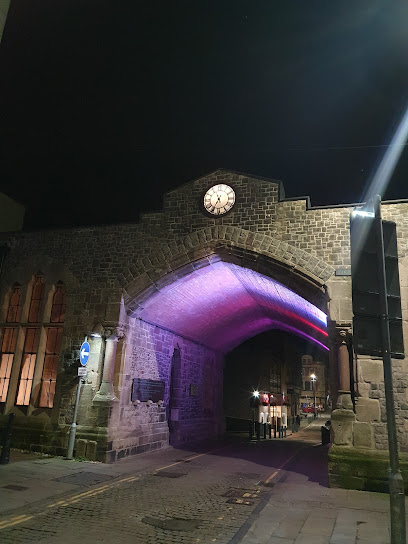
The hole in the wall
8.8 km
Authentic Welsh pub with historic charm, lively events, and welcoming locals in the heart of Caernarfon.
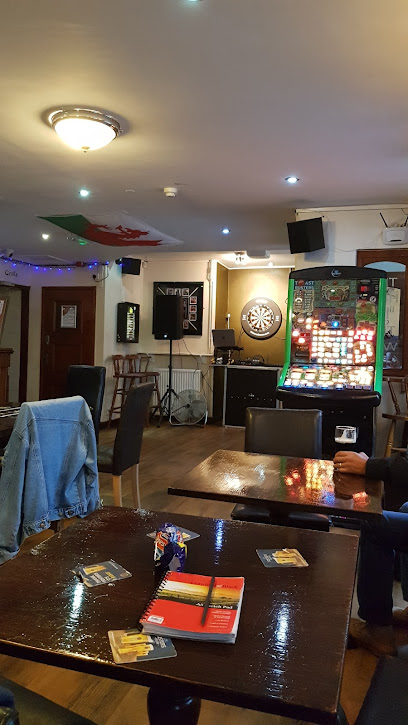
Bar Bach
8.8 km
Discover Bar Bach, Wales’ tiniest bar in Caernarfon, where local brews and cozy charm create an unforgettable intimate pub experience.
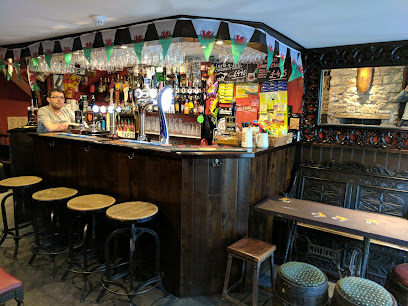
La Marina Cei
8.8 km
Experience the vibrant social heart of Caernarfon at La Marina Cei, where lively bar vibes and welcoming atmosphere meet.
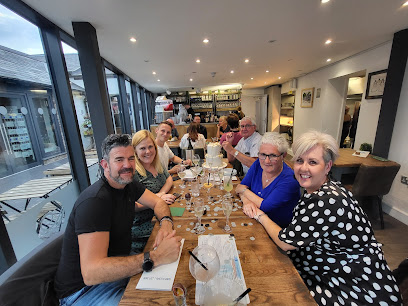
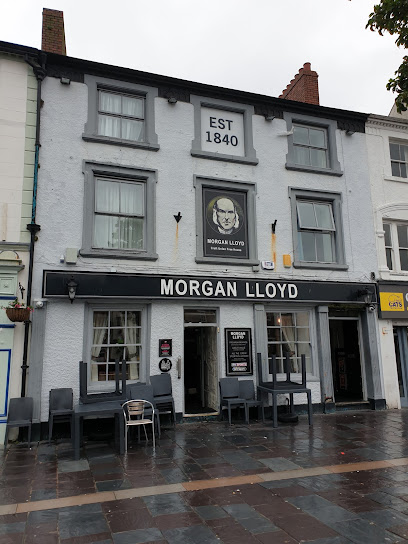
The Morgan Lloyd
8.8 km
A traditional Welsh pub in Caernarfon offering good beer, friendly service, and a lively local atmosphere near the historic castle.
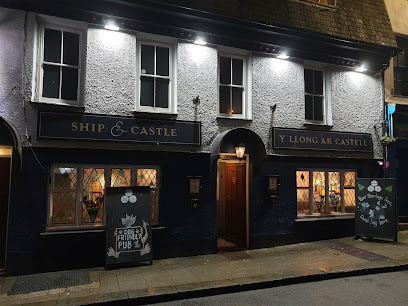
Ship & Castle
8.9 km
A lively and welcoming pub in Caernarfon, where friendly locals and traditional charm create the perfect spot to relax and socialize.
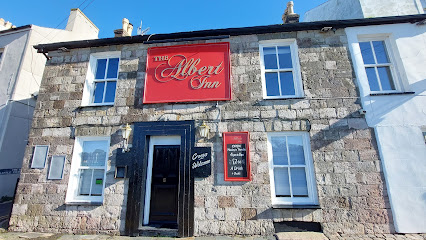
Albert Inn
8.9 km
A cozy, family-friendly pub in Caernarfon serving homemade British classics with warm local hospitality.
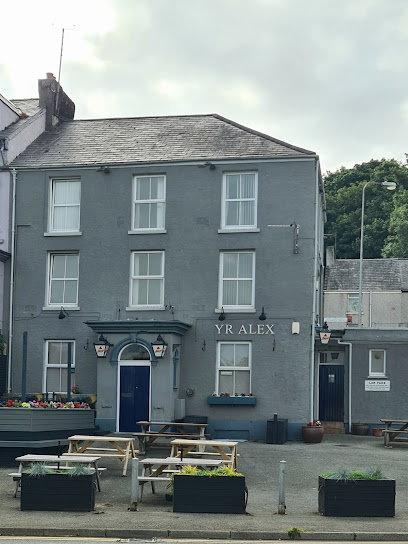
Yr Alex
9.0 km
Experience authentic Welsh hospitality and local brews in the cozy, welcoming atmosphere of Yr Alex, Caernarfon’s beloved traditional pub.
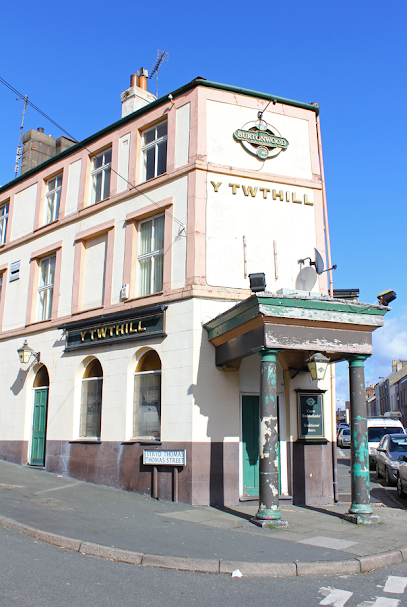
Twthill Vaults
9.1 km
A cozy, traditional Welsh pub in Caernarfon offering local ales, hearty food, and a welcoming community atmosphere every day from noon till late.
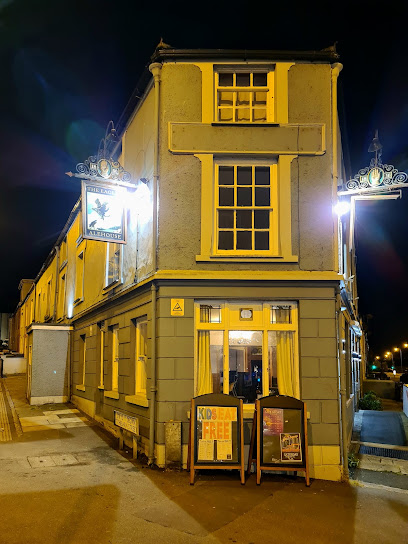
The Eagles
9.1 km
A cozy and friendly Caernarfon pub offering local brews, hearty meals, live music, and a warm Welsh welcome.
Nightclubs & after hour spots

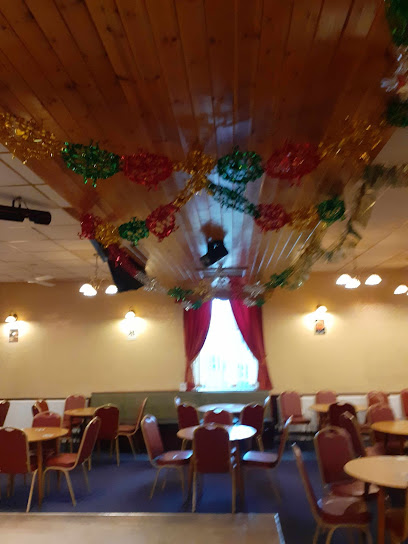
Wellman's Sports & Social Club
13.5 km
Llangefni’s vibrant social hub with lively entertainment, spacious dance floor, and a welcoming community atmosphere.
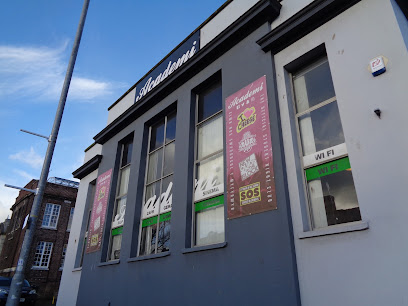
Academi
20.4 km
Bangor’s beloved student nightclub, offering vibrant music, a welcoming atmosphere, and a central role in university social life.
Trilogy Nightclub
21.0 km
Experience Bangor’s vibrant nightlife at Trilogy Nightclub, where diverse music rooms and lively weekend parties create unforgettable nights.
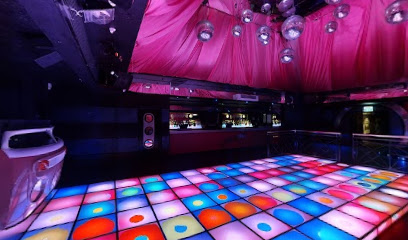
The Buffs
23.9 km
A welcoming social club in Holyhead offering lively nights, friendly faces, and a true taste of local nightlife on Cambria Street.
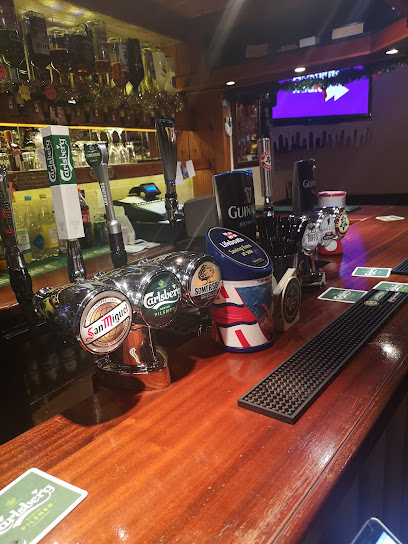
Vics Boogie-Nights
26.9 km
Experience the vibrant nightlife at Vic's Boogie-Nights, Abererch's premier bar for music, dancing, and unforgettable memories.
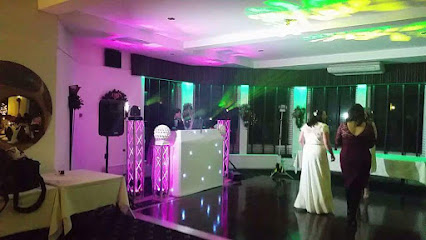
The Cove
27.2 km
Experience the vibrant nightlife at The Cove in Hafan Y Mor, North Wales, where music, dancing, and unforgettable memories await.

The Queens Head
29.6 km
Experience the heart of Amlwch at The Queens Head, a welcoming pub with local ales and hearty meals in a cozy atmosphere.
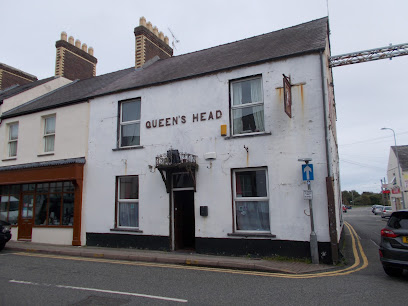
Stag Inn
29.9 km
Experience the charm of Anglesey at The Stag Inn, where delicious meals and a cozy atmosphere await you.
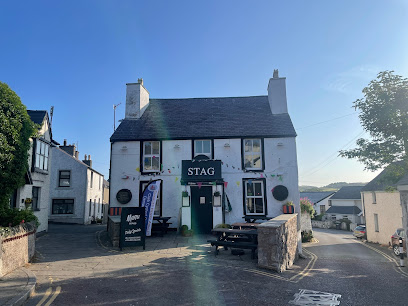
Clwb Llyn Bach
30.5 km
Discover the lively spirit of Clwb Llyn Bach, a top pub in Porthmadog offering great drinks, vibrant events, and a friendly atmosphere.
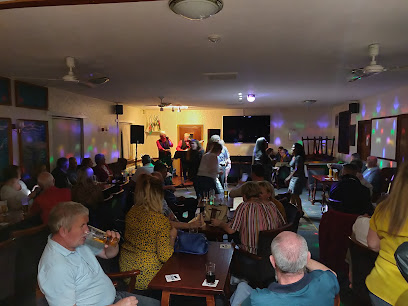
Black Rock Beach Club
30.8 km
Experience the ultimate beachside retreat at Black Rock Beach Club with delicious grilled dishes and breathtaking coastal views.
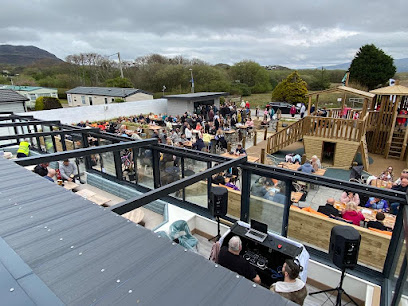
Bryn Arms
37.9 km
A cozy pub in Gellilydan offering hearty homemade meals, lively events, and charming gardens for a welcoming Welsh experience.
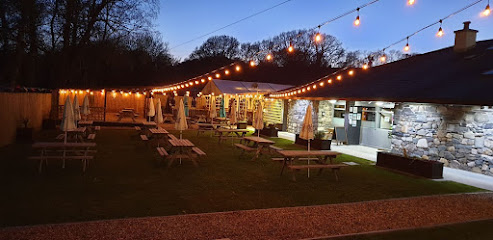
Club 147
43.2 km
Llandudno’s energetic nightclub and sports bar offering electronic beats, pool, and a lively social scene in the town centre.
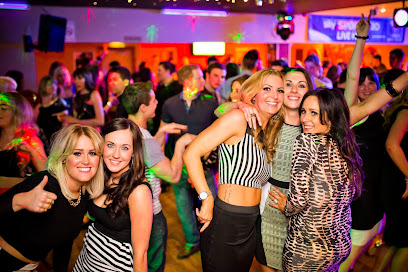
Broadway Boulevard
43.9 km
Llandudno’s largest nightclub, Broadway Boulevard pulses with vibrant music, themed events, and a lively party atmosphere in the heart of town.

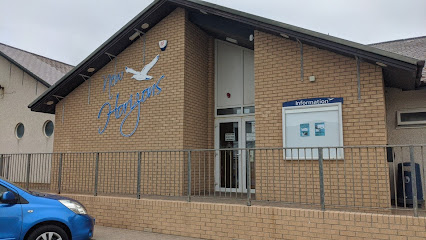
New Horizons
47.6 km
Experience vibrant nightlife and lively music at New Horizons, Dyffryn Ardudwy’s welcoming nightclub with spaces for all ages.
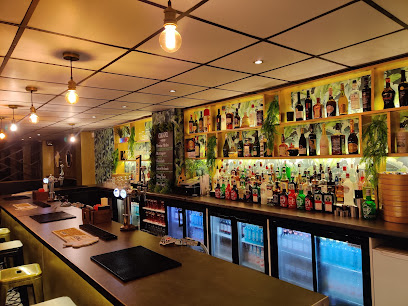
The Club Barmouth
52.6 km
Experience vibrant Saturday nights at The Club Barmouth, where stylish vibes meet lively music by the scenic Welsh coast.
For the vibe & atmosphere seeker
- Tranquil
- Scenic
- Unique
- Quirky
For the architecture buff
- Historic
For the view chaser and sunset hunter
- Iconic Views
- Panoramas
For the social media creator & influencer
- Instagrammable
- Photo Spots
For the eco-conscious traveler
- Public-Transport Accessible
- Low Impact
For the kind of experience you’re after
- Cultural Heritage
- Photowalk
- Nature Escape
For how adventurous you want the journey to be
- Easy Access
Location Audience
- Family Friendly
- Senior Friendly
- Child Friendly
- Solo Friendly
- Couple Friendly


