

Corgarff Castle: A Remote Highland Fortress of Turbulent History
Explore Corgarff Castle, a rare star-walled fortress steeped in clan battles, Jacobite history, and Highland wilderness near Strathdon.
Corgarff Castle, perched in the wild Aberdeenshire landscape near Strathdon, is a mid-16th-century tower house known for its unique star-shaped defensive wall. Originally a noble residence of the Forbes family, it later served as a military barracks to suppress Jacobite uprisings and whisky smuggling. Today, it stands restored amidst the Cairngorms National Park, offering visitors a glimpse into Scotland’s volatile past and stunning natural surroundings.
A brief summary to Corgarff Castle
- 8m, on the A939, W of, Strathdon, AB36 8YP, GB
- +441975651460
- Visit website
- Duration: 1 to 2 hours
- Mid ranged
-
 Outdoor
- Mobile reception: 3 out of 5
Local tips
- Visit between April and September when the castle is open to the public; check for any short-notice closures due to weather or maintenance.
- Wear sturdy footwear for the uneven terrain around the castle and be prepared for variable Highland weather.
- The west pavilion is wheelchair accessible, but the tower house itself has limited mobility access.
- Bring binoculars or a zoom lens to appreciate the surrounding wildlife and panoramic views of the Cairngorms.
- No restroom facilities are available on-site, so plan accordingly before your visit.

For the on-the-go comforts that matter to you
- Information Boards
- Seating Areas
- Trash Bins
Getting There
-
Car
Driving to Corgarff Castle via the A939 from Strathdon takes approximately 30 to 40 minutes. The route traverses rural Highland roads with scenic views but limited parking space at the site. Visitors should prepare for narrow roads and variable weather conditions. There is no parking fee.
-
Bus and Taxi
Public bus services to Strathdon are infrequent and seasonal; from Strathdon, local taxi services can take you to the castle in about 15 minutes. Taxi fares typically range from £15 to £25. Advance booking is recommended due to limited availability.
-
Walking
For adventurous walkers, hiking from nearby villages involves uneven terrain and moderate elevation changes. Expect a 1.5 to 2-hour trek through open moorland. Suitable only for those with good fitness and proper outdoor gear.
Corgarff Castle location weather suitability
-
 Any Weather
-
 Rain / Wet Weather
-
 Clear Skies
-
 Windy Conditions
-
 Cold Weather
-
 Mild Temperatures
- Snow
Discover more about Corgarff Castle
Origins and Early Turmoil
Corgarff Castle was constructed around 1550, likely commissioned by John Forbes of Towie, a powerful Aberdeenshire clan leader. The castle began as a typical Scottish tower house, featuring a vaulted hall, storage rooms, and private chambers, surrounded by a courtyard with essential buildings such as a bakehouse and brewhouse. Positioned strategically on the route between Deeside and Speyside, it guarded vital passes through the Highlands. However, the castle’s early years were marked by violence; in 1571, during a fierce feud between the Forbes and Gordon clans, Adam Gordon of Auchindoun attacked and burned the castle, killing Lady Forbes, her children, and others inside. This tragic event inspired the Scottish ballad 'Edom o Gordon.'Military Significance and Jacobite Conflicts
Throughout the 17th and 18th centuries, Corgarff Castle played a pivotal role in Scotland’s turbulent history. It was occupied and repaired by Royalist forces under the Marquis of Montrose in 1645 and suffered multiple burnings during the Jacobite risings of 1689 and 1715, as factions sought to deny its use to opposing forces. After the 1715 uprising, government troops burned it down again, and the Forbes estates were forfeited. By 1746, the castle was used by Jacobites as an arms store during their retreat, but government forces surprised them, reclaiming the castle shortly before the decisive Battle of Culloden.Transformation into a Barracks and Unique Architecture
In 1748, the British government purchased and extensively refortified Corgarff Castle to serve as a barracks for Redcoat troops tasked with hunting Jacobite sympathisers and later suppressing illegal whisky distilling. The interior was gutted to add an extra timber floor, accommodating officers and up to 42 soldiers. The surrounding courtyard buildings were demolished and replaced by two single-storey pavilions, one housing a historic whisky still. Most notably, a rare star-shaped perimeter wall with musket loops was constructed, a design shared only with Braemar Castle nearby. This distinctive fortification was intended for musket defense rather than artillery, reflecting the military tactics of the time.Natural Setting and Wildlife
Corgarff Castle is set against the breathtaking backdrop of the Cairngorms National Park, surrounded by open moorland and rolling hills. The remote location offers a tranquil atmosphere and opportunities to spot native wildlife such as roe deer, mountain hares that turn white in winter, and the melodic skylark. The castle’s isolated position on the A939 road contributes to its sense of solitude and connection to the wild Scottish Highlands.Present-Day Visitor Experience
Today, Corgarff Castle is cared for by Historic Environment Scotland and is open to the public during the warmer months, typically from April to September. Visitors can explore the restored tower house, the star-shaped defensive walls, and the army pavilions. The west pavilion is wheelchair accessible, allowing broader access to the castle’s historical features. Although facilities are limited, with no on-site restrooms, the site offers informative storyboards that detail its rich history. The castle’s striking silhouette, especially when dusted with snow, is a favorite among photographers and history enthusiasts alike.Legacy and Cultural Significance
Corgarff Castle embodies the layered history of the Scottish Highlands, from clan feuds and royal conflicts to military control and the fight against illicit whisky production. Its survival and restoration provide a tangible link to Scotland’s complex past, while its unique architectural features make it a rare example of 18th-century military design. The castle remains a symbol of resilience and adaptation, standing proudly in a landscape that continues to inspire awe and reflection.Iconic landmarks you can’t miss

Kincardine O'Neil Auld Kirk
34.8 km
Explore the evocative medieval ruins of Kincardine O'Neil Auld Kirk, a historic Scottish landmark steeped in centuries of religious and local heritage.
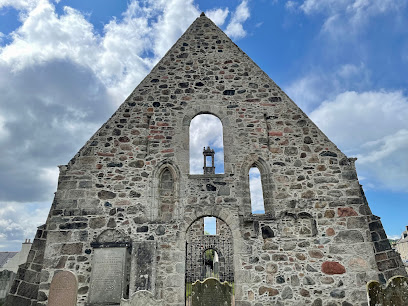
Rothes Castle
40.3 km
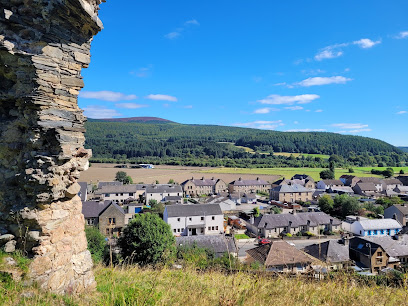
Explore the evocative ruins of Rothes Castle, a 13th-century fortress commanding the Spey Valley and steeped in Scottish medieval history.
Soldiers Head
44.4 km
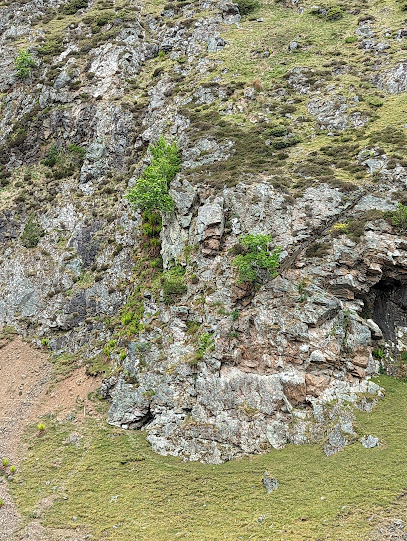
Discover Soldiers Head near Inverness, a natural Highland landmark steeped in history and local legend, offering stunning views and cultural significance.
Airlie Monument
48.8 km
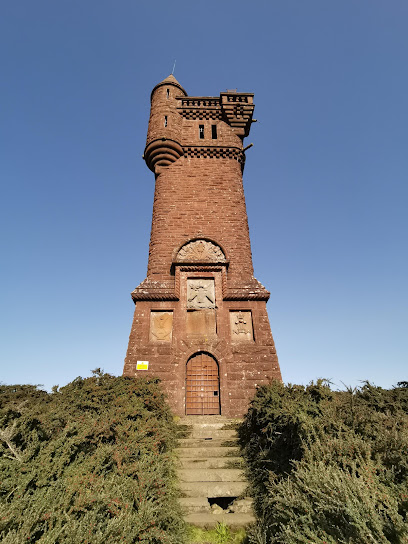
Historic Airlie Monument on Tulloch Hill offers breathtaking views and honors the 9th Earl of Airlie’s legacy in scenic Angus.
Scott Wilson Memorial
49.4 km
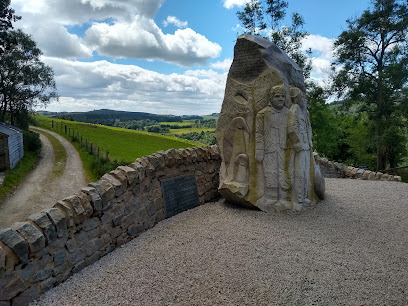
A powerful granite tribute to Antarctic explorers Captain Scott and Dr Edward Wilson, set in the peaceful hills of Glen Prosen near Kirriemuir.
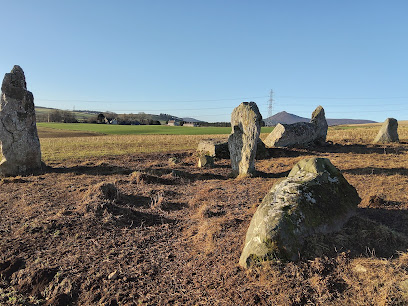
Balquhain Stone Circle
50.3 km
Explore Balquhain Stone Circle, a rare Neolithic monument near Inverurie, revealing ancient ritual mysteries amidst Aberdeenshire’s serene landscape.
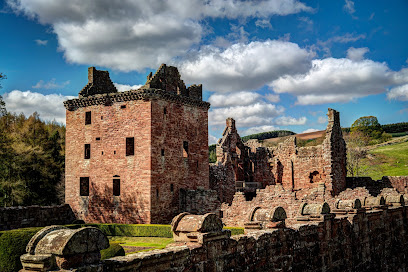
Edzell Castle and Garden
51.4 km
Explore the captivating Edzell Castle and Garden, a blend of rich history and stunning landscapes nestled in the heart of Scotland.
The Caterthuns
51.9 km
Uncover the ancient history and breathtaking views at The Caterthuns, Scotland's remarkable Iron Age hill forts near Brechin.
Asliesk Castle (remains)
53.1 km
Explore the ivy-clad ruins of Asliesk Castle, a 16th-century Scottish tower house steeped in history and legend near Elgin, Moray.

Lady Hill
54.2 km
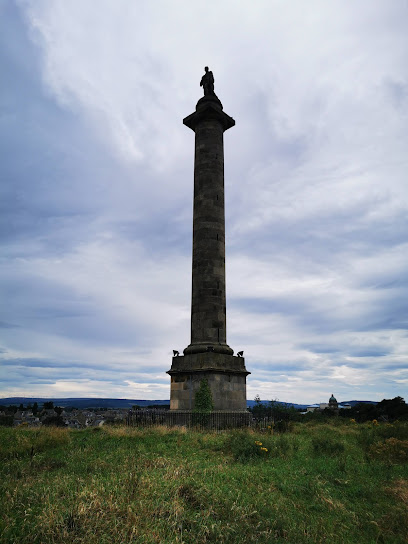
Historic Lady Hill in Elgin features the towering Duke of Gordon Monument and ancient castle ruins with stunning panoramic views.
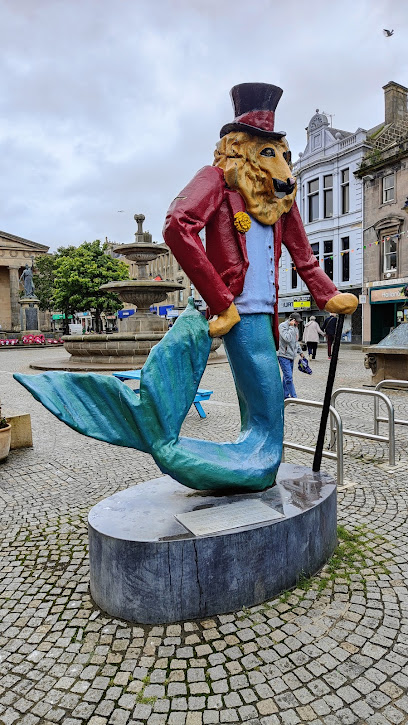
The Dandy Lion Statue
54.2 km
Discover the Dandy Lion Statue in Elgin: a whimsical sculpture that embodies the artistic spirit and charm of this historic town.
Elgin Museum
54.3 km
Immerse yourself in the fascinating history and culture of Moray at Elgin Museum, a gem of Scottish heritage.
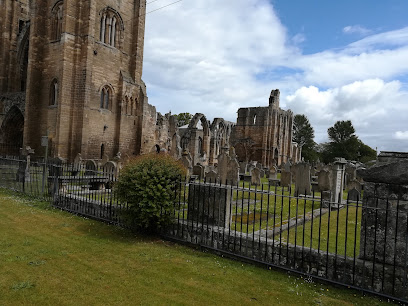
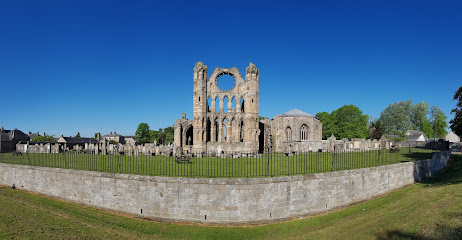
Elgin Cathedral
54.4 km
Discover the beauty and history of Elgin Cathedral, a stunning Gothic landmark in the heart of Scotland's Moray region.
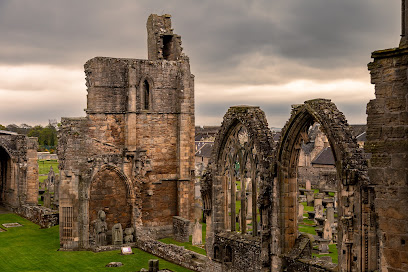
Biblical Garden Elgin
54.5 km
Explore the tranquil Biblical Garden Elgin, a unique destination blending nature and spirituality in the heart of Elgin, UK.
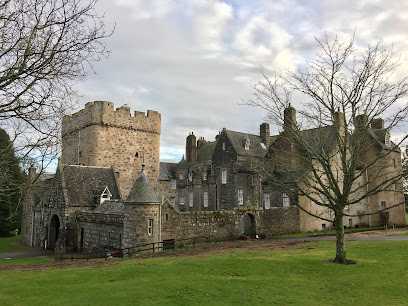
Drum Castle - Garden & Estate
54.6 km
Explore the historical charm and stunning gardens of Drum Castle, a captivating landmark in Banchory, perfect for history enthusiasts and nature lovers alike.
Unmissable attractions to see

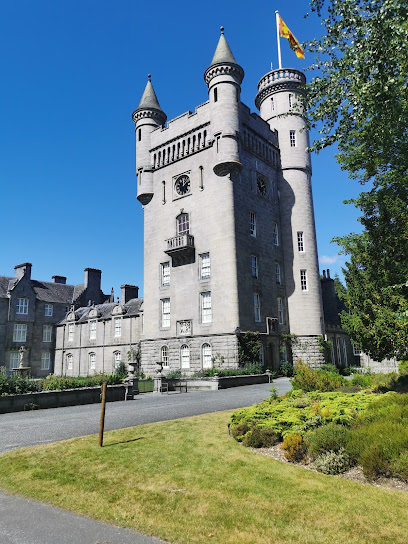
Balmoral Castle
13.7 km
Explore Balmoral Castle, the Scottish Highland home of the British Royal Family, where royal heritage meets breathtaking natural beauty.
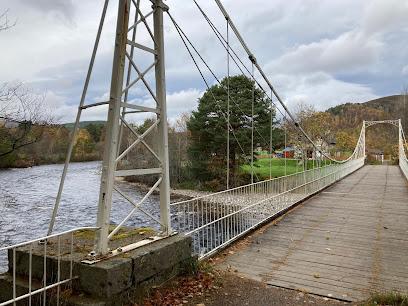
Crathie, Suspension Bridge
14.5 km
Discover the stunning Crathie Suspension Bridge, a picturesque landmark over the River Dee, perfect for nature lovers and photography enthusiasts.
Strathdon Ranch
17.2 km
Discover the serene beauty and historic charm of Strathdon Ranch, a Highland estate on the edge of the Cairngorms National Park.
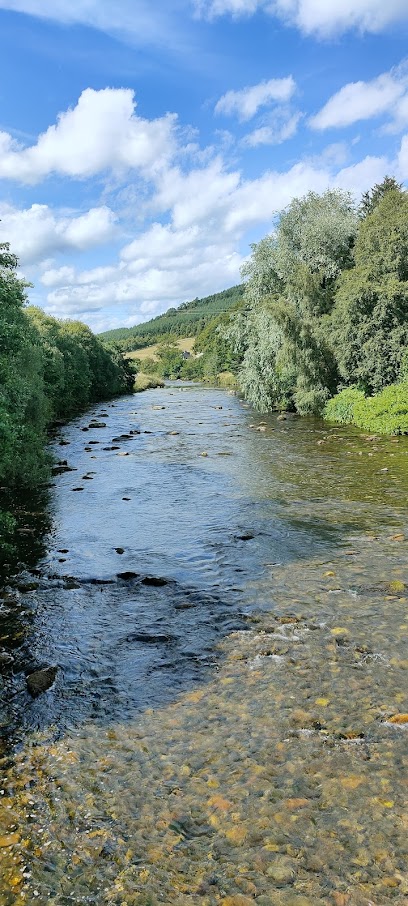
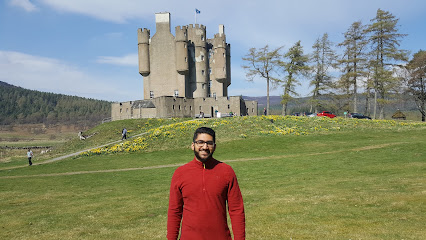
Braemar Castle
19.0 km
Discover Braemar Castle, a historic 17th-century Highland fortress lovingly preserved by its community amidst the stunning Cairngorms landscape.
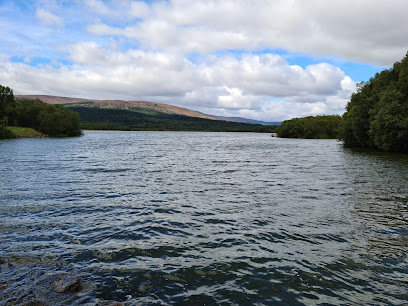
Muir of Dinnet National Nature Reserve
19.6 km
Discover Scotland’s enchanting Muir of Dinnet, where ancient geology meets tranquil woodlands and rich wildlife in a captivating natural mosaic.
Braemar Chocolate Shop
20.1 km
Discover handmade Scottish chocolates crafted with passion in the heart of Braemar village, Cairngorms National Park.
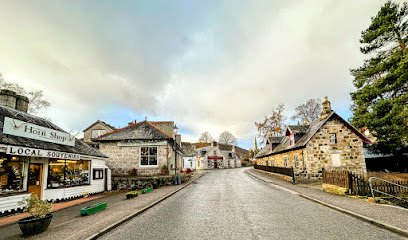
McLean Of Braemar
20.1 km
Discover authentic Scottish gifts and local crafts in the heart of Braemar’s scenic Royal Deeside at McLean Of Braemar.
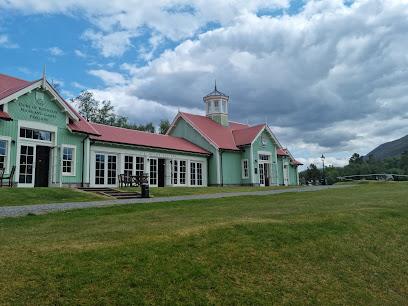
Braemar Highland Games Centre
20.3 km
Explore Scotland’s Highland Games heritage and royal connections at the stunning Braemar Highland Games Centre in the Duke of Rothesay Pavilion.
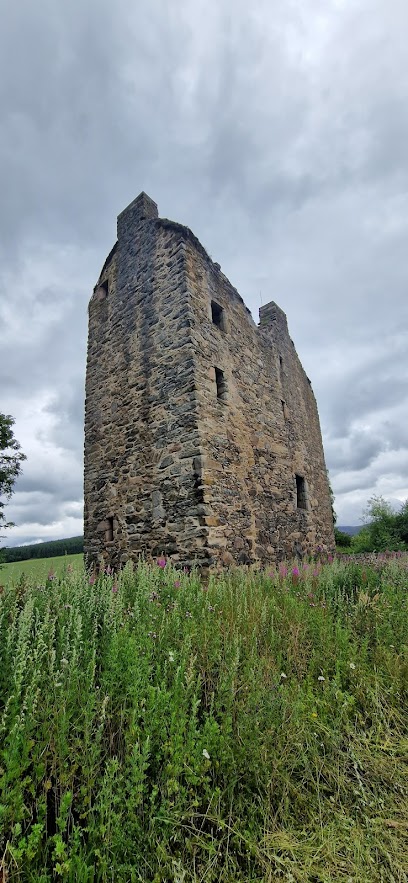
Blairfindy Castle
20.7 km
Explore the evocative ruins of Blairfindy Castle, a 16th-century Highland tower house steeped in history and surrounded by stunning Glenlivet landscapes.
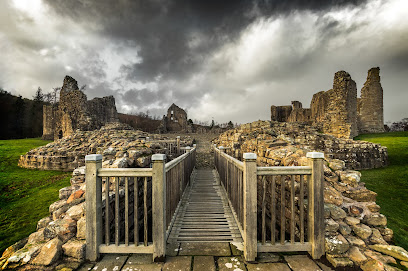
Kildrummy Castle
21.4 km
Explore Kildrummy Castle, a majestic 13th-century fortress steeped in Scottish history, from medieval sieges to Jacobite rebellions.
Drumin Castle
22.8 km
Explore the evocative ruins of Drumin Castle, a 15th-century tower house tied to Scotland’s fierce Wolf of Badenoch, set amid stunning Highland landscapes.
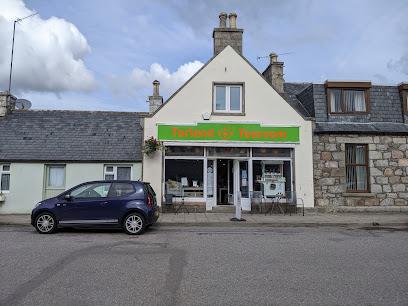
Tarland Tearooms
23.0 km
Cozy and affordable village tearoom offering fresh paninis, salads, and traditional fare in the heart of Tarland, Aberdeenshire.
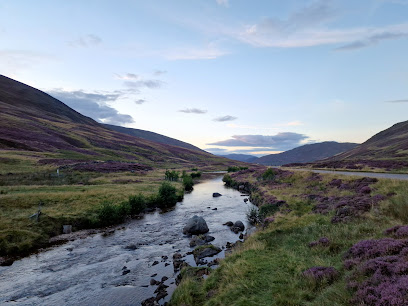
Cairngorms National Park
23.5 km
Explore the UK’s largest national park, where rugged mountains, ancient forests, and rich Highland heritage create an unforgettable wilderness adventure.
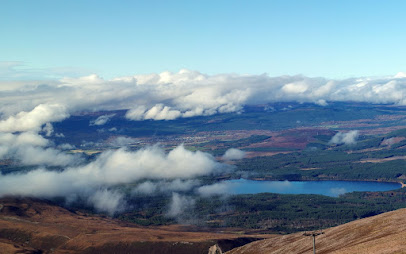
Cairngorm Mountain
26.5 km
Scotland's premier mountain resort where winter skiing meets year-round Highland adventure in the heart of the Cairngorms.
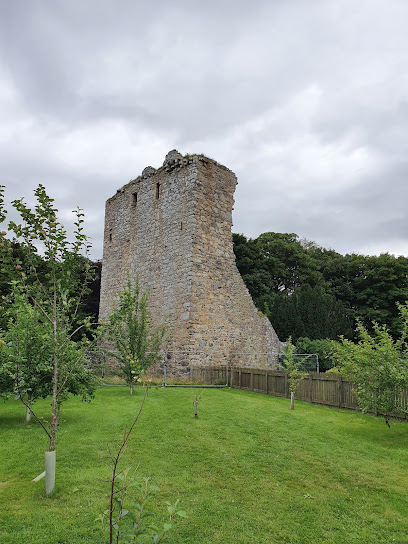
Castle Roy
28.0 km
Discover Castle Roy, a 12th-century Highland fortress preserved for history, culture, and community events amid stunning Scottish landscapes.
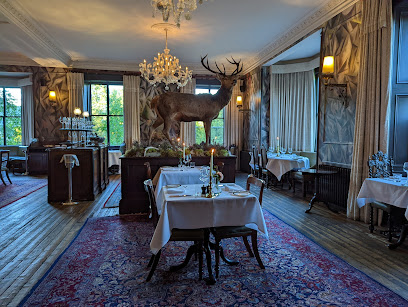
Essential places to dine

The Clunie Dining Room
20.1 km
Elegant Scottish fine dining with wood-fired flavors and striking contemporary art in the heart of Braemar’s Cairngorms.
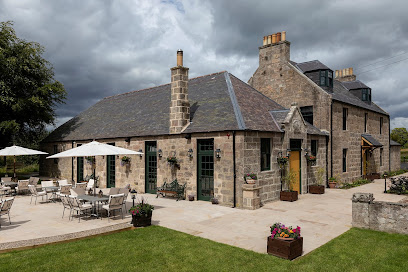
Kildrummy Inn
22.3 km
Luxurious Scottish country inn blending Victorian charm, gourmet dining, and warm hospitality in a tranquil Aberdeenshire setting.
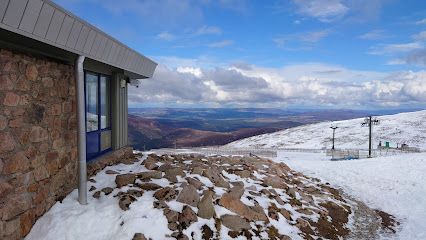
Ptarmigan Restaurant
25.2 km
Dine at the UK’s highest restaurant with panoramic Highland views and hearty local fare atop Cairngorm Mountain.
Cairngorm Cafe
26.5 km
Cozy café nestled in Cairngorm Mountain ski area serving hearty seasonal food with stunning Highland views year-round.
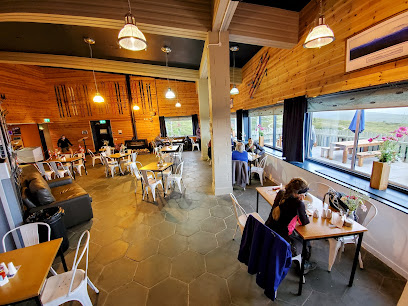
Seven Stills French Restaurant and Malt Whisky Bar/Lounge
32.0 km
An intimate French bistro and whisky lounge in Dufftown blending classic cuisine with Speyside’s renowned malt heritage.
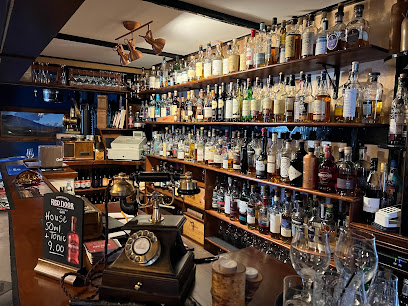
Andersons Restaurant
33.0 km
Cozy and intimate dining in Boat of Garten, blending bistro charm with Scottish flavors for memorable family and special occasions.
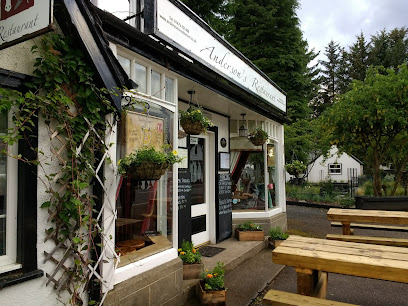
The Mash Tun Hotel
34.2 km
Charming Aberlour hotel with cozy rooms, acclaimed whisky bar, and a celebrated restaurant showcasing Speyside’s rich heritage.
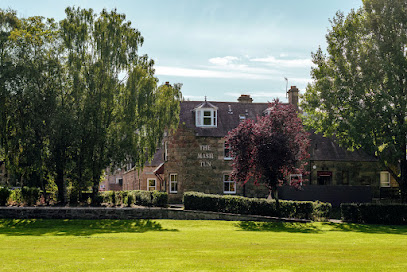
Coylumbridge Hotel
34.4 km
Family-friendly resort nestled in the Cairngorms with pools, adventure parks, and Highland charm for all ages.
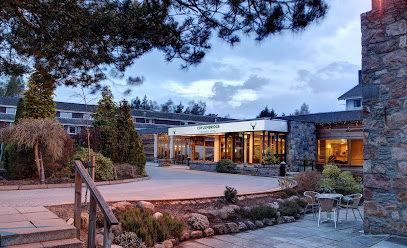
Macduis Speyside Inn Catering Ltd
36.0 km
A welcoming Highland pub in Aviemore serving hearty comfort food with a famously dog-friendly atmosphere and attentive service.
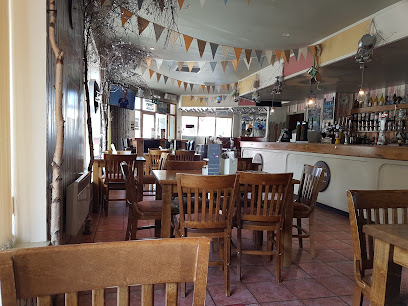
Happy Haggis
36.0 km
Aviemore’s cherished family-run spot serving crispy, delicious fish and chips with warm, friendly service since 1974.
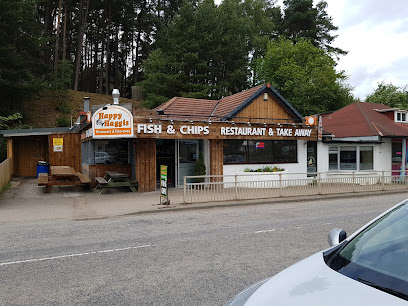
The Old Bridge Inn
36.0 km
A cozy Highland gastro pub on the River Spey, blending hearty local fare, live music, and warm hospitality in Aviemore.
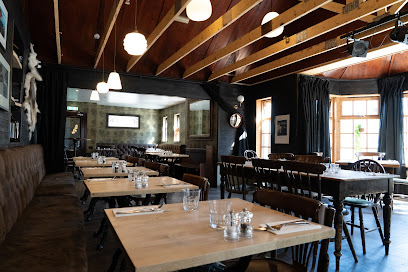
The Winking Owl, Craft Ale Pub & Bar
36.1 km
Discover the charm of The Winking Owl in Aviemore – your go-to spot for craft ales and delightful cuisine amidst stunning Scottish landscapes.
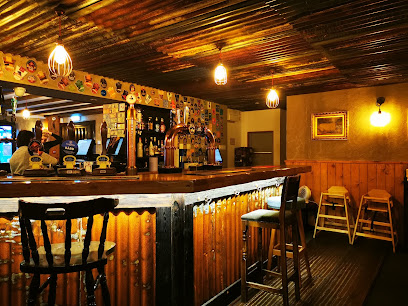
The Boathouse Restaurant Loch Insh
41.7 km
Charming Highland dining with stunning Loch Insh views and hearty Scottish fare at the heart of the Cairngorms outdoor centre.
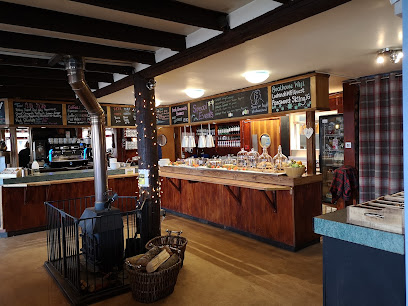
The Cowshed Restaurant & Takeaway
45.8 km
A family-owned haven in Aberdeenshire serving simple, seasonal Scottish cuisine with a popular fresh fish takeaway.
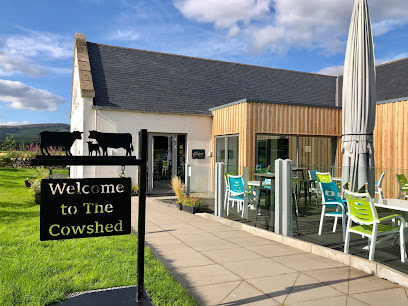
Banchory Lodge Hotel
46.6 km
A charming 4-star riverside hotel in Royal Deeside offering comfort, local cuisine, and scenic Scottish landscapes.
Markets, malls and hidden boutiques

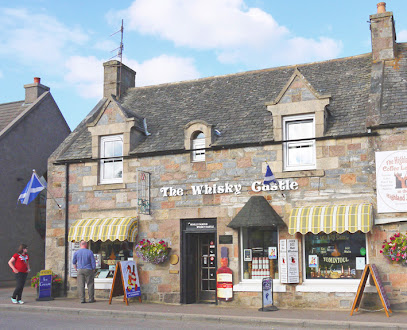
The Whisky Castle & Highland Market
13.1 km
Discover a century-old whisky treasure trove in Tomintoul, where Scotland’s finest malts meet warm Highland hospitality.
Balmoral Castle Shop
13.5 km
Discover exquisite royal souvenirs and handcrafted treasures at Balmoral Castle Shop, set in a charming Victorian stable in scenic Aberdeenshire.
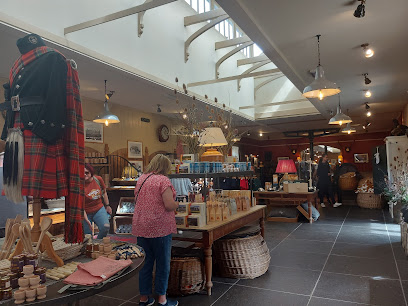
The Horn Shop
20.1 km
Discover authentic Scottish horn crafts and souvenirs in the heart of Braemar’s charming Highland village.
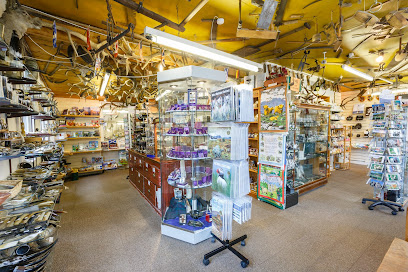
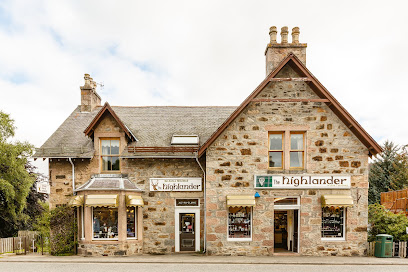
The Highlander
20.1 km
Discover authentic Scottish souvenirs and local crafts at The Highlander in Braemar - a must-visit shop for every traveler.
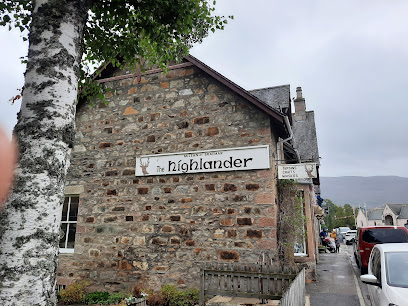
Braes O'Mar Gift Shop
20.1 km
Discover authentic Scottish crafts and unique gifts in the heart of Braemar’s scenic Highlands village.
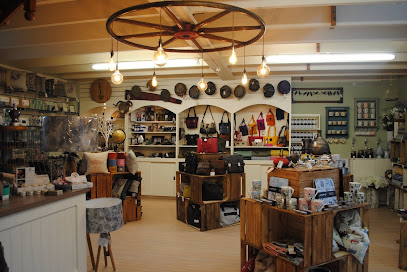
The Shop At The Top
25.2 km
Discover unique Highland crafts and outdoor gear at The Shop At The Top, a charming Aviemore destination nestled in the heart of the Cairngorms.
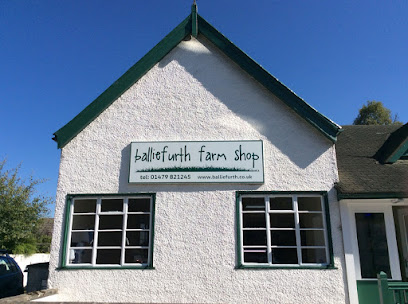
Balliefurth Farm Shop
27.9 km
Highland heritage meets artisan quality in Scotland's Cairngorms—a family-run butcher and farm shop since 1948.
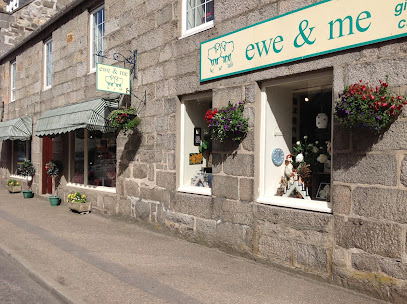
Ewe & Me
29.2 km
Discover unique Highland gifts and artisan crafts at Ewe & Me, Grantown-on-Spey’s award-winning independent gift shop.
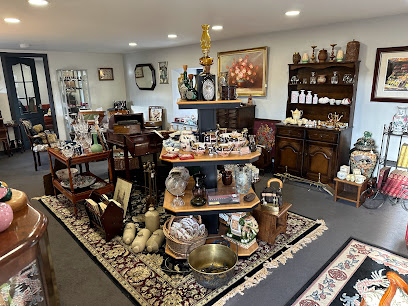
Alfies antiques and collectibles
34.2 km
Explore a treasure trove of vintage delights at Alfies Antiques and Collectibles in Aberlour – a must-visit for antique enthusiasts and collectors alike.
Treasures
34.8 km
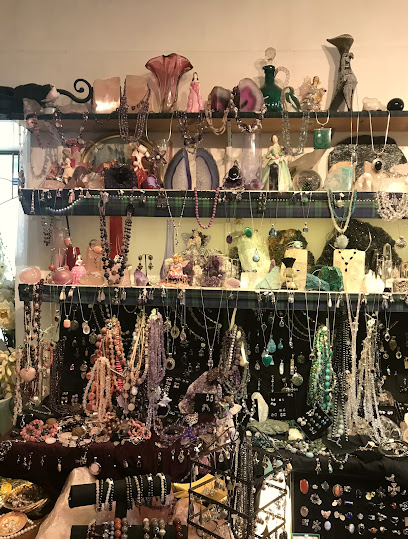
Discover exquisite natural stones and handcrafted jewellery in the charming village of Kincardine O'Neil at Treasures rock shop.
Deeside Antiques Emporium
35.0 km
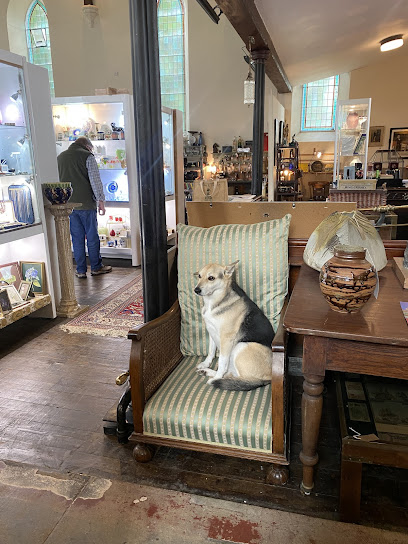
Discover timeless antiques and rich heritage in the heart of Kincardine O'Neil, the oldest village in Aberdeenshire.
Speyside Cooperage Shop
35.7 km
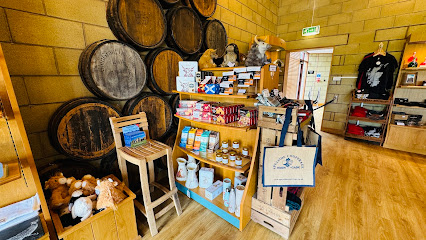
Discover the ancient craft of coopering and find unique whisky-themed gifts at Speyside Cooperage Shop in the heart of Scotland’s whisky country.
Avi Boutique
36.0 km
Discover stylish local and branded fashion at Avi Boutique, Aviemore’s premier clothing shop in the scenic Cairngorms.

Nevisport
36.0 km
Your expert outfitter for top-quality outdoor gear and advice in the heart of Cairngorm National Park, Aviemore.

Mountain Warehouse
36.0 km
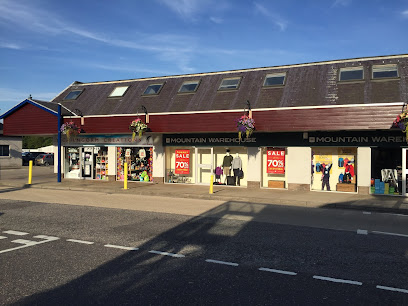
Your go-to outdoor clothing and equipment store in Aviemore for quality gear and expert advice in the heart of the Highlands.
Essential bars & hidden hideouts

Steading Bar
11.7 km
Cozy Highland bar with a superb whisky selection and warm hospitality nestled in Strathdon’s scenic Lonach Hotel.
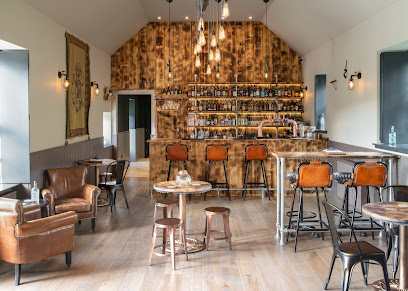
Farquharsons Bar and Kitchen
20.1 km
Cozy gastropub in Braemar offering classic Scottish fare, pet-friendly charm, and a warm Highland welcome in the heart of Cairngorms National Park.
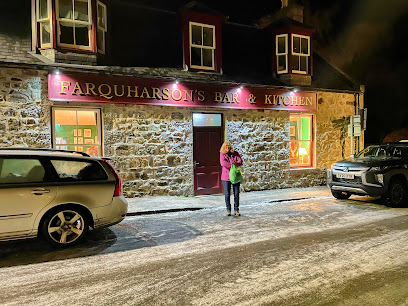
Elsa's Bar
20.1 km
A stylish cocktail bar blending Scottish spirits and Art Deco charm in Braemar’s iconic Fife Arms hotel.
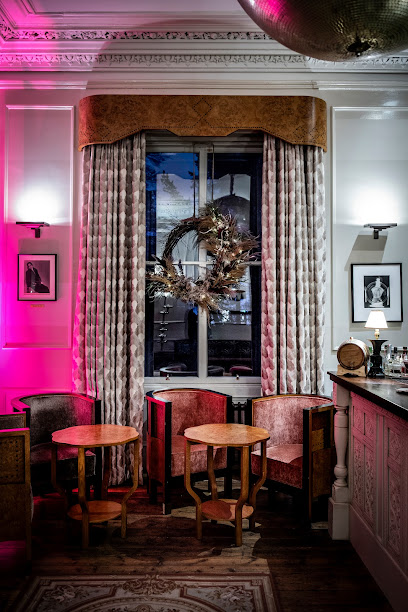
The Flying Stag
20.1 km
A vibrant Scottish pub in Braemar blending local heritage, hearty cuisine, and unique art in the heart of the Cairngorms.
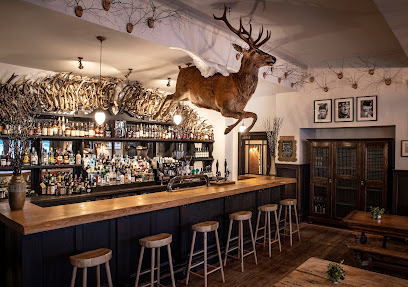
Bertie's Bar
20.1 km
Discover Scotland’s whisky heritage in Bertie’s Bar, a glowing library of over 500 whiskies inspired by King Edward VII’s lavish spirit.

The Drawing Room
20.1 km
An elegant Victorian-style lounge in Braemar blending world-class art, Highland hospitality, and refined afternoon tea experiences.
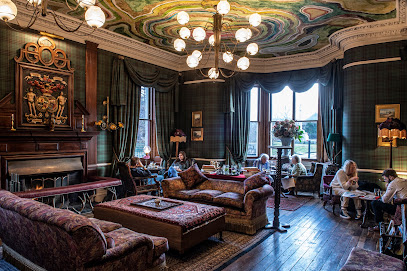
The Pine Marten Bar
27.9 km
Cozy alpine-style bar in Glenmore offering local ales, hearty food, live music, and a warm welcome near Loch Morlich.
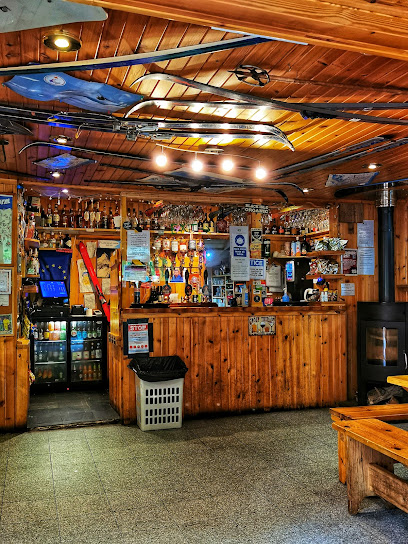
The Craig Bar
29.1 km
A lively Grantown-on-Spey pub famed for its exceptional pies, warm atmosphere, and authentic Highland hospitality.
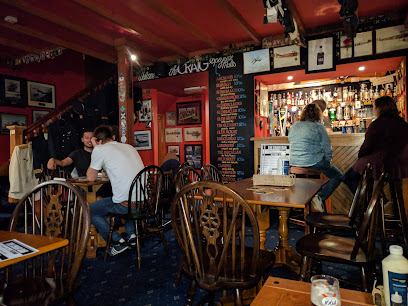
Claymore Bar
29.2 km
A cozy and friendly Highland pub in Grantown-on-Spey offering hearty drinks, lively entertainment, and genuine Scottish hospitality.
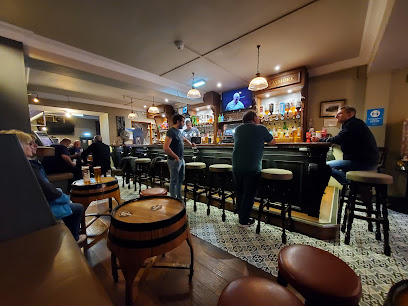
The Boat Country Inn & Restaurant
32.7 km
A cozy Highland inn blending rustic charm, hearty Scottish cuisine, and scenic mountain views in the heart of Boat of Garten.
Woodshed Bar
34.3 km
A cozy log cabin bar in Aviemore offering local ales, crafted cocktails, and a warm Highland atmosphere with occasional live music.
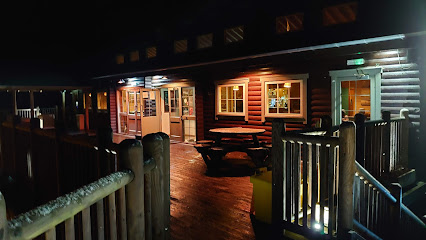
Skiing Doo
36.0 km
A beloved Aviemore bar and restaurant known for hearty British fare and friendly vibes, now closed but fondly remembered.
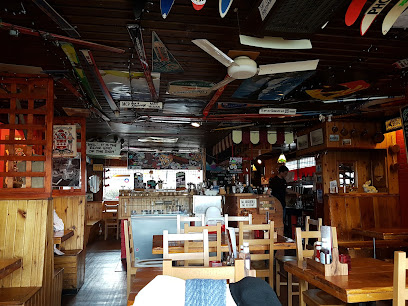
Mambos
36.0 km
Lively Aviemore bar and eatery with diverse menu, friendly vibe, and vibrant nightlife on Grampian Road in the heart of the Scottish Highlands.
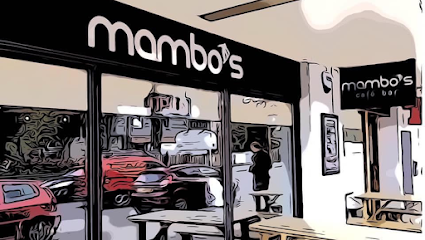
Cairngorm Hotel
36.0 km
Experience warm Scottish hospitality and cozy charm in Aviemore’s Cairngorm Hotel, your gateway to the Highlands.
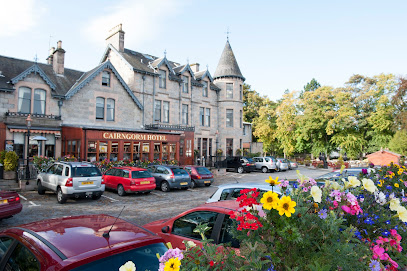
the Balavoulin
36.0 km
A cosy Highland pub and guesthouse in Aviemore offering hearty food, local drinks, and comfortable rooms in a warm, welcoming setting.
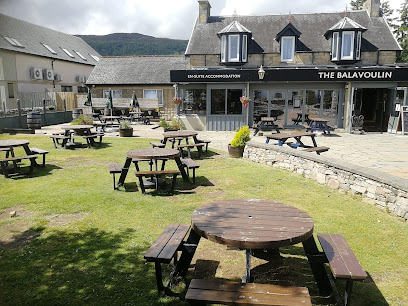
Nightclubs & after hour spots

The Vault
36.0 km
Experience Aviemore’s vibrant nightlife at The Vault, a lively nightclub blending modern beats with Highland charm every weekend.
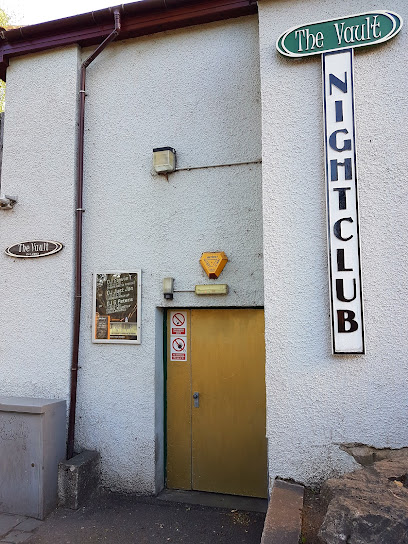
Seaforth Club
54.1 km
A welcoming members-only social club in Elgin offering great atmosphere, steak suppers, and a true sense of community spirit.
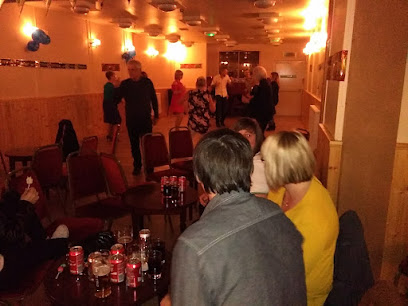
Zed Bar
54.2 km
Experience the vibrant nightlife at Zed Bar in Elgin, where great drinks and lively atmosphere await every visitor.
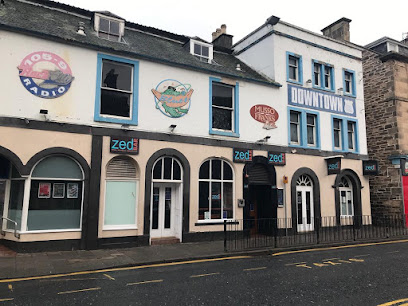
Joannas Nightclub
54.3 km
Lively and casual nightclub in Elgin’s town centre, offering weekend late-night music, dancing, and social vibes in a friendly local setting.
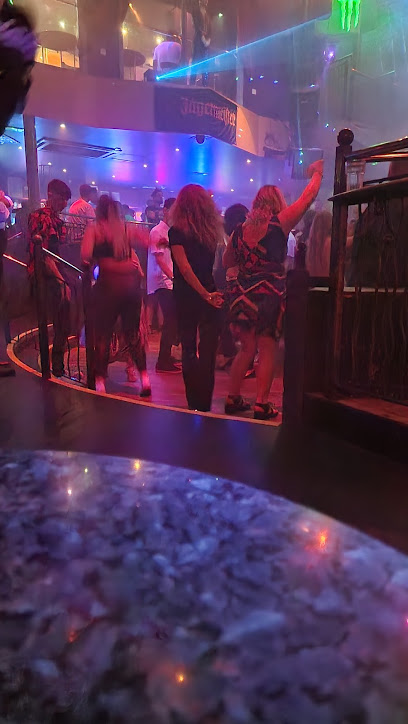
Moray Jazz Club
54.6 km
Discover the vibrant live music scene at Moray Jazz Club in Elgin, where talented musicians create unforgettable performances in an intimate setting.

Purple Nightclub
59.3 km
Experience Buckie’s vibrant nightlife at Purple Nightclub, the ultimate destination for dancing, live music, and unforgettable late-night events.
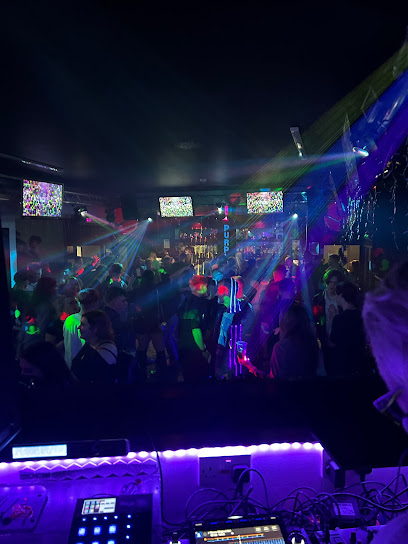
Xplosive Discos
60.9 km
Experience the vibrant nightlife at Xplosive Discos in Nairn, where unforgettable music and karaoke fun await every visitor.
Royal Night Club
61.3 km
Vibrant nightlife and lively DJ nights in the heart of Forfar’s historic Royal Hotel, complete with rooftop terrace and buzzing bar scene.
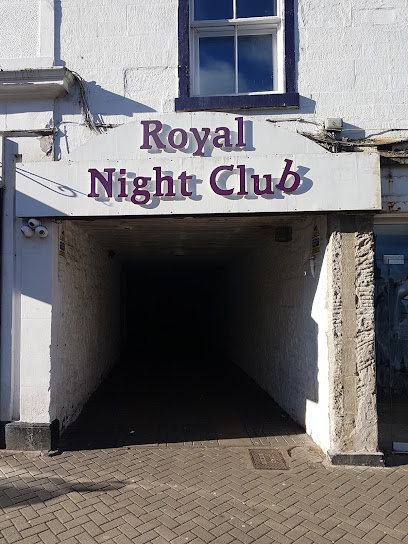
The Gig
64.0 km
Experience Blairgowrie’s vibrant nightlife at The Gig, a welcoming and affordable nightclub in the heart of this scenic Scottish town.

Babylon
67.7 km
Discover the pulse of Aberdeen's nightlife at Babylon, a premier nightclub and bar offering unforgettable nights filled with music and fun.
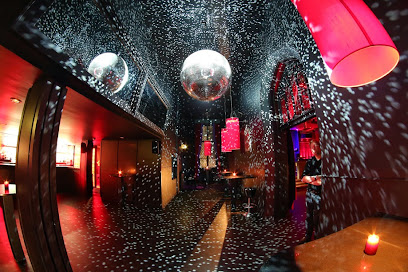
491 Union Street
67.8 km
Dive into Aberdeen's electric nightlife at this top-of-Union-Street hotspot, where killer beats, craft drinks, and epic events light up weekends until dawn.
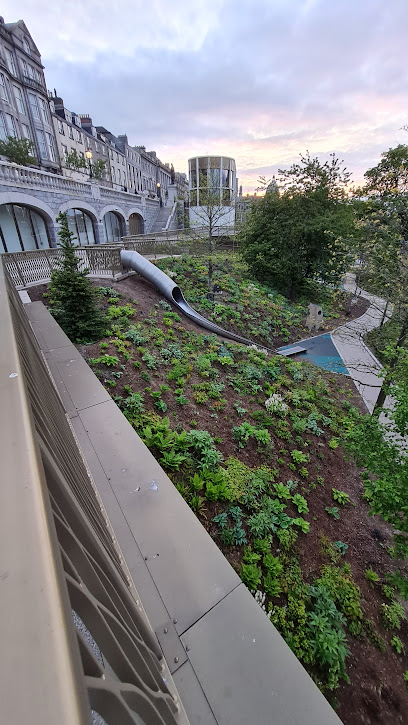
Venga
67.8 km
Dive into Aberdeen's electric nightlife at Venga, where retro beats, themed nights, and cocktails fuel unforgettable dances until dawn on vibrant Chapel Street.

Club Tropicana & Venga
67.8 km
Compact retro nightclub on Chapel Street with neon kitsch, themed nights and a late‑night dancefloor for nostalgic hits and loud, energetic DJ sets.

Dusk Cocktail Bar
68.0 km
Experience the vibrant nightlife of Aberdeen at Dusk Cocktail Bar, where expertly crafted cocktails meet a stylish atmosphere.
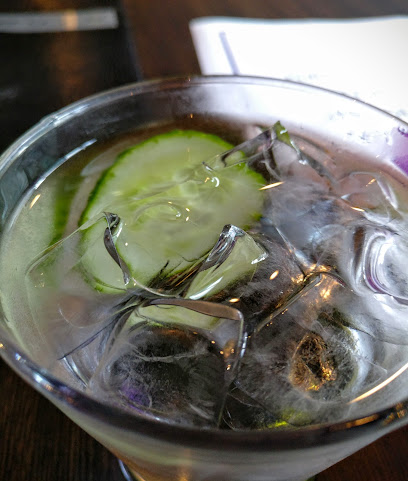
Prohibition
68.0 km
Experience Aberdeen’s vibrant nightlife at Prohibition, a lively nightclub with pulsating music, dynamic events, and a welcoming party atmosphere.

For the vibe & atmosphere seeker
- Tranquil
- Scenic
- Unique
- Historic
For the design and aesthetic lover
- Rustic Designs
- Vintage Styles
For the architecture buff
- Historic
- Landmarks
- Heritage Neighborhoods
For the view chaser and sunset hunter
- Iconic Views
- Panoramas
- Sunset Spots
For the social media creator & influencer
- Instagrammable
- Photo Spots
- Selfie Spots
For the eco-conscious traveler
- Protected Area
- Public-Transport Accessible
- Leave-No-Trace Critical
- Locally Managed
- Wildlife Habitat
For the kind of experience you’re after
- Cultural Heritage
- Photowalk
- Nature Escape
- Day Trip
- Weekend Getaway
- Myth & Legends
For how adventurous you want the journey to be
- Easy Access
Location Audience
- Family Friendly
- Senior Friendly
- Child Friendly
- Teen Friendly
- Wheelchair Access
- Pet Friendly
- Solo Friendly
- Couple Friendly
- Solo Female Friendly


