
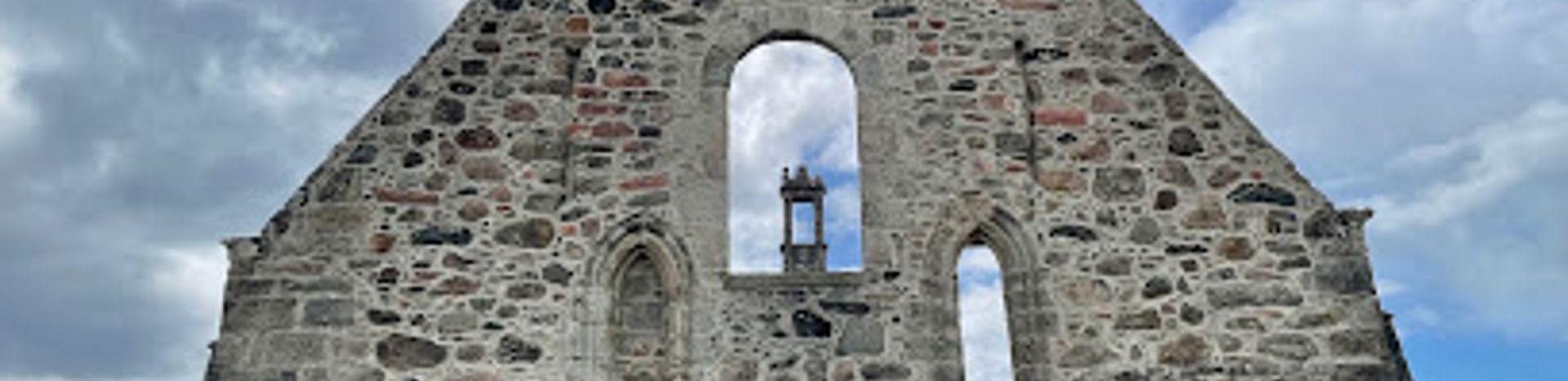
Kincardine O'Neil Auld Kirk: A Historic Scottish Ruin
Explore the evocative medieval ruins of Kincardine O'Neil Auld Kirk, a historic Scottish landmark steeped in centuries of religious and local heritage.
The Kincardine O'Neil Auld Kirk is a historic ruined church located in the village of Kincardine O'Neil, Aberdeenshire, Scotland. Dating back to the 14th century, it stands as a testament to medieval ecclesiastical architecture and local history. Once part of a hospital complex founded in the 13th century, the kirk is notable for its ancient stonework, original door arch, and bellcote. It is a Scheduled Ancient Monument, reflecting its national significance.
A brief summary to Kincardine O'Neil Auld Kirk
- 9w, 307 High St, Aboyne, Kangaroo Flat, Kincardine O'Neil, GB
- Duration: 0.5 to 1.5 hours
- Free
-
 Outdoor
- Mobile reception: 4 out of 5
Local tips
- Visit during daylight hours to fully appreciate the architectural details and surrounding village atmosphere.
- Bring a camera to capture the original 13th-century doorway arch and the ornate 17th-century bellcote.
- Combine your visit with a walk along the River Dee to experience the historic river crossing nearby.
- Wear sturdy footwear as the site is outdoors with uneven ground typical of historic ruins.

For the on-the-go comforts that matter to you
- Seating Areas
- Information Boards
Getting There
-
Bus
Take the Stagecoach bus service from Aberdeen to Aboyne, which runs approximately every 1-2 hours and takes around 1 hour 15 minutes. From Aboyne, a taxi or local transport can reach Kincardine O'Neil in about 10 minutes. Bus fares range from £5 to £10 one way.
-
Car
Driving from Aberdeen to Kincardine O'Neil takes roughly 45 minutes via the A93. Parking is limited near the kirk, so arrive early during peak times. No parking fees apply. The route is accessible year-round but may be affected by winter weather.
-
Walking
For local visitors, a scenic 30-minute walk from Aboyne follows quiet roads and country paths with some uneven terrain. Suitable for those with moderate fitness and good footwear. No special equipment needed.
Kincardine O'Neil Auld Kirk location weather suitability
-
 Any Weather
-
 Rain / Wet Weather
-
 Clear Skies
-
 Mild Temperatures
-
 Cold Weather
Discover more about Kincardine O'Neil Auld Kirk
Medieval Origins and Historical Significance
The Kincardine O'Neil Auld Kirk traces its origins to the 14th century, built on the site of an earlier hospital and chapel complex founded in the 13th century by Alan or Thomas Durward. This hospital served travelers and the poor, situated near an important river crossing over the River Dee. The kirk was dedicated to St Mary and was part of a prebend of Aberdeen Cathedral from 1330, reflecting its ecclesiastical importance. It was rebuilt mid-14th century by Bishop Alexander Kyninmund, with grants linked to the establishment of a chantry for the Durward family.Architectural Features and Ruins
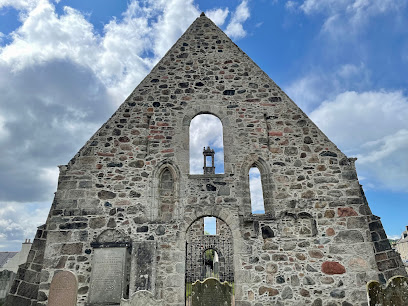
Today, the kirk remains a well-preserved ruin, notable for its narrow rectangular plan and medieval stone construction. Key features include the original 13th-century doorway arch, the tower remodeled in the 17th century which once served as a prison and session house, and an ornate bellcote dated 1661 topping the tower. The east gable and parts of the chancel survive, offering insight into the kirk’s historical layout and religious function. The site’s stonework and architectural details provide a tangible connection to Scotland’s medieval past.Location and Setting in Kincardine O'Neil
Situated on the northern bank of the River Dee in the village of Kincardine O'Neil, the kirk occupies a historically strategic location near a significant river crossing. This crossing was a key route between Strathmore and Mar, making the kirk and its associated hospital vital for travelers in medieval times. The village itself is steeped in history, and the kirk’s ruins contribute to the rural charm and heritage of the area.Preservation and Cultural Importance
Recognized nationally, the Kincardine O'Neil Auld Kirk is designated as a Scheduled Ancient Monument, ensuring its protection and conservation. Recent repair works have been celebrated by the local community, highlighting the kirk’s role as a cultural landmark. Although no longer in ecclesiastical use, the site remains a poignant reminder of Scotland’s religious and social history, attracting visitors interested in heritage and medieval architecture.Visitor Experience and Atmosphere
Visitors to the Auld Kirk can explore the evocative ruins, imagining the lives of medieval clergy and travelers who once passed through. The quiet village setting, combined with the historic stone ruins, creates a tranquil and reflective atmosphere. The original door arch and bellcote are particularly striking features that draw attention. The site offers a unique glimpse into the layered history of Aberdeenshire’s ecclesiastical landscape.Connections to Broader Scottish History
The kirk’s history is intertwined with notable Scottish figures such as Duncan, Earl of Fife, and the Bishops of Aberdeen. Its foundation and endowments reflect the medieval practice of chantry establishment for the salvation of benefactors’ souls. The kirk and former hospital stand as enduring symbols of medieval Scottish society’s care for travelers and the poor, as well as the church’s influence in regional governance and community life.Iconic landmarks you can’t miss

Kincardine O'Neil Auld Kirk
0.0 km
Explore the evocative medieval ruins of Kincardine O'Neil Auld Kirk, a historic Scottish landmark steeped in centuries of religious and local heritage.
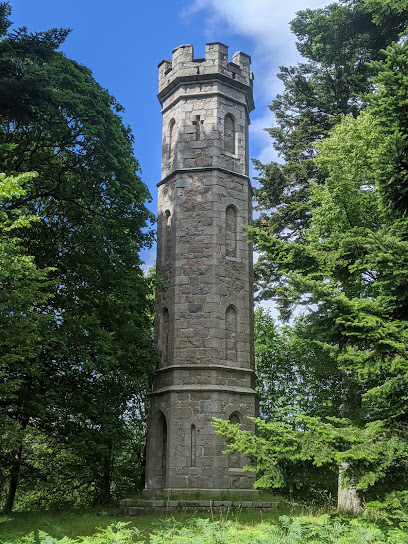
Keith's Tower
20.6 km
Discover Keith's Tower near Banchory, a striking 19th-century castellated landmark steeped in Scottish heritage and scenic charm.
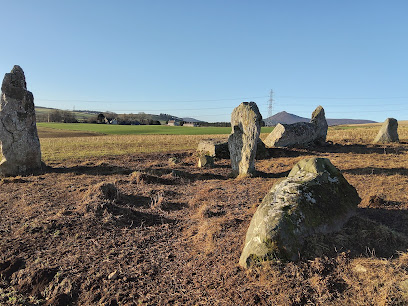
Balquhain Stone Circle
28.3 km
Explore Balquhain Stone Circle, a rare Neolithic monument near Inverurie, revealing ancient ritual mysteries amidst Aberdeenshire’s serene landscape.
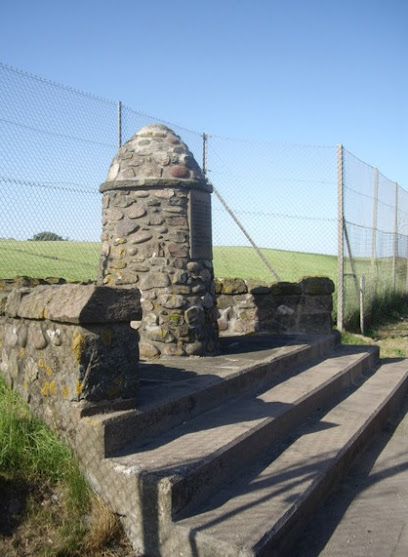
Robert Burns Family Memorial Cairn
28.9 km
Honoring Robert Burns’s ancestral roots in Stonehaven with a timeless stone memorial set in scenic Scottish countryside.
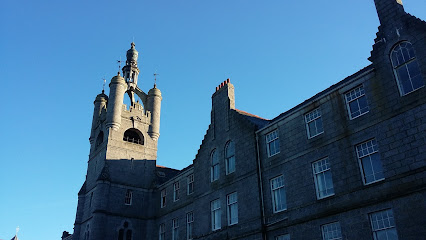
Blairs Museum
29.0 km
Explore Scotland’s Catholic heritage through centuries-old artifacts at Blairs Museum near Aberdeen, a unique cultural and spiritual treasure.
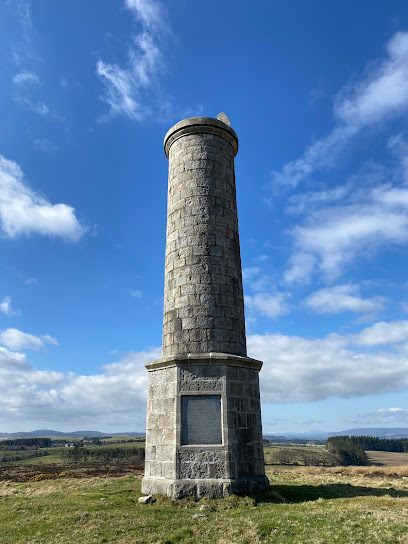
Boswell's Monument
29.7 km
Historic hilltop monument offering panoramic Aberdeenshire views and local heritage significance.
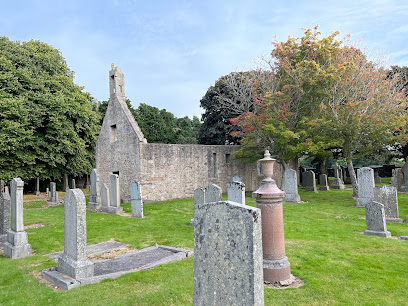
Dyce Standing Stones
29.9 km
Mysterious Pictish stones bridging pagan and Christian worlds, carved over 1,400 years ago.
Piper Alpha Memorial Garden
30.5 km
A solemn bronze memorial honoring 167 lives lost in the world's deadliest offshore oil disaster.
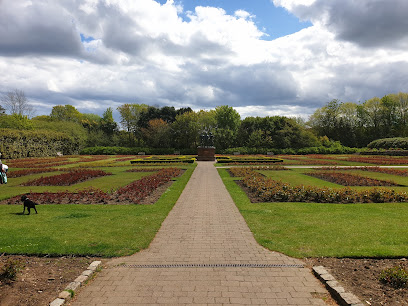
Stone 45
31.6 km
A historical landmark preserving Aberdeen's heritage in the heart of Bucksburn.
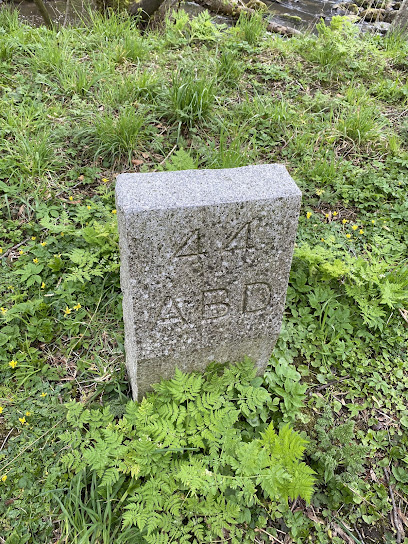
Workers' Memorial
33.2 km
A solemn granite obelisk in peaceful Persley Walled Garden, honoring Aberdeen’s industrial workers who lost their lives.
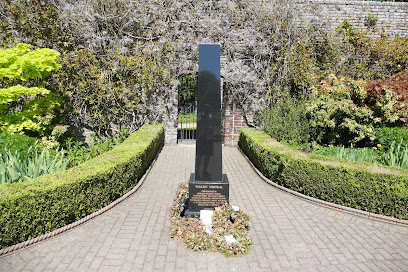
Barra Hill
33.4 km
Explore Barra Hill near Inverurie, an ancient hillfort and historic battlefield offering panoramic views and a deep connection to Scotland’s past.
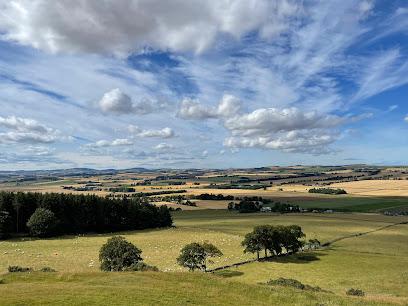
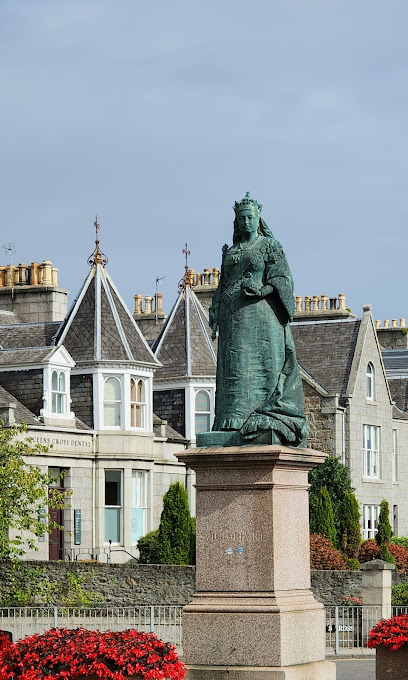
Queen Victoria Statue
33.7 km
Bronze tribute to a beloved monarch, marking Aberdeen's elegant West End and the city's royal heritage.
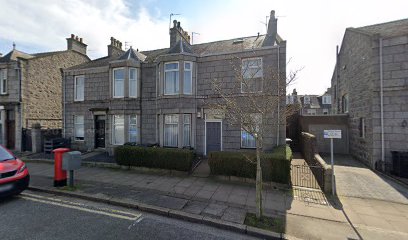
Edward VIII Post Box
33.9 km
Discover a rare Edward VIII post box in Aberdeen, a unique relic from the brief 1936 reign of a king who changed British history.
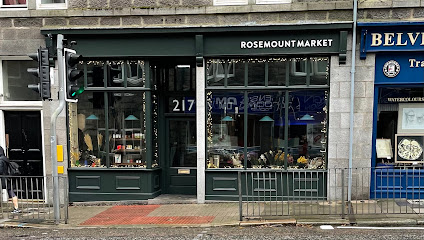
Rosemount Market
34.3 km
Discover Aberdeen’s Rosemount Market, a vibrant hub for sustainable shopping, local produce, and artisan crafts in a welcoming community setting.
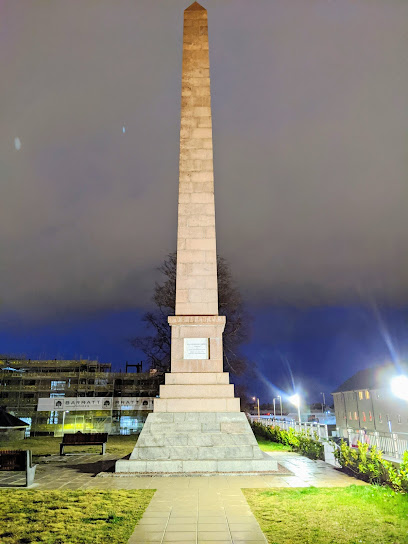
Forbes of Newe Obelisk
34.6 km
A noble stone memorial honouring a philanthropist's gift to Scottish mental health care
Unmissable attractions to see

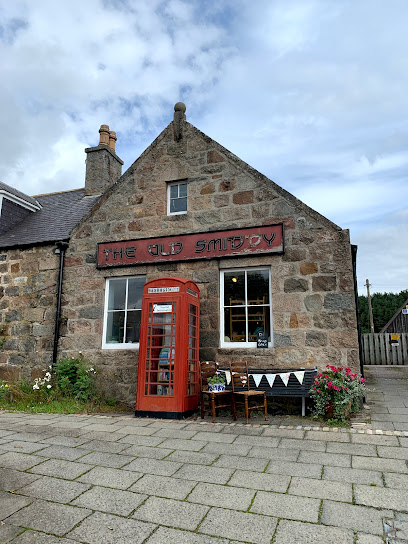
The Old Smiddy
0.1 km
Step into The Old Smiddy, a historic blacksmith’s workshop turned treasure trove of antiques and collectibles in scenic Kincardine O'Neil.
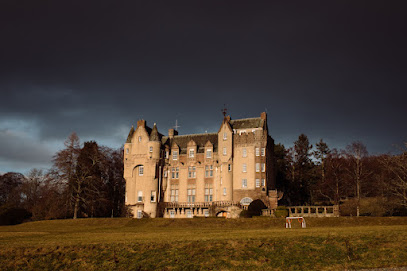
Kincardine
1.0 km
Experience Victorian grandeur and serene Scottish landscapes at Kincardine Castle, a majestic private estate in Royal Deeside.
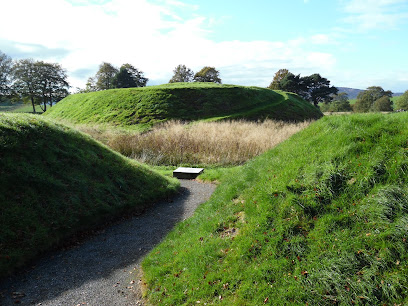
Peel of Lumphanan
4.3 km
Explore the evocative 13th-century Peel of Lumphanan, a rare earthwork castle with historic ties to King Macbeth and Scottish medieval heritage.
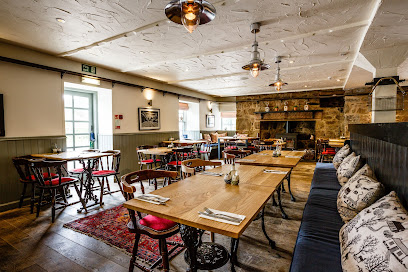
The Boat Inn
7.0 km
Cozy British inn and pub by the River Dee in Aboyne, offering stylish rooms, hearty local cuisine, and a warm, welcoming atmosphere.
Craigievar Castle
10.1 km
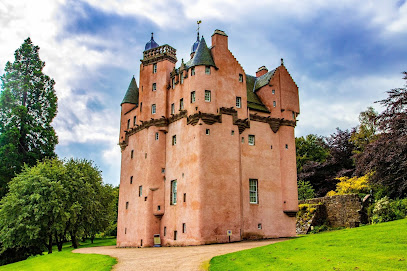
Discover the enchanting pink Scottish castle that inspired Disney’s Cinderella, with authentic Jacobean interiors and tranquil woodland grounds.
Aberdeenshire Highland Beef
11.6 km
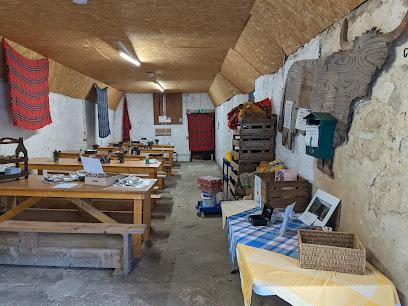
Experience authentic Scottish Highland cattle farming, premium beef, and immersive farm tours in the heart of Aberdeenshire countryside.
Bridge of Feugh
11.9 km
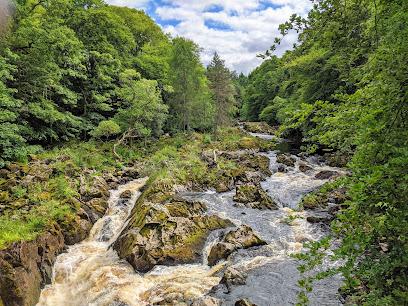
A historic stone bridge over the Water of Feugh, offering front-row views of the dramatic Falls of Feugh and the famous salmon leap in Royal Deeside.
Tarland Tearooms
12.0 km
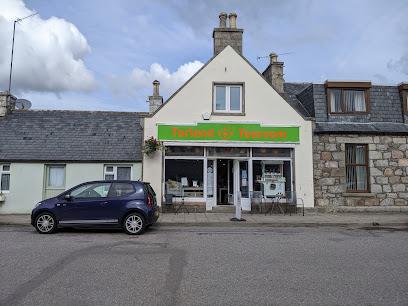
Cozy and affordable village tearoom offering fresh paninis, salads, and traditional fare in the heart of Tarland, Aberdeenshire.
Crathes Castle
14.5 km
Explore a magnificent 16th-century Scottish castle and its enchanting gardens, blending history, nature, and family fun near Banchory.
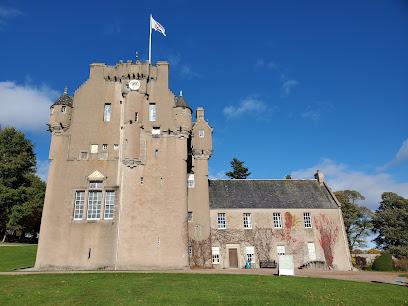
Milton of Crathes
15.3 km
A historic riverside courtyard blending Scottish heritage, independent shops, art, and family-friendly outdoor activities near Crathes Castle.
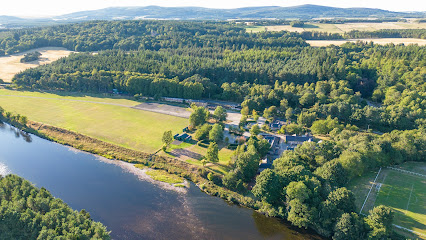
Muir of Dinnet National Nature Reserve
16.2 km
Discover Scotland’s enchanting Muir of Dinnet, where ancient geology meets tranquil woodlands and rich wildlife in a captivating natural mosaic.
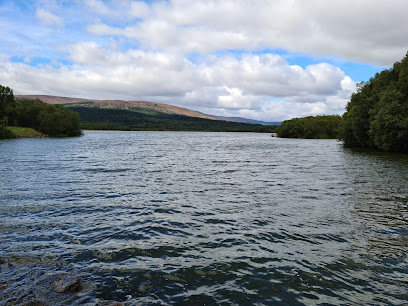
Everlongart Studio & Gift Shop
16.3 km
Discover original Scottish art and handcrafted gifts in a welcoming studio nestled in Alford’s charming Main Street.
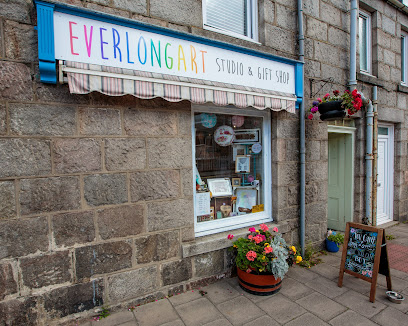
Grampian Transport Museum
16.4 km
Explore Scotland’s rich motoring past at Grampian Transport Museum, a family-friendly seasonal attraction in scenic Aberdeenshire.
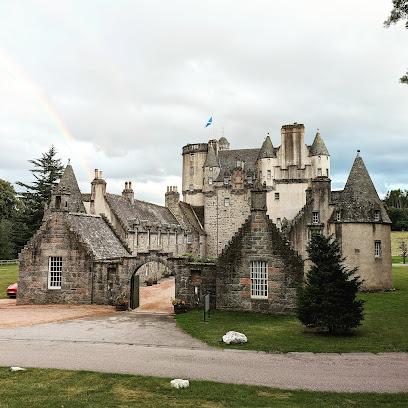
Castle Fraser, Garden & Estate
18.3 km
Explore one of Scotland’s grandest tower houses with secret staircases, vibrant gardens, and scenic woodland trails in Aberdeenshire.
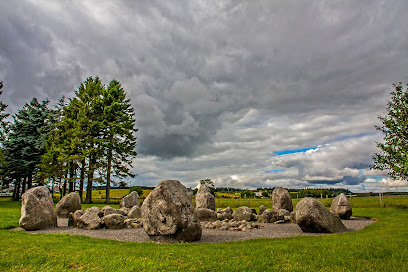
Cullerlie Stone Circle
19.8 km
Explore the rare Bronze Age Cullerlie Stone Circle, a unique cremation site nestled in Aberdeenshire’s tranquil valley landscape.
Essential places to dine

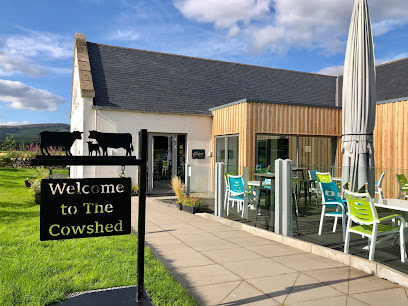
The Cowshed Restaurant & Takeaway
11.0 km
A family-owned haven in Aberdeenshire serving simple, seasonal Scottish cuisine with a popular fresh fish takeaway.
Banchory Lodge Hotel
11.8 km
A charming 4-star riverside hotel in Royal Deeside offering comfort, local cuisine, and scenic Scottish landscapes.

Restaurant at The Lodge
11.8 km
Elegant riverside dining at Banchory Lodge Hotel, blending local flavors with historic Scottish charm and scenic Dee River views.
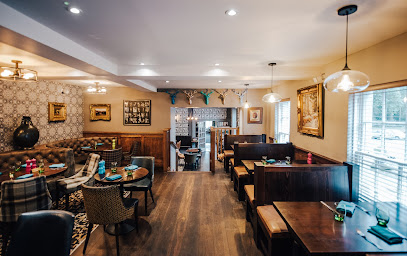
The Falls of Feugh Restaurant
11.9 km
Experience award-winning Scottish cuisine with stunning waterfall views on Royal Deeside’s scenic River Feugh.
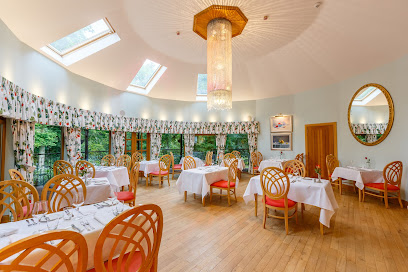
Scott Skinner's Restaurant & Bar
12.3 km
A charming family-run pub and restaurant in Banchory offering hearty Scottish fare and warm hospitality in a cosy, welcoming setting.
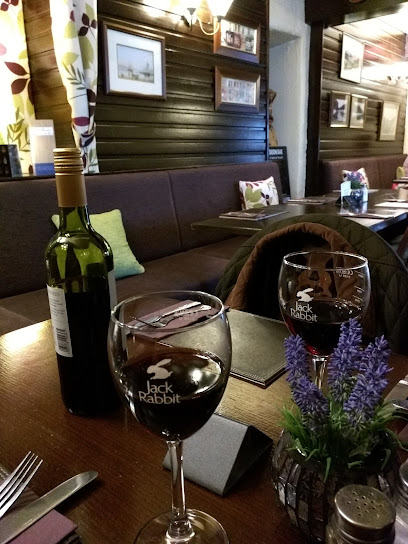
The Garlogie Inn
20.1 km
Discover family-friendly dining at The Garlogie Inn in Westhill, where delicious meals meet warm hospitality in a cozy pub setting.
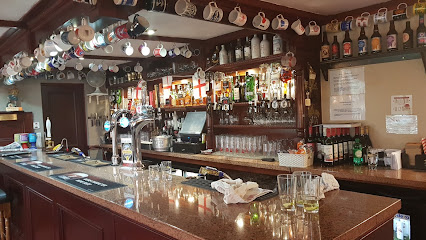
Kildrummy Inn
21.7 km
Luxurious Scottish country inn blending Victorian charm, gourmet dining, and warm hospitality in a tranquil Aberdeenshire setting.
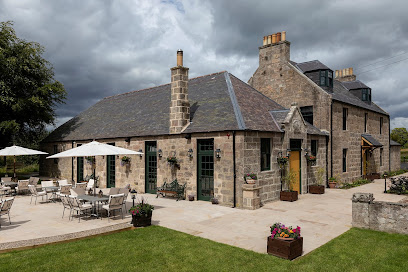
Borsalino
24.2 km
Experience authentic Italian cuisine with a modern twist in the warm, inviting atmosphere of Borsalino, Peterculter’s culinary gem.
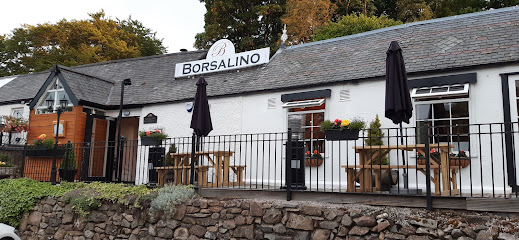
The Himalayas Restaurant
24.8 km
Authentic Nepalese and Indian flavors served with warm hospitality in the heart of Peterculter, Aberdeen.
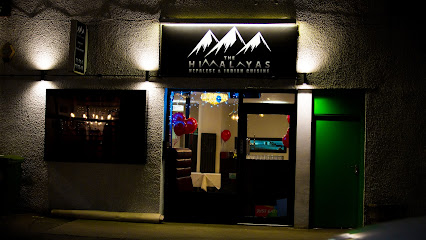
The Brae Cafe
24.8 km
A charming traditional Scottish café in Auchenblae offering homemade bakes, hearty meals, and warm hospitality in Aberdeenshire’s scenic countryside.
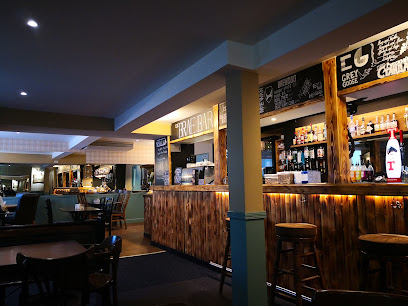
Shepherds Rest - Pub & Grill
25.0 km
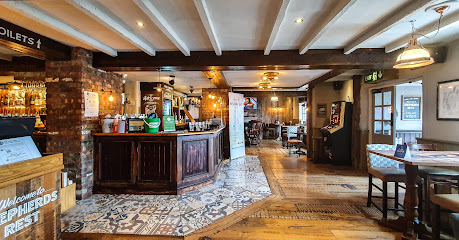
A welcoming Westhill pub where rustic charm meets expert flame-grilled cooking in a family-friendly setting.
Luigi's
25.2 km
Experience authentic Italian flavors and cozy bar vibes at Luigi's, Westhill’s beloved spot for traditional pasta, pizza, and desserts.
The Ploughman
25.3 km
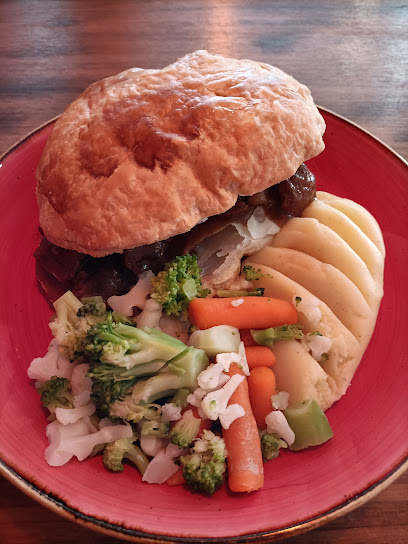
A traditional Scottish pub and restaurant in Peterculter serving hearty local dishes with warm hospitality and a rich drinks selection.
The Montgomerie Restaurant
27.4 km
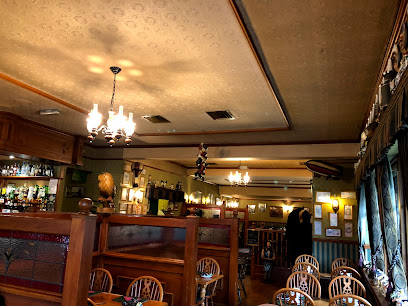
A tranquil golf club restaurant in Inverurie serving excellent British cuisine with scenic course views and a welcoming atmosphere.
Fennel Restaurant
28.5 km
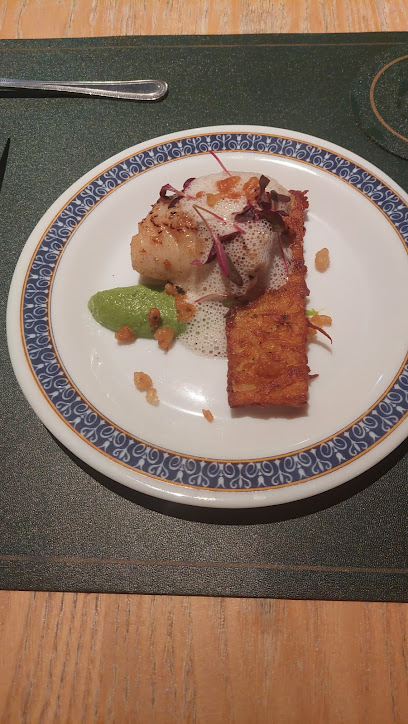
Modern European dining with fresh local ingredients in a relaxed, stylish setting at Inverurie’s Fennel Restaurant.
Markets, malls and hidden boutiques

Treasures
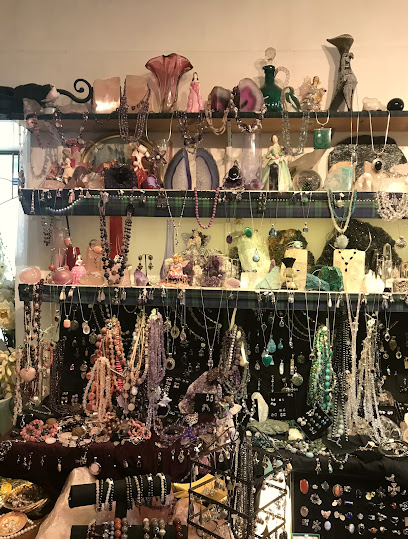
0.1 km
Discover exquisite natural stones and handcrafted jewellery in the charming village of Kincardine O'Neil at Treasures rock shop.
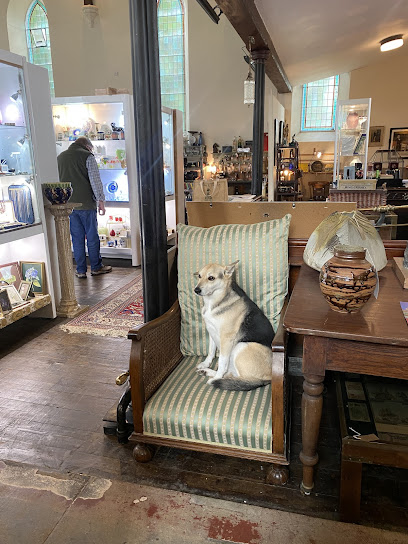
Deeside Antiques Emporium
0.2 km
Discover timeless antiques and rich heritage in the heart of Kincardine O'Neil, the oldest village in Aberdeenshire.
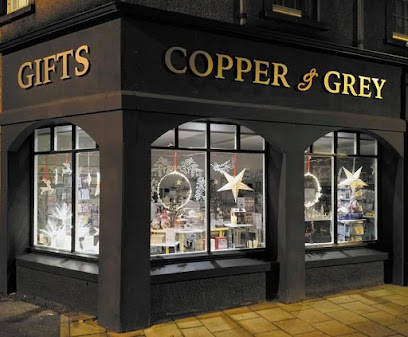
Copper & Grey
10.9 km
Discover unique gifts and colorful treasures at Copper & Grey, Banchory’s beloved family-run boutique on High Street.
Hush Living
11.2 km
Discover unique homeware and gifts in the charming independent boutique of Hush Living, nestled in the heart of Banchory.
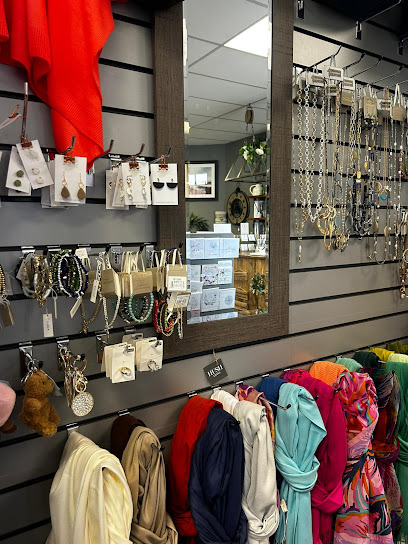
Treehouse
12.3 km
Discover unique gifts, home furnishings, and a cozy café experience in the charming Treehouse of Midmar near Inverurie.
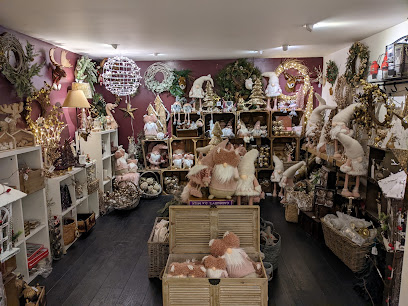
Hidden Scotland Shop
15.3 km
Discover authentic Scottish crafts and handmade treasures in a charming, character-filled shop nestled in Milton of Crathes near Banchory.
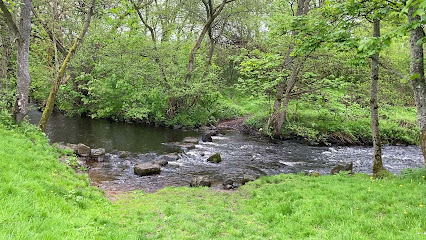
Geek Bothy Ltd
21.5 km
Award-winning gift shop celebrating local makers, quirky treasures, and creative community in rural Aberdeenshire.
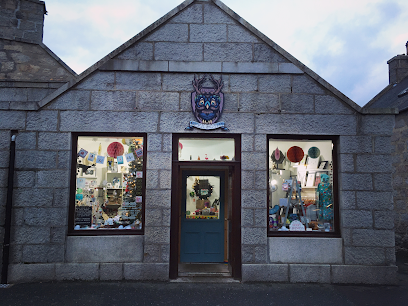
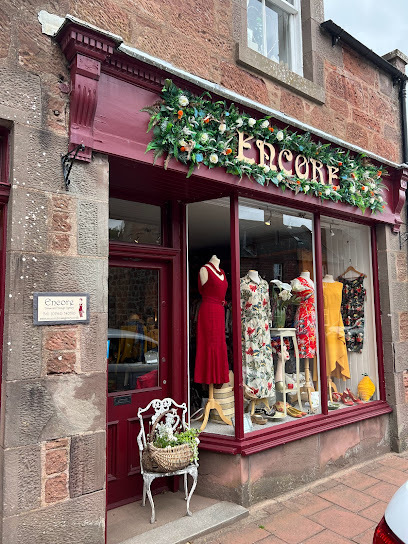
Encore Dress Agency
26.8 km
Discover unique vintage and occasion wear in a charming boutique with exceptional service in the heart of Laurencekirk.
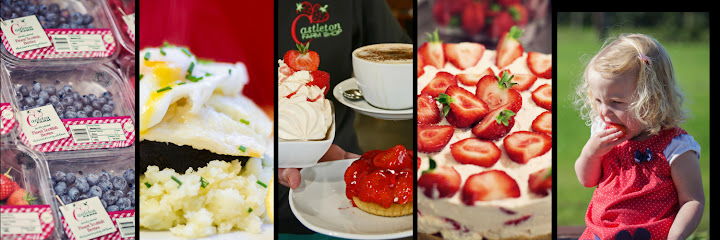
Castleton Farm
26.9 km
Experience authentic Scottish farm life with homemade food, local produce, and family-friendly charm at Castleton Farm near Laurencekirk.
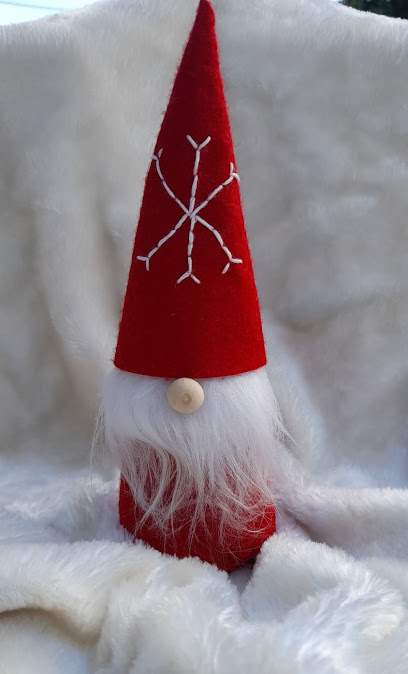
CherryGrove Bits and Bobs
26.9 km
Explore the charm of CherryGrove Bits and Bobs, a craft shop offering unique handmade treasures and local artisan goods in Fettercairn.
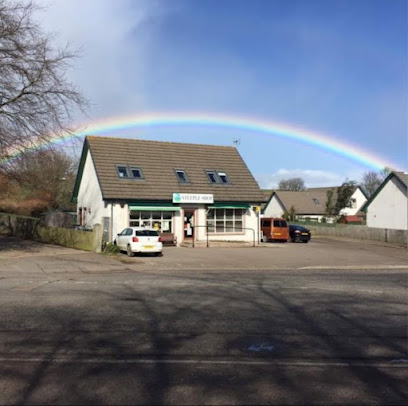
The Steeple Shop
27.1 km
Discover local essentials and delightful treats at The Steeple Shop, your friendly convenience store in Drumlithie near Stonehaven.
Premier
27.1 km
Explore the charm of Drumlithie with a visit to Premier Convenience Store, your friendly local shop for all essentials and Scottish treats.

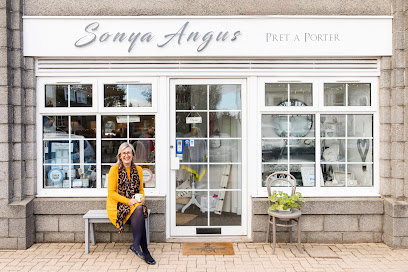
Sonya Angus: The Unique Boutique
30.4 km
Discover stylish gifts, rustic furniture, and fashion accessories in a warm, community-focused boutique nestled in Cults’ charming Courtyard.
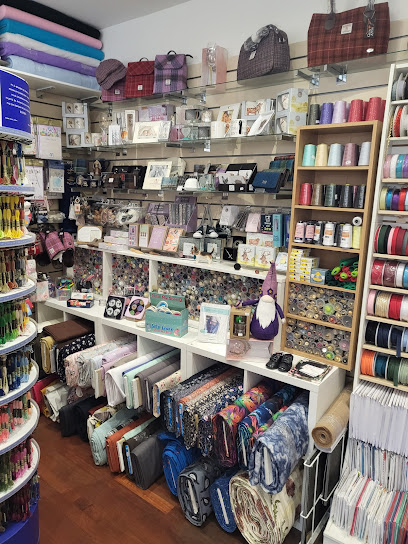
Miss Mollys Fabric & Yarn Closet
30.8 km
A welcoming fabric and yarn boutique in Laurencekirk, perfect for creative crafters seeking quality materials and expert advice.
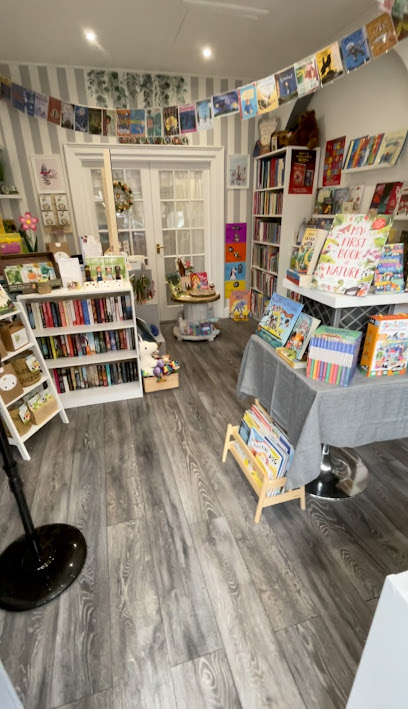
Second Treehouse on the Left
30.8 km
A charming children's book and toy shop in Laurencekirk, inspiring young minds through stories and play in a warm community setting.
Essential bars & hidden hideouts

Black's Bar
24.4 km
Experience authentic Scottish hospitality and lively village pub charm at Black's Bar in Peterculter, Aberdeen.
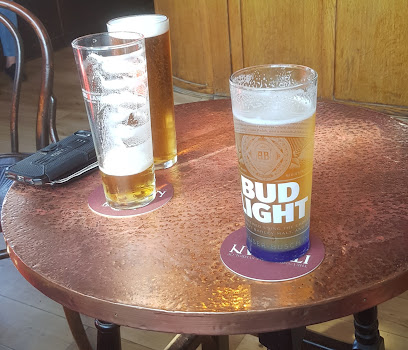
The Old Bank Bar Ltd
24.5 km
A charming former bank turned cozy bar and cafe, blending historic character with friendly service and hearty meals in Peterculter.
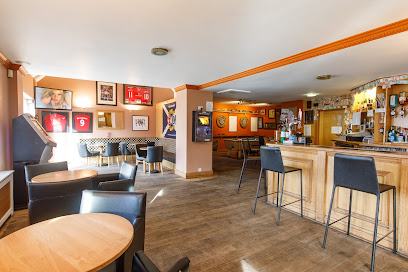
Steading Bar
26.1 km
Cozy Highland bar with a superb whisky selection and warm hospitality nestled in Strathdon’s scenic Lonach Hotel.
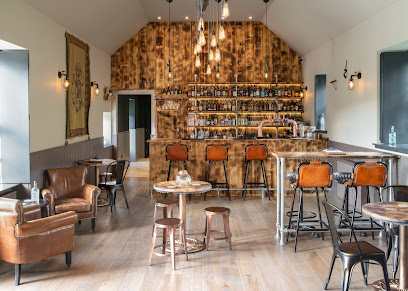
Drumlithie Inn
27.1 km
A cozy, lively pub in Drumlithie offering hearty homemade food, warm hospitality, and vibrant entertainment in a beautifully updated setting.
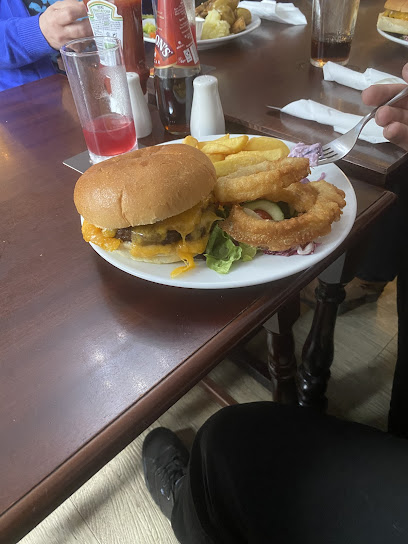
Station Hotel
30.3 km
A charming Stonehaven hotel blending traditional Scottish hospitality with modern comforts, great food, and a welcoming bar.
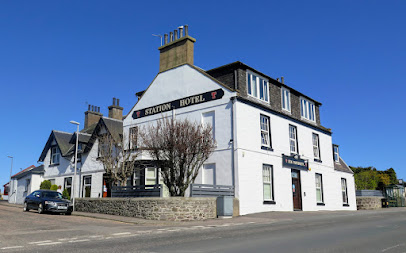
Cowie Bar @ Recreation Grounds
31.1 km
A welcoming Scottish pub with a scenic beer garden and vibrant community spirit at Stonehaven Recreation Grounds.
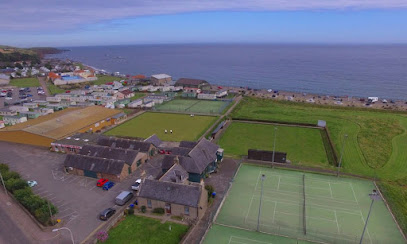
The Distilling House
31.1 km
A welcoming airport pub celebrating Scottish whisky heritage with classic food, craft beers, and expert spirit knowledge.
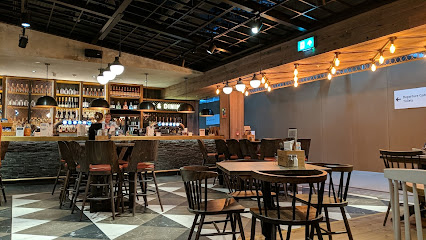
Number 44 Hotel & Bar
31.3 km
Cozy coastal hotel and vibrant bar in Stonehaven offering sea views, delicious food, and warm Scottish hospitality.
Marine Hotel
31.7 km
Experience coastal elegance and warm Scottish hospitality with stunning harbour views at Stonehaven’s Marine Hotel.
Six°North
31.7 km
Lively waterfront pub at The Marine Hotel offering traditional Scottish fare and stunning Stonehaven Harbour views.
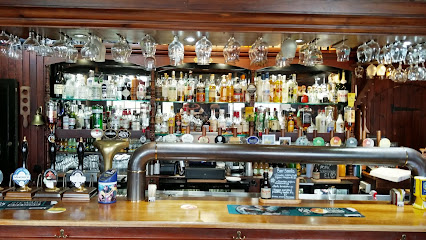
Spider's Web
32.1 km
A cozy and friendly pub in Dyce offering hearty meals, quality drinks, and a welcoming atmosphere near Dyce railway station.
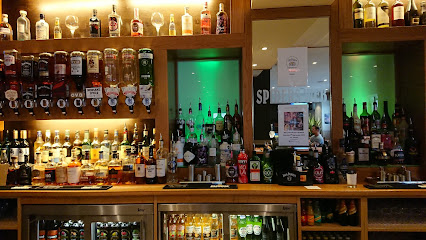
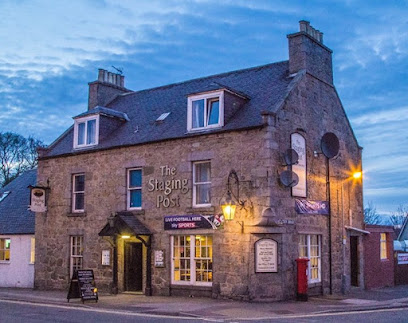
The Staging Post
32.1 km
A friendly and lively local pub in Bucksburn with great drinks, sports, and a family-friendly beer garden.
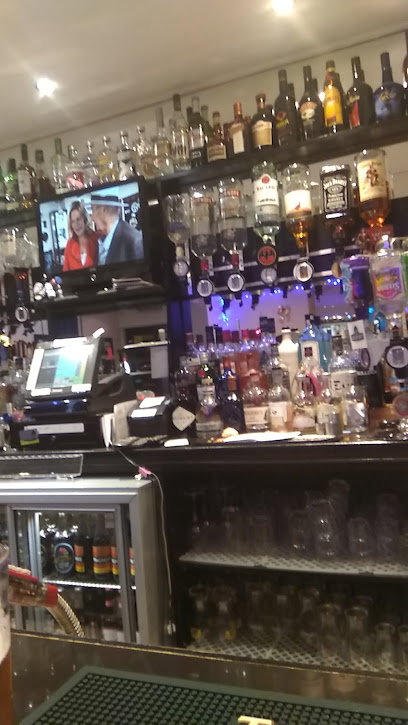
Quoiters Cafe Bar
32.3 km
A friendly and lively bar in Newtonhill offering local ales, weekly bingo nights, and a cozy atmosphere for all to enjoy.
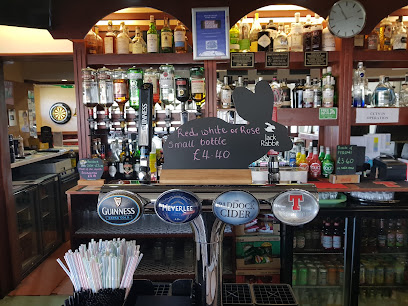
The Paddock Bar
32.5 km
A family-friendly pub and lounge in Portlethen offering great homemade food, extensive drinks, live sports, and weekend entertainment.
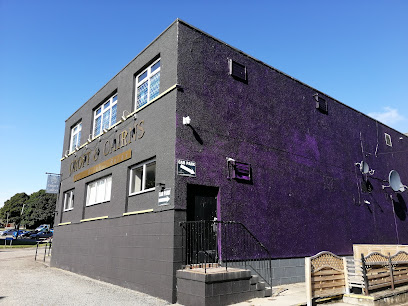
Croft & Cairns
32.9 km
A friendly and welcoming bar and restaurant in Aberdeen offering generous scratch-made meals and a versatile function room in a quiet, convenient setting.
Nightclubs & after hour spots

Babylon
34.5 km
Discover the pulse of Aberdeen's nightlife at Babylon, a premier nightclub and bar offering unforgettable nights filled with music and fun.
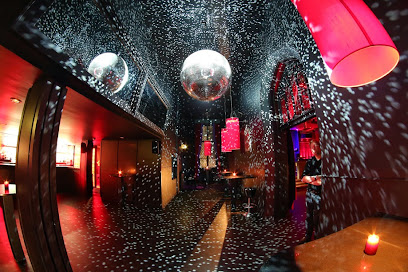
491 Union Street
34.6 km
Dive into Aberdeen's electric nightlife at this top-of-Union-Street hotspot, where killer beats, craft drinks, and epic events light up weekends until dawn.
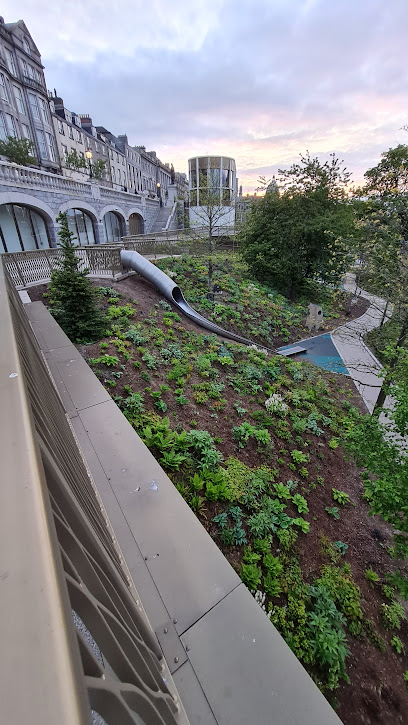
Venga
34.7 km
Dive into Aberdeen's electric nightlife at Venga, where retro beats, themed nights, and cocktails fuel unforgettable dances until dawn on vibrant Chapel Street.
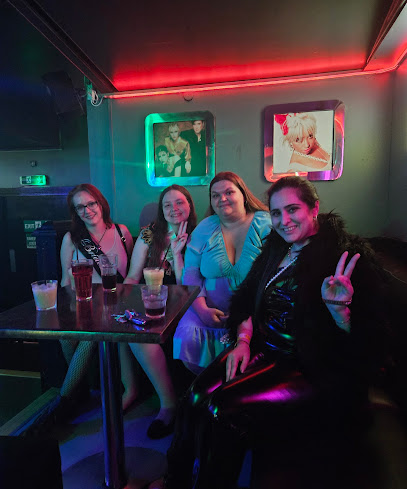
Club Tropicana & Venga
34.7 km
Compact retro nightclub on Chapel Street with neon kitsch, themed nights and a late‑night dancefloor for nostalgic hits and loud, energetic DJ sets.
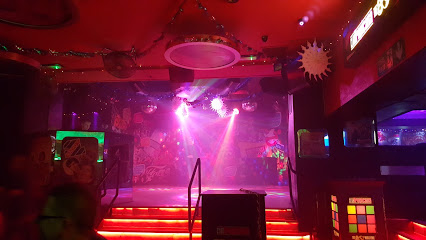
Number 7 Club
35.1 km
Aberdeen's intimate adult club on Crown Street: full-nude dances, drinks, and late-night energy from 9pm to 3am weekends.
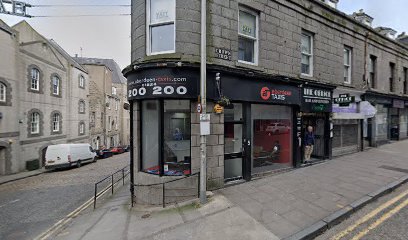
AURA Nightclub Aberdeen
35.2 km
Experience Aberdeen’s vibrant nightlife and nostalgic disco vibes at Aura Nightclub, the city’s premier venue for dynamic music and festive parties.
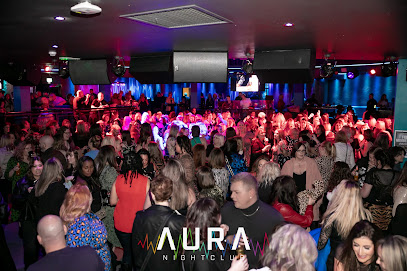
The Underground Klub
35.2 km
A compact, bass-forward late-night club in central Aberdeen with booth seating, layered sound and an intimate underground vibe.
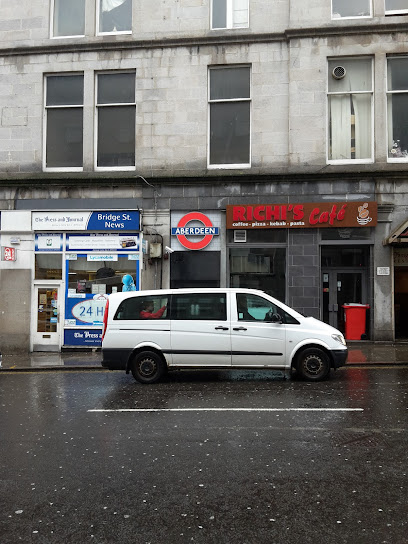
Exodus
35.2 km
Experience Aberdeen’s vibrant nightlife and boozy brunches in a unique historic church setting at Exodus, The Triplekirks.
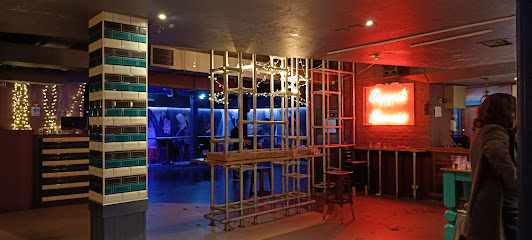
Private Eyes
35.2 km
Experience Aberdeen’s vibrant nightlife at Private Eyes, a stylish nightclub offering lively music, adult entertainment, and a welcoming city-center atmosphere.
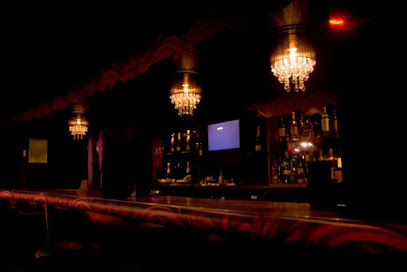
The Mask Club
35.2 km
Aberdeen’s vibrant adult entertainment hotspot with professional dancers, lively music, and a dynamic late-night atmosphere.
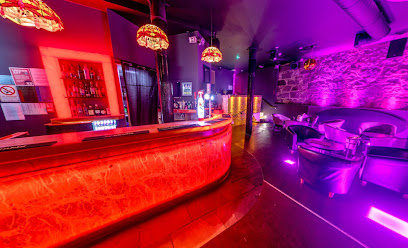
CHEERZ
35.5 km
Aberdeen's iconic LGBT bar and nightclub: dance, drink, and connect in a welcoming Exchange Street haven open late into the night.
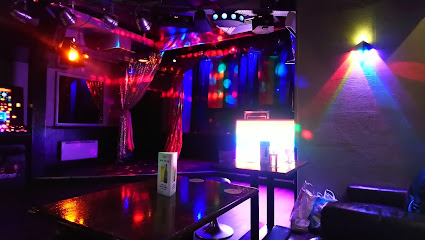
The Tunnels
35.5 km
Dive into Aberdeen’s underground nightlife at The Tunnels, where pulsating beats and intimate vibes create unforgettable nights.
Utopia Nightclub Montrose
43.8 km
Experience Montrose’s vibrant weekend nightlife at Utopia Nightclub, where music, dancing, and community spirit come alive after dark.
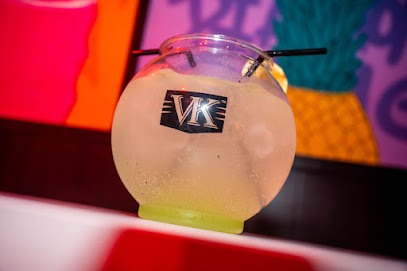
Elsa's Bar
44.8 km
Discover Elsa's Bar in Braemar, a cocktail oasis offering exquisite drinks and a warm, inviting atmosphere for every traveler.
Bertie's Bar
44.8 km
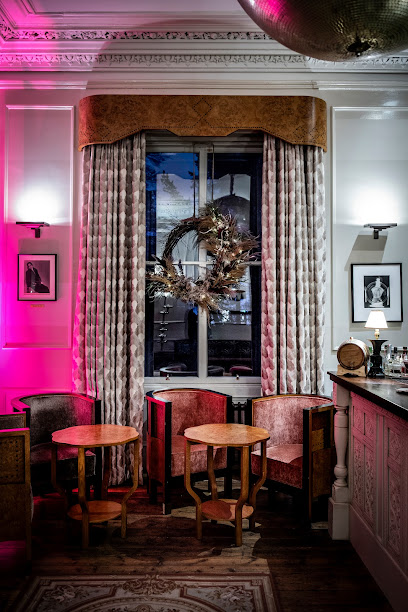
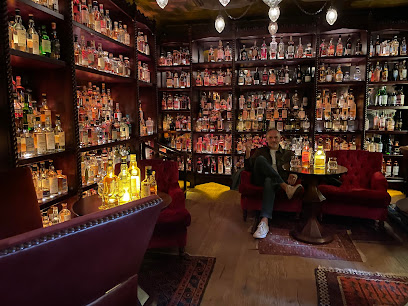
Experience the charm of Scottish hospitality at Bertie's Bar in Braemar, where exquisite cocktails meet a warm, inviting atmosphere.
For the vibe & atmosphere seeker
- Tranquil
- Scenic
- Unique
- Historic
For the design and aesthetic lover
- Rustic Designs
- Vintage Styles
For the architecture buff
- Historic
- Landmarks
- Sacred Sites
For the view chaser and sunset hunter
- Iconic Views
- Panoramas
For the social media creator & influencer
- Instagrammable
- Photo Spots
- Architectural Shots
For the eco-conscious traveler
- Protected Area
- Public-Transport Accessible
- Leave-No-Trace Critical
For the kind of experience you’re after
- Cultural Heritage
- Photowalk
- Day Trip
- Weekend Getaway
For how adventurous you want the journey to be
- Easy Access
Location Audience
- Family Friendly
- Senior Friendly
- Child Friendly
- Solo Friendly
- Couple Friendly


