

Rothes Castle Travel Guide
Free Guide: Explore the evocative ruins of Rothes Castle, a 13th-century fortress commanding the Spey Valley and steeped in Scottish medieval history.


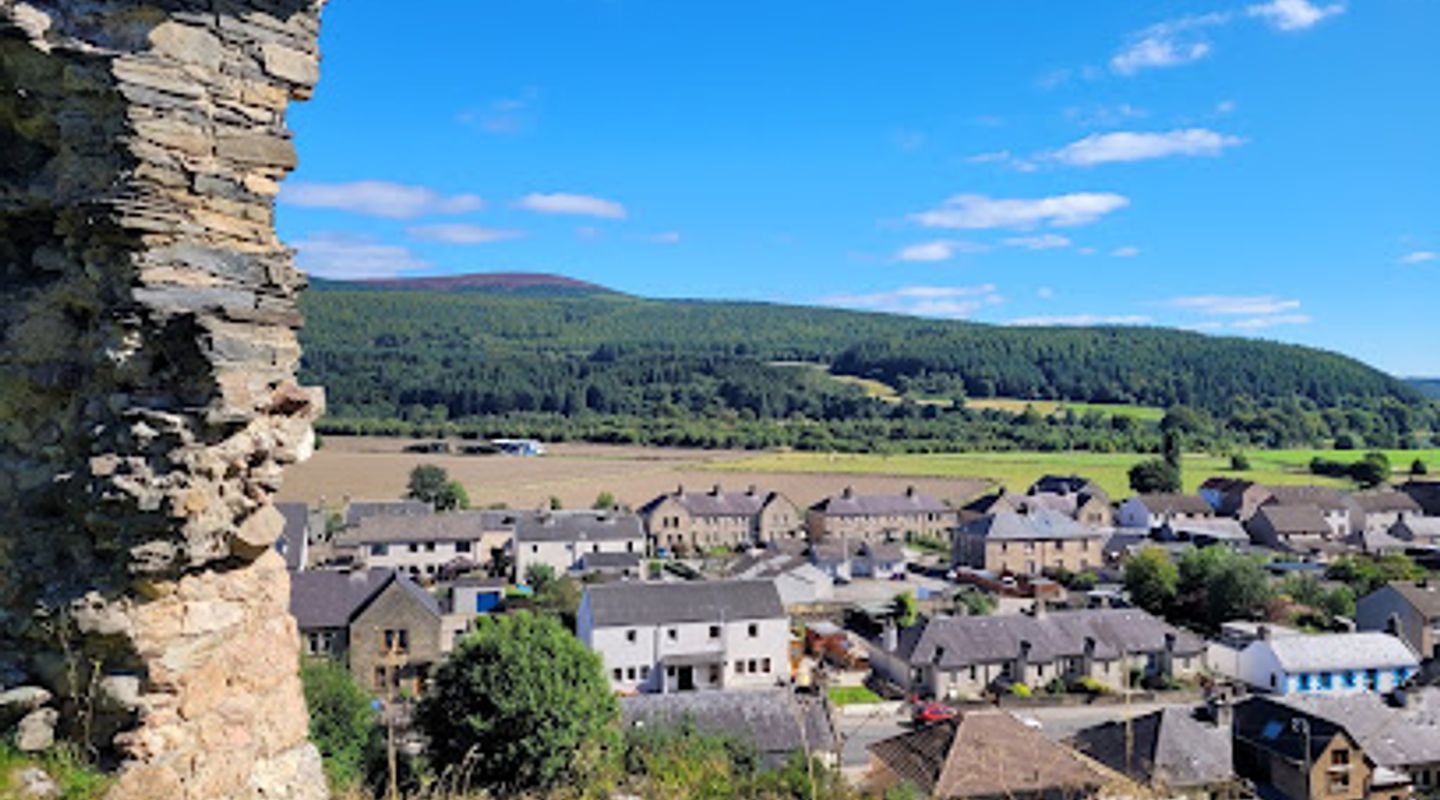
A brief summary of Rothes Castle
Explore the evocative ruins of Rothes Castle, a 13th-century fortress commanding the Spey Valley and steeped in Scottish medieval history.
Rothes Castle, dating from around 1200, stands as a ruined but evocative fortress overlooking the village of Rothes in Moray, Scotland. Built by Peter de Pollok to control traffic along the Spey Valley, it witnessed sieges by Norwegian kings and royal visits, including Edward I in 1296. Though largely ruined, its massive outer wall remains a striking reminder of medieval power and local heritage.
On-site amenities
 Seating areas
 Information boards
Opening hours
- Every dayOpen 24 hours
Opening hours as listed on the venue’s Google Business Profile. Hours can change for services and special events, so check with the venue before you go.
- Address
- 48 High St, Rothes, Aberlour AB38 7AY
- Website
Getting there
Bus
Car
Train and Walk
Discover more about Rothes Castle
Origins and Strategic Importance
Rothes Castle was constructed circa 1200 by Peter de Pollok under the command of King William I of Scotland. Positioned on a hill overlooking the Spey Valley, its location was chosen to command and control the vital traffic route through this part of Moray. The castle’s formidable stone walls and defensive features reflected the turbulent times, serving as a bulwark against invading forces and local unrest.
Medieval Conflicts and Royal Connections
The castle’s history is marked by significant military events, notably the sieges led by Norwegian King Haakon IV in 1230 and again in 1263 during the Norse attempts to reclaim the Hebrides and surrounding territories. Despite being captured temporarily, Rothes Castle’s defenses were strengthened, including the addition of towers to prevent future incursions. In 1296, the castle hosted Edward I of England, known as the Hammer of the Scots, underscoring its strategic and political importance during the Wars of Scottish Independence.
Transition Through Noble Hands and Decline
In the late 14th century, the castle and its lands passed to the Leslie family, who became the Earls of Rothes. Over time, the village of Rothes expanded beyond the castle’s immediate vicinity. By the 17th century, the castle was largely ruined, partly due to being set alight in 1662. Stones from the castle were repurposed by villagers for local buildings, a common fate for many medieval ruins.
Legacy and Village Development
The Earls of Rothes eventually sold their Moray estates around 1700, moving their seat to Fife. The Seafield family then laid out a planned crofting township in 1766, shaping the modern village of Rothes. The village’s road layout, forming a cross resembling the Saltire, overlays the older, unplanned settlement. Rothes later became notable for its whisky distilleries, leveraging the local water quality and barley production.
Present-Day Ruins and Cultural Significance
Today, only fragments of Rothes Castle remain, primarily a massive outer wall overlooking the High Street. The ruins evoke the castle’s former strength and historical significance. Though not extensively restored, the site offers a tangible connection to Scotland’s medieval past and the local heritage of Speyside. The castle’s story is intertwined with regional history, from Norse invasions to noble stewardship and the growth of Rothes village.
Exploring Rothes and Its Heritage
Visitors to Rothes Castle can appreciate its commanding views over the Spey Valley and reflect on the layered history visible in the ruins and surrounding village. Nearby, Rothes is known for its distilleries and scenic landscapes, making the castle an evocative historical landmark within a vibrant cultural setting.
Evendo Review Centre
 Google
Guest reviews
Best time to go
Quietest: Jan, Feb & Dec · before 3am
Busy times are Evendo estimates for a typical year, to help you plan. Actual crowds vary with events, school holidays and the weather.
Explore Rothes Castle on the map
A handpicked selection of must-see spots near Rothes Castle, mapped for you.
Get your free copy of our complete guide to Rothes Castle, delivered straight to you.
Everything on this page, from opening hours and how to get there to Eve’s tips and the best time to go, in one PDF you can read offline, print or share.
Already have an account? Sign in
Your Rothes Castle guide is ready.
We'll send it to · Not you? Sign out

Getting your guide ready…
We are putting together a fresh copy of the Rothes Castle guide. This can take up to a minute.
This can take a few moments. If your browser asks, choose Allow so the download can start. You'll find the guide in your Downloads folder.
Nothing happened? Download it again
Sorry, the guide is taking longer than usual. Please try again in a minute, or get it by email instead.
Other nearby places you may find interesting
The closest places of the same kind, if this one is not quite what you had in mind.
-
Lady Hill Historic Lady Hill in Elgin features the towering Duke of Gordon Monument and ancient castle ruins with stunning panoramic views.
-
Knock of Alves Explore the tranquil wooded hill and ancient stone circle of Knock of Alves, a historic landmark rich in Scottish legend and heritage near Elgin.
-
Sueno's Stone Scotland's tallest Pictish monument—a 6.5-metre enigma carved with battle scenes and royal ceremony.
-
Findlater Castle Explore the dramatic cliffside ruins of Findlater Castle, a medieval fortress steeped in Scottish history and coastal grandeur.
-
 Asliesk Castle (remains)
Explore the ivy-clad ruins of Asliesk Castle, a 16th-century Scottish tower house steeped in history and legend near Elgin, Moray.
Asliesk Castle (remains)
Explore the ivy-clad ruins of Asliesk Castle, a 16th-century Scottish tower house steeped in history and legend near Elgin, Moray.
Swipe for more places
More to explore near Rothes Castle

 Best experiences near Rothes Castle
 Best hotels near Rothes Castle
 Best landmarks near Rothes Castle
 Best attractions near Rothes Castle
 Best shops near Rothes Castle
 Best restaurants near Rothes Castle
 Best bars near Rothes Castle
Do you manage this location?
Take control to get all the benefits, like improved information, better appearance, and stronger visibility across AI-powered discovery.
Explore more

Explore more of Morayshire
Discover Morayshire: A blend of scenic landscapes, historic sites, and outdoor adventures in Scotland's picturesque northeast.
Explore Morayshire
Explore more of United Kingdom
Discover the United Kingdom: A blend of rich history, stunning landscapes, and vibrant cities, offering a unique travel experience for every visitor.
Explore United Kingdom
