Kildrummy Castle, Banffshire Travel Guide
Explore Kildrummy Castle, a majestic 13th-century fortress steeped in Scottish history, from medieval sieges to Jacobite rebellions.
Kildrummy Castle, built around 1250 by the Earl of Mar, stands as one of Scotland’s most formidable medieval fortresses. Located near Alford in Aberdeenshire, this vast ruin features a massive curtain wall, four round towers, a twin-towered gatehouse, and remains of a chapel and great hall. It played a pivotal role in Scotland’s Wars of Independence and the Jacobite Rising of 1715, witnessing sieges, royal visits, and centuries of noble residence before falling into decline and partial ruin.
A brief summary to Kildrummy Castle
- Alford, Kildrummy, AB33 8RA, GB
- Click to display
- Click to display
- Duration: 1 to 2.5 hours
- Mid ranged
-
 Outdoor
- Mobile reception: 3 out of 5
- Monday 10 am-12 pm
- Tuesday 10 am-12 pm
- Wednesday 10 am-12 pm
- Thursday 10 am-12 pm
- Friday 10 am-12 pm

Know before you go
Hi, I'm Eve. Here are a few practical things to know before exploring Kildrummy Castle.
- Wear sturdy footwear as the castle grounds are uneven and involve some uphill walking.
- Visit the on-site visitor centre to see the detailed model that helps visualize the castle’s original layout.
- Bring a camera to capture panoramic views of the surrounding Strathdon countryside and the castle ruins.
- Check opening hours in advance, as the castle is closed on weekends and during lunch hours in the low season.
- Consider purchasing an Explorer Pass if planning to visit multiple Historic Environment Scotland sites.
Do you manage this location?
Take control to get all the benefits, like improved information, better appearance, and stronger visibility across AI-powered discovery. Learn more about listing your business on Evendo
Activate your presenceOther nearby places you may find interesting
The closest places of the same kind, if this one is not quite what you had in mind.
Explore Kildrummy Castle on the Map
A handpicked selection of must-see spots near Kildrummy Castle, mapped for you.
Getting There
-
Car
Driving from Aberdeen to Kildrummy Castle takes approximately 1 hour 15 minutes via the A944 and B9119. Parking is available at the visitor centre, but note the castle sits on a hill requiring a 250-meter uphill walk on uneven terrain. There is no parking directly at the castle ruins.
-
Bus
Bus services from Aberdeen to Alford operate several times daily, with a journey time of around 1 hour 30 minutes. From Alford, a taxi or local transport is needed to reach Kildrummy Castle, approximately 12 km away. Bus frequency may be limited on weekends and public holidays.
-
Walking
Visitors can enjoy a scenic 250-meter uphill walk from the free car park to the castle ruins. The path is well-maintained but uneven and moderately steep, so suitable footwear is recommended. The walk offers views of the surrounding countryside.
For the on-the-go comforts that matter to you
-
 Restrooms
-
 Food Options
-
 Seating Areas
-
 Trash Bins
-
 Information Boards
-
 Visitor Center
Discover more about Kildrummy Castle
Origins and Strategic Importance
Kildrummy Castle was constructed in the mid-13th century, circa 1250, by the Earl of Mar to consolidate control over north-eastern Scotland. Its location was carefully chosen to command key routes entering Moray and Buchan from the south, making it a vital defensive and administrative center. The castle replaced an earlier fortification nearby and was designed in a distinctive "D" shape with a towering rear wall overlooking a ravine. Circular towers guarded its corners and curtain walls, while the gatehouse protected the main entrance. The most notable feature was the Snow Tower, a sophisticated seven-story residence inspired by contemporary French castle designs, serving as the lord’s quarters.Role in Scottish Conflicts and Royal Connections
Throughout its history, Kildrummy was rarely far from political and military turmoil. It was besieged multiple times during the Wars of Scottish Independence in the early 14th century. In 1306, it was captured by English forces under Edward I, who visited the castle twice. The castle’s twin-towered gatehouse is believed to have been built on Edward’s orders, reflecting architectural influences from his campaigns in Wales. In 1335, Lady Christian Bruce, sister of Robert the Bruce, famously defended the castle during another siege until relief forces arrived. The castle later passed into royal hands under King James I in 1435 as part of his efforts to curb noble power.Evolution Under Noble Families
In the early 16th century, James IV granted Kildrummy to Alexander Elphinstone, who added the Elphinstone Tower, a fortified tower house that still stands today. The castle remained a noble seat through the 17th century, occupied by the Erskine family, who were prominent Jacobites. The castle saw action again during the Jacobite uprisings, notably in 1689 and 1715, when John Erskine, the 23rd Earl of Mar, launched his rebellion from Kildrummy. Following the failed uprising, the castle was abandoned and gradually fell into ruin.Decline, Ruin, and Preservation
After abandonment, Kildrummy’s high-quality stone was quarried extensively, contributing to its ruinous state. The imposing Snow Tower collapsed in 1805, but several towers, curtain walls, and the chapel’s elegant gable with three lancet windows remain. In the late 19th century, Colonel James Ogston acquired the site and began restoration efforts. Since 1951, Historic Environment Scotland has cared for Kildrummy Castle, preserving it as a significant historical monument and tourist attraction.Visitor Experience and Surroundings
Today, visitors can explore the extensive ruins set in a scenic, remote landscape of Strathdon. The castle’s large courtyard, ruined rooms, and defensive walls offer a tangible sense of medieval life and warfare. The nearby visitor centre features a detailed model of the castle, helping to visualize its original grandeur. The surrounding countryside provides striking views and photographic opportunities, including the adjacent gardens created in an ancient quarry. Facilities include parking, restrooms, and a small shop. The terrain is uneven, reflecting the castle’s hilltop setting.Architectural Highlights and Legacy
Kildrummy Castle exemplifies 13th-century Scottish castle-building with its massive curtain walls, round towers, and advanced gatehouse design. Its historical significance is amplified by its connection to key figures such as Robert the Bruce, Edward I, and the Earls of Mar. The castle’s ruins evoke the power struggles of medieval Scotland and the enduring legacy of noble families who shaped the region’s history. It remains a must-visit for those interested in Scotland’s turbulent past and impressive medieval architecture.












Your all‑in‑one travel companion app
Explore expert travel guides, compare and book tours, experiences, hotels, and more—all from the palm of your hand. Download now for seamless trip planning wherever your wanderlust takes you.


Explore More of Banffshire
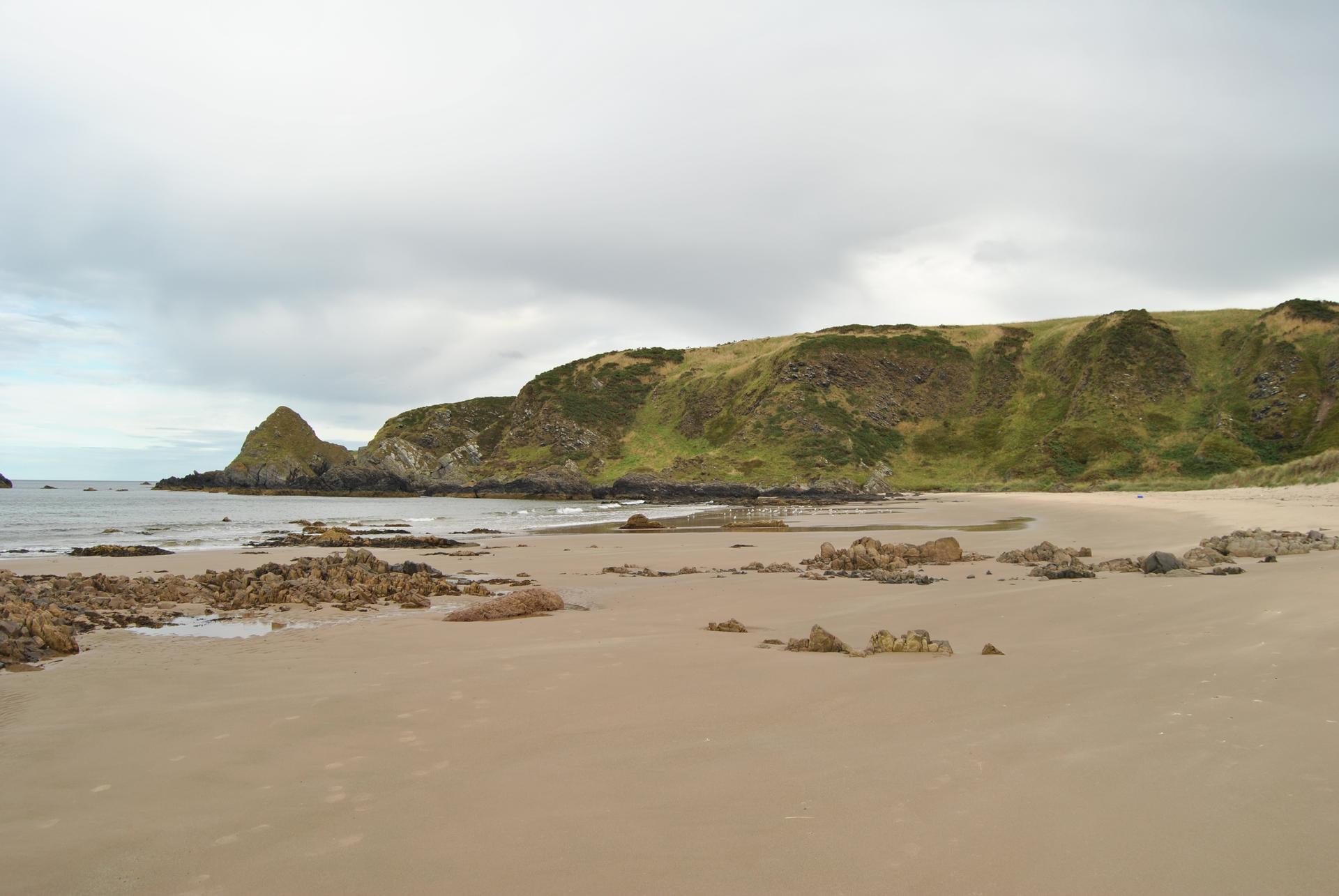
Looking beyond Kildrummy Castle? Discover Banffshire for broader travel guides, local hot-spots, and regional highlights.
Explore Banffshire