
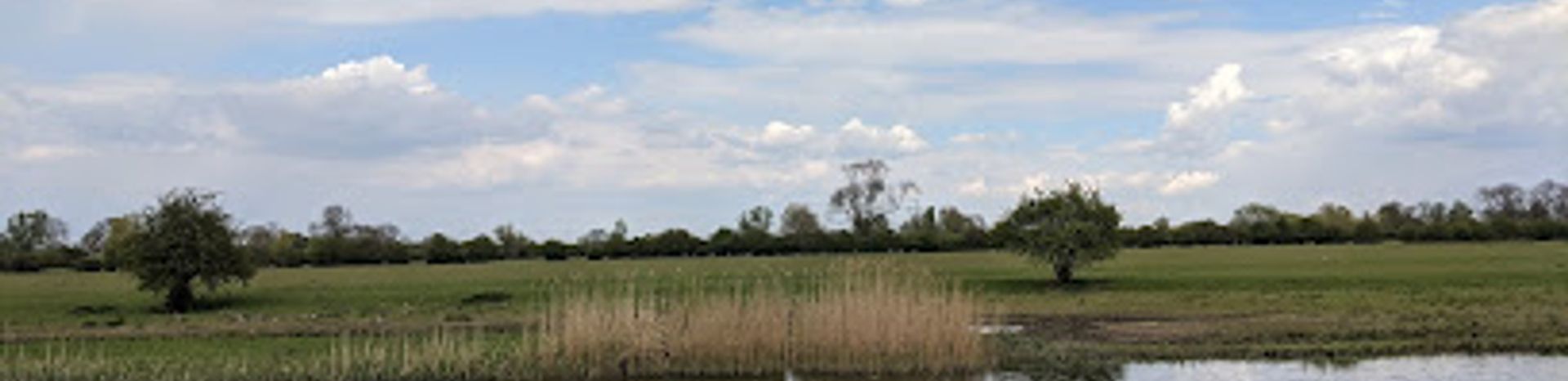
RSPB Fen Drayton Lakes
A transformed quarry transformed into a wetland paradise for birdwatchers and nature explorers.
A transformed former gravel quarry nestled beside the River Great Ouse, RSPB Fen Drayton Lakes is a 16-kilometre network of trails winding through open water, reed beds, woodland and meadows. Home to over 200 bird species including mute swans, great crested grebes, otters and dragonflies, this nature reserve offers year-round wildlife watching and peaceful exploration just 30 minutes from Cambridge. Free entry with ample parking and accessible facilities make it an ideal day trip for birdwatchers, families and nature lovers.
A brief summary to RSPB Fen Drayton Lakes
- Fen Drayton Rd, Cambridge, CB24 4RB, GB
- Visit website
- Duration: 2 to 6 hours
- Free
-
 Outdoor
- Mobile reception: 3 out of 5
Local tips
- Visit in autumn for the spectacular starling murmurations, where thousands of birds create mesmerising aerial displays against the evening sky, typically occurring from September through November.
- Bring binoculars, a field guide and waterproof footwear. Pack food and drink as there are no on-site facilities beyond a portable toilet; plan for a half-day to full-day visit to explore the 16-kilometre trail network.
- Use the Guided Busway from Cambridge for a traffic-free, eco-friendly journey; request the Fen Drayton Lakes stop from the driver. Alternatively, arrive by bicycle via National Cycle Route 51.
- Winter offers the best opportunities to see large congregations of waterfowl including mute swans, great crested grebes and numerous duck species on the open water.
- Contact the reserve in advance if you require detailed accessibility information about specific routes, as some paths vary in surface type and may become muddy in wet conditions.

For the on-the-go comforts that matter to you
- Restrooms
- Seating Areas
- Picnic Areas
- Trash Bins
- Information Boards
Getting There
-
Guided Busway
The Cambridgeshire Guided Busway (Stagecoach route 8) runs between Huntingdon and Cambridge with a dedicated request stop at Fen Drayton Lakes. Journey time from Cambridge is approximately 20–25 minutes. Inform the driver you wish to alight at Fen Drayton Lakes. This traffic-free route is the most eco-friendly option and passes directly through the reserve. Service runs regularly throughout the day.
-
Bicycle via National Cycle Route 51
National Cycle Route 51 passes through the centre of the reserve, offering a scenic cycling approach. Cycle racks are located near the Guided Busway stop. From Cambridge, the journey takes approximately 45–60 minutes depending on fitness level and route choice. This option is ideal for those seeking an active approach and avoiding parking fees.
-
Private Vehicle
Drive via the signposted brown tourist signs to the main car park (grid reference TL342690). The car park is accessed via a single-track road that crosses the Guided Busway; it is well-signposted and easy to locate. Ample free parking is available. Parking payment is via the Pay By Phone app (location code 808281). Journey time from Cambridge is approximately 25–30 minutes. Note that one access route has a particularly rough surface; the alternative route is more navigable.
-
Rail and Bus Connection
Huntingdon and Cambridge rail stations are the nearest rail terminals. From either station, take the Guided Busway (Stagecoach route 8) to the Fen Drayton Lakes request stop. Total journey time from Cambridge station is approximately 30–40 minutes including the bus journey.
RSPB Fen Drayton Lakes location weather suitability
-
 Any Weather
-
 Clear Skies
-
 Cold Weather
-
 Mild Temperatures
Discover more about RSPB Fen Drayton Lakes
From Quarry to Wildlife Haven
Fen Drayton Lakes began as a flooded sand and gravel quarry, an industrial scar on the Cambridgeshire landscape. Since the RSPB acquired the site in 2007, the organisation has undertaken a remarkable transformation, converting barren workings into a thriving ecosystem. Where once stood only bare sand and gravel, lush meadows now flourish alongside carefully managed water bodies. The reserve now stands at one end of a 40-kilometre string of wetlands stretching along the Great Ouse floodplain, forming a vital corridor for wildlife migration and breeding.A Landscape of Diverse Habitats
The reserve encompasses a remarkable variety of environments within its 16-kilometre trail network. Open water dominates the landscape, with numerous lakes, lagoons and ponds each possessing distinct character and ecological value. Sheltered bays have been created around lake edges to provide resting and feeding grounds for waterbirds. Shallow pools called "scrapes" in the wetland margins attract dabbling ducks and waders. Beyond the water, riverside meadows stretch toward the Great Ouse, while woodland fringes provide shelter and nesting sites. Reed beds rustle with life, grassland supports insects and wildflowers, and scrub areas offer cover for smaller birds and mammals. This mosaic of habitats ensures that every season brings different wildlife experiences and visual interest.Exceptional Birdwatching and Wildlife Spectacles
Over 200 bird species have been recorded at Fen Drayton Lakes, making it a premier destination for ornithologists and casual birdwatchers alike. Winter brings enormous congregations of ducks, swans and geese to the open water, while summer visitors include terns, hobbies and swallows. Great crested grebes perform their astonishing courtship dances against blue water backdrops. Passage migrants appear throughout spring and autumn, with species such as great bitterns, purple herons and whiskered terns occasionally recorded. Beyond birds, the reserve teems with life: otters inhabit the waterways, dragonflies and damselflies patrol the margins in iridescent colours, and glossy ibises have become increasingly common. Autumn brings the most dramatic spectacle—starling murmurations, where thousands of birds swirl in mesmerising unison across the evening sky.Trails and Exploration
Three main visitor trails plus a seasonal route guide exploration through the reserve, with additional public footpaths and bridleways for those seeking solitude. Routes vary in difficulty and length, accommodating everyone from casual strollers to dedicated naturalists. Most paths are level, reflecting the reserve's floodplain origins, though some gentle slopes exist. Hard surfaces, rolled gravel and grass paths provide options for different abilities, though wet weather renders some routes muddy. Kissing gates and bridle gates punctuate certain paths. Interpretation boards and downloadable maps help visitors navigate and understand the landscape. Picnic tables allow visitors to settle in for extended observation, while information displays in the car park provide context about the reserve's ecology and management.Practical Access and Facilities
The reserve remains open at all times throughout the year, allowing visitors to explore during daylight hours at their leisure. A well-signposted car park with ample spaces sits adjacent to the Guided Busway, which provides a traffic-free route from Cambridge and Huntingdon with a dedicated request stop. National Cycle Route 51 passes through the reserve's centre, with cycle racks near the busway stop. An accessible portable toilet serves the car park, though no visitor centre or café operates on site. Visitors are encouraged to bring binoculars, field guides, waterproof footwear for wet conditions, and packed food and drink to maximise their experience. The reserve welcomes well-behaved dogs on public footpaths, though restrictions apply at Moore Lake hide and the seasonal viewpoint at Ferry Mere to protect sensitive wildlife areas.Iconic landmarks you can’t miss

The George
10.6 km
A historic Huntingdon coaching inn with a traditional pub, hearty food, and a long connection to local history and Oliver Cromwell.

Castle Park
14.6 km
Historic green space featuring the Norman Cambridge Castle Mound with panoramic city views and tranquil parkland near the city centre.
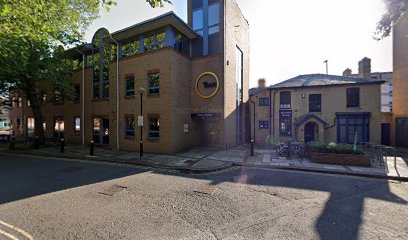
Castle Mound: site of medieval Cambridge Castle
14.9 km
Explore Castle Mound, the grassy remnant of Cambridge’s medieval fortress with panoramic city views and centuries of rich history.
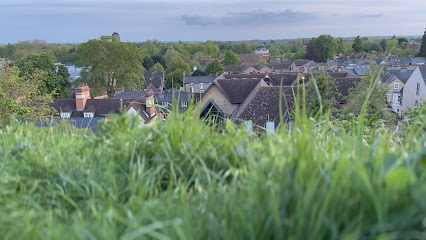
Westminster College
14.9 km
Historic theological college blending Victorian architecture with contemporary faith education in Cambridge's academic heart.
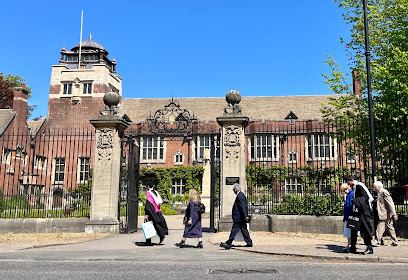
Jesus Lock
15.1 km
Historic Jesus Lock on the River Cam offers serene riverside charm and a unique glimpse into Cambridge's aquatic heritage.
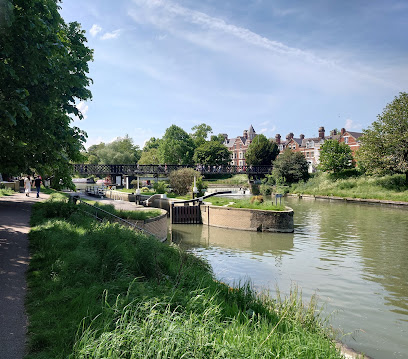
Magdalene Bridge
15.1 km
Historic cast-iron bridge over the River Cam, linking Cambridge’s academic heart with its ancient trading past.
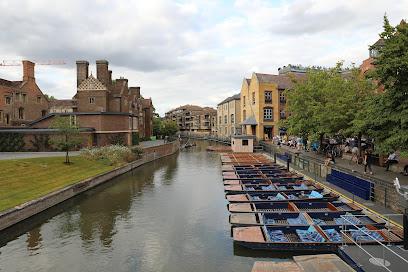
Bridge of Sighs
15.2 km
A Victorian Gothic covered bridge spanning the River Cam, linking history and beauty at St John's College, Cambridge.
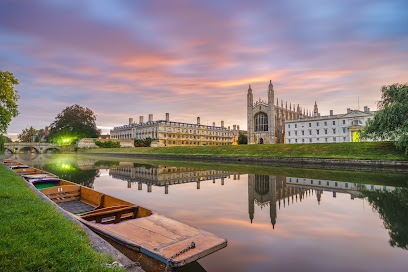
The Old Schools
15.5 km
Historic university landmark at Trinity Lane, blending Gothic and classical architecture at the heart of Cambridge's academic tradition.
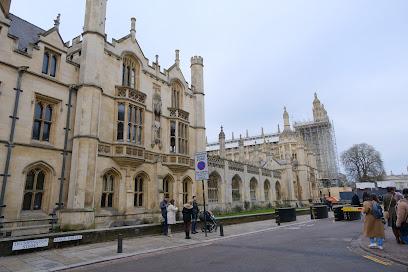
King's College Chapel
15.6 km
Explore the architectural wonder of King's College Chapel, a stunning masterpiece of Gothic design and a vital part of Cambridge's rich heritage.
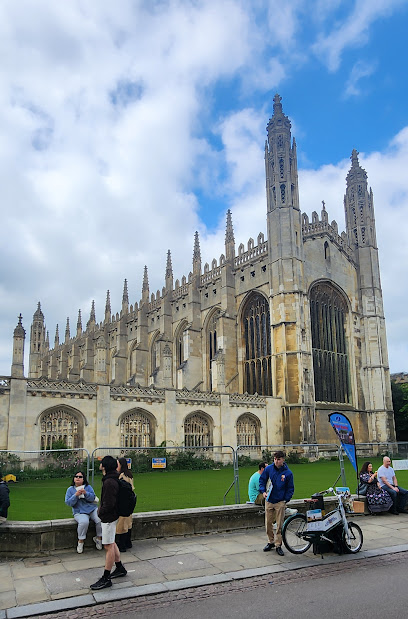
Senate House Hill
15.6 km
Historic Senate House Hill in Cambridge offers stunning views, iconic architecture, and a vibrant academic atmosphere at the heart of the university city.
Map of Cambridge
15.6 km
Explore the artistic heart of Cambridge with a visit to the iconic sculpture at St Mary's Passage, a perfect blend of history and creativity.
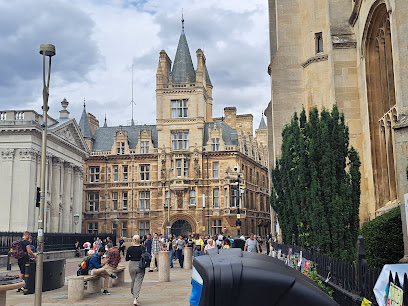
All Saints Church
15.6 km
Explore the architectural and spiritual beauty of All Saints Church, a historic gem in the heart of Cambridge, showcasing stunning Gothic design and tranquility.
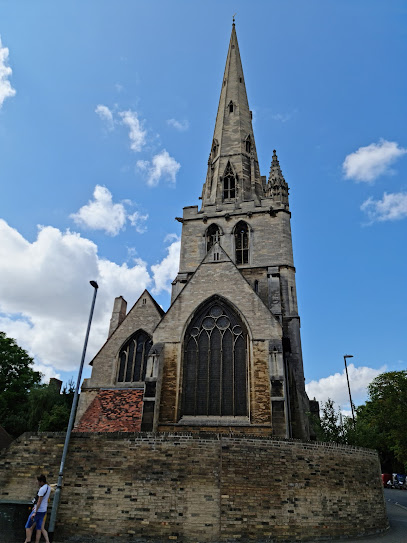
Great St Mary's
15.6 km
Discover the architectural beauty and historical significance of Great St Mary's, the University Church in Cambridge, a must-visit landmark for tourists.
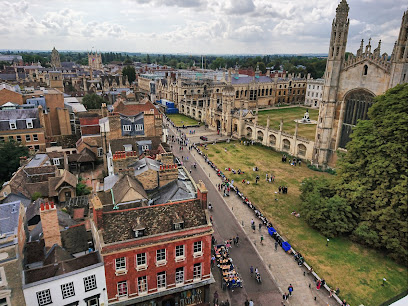
Remember Cambridge
15.6 km
Explore the historic city of Cambridge with Remember Cambridge's guided walking tours, uncovering hidden gems and iconic sights in this charming university town.
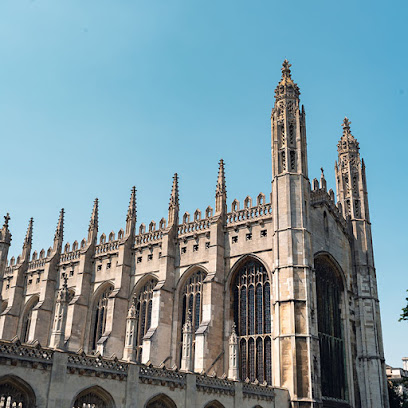
Cambridge Market Square
15.6 km
Explore Cambridge Market Square: a vibrant hub of culture, delicious food, and unique shopping experiences in the heart of this historic city.
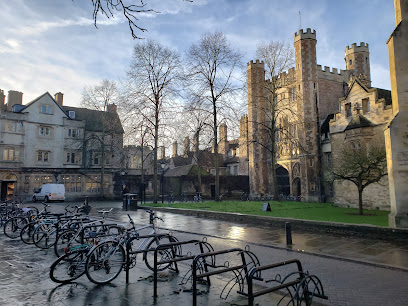
Unmissable attractions to see

Fen Drayton Lakes
2.2 km
Discover Fen Drayton Lakes, a peaceful RSPB wetland reserve near Cambridge rich with diverse birdlife, scenic trails, and seasonal starling murmurations.
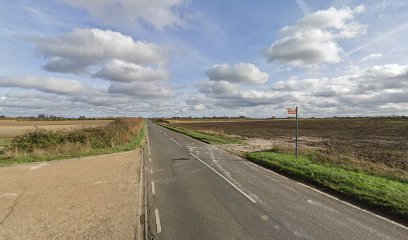
The Duchess
3.1 km
A charming gastropub in Fenstanton offering cosy village pub vibes with refined dining and standout slow-roast belly pork.
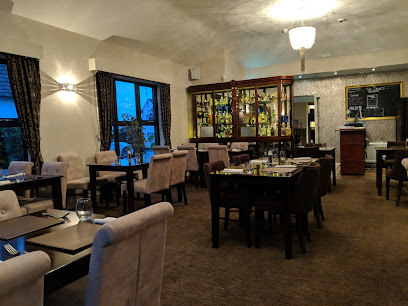
RSPB Ouse Fen Nature Reserve
4.4 km
Explore the UK’s largest reedbed at RSPB Ouse Fen, a tranquil wetland reserve alive with rare birds and rich wildlife near Cambridge.
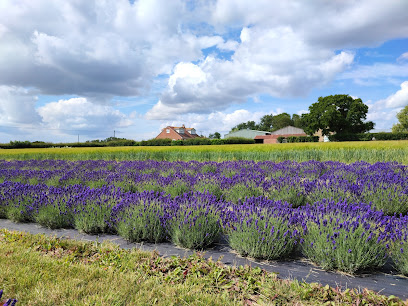
Cambridgeshire Lavender
5.2 km
Experience the vibrant lavender fields of Cambridgeshire Lavender, a serene rural escape offering seasonal picking and creative workshops.
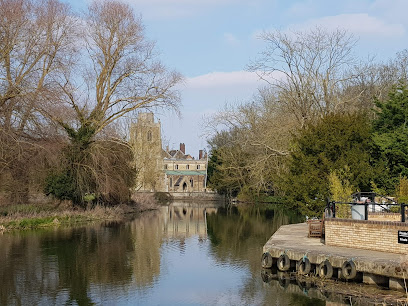
The Manor, Hemingford Grey
5.3 km
Explore Britain’s oldest continuously inhabited house, a Norman manor alive with history, literature, and enchanting gardens in Hemingford Grey.
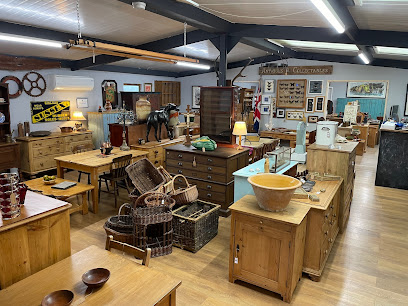
Weird & Wonderful Antiques
5.6 km
Discover timeless antiques and vintage treasures in a welcoming family-run shop set in the tranquil countryside of Willingham near Cambridge.
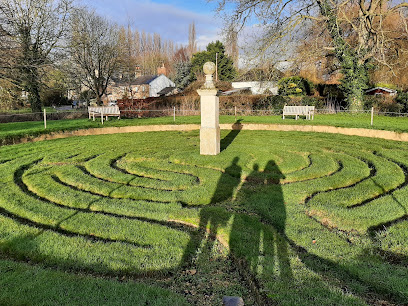
Hilton Maze
6.2 km
Discover the tranquil charm of Hilton Maze, a rare historic turf labyrinth offering a peaceful journey through centuries of English tradition.
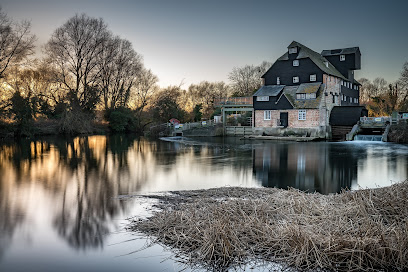
National Trust - Houghton Mill & Waterclose Meadows
6.4 km
Historic 18th-century watermill and serene riverside meadows offering scenic walks, guided tours, and waterside relaxation in Cambridgeshire.
Elsiem Jewellery Design
6.4 km
Contemporary jewellery design in Willingham, Cambridge, blending architectural inspiration with bespoke craftsmanship.
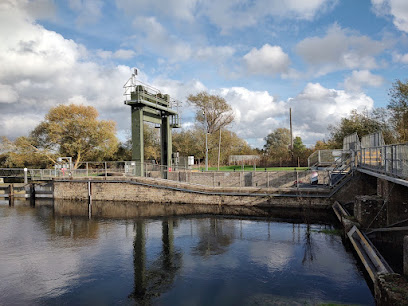
RSPB Ouse Fen Reserve
6.8 km
Explore the UK’s largest reedbed and vibrant wetland sanctuary where nature thrives amid tranquil trails and rich wildlife.
Hartford Mill Wacky Warehouse
8.0 km
A vibrant indoor soft play centre with outdoor fun, perfect for under-12s and family celebrations in Huntingdon.
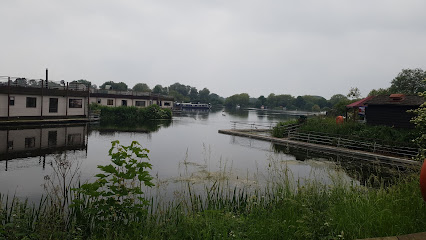
Somersham Local Nature Reserve
8.2 km
A serene lakeside haven in Somersham offering peaceful walks, rich wildlife, and year-round access to nature’s quiet beauty.
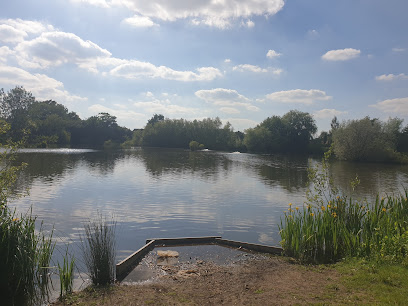
Godmanchester Nature Reserve
8.3 km
Discover the serene lakes, vibrant wildlife, and rich history of Godmanchester Nature Reserve, a peaceful Cambridgeshire sanctuary open year-round.
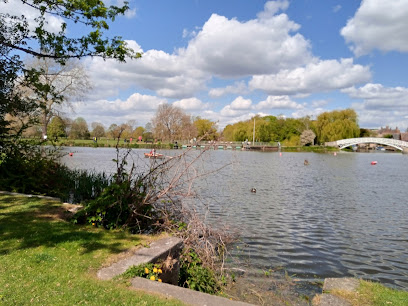
JOHNSONS OF OLD HURST | JOHNSONS ZOO
8.5 km
Discover a charming family farm and zoo with exotic animals, sustainable farming, and delicious local food near Huntingdon.
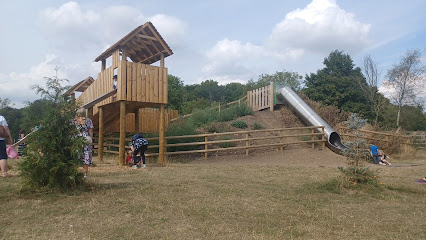
Giant's Hill
9.0 km
Explore the earthworks of Giant's Hill, an unfinished 12th-century motte castle steeped in medieval history and tranquil countryside charm.
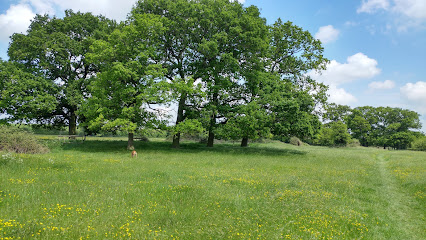
Essential places to dine

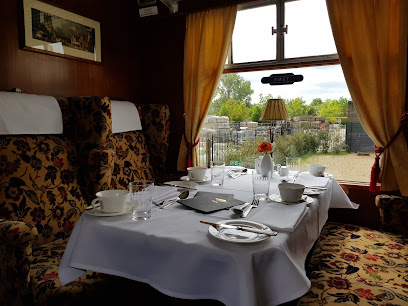
Carriages of Cambridge
2.5 km
Step aboard Carriages of Cambridge for a charming vintage afternoon tea journey in beautifully restored railway carriages near Cambridge.
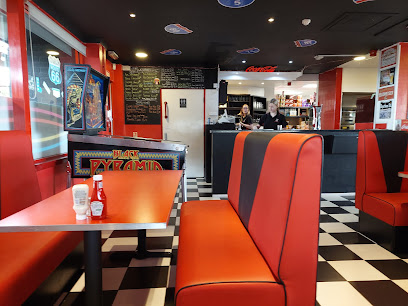
Herbie's American Diner
4.8 km
Experience classic American diner charm and hearty comfort food in a lively, family-friendly setting just outside Cambridge.
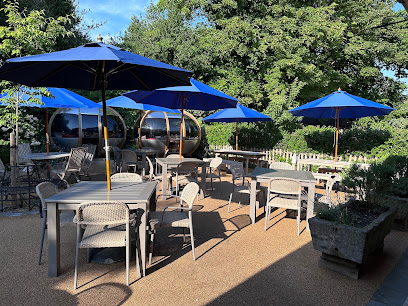
The Cock
5.0 km
A charming gastropub in Hemingford Grey offering modern British cuisine with a cosy atmosphere and family-friendly dining.
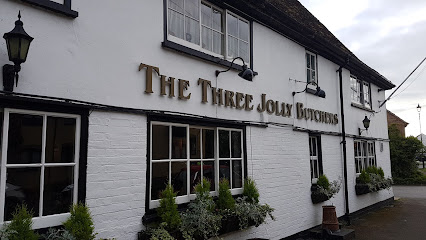
The Three Jolly Butchers
6.7 km
A welcoming village pub in Wyton offering classic British fare, real ales, and a spacious beer garden with rustic charm.
The Windmill
8.0 km
A welcoming traditional English pub in Somersham offering excellent food, attentive service, and a relaxed countryside atmosphere.
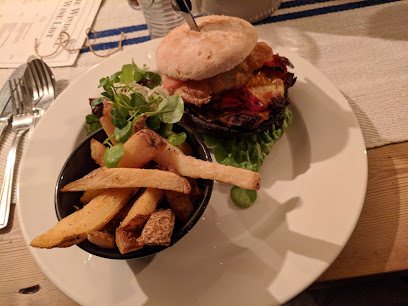
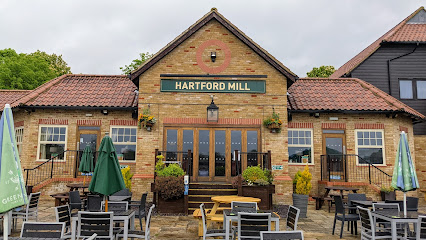
Hartford Mill - Pub & Carvery
8.0 km
A friendly marina-side pub serving fresh carvery and classic dishes daily in a warm, family-friendly atmosphere.
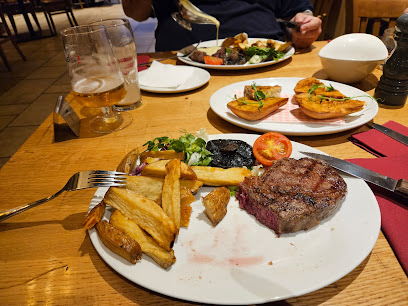
The Steak House
8.4 km
A classic British steakhouse in Old Hurst serving expertly cooked steaks in a warm, welcoming village setting.
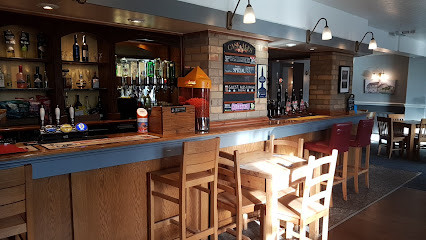
The Barley Mow
9.1 km
Historic pub blending Nepalese and British flavors with craft beers in the heart of Hartford's old village.
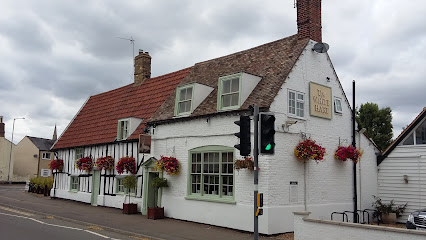
The White Hart
9.4 km
A beloved gastropub in Godmanchester offering hearty meals, generous portions, and a warm, lively atmosphere with excellent value.
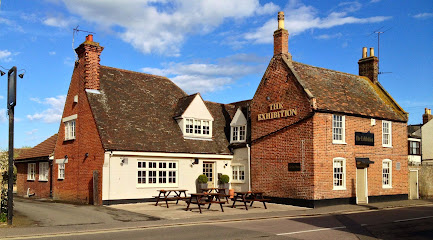
The Exhibition
9.4 km
Award-winning gastropub blending local ingredients, expert cooking, and genuine hospitality in charming Godmanchester.
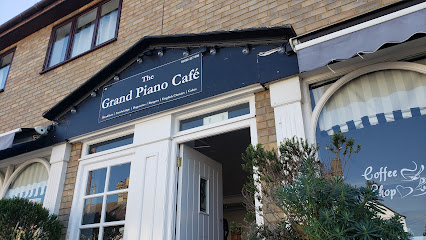
The Grand Piano Cafe
9.5 km
Cozy breakfasts and warm hospitality blend perfectly at The Grand Piano Cafe in Godmanchester’s charming heart.
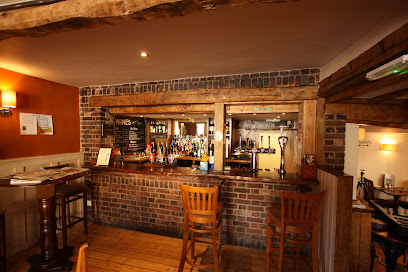
Black Bull Godmanchester
9.8 km
Historic pub and vibrant event venue in Godmanchester, renowned for great food, live music, and welcoming atmosphere.
The Crown Inn
10.0 km
Historic British gastropub in Broughton offering traditional classics and a warm, authentic country pub atmosphere.
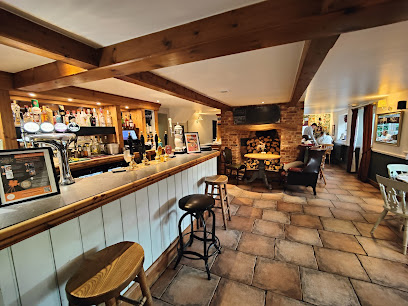
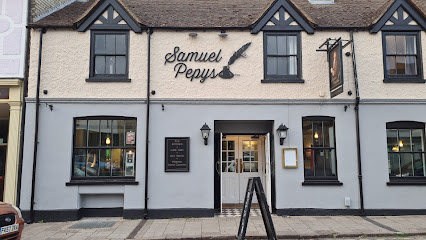
Samuel Pepys
10.2 km
A traditional Huntingdon pub serving hearty British classics, local ales, and a warm welcome on the High Street.
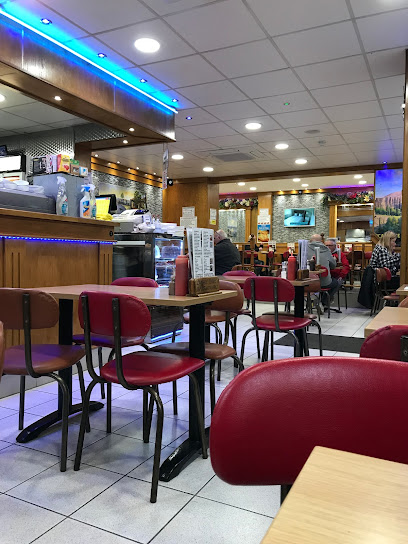
Local Cafe
10.4 km
Cozy and clean cafe in Huntingdon serving hearty breakfasts, quality coffee, and classic comfort food in a welcoming atmosphere.
Markets, malls and hidden boutiques

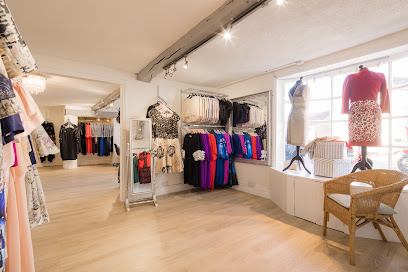
Cream Rose
3.1 km
Elegant ladies’ boutique in Fenstanton offering designer dresses and personalized service for special occasions in a relaxed atmosphere.
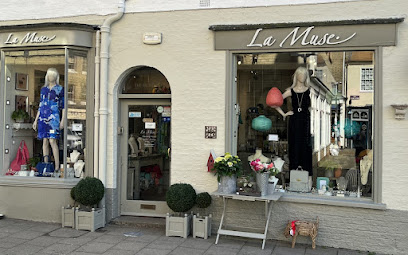
La Muse
3.3 km
Chic independent boutique in St. Ives offering globally sourced ladies' fashions with a cool, stylish vibe.
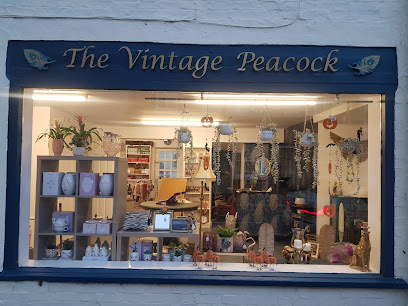
The Vintage Peacock
8.2 km
Discover unique vintage-inspired gifts and stylish apparel in a cozy, artisan-focused boutique in the heart of Somersham.
King James Retail Centre
8.9 km
Discover shopping bliss at King James Retail Centre, where a diverse range of stores awaits in the heart of Huntingdon.
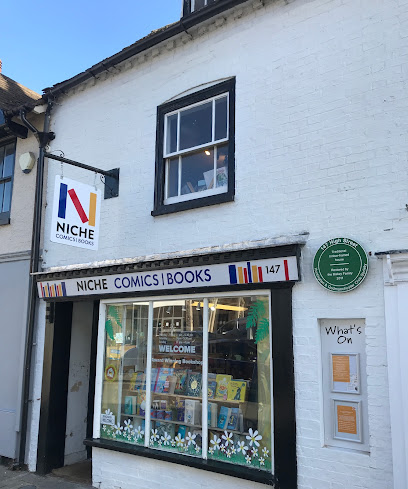
Niche Comics Bookshop
10.2 km
Discover Huntingdon’s beloved comic and bookshop in a historic 1573 Tudor building with vibrant community spirit and diverse collections.
Skyes retro and gifts
10.4 km
Discover unique retro gifts and collectibles at Skyes Retro and Gifts, a charming novelty shop inside Cambs Lock, Huntingdon’s vintage treasure hub.
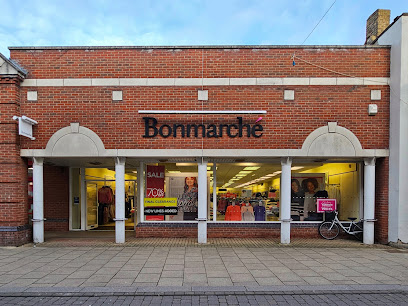
Bonmarché
10.4 km
Affordable and stylish ladies' fashion at Bonmarché Huntingdon on High Street, offering comfort and variety for every occasion.
TK Maxx
10.4 km
Designer bargains and branded treasures await at TK Maxx Huntingdon—up to 60% off premium fashion, homeware, and gifts.

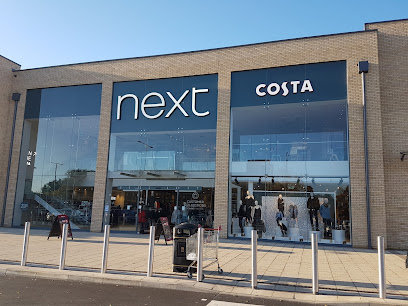
Next
10.4 km
Stylish fashion and homeware for the whole family in Huntingdon’s vibrant Chequers Court shopping hub.
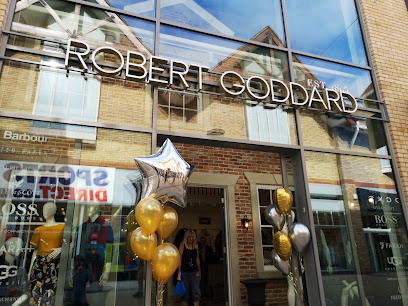
Robert Goddard
10.4 km
A century-old fashion destination in Huntingdon, offering premium designer clothing and tailored pieces in a classic department-store setting.
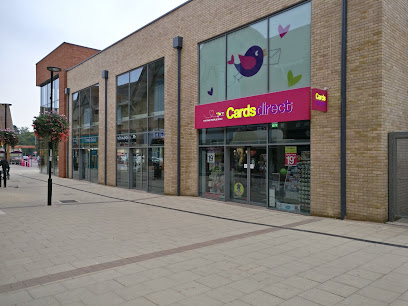
Cards Direct
10.4 km
Huntingdon’s go-to shop for quality British-made greeting cards, gifts, and party supplies at direct-from-factory prices.
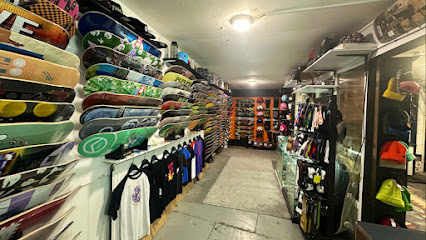
Scenic Skate Shop
10.4 km
Huntingdon’s friendly and expert skate shop offering quality gear, apparel, and a vibrant skateboarding community hub.
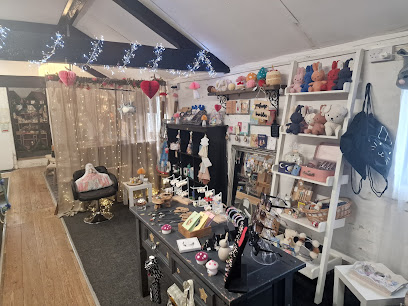
Bumbles Little Gifts
10.4 km
Discover unique, charming gifts in a cozy boutique nestled in the historic heart of Huntingdon’s St Mary’s Street.
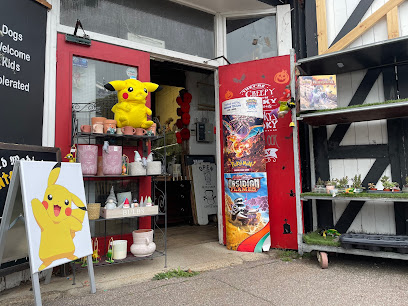
The Pokemon Plug
10.4 km
Huntingdon’s go-to spot for Pokémon cards and collectibles, offering rare finds, expert advice, and an unbeatable community vibe.
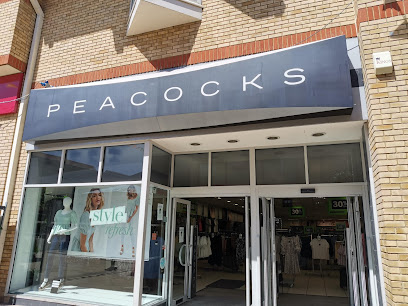
Peacocks
10.4 km
Affordable fashion for men, women, and children at Peacocks Huntingdon, your go-to clothing store in St Germain Walk.
Essential bars & hidden hideouts

Oliver Cromwell
3.1 km
Historic 18th-century riverside pub in St. Ives offering local ales, home-cooked food, and a warm community atmosphere.
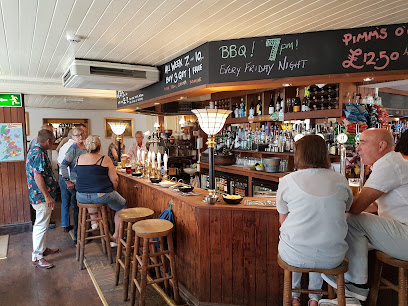
The Taproom
3.2 km
Charming riverside bar and kitchen in St Ives offering crafted drinks, hearty meals, and a lively yet relaxed atmosphere daily from 9am.
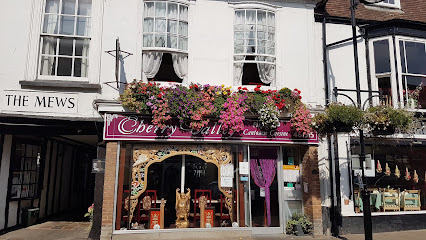
Three Horseshoes
6.4 km
A traditional English pub with cozy rooms, hearty fare, and a warm community spirit in the heart of Huntingdon.
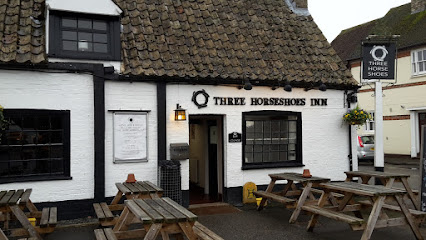
The Poacher
6.9 km
A welcoming 17th-century village pub in Elsworth offering home-cooked food, award-winning gardens, and a cozy, dog-friendly atmosphere.
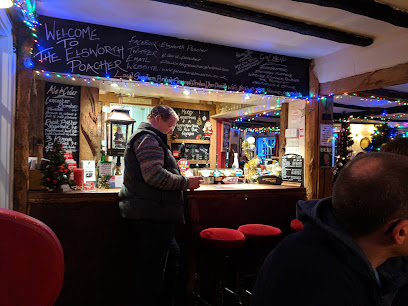
The Fox Bar Hill
7.2 km
A welcoming traditional pub in Bar Hill offering hearty British classics, friendly service, and a relaxed community atmosphere.
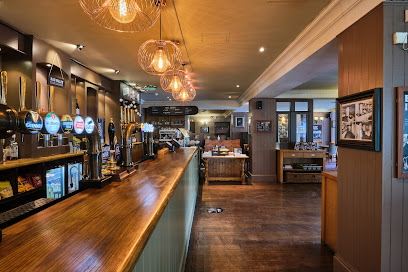
The Mad Cat Inn
7.9 km
A cozy traditional village pub in Pidley offering hearty roasts, friendly service, and authentic British charm.
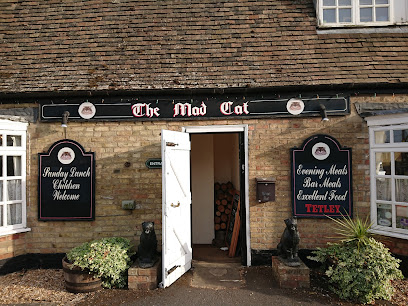
Lord Protector
9.8 km
A welcoming community pub in Huntingdon offering great drinks, lively entertainment, and a friendly atmosphere for all to enjoy.
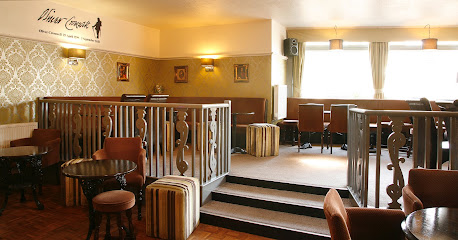
The Old Bridge Hotel
10.1 km
Historic Georgian charm meets vibrant riverside hospitality in Huntingdon’s beloved Old Bridge Hotel.
Three Tuns
10.3 km
A welcoming traditional pub on Huntingdon’s High Street, offering lively atmosphere, classic charm, and a true taste of English pub culture.
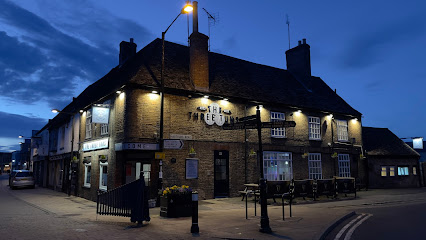
The Golden Knight
10.4 km
A friendly Huntingdon pub with a spacious beer garden, lively sports viewing, and classic games for a relaxed social experience.
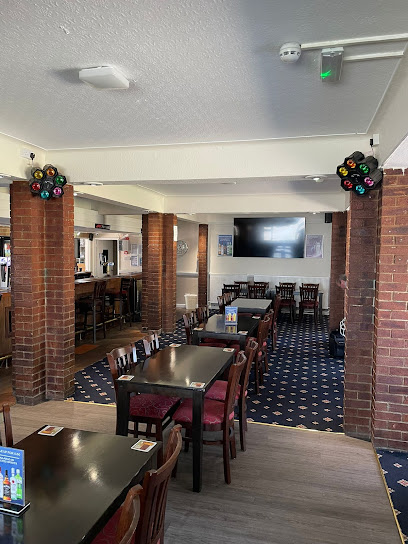
Market Inn, Huntingdon
10.5 km
Historic half-timbered pub in Huntingdon offering traditional ales, lively entertainment, and a warm family-run atmosphere.
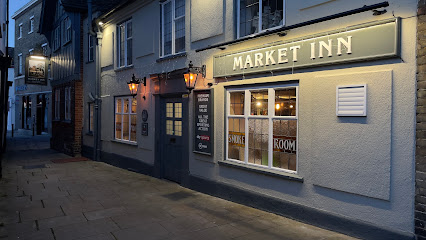
The Falcon Tavern
10.6 km
Historic real ale pub in Huntingdon with roots in the English Civil War, offering traditional drinks, hearty food, and a charming garden.
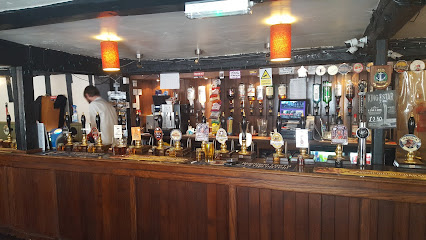
The Three Horseshoes
10.8 km
Charming thatched gastropub in Madingley offering award-winning Modern British fare, local ales, and a warm, traditional atmosphere near Cambridge.
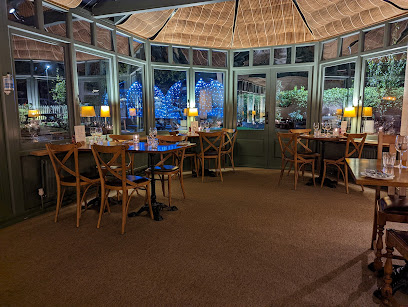
Sir Isaac Newton
14.6 km
A friendly, dog‑friendly Castle Street pub named for Cambridge’s famed scientist — casual food, sports screens and a neighbourhood atmosphere.
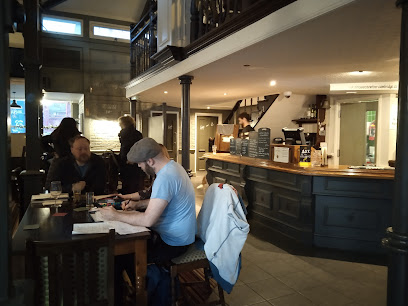
The Castle Inn
14.8 km
Traditional Cambridge pub on Castle Street serving classic British fare, local ales, and cozy vibes in the shadow of historic landmarks—a perfect pitstop for explorers.
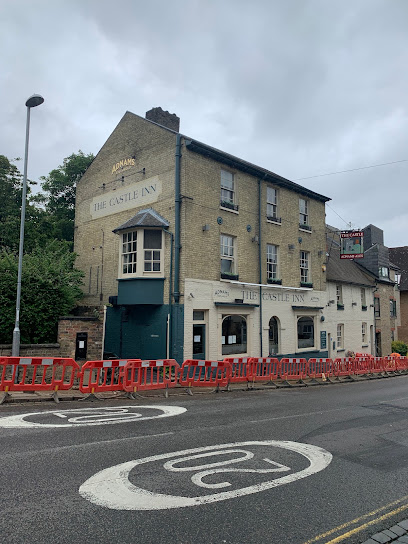
Nightclubs & after hour spots

The Lounge
3.3 km
A lively nightclub and wine bar on The Broadway, offering vibrant late-night entertainment in the heart of St Ives.
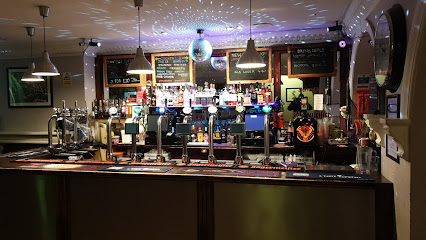
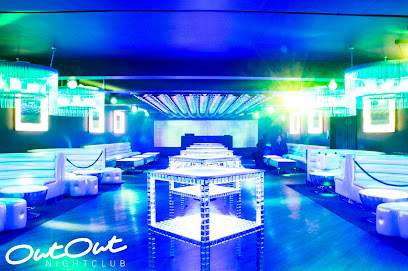
OutOut Nightclub
3.4 km
Vibrant nightlife hub in St. Ives offering dynamic club nights, private events, and a lively atmosphere from 10pm to 4am Fridays and Saturdays.
Montagu Club
10.3 km
Discover the lively Montagu Club in Huntingdon - a social haven for music lovers and friends looking to unwind and enjoy local culture.

MASH
15.6 km
Cambridge’s vibrant independent nightclub offering themed music nights and a welcoming, safe party atmosphere until the early hours.

Vinyl Cambridge
15.6 km
Dance through decades on a glowing LED floor at Vinyl Cambridge's throwback haven—2-for-1 drinks, VIP vibes, and non-stop retro anthems await in the city center.
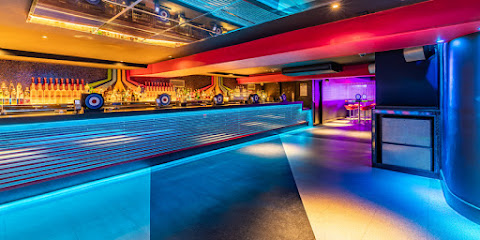
High Five
15.7 km
Cambridge's electrifying gay nightclub where themed nights, drag glamour, and inclusive dance floors ignite unforgettable evenings in the city heart.
Cambridge Lola Lo
15.8 km
Step into Cambridge Lola Lo, a vibrant tiki-themed nightclub with tropical vibes, lively dance floors, and a stunning rooftop terrace in the city centre.
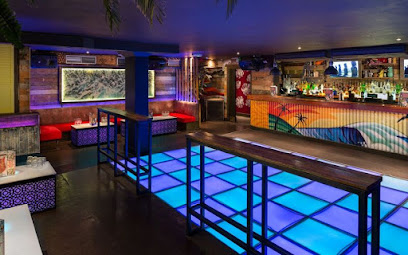
EBC Shop
15.9 km
Discover the electrifying nightlife at EBC Shop in Cambridge, where the music keeps you dancing and the atmosphere is always electric.
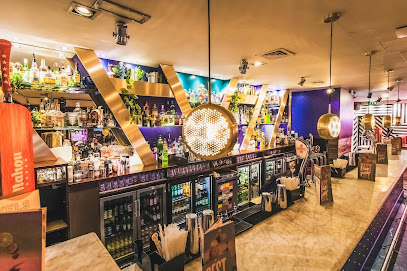
Revolution Cambridge
16.0 km
Experience the vibrant nightlife of Cambridge at Revolution, where delicious food, creative cocktails, and unforgettable moments await.
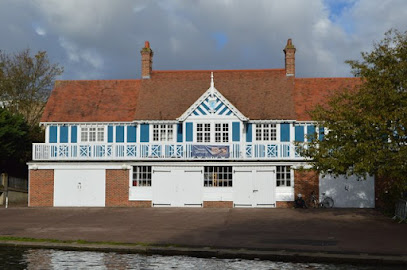
Newnham Croft Social and Sports Club
16.1 km
Experience the vibrant community spirit at Newnham Croft Social and Sports Club, a lively venue for live music, events, and friendly gatherings in Cambridge.
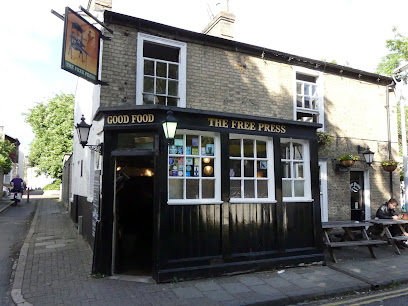
The Free Press
16.2 km
Cozy Cambridge backstreet pub serving seasonal fusion dishes, real ales, and timeless charm in a phone-free haven with a sunny beer garden.
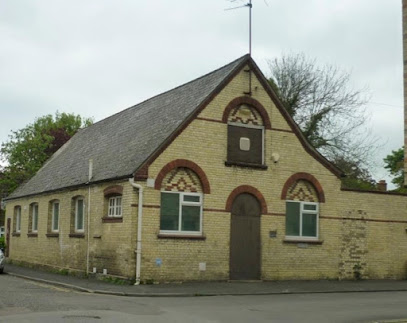
Cambridge Working Mens Club
16.3 km
Discover the lively ambiance of Cambridge Working Mens Club, a perfect blend of local culture, music, and community spirit.
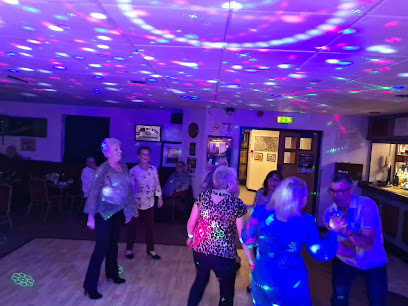
Cambridge Pop-up Speakeasy Jazz
16.3 km
Free live jazz pop-ups in a historic Cambridge pub: intimate sets, diverse musicians, speakeasy vibes on select Wednesdays at 7:30pm.
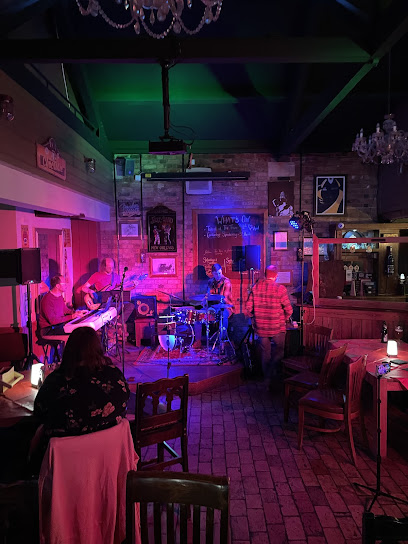
The Tram Depot
16.3 km
Discover the lively ambiance of The Tram Depot in Cambridge, where great food, local ales, and music nights create unforgettable experiences.
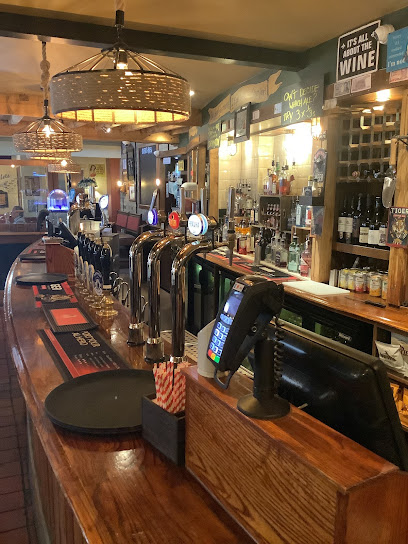
The LAB
16.4 km
Discover The LAB in Cambridge, a cocktail bar where creativity meets flavor, perfect for unwinding after a day of exploration.
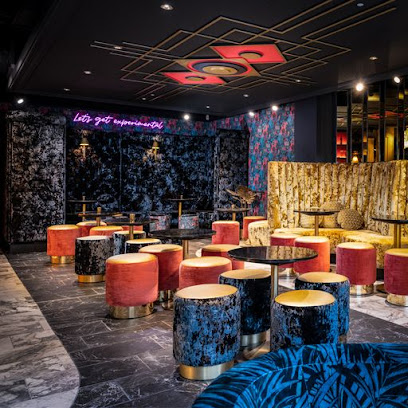
For the vibe & atmosphere seeker
- Tranquil
- Scenic
- Adventurous
- Nature Escape
For the design and aesthetic lover
- Rustic Designs
For the architecture buff
- Parks & Gardens
- Nature Reserve
For the view chaser and sunset hunter
- Iconic Views
- Panoramas
- Waterfront
- Sunrise Spots
- Sunset Spots
For the social media creator & influencer
- Photo Spots
- Instagrammable
- Reel-Friendly
For the eco-conscious traveler
- Eco-Friendly
- Protected Area
- Nature Reserve
- Car-Free Access
- Public-Transport Accessible
- Locally Managed
- Wildlife Habitat
For the kind of experience you’re after
- Mindfulness
- Meditation Spot
- Cultural Heritage
- Photowalk
- Nature Escape
- Day Trip
- Weekend Getaway
For how adventurous you want the journey to be
- Easy Access
- Requires Hike
- Seasonal Only
Location Audience
- Family Friendly
- Senior Friendly
- Child Friendly
- Wheelchair Access
- Pet Friendly
- Solo Friendly
- Couple Friendly


