

Cambridge Fens Travel Guide - Free Web & App
Your ultimate guide to Cambridge Fens. Discover top landmarks, proposed trips, and local tips. Free on the web or via the Evendo companion app.


Cambridge Fens, United Kingdom, pairs open fenland skies with Ely Cathedral, wetland wildlife, historic villages, waterways and quiet cycling routes.
A Landscape Shaped by Water
The Cambridge Fens are a broad, low-lying landscape north of Cambridge, extending across the waterways, peatlands, drainage channels and agricultural plains of eastern Cambridgeshire. This is not a single officially bounded visitor attraction, but a distinctive regional landscape best understood through places such as Ely, Wicken, Waterbeach, March, Littleport and the villages along the Great Ouse and Cam. Vast horizons, reedbeds, willow-lined dykes and remarkably open skies give the area a character quite unlike the wooded countryside found elsewhere in southern England.Read more about Cambridge Fens
Wetlands, Wildlife and Open Country
Cathedral, Waterways and Fenland Towns
When is the best time to visit Cambridge Fens?
Best: June–August · 24–26°C| Month | High (°C) | Rainfall (mm) |
|---|---|---|
| January | 7 | 45 |
| February | 8 | 36 |
| March | 11 | 33 |
| April | 14 | 39 |
| May | 19 | 41 |
| June (best) | 24 | 41 |
| July (best) | 26 | 46 |
| August (best) | 25 | 43 |
| September | 22 | 41 |
| October | 16 | 47 |
| November | 12 | 46 |
| December | 8 | 46 |
Getting to and around Cambridge Fens
How to get there
Transportation
Best attractions in Cambridge Fens
Cambridge Fens attractions range from historic Ely to protected wetlands and long waterside routes. Ely Cathedral dominates the Isle of Ely skyline, while the riverside offers access to walks, boat activity and views across the Great Ouse. At Wicken Fen, National Trust trails reveal reedbeds, sedge, grazing land and the remnant landscape of the traditional fen, with wildlife varying by season. The Ouse Washes form one of the region's most important wet grassland areas, and the WWT Welney Wetland Centre, just beyond the Cambridgeshire border in Norfolk, provides an organised setting for observing wetland birds. Villages such as Waterbeach, Littleport and Sutton offer glimpses of fenland settlement, while the Cam and Great Ouse corridors appeal to walkers, cyclists and boaters. The experience is less about a concentrated list of sights than about moving between open horizons, drainage channels, historic communities and carefully managed habitats.
-
Historical landmark
National Trust - Anglesey Abbey, Gardens and Lode Mill
A historic Jacobean house and 114 acres of seasonal gardens with a working watermill, perfect for families, garden lovers, and history enthusiasts.
-
Shopping Centre
The Grafton
A modern shopping centre in Cambridge offering diverse retail, dining, and community-friendly amenities in a vibrant, accessible setting.
-
Tourist attraction
National Trust - Wimpole Estate
Explore the grandeur and history of Wimpole Estate, a vast National Trust property with a majestic manor, gardens, and a working rare-breed farm.
-
Country park
Milton Country Park
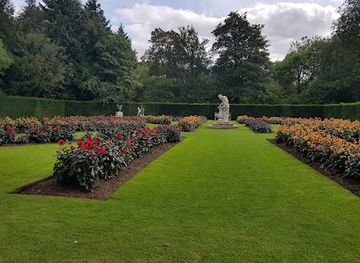
Explore 95 acres of woodland, lakes, and trails with family-friendly activities and year-round outdoor fun just north of Cambridge.


Explore Cambridge Fens on the map
Plan your trip on one map. See where the top attractions, landmarks, restaurants and hotels are, and book hotels and experiences in a few clicks.
Best hotels in Cambridge Fens
Best restaurants in Cambridge Fens
Dining in the Cambridge Fens is concentrated in Cambridge, Ely, March and the larger villages rather than beside every reserve or waterway. Cambridge provides the broadest choice, while Ely has cafés, pubs, restaurants and places to eat around its historic centre and riverside. Fenland agriculture shapes local menus and food shopping, with potatoes, vegetables, cereals and seasonal produce central to the region's identity; asparagus is particularly associated with parts of East Anglia. Traditional pubs and cafés offer familiar British meals, cakes and light lunches, while farm shops and village businesses may provide locally grown produce when open. Historically, eels and other freshwater foods formed part of fenland life, although visitors should not assume that every contemporary menu features them. Those visiting remote wetlands should carry provisions or check food options in advance rather than relying on reserve facilities.
-
Restaurant
Las Iguanas - Cambridge
Experience a vibrant Latin American fiesta with bold flavors, lively cocktails, and riverside views at Las Iguanas Cambridge.
-
Brasserie
Browns Cambridge
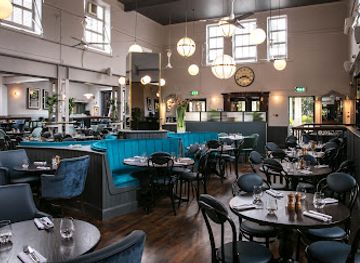
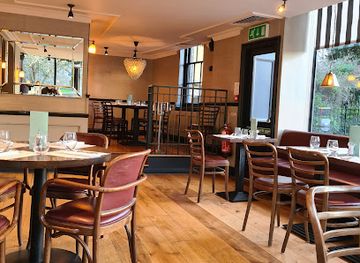
Classic British brasserie in Cambridge offering well-crafted dishes, warm service, and elegant ambiance on historic Trumpington Street.
-
British
The Ivy Cambridge Brasserie
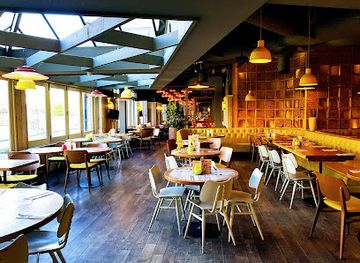
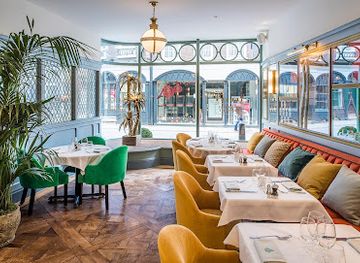
Sophisticated British brasserie in central Cambridge with vibrant decor, hearty food, and attentive service for all-day dining and celebrations.
-
Restaurant
Côte Cambridge
Experience authentic French brasserie dining with warm ambiance and classic dishes in Cambridge’s historic Bridge Street.
Best bars in Cambridge Fens
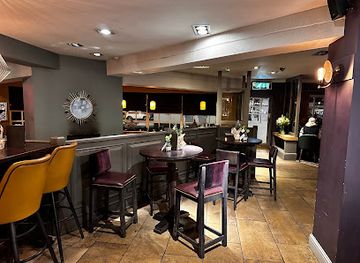
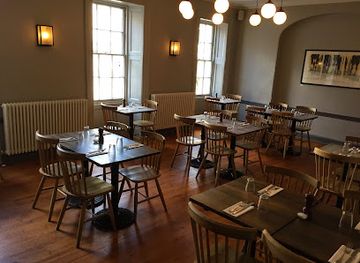
Evening entertainment in the Cambridge Fens is generally understated and centred on established pubs, hotel bars, restaurants and cultural venues in Cambridge, Ely and the larger market towns. Ely offers a quieter night out around its historic centre, with traditional pubs and places for an evening meal, while Cambridge has the widest range of bars, theatres, live performances and later venues in the surrounding region rather than within the open fenland itself. Villages may have one or more community pubs, but opening patterns and food service vary, particularly outside busy periods. Around Wicken Fen, the Ouse Washes and smaller rural settlements, evenings are better suited to dark-sky scenery, waterside walks from permitted areas and relaxed hospitality than to clubbing. Visitors staying in the countryside should arrange transport in advance and avoid assuming that late-night taxis or public transport will be readily available.
-
Bar
Revolution Cambridge
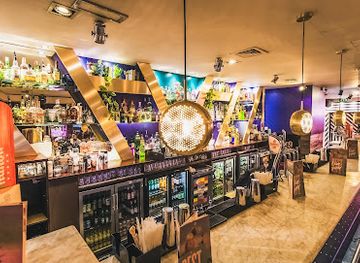
Dynamic cocktail bar and event venue in central Cambridge with rooftop terrace, diverse bars, and vibrant nightlife.
-
Pub
The Cambridge Brew House
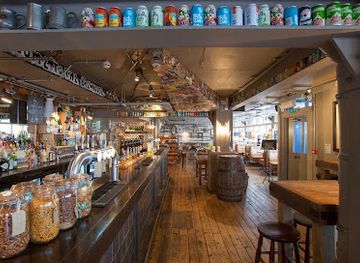
A lively Cambridge pub offering award-winning craft beers, hearty British fare, and a welcoming atmosphere in the city center.
-
Gastropub
Plough Cambridge
A charming riverside gastropub in Fen Ditton offering classic British fare with modern flair and scenic views by the River Cam.
-
Gastropub
Pint Shop
A stylish gastropub in Cambridge offering craft beers, inventive small plates, and a vibrant social atmosphere in a historic setting.
Best nightclubs in Cambridge Fens
Evening entertainment in the Cambridge Fens is generally understated and centred on established pubs, hotel bars, restaurants and cultural venues in Cambridge, Ely and the larger market towns. Ely offers a quieter night out around its historic centre, with traditional pubs and places for an evening meal, while Cambridge has the widest range of bars, theatres, live performances and later venues in the surrounding region rather than within the open fenland itself. Villages may have one or more community pubs, but opening patterns and food service vary, particularly outside busy periods. Around Wicken Fen, the Ouse Washes and smaller rural settlements, evenings are better suited to dark-sky scenery, waterside walks from permitted areas and relaxed hospitality than to clubbing. Visitors staying in the countryside should arrange transport in advance and avoid assuming that late-night taxis or public transport will be readily available.
-
Nightclub
Cambridge Junction
Cambridge Junction: Where live theatre, music, comedy, and nightlife converge in a vibrant cultural hotspot.
-
Nightclub
MASH
Cambridge’s only independent nightclub and live music venue, offering vibrant nights with diverse music and a welcoming atmosphere.
-
Nightclub
Cambridge Lola Lo
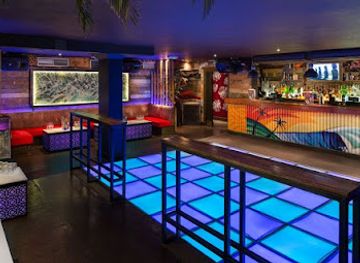
Step into Cambridge Lola Lo, a vibrant tiki-themed nightclub with tropical vibes, lively dance floors, and a stunning rooftop terrace in the city centre.
-
Nightclub
Vinyl Cambridge
Experience Cambridge’s vibrant retro nightclub with iconic hits, dazzling dance floors, and unforgettable themed parties.



Best shops in Cambridge Fens
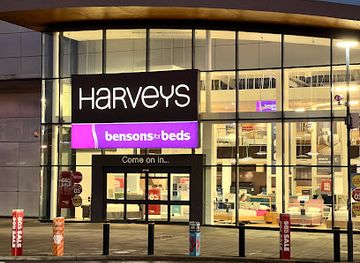
Shopping opportunities are strongest in Cambridge and Ely, with smaller selections in March, Littleport and other market towns. Ely's historic centre provides independent shops, food businesses, cafés and places selling gifts connected with the cathedral and local area, while Cambridge offers extensive high-street, independent and specialist retail beyond the Fens themselves. In rural areas, farm shops, village stores and seasonal stalls are more characteristic than dedicated shopping districts, offering regional produce when available. Potatoes, vegetables, preserves, baked goods and locally made food products reflect the fertile agricultural landscape, while crafts and artwork inspired by fenland waterways and wildlife appear through individual businesses rather than one uniform tradition. Visitors heading to reserves should buy essentials in a larger settlement, as retail facilities around wetland sites can be limited.
-
Shopping Centre
Grand Arcade
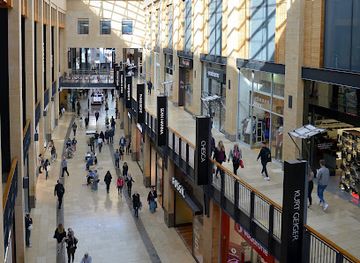
Central Cambridge’s vibrant shopping destination blending premium retail, dining, and festive community events under one sky-lit roof.
-
Shopping Centre
Cambridge-Halfords
Your all-in-one destination for cycling, motoring, and outdoor adventure essentials in Cambridge Retail Park.
-
Clothing Shop
Primark
Discover affordable fashion and home essentials at Primark Cambridge, your budget-friendly style destination in the city center.
-
Gift shop
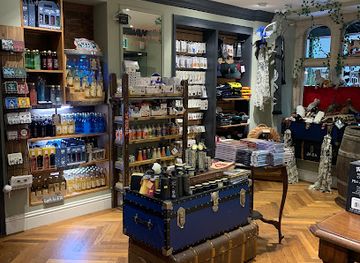
The Department of Magical Gifts
Discover Cambridge’s enchanting Harry Potter shop where magic, unique gifts, and a real wizard await every fan.
Get your free copy of our complete guide to Cambridge Fens, delivered straight to you.
Everything on this page, from attractions and restaurants to essentials and local phrases, in one PDF you can read offline, print or share.
Already have an account? Sign in
Your Cambridge Fens guide is ready.
We'll send it to · Not you? Sign out

Getting your guide ready…
We are putting together a fresh copy of the Cambridge Fens guide. This can take up to a minute.
This can take a few moments. If your browser asks, choose Allow so the download can start. You'll find the guide in your Downloads folder.
Nothing happened? Download it again
Sorry, the guide is taking longer than usual. Please try again in a minute, or get it by email instead.
Cambridge Fens essentials
Currency and Payment
Safety
Emergency Situations
Do's and Don'ts
Local Tips
From Eve
Local phrases worth knowing
You don't need to get them perfect. A few words go a long way, and locals appreciate the effort.
Basics
| English | Local | Say it |
|---|---|---|
| Hello | Alright | [uh-ryte] |
| Goodbye | Ta-ra | [tah-rah] |
| Yes | Yeh | [yeh] |
| No | Nah | [nah] |
| Please/You're welcome | Cheers | [cheers] |
| Thank you | Thanks | [thanks] |
| Excuse me/Sorry | Sorry | [saw-ree] |
| How are you? | How's it going? | [how's it goin'?] |
| Fine. And you? | All good. You? | [awl good. you?] |
| Do you speak English? | Can you speak English? | [kan yew speak ing-glish?] |
| I don't understand | I ain't got a clue | [I ain't got a klew] |
Eating & Drinking
| English | Local | Say it |
|---|---|---|
| I'd like to see the menu, please | Can I have a look at the menu? | [kan I 'av a luk at the men-yoo?] |
| I don't eat meat | I don't do meat | [I don't do meet] |
| Cheers! | Cheers! | [cheers!] |
| I would like to pay, please | Can I settle up, please? | [kan I set-ul up, pleez?] |
Emergencies
| English | Local | Say it |
|---|---|---|
| Help! | Help! | [help!] |
| Go away! | Clear off! | [clear off!] |
| Call the Police! | Ring the coppers! | [ring the cop-pers!] |
| Call a doctor! | Get a doc! | [get a dok!] |
| I'm lost | I can't find my way | [I can't find my way] |
| I'm ill | I’m not feeling well | [I’m not feel-ing well] |
Shopping
| English | Local | Say it |
|---|---|---|
| I'd like to buy... | I'm after... | [I'm af-ter...] |
| I'm just looking | Just browsing | [just brow-zing] |
| How much is it? | What’s the damage? | [what's the dam-age?] |
| That's too expensive | That’s a bit steep | [that’s a bit steep] |
| Can you lower the price? | Can you knock it down? | [kan you nok it down?] |
Time & Numbers
| English | Local | Say it |
|---|---|---|
| What time is it? | What’s the time? | [what's the time?] |
| It's one o'clock | It's one | [it's won] |
| Half past (10) | Half ten | [half ten] |
| Morning | Mornin' | [mornin'] |
| Afternoon | Afternoon | [af-ter-noon] |
| Evening | Evenin' | [eev-nin'] |
| Yesterday | Yesterday | [yes-ter-day] |
| Today | Today | [to-day] |
| Tomorrow | Tomorrah | [to-mor-rah] |
| 1 | One | [won] |
| 2 | Two | [too] |
| 3 | Three | [three] |
| 4 | Four | [for] |
| 5 | Five | [five] |
| 6 | Six | [six] |
| 7 | Seven | [sev-en] |
| 8 | Eight | [ate] |
| 9 | Nine | [nine] |
| 10 | Ten | [ten] |
Transport & Directions
| English | Local | Say it |
|---|---|---|
| Where's a/the...? | Where's the...? | [where's the...?] |
| What's the address? | What’s the address? | [what's the ad-dress?] |
| Can you show me (on the map)? | Can you point it out? | [kan you point it out?] |
| When's the next (bus)? | When's the next bus? | [when's the next bus?] |
| A ticket (to ....) | A ticket to... | [a tik-it to...] |
History of Cambridge Fens
A Wetland Landscape
For centuries, the Fens were a complex wetland of shallow meres, reedbeds, seasonally flooded grassland and raised islands of firmer ground. Communities adapted to this environment through fishing, fowling, reed cutting, grazing and cultivation on suitable soils. The Isle of Ely was one of the most important areas of higher land within the wider fenland, while waterways provided routes for movement and trade. Although the landscape was heavily modified later, surviving commons and reserves preserve fragments of the wetland ecology that once covered much of eastern England.
Medieval Ely and Fenland Communities
Ely developed around its important cathedral and monastic foundation, whose influence extended across the surrounding fenland. The settlement's position on an island of higher ground made it a natural regional centre in a watery landscape. The cathedral, begun in the late eleventh century and expanded over subsequent centuries, remains the clearest surviving expression of Ely's medieval importance. Elsewhere, villages grew on fen edges, islands and embankments, with local economies shaped by agriculture, fishing, waterways and the practical need to manage wet ground.
Drainage and Agricultural Transformation
Large-scale drainage changed the Fens profoundly during the seventeenth century. The engineer Cornelius Vermuyden was associated with major drainage works commissioned by landowners and the Crown, although the process involved many schemes, disputes and later improvements rather than one single transformation. Drains, embankments, pumps and straightened waterways gradually converted large areas of marsh into farmland. The changes brought agricultural wealth but also displaced traditional fen livelihoods and created continuing challenges, including subsidence of peat soils and the need for constant water management.
Conservation in a Managed Landscape
Modern fenland conservation recognises that wildlife survives within a landscape still shaped by drainage, farming and engineered water levels. Wicken Fen became an important early conservation project after the National Trust acquired land there in 1899, helping protect traditional fen habitats from further loss. Other reserves, including the Ouse Washes and wetland sites around Welney, combine habitat management with flood storage and public access. Today, the region's history is visible in its drainage channels, pumping stations, embankments, agricultural fields and protected fragments of the older fen.
Cambridge Fens in Photos
Browse through our photo collection highlighting the charm and character of the destination.
Cities in Cambridge Fens
The towns and cities of Cambridge Fens, and the easiest places to base yourself.

Swipe for more cities
Neighbouring destination travel guides
The closest destinations to Cambridge Fens, if you have time for more than one.
-

-

-

-

-


Swipe for more destinations
Explore more

Explore more of Huntingdonshire
Explore Huntingdonshire for riverside market towns, fenland horizons, historic houses, rural walks and water sports in eastern England.
Explore Huntingdonshire
Explore more of United Kingdom
Discover the United Kingdom: A blend of rich history, stunning landscapes, and vibrant cities, offering a unique travel experience for every visitor.
Explore United Kingdom