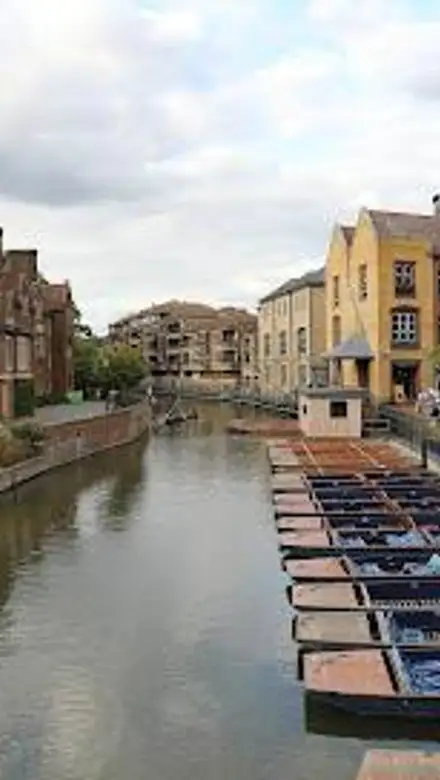
Magdalene Bridge, Cambridge Travel Guide
Free Guide: Stone bridge over the River Cam linking central Cambridge streets with Magdalene College.


A brief summary of Magdalene Bridge
Stone bridge over the River Cam linking central Cambridge streets with Magdalene College.
Magdalene Bridge crosses the River Cam on Bridge Street in central Cambridge. The stone structure provides river views and connects visitors to the surrounding colleges and streets of the city centre.
Opening hours
- Every dayOpen 24 hours
Opening hours as listed on the venue’s Google Business Profile. Hours can change for services and special events, so check with the venue before you go.
- Address
- Bridge St Cambridge
Getting there
On Foot
Public Transport
Discover more about Magdalene Bridge
Physical Setting
Magdalene Bridge spans the River Cam at the northern edge of central Cambridge. The stone arch bridge carries Bridge Street traffic and pedestrians between the city centre and Magdalene College grounds.
Visitor Experience
Travellers cross on foot to observe the river channel below and the immediate surroundings of college buildings and passing punts. The crossing takes only a few minutes yet places users directly in the flow of Cambridge street activity.
Access and Layout
The bridge forms part of the main north-south route through the city centre. Pavements on both sides accommodate pedestrians while vehicles share the roadway. No steps or barriers restrict movement for standard foot traffic.
Atmosphere and Timing
Daytime brings steady pedestrian movement and occasional river traffic. Early morning and evening see lighter use, with the structure remaining open at all hours. The open setting exposes visitors to typical Cambridgeshire weather conditions throughout the year.
Practical Context
No facilities exist on the bridge itself. Nearby streets supply seating, refreshments and information points within a short walk. The location suits brief stops during a walking tour of central Cambridge rather than extended visits.
Evendo Review Centre
 Google
Guest reviews
Best time to go
Quietest: Jan, Feb & Mar · at 1am or at 2am or at 3am
Busy times are Evendo estimates for a typical year, to help you plan. Actual crowds vary with events, school holidays and the weather.
Explore Magdalene Bridge on the map
A handpicked selection of must-see spots near Magdalene Bridge, mapped for you.
Get your free copy of our complete guide to Magdalene Bridge, delivered straight to you.
Everything on this page, from opening hours and how to get there to Eve’s tips and the best time to go, in one PDF you can read offline, print or share.
Already have an account? Sign in
Your Magdalene Bridge guide is ready.
We'll send it to · Not you? Sign out

Getting your guide ready…
We are putting together a fresh copy of the Magdalene Bridge guide. This can take up to a minute.
This can take a few moments. If your browser asks, choose Allow so the download can start. You'll find the guide in your Downloads folder.
Nothing happened? Download it again
Sorry, the guide is taking longer than usual. Please try again in a minute, or get it by email instead.
Unlock the best of Magdalene Bridge
Skip-the-line tickets, guided tours with entry, and walking tours of the area, booked in a few clicks.


Other nearby places you may find interesting
The closest places of the same kind, if this one is not quite what you had in mind.
-
-
-
-
-


Swipe for more places
More to explore near Magdalene Bridge

 Best experiences near Magdalene Bridge
 Best hotels near Magdalene Bridge
 Best landmarks near Magdalene Bridge
 Best attractions near Magdalene Bridge
 Best shops near Magdalene Bridge
 Best restaurants near Magdalene Bridge
 Best bars near Magdalene Bridge
Do you manage this location?
Take control to get all the benefits, like improved information, better appearance, and stronger visibility across AI-powered discovery.
Explore more

Explore more of Cambridge
Cambridge travel guide: explore historic colleges, the River Cam, museums, medieval chapels, riverside punting, independent shops and local culture.
Explore Cambridge
Explore more of United Kingdom
Discover the United Kingdom: A blend of rich history, stunning landscapes, and vibrant cities, offering a unique travel experience for every visitor.
Explore United Kingdom