The Old Schools, Cambridge Travel Guide
Free Guide: Grade I listed administrative complex at the centre of Cambridge’s university core, viewed from historic lanes beside the Senate House.


A brief summary of The Old Schools
Grade I listed administrative complex at the centre of Cambridge’s university core, viewed from historic lanes beside the Senate House.
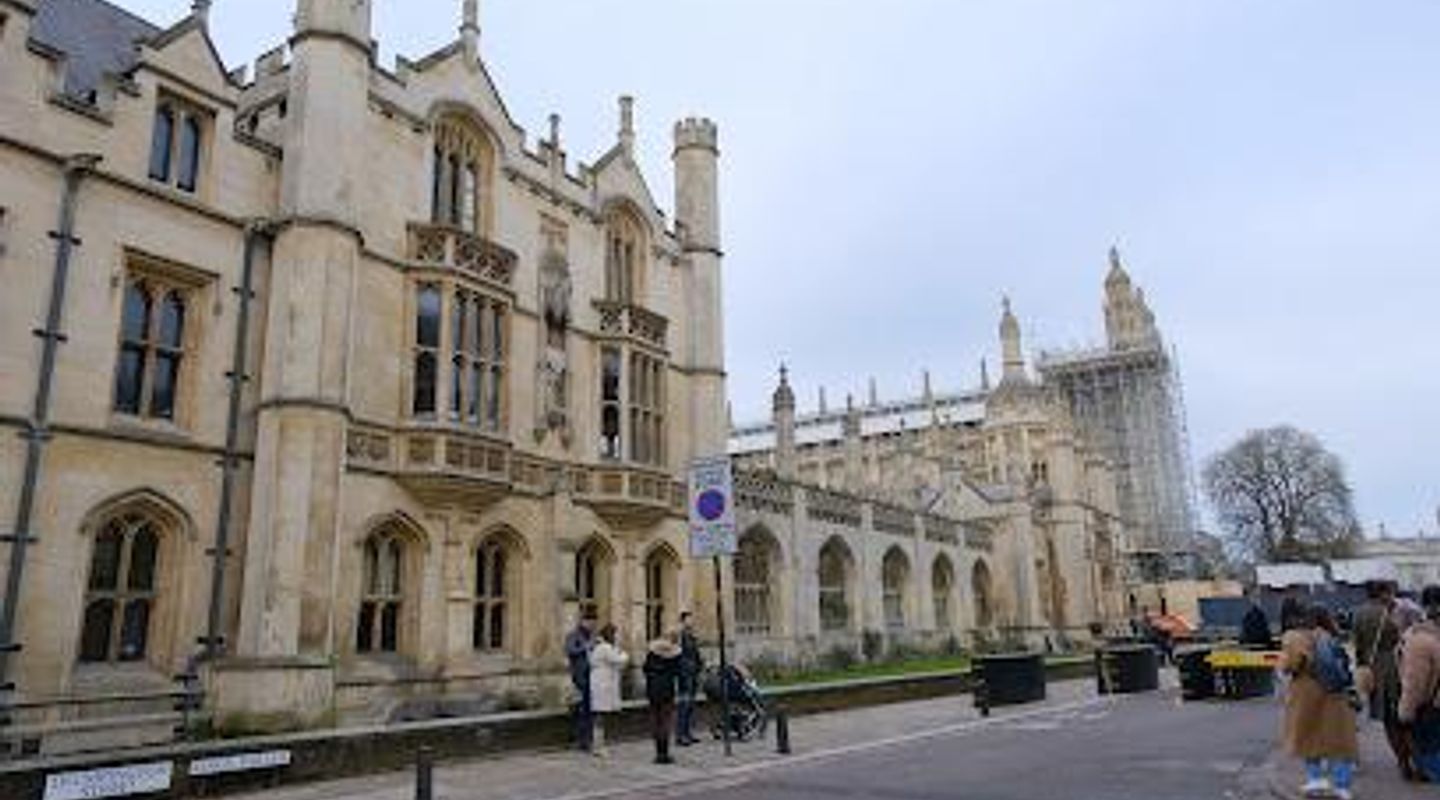
The Old Schools form the administrative heart of the University of Cambridge. This Grade I listed complex of courtyards and ranges dates from the late 14th century and stands at the end of Trinity Lane beside the Senate House. Visitors view the layered stone and brick facades, the 15th-century gatehouse and the classical east range from the surrounding public lanes. The site is not open for general interior access and functions as working university offices rather than a museum or college.
- Address
- Trinity Ln Cambridge
Getting there
Walk
Public transport
Train
Discover more about The Old Schools
Historic Development
The university acquired land west of Great St Mary’s before 1278. Construction of the schools quadrangle began in the late 14th century, with the north range complete by 1400. The west, south and east ranges followed through the 15th century. West Court originated as the unfinished Old Court of King’s College, sold to the university in 1829. The buildings housed the university library until 1934, after which they were converted to central administrative offices. The complex remains the university’s primary administrative headquarters, distinct from the individual colleges.
Architectural Layers
Two courtyards occupy the site: eastern Cobble Court and western West Court. Fabric spans medieval rubble and Perpendicular Gothic ranges, an 18th-century classical Portland-stone east range with open loggia, and 19th-century Gothic Revival and classical additions by architects including C.R. Cockerell and George Gilbert Scott. Stone, brick and ashlar facades face narrow cobbled lanes. The 15th-century gatehouse on Trinity Lane and the prominent east range provide the most immediate visual interest.
Visitor Experience
Casual visitors experience the Old Schools almost entirely from the exterior as part of a walking route through the historic core. Typical stops involve viewing and photographing the facades and the ensemble with the adjacent Senate House and King’s College Chapel. Visits last 5–30 minutes. Interiors and courtyards remain closed to the general public; occasional limited openings occur during Heritage Open Days or Open Cambridge events by advance booking.
Setting and Surroundings
The compact urban site lies between King’s Parade and Trinity Lane, surrounded by Gonville and Caius College, Senate House, Great St Mary’s and King’s College Chapel. Narrow historic lanes, cobbled surfaces and the intimate scale create a photogenic streetscape. The location sits within the Cambridge Historic Core Conservation Area and forms part of the classic university ensemble.
Access and Practicalities
The site is reached on foot from King’s Parade, Market Square or the bus station in 1–10 minutes. Trinity Lane provides a public through-route, though narrow and cobbled. Vehicle access to the immediate area is restricted during daytime hours. No public parking exists on site. The surrounding city centre supplies cafés, shops and public toilets within a short walk. Weather affects only comfort; the experience remains available year-round.
Evendo Review Centre
 Google
Guest reviews
Best time to go
Quietest: Jan, Feb & Mar · before 3am
Busy times are Evendo estimates for a typical year, to help you plan. Actual crowds vary with events, school holidays and the weather.
Explore The Old Schools on the map
A handpicked selection of must-see spots near The Old Schools, mapped for you.
Get your free copy of our complete guide to The Old Schools, delivered straight to you.
Everything on this page, from opening hours and how to get there to Eve’s tips and the best time to go, in one PDF you can read offline, print or share.
Already have an account? Sign in
Your The Old Schools guide is ready.
We'll send it to · Not you? Sign out

Getting your guide ready…
We are putting together a fresh copy of the The Old Schools guide. This can take up to a minute.
This can take a few moments. If your browser asks, choose Allow so the download can start. You'll find the guide in your Downloads folder.
Nothing happened? Download it again
Sorry, the guide is taking longer than usual. Please try again in a minute, or get it by email instead.
Other nearby places you may find interesting
The closest places of the same kind, if this one is not quite what you had in mind.
-
-
-
-
-


Swipe for more places
More to explore near The Old Schools

 Best experiences near The Old Schools
 Best hotels near The Old Schools
 Best landmarks near The Old Schools
 Best attractions near The Old Schools
 Best shops near The Old Schools
 Best restaurants near The Old Schools
 Best bars near The Old Schools
Do you manage this location?
Take control to get all the benefits, like improved information, better appearance, and stronger visibility across AI-powered discovery.
Explore more

Explore more of Cambridge
Cambridge travel guide: explore historic colleges, the River Cam, museums, medieval chapels, riverside punting, independent shops and local culture.
Explore Cambridge
Explore more of United Kingdom
Discover the United Kingdom: A blend of rich history, stunning landscapes, and vibrant cities, offering a unique travel experience for every visitor.
Explore United Kingdom