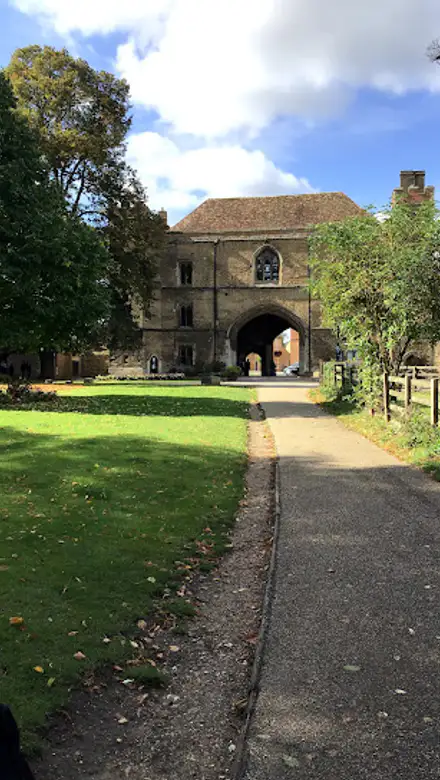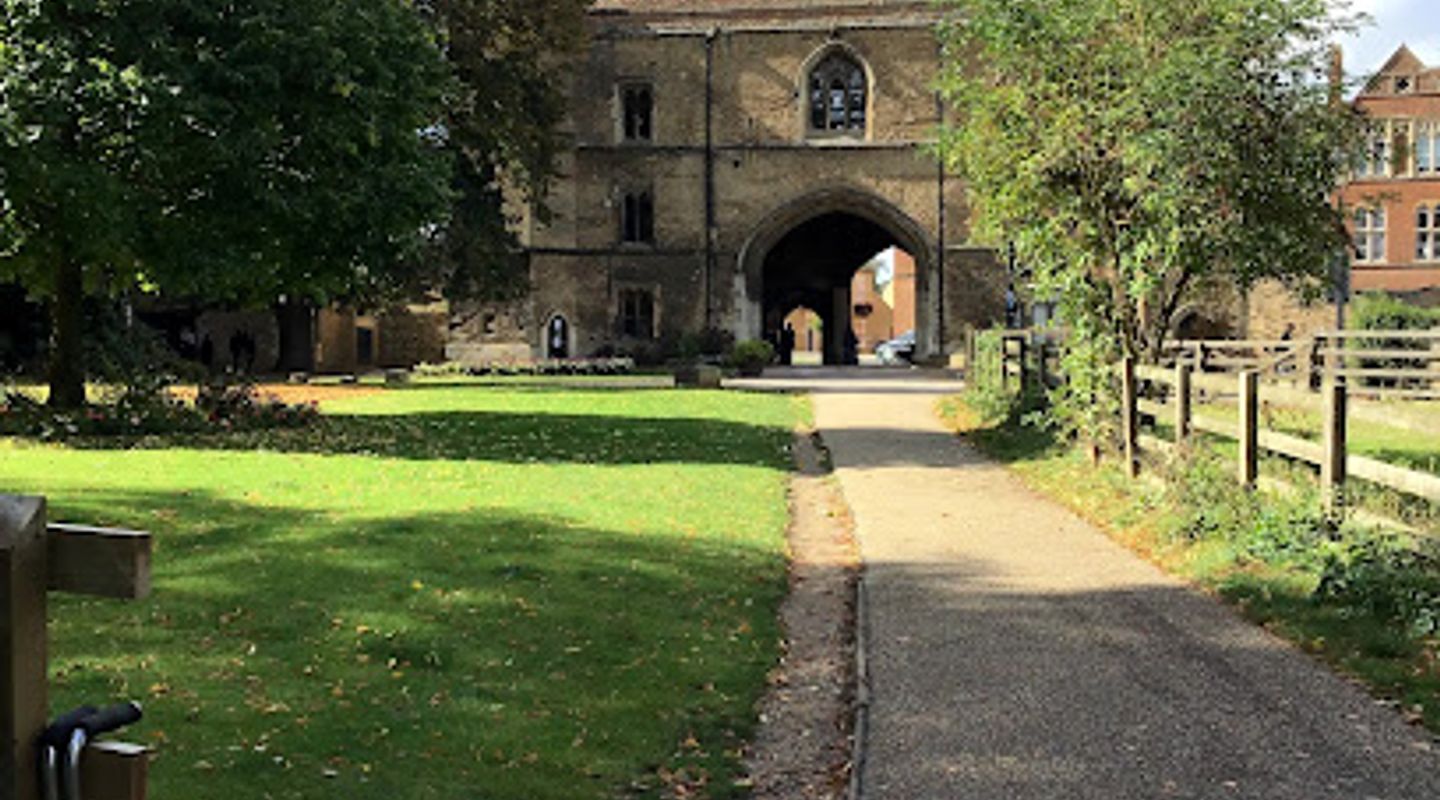
Ely Castle Mound, Cambridgeshire Travel Guide
Explore Ely Castle Mound’s ancient Norman earthworks, panoramic cathedral views, and peaceful parkland in the heart of historic Cambridgeshire.
Ely Castle Mound, also known as Cherry Hill, is a historic Norman motte-and-bailey castle site in Ely, Cambridgeshire. Dating back to around 1070, it offers visitors a steep earthwork mound with panoramic views of Ely Cathedral and the surrounding green landscape. The site is a tranquil park area ideal for picnics, dog walking, and immersing in a rich medieval history marked by battles, royal conflicts, and archaeological discoveries.
A brief summary to Ely Castle Mound
- Ely, Ely, GB
- Click to display
- Duration: 0.5 to 2 hours
- Free
-
 Outdoor
- Mobile reception: 4 out of 5

Know before you go
Hi, I'm Eve. Here are a few practical things to know before exploring Ely Castle Mound.
- Visit early morning or late afternoon for the best natural light and quieter atmosphere for photography.
- Wear sturdy footwear as the mound is steep and can be challenging to climb safely.
- Bring a picnic to enjoy on the grassy slopes of Cherry Hill Park surrounding the mound.
- Check local event listings for occasional guided tours or historical talks about Ely Castle and the region.
Do you manage this location?
Take control to get all the benefits, like improved information, better appearance, and stronger visibility across AI-powered discovery. Learn more about listing your business on Evendo
Activate your presenceOther nearby places you may find interesting
The closest places of the same kind, if this one is not quite what you had in mind.



Explore Ely Castle Mound on the Map
A handpicked selection of must-see spots near Ely Castle Mound, mapped for you.
Unlock the Best of Ely Castle Mound
Buy tickets
-
No tickets available
Book tours with entry
-
No tours available
Book tours without entry

Getting There
-
Train and Walk
Take a train from Cambridge Station to Ely Station, a journey of approximately 20-25 minutes. From Ely Station, walk about 15 minutes to the city center, then continue to Cherry Hill Park where Ely Castle Mound is located. The walk involves urban pavements and is accessible but includes some inclines near the mound.
-
Car and Walk
Drive to Ely City Centre Car Park on Market Place (CB7 4NT), which is about a 10-minute walk to Ely Castle Mound. The walk from the car park is on paved streets with a slight incline approaching the mound. Parking fees apply, typically around £2-£4 for a few hours.
-
Local Bus and Walk
Use local bus services that stop near Ely city center. From the bus stop, it is a 10-15 minute walk to the mound through mostly flat urban terrain. Bus fares vary but typically cost around £2-£3 per journey within the city.
For the on-the-go comforts that matter to you
-
 Seating Areas
-
 Picnic Areas
-
 Trash Bins
-
 Information Boards
Discover more about Ely Castle Mound
Foundations of a Norman Stronghold
Ely Castle Mound, often called Cherry Hill, is the earthwork remnant of a Norman motte-and-bailey castle constructed circa 1070 by William the Conqueror. Built to assert control after subduing local resistance led by Hereward the Wake, the castle played a strategic military role in the Isle of Ely's marshy, naturally defensible landscape. Though no stone structures remain, excavations have revealed artifacts such as clay jugs, bowls, and bronze tools, shedding light on the daily life of Norman settlers transitioning from Viking to Norman influence.Medieval Turmoil and Transformation
The castle was refortified during the 12th-century civil war known as the Anarchy, notably under Bishop Nigel, before surrendering to King Stephen. It saw further conflict during the Barons’ Wars, with its eventual destruction likely occurring in the early 13th century. Later, a windmill was built atop the mound, giving it the alternate name Mill Hill. The castle’s history reflects the turbulent power struggles of medieval England and the shifting control of this important regional stronghold.A Living Landscape and Community Space
Today, Ely Castle Mound forms the centerpiece of Cherry Hill Park, a verdant public space adjacent to the iconic Ely Cathedral. The steep mound rises approximately 40 feet, providing visitors with scenic views of the cathedral’s distinctive octagonal tower and the surrounding Cambridgeshire fenlands. The park’s open grassy areas are popular for picnics, dog walking, and casual strolls, offering a peaceful retreat that blends historical significance with natural beauty.Archaeological Insights and Preservation
Archaeological digs in the early 2000s uncovered significant Norman-era artifacts, contributing to Ely Museum’s collection and enhancing understanding of the site’s historical context. The mound itself is protected as a Scheduled Monument under UK law, preserving its earthworks for future generations. Interpretive signage at the site helps visitors connect with the layered history of the castle and its role within Ely’s medieval heritage.Architectural and Environmental Context
The motte-and-bailey design is characteristic of early Norman military architecture, with the motte measuring about 250 feet in diameter at the base and the bailey flattened for modern recreational use. The surrounding fenland environment, once marshy and difficult to traverse, shaped the castle’s defensive advantages and the development of Ely as a monastic and later cathedral city. The juxtaposition of natural landscape and historic earthworks creates a unique atmosphere blending tranquility with echoes of past conflicts.Visitor Experience and Local Significance
Visitors to Ely Castle Mound can enjoy a blend of history, nature, and community spirit. The site’s accessibility and open hours make it a welcoming destination for families, history enthusiasts, and dog walkers alike. While the climb up the steep mound requires caution, the reward is a sweeping vista and a tangible connection to England’s Norman past. The proximity to Ely Cathedral and the town center enriches the visit, situating the mound within a broader cultural and historic framework.












Your all‑in‑one travel companion app
Explore expert travel guides, compare and book tours, experiences, hotels, and more—all from the palm of your hand. Download now for seamless trip planning wherever your wanderlust takes you.


Explore More of Cambridgeshire

Looking beyond Ely Castle Mound? Discover Cambridgeshire for broader travel guides, local hot-spots, and regional highlights.
Explore Cambridgeshire
A historic riverside events venue in Ely, perfect for weddings, conferences, and live entertainment with views of the cathedral and River Great Ouse.

Discover the UK’s only museum dedicated to stained glass art, nestled within the historic Ely Cathedral’s breathtaking triforium.