

Free Cambridgeshire Travel Guide & Mobile App
Explore Cambridgeshire with free travel guides. Discover regional history, expert tips, proposed trips, and audio guides on web or mobile app.


Explore Cambridgeshire for historic Cambridge colleges, Ely Cathedral, fenland landscapes, country estates, museums and rewarding cycling routes.
Read more about Cambridgeshire
When is the best time to visit Cambridgeshire?
Best: June–August · 21–24°C| Month | High (°C) | Rainfall (mm) |
|---|---|---|
| January | 7 | 45 |
| February | 8 | 35 |
| March | 11 | 40 |
| April | 14 | 42 |
| May | 17 | 49 |
| June (best) | 21 | 52 |
| July (best) | 24 | 53 |
| August (best) | 23 | 56 |
| September | 20 | 50 |
| October | 15 | 60 |
| November | 10 | 60 |
| December | 7 | 55 |
Getting to and around Cambridgeshire
How to get there
Transportation
Top city travel guides in Cambridgeshire
The cities of Cambridgeshire, and the easiest places to base yourself.

Swipe for more cities
Destinations in Cambridgeshire
Resorts, valleys and scenic spots worth a trip of their own.

Swipe for more destinations
Best attractions in Cambridgeshire
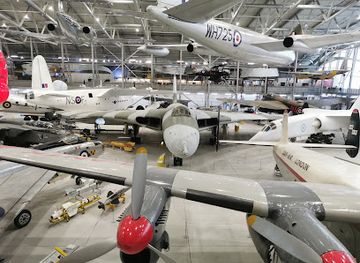
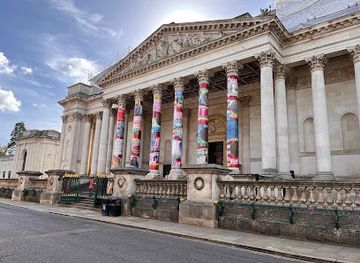
Cambridgeshire's attractions range from Cambridge's college courts, museums and river scenery to the open landscapes and historic market towns beyond the city. The Fitzwilliam Museum provides a major cultural anchor, while Kettle's Yard offers a more intimate setting for modern and contemporary art. Ely Cathedral dominates the fenland skyline and is best understood alongside the city's riverside and medieval streets. At Duxford, the Imperial War Museum presents aircraft, military history and the surviving character of a historic airfield. Wimpole Estate combines a grand house, parkland and a working farm, giving insight into the management of an English estate. Wicken Fen offers boardwalks, paths and wildlife in one of the country's best-known surviving fen landscapes. Cambridge and the surrounding villages also support walking, cycling and river activities, while towns such as St Ives, Huntingdon, March and Wisbech provide local museums, markets and architectural interest. The county's appeal lies in the contrast between concentrated heritage in Cambridge and Ely and the spacious, engineered landscapes of the Fens.
-
War museum
IWM Duxford
Explore Europe’s largest air museum at IWM Duxford, where history takes flight through iconic aircraft, immersive exhibits, and thrilling airshows.
-
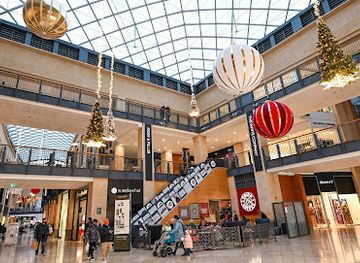
Shopping Centre
Grand Arcade
Modern shopping meets historic charm in Cambridge’s vibrant Grand Arcade, featuring premium stores, dining, and year-round events.
-
Museum
The Fitzwilliam Museum
Discover centuries of art and history at Cambridge’s Fitzwilliam Museum, home to masterpieces and immersive ancient collections.
-
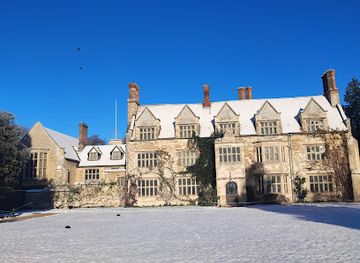
Historical landmark
National Trust - Anglesey Abbey, Gardens and Lode Mill
A Jacobean-style house set in 114 acres of seasonal gardens and parkland, with a working 18th-century watermill and family-friendly woodland play area near Cambridge.
Best landmarks in Cambridgeshire
Cambridgeshire's most recognisable landmark is Ely Cathedral, whose great central Octagon and soaring western tower rise above the flat fenland horizon. In Cambridge, the historic college skyline includes King's College Chapel, whose late Gothic architecture has become an emblem of the city, as well as the bridges, courts and river-facing backs along the Cam. Mathematical Bridge at Queens' College is a notable later example of collegiate engineering and design. The Round Church, officially the Church of the Holy Sepulchre, is an important medieval survivor near the historic centre. Outside the university city, the cathedral at Ely is complemented by Oliver Cromwell's House and the city's elevated position above the surrounding wetlands. Wicken Fen's reed beds, waterways and open skies form a natural landmark rather than a single monument, while Duxford's historic airfield and surviving wartime structures represent the county's twentieth-century military landscape. Together these places show how Cambridgeshire's identity is shaped by ecclesiastical architecture, academic institutions, fenland geography and modern aviation heritage.
-
Anglican church
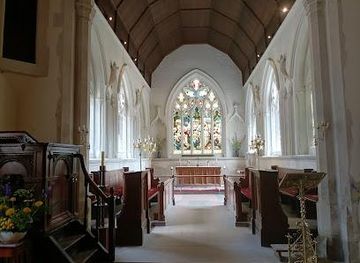
The Church of Saint Andrew and Saint Mary Grantchester
A serene medieval church in Grantchester, blending centuries of history with literary heritage and tranquil English countryside charm.
Explore Cambridgeshire on the map
Plan your trip on one map. See where the top cities, national parks and sights are, and book hotels and experiences in a few clicks.
Best hotels in Cambridgeshire
Best restaurants in Cambridgeshire
Dining in Cambridgeshire ranges from college-adjacent cafés and international restaurants in Cambridge to traditional pubs, bakeries and family-run cafés in market towns and villages. The county's productive soils support vegetables, cereals, potatoes and other seasonal produce, while fenland agriculture has a strong presence in local food culture. Menus often combine familiar British pub dishes with contemporary cooking and cuisines reflecting Cambridge's international population. Ely, Cambridge and the larger market towns offer the broadest choice, whereas rural inns tend to provide a more traditional setting. Farmers' markets and food stalls are useful places to look for local vegetables, preserves, bread, cakes and independently produced drinks. Cambridge also has a substantial coffee and casual dining culture, while country estates and riverside areas provide more deliberate meal settings. The local food identity is less about one emblematic dish than about fertile farmland, market trading and a mixture of established British traditions with modern, globally influenced cooking.
-
British
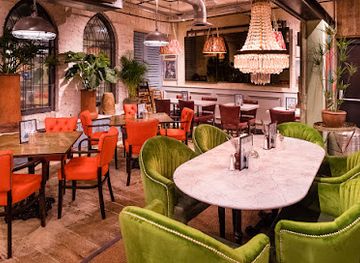
Bill's Cambridge Restaurant
A vibrant yet cozy British restaurant in Cambridge’s historic heart, perfect for all-day dining and special celebrations.
-
Brasserie
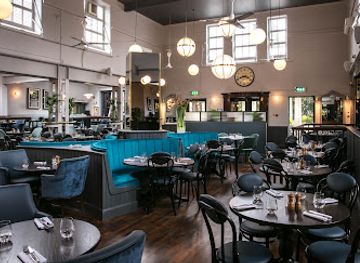
Browns Cambridge
Elegant British brasserie in Cambridge with Art Deco charm, quality cuisine, and a welcoming atmosphere for all occasions.
-
British
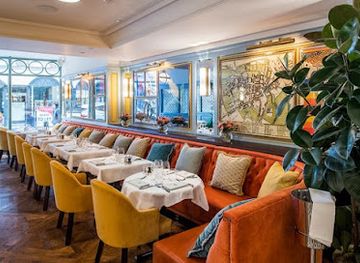
The Ivy Cambridge Brasserie
A vibrant British brasserie in Cambridge’s city centre, renowned for its art deco charm, diverse menu, and polished dining experience.
-
Steak
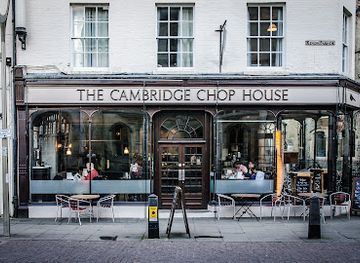
The Cambridge Chop House
Classic British steakhouse with locally sourced ingredients, historic charm, and stunning views opposite King's College Chapel in Cambridge.
Best bars in Cambridgeshire
Cambridgeshire's evening life is concentrated in Cambridge, where historic pubs, contemporary bars, live-music venues, theatres and student-oriented establishments create the county's broadest nightlife. The city also has a long tradition of pub culture connected with the university and surrounding neighbourhoods, although its evening scene is not limited to students. Ely, Huntingdon, St Ives and other larger towns offer pubs, restaurants and occasional live entertainment rather than a dense nightclub landscape. In smaller villages, evenings generally centre on local pubs, inns and dining rooms, with opening patterns varying by day and season. Breweries and taprooms may feature in the wider regional drinks scene, but visitors should check current arrangements rather than assume that every producer offers regular public access. Taxis or pre-arranged transport are useful after visiting rural venues, where late public transport is limited.
-
Pub
Eagle
Historic Cambridge pub where DNA’s double helix was announced, blending scientific legacy with classic British charm and lively atmosphere.
-
Bar
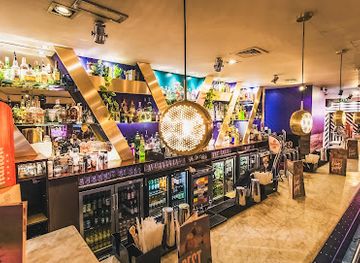
Revolution Cambridge
Vibrant cocktail bar and nightlife hotspot in central Cambridge with rooftop terrace, karaoke pod, and diverse event spaces.
-
Pub
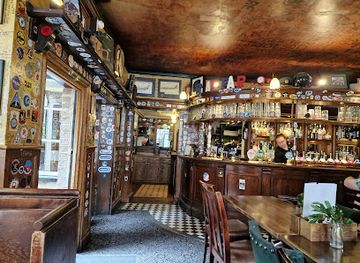
The Cambridge Blue
Historic Cambridge pub famed for its award-winning real ales, vast beer selection, and vibrant community spirit in a charming Victorian setting.
-
Pub
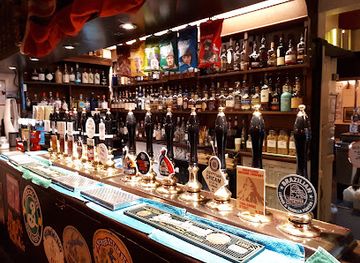
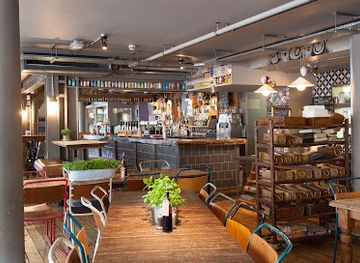
The Cambridge Brew House
Eclectic pub and brew house in Cambridge offering fresh local food, house-brewed beers, lively events, and a welcoming atmosphere.
Best nightclubs in Cambridgeshire
Cambridgeshire's evening life is concentrated in Cambridge, where historic pubs, contemporary bars, live-music venues, theatres and student-oriented establishments create the county's broadest nightlife. The city also has a long tradition of pub culture connected with the university and surrounding neighbourhoods, although its evening scene is not limited to students. Ely, Huntingdon, St Ives and other larger towns offer pubs, restaurants and occasional live entertainment rather than a dense nightclub landscape. In smaller villages, evenings generally centre on local pubs, inns and dining rooms, with opening patterns varying by day and season. Breweries and taprooms may feature in the wider regional drinks scene, but visitors should check current arrangements rather than assume that every producer offers regular public access. Taxis or pre-arranged transport are useful after visiting rural venues, where late public transport is limited.
-
Nightclub
Cambridge Lola Lo
Escape to Cambridge’s tropical-themed Lola Lo nightclub, where Polynesian vibes meet vibrant dance floors and crafted cocktails.
-
Nightclub
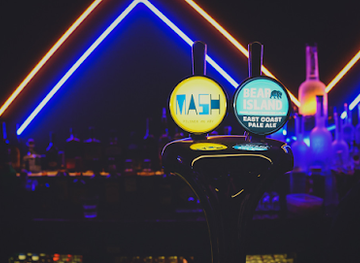
MASH
Cambridge’s vibrant independent nightclub offering themed music nights and a welcoming, safe party atmosphere until the early hours.
-
Nightclub
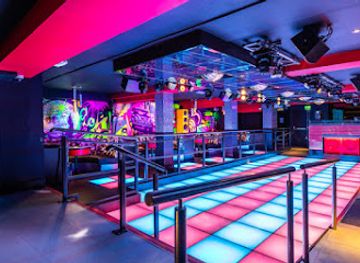
Vinyl Cambridge
Experience Cambridge’s ultimate retro nightclub with vibrant throwback parties, a dazzling disco floor, and a lively city centre vibe.

Best shops in Cambridgeshire
Cambridge has the county's widest shopping choice, from central high-street retailers and covered market stalls to independent bookshops, galleries, delicatessens and specialist food shops. The historic market in the city centre is a useful place to browse changing stalls, though its exact offer varies by day and season. Cambridge's college and museum surroundings also support shops selling books, prints, stationery, crafts and locally themed gifts. Ely, Huntingdon, St Ives, March and Wisbech provide more traditional market-town shopping, including independent retailers, cafés, antiques and practical everyday stores. Farmers' markets and estate or village shops can be good sources of seasonal produce, preserves, bread, beer and handmade goods. Visitors seeking distinctive souvenirs may find prints, ceramics, textiles, books or food products more representative of the region than generic university merchandise. Retail choice becomes increasingly dispersed outside the main towns, so combine rural shopping with a market, museum, estate or nature-reserve visit rather than expecting continuous high-street shopping.
-
Shopping Centre
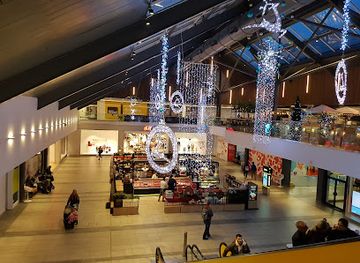
Beehive Centre
A vibrant shopping destination in Cambridge offering diverse stores, dining, and free parking for a convenient retail experience.
-
Shopping Centre
Lion Yard
A dynamic shopping destination in Cambridge city centre offering a broad mix of stores, modern amenities, and a welcoming atmosphere for all visitors.
-
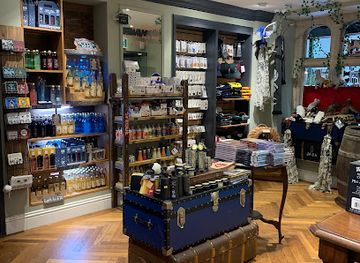
Gift shop
The Department of Magical Gifts
Step into a cozy, magical world of Harry Potter treasures and enchanting experiences in the heart of Cambridge.
-
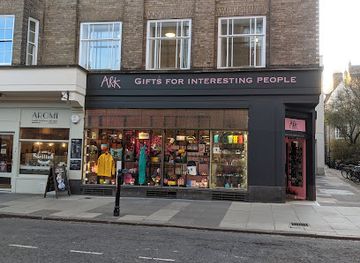
Gift shop
Ark
Discover unique gifts in the heart of Cambridge’s historic Peas Hill, where medieval charm meets vibrant civic life.

Get your free copy of our complete guide to Cambridgeshire, delivered straight to you.
Everything on this page, from attractions and restaurants to essentials and local phrases, in one PDF you can read offline, print or share.
Already have an account? Sign in
Your Cambridgeshire guide is ready.
We'll send it to · Not you? Sign out

Getting your guide ready…
We are putting together a fresh copy of the Cambridgeshire guide. This can take up to a minute.
This can take a few moments. If your browser asks, choose Allow so the download can start. You'll find the guide in your Downloads folder.
Nothing happened? Download it again
Sorry, the guide is taking longer than usual. Please try again in a minute, or get it by email instead.
Cambridgeshire essentials
Currency and Payment
Safety
Emergency Situations
Do's and Don'ts
Local Tips
From Eve
Local phrases worth knowing
You don't need to get them perfect. A few words go a long way, and locals appreciate the effort.
Basics
| English | Local | Say it |
|---|---|---|
| Hello | Hello | [həˈloʊ] |
| Goodbye | Goodbye | [ɡʊdˈbaɪ] |
| Yes | Yes | [jɛs] |
| No | No | [noʊ] |
| Please/You're welcome | Please / You're welcome | [pliːz / jʊr ˈwɛlkəm] |
| Thank you | Thank you | [θæŋk juː] |
| Excuse me/Sorry | Excuse me / Sorry | [ɪkˈskjus mi / ˈsɔri] |
| How are you? | How are you? | [haʊ ɑr ju] |
| Fine. And you? | Fine. And you? | [faɪn. ənd ju] |
| Do you speak English? | Do you speak English? | [du ju spiːk ˈɪŋɡlɪʃ] |
| I don't understand | I don't understand | [aɪ doʊnt ˌʌndərˈstænd] |
Eating & Drinking
| English | Local | Say it |
|---|---|---|
| I'd like to see the menu, please | I'd like to see the menu, please | [aɪd laɪk tə si ðə ˈmɛnjuː, pliːz] |
| I don't eat meat | I don't eat meat | [aɪ doʊnt iːt miːt] |
| Cheers! | Cheers! | [tʃɪrz] |
| I would like to pay, please | I would like to pay, please | [aɪ wʊd laɪk tə peɪ, pliːz] |
Emergencies
| English | Local | Say it |
|---|---|---|
| Help! | Help! | [hɛlp] |
| Go away! | Go away! | [ɡoʊ əˈweɪ] |
| Call the Police! | Call the Police! | [kɔl ðə pəˈliːs] |
| Call a doctor! | Call a doctor! | [kɔl ə ˈdɒktər] |
| I'm lost | I'm lost | [aɪm lɔst] |
| I'm ill | I'm ill | [aɪm ɪl] |
Shopping
| English | Local | Say it |
|---|---|---|
| I'd like to buy... | I'd like to buy... | [aɪd laɪk tə baɪ...] |
| I'm just looking | I'm just looking | [aɪm dʒʌst ˈlʊkɪŋ] |
| How much is it? | How much is it? | [haʊ mʌtʃ ɪz ɪt] |
| That's too expensive | That's too expensive | [ðæts tuː ɪkˈspɛnsɪv] |
| Can you lower the price? | Can you lower the price? | [kæn ju ˈloʊər ðə praɪs] |
Time & Numbers
| English | Local | Say it |
|---|---|---|
| What time is it? | What time is it? | [wɒt taɪm ɪz ɪt] |
| It's one o'clock | It's one o'clock | [ɪts wʌn əˈklɒk] |
| Half past (10) | Half past (10) | [hɑːf pæst (10)] |
| Morning | Morning | [ˈmɔːrnɪŋ] |
| Afternoon | Afternoon | [ˌæftərˈnuːn] |
| Evening | Evening | [ˈiːvnɪŋ] |
| Yesterday | Yesterday | [ˈjɛstərdeɪ] |
| Today | Today | [təˈdeɪ] |
| Tomorrow | Tomorrow | [təˈmɒroʊ] |
| 1 | 1 | [wʌn] |
| 2 | 2 | [tuː] |
| 3 | 3 | [θriː] |
| 4 | 4 | [fɔːr] |
| 5 | 5 | [faɪv] |
| 6 | 6 | [sɪks] |
| 7 | 7 | [sɛvən] |
| 8 | 8 | [eɪt] |
| 9 | 9 | [naɪn] |
| 10 | 10 | [tɛn] |
Transport & Directions
| English | Local | Say it |
|---|---|---|
| Where's a/the...? | Where's a/the...? | [wɛrz ə/ðə...?] |
| What's the address? | What's the address? | [wɒts ði əˈdrɛs?] |
| Can you show me (on the map)? | Can you show me (on the map)? | [kæn ju ʃoʊ mi (ɒn ðə mæp)?] |
| When's the next (bus)? | When's the next (bus)? | [wɛn's ðə nɛkst (bʌs)?] |
| A ticket (to ....) | A ticket (to ....) | [ə ˈtɪkɪt (tə ....)] |
History of Cambridgeshire
Prehistoric Fenlands and Early Settlement
Cambridgeshire's archaeology reflects a long relationship between people and wetlands. Prehistoric communities occupied islands and slightly higher ground within the Fens, while waterways provided routes for movement, fishing and exchange. In the south, the chalk landscape also supported farming and settlement. Peat preservation has kept organic materials in unusually good condition in some fenland contexts, offering evidence of tools, timber structures and changing environments. Much of the ancient landscape is now hidden beneath drained agricultural land, but surviving wetlands and archaeological collections help explain why the Fens are historically important as both a natural environment and a humanly managed one.
Roman Roads and Settlements
Roman control brought roads, organised administration and new patterns of settlement to the area. Cambridge developed around a Roman settlement known as Duroliponte, positioned near an important crossing of the River Cam, while Godmanchester, near present-day Huntingdon, became the site of the Roman town of Durovigutum. Roads including Ermine Street linked the region with other parts of Roman Britain. The Roman legacy is visible mainly through archaeology rather than monumental ruins, but its routes and river crossings helped establish the importance of several later towns.
Anglo-Saxon Kingdoms and the Rise of Ely
After Roman rule ended, Cambridgeshire lay within a shifting political landscape influenced by the kingdoms of East Anglia and Mercia. Christianity became an important force in the region, particularly at Ely, where a monastery was founded in the seventh century and later associated with St Etheldreda. The fen islands offered refuge and strategic advantages during periods of conflict. Ely's ecclesiastical importance grew through the medieval period, eventually producing the cathedral whose Octagon remains one of the county's most recognisable architectural achievements.
Cambridge University from the Thirteenth Century
Scholars began gathering in Cambridge in the early thirteenth century, and the University of Cambridge developed into one of Europe's major centres of learning. Colleges were established over successive centuries, shaping the courts, chapels, libraries and gardens that define the historic city centre. The university influenced the region's economy, architecture and intellectual life, while Cambridge's position on the River Cam and its surrounding market economy supported the city's growth. Its international reputation is longstanding, but the university has always existed alongside a wider city of tradespeople, manufacturers, workers and residents.
Fen Drainage and Agricultural Transformation
From the seventeenth century, large-scale drainage schemes sought to convert the Fens into more productive farmland. Engineers, investors and landowners reshaped waterways, embankments and pumping systems, while local fen communities often resisted changes that threatened customary access to fisheries, grazing and reeds. The work was uneven and contested before later improvements made drainage more effective. Modern Cambridgeshire agriculture, with its highly productive arable fields and intensive horticulture, is closely connected to this transformation, as are the environmental pressures facing the remaining wetlands.
Civil War Cambridge and Oliver Cromwell
Cambridgeshire was drawn into the conflicts of the seventeenth-century English Civil War. Cambridge became an important parliamentary base, and university treasures were removed for safekeeping during the upheaval. Oliver Cromwell, born at Huntingdon and later associated with Ely and the Isle of Ely, emerged as a leading parliamentary commander and political figure. Ely's perceived defensive importance in the fenland landscape gave the area strategic significance. Buildings and collections connected with Cromwell survive in Ely and Huntingdon, although his legacy remains politically and historically contested.
Railways, Industry and the Modern County
The arrival of railways in the nineteenth century connected Cambridge, Ely, Huntingdon, St Ives and other communities with London and regional markets. Rail transport strengthened the movement of agricultural produce and encouraged urban growth, while waterways continued to support trade in the Fens. Cambridge remained dominated by the university but also developed manufacturing and scientific activity. The county's twentieth-century identity was further shaped by air power, research and technology, with Duxford's airfield becoming an important site in Britain's aviation and military history.
Cambridgeshire in Photos
Browse through our photo collection highlighting the charm and character of the destination.
Neighbouring regions of Cambridgeshire
The closest regions to Cambridgeshire, if you have time for more than one.
-

-

-

-

-


Swipe for more regions
Explore more

Explore more of United Kingdom
Discover the United Kingdom: A blend of rich history, stunning landscapes, and vibrant cities, offering a unique travel experience for every visitor.
Explore United Kingdom