

Burwell Fen
Restored fenland wilderness where nature reclaims the landscape and rare birds thrive
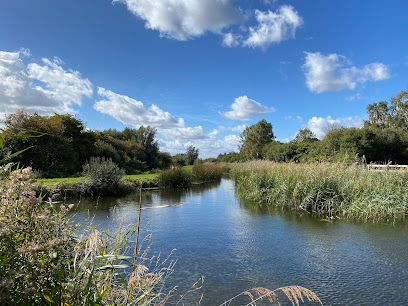
Burwell Fen is a restored wetland landscape spanning several hundred acres near Cambridge, representing one of the most significant fenland restoration projects in England. Once drained for agriculture during World War Two, this National Trust-managed site has been transformed back into thriving habitat over the past two decades. Today it offers visitors an immersive experience of East Anglian fenland ecology, with extensive reedbeds, open water, and abundant wildlife including short-eared owls, marsh harriers, and numerous waterfowl species. The fen is accessible via walking and cycling trails that connect to the historic Cambridgeshire Lodes waterway network.
A brief summary to Burwell Fen
- 77VW+WC, Cambridge, GB
- Duration: 1.5 to 4 hours
- Free
-
 Outdoor
- Mobile reception: 3 out of 5
- Monday 12 am-12 am
- Tuesday 12 am-12 am
- Wednesday 12 am-12 am
- Thursday 12 am-12 am
- Friday 12 am-12 am
- Saturday 12 am-12 am
- Sunday 12 am-12 am
Local tips
- Visit during spring and early summer (April to June) for peak birdwatching opportunities, particularly for breeding species like marsh harriers and black-necked grebes
- Bring binoculars and a field guide; the fen is home to short-eared owls, stonechats, waders, and hundreds of waterfowl species that reward patient observation
- Wear waterproof footwear and clothing suitable for exposed, windy fenland conditions; there is limited shelter and the landscape offers little protection from weather
- Combine your visit with Wicken Fen, the adjacent National Trust reserve, to experience the full scope of fenland restoration and heritage
- Respect the grazing cattle and Konik ponies; they are essential to fen management and should be observed from a distance

For the on-the-go comforts that matter to you
- Visitor Center
- Information Boards
- Seating Areas
- Picnic Areas
Getting There
-
Car from Cambridge City Centre
Drive northeast from Cambridge via the A14 and B1102 toward Mildenhall, approximately 12 miles. Journey time is 20–25 minutes depending on traffic. Park at the Wicken Fen visitor centre on Lode Lane, Wicken, Ely CB7 5XP (postcode for sat-nav). From there, access Burwell Fen via walking trails across the Lodes network. Parking is free at the National Trust visitor centre.
-
Cycling from Cambridge
Follow the national cycle trail network from Cambridge toward Wicken Fen, approximately 12–14 miles northeast. The route is largely flat and follows the Cambridgeshire Lodes towpaths. Journey time is 45–60 minutes depending on fitness and route chosen. Burwell Fen is accessible via the Reach Lode bridge and connecting trails. This is an excellent option for experiencing the fenland landscape at a slower pace.
-
Bus from Cambridge
Local bus services operate from Cambridge to nearby villages; however, services to Wicken Fen and Burwell Fen are limited and infrequent. Journey times typically exceed 45 minutes with connections. Check local transport providers for current timetables. Once at Wicken Fen visitor centre, access Burwell Fen via walking trails.
-
Walking from Burwell Village
Burwell village is approximately 2–3 miles south of Burwell Fen. A scenic walk of 45–60 minutes follows the Burwell Lode northwestward toward the fen. The terrain is flat but can be muddy and exposed to wind. Waterproof footwear is essential. This route offers views of the historic lode and connects directly to the fen's trail network.
Burwell Fen location weather suitability
-
 Any Weather
-
 Clear Skies
-
 Mild Temperatures
Discover more about Burwell Fen
A Landscape Restored to Life
Burwell Fen represents one of the most ambitious fenland restoration projects in England. Acquired by the National Trust from what was once Burwell Fen Farm, this landscape has been painstakingly returned to wetland over the past decade. The restoration began after centuries of drainage and agricultural use, particularly intensive farming during World War Two when the "Dig for Victory" campaign saw vast areas ploughed for crop production. Today, several hundred acres of wetlands have been recreated through careful water management and natural ecological processes, creating a living laboratory of fenland regeneration.Ecology and Wildlife Abundance
The fen's transformation has attracted an extraordinary diversity of wildlife. Over 100 acres of open water now support hundreds of ducks and waders, while the newly established reedbeds provide ideal breeding habitat for species that had vanished from the region. Short-eared owls and marsh harriers hunt across the open landscape, and in recent years black-necked grebes and black-winged stilts have attempted to breed here—species that would have been unthinkable in Cambridgeshire before restoration began. The stonechat, a species that did not breed in the county before the Wicken Fen Vision commenced, now nests regularly across the restored wetlands. This ecological recovery demonstrates how quickly nature responds when water is restored to drained fenland.The Waterway Heritage
Burwell Fen sits within the network of the Cambridgeshire Lodes, a series of man-made waterways believed to have Roman origins. Burwell Lode itself, first recorded in 1604, is an artificial watercourse approximately 2.5 miles long that connects the fen to the River Cam at Upware. The current course was laid out in the mid-17th century by the Bedford Level Commissioners, replacing an older route that may have been Roman in origin. The lode splits into two branches within the village of Burwell, each historically serving a series of basins, warehouses, and wharves—evidence of the waterway's importance to medieval and early modern commerce. Today, these historic waterways remain navigable and form part of the visitor experience.Access and the National Trail
A new bridge over Reach Lode, designed as installation art by Sustrans, provides access for both people and cyclists while also serving cattle and Konik ponies that graze the fen as part of its management. The bridge features sculptural representations of three iconic fenland figures from history: an entomologist, an eel catcher, and a fenland skater. This crossing marks part of a national trail route that connects the fens to Cambridge, making Burwell Fen accessible to walkers and cyclists exploring the broader fenland landscape. The site forms part of the larger Wicken and Burwell Fens complex managed by the National Trust.Landscape Below Sea Level
Burwell Fen occupies one of the lowest areas in its catchment, lying below sea level due to peat shrinkage caused by centuries of drainage. The drained peat has subsided many metres below its original level, creating a landscape that requires careful water management. The Burwell Lode carries water from Cambridgeshire's chalk lands to the south, feeding it into the River Cam before it flows toward the North Sea. This hydrological context is fundamental to understanding the fen's restoration: rather than the pumped drainage operations that characterised fenland farming, water is now deliberately maintained at appropriate levels to support wetland ecology. The result is a landscape where natural processes have been allowed to flourish, creating reedbeds and open water habitats with minimal intervention.Iconic landmarks you can’t miss

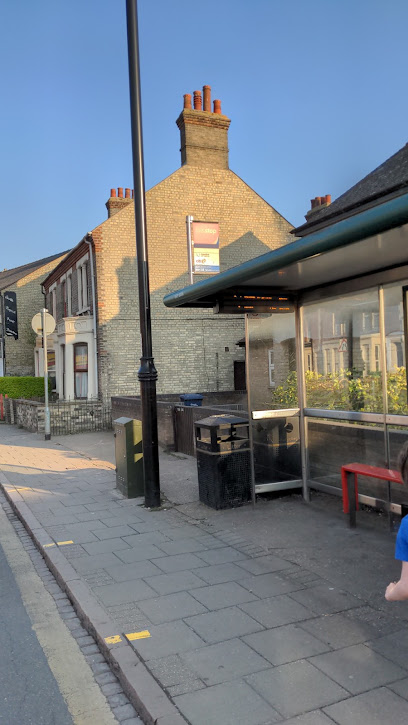
Romsey Terrace
14.9 km
Explore the historic charm of Cambridge from Romsey Terrace, a convenient bus stop that connects you to the city's vibrant attractions and culture.
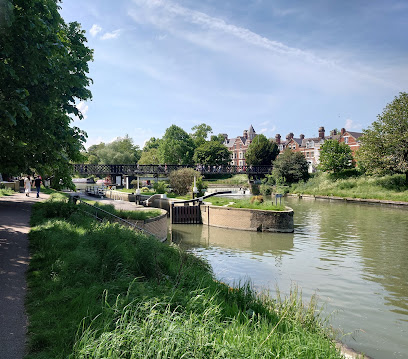
Jesus Lock
15.0 km
Historic Jesus Lock on the River Cam offers serene riverside charm and a unique glimpse into Cambridge's aquatic heritage.
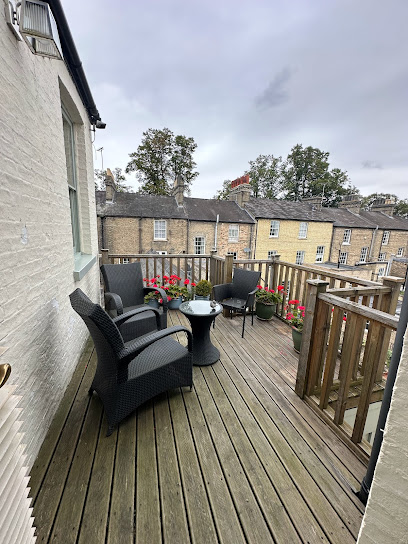
Duke House
15.2 km
A charming boutique guesthouse blending historic elegance with warm hospitality in central Cambridge.
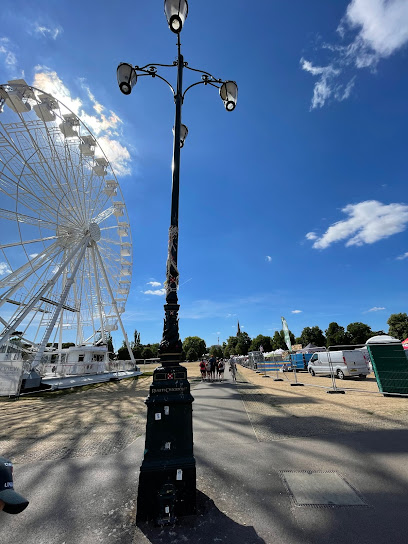
Reality Checkpoint
15.4 km
A colorful Victorian lamppost marking the boundary between Cambridge's academic bubble and the real world, standing proudly at Parker’s Piece.
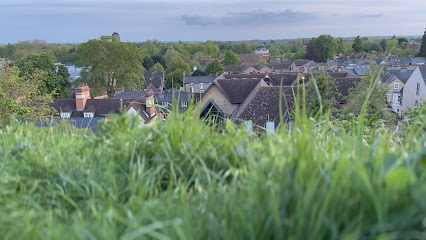
Castle Mound: site of medieval Cambridge Castle
15.4 km
Explore Castle Mound, the grassy remnant of Cambridge’s medieval fortress with panoramic city views and centuries of rich history.
Magdalene Bridge
15.4 km
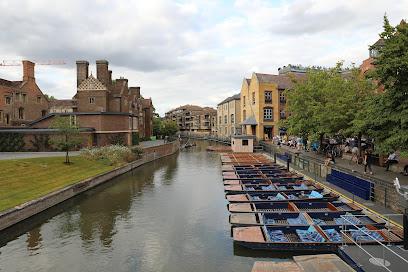
Historic cast-iron bridge over the River Cam, linking Cambridge’s academic heart with its ancient trading past.
Castle Park
15.5 km
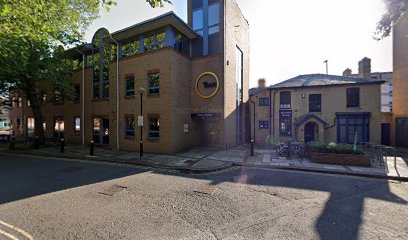
Historic green space featuring the Norman Cambridge Castle Mound with panoramic city views and tranquil parkland near the city centre.
Museum of Cambridge
15.5 km
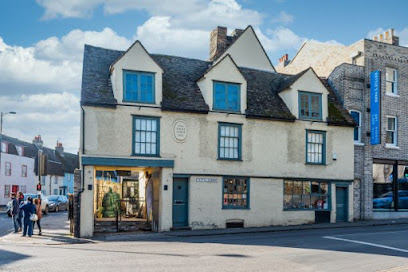
Explore the Museum of Cambridge, where local history comes alive through fascinating artifacts and engaging exhibits that tell the story of this historic city.
Kettle's Yard
15.5 km
Discover Kettle's Yard, Cambridge's unique art museum blending contemporary art with a serene home-like setting perfect for inspiration.
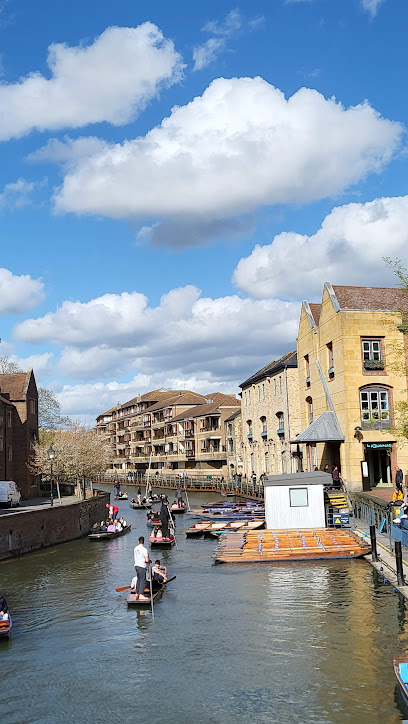
Newton's Apple Tree
15.6 km
Explore Newton's Apple Tree in Cambridge, a historical landmark that connects you to the legacy of scientific discovery and innovation.
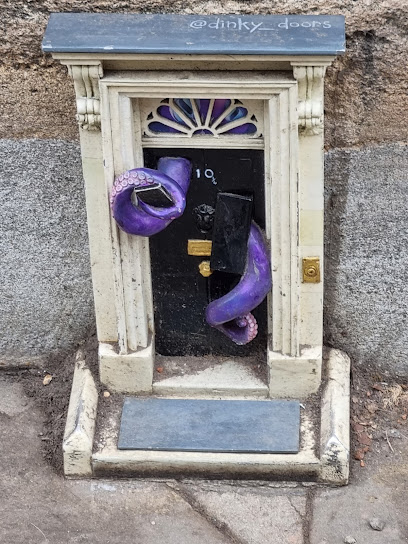
10 Downing Street
15.6 km
Explore the historical charm of 10 Downing Street in Cambridge, a symbol of British politics and architectural beauty, perfect for history enthusiasts.
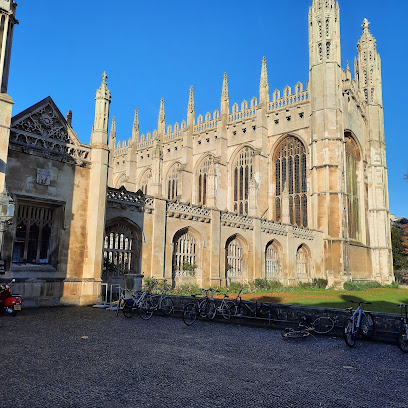
Cambridge Science Centre
15.6 km
Explore the interactive exhibits at Cambridge Science Centre, where science meets fun and learning becomes an adventure for all ages.
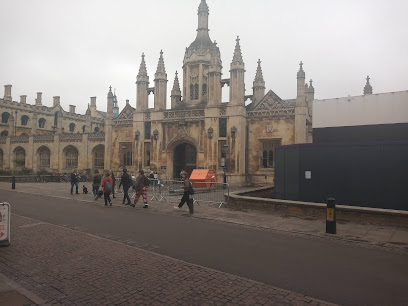
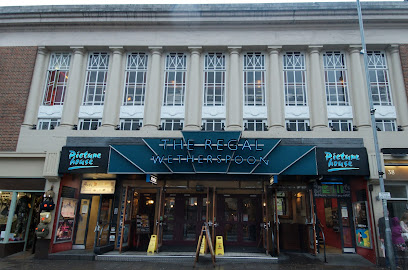
Arts Picturehouse
15.6 km
Discover a unique cinematic experience at Arts Picturehouse, Cambridge's historic cinema showcasing independent films and classic favorites.
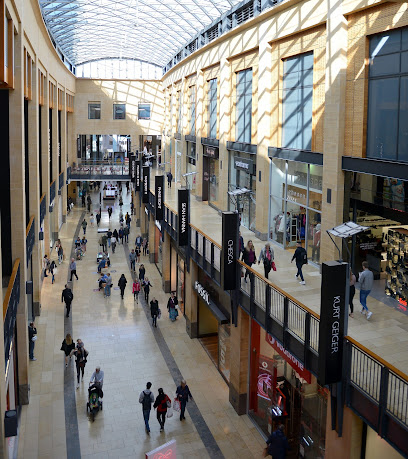
Grand Arcade
15.6 km
Explore Grand Arcade, a vibrant shopping center in Cambridge, featuring top brands, delightful restaurants, and a unique architectural design.
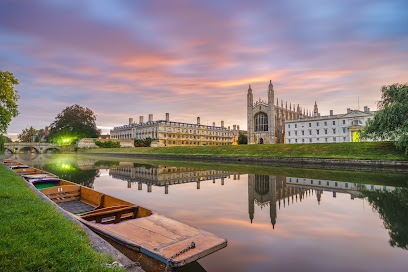
Bridge of Sighs
15.6 km
A Victorian Gothic covered bridge spanning the River Cam, linking history and beauty at St John's College, Cambridge.
Unmissable attractions to see

National Trust - Wicken Fen Nature Reserve
1.8 km
Explore one of Europe’s oldest wetlands, rich in wildlife, heritage, and natural beauty at Wicken Fen National Nature Reserve.
Wicken Fen Visitor Centre
1.8 km
Explore one of Europe’s oldest wetlands, a rich fenland sanctuary teeming with rare wildlife, historic charm, and timeless natural beauty.
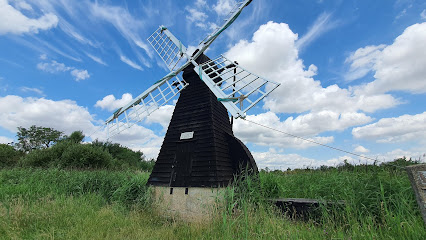
Burwell Museum and Windmill
3.3 km
Explore Burwell’s rich fenland heritage through a historic windmill, vintage exhibits, and immersive rural life displays in a charming village setting.
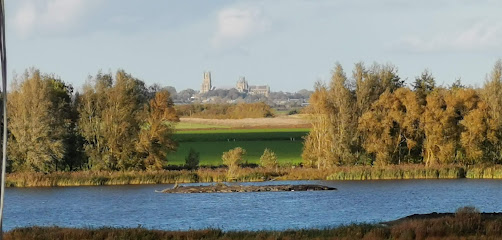
Kingfishers Bridge Nature Reserve
4.6 km
A vibrant wetland haven in Cambridgeshire, rich in rare birds and wildlife, offering peaceful nature walks and immersive conservation experiences.
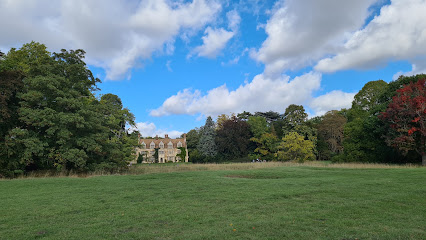
National Trust - Anglesey Abbey, Gardens and Lode Mill
7.4 km
Explore a historic Jacobean estate with stunning seasonal gardens, a working watermill, and family-friendly nature trails near Cambridge.
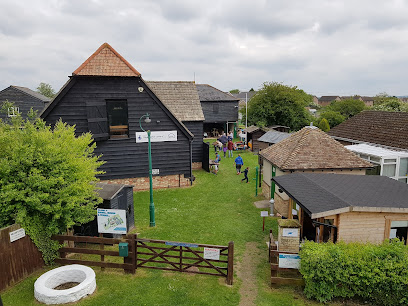
Denny Abbey & The Farmland Museum
7.5 km
Explore 850 years of history at a serene medieval abbey and engaging farmland museum near Cambridge.
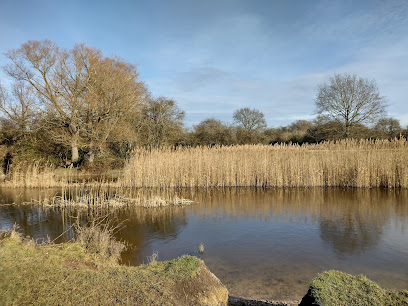
Stow cum Quy Fen
8.0 km
Explore the serene waters and rich wildlife of Stow cum Quy Fen, a unique fenland nature reserve steeped in history near Cambridge.
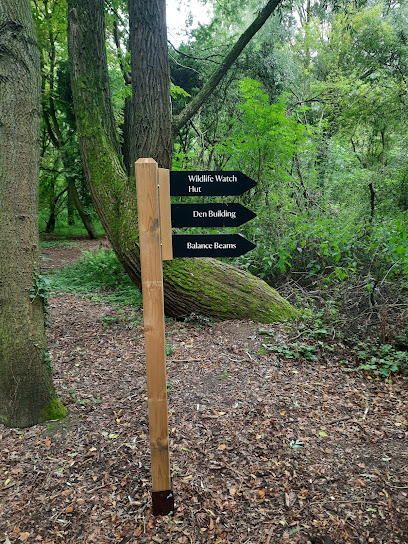
Hoe Fen Wildlife Area
8.0 km
A peaceful woodland play area near Anglesey Abbey, perfect for families exploring nature in the Cambridgeshire fens.
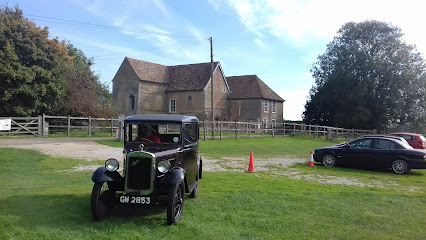
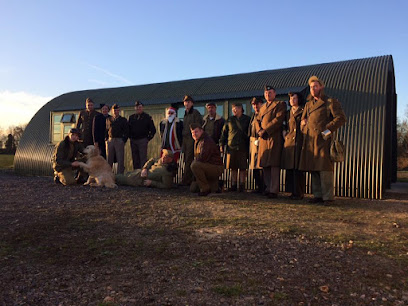
Bottisham Airfield Museum
8.9 km
Step into history at Bottisham Airfield Museum, where WWII aviation heritage comes alive through immersive exhibits and heartfelt stories.
Milton Country Park
11.1 km
Discover 95 acres of woodlands, lakes, and trails just outside Cambridge, perfect for family fun, watersports, and peaceful nature escapes.
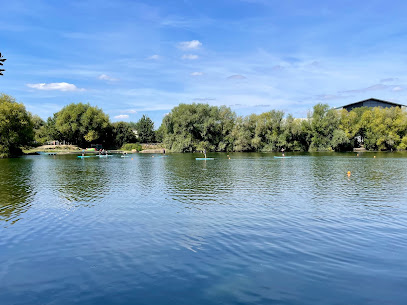
Jubilee Gardens
11.3 km
A peaceful riverside park in Ely featuring a bandstand, playground, and vibrant community events year-round.
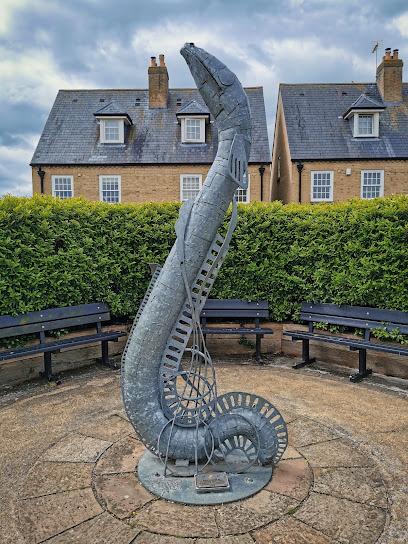
The Maltings
11.3 km
A historic riverside events venue in Ely, perfect for weddings, conferences, and live entertainment with views of the cathedral and River Great Ouse.
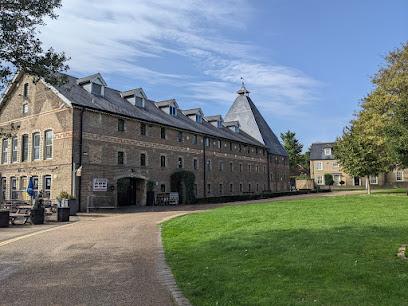
Waterside Antiques Centre
11.4 km
Explore East Anglia’s largest antiques centre set by Ely’s scenic riverside, boasting three floors of vintage treasures and timeless curiosities.
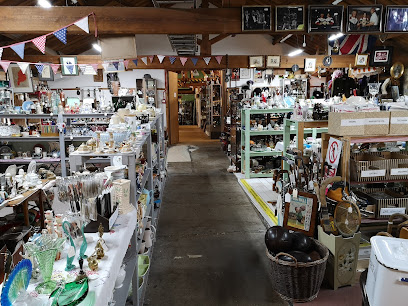
Ely Castle Mound
11.5 km
Explore Ely Castle Mound’s ancient Norman earthworks, panoramic cathedral views, and peaceful parkland in the heart of historic Cambridgeshire.
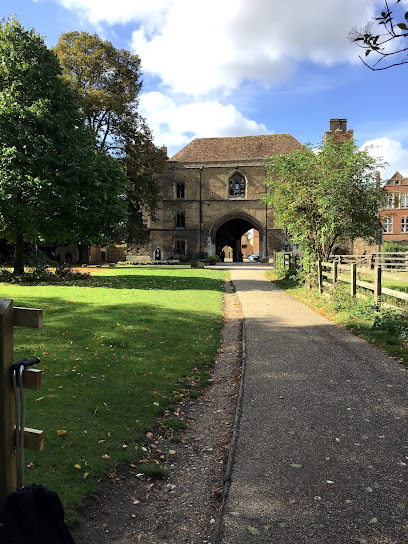
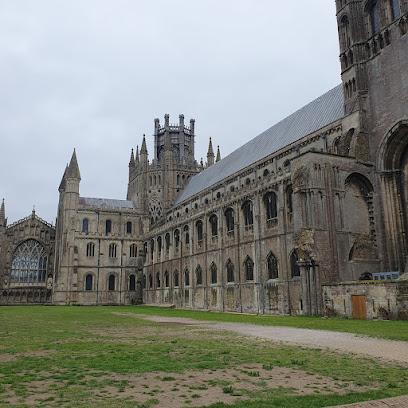
Ely Cathedral
11.8 km
Discover Ely Cathedral’s stunning medieval architecture and iconic octagonal lantern tower, a masterpiece of English heritage and spiritual beauty.
Essential places to dine

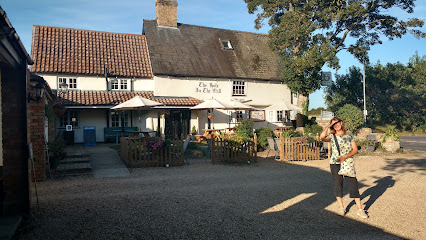
The Hole In The Wall
10.5 km
Historic gastropub and cozy B&B in Little Wilbraham, blending rustic charm with exceptional British cuisine and warm hospitality.
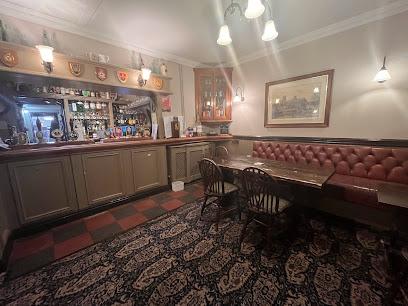
The Prince Albert
11.7 km
A charming traditional pub in Ely offering expertly crafted ales, fresh local food, and a welcoming atmosphere with a lively social calendar.
Navadhanya
14.5 km
Experience exquisite Indian fine dining in Cambridge with innovative dishes, elegant ambience, and impeccable service at Navadhanya.
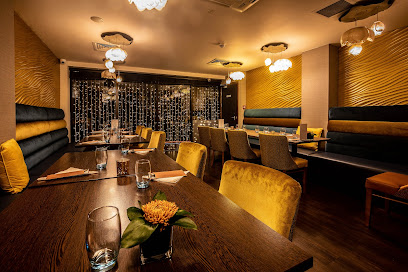
The Old Spring
14.5 km
Welcoming gastropub near the River Cam, blending traditional charm with contemporary dining in spacious, light-filled rooms.
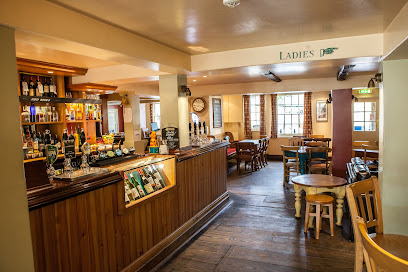
Midsummer House
14.7 km
Cambridge’s only two Michelin-starred restaurant, offering inventive modern British cuisine in a charming riverside Victorian villa.
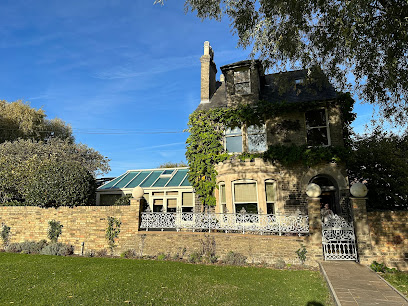
Restaurant Twenty Two
14.8 km
Michelin-starred contemporary British dining in a cozy Victorian townhouse, blending seasonal flavors with artistic precision in Cambridge.
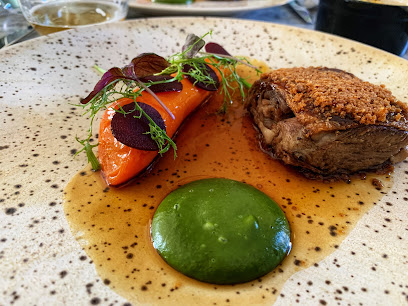
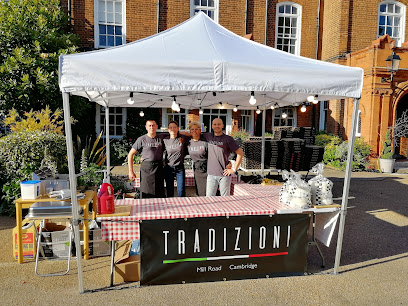
Tradizioni
14.9 km
Experience authentic Italian cuisine with generous portions and a warm, welcoming atmosphere in the heart of Cambridge.
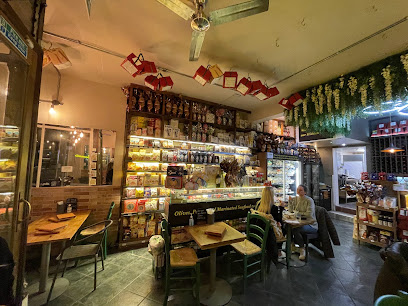
Limoncello
14.9 km
Authentic Italian flavors and cozy charm meet in Cambridge's beloved deli, bistro, and courtyard garden on Mill Road.
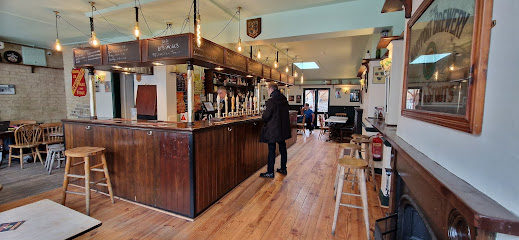
Kingston Arms
15.0 km
Discover traditional British hospitality at The Kingston Arms in Cambridge—your perfect pub retreat with craft beers and delightful outdoor spaces.
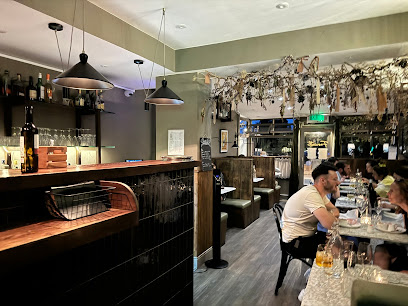
Fancett's
15.1 km
Cozy French-inspired bistro in Cambridge serving seasonal, expertly crafted dishes with warm, attentive service in an intimate setting.
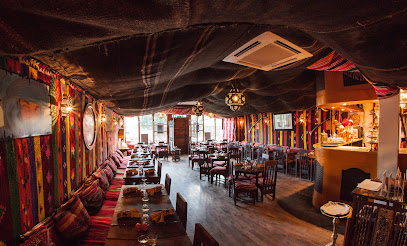
Bedouin
15.1 km
Experience the vibrant flavors and warm hospitality of North Africa in the heart of Cambridge’s Mill Road at Bedouin.
Hungrill
15.1 km
Authentic Greek cuisine with generous portions and friendly service in the heart of Cambridge’s vibrant Mill Road.

Maurizio Dining & Co.
15.2 km
Authentic Italian dining with fresh pizzas and pasta in a warm, rustic setting on Cambridge’s vibrant Mill Road.
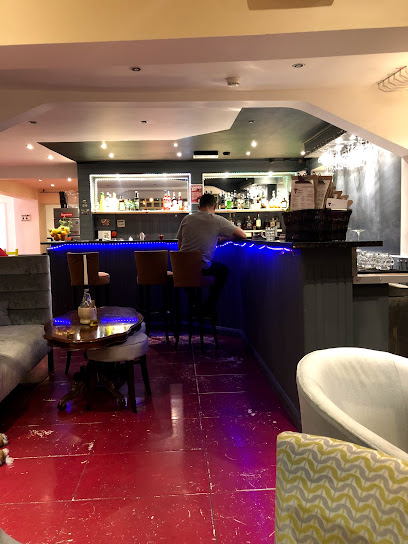
Vanderlyle
15.2 km
Creative vegetarian tasting menus crafted from local, seasonal produce in a warm, intimate setting on Cambridge’s vibrant Mill Road.
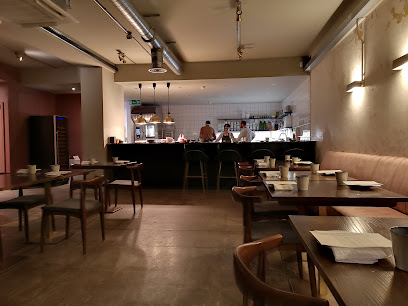
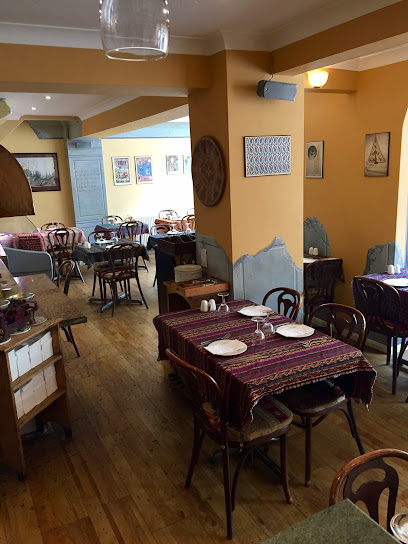
Efes Restaurant
15.2 km
Savor authentic Turkish and Mediterranean flavors in a cozy, family-run setting at Efes Restaurant, Cambridge’s beloved grill house.
Markets, malls and hidden boutiques

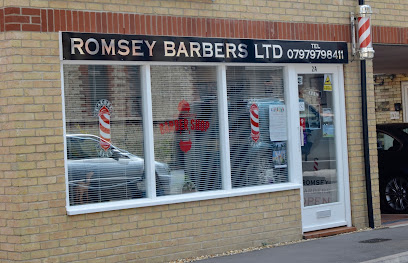
Romsey Barbers Ltd Cambridge
13.2 km
Classic cuts in Cambridge's Romsey: friendly barber shop delivering sharp fades and shaves with neighborhood warmth.
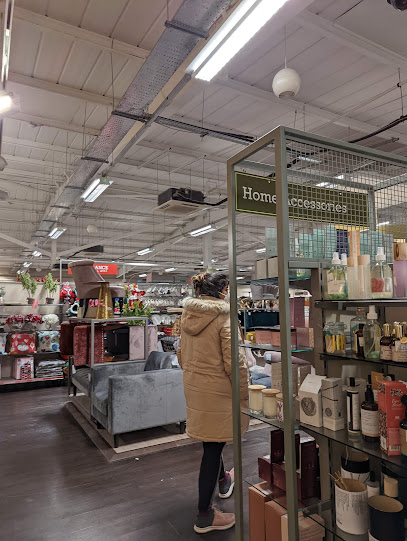
Beehive Centre
14.4 km
A dynamic shopping centre in Cambridge offering diverse stores, dining, and free parking for a convenient retail experience.
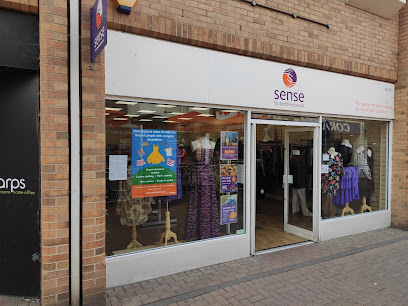
Sense
14.8 km
Affordable finds in central Cambridge, supporting a national disability charity with every purchase.
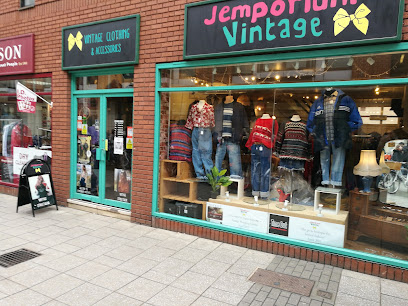
Jemporium Vintage
14.9 km
Discover timeless style and unique vintage treasures from the 50s to the 90s in the heart of Cambridge’s vibrant fashion scene.
Primark
14.9 km
Discover affordable fashion and home essentials at Primark Cambridge, your budget-friendly style destination in the city center.

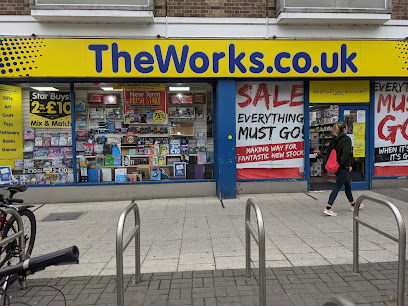
The Works
14.9 km
Bargain-packed paradise of books, crafts, toys, and gifts on Cambridge's Fitzroy Street—creative treasures at unbeatable prices.
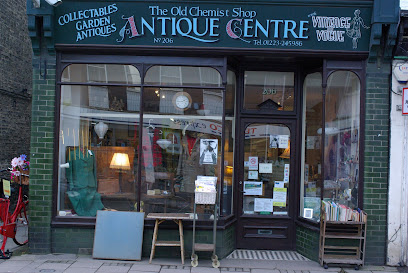
The Old Chemist Shop Antique Centre
14.9 km
Vibrant Cambridge antique centre in a former chemist shop, brimming with 20th-century toys, jewelry, and eclectic finds from fun-loving dealers.
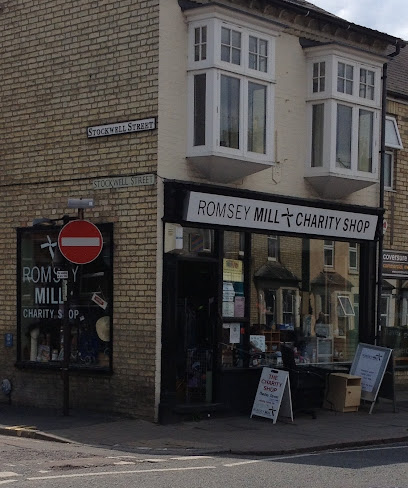
Romsey Mill Charity Shop
15.0 km
Mill Road’s friendly charity shop — thrift, small discoveries and funds for local youth and family services in Cambridge.
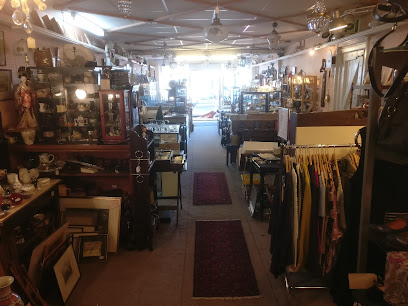
The Hive
15.0 km
Discover a charming treasure trove of antiques and vintage finds in the heart of Cambridge at The Hive.
Not Listed
15.1 km
Explore the vibrant local culture and unique offerings at this charming shop in the heart of Cambridge.
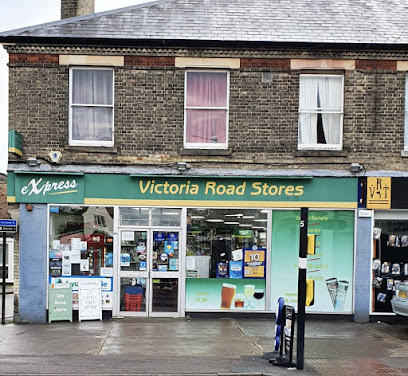
Victoria Store
15.1 km
Experience the convenience of Victoria Store in Cambridge, your one-stop shop for snacks, essentials, and local goods.
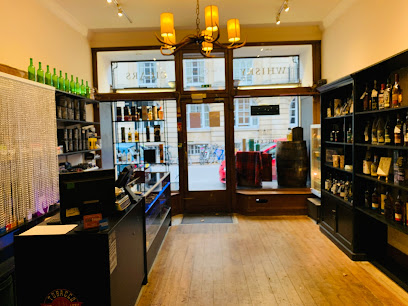
Robert Graham 1874 - whisky & cigars
15.4 km
A refined Cambridge haven for whisky lovers and cigar connoisseurs, where heritage meets expert curation in a relaxed, intimate setting.
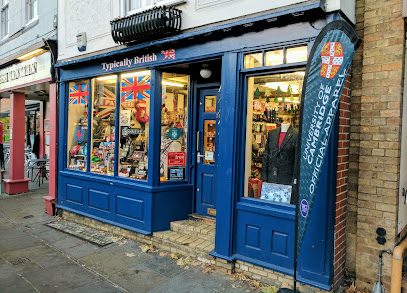
Typically British
15.4 km
Discover authentic British and Cambridge souvenirs in a welcoming shop full of heritage and charm at 29 Bridge Street.
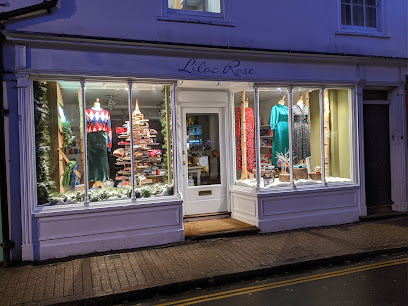
Lilac Rose
15.5 km
Discover unique British fashion and accessories in a charming independent boutique in the heart of Cambridge.
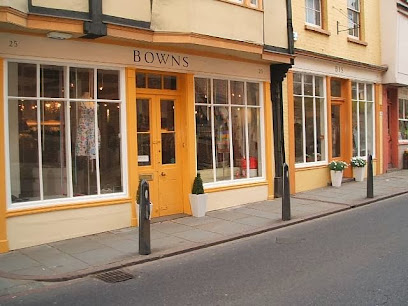
Bowns
15.5 km
Discover luxury and elegance at Bowns, Cambridge's premier designer clothing boutique, where haute couture meets personalized service.
Essential bars & hidden hideouts

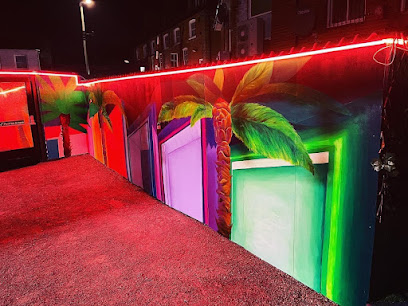
Unique Bar Newmarket
9.4 km
Experience the lively vibes and weekend dance nights at Unique Bar, Newmarket’s hotspot for great drinks and energetic fun.
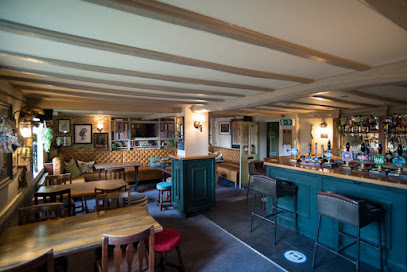
The Brewers Inn
10.6 km
A refined gastro pub with Indian-inspired dishes and cozy rooms, offering a peaceful retreat near Cambridge.
Plough Cambridge
11.7 km
A charming riverside gastropub in Fen Ditton offering classic British fare with modern flair and scenic views by the River Cam.
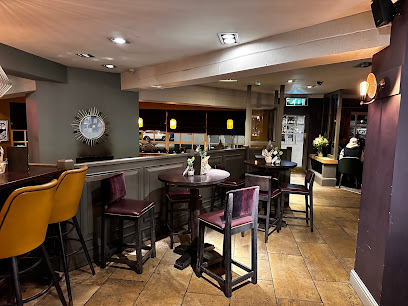
The Corner House
14.1 km
A lively gastropub on Newmarket Road offering excellent pub food, diverse drinks, and a welcoming atmosphere in Cambridge.
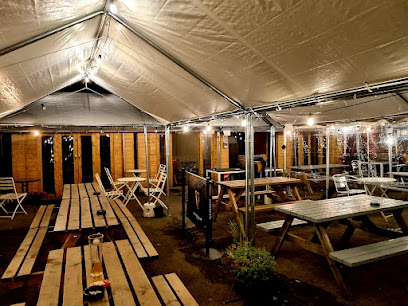
The Geldart
14.6 km
A vibrant gastropub in Cambridge blending historic charm, creative hot rock dining, and a lively retro music atmosphere for a unique experience.
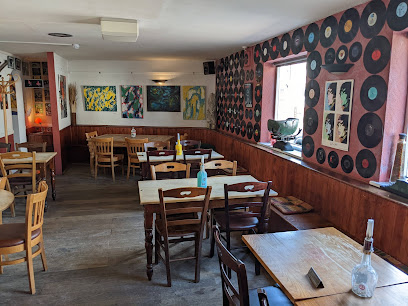
Fort St George
14.7 km
Historic 16th-century riverside pub in Cambridge offering classic British fare, local ales, and a warm, traditional atmosphere.
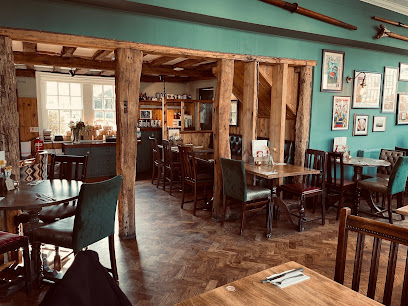
The Burleigh Arms
14.7 km
A vibrant gastropub blending traditional charm with innovative Pan-Asian and British flavors in the heart of Cambridge.
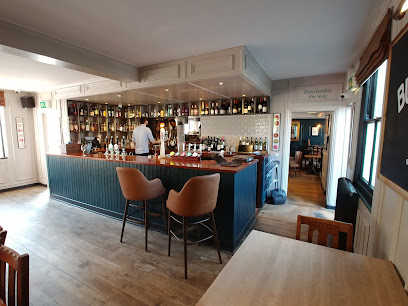
The Royal Standard Pub
14.8 km
Cambridge's Mill Road gastropub pouring exceptional gins, craft beers, and hearty plates in a quirky, cosy haven for every occasion.
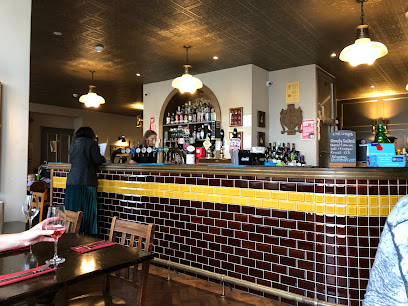
The Blue Moon
14.8 km
Cambridge's craft beer heartbeat: rotating taps, live gigs, and cozy pizzas in a welcoming pub alive with local energy.
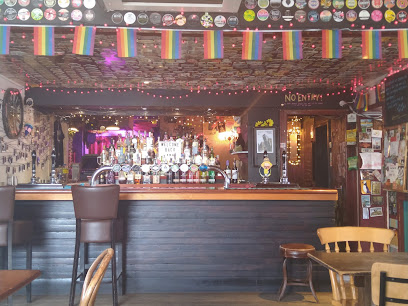
Red Lion, Cherry Hinton
14.8 km
Historic village pub in Cherry Hinton with a lively atmosphere, dog-friendly garden, classic fare, and live sports entertainment.
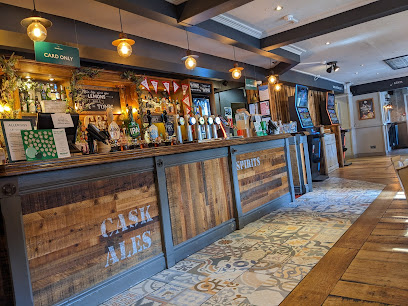
The Tivoli
14.8 km
A vibrant four-floor venue in Cambridge offering mini golf, shuffleboard, rooftop views, craft drinks, and casual dining for memorable social experiences.
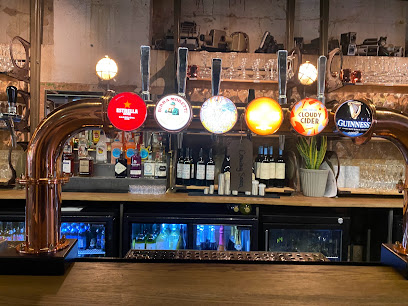
The Cambridge Blue
14.8 km
Historic Cambridge pub famed for its award-winning real ales, vast beer selection, and vibrant community spirit in a charming Victorian setting.
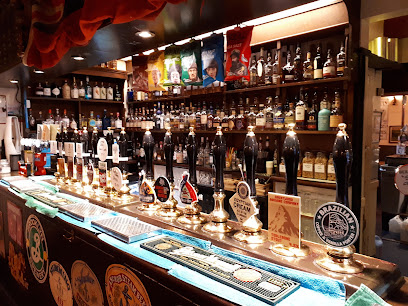
The Petersfield
14.8 km
A friendly and lively pub in Cambridge offering classic drinks, a welcoming garden, and a cozy atmosphere for locals and visitors alike.
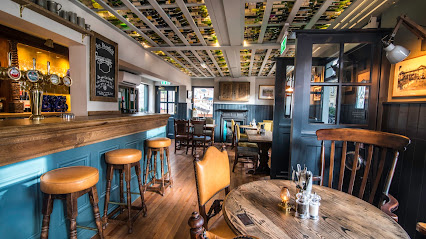
196 cocktail bar
15.0 km
Discover Cambridge’s intimate cocktail haven with expertly crafted drinks, cozy vibes, and attentive service on vibrant Mill Road.
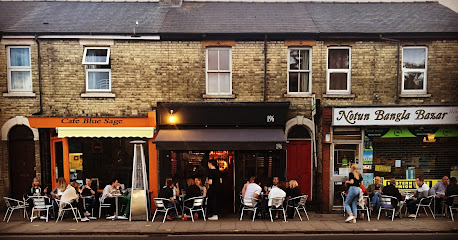
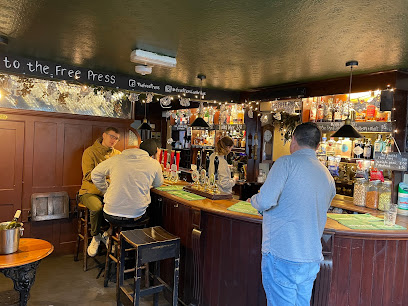
The Free Press
15.1 km
Historic Cambridge pub blending cozy charm, local flavors, and a rich printing press legacy in the heart of the city.
Nightclubs & after hour spots

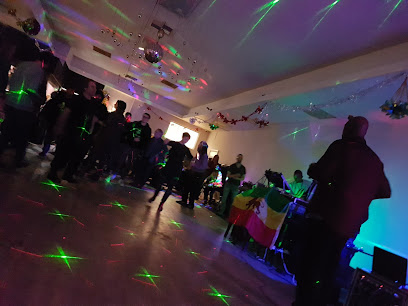
EBC Shop
14.4 km
Discover the electrifying nightlife at EBC Shop in Cambridge, where the music keeps you dancing and the atmosphere is always electric.
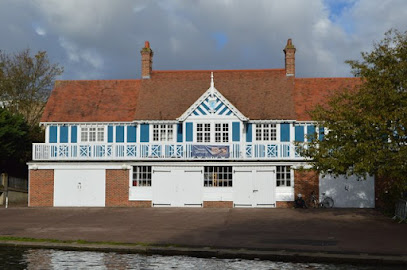
Salisbury Club
14.9 km
Cambridge's cozy Mill Road club: retro discos, pool tables, cheap drinks, and community spirit in a true local gem.
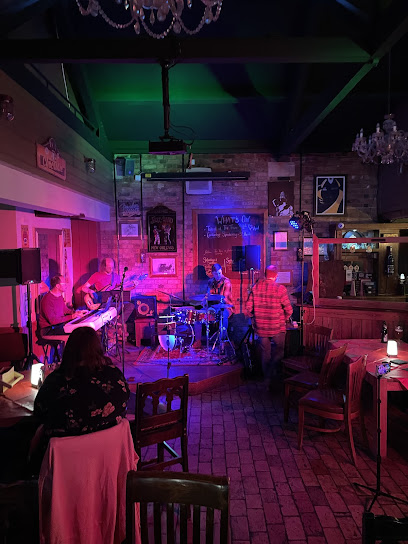
Cambridge Pop-up Speakeasy Jazz
15.0 km
Free live jazz pop-ups in a historic Cambridge pub: intimate sets, diverse musicians, speakeasy vibes on select Wednesdays at 7:30pm.
Vinyl Cambridge
15.5 km
Dance through decades on a glowing LED floor at Vinyl Cambridge's throwback haven—2-for-1 drinks, VIP vibes, and non-stop retro anthems await in the city center.
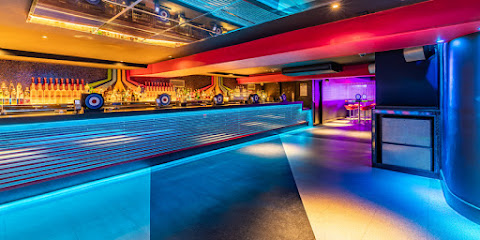
MASH
15.5 km
Cambridge’s vibrant independent nightclub offering themed music nights and a welcoming, safe party atmosphere until the early hours.

High Five
15.6 km
Cambridge's electrifying gay nightclub where themed nights, drag glamour, and inclusive dance floors ignite unforgettable evenings in the city heart.
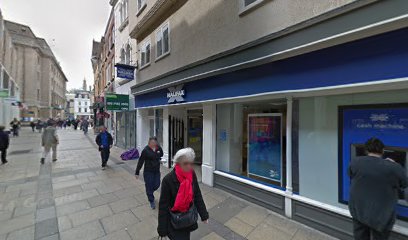
Cambridge Lola Lo
15.6 km
Step into Cambridge Lola Lo, a vibrant tiki-themed nightclub with tropical vibes, lively dance floors, and a stunning rooftop terrace in the city centre.
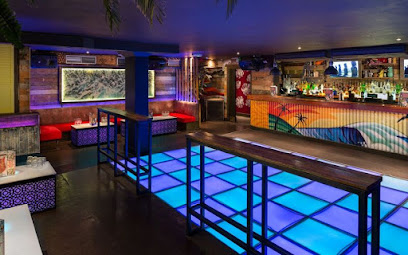
Rock
15.7 km
Experience the vibrant atmosphere and delicious cuisine at The Rock, a beloved pub and restaurant in the heart of Cambridge.
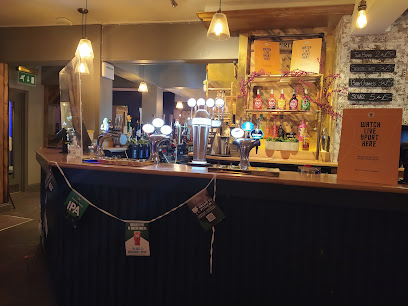
80s karaoke bar
15.7 km
Neon-lit, 80s-themed karaoke on Hills Road—compact, group-friendly singalongs from the early evening into the night.

The Calling
15.8 km
Discover the vibrant nightlife at The Calling, Cambridge's premier event management venue, perfect for unforgettable experiences and fun times.
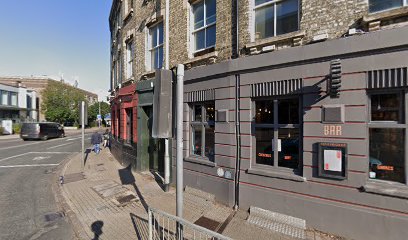
Sing Dizzy
15.8 km
Sing Dizzy offers Cambridge a lively karaoke bar experience with costumes, props, and an extensive song list for unforgettable nights of fun and music.
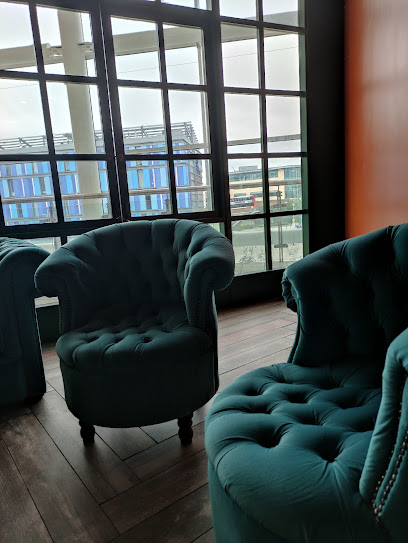
Tall Trees
16.0 km
Discover the lively atmosphere of Tall Trees, a cocktail bar and live music venue in Cambridge, perfect for unforgettable nights out.
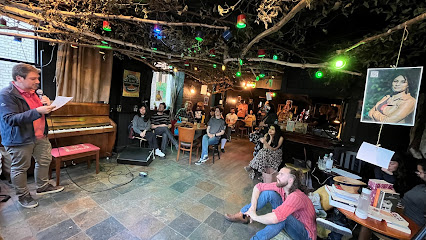
Newnham Croft Social and Sports Club
16.9 km
Experience the vibrant community spirit at Newnham Croft Social and Sports Club, a lively venue for live music, events, and friendly gatherings in Cambridge.
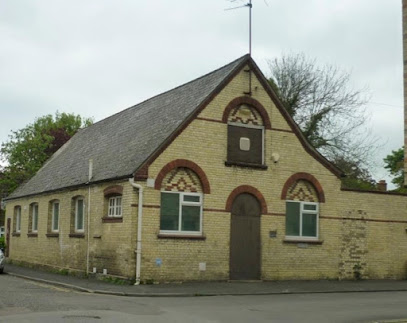
The Lounge
25.5 km
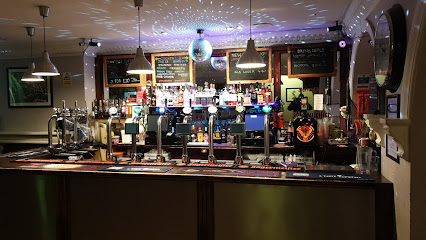
A lively nightclub and wine bar on The Broadway, offering vibrant late-night entertainment in the heart of St Ives.
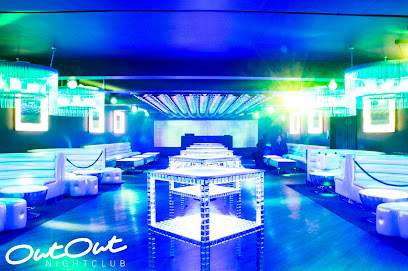
OutOut Nightclub
25.5 km
Vibrant nightlife hub in St. Ives offering dynamic club nights, private events, and a lively atmosphere from 10pm to 4am Fridays and Saturdays.
For the vibe & atmosphere seeker
- Tranquil
- Scenic
- Nature Escape
- Adventurous
For the architecture buff
- Parks & Gardens
- Historic
For the view chaser and sunset hunter
- Panoramas
- Waterfront
- Sunrise Spots
- Sunset Spots
For the social media creator & influencer
- Photo Spots
- Instagrammable
For the eco-conscious traveler
- Eco-Friendly
- Nature Reserve
- Protected Area
- Locally Managed
- Wildlife Habitat
- Leave-No-Trace Critical
For the kind of experience you’re after
- Nature Escape
- Photowalk
- Cultural Heritage
- Day Trip
For how adventurous you want the journey to be
- Easy Access
- Requires Hike
Location Audience
- Family Friendly
- Solo Friendly
- Senior Friendly
- Couple Friendly


