Nine Wells, Cambridgeshire Travel Guide
Discover Nine Wells, a historic chalk spring nature reserve near Cambridge, blending tranquil woodland, wildlife, and centuries-old water heritage.
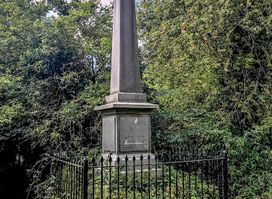
Nine Wells is a serene 1.2-hectare Local Nature Reserve on the southern outskirts of Cambridge, renowned for its chalk springs that feed Hobson's Conduit. This historic site features woodland, streams, and a Grade II listed monument commemorating the 17th-century water supply system that served Cambridge for over 250 years. The reserve supports diverse wildlife and offers peaceful walking paths amid a unique geological and ecological setting.
A brief summary to Nine Wells
- Cambridge, Great Shelford, GB
- Duration: 0.5 to 2 hours
- Free
-
 Outdoor
- Mobile reception: 4 out of 5

Know before you go
Hi, I'm Eve. Here are a few practical things to know before exploring Nine Wells.
- Visit during spring or summer for the best chance to see nesting reed warblers and colorful butterflies.
- Wear sturdy footwear as paths can be uneven and muddy after rain.
- Bring binoculars for birdwatching, especially during migration seasons in autumn and spring.
- Explore the nearby Hobson’s Conduit monument to appreciate the historical significance of the site.
- Access is on foot or by bike only; there is no vehicle parking at the reserve itself.
Do you manage this location?
Take control to get all the benefits, like improved information, better appearance, and stronger visibility across AI-powered discovery. Learn more about listing your business on Evendo
Activate your presenceOther nearby places you may find interesting
The closest places of the same kind, if this one is not quite what you had in mind.


Explore Nine Wells on the Map
A handpicked selection of must-see spots near Nine Wells, mapped for you.
Getting There
-
Public Transport
Take the bus from Cambridge city center to Great Shelford; from there, it is a 20-30 minute walk along footpaths and cycle routes to Nine Wells. Bus fares typically range from £2 to £4 one way, with services running approximately every 20-30 minutes during the day.
-
Cycling
Cycle from Cambridge via the Addenbrooke’s-Great Shelford cycle path, a safe and direct route taking around 15-20 minutes. Bicycle parking is available near the reserve entrance. This option is free and accessible year-round.
-
Walking
Walk from Great Shelford village center to Nine Wells via permissive footpaths; the route takes about 20-30 minutes on mostly flat terrain but includes some uneven natural surfaces. Suitable for most fitness levels but not wheelchair accessible.
For the on-the-go comforts that matter to you
-
 Information Boards
-
 Seating Areas
-
 Trash Bins
Discover more about Nine Wells
Origins and Historical Significance of Nine Wells
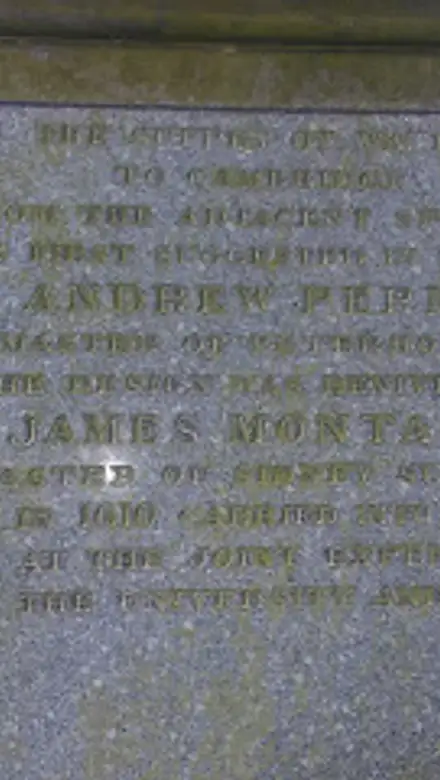
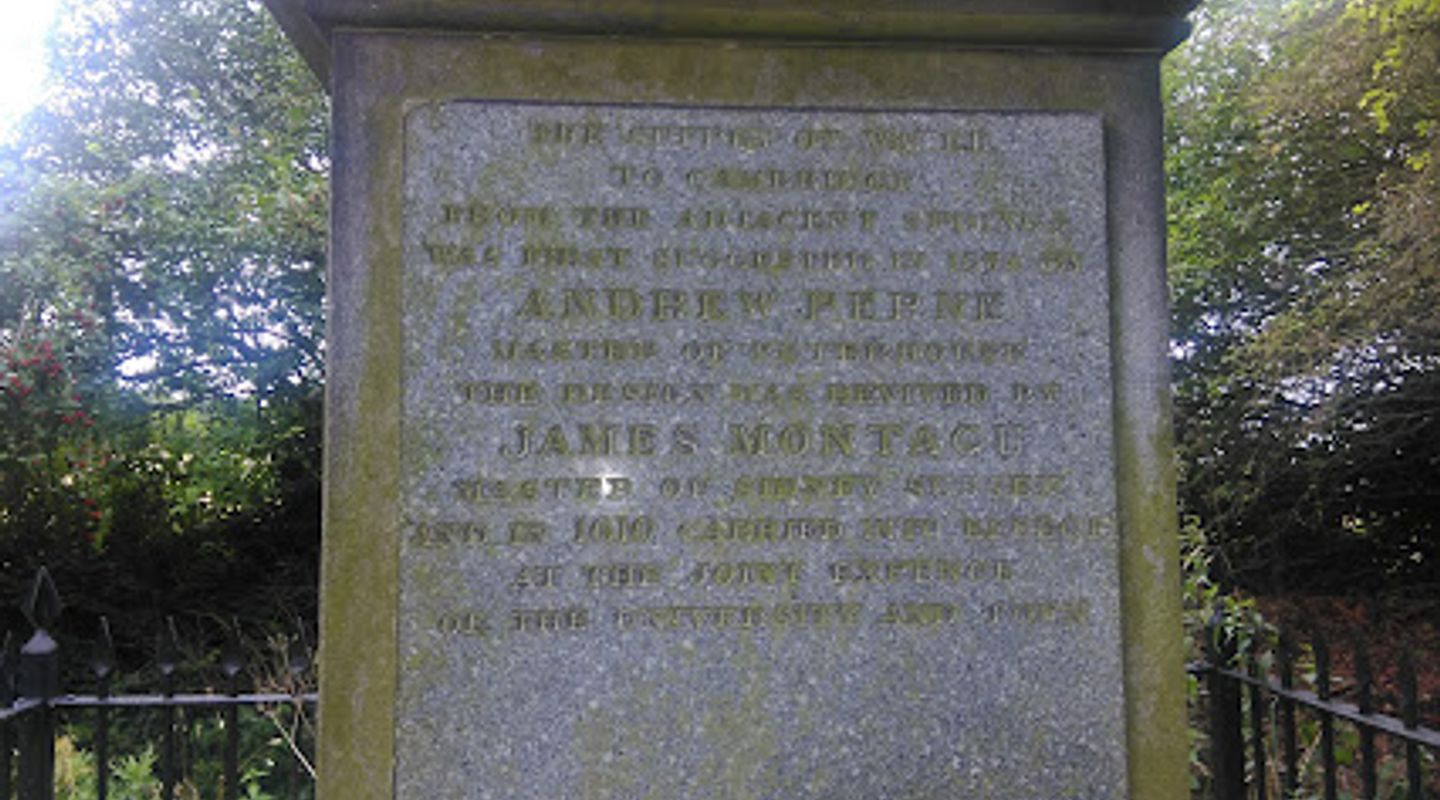
Nine Wells is a small but historically significant nature reserve located east of Trumpington, just south of Cambridge. The site’s four main chalk springheads have been a vital water source since the early 17th century. In 1610, Thomas Hobson and other benefactors constructed Hobson's Conduit, a watercourse channeling fresh spring water from Nine Wells into Cambridge. This system not only improved sanitation by flushing the city’s polluted King's Ditch but also supplied Cambridge with clean drinking water for more than 250 years. A Grade II listed monument, erected in 1861 within the reserve, honors those instrumental in creating this essential water infrastructure.Ecological and Geological Features
Covering 1.2 hectares, Nine Wells is a mosaic of woodland, scrub, and flowing watercourses. The springs maintain a constant temperature of approximately 10.2°C year-round, creating stable conditions for specialized flora and fauna. Dominant beech trees, originally planted for firewood, shape the woodland environment, although their acidic leaf fall affects water quality and sedimentation. The reserve supports a variety of wildlife including reed warblers, redwings, grey partridges, yellowhammers, skylarks, and numerous dragonflies and butterflies. The chalk geology underpins the springs, situated at the base of the Gog Magog Hills, where the Totternhoe Stone layer outcrops, marking a significant geological boundary.Conservation and Management Efforts
Managed by Cambridge City Council, Nine Wells is designated as a Local Nature Reserve and a Local Geological Site, reflecting its combined ecological and earth heritage value. Conservation efforts focus on maintaining open watercourses by controlling overhanging vegetation, managing woodland glades to encourage biodiversity, and monitoring water flow to preserve habitat conditions. Although rare freshwater invertebrates once thrived here, they were lost during a 1976 drought; plans are underway to reintroduce these species. The reserve also serves as a critical stopover for migrating birds, enhancing its ecological importance.Visitor Experience and Setting
Nine Wells offers a tranquil escape with peaceful footpaths and cycle routes connecting it to nearby Great Shelford and Addenbrooke’s Hospital. Visitors can enjoy the calming sounds of flowing water and birdlife amid a woodland setting that contrasts with the surrounding agricultural landscape. The monument to Hobson’s Conduit provides a tangible link to the area's rich history. The site’s relatively small size and natural beauty make it ideal for nature lovers, photographers, and those seeking a quiet retreat close to Cambridge.Landscape Context and Accessibility
Situated in the Cam River Valley at the foot of the chalk escarpment formed by the Gog Magog Hills, Nine Wells occupies a unique transitional landscape between chalk uplands and clay lowlands. Access is exclusively by foot or cycle via permissive paths from Granham’s Road, Foster Road, or the Shelford-Addenbrooke’s cycleway. There is no direct road access, preserving the reserve’s peaceful atmosphere. Its proximity to Cambridge’s biomedical campus and residential areas makes it a valuable green space for both locals and visitors.Legacy and Educational Value
Beyond its natural appeal, Nine Wells stands as a testament to early urban water engineering and community collaboration in the 17th century. The site educates visitors about sustainable water management and the interplay of geology, hydrology, and ecology. It remains a protected area where history and nature intertwine, offering insight into Cambridge’s development and the importance of conserving natural springs and waterways.












Your all‑in‑one travel companion app
Explore expert travel guides, compare and book tours, experiences, hotels, and more—all from the palm of your hand. Download now for seamless trip planning wherever your wanderlust takes you.


Explore More of Cambridgeshire
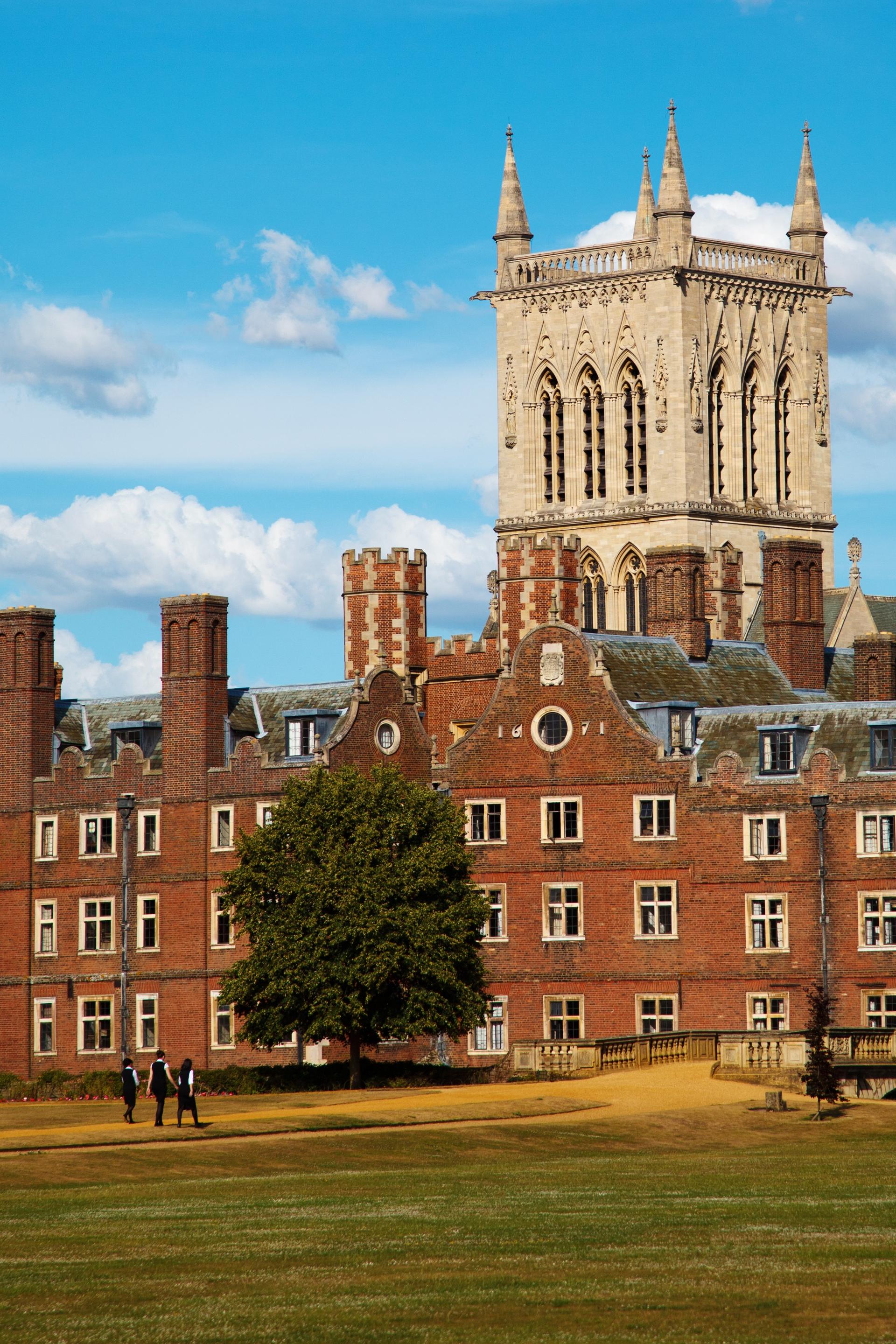
Looking beyond Nine Wells? Discover Cambridgeshire for broader travel guides, local hot-spots, and regional highlights.
Explore Cambridgeshire