Castle Mound Travel Guide
Free Guide: Explore the historic Norman motte offering panoramic views and a serene glimpse into Cambridge’s medieval past.


A brief summary of Castle Mound
Explore the historic Norman motte offering panoramic views and a serene glimpse into Cambridge’s medieval past.
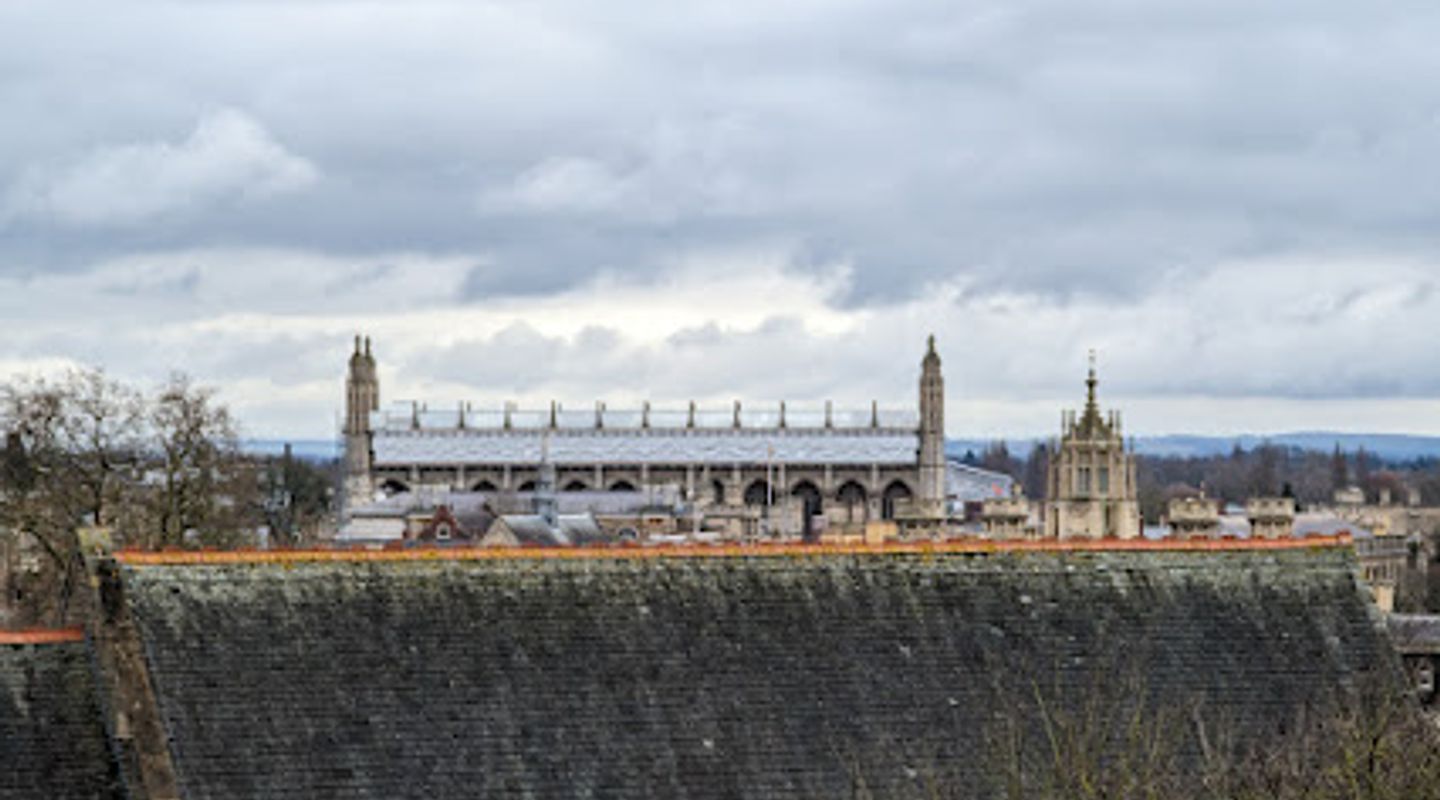
Castle Mound in Cambridge is the grassy remnant of a Norman motte-and-bailey castle built in 1068 by William the Conqueror. This ancient earthwork, rising 33 feet, offers panoramic views of Cambridge’s historic skyline and surrounding countryside. Once a strategic fortress involved in medieval conflicts and the English Civil War, the mound now serves as a tranquil public park and a window into the city’s layered past, open year-round with free access.
On-site amenities
 Information boards
 Seating areas
 Trash bins
Opening hours
- Every dayOpen 24 hours
Opening hours as listed on the venue’s Google Business Profile. Hours can change for services and special events, so check with the venue before you go.
- Address
- Castle St, Cambridge CB3 0RG
- Phone
- Website
Getting there
Bus
Car
Walking
Discover more about Castle Mound
Ancient Origins and Strategic Importance
Castle Mound stands on a site with deep historical roots, originally an Iron Age hill fort that later hosted a Roman fortification. In 1068, William the Conqueror selected this elevated position on the old Roman route from London to York to establish a Norman motte-and-bailey castle known then as Grantabridge. This fortification was a key military and administrative center, designed to control the region and suppress rebellion. The castle’s construction required the demolition of 27 houses, underscoring its strategic priority within the medieval town.
Medieval Conflicts and Architectural Evolution
Throughout the 12th and 13th centuries, Cambridge Castle played a significant role in major historical conflicts, including the Anarchy and the First and Second Barons’ Wars. The castle was expanded and fortified under monarchs such as Henry II and King John, though it was captured and contested during these turbulent times. Despite enhancements, including stone curtain walls and a gatehouse, the castle gradually fell into disrepair by the 15th century. Its stones were repurposed for notable Cambridge institutions like King’s College and Trinity College, reflecting the shifting priorities of the era.
The Civil War and Decline
During the English Civil War, Castle Mound was briefly revitalized as a defensive site by Parliamentary forces under Oliver Cromwell. Earthwork bastions and a brick barracks were added, but after the war, the fortifications were deliberately damaged to prevent future military use. By the 18th century, the castle’s walls and buildings had mostly vanished, leaving only the motte and some earthworks. The site’s gatehouse served as a jail for centuries before being demolished in the early 20th century.
Modern-Day Experience and Preservation
Today, Castle Mound is a Scheduled Ancient Monument protected by UK law, ensuring its preservation as a historic landmark. Visitors can freely explore the grassy mound and surrounding earthworks at any time, with no admission fee. The climb to the top rewards visitors with sweeping views of Cambridge’s rooftops, historic university buildings, and the surrounding countryside. The site offers a peaceful green space within the city, popular for sunset watching and quiet reflection on Cambridge’s rich history.
Setting and Atmosphere
Nestled near the city center on Castle Street, the mound is surrounded by a mix of urban and green spaces, including nearby council offices and cultural sites. While the climb is moderately steep and not wheelchair accessible, it is suitable for most visitors seeking a brief outdoor excursion. Informational signage at the base provides historical context, enhancing the visitor experience. The site’s tranquil ambience and panoramic vistas make it a favored spot for locals and tourists alike.
Legacy and Cultural Significance
Castle Mound embodies Cambridge’s transformation from a medieval stronghold to a vibrant university city. Its stones helped build some of the world’s most famous colleges, linking the site to the city’s academic heritage. As the highest point in Cambridge, it remains a symbolic vantage point from which to appreciate the city’s evolution over centuries, bridging ancient history with modern life.
Evendo Review Centre
 Google
Guest reviews
Best time to go
Quietest: Jan, Feb & Dec · before 6am or from 11pm
Busy times are Evendo estimates for a typical year, to help you plan. Actual crowds vary with events, school holidays and the weather.
Explore Castle Mound on the map
A handpicked selection of must-see spots near Castle Mound, mapped for you.
Get your free copy of our complete guide to Castle Mound, delivered straight to you.
Everything on this page, from opening hours and how to get there to Eve’s tips and the best time to go, in one PDF you can read offline, print or share.
Already have an account? Sign in
Your Castle Mound guide is ready.
We'll send it to · Not you? Sign out

Getting your guide ready…
We are putting together a fresh copy of the Castle Mound guide. This can take up to a minute.
This can take a few moments. If your browser asks, choose Allow so the download can start. You'll find the guide in your Downloads folder.
Nothing happened? Download it again
Sorry, the guide is taking longer than usual. Please try again in a minute, or get it by email instead.
Unlock the best of Castle Mound
Skip-the-line tickets, guided tours with entry, and walking tours of the area, booked in a few clicks.

Other nearby places you may find interesting
The closest places of the same kind, if this one is not quite what you had in mind.
-
Kettle's Yard Discover Kettle's Yard, where modern art meets intimate home life in Cambridge’s inspiring gallery and historic house.
-
Rose Quarter Cambridge Discover Rose Quarter Cambridge, where historic architecture, vibrant culture, and tranquil green spaces converge in the city’s heart.
-
Midsummer Common A historic riverside meadow in Cambridge, alive with seasonal fairs, grazing cattle, and tranquil walks along the River Cam.
-
10 Downing Street Historic Cambridge street blending Georgian charm with academic vibrancy in the heart of the city’s cultural district.
-
 Cambridge University Botanic Garden
Discover 40 acres of botanical wonders and heritage in the heart of Cambridge, home to 8,000+ plant species and inspiring gardens year-round.
Cambridge University Botanic Garden
Discover 40 acres of botanical wonders and heritage in the heart of Cambridge, home to 8,000+ plant species and inspiring gardens year-round.
Swipe for more places
More to explore near Castle Mound

 Best experiences near Castle Mound
 Best hotels near Castle Mound
 Best landmarks near Castle Mound
 Best attractions near Castle Mound
 Best shops near Castle Mound
 Best restaurants near Castle Mound
 Best bars near Castle Mound
Do you manage this location?
Take control to get all the benefits, like improved information, better appearance, and stronger visibility across AI-powered discovery.
Explore more

Explore more of Cambridgeshire
Discover the historic charm and natural beauty of Cambridgeshire, a picturesque county in the UK known for its prestigious university, scenic countryside, and cultural festivals.
Explore Cambridgeshire
Explore more of United Kingdom
Discover the United Kingdom: A blend of rich history, stunning landscapes, and vibrant cities, offering a unique travel experience for every visitor.
Explore United Kingdom