Background

Raglan Castle: Majestic Fortress-Palace of Welsh Heritage

Explore Raglan Castle, Wales’ grandest fortress-palace blending medieval defense with Tudor luxury amid stunning Monmouthshire landscapes.

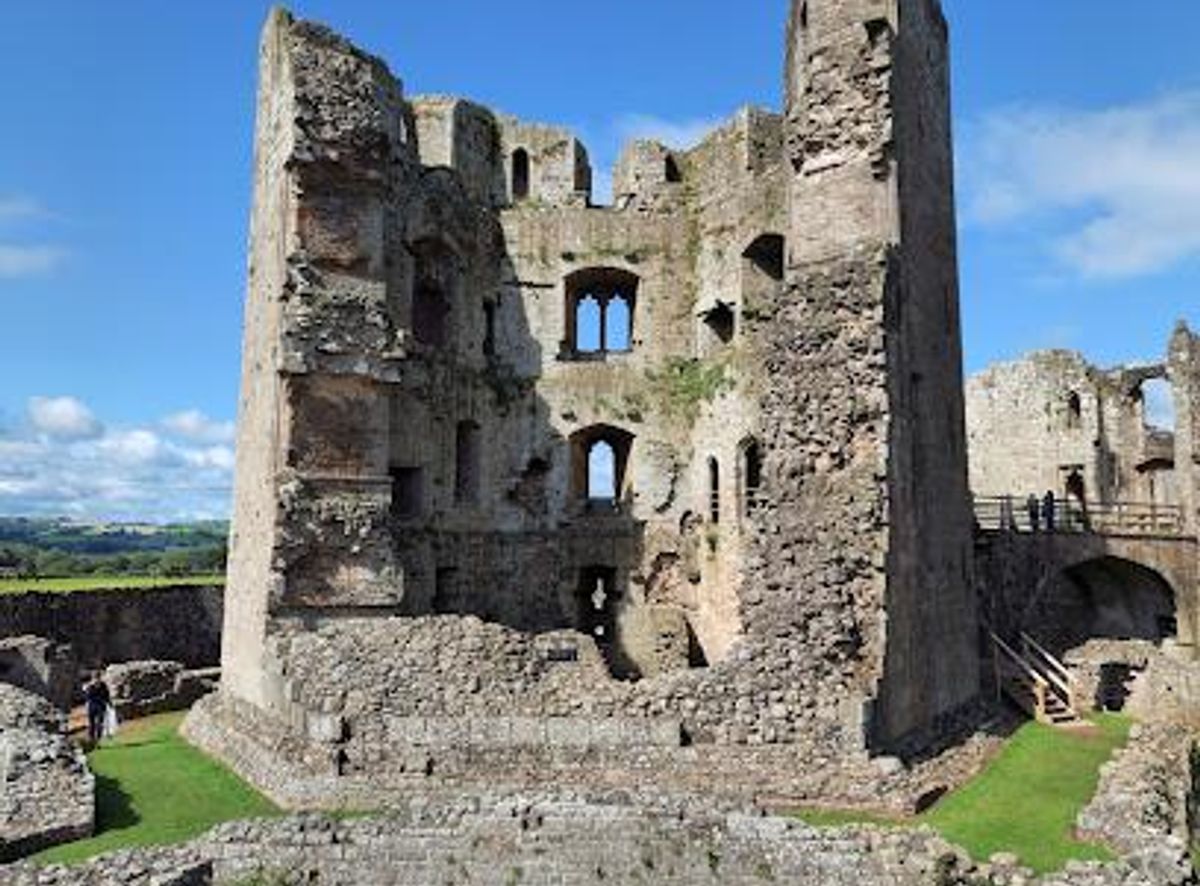
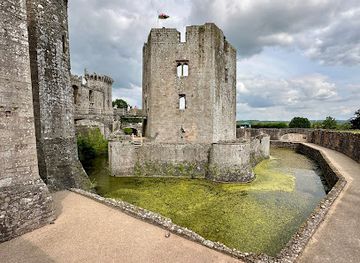
Raglan Castle, perched on a ridge near Usk in Monmouthshire, Wales, is the grandest castle ever built by Welshmen. Originating in the 15th century, it combines formidable medieval military architecture with Tudor palatial grandeur. Visitors explore its moated Great Tower, imposing gatehouse with machicolations, and extensive ruins that reveal a regal residence of hundred rooms and chimneys. The castle’s dramatic silhouette dominates the rolling countryside, offering a captivating glimpse into Welsh history and aristocratic life.

A brief summary to Raglan Castle

  • Castle Rd, Usk, Raglan, NP15 2DS, GB
  • Visit website
  • Duration: 1.5 to 3.5 hours
  • Mid ranged
  • Environment icon Outdoor
  • Mobile reception: 4 out of 5

Local tips

  • Book tickets online in advance to save 5% and guarantee entry, especially during peak seasons.
  • Allow at least two hours to explore the castle’s extensive ruins, towers, and courtyards fully.
  • Wear sturdy footwear as paths and staircases can be uneven and slippery, especially in wet weather.
  • Visit on weekday mornings for a quieter experience and better photo opportunities.
  • Cadw members enjoy free entry, making it a great option for those planning to visit multiple Welsh historic sites.
widget icon

Getting There

  • Car

    Driving from Usk town center to Raglan Castle takes about 15-20 minutes via the A472 and A40 roads. Parking is available near the castle grounds. Note that parking can be limited during peak times and weekends.

  • Bus

    Local bus services connect Usk with Raglan village, with journeys taking approximately 25-35 minutes. From Raglan village, it is a 10-15 minute walk to the castle. Bus frequency varies, so check current timetables.

  • Train and Taxi

    The nearest train station is in Pontypool, about 7 miles away. From there, a taxi ride to Raglan Castle takes around 20 minutes. This option is suitable for visitors relying on public transport and taxis.

Raglan Castle location weather suitability

  • Weather icon Any Weather
  • Weather icon Clear Skies
  • Weather icon Rain / Wet Weather
  • Weather icon Mild Temperatures

Unlock the Best of Raglan Castle

Buy tickets

    No tickets available

Book tours with entry

    No tours available

Book tours without entry

    No tours available

Discover more about Raglan Castle

A Welsh Stronghold with Noble Origins

Raglan Castle stands as a monumental testament to Welsh medieval architecture and history, located on Castle Road in Raglan near Usk. Its origins trace back to the early 15th century when Sir William ap Thomas, known as the ‘blue knight of Gwent,’ constructed the moated Great Tower around 1435. This imposing tower was designed not only for defense but also to assert the power and prestige of its builder. His son, Sir William Herbert, Earl of Pembroke, expanded the castle significantly, adding the magnificent gatehouse featuring flared machicolations—stone arches enabling defenders to rain missiles on attackers below. This blend of military innovation and noble ambition marks Raglan as a fortress-palace rather than a mere defensive stronghold.

Architectural Grandeur and Tudor Elegance

Raglan Castle is remarkable for its fusion of medieval fortification with Tudor residential luxury. The castle’s layout includes an inner and outer ward, each with courtyards and buildings that once housed kitchens, a great hall, and private chambers. Mullioned windows, characteristic of the Tudor period, allowed more natural light into the interiors, signaling a shift toward comfort and style in aristocratic living. The castle’s hundred rooms and chimneys, praised by contemporary poet Dafydd Llwyd, reflect its role as a lavish residence designed to impress royalty and nobility alike. Visitors today can explore staircases, cellars, and towers that offer panoramic views of the surrounding Monmouthshire countryside.

Historical Significance and Royal Connections

Beyond its architectural features, Raglan Castle holds a rich historical narrative. Sir William Herbert’s loyalty to King Edward IV earned him titles and responsibilities, including chief justice and chamberlain of South Wales. The castle also played a role in the upbringing of Henry Tudor, the future King Henry VII, who was sent to be raised there. This royal connection elevated Raglan’s status as a seat of power and hospitality. Over centuries, the castle witnessed turbulent times, including sieges during the English Civil War, which eventually led to its partial ruin. Today, it remains a symbol of Welsh heritage and aristocratic ambition.

Visitor Experience and Preservation Efforts

Managed by Cadw, the Welsh Government’s historic environment service, Raglan Castle is open seasonally with varying hours. Visitors can purchase tickets onsite or online, with discounts available for Cadw members and certain groups. The castle’s extensive ruins invite exploration, with informative boards detailing its history and architecture. The site’s preservation is supported by thousands of visitors and members who help maintain its grandeur. The castle’s setting on a ridge provides stunning views and a serene atmosphere, making it a captivating destination for history enthusiasts and casual visitors alike.

Setting and Surroundings

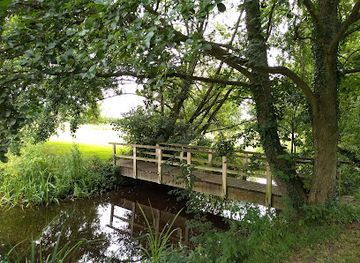
Raglan Castle’s dramatic silhouette crowns a ridge amid rolling Monmouthshire countryside, offering iconic views and a tranquil environment. The castle’s moats and gardens enhance its scenic appeal, while the nearby village of Raglan provides amenities and local charm. The site is accessible by road and well signposted, making it an inviting landmark within Wales’ rich tapestry of historic castles. Its combination of military might and palatial elegance continues to inspire awe and curiosity.

Legacy and Cultural Impact

Raglan Castle remains one of Wales’ most significant historic sites, embodying the cultural heritage and architectural evolution of the region. Its story intertwines with Welsh nobility, royal history, and the broader narrative of medieval and Tudor Britain. The castle’s enduring presence, despite centuries of conflict and decay, speaks to the resilience of Welsh history and the ongoing efforts to preserve and celebrate this iconic fortress-palace for future generations.

Busiest months of the year

Busiest hours of the day

Popular Experiences near Raglan Castle

Popular Hotels near Raglan Castle

Select Currency