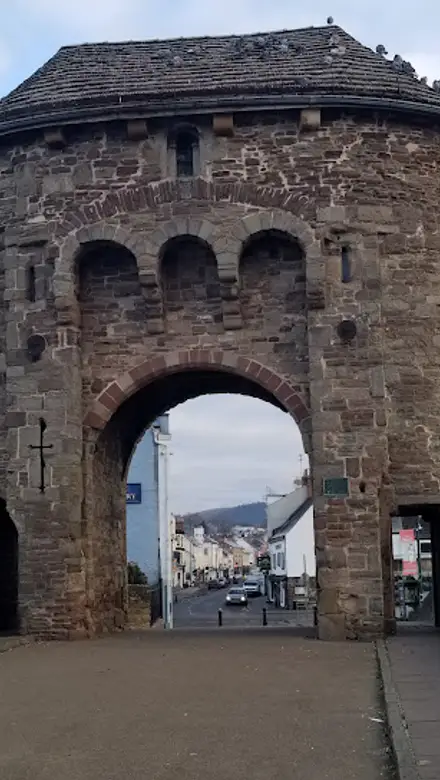
Monnow Bridge Travel Guide
Free Guide: Explore Monnow Bridge, Britain’s only remaining medieval fortified river bridge with its original gatehouse standing proud over the River Monnow.


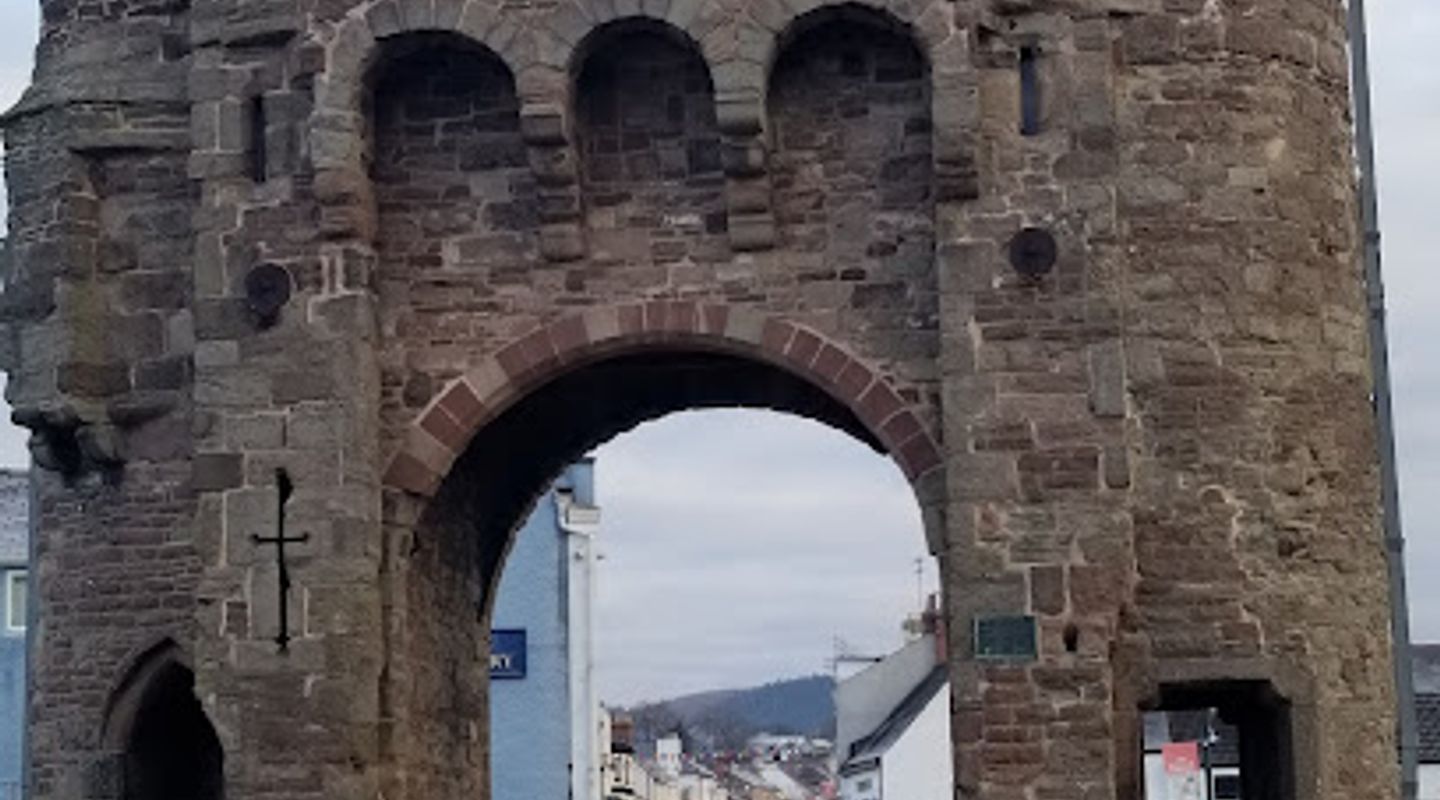
A brief summary of Monnow Bridge
Explore Monnow Bridge, Britain’s only remaining medieval fortified river bridge with its original gatehouse standing proud over the River Monnow.
Monnow Bridge in Monmouth, Wales, is the only remaining medieval fortified river bridge in Great Britain with its gate tower still standing on the bridge itself. Dating back to the late 13th century, this stone bridge with its iconic gatehouse once served defensive, toll collection, and residential purposes. Today, it is a pedestrianized historic landmark offering a tangible connection to medieval architecture and the town's rich history.
On-site amenities
 Restrooms
 Drink options
 Food options
 Seating areas
 Information boards
Opening hours
- Every dayOpen 24 hours
Opening hours as listed on the venue’s Google Business Profile. Hours can change for services and special events, so check with the venue before you go.
- Address
- Monnow St, Monmouth NP25 3EG
- Website
Getting there
Bus
Train and Taxi
Car
Walking
Discover more about Monnow Bridge
A Unique Medieval Engineering Marvel
Monnow Bridge is a rare surviving example of medieval fortified river bridges in Great Britain, uniquely retaining its gate tower standing directly on the bridge span. Constructed primarily of Old Red Sandstone and other local stones in the late 13th century, the bridge replaced an earlier Norman timber structure. Its three arches span the River Monnow, and the gatehouse above was built between 1297 and 1315 as part of Monmouth’s town defenses, funded by a murage tax granted by Edward I. This combination of bridge and gatehouse served both military and commercial functions, controlling access and collecting tolls for the town.
Historical Significance and Evolution
The gatehouse, known as Monnow Gate, was fortified with machicolations—defensive balconies with openings to drop stones on attackers—reflecting its strategic importance. Over centuries, its role evolved: it became a toll collection point, a jail, and even a residence with timber-framed extensions added. The bridge witnessed key historical moments, including skirmishes during the English Civil War, and was maintained and adapted through the 18th and 19th centuries. Archaeological work beneath the bridge revealed remnants of the original timber bridge, emphasizing the site’s long-standing significance.
Architectural Features and Materials
The bridge’s construction showcases a variety of stones—seven types in total—highlighting medieval craftsmanship and resourcefulness. The gatehouse features arrow slits and battlements, symbols of its defensive purpose. Although the gatehouse interior is generally not open to the public, its exterior remains a powerful symbol of Monmouth’s medieval heritage. The bridge’s pedestrianization has preserved its structure and allows visitors to appreciate its design and the surrounding riverside environment.
Present-Day Experience and Conservation
Today, Monnow Bridge is owned by Monmouthshire Council and is a cherished historic landmark. Pedestrians can stroll across the 35-meter-long bridge, enjoying views of the River Monnow and local wildlife. The bridge is a popular spot for photography, especially of the gatehouse’s distinctive medieval architecture. While access inside the gatehouse is limited, tours may be available through local arrangements. Conservation efforts have ensured the bridge remains structurally sound and visually authentic, preserving this rare medieval relic for future generations.
Monmouth’s Historical Context
Monmouth itself was a significant Roman and medieval settlement, strategically located at the confluence of the Rivers Wye and Monnow. The bridge formed a vital link to the town’s western suburbs and markets, facilitating trade and defense. Its survival as the only fortified bridge in Britain with its gatehouse intact makes it a monument of both local and national importance, embodying centuries of architectural, military, and social history.
Engaging with the Past
Visiting Monnow Bridge offers a direct connection to medieval life and engineering ingenuity. The structure invites reflection on the changing needs of a town through time—from defense and toll collection to heritage preservation. Its presence at the bottom of Monmouth’s high street anchors the town’s historic core, making it an essential stop for history enthusiasts and cultural explorers alike.
Evendo Review Centre
 Google
Guest reviews
Best time to go
Quietest: Jan, Feb & Dec · before 3am
Busy times are Evendo estimates for a typical year, to help you plan. Actual crowds vary with events, school holidays and the weather.
Explore Monnow Bridge on the map
A handpicked selection of must-see spots near Monnow Bridge, mapped for you.
Get your free copy of our complete guide to Monnow Bridge, delivered straight to you.
Everything on this page, from opening hours and how to get there to Eve’s tips and the best time to go, in one PDF you can read offline, print or share.
Already have an account? Sign in
Your Monnow Bridge guide is ready.
We'll send it to · Not you? Sign out

Getting your guide ready…
We are putting together a fresh copy of the Monnow Bridge guide. This can take up to a minute.
This can take a few moments. If your browser asks, choose Allow so the download can start. You'll find the guide in your Downloads folder.
Nothing happened? Download it again
Sorry, the guide is taking longer than usual. Please try again in a minute, or get it by email instead.
Other nearby places you may find interesting
The closest places of the same kind, if this one is not quite what you had in mind.
-
-
-
-
-


Swipe for more places
More to explore near Monnow Bridge

 Best experiences near Monnow Bridge
 Best hotels near Monnow Bridge
 Best landmarks near Monnow Bridge
 Best attractions near Monnow Bridge
 Best shops near Monnow Bridge
 Best restaurants near Monnow Bridge
 Best bars near Monnow Bridge
Do you manage this location?
Take control to get all the benefits, like improved information, better appearance, and stronger visibility across AI-powered discovery.
Explore more
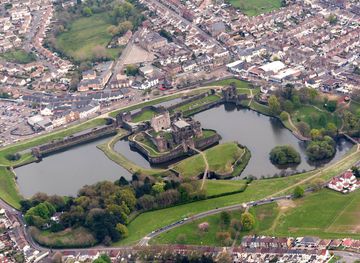
Explore more of Gwent
Explore Gwent, a captivating blend of ancient history, picturesque landscapes, and vibrant culture in the heart of Wales.
Explore Gwent
Explore more of United Kingdom
Discover the United Kingdom: A blend of rich history, stunning landscapes, and vibrant cities, offering a unique travel experience for every visitor.
Explore United Kingdom