

Hafod Estate, Cardiganshire Travel Guide
A 200-hectare picturesque estate with hidden waterfalls, ancient woodlands, and nine miles of restored historic trails.
Hafod Estate is a 200-hectare wooded landscape in the Ystwyth valley near Cwmystwyth, Ceredigion, Wales. Recognized as one of Europe's finest examples of an 18th-century picturesque estate, it features nine miles of restored walking trails, hidden waterfalls including the enchanting Cavern Cascade, historic bridges, and a walled garden. Originally created by Thomas Johnes between 1782 and 1813, the estate combines natural beauty with cultural heritage, now managed by Natural Resources Wales and the Hafod Trust. Visitors can explore diverse woodland paths ranging from gentle walks to more challenging routes through the Cambrian foothills.
A brief summary to Hafod Estate
- Hafod Estate Pont-rhyd-y-groes, Ystrad Meurig, Cwmystwyth, SY25 6DX, GB
- Click to display
- Click to display
- Duration: 2 to 5 hours
- Free
-
 Outdoor
- Mobile reception: 2 out of 5

Know before you go
Hi, I'm Eve. Here are a few practical things to know before exploring Hafod Estate.
- Wear sturdy hiking boots with good grip; paths can be steep and slippery, especially after rain. The terrain is uneven with tree roots and rocky sections throughout.
- Check trail status before visiting, as fallen trees occasionally block routes. The estate website provides current information about path conditions and maintenance work.
- Visit on weekday mornings for fewer crowds and a more serene experience. The estate is less busy outside peak tourist seasons and away from weekends.
- Bring a camera for the Cavern Cascade and river viewpoints, but allow extra time to explore; the landscape rewards slow, attentive walking rather than rushing through trails.
- Dogs are welcome but must be kept on a lead due to steep terrain and wildlife; families with young children should supervise carefully on steeper sections of the longer routes.
Do you manage this location?
Take control to get all the benefits, like improved information, better appearance, and stronger visibility across AI-powered discovery. Learn more about listing your business on Evendo
Activate your presenceOther nearby places you may find interesting
The closest places of the same kind, if this one is not quite what you had in mind.

Explore Hafod Estate on the Map
A handpicked selection of must-see spots near Hafod Estate, mapped for you.
Getting There
-
Car from Aberystwyth
Drive southeast from Aberystwyth toward Cwmystwyth on the B4574 road, approximately 12 miles. Journey time is 25–35 minutes depending on traffic and road conditions. Free car parking is available at the estate near the church. The B4574 is a narrow, winding mountain road with occasional passing places; drive carefully, particularly in winter or wet weather. The final approach involves a steep, narrow lane with limited passing space.
-
Car from Devil's Bridge
From Devil's Bridge, drive south on the B4574 toward Cwmystwyth for approximately 4 miles, taking 8–12 minutes. The estate entrance is clearly signposted. This is a shorter approach than from Aberystwyth and follows the same winding mountain road. Free parking is available at the main car park near the church and at the National Trust office car park.
-
Walking from Pont-rhyd-y-groes
From the village of Pont-rhyd-y-groes, walking trails connect to the estate through the surrounding countryside. The walk takes 45 minutes to 1.5 hours depending on your starting point and chosen route. Terrain is hilly with uneven ground; sturdy footwear is essential. This option suits experienced walkers comfortable with moorland and woodland paths.
-
Public Transport from Aberystwyth
Limited public transport serves this remote area. Local bus services operate infrequently to nearby villages; check current timetables as services are seasonal and subject to change. A taxi from Aberystwyth costs approximately £30–50 and takes 25–35 minutes. This option is most practical for visitors without a car, though advance booking is recommended.
For the on-the-go comforts that matter to you
-
 Restrooms
-
 Picnic Areas
-
 Information Boards
-
 Seating Areas
-
 Trash Bins
Discover more about Hafod Estate
A Visionary's Picturesque Paradise
Hafod Estate stands as one of Europe's most celebrated examples of 18th-century picturesque landscape design. Created by Colonel Thomas Johnes between 1782 and 1813, this 200-hectare estate in the Ystwyth valley represents an ambitious artistic vision that combined natural beauty with carefully orchestrated human intervention. Johnes planted approximately 405 to 485 hectares of forest, predominantly European Larch and Scots Pine on higher ground, with oak and beech on the more fertile lower slopes. The golden years between 1790 and 1810 saw Hafod become a destination for celebrated artists, writers, and travelers who journeyed to remote mid-Wales specifically to experience this remarkable creation. The estate's reputation was so significant that famous artists including John Warwick Smith created detailed watercolor studies of the landscape, and the site attracted intellectuals and cultural figures from across Britain.Architectural Heritage and Historical Transitions
The original mansion, designed as the centerpiece of Johnes's vision, was eventually demolished in 1958 after becoming derelict. However, the estate's architectural character persists through surviving structures including the restored stone gateway, historic bridges, and the stables which now serve as estate offices. The property changed hands multiple times following Johnes's era, passing through various owners including the Duke of Newcastle in 1833 and Sir Henry de Hoghton in 1846. From 1890 to 1940, Thomas James Waddingham owned the estate and became deeply integrated into Welsh life, learning the language and serving as a Justice of the Peace. The estate was designated Grade I on the Cadw/ICOMOS Register of Parks and Gardens of Special Historic Interest in Wales, recognizing its exceptional cultural value. In 1998, the Heritage Lottery Fund awarded a substantial grant to support conservation efforts.Natural Wonders and Signature Features
The estate's most iconic attraction is the Cavern Cascade, a waterfall ingeniously hidden within a natural cave formation where water gracefully spills through rock above, creating an otherworldly scene that visitors describe as stepping into a fairytale. Beyond this enchanting feature, the landscape reveals numerous waterfalls, cascades, and scenic vistas throughout the valley. The restored walled garden provides a haven of cultivated flowers and manicured lawns within the wild landscape, while the alpine garden, once a secret retreat for the estate owner's daughter, offers another carefully designed sanctuary. The River Rapids Bridge provides stunning viewpoints of water cutting through dramatic rock formations, and the restored stone bridges throughout the estate maintain the spirit of original designs that connected the north and south sides of the valley.Walking Trails and Outdoor Exploration
Nine miles of clearly waymarked trails cater to varying fitness levels and interests. The Gentleman's Walk offers a scenic five-mile loop featuring diverse landscapes, waterfalls, cascades, and picturesque bridges, making it the longest and most strenuous option. The Lady's Walk provides a gentler alternative through woodland and past cascading waterfalls. Additional routes include the more adventurous Ystwyth Gorge walk and various shorter paths that reveal different aspects of the estate's character. Clear signposting throughout helps visitors navigate the terrain, and the trails wind through ancient woodland, past historic features, and alongside natural water features. The estate's management has restored these paths to their historical routes, allowing visitors to experience the landscape much as 18th-century travelers did.Contemporary Management and Conservation
Today, Natural Resources Wales manages most of the estate in partnership with the Hafod Trust, implementing comprehensive conservation and restoration projects funded through public and private sources. The partnership has prepared detailed management plans focused on preserving both the natural ecology and historical character of the landscape. The estate supports diverse wildlife habitats within its woodland and valley systems, and the conservation approach emphasizes sustainable management practices. Visitor facilities include free car parking near the church, portaloo facilities, and a National Trust office that also serves as a venue for civil marriages and civil partnerships with capacity for up to 45 guests. The estate remains accessible to the public year-round, offering opportunities for walking, photography, and experiencing the landscape that inspired artists and travelers for over two centuries.












Your all‑in‑one travel companion app
Explore expert travel guides, compare and book tours, experiences, hotels, and more—all from the palm of your hand. Download now for seamless trip planning wherever your wanderlust takes you.


Explore More of Cardiganshire
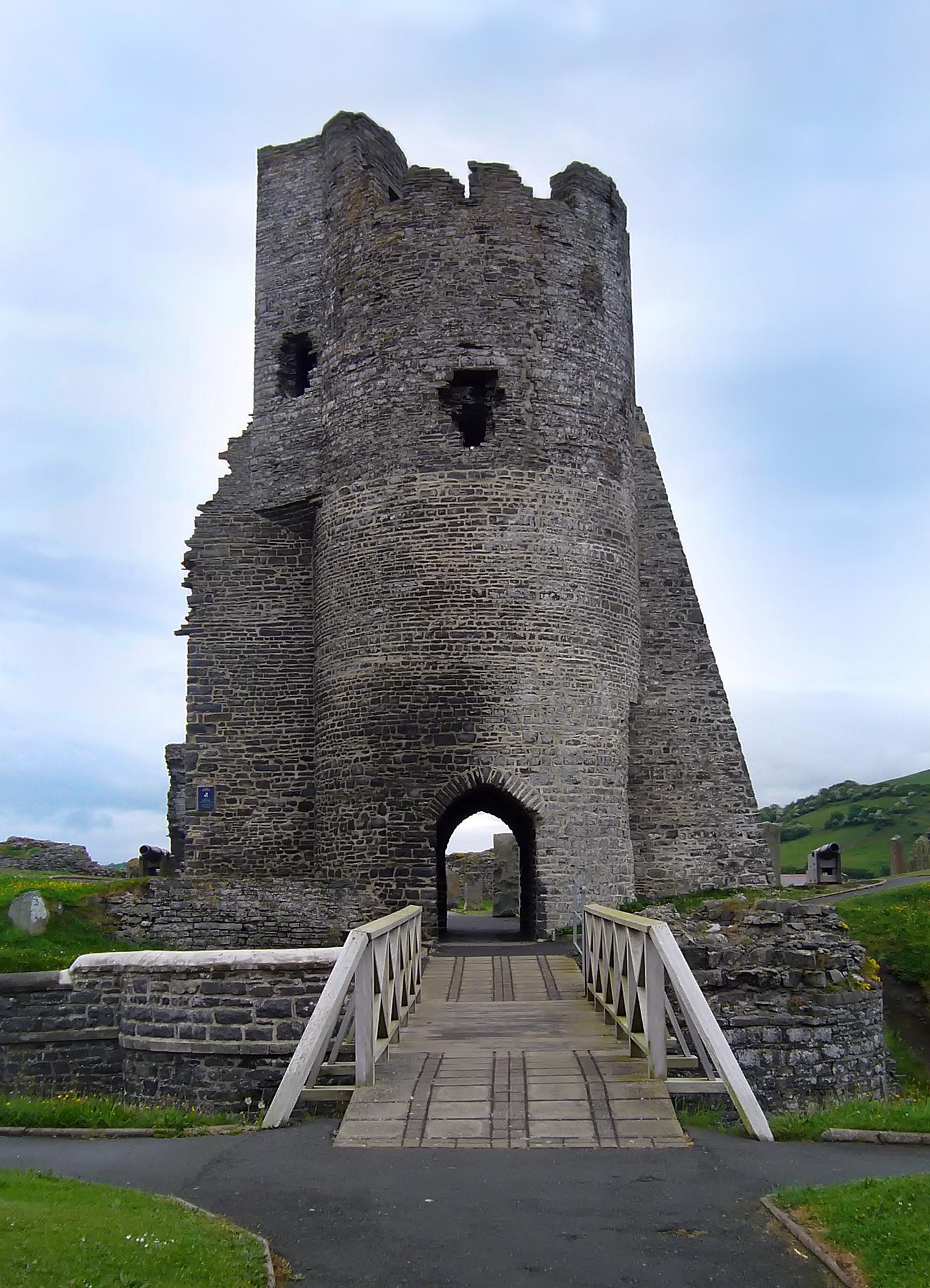
Looking beyond Hafod Estate? Discover Cardiganshire for broader travel guides, local hot-spots, and regional highlights.
Explore Cardiganshire
Discover Ceredigion’s heritage in a stunning Edwardian theatre with rich exhibits and a preserved Welsh cottage near Aberystwyth seafront.
Discover the awe-inspiring triple-stacked bridges and cascading 300-foot waterfalls nestled in ancient Welsh woodland.
