
Castell Dryslwyn: Majestic Ruins Overlooking the Tywi Valley
Explore the evocative ruins of Castell Dryslwyn, a 13th-century Welsh stronghold with panoramic Tywi Valley views and rich medieval heritage.
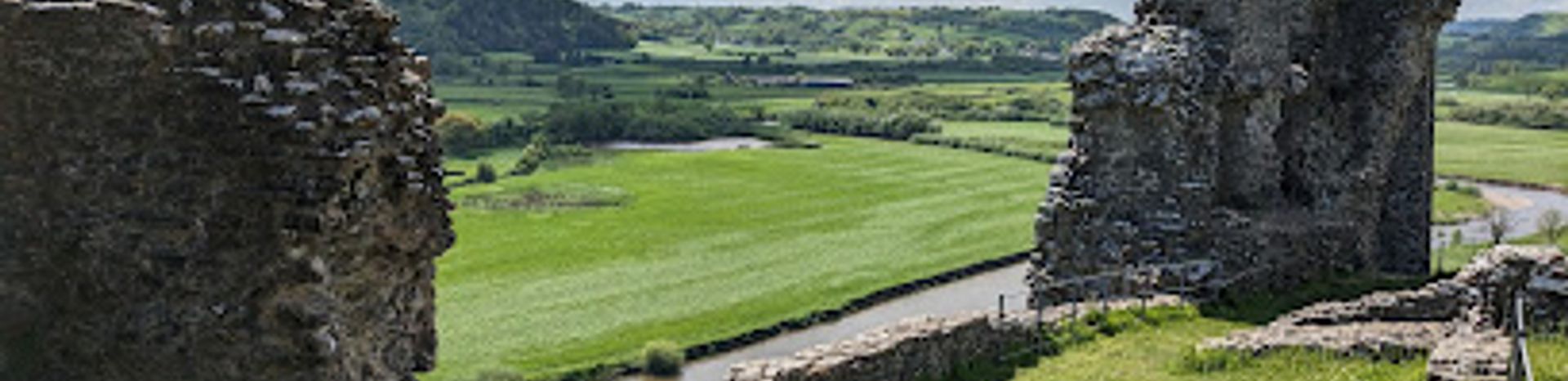
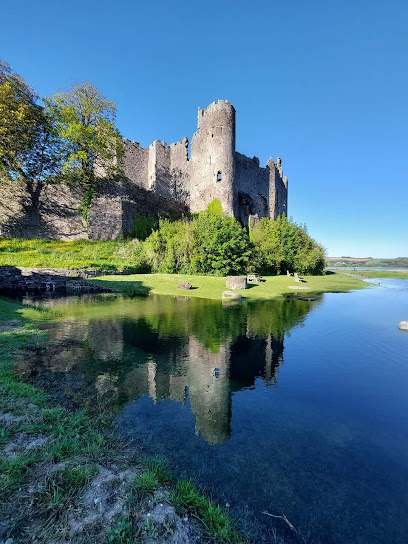
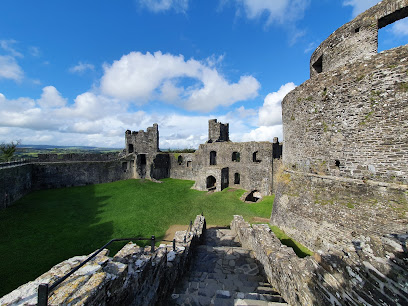
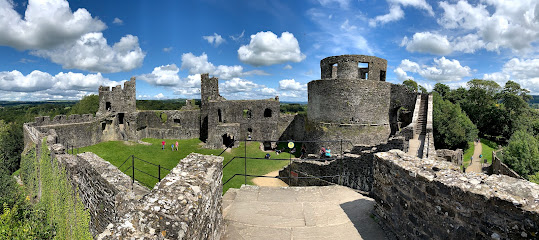
Castell Dryslwyn is a striking 13th-century Welsh hilltop castle ruin perched on a rocky outcrop above the Tywi Valley between Llandeilo and Carmarthen. Once a powerful stronghold of the Deheubarth kingdom, its atmospheric remains include curtain walls, towers, and foundations, offering panoramic views of the lush countryside. Free to visit year-round, this historic site invites exploration of medieval heritage amidst tranquil natural beauty.
A brief summary to Castell Dryslwyn
- B4297, Carmarthen, SA32 8JQ, GB
- Visit website
- Duration: 1 to 2 hours
- Free
-
 Outdoor
- Mobile reception: 3 out of 5
- Monday 12 am-12 am
- Tuesday 12 am-12 am
- Wednesday 12 am-12 am
- Thursday 12 am-12 am
- Friday 12 am-12 am
- Saturday 12 am-12 am
- Sunday 12 am-12 am
Local tips
- Wear sturdy footwear due to steep, uneven paths and historic stone steps leading to the castle.
- Bring a picnic to enjoy the spectacular panoramic views of the Tywi Valley from the castle grounds.
- Dogs are welcome on short leads but may be temporarily restricted during sheep grazing periods.
- Arrive during opening hours from 10am to 4pm; the site is closed on 24–26 December and 1 January.
- Be cautious near the ruins as some areas have steep drops and no safety barriers; supervise children closely.

For the on-the-go comforts that matter to you
- Parking
- Information Boards
- Seating Areas
Getting There
-
Car
Driving from Carmarthen or Llandeilo, take the A40 and then the B4297 towards Dryslwyn village. Parking is available opposite the castle entrance with about 15 spaces. The walk from the car park to the castle takes approximately 15–20 minutes uphill on uneven terrain. Parking is free.
-
Public Transport
The nearest bus stops are in Llandeilo, about 8 km from the castle. From there, visitors need to arrange a taxi or cycle to the site. Public transport options are limited, so planning ahead is recommended.
-
Walking
The castle is accessible via a steep and uneven 15–20 minute walk from the nearby car park. The path includes gravel and historic stone steps, making it unsuitable for wheelchairs or those with limited mobility.
Castell Dryslwyn location weather suitability
-
 Any Weather
-
 Rain / Wet Weather
-
 Clear Skies
-
 Mild Temperatures
Discover more about Castell Dryslwyn
Historical Significance of Castell Dryslwyn
Castell Dryslwyn was constructed in the late 13th century, likely by Rhys ap Maredudd, a Welsh prince of the kingdom of Deheubarth. It served as a native Welsh stronghold during centuries of conflict between Welsh princes and English forces. The castle's design is notable for its curved outer curtain wall that follows the summit’s natural shape, showcasing advanced medieval defensive architecture. The castle endured sieges and was eventually burned and abandoned in the early 15th century during the Owain Glyndŵr rebellion, after which it was deliberately slighted by the English to prevent further use.Architectural Features and Ruins
Today, visitors can explore the ruins that include remains of the curtain walls, the south-west corner with arched windows, and parts of a four-sided tower that once housed a chapel. Foundations of the great hall and a 13th-century gatehouse are visible, along with a medieval garderobe (privy). The castle’s steep stone steps and worn stair treads reflect centuries of use and weathering. Despite its ruined state, the site retains a strong sense of its original scale and defensive purpose.Setting and Scenic Views
Perched atop a steep, rocky hill, Castell Dryslwyn commands breathtaking 360-degree views over the verdant Tywi Valley and the meandering River Tywi below. The surrounding landscape is dominated by rolling hills and features nearby landmarks such as Paxton’s Tower. The elevated position not only offered strategic defense but now provides visitors with a peaceful and scenic environment ideal for picnics and photography.Visitor Experience and Access
The castle is open daily from 10am to 4pm, except on Christmas Eve, Christmas Day, Boxing Day, and New Year’s Day. Entry is free, with a small public car park of about 15 spaces located opposite the main entrance. Access involves a steep 15-20 minute uphill walk over uneven, natural terrain with gravel and historic stone steps, requiring sturdy footwear and caution. While the site is wheelchair inaccessible, it welcomes families and dogs on leads, with occasional restrictions during sheep grazing.Preservation and Management
Managed by Cadw, the Welsh Government’s historic environment service, Castell Dryslwyn is a Grade I listed Scheduled Ancient Monument. Ongoing archaeological excavations have helped uncover and preserve its remains. Safety measures include guardrails in hazardous areas and clear signage to protect visitors and the fragile ruins. The castle’s natural surroundings are home to local wildlife, including grazing sheep, emphasizing the importance of respectful and low-impact visitation.Legacy and Cultural Importance
Castell Dryslwyn stands as a testament to the resilience and heritage of medieval Welsh lords and their struggles for sovereignty. It embodies the architectural ingenuity and turbulent history of south-west Wales. The castle’s ruins, combined with its commanding views and tranquil setting, offer a unique window into Wales’s past, making it a treasured cultural landmark and a captivating destination for history enthusiasts and nature lovers alike.Iconic landmarks you can’t miss

Dyfed Menswear
6.5 km
Explore Llanelli with ease at Dyfed Menswear, a central bus stop connecting you to the town’s vibrant culture and attractions.
Kilns of Mynyddcerrig
8.5 km
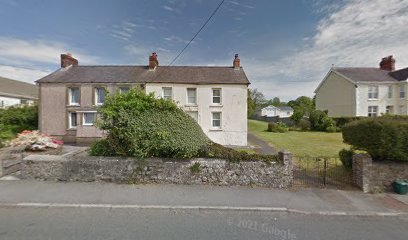
Explore the historic limekilns of Mynyddcerrig, a window into Carmarthenshire’s rural industrial heritage and traditional limeburning craft.
The Baltic Inn & Restaurant
13.3 km
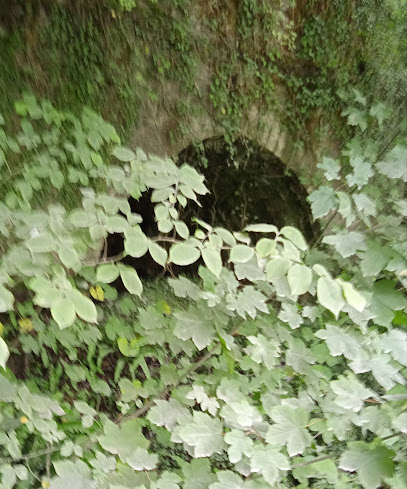
A welcoming countryside inn in Pontyates offering cozy rooms, hearty dining, and a peaceful Welsh village atmosphere.

South African War Memorial
14.2 km
A dignified tribute in Carmarthen’s Guildhall Square commemorating local heroes of the Anglo-Boer War with a striking marble soldier statue.
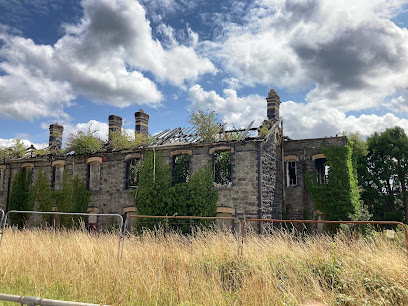
Carmarthen Work House
14.2 km
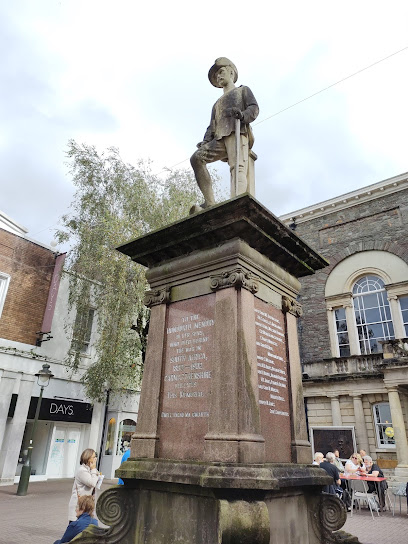
Explore the historic Carmarthen Work House, a powerful testament to Wales’ social welfare past and resilience through times of hardship.
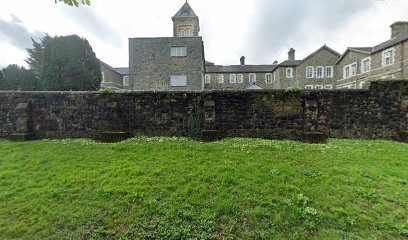
Dyfed Powys Police Federation
15.8 km
Discover the Dyfed Powys Police Federation in Carmarthen for a unique perspective on local law enforcement and community safety initiatives.
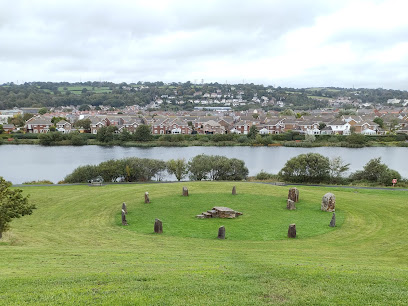
Gorsedd Circle
20.8 km
A modern stone circle in Llanelli celebrating Welsh culture, poetry, and the spirit of the National Eisteddfod.
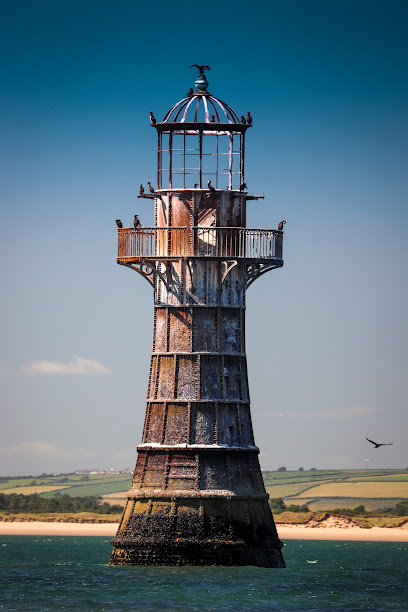
Whiteford Lighthouse
25.5 km
A rare cast-iron lighthouse standing in the tidal estuary of the Gower Peninsula, reachable only at low tide across vast sands and saltmarsh.
Dyfed Chimneys
26.6 km
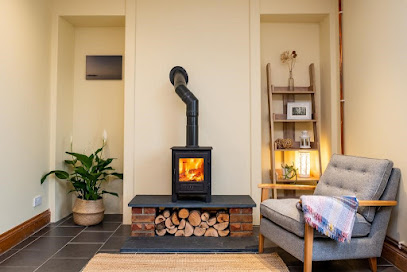
Discover expert chimney sweeping and stove building at Dyfed Chimneys in Carmarthen, where safety meets craftsmanship in the heart of Wales.
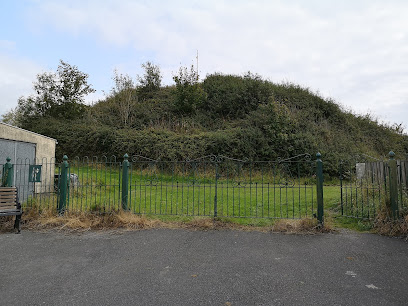
St Clears Castle
27.7 km
Explore the earthwork remains of St Clears Castle, a Norman motte-and-bailey fortress steeped in medieval Welsh history at the rivers’ confluence.
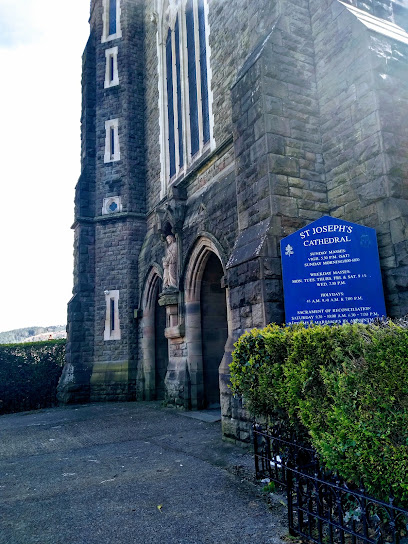
Cathedral Church of Saint Joseph (Eglwys Gadeirlan Siôseff Sant)
27.8 km
A majestic Gothic Revival cathedral in Swansea, symbolizing faith, history, and community since 1888.
Glamorgan History Society
28.5 km
Explore Glamorgan’s rich history through dedicated research, publications, and community events at the heart of Swansea’s heritage.
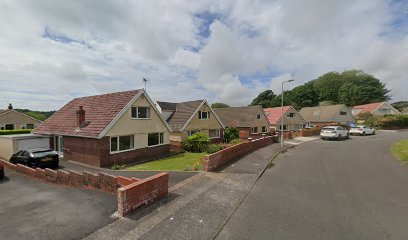
Cwtsh Hostel
29.0 km
Modern, friendly, and centrally located hostel offering comfortable stays and social spaces in the vibrant heart of Swansea.
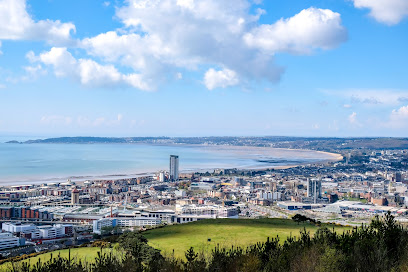
Tours of Wales
29.1 km
Discover Wales’ rich history and stunning landscapes on small-group, expertly guided day tours with Tours of Wales.
Premier Inn Swansea City Centre hotel
29.3 km
Comfortable city-centre hotel on vibrant Wind Street, with spacious rooms, tasty dining, and easy access to Swansea’s cultural and coastal highlights.
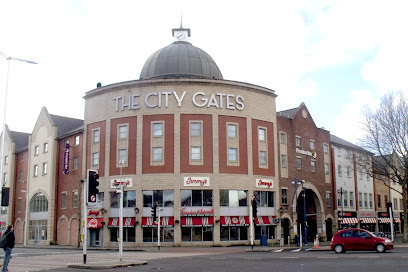
Unmissable attractions to see

National Trust - Paxton's Tower
1.7 km
A Neo-Gothic folly atop Llanarthney hill offering breathtaking views and a glimpse into Regency history in the heart of Wales.
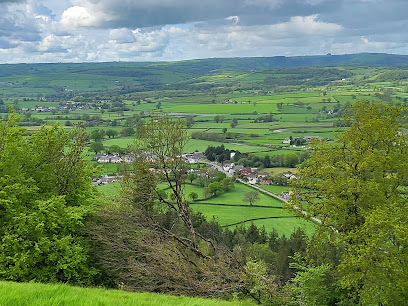
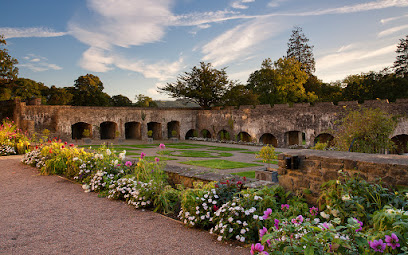
Aberglasney Gardens
3.3 km
Explore Aberglasney Gardens, a historic Welsh estate with unique Elizabethan cloisters, diverse botanical treasures, and serene seasonal beauty.
National Botanic Garden of Wales
4.3 km
Explore Wales’ premier botanical sanctuary featuring the world’s largest glasshouse, themed gardens, wildlife displays, and serene natural landscapes.
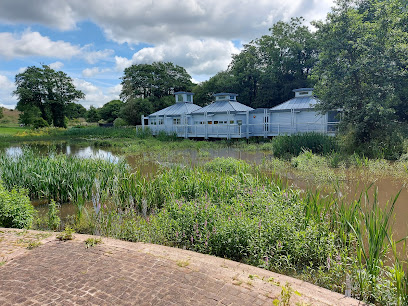
Gelli Aur Country Park
4.3 km
Explore the serene 100-acre wooded parkland of Gelli Aur Country Park, where history and nature blend with stunning Towy Valley views.
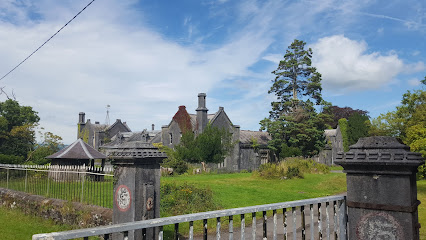
Llyn Llech Owain Country Park
5.6 km
Explore 180 acres of woodland, lake, and adventure playgrounds at Llyn Llech Owain Country Park, a family-friendly natural gem in Carmarthenshire.
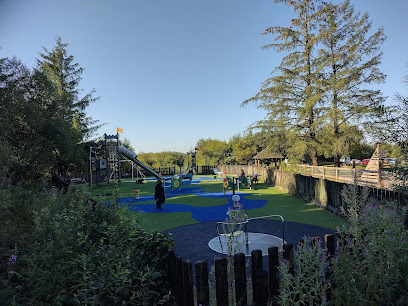
Castell Dinefwr
5.9 km
Historic hilltop castle overlooking the Tywi Valley, a symbol of Welsh heritage and medieval power.
National Trust - Dinefwr
6.4 km
Explore centuries of Welsh history, nature, and culture across Dinefwr’s grand manor, medieval castle, and expansive deer park.
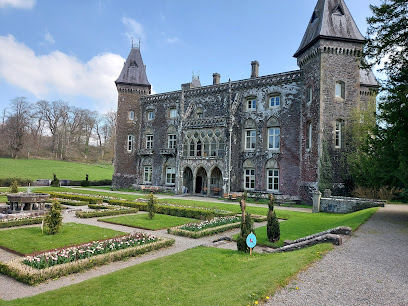
Newton House (National Trust), Dinefwr Park
6.4 km
Explore centuries of Welsh heritage, art, and nature at Newton House, a historic manor set in the stunning Dinefwr Park and National Nature Reserve.
Maes yr Eithin Retail Park
7.2 km
A lively retail hub in Cross Hands offering diverse shops, dining options, and family-friendly convenience with ample parking.
The Dyfed Archaeological Trust
7.7 km
Explore the heart of Welsh archaeology and heritage preservation at The Dyfed Archaeological Trust in historic Llandeilo.
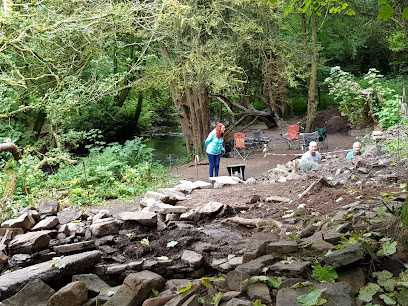
The Works Antiques Centre
8.3 km
Discover rare antiques and timeless treasures across multiple floors in Llandeilo’s premier antiques centre, complete with a welcoming café.
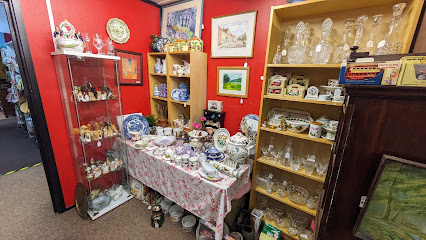
Amgueddfa Sir Gâr - Carmarthenshire Museum
11.3 km
Discover Carmarthenshire’s rich heritage in a 700-year-old bishop’s palace with themed galleries, historic charm, and family-friendly exhibits.
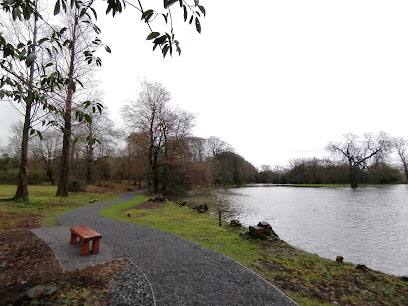
Carreg Cennen Castle
11.4 km
Explore the dramatic ruins of Carreg Cennen Castle, perched atop a limestone crag with stunning views and rich medieval history in Wales.
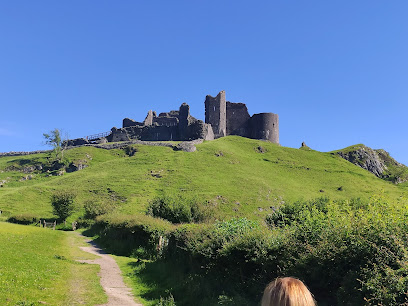
Gwili Steam Railway
12.3 km
Step aboard the Gwili Steam Railway for a scenic, nostalgic steam train journey through the tranquil Carmarthenshire countryside.
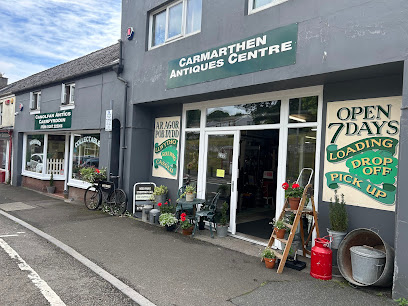
Carmarthen Antiques Centre
13.4 km
Discover a vast collection of Welsh antiques, vintage treasures, and unique collectibles in Carmarthen's premier two-floor antiques emporium.
Essential places to dine

Cresselly Arms
5.0 km
A charming riverside grill and pub near Carmarthen, offering warm Welsh hospitality, well-kept ales, and a dog-friendly beer garden.
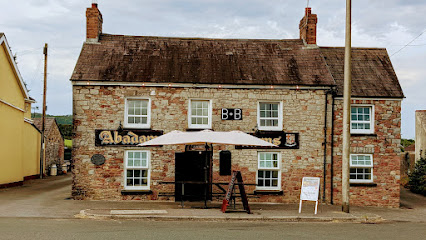
Abadam Arms
5.6 km
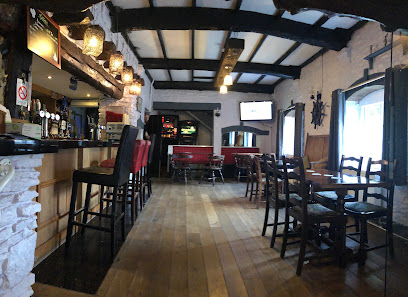
Traditional Welsh pub and cozy B&B in Carmarthen offering hearty home-cooked meals and warm local hospitality in a tranquil rural setting.
Y Polyn
5.9 km
A rustic yet refined country pub in Carmarthenshire serving hearty Provençal-inspired dishes with local Welsh ingredients and warm hospitality.
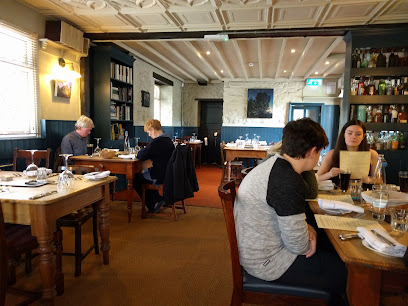
The Butchers Arms
6.3 km
A welcoming Welsh country pub in Llanddarog offering traditional oak-beamed charm, local cuisine, and a cozy fireplace.
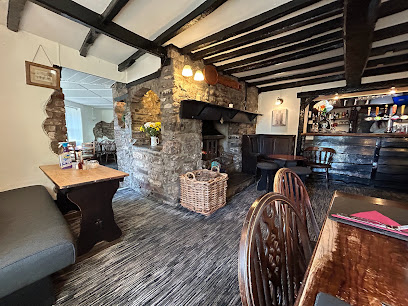
Hollol Gymraeg
7.8 km
Discover authentic Welsh flavors and warm hospitality at Hollol Gymraeg, a family-run culinary gem near Carmarthen.
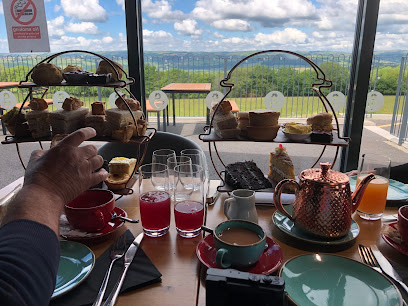
The Plough Hotel & Restaurant
9.3 km
A refined 4-star rural retreat with valley views, fine dining, and Welsh hospitality in Carmarthenshire.
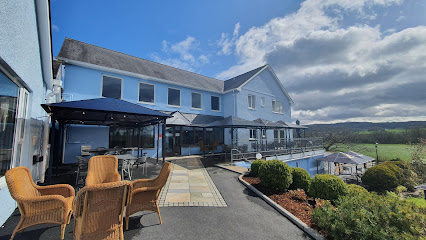
The Black Ox
11.5 km
A welcoming gastropub in Abergwili serving hearty British fare with a friendly village atmosphere and inclusive amenities.
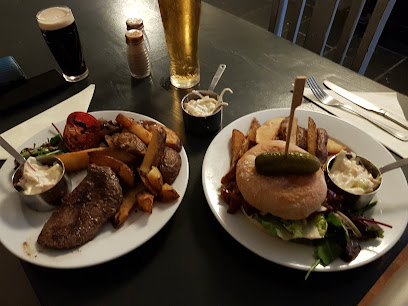
The New Curiosity
13.9 km
Experience contemporary Welsh cuisine in a warm, stylish setting with outstanding food and attentive service in Carmarthen’s heart.
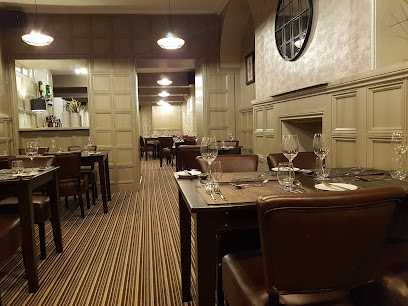
Florentino's
14.1 km
Experience authentic Italian cuisine with homemade gluten-free pasta and wood-fired pizzas in a charming Welsh Longhouse setting in Carmarthen.
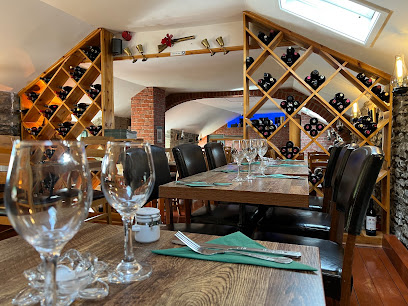
Sloppy Joe's Streetfood
14.1 km
Family-friendly grill and streetfood spot in Carmarthen with lively vibes, local brews, and a menu full of hearty favorites.
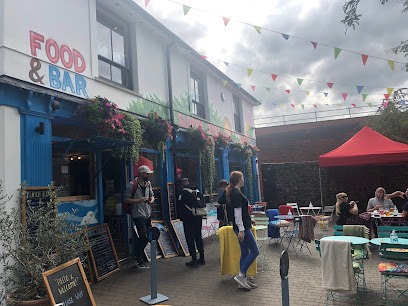
Cofio Lounge
14.1 km
Historic Guildhall café in Carmarthen serving diverse, fresh dishes with vegan and gluten-free options in a welcoming atmosphere.
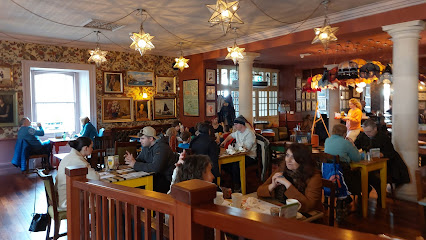
Pantri Blakeman Restaurant
14.2 km
Cozy, home-cooked Welsh and English fare served with generous portions and genuine hospitality in the heart of Carmarthen.
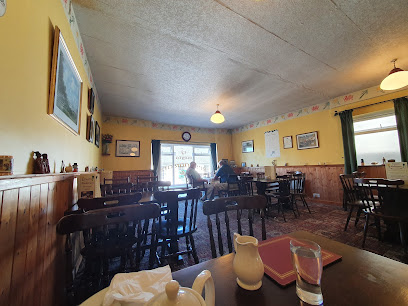
Cegin Myrddin
14.2 km
A cozy Carmarthen café offering traditional Welsh breakfasts, homemade cakes, and artisan coffee in a warm, welcoming setting.
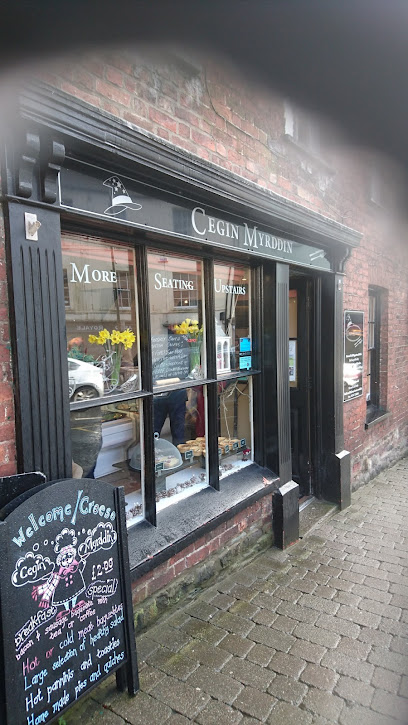
Dexters
14.2 km
Savor premium locally sourced steaks and scenic estuary views at Dexters Steakhouse & Grill in Carmarthen’s inviting riverside setting.
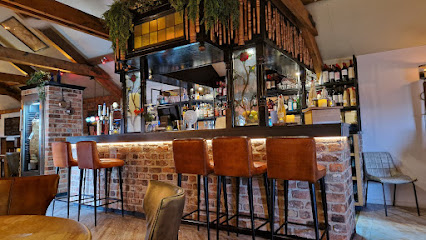
Harvester St Catherines Walk
14.3 km
Family-friendly British grill restaurant in Carmarthen with fresh food, unlimited salad bar, and a welcoming atmosphere in St Catherine's Walk.
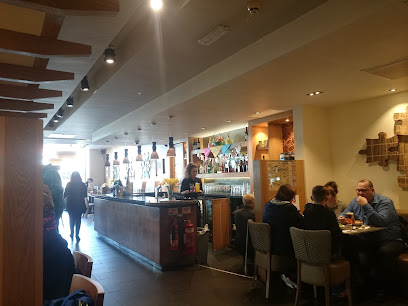
Markets, malls and hidden boutiques

Seren Gifts
2.1 km
Explore the whimsical world of Seren Gifts, a charming novelty shop in Llanarthney filled with unique treasures and delightful souvenirs.
Little Shop of Wishes
5.3 km
Bespoke personalised keepsakes and decorations crafted in South Wales for every celebration.

Ducky and Monkey
5.5 km
Discover unique Welsh-inspired clothing and accessories in a charming boutique nestled in the heart of Llandeilo’s cultural scene.
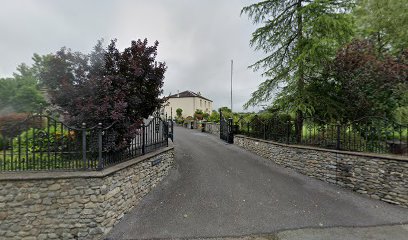
Welsh Slate & Gift Boutique
7.0 km
Explore the charm of Wales at the Welsh Slate & Gift Boutique, where unique handcrafted slate treasures and local gifts await your discovery.
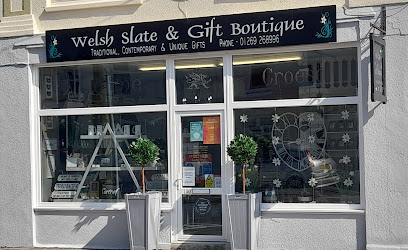
The Village Shop
7.5 km
Discover authentic Welsh crafts and local flavors in the warm, community-focused setting of The Village Shop in Ffairfach.
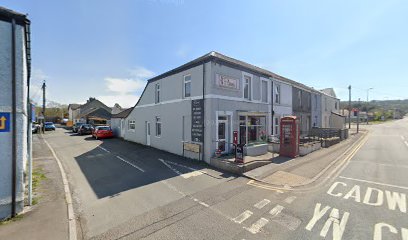
Scorpio
7.7 km
Discover three floors of unique gifts and quality home furnishings in the heart of historic Llandeilo at Scorpio.
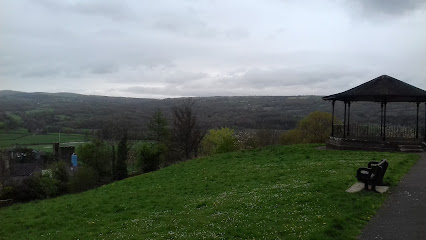
Cuckoo's Nest
7.7 km
Handcrafted gifts and quirky treasures in the heart of Llandeilo's historic market town.
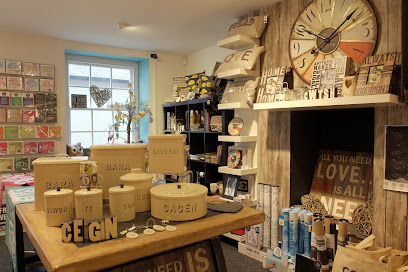
The Lighthouse
7.7 km
A stylish boutique in Llandeilo offering expert fashion advice and quality ladies' clothing in a welcoming, community-focused setting.
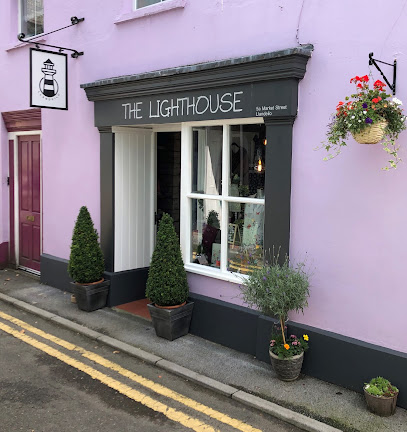
Copper Foxes
7.8 km
Welsh artistry and local craftsmanship in the heart of Llandeilo's historic High Street
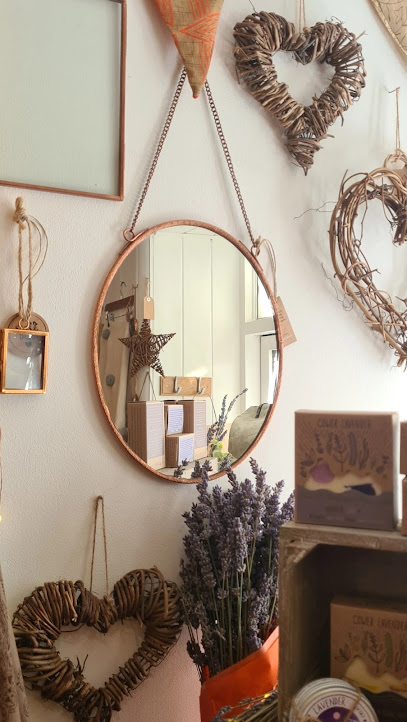
The Little Welsh Dresser
7.8 km
Discover authentic Welsh charm and craftsmanship in a cosy boutique filled with unique gifts, homewares, and local artistry in Llandeilo.
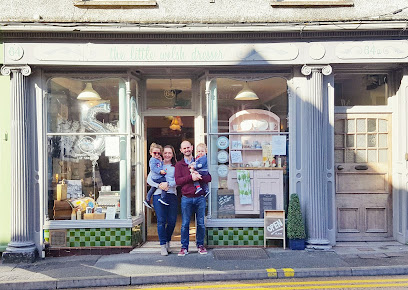
Urban Alley Vintage
7.8 km
Discover timeless style and unique vintage finds in the heart of Llandeilo’s charming boutique quarter.
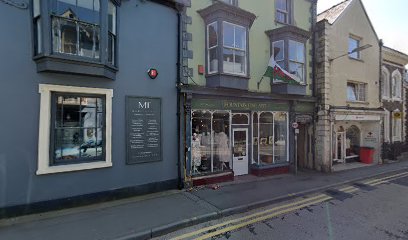
Sians Emporium Ltd
7.9 km
Discover an eclectic mix of gifts, homewares, and treats at Sians Emporium, a charming and welcoming shop in the heart of Llandeilo.
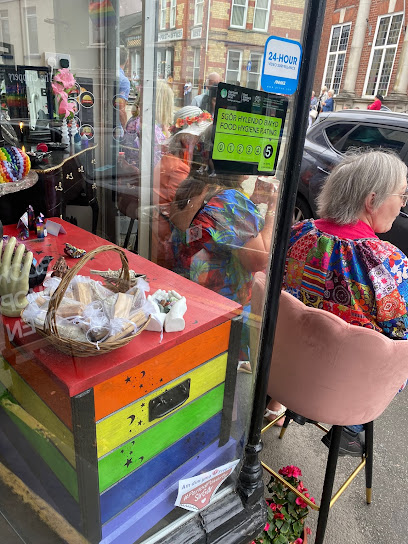
Sians Emporium 2
7.9 km
Discover authentic Welsh gifts and artisan treasures in the heart of Llandeilo at Sians Emporium 2.
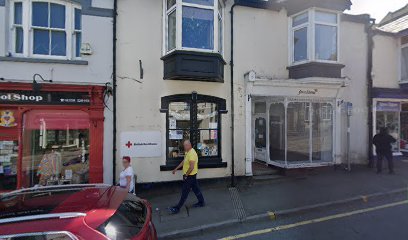
Treasures Of Munro
8.4 km
Discover unique Welsh gifts, beauty products, and charming souvenirs at Treasures Of Munro, a cozy boutique in the heart of Tumble, Llanelli.

The Crystal Jar
10.9 km
Explore The Crystal Jar in Ammanford for unique gifts and local crafts that embody the spirit of the region.

Essential bars & hidden hideouts

The Prince Of Wales
5.5 km
A traditional Welsh village pub offering hearty food, friendly service, and a warm community atmosphere near Carmarthen.
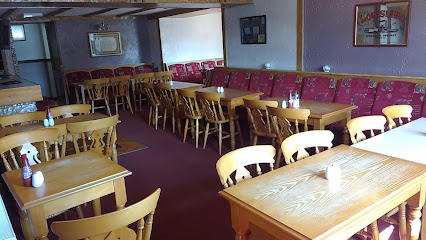
The Plough Inn
6.3 km
A rustic Carmarthenshire pub offering wood-fired delights and warm Welsh hospitality in a tranquil countryside setting.
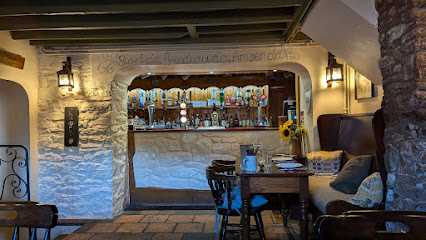
The Mansel Arms
6.4 km
A traditional Welsh pub offering hearty meals, real ales, and a warm, lively atmosphere in the heart of Carmarthenshire countryside.
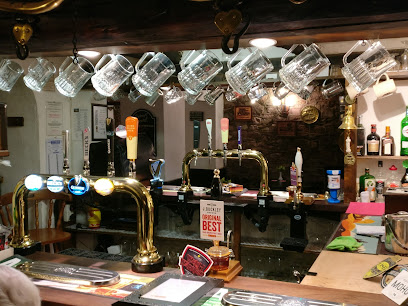
Pen Y Bont Inn Llanfynydd
7.3 km
A charming Welsh village inn blending riverside tranquility with creative cuisine and warm hospitality in Llanfynydd.
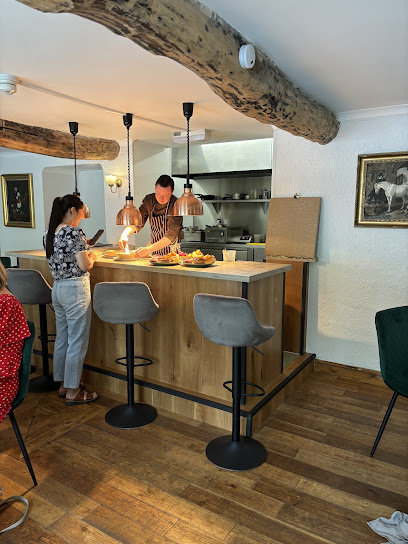
The Tregeyb
7.5 km
A cosy, welcoming pub in Ffairfach offering inventive food, a log burner’s warmth, and a friendly atmosphere near Llandeilo.
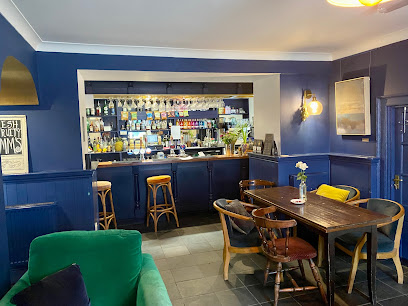
The Salutation Inn
7.7 km
A charming traditional pub in Llandeilo with a friendly atmosphere, quality beers, and a delightful beer garden.
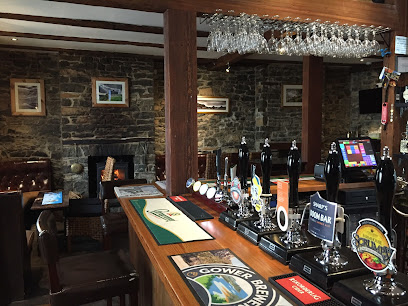
The Forest Arms Pub, Restaurant & Rooms
10.4 km
A charming Welsh pub and inn in historic Brechfa, perfect for outdoor lovers seeking cozy comfort and local hospitality.
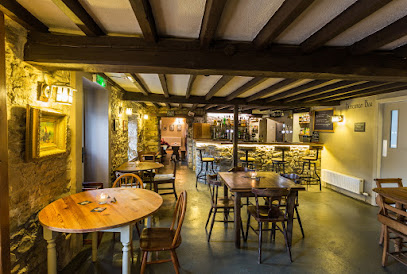
Wheaten Sheaf
11.6 km
A friendly, traditional Carmarthen pub offering great beers, darts, pool, and sports TV in a warm, welcoming atmosphere.
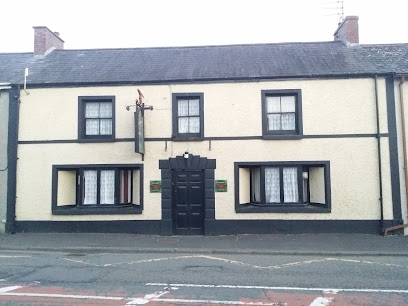
Brains S A
13.1 km
Traditional Welsh pub with scenic river views, classic ales, and a family-friendly atmosphere in Carmarthen’s charming Tanerdy village.
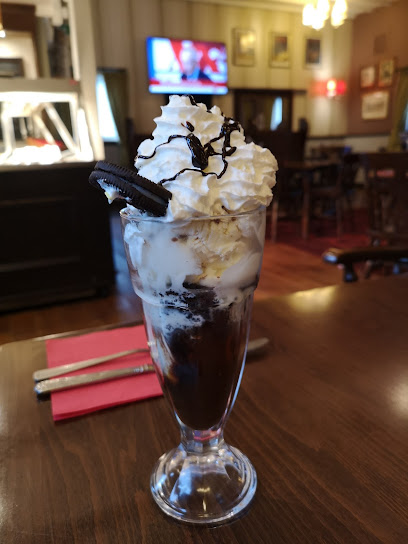
Tafarn Tanerdy
13.1 km
Traditional Welsh pub with scenic river views, family-friendly amenities, and hearty pub classics in Carmarthen’s countryside.
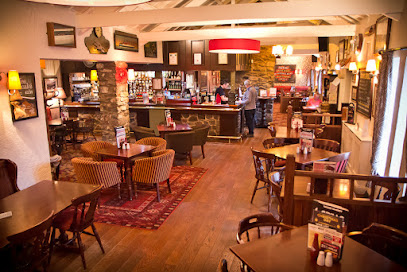
The Black Lion, Abergorlech
13.7 km
A welcoming Welsh country pub in scenic Cothi Valley, serving seasonal local dishes and craft ales near Brechfa Forest.
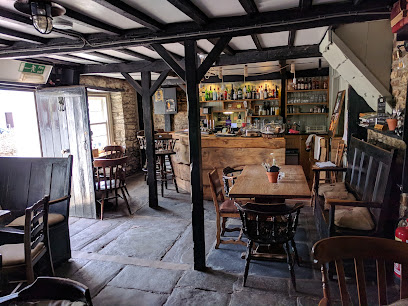
CWRW
13.9 km
CWRW blends craft beers, creative arts, and live music in a vibrant Carmarthen venue full of character and community spirit.
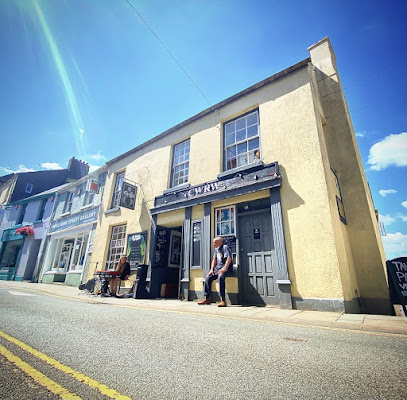
Stag & Pheasant
13.9 km
A lively, dog-friendly pub in Carmarthen offering great beers, hearty meals, and a welcoming local atmosphere.
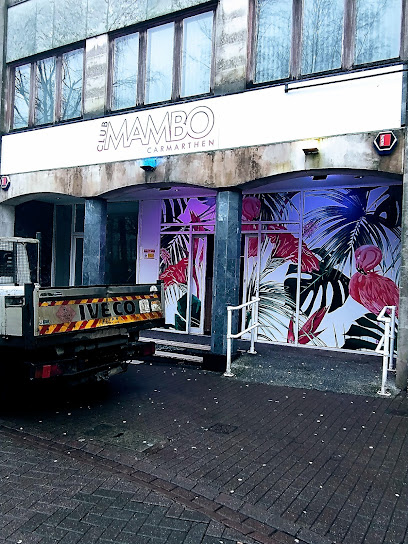
Club Mambo
14.1 km
Experience Carmarthen’s vibrant nightlife at Club Mambo, a lively bar and dance venue known for its energetic atmosphere and welcoming crowd.
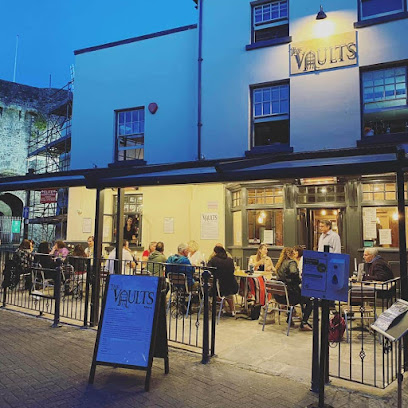
The Vaults
14.1 km
Historic charm meets vibrant nightlife in Carmarthen’s oldest cocktail bar with stunning castle views and live music weekends.
Nightclubs & after hour spots

Lucifer's Nightlife
14.0 km
Experience Carmarthen's vibrant nightlife and fast food fusion at Lucifer's Nightlife, where music, dancing, and late-night bites come alive on Queen Street.
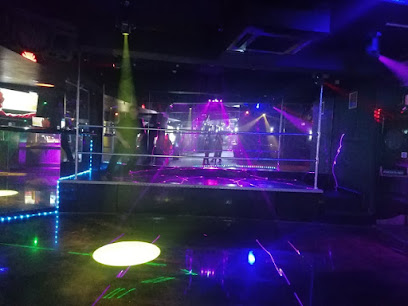
Savannah's Night Club
14.5 km
Experience Carmarthen’s vibrant nightlife at Savannah's Night Club—where music, dance, and stylish vibes create unforgettable Saturday nights.
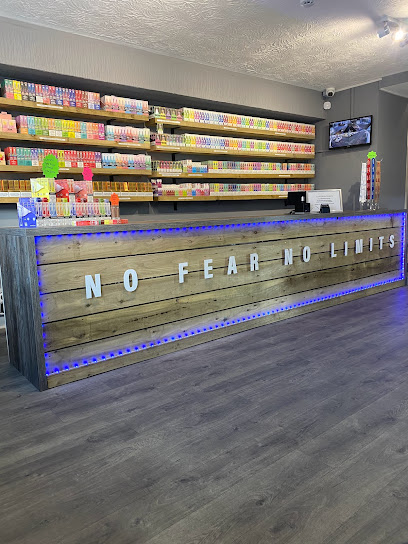
The Rainbow Rooms Bar & Club
22.1 km
Experience lively nights and vibrant music at The Rainbow Rooms Bar & Club, Gorseinon’s premier destination for unforgettable nightlife.

Cuba Escape
28.9 km
Experience Swansea’s vibrant nightlife at Cuba Escape, where live music, energetic crowds, and a colorful atmosphere come together for unforgettable nights.

PlanB
28.9 km
Swansea’s energetic two-floor nightclub with a focus on dance music, lively DJs, and great drink deals for a night to remember.

Sin City
29.0 km
Energetic Swansea nightclub with live music, affordable drinks, and a lively atmosphere on Dillwyn Street.
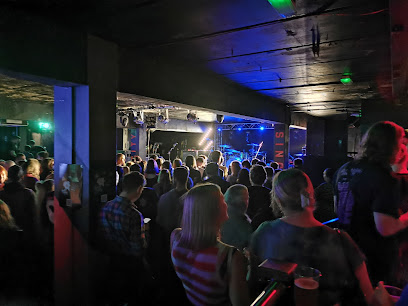
Popworld - Swansea
29.2 km
Experience Swansea’s energetic retro nightclub with affordable cocktails, themed events, and a lively dance floor in the heart of the city.

The Arch Bar & Nightclub
30.1 km
A lively Neath hotspot blending nightclub energy, live music, pub charm, and Thai cuisine in one vibrant venue.
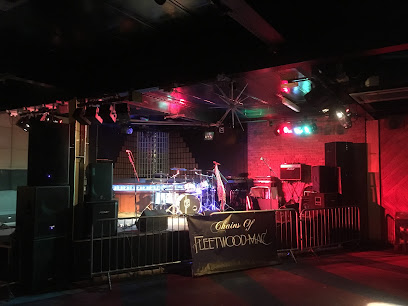
Jimmy's Bar
37.2 km
Experience the vibrant nightlife and live music scene at Jimmy's Bar, Port Talbot’s lively local hotspot with a welcoming atmosphere.
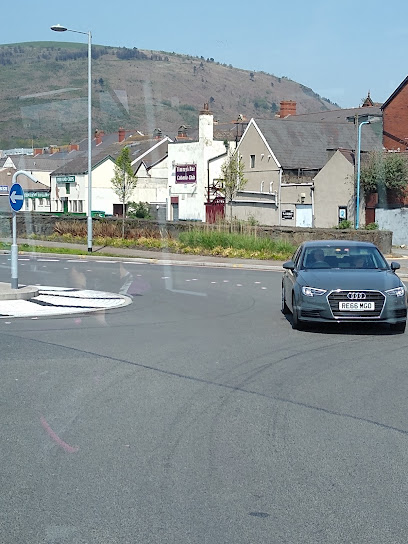
The Top Club
43.9 km
Experience Blaengarw’s vibrant nightlife at The Top Club, where electrifying entertainment meets community spirit in the heart of South Wales.
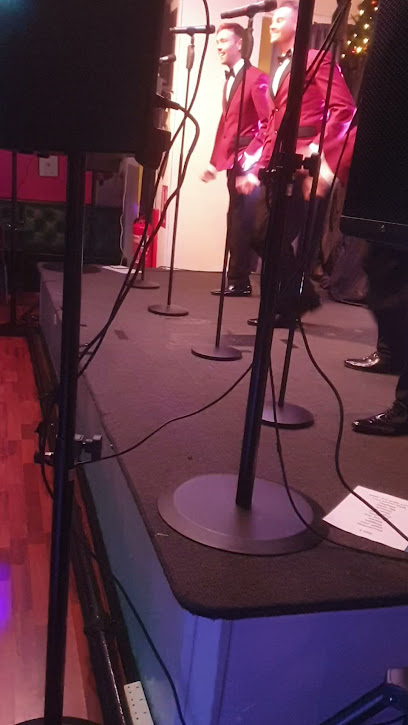
Sands Nightclub
44.5 km
Saundersfoot’s lively nightclub with dance, drinks, and a vibrant atmosphere near the beach.
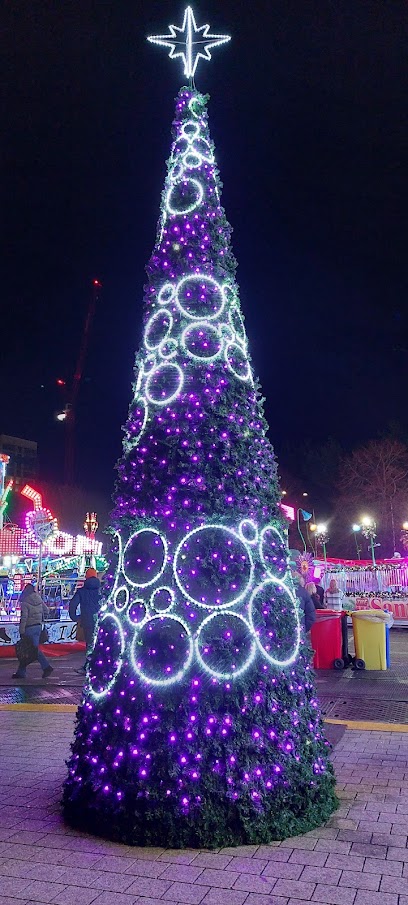
Albion Aberteifi
45.3 km
Discover the charm of Albion Aberteifi, where historic ambiance meets modern hospitality along the beautiful River Teifi.
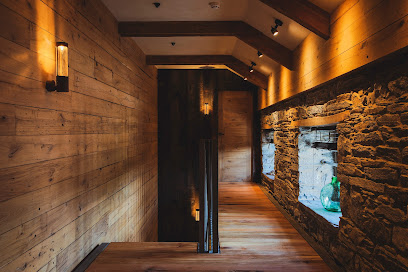
Bar 45
45.4 km
Discover the vibrant atmosphere of Bar 45 in Cardigan, where local ales, cocktails, and live music create unforgettable experiences.
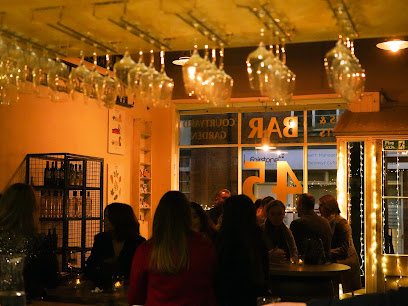
The Cellar
45.5 km
Discover the heart of Cardigan's music scene at The Cellar – where live performances and local culture collide.
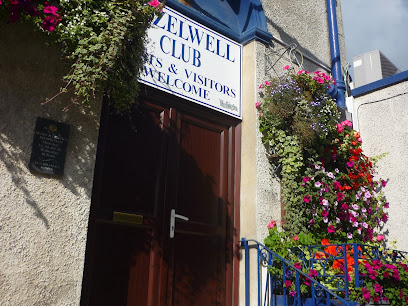
Hazewell Club
46.4 km
Discover the Hazewell Club in Tenby: a cozy sports club offering a warm atmosphere and local drinks amidst stunning coastal views.
For the vibe & atmosphere seeker
- Tranquil
- Scenic
- Historic
- Unique
For the design and aesthetic lover
- Rustic Designs
For the architecture buff
- Historic
- Landmarks
For the view chaser and sunset hunter
- Iconic Views
- Panoramas
For the social media creator & influencer
- Instagrammable
- Photo Spots
For the eco-conscious traveler
- Protected Area
- Locally Managed
- Wildlife Habitat
For the kind of experience you’re after
- Cultural Heritage
- Nature Escape
- Day Trip
- Photowalk
For how adventurous you want the journey to be
- Requires Hike
Location Audience
- Family Friendly
- Senior Friendly
- Child Friendly
- Teen Friendly
- Solo Friendly
- Couple Friendly
- Pet Friendly


