

Free Carmarthenshire Travel Guide & Mobile App
Explore Carmarthenshire with free travel guides. Discover regional history, expert tips, proposed trips, and audio guides on web or mobile app.


Explore Carmarthenshire for Welsh castles, river valleys, literary Laugharne, sandy beaches, gardens and the farming landscapes of south-west Wales.
Read more about Carmarthenshire
When is the best time to visit Carmarthenshire?
Best: June–August · 19–22°C| Month | High (°C) | Rainfall (mm) |
|---|---|---|
| January | 9 | 120 |
| February | 9 | 90 |
| March | 12 | 81 |
| April | 14 | 70 |
| May | 17 | 60 |
| June (best) | 19 | 71 |
| July (best) | 22 | 81 |
| August (best) | 22 | 91 |
| September | 19 | 80 |
| October | 15 | 91 |
| November | 10 | 100 |
| December | 8 | 121 |
Getting to and around Carmarthenshire
How to get there
Transportation
Destinations in Carmarthenshire
Resorts, valleys and scenic spots worth a trip of their own.

Swipe for more destinations
Best attractions in Carmarthenshire
Carmarthenshire's attractions range from medieval fortresses and princely landscapes to beaches, gardens and literary places. Dinefwr near Llandeilo combines a historic castle, parkland and the remains of a major medieval Welsh centre, while Carreg Cennen Castle offers a more dramatic hilltop setting above the Cennen valley. Kidwelly Castle and Llansteffan Castle illuminate the county's strategic medieval past from different river and coastal positions. The National Botanic Garden of Wales provides extensive plant collections and restored historic features, while Aberglasney Garden offers formal spaces, cloisters and seasonal planting. Along the coast, Pembrey Country Park brings together woodland, dunes, beach access and outdoor activities, and Pendine Sands has a distinctive association with twentieth-century land-speed attempts. Laugharne's Dylan Thomas connections add a literary dimension, while the Wales Coast Path, the Tywi Valley and the county's wooded lanes support walking, cycling and wildlife watching. Carmarthen's historic centre, museums and market traditions provide a useful urban counterpoint to the dispersed rural attractions.
-
Botanical garden
National Botanic Garden of Wales
Explore Wales’ premier botanical sanctuary featuring the world’s largest glasshouse, themed gardens, wildlife displays, and serene natural landscapes.
-
Country park
Pembrey Country Park
Explore 500 acres of woodland and 8 miles of golden beach with family-friendly activities and historic trails at Pembrey Country Park, Wales.
-
Historical landmark
Castell Talacharn / Laugharne Castle
Explore Laugharne Castle’s medieval towers, Tudor mansion ruins, and Dylan Thomas’s poetic sanctuary overlooking the stunning Taf estuary.
-
Castle
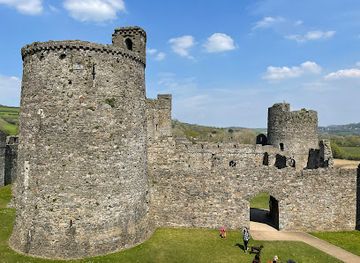
Castell Cydweli / Kidwelly Castle
Explore Kidwelly Castle, a majestic Norman fortress with panoramic views and rich medieval history set above the River Gwendraeth in Carmarthenshire.


Best landmarks in Carmarthenshire
Carmarthenshire's most recognisable landmarks express its mixture of Welsh princely history, Norman military power, literary culture and coastal geography. Carreg Cennen Castle is the county's most dramatic medieval ruin, occupying a rocky height above the Cennen valley and revealing how terrain shaped defence. Dinefwr Castle, set within a historic park near Llandeilo, represents the former political importance of Deheubarth and the continuing prominence of the Tywi Valley. Kidwelly Castle's concentric walls and towers overlook the town and its river approaches, while Llansteffan Castle commands a headland above the Taf estuary. In Laugharne, Dylan Thomas's Boathouse and writing shed are cultural landmarks tied to the estuary landscape and twentieth-century literature. Pendine Sands forms a different kind of landmark: a long sweep of coast associated with early and modern attempts to achieve land-speed records. Carmarthen's old town, bridges and riverside setting complete the county's urban historic profile, linking the modern town with its Roman and medieval foundations.
-
Castle
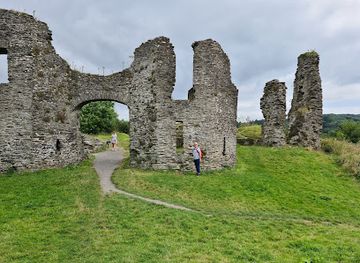
Newcastle Emlyn Castle
Medieval Welsh stone fortress steeped in dragon legend and riverside beauty.
-
Historical landmark
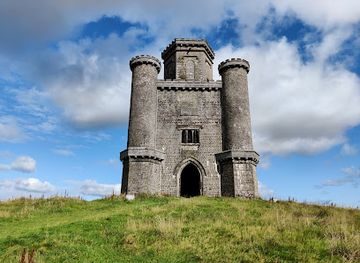
National Trust - Paxton's Tower
Explore the striking Neo-Gothic Paxton's Tower atop a Carmarthenshire hill, offering historic charm and sweeping views of the Tywi Valley.
-
Museum
Amgueddfa Parc Howard - Parc Howard Museum
Discover Llanelli’s heritage and creativity in a stunning Victorian mansion set within expansive, tranquil gardens.
-
Tourist attraction
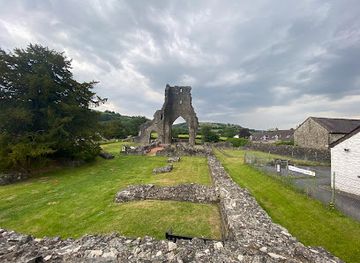
Talley Abbey
Wales's only Premonstratensian abbey, crowned by a soaring tower, set beside twin lakes in timeless solitude.

Explore Carmarthenshire on the map
Plan your trip on one map. See where the top cities, national parks and sights are, and book hotels and experiences in a few clicks.
Best hotels in Carmarthenshire
Best restaurants in Carmarthenshire
Dining in Carmarthenshire reflects a productive farming county with access to river and coastal landscapes. Menus commonly draw on Welsh lamb and beef, local vegetables, farmhouse cheeses, apples, bread and seasonal pastries, while seafood appears particularly around coastal communities and estuarine towns. Carmarthen, Llandeilo and Llanelli offer the broadest choice of cafés, pubs and contemporary restaurants, whereas rural districts are more likely to centre on traditional inns, farm shops and small cafés. Laugharne combines cafés and restaurants with its literary waterfront setting, and market towns are useful places to find Welsh cakes, preserves and locally made produce. The county is well suited to food-focused touring: farm shops and independent producers provide opportunities to buy ingredients for picnics, while local breweries, cider makers and other drinks producers may feature in shops and hospitality venues. Menus change with the season, so regional cooking is often best understood through short supply chains rather than a single defining dish.
-
Italian
Florentino's
Experience authentic Italian cuisine with homemade gluten-free pasta and wood-fired pizzas in a charming Welsh Longhouse setting in Carmarthen.
-
Restaurant
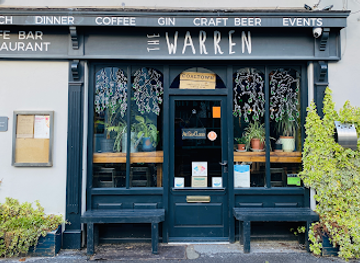
The Warren
Seasonal Welsh cuisine in the heart of Carmarthen, blending local flavors with warm hospitality and ethical sourcing.
-
Restaurant
Cofio Lounge
Historic Guildhall café in Carmarthen serving diverse, fresh dishes with vegan and gluten-free options in a welcoming atmosphere.
-
Grill
Sloppy Joe's Streetfood
Family-friendly grill and streetfood spot in Carmarthen with lively vibes, local brews, and a menu full of hearty favorites.



Best bars in Carmarthenshire
Evening life in Carmarthenshire is centred on pubs, restaurants, live music and community venues rather than a large club scene. Carmarthen and Llanelli provide the widest choice of conventional bars and later-opening entertainment, while Llandeilo and Ammanford have a smaller but varied selection of pubs, cafés and restaurants. In Laugharne, the evening atmosphere is shaped by historic inns, literary associations and the estuary setting rather than by major nightlife venues. Rural villages generally offer traditional pubs where food, local conversation and occasional music are more important than late-night dancing. Visitors should plan transport carefully after spending an evening outside the main towns, as rural buses are limited and taxis may need to be booked. Seasonal festivals, performances and live events can add variety, but schedules and opening arrangements change, so local listings should be checked before making plans.
-
Pub
Caraway
A family-friendly pub in Carmarthen with great food, traditional ales, a large beer garden, and a warm, welcoming atmosphere.
-
Bar
Cofio Lounge
Experience vibrant flavors and quirky charm in Carmarthen’s historic Guildhall at Cofio Lounge, a welcoming spot for diverse tastes and friendly service.
-
Pub
Tafarn Tanerdy
Traditional Welsh pub with scenic river views, family-friendly amenities, and hearty pub classics in Carmarthen’s countryside.
-
Bar
Rose and Crown Hotel
A charming coaching inn in Carmarthen blending historic Welsh warmth with modern comfort and hearty local fare.


Best nightclubs in Carmarthenshire
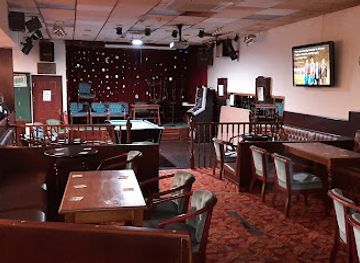
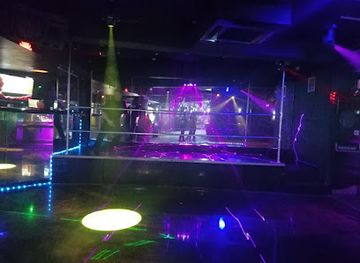
Evening life in Carmarthenshire is centred on pubs, restaurants, live music and community venues rather than a large club scene. Carmarthen and Llanelli provide the widest choice of conventional bars and later-opening entertainment, while Llandeilo and Ammanford have a smaller but varied selection of pubs, cafés and restaurants. In Laugharne, the evening atmosphere is shaped by historic inns, literary associations and the estuary setting rather than by major nightlife venues. Rural villages generally offer traditional pubs where food, local conversation and occasional music are more important than late-night dancing. Visitors should plan transport carefully after spending an evening outside the main towns, as rural buses are limited and taxis may need to be booked. Seasonal festivals, performances and live events can add variety, but schedules and opening arrangements change, so local listings should be checked before making plans.
-
Club
The Gremlin Club
A welcoming and lively nightclub in Carmarthen’s center, offering great beer, affordable prices, and a vibrant social scene.
-
Nightclub
Savannah's Night Club
Experience Carmarthen’s vibrant nightlife at Savannah's Night Club, where music, dance, and stylish vibes come alive until dawn.
-
Nightclub
Lucifer's Nightlife
Experience Carmarthen’s vibrant nightlife and fast food fusion at Lucifer's Nightlife, where music, dance, and casual dining create unforgettable nights.

Best shops in Carmarthenshire
Shopping in Carmarthenshire is strongest in its market towns, where independent food shops, cafés, booksellers, galleries and practical high-street businesses serve local communities as well as visitors. Carmarthen has the county's broadest retail offer, combining a traditional town centre with larger everyday shopping facilities, while Llandeilo is known for smaller independent shops, homeware, clothing, galleries and food-focused businesses. Local produce is an important purchase: look for Welsh cheeses, preserves, honey, bread, cakes, cider, seasonal fruit and farm-reared meat at farm shops and markets. Craft outlets and galleries may offer ceramics, textiles, woodwork, jewellery and locally inspired artwork, although stock and opening patterns vary. In rural areas, farm shops are often more useful than conventional retail centres and can provide supplies for self-catering or picnics. Carmarthen's regular market tradition and the county's seasonal makers' and farmers' events offer a more direct connection with regional producers than souvenir-led shopping.
-
Shopping Centre
St Catherine's Walk Shopping Centre
Carmarthen’s main indoor shopping centre with big-name stores, a Vue cinema, and a range of dining options in a modern, accessible environment.
-
Homewares Shop
The Range, Carmarthen
Your one-stop homeware destination in South Wales with furniture, décor, garden supplies, and more.
-
Homewares Shop
Dunelm
Explore a vast selection of homewares and furnishings at Dunelm Carmarthen, your local destination for stylish and practical living solutions.
-
Discount shop
Poundland
Affordable everyday essentials and family fashion in the heart of Carmarthen’s Merlin's Walk Shopping Centre.


Get your free copy of our complete guide to Carmarthenshire, delivered straight to you.
Everything on this page, from attractions and restaurants to essentials and local phrases, in one PDF you can read offline, print or share.
Already have an account? Sign in
Your Carmarthenshire guide is ready.
We'll send it to · Not you? Sign out

Getting your guide ready…
We are putting together a fresh copy of the Carmarthenshire guide. This can take up to a minute.
This can take a few moments. If your browser asks, choose Allow so the download can start. You'll find the guide in your Downloads folder.
Nothing happened? Download it again
Sorry, the guide is taking longer than usual. Please try again in a minute, or get it by email instead.
Carmarthenshire essentials
Currency and Payment
Safety
Emergency Situations
Do's and Don'ts
Local Tips
From Eve
Local phrases worth knowing
You don't need to get them perfect. A few words go a long way, and locals appreciate the effort.
Basics
| English | Local | Say it |
|---|---|---|
| Hello | Shwmae | [shoo-my] |
| Goodbye | Hwyl fawr | [hoyl vower] |
| Yes | Ie | [yay] |
| No | Na | [nah] |
| Please/You're welcome | Os gwelwch yn dda | [oss gwell-ookh un thah] |
| Thank you | Diolch | [dee-olkh] |
| Excuse me/Sorry | Mae 'na drwg gennyf | [my eh nah droog gen-iv] |
| How are you? | Sut wyt ti? | [sit oo-it tee] |
| Fine. And you? | Iawn. A ti? | [yown. ah tee] |
| Do you speak English? | Ydych chi'n siarad Saesneg? | [uh-dikh hee'n sha-rahd sighs-neg] |
| I don't understand | Dw i ddim yn deall | [doo ee dim un deh-ahl] |
Eating & Drinking
| English | Local | Say it |
|---|---|---|
| I’d like to see the menu, please | Baswn i'n hoffi gweld y fwydlen, os gwelwch yn dda | [bah-soon ee'n hoff-ee gweld uh voo-id-len, oss gwell-ookh un thah] |
| I don't eat meat | Dw i ddim yn bwyta cig | [doo ee dim un boo-ee-tah keeg] |
| Cheers! | Iechyd da! | [yeh-khid dah] |
| I would like to pay, please | Baswn i'n hoffi talu, os gwelwch yn dda | [bah-soon ee'n hoff-ee tah-lee, oss gwell-ookh un thah] |
Emergencies
| English | Local | Say it |
|---|---|---|
| Help! | Cymorth! | [kum-orth] |
| Go away! | Dewch yma! | [deukh um-ah] |
| Call the Police! | Galwch am y polis! | [gah-loo-akh am uh poh-lis] |
| Call a doctor! | Galwch am ddoctor! | [gah-loo-akh am thok-tor] |
| I’m lost | Dw i wedi colli | [doo ee weh-dee koh-lee] |
| I’m ill | Dw i'n sâl | [doo ee'n sahl] |
Shopping
| English | Local | Say it |
|---|---|---|
| I’d like to buy... | Baswn i'n hoffi prynu... | [bah-soon ee'n hoff-ee pruh-nee] |
| I’m just looking | Dw i'n edrych yn unig | [doo ee'n ed-rikh un een-ig] |
| How much is it? | Faint ydy e? | [vaynt uh-dee eh] |
| That’s too expensive | Mae hynny'n rhy drud | [my hun-een rhee drid] |
| Can you lower the price? | Allwch chi leihau'r pris? | [ahl-kh hee lay-hai'r prees] |
Time & Numbers
| English | Local | Say it |
|---|---|---|
| What time is it? | Faint ydy'r gloch? | [vaynt uh-dee'r gloch] |
| It's one o'clock | Mae hi'n un o'r gloch | [my heen een or gloch] |
| Half past (10) | Hanner wedi (10) | [han-er weh-dee (10)] |
| Morning | Bore | [bor-eh] |
| Afternoon | Prynhawn | [prin-hown] |
| Evening | Noswaith | [nos-wah-eeth] |
| Yesterday | Ddoe | [thoy] |
| Today | Heddiw | [hed-ee] |
| Tomorrow | Fory | [vor-ee] |
| 1 | Un | [een] |
| 2 | Dau | [die] |
| 3 | Tri | [tree] |
| 4 | Pedair | [ped-eye] |
| 5 | Pum | [peem] |
| 6 | Chwech | [khwech] |
| 7 | Saith | [sighth] |
| 8 | Wyth | [oo-ith] |
| 9 | Naw | [now] |
| 10 | Deg | [dayg] |
Transport & Directions
| English | Local | Say it |
|---|---|---|
| Where's a/the...? | Ble mae'r...? | [bleh my-ahr...?] |
| What's the address? | Beth yw'r cyfeiriad? | [beth ee-oor kuh-veh-ree-adh?] |
| Can you show me (on the map)? | Allwch chi fy ngwneud i (ar y map)? | [ahl-kh hee vuh nwade ee (ar uh map)?] |
| When's the next (bus)? | Pryd mae'r (bws) nesaf? | [prid my-ahr (boos) nes-af?] |
| A ticket (to ....) | Tocyn (i ....) | [toh-kin (ee ....)] |
History of Carmarthenshire
Prehistoric and Roman Carmarthenshire
The county's landscape contains evidence of prehistoric occupation, including burial monuments and hillforts that reflect long-established use of its river valleys and uplands. Under Roman rule, the settlement of Moridunum developed at present-day Carmarthen, an important administrative and trading centre in the territory of the Demetae. Roman roads connected the settlement with other parts of south-west Wales, and archaeological remains have helped establish Carmarthen's unusually long urban continuity. The Roman presence did not erase local communities, but it introduced new systems of government, commerce, construction and military control that influenced the region for centuries.
Medieval Welsh Kingdoms and Princes
After the Roman period, Carmarthenshire formed part of the political world of south-west Wales, including the kingdom of Deheubarth. Dinefwr became a major centre of Welsh princely power, particularly under the rulers of the House of Dinefwr, whose influence extended across much of the region. The history of native Welsh governance remains visible in the castle and park at Dinefwr, while Talley Abbey represents the importance of religious foundations in the medieval landscape. Rivalry between Welsh rulers and the Anglo-Norman Marcher lords shaped settlement, fortification and landholding across the county.
Norman Castles and Edwardian Conquest
From the late eleventh century, Norman and later English expansion introduced a network of castles and boroughs into Carmarthenshire. Kidwelly Castle and Llansteffan Castle guarded strategic routes and river approaches, while Carmarthen became an important royal town and administrative centre. Carreg Cennen, with its commanding position above the Cennen valley, illustrates the military importance of controlling routes through the interior. The conquest was gradual and contested rather than a single event, and Welsh resistance continued through the medieval period before the incorporation of Wales into the English crown's political system.
Tudor Government and the County of Carmarthen
The Acts of Union passed under Henry VIII reshaped Welsh administration in the sixteenth century. Carmarthen became the centre of a shire and the principal seat of local government for a broad area of south-west Wales. English legal and administrative practices gained greater prominence, although Welsh remained the language of everyday life for much of the population. The county's market towns, estates and religious buildings were altered by these political changes and by the Dissolution of the Monasteries, which ended the medieval monastic life represented by foundations such as Talley Abbey.
Agriculture, Markets and Rural Society
For centuries, Carmarthenshire's economy rested on mixed farming, livestock rearing, woodland and the exchange of agricultural goods through market towns. The fertile Tywi valley became particularly associated with orchards, pasture and productive estates, while droving routes connected rural communities with markets beyond the county. Carmarthen, Llandeilo, Ammanford and other towns developed as places where farming, trade, crafts and public life converged. Estate landscapes, farm buildings, churches and traditional market-town streets still record the relationship between landownership, agriculture and local communities.
Coal, Railways and Industrial Change
Industrialisation transformed parts of eastern and southern Carmarthenshire from the eighteenth century onwards. Coal mining expanded in the Amman Valley and around the Gwendraeth area, while ironworking, brickmaking and related industries developed alongside it. Railways opened new routes for coal, agricultural goods and passengers, linking valleys and market towns with ports and larger industrial centres. The industries declined during the twentieth century, leaving former mining communities, transport traces and altered valleys as reminders of an economic era that shaped employment, settlement and political life across the county.
Dylan Thomas and the Cultural Landscape of Laugharne
The estuary town of Laugharne acquired an enduring place in Welsh and international literary history through its association with Dylan Thomas, who lived and worked there during the 1940s and 1950s. The town, the Taf estuary and the surrounding countryside informed his writing and public image, while his former writing shed and the Boathouse preserve tangible links with that period. Literary tourism does not define the whole county, but it adds a modern cultural layer to a landscape already shaped by medieval castles, farming communities and maritime routes.
Carmarthenshire in Photos
Browse through our photo collection highlighting the charm and character of the destination.
Neighbouring regions of Carmarthenshire
The closest regions to Carmarthenshire, if you have time for more than one.
-
-

-

-

-


Swipe for more regions
Explore more

Explore more of United Kingdom
Discover the United Kingdom: A blend of rich history, stunning landscapes, and vibrant cities, offering a unique travel experience for every visitor.
Explore United Kingdom