Outer Head, Carmarthenshire Travel Guide
Explore Outer Head, the wild and rugged outer island of Worm's Head, with its dramatic cliffs, blowhole, and ancient coastal charm on Gower Peninsula.
Outer Head is the furthest and most rugged island of Worm's Head, a tidal promontory on the Gower Peninsula near Swansea, Wales. Known for its dramatic limestone cliffs, natural rock formations like Devil's Bridge, and a powerful blowhole, Outer Head offers a wild coastal experience accessible only at low tide. It is steeped in natural history, geological significance, and local folklore tied to the sea serpent shape that inspired its name.
A brief summary to Outer Head
- Duration: 1 to 3 hours
- Free
-
 Outdoor
- Mobile reception: 4 out of 5

Know before you go
Hi, I'm Eve. Here are a few practical things to know before exploring Outer Head.
- Check tide times carefully before visiting to ensure safe access and return from Outer Head.
- Wear sturdy footwear suitable for slippery rocks and uneven terrain.
- Bring binoculars to observe seabirds and seals from a safe distance.
- Visit during calm weather to experience the blowhole’s spectacular water bursts.
Do you manage this location?
Take control to get all the benefits, like improved information, better appearance, and stronger visibility across AI-powered discovery. Learn more about listing your business on Evendo
Activate your presenceOther nearby places you may find interesting
The closest places of the same kind, if this one is not quite what you had in mind.
Explore Outer Head on the Map
A handpicked selection of must-see spots near Outer Head, mapped for you.
Getting There
-
Bus and Walk
Take the bus from Swansea city center to Rhossili village, a journey of approximately 50-70 minutes. From Rhossili, walk about 3 km along marked coastal paths to Worm's Head causeway. The walk is on uneven terrain and takes about 45-60 minutes. No parking is available at the causeway.
-
Car and Walk
Drive to Rhossili village via the B4247 from Swansea, approximately 40 minutes. Parking is available in Rhossili village car parks for a fee. From the village, walk 3 km along coastal paths to Worm's Head causeway. The walk involves some steep and uneven sections.
-
Guided Tour
Join a local guided walking tour from Rhossili that includes safe crossing of the Worm's Head causeway at low tide. Tours last 2-3 hours and cost around £15-25 per person. Booking in advance is recommended during peak season.
For the on-the-go comforts that matter to you
-
 Restrooms
-
 Drink Options
-
 Food Options
-
 Seating Areas
-
 Information Boards
Discover more about Outer Head
Geological Majesty of Outer Head
Outer Head forms the westernmost part of Worm's Head, a tidal island made of Carboniferous limestone that stretches about a mile off the Rhossili coast. This island’s rugged cliffs rise abruptly to around 200 feet, shaped by millennia of Atlantic Ocean erosion. The collapsed sea cave known as Devil’s Bridge connects the Inner and Outer Heads, offering a unique natural rock archway. The island’s coastline features caves and a blowhole where ocean waves surge beneath, shooting water and air skyward, creating a sensory spectacle of sound and movement.Wildlife and Natural Environment
The island is a haven for seabirds such as guillemots and razorbills, which nest on its cliffs, and Atlantic grey seals can often be spotted in the surrounding waters. The natural environment is largely untouched, providing a raw coastal habitat that supports diverse marine and bird life. The wild, untamed nature of Outer Head invites adventurous exploration, but its tidal accessibility demands careful timing to avoid being stranded.Historical and Cultural Context
Worm's Head, including Outer Head, has long fascinated locals and visitors alike. The name derives from the Old English 'wyrm,' meaning sea serpent, inspired by the island’s sinuous, dragon-like shape. The area around Gower Peninsula holds rich archaeological remains dating back to the Iron Age and earlier, with evidence of human activity including hillforts and prehistoric caves. The island’s dramatic landscape has inspired poets such as Dylan Thomas, who described it as a place of brooding natural power.Visitor Experience and Challenges
Access to Outer Head is only possible on foot during low tide windows lasting approximately two and a half hours either side of low tide. The terrain is challenging, with slippery rocks, seaweed, and some scrambling required. Visitors are rewarded with breathtaking views across the Bristol Channel and an intimate encounter with the wild coastal environment. The natural rock bridge of Devil’s Bridge and the blowhole are highlights that showcase the island’s dynamic geological processes.Surrounding Landscape and Connections
Outer Head is part of the larger Worm's Head tidal island complex, which itself lies within the Gower Area of Outstanding Natural Beauty. Nearby Rhossili Bay offers panoramic cliff views and rich biodiversity, while the wider Gower coast is steeped in maritime history, legends of Vikings and smugglers, and prehistoric sites. The entire area is protected and managed to preserve its unique natural and cultural heritage.Safety and Conservation
Due to the tidal nature of access, visitors must carefully plan their visits around tide times to avoid being trapped. The local RNLI lifeboat has conducted rescues in recent years for those caught by incoming tides. Conservation efforts focus on protecting the fragile limestone habitats and seabird colonies, ensuring that Outer Head remains a pristine and inspiring destination for future generations.












Your all‑in‑one travel companion app
Explore expert travel guides, compare and book tours, experiences, hotels, and more—all from the palm of your hand. Download now for seamless trip planning wherever your wanderlust takes you.


Explore More of Carmarthenshire
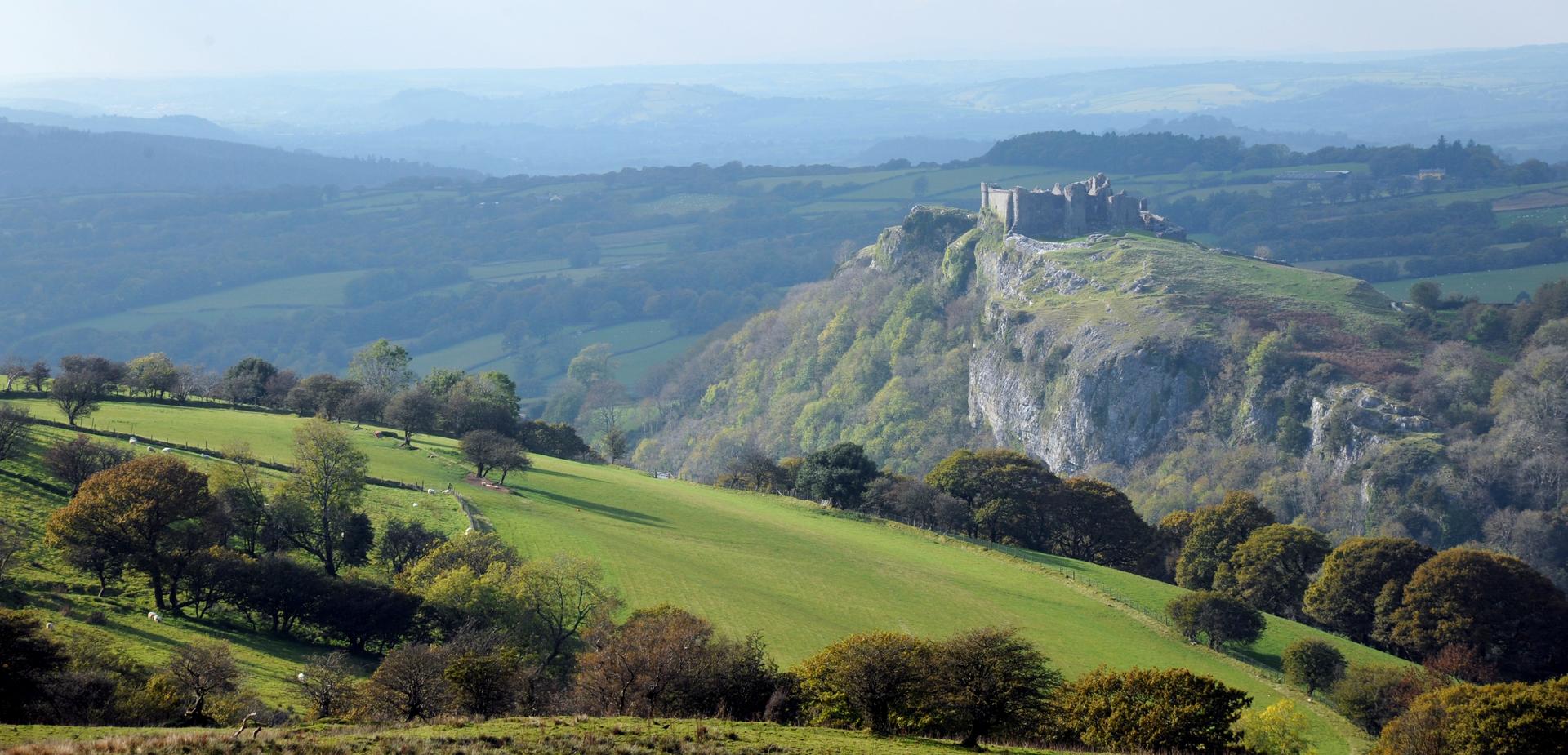
Looking beyond Outer Head? Discover Carmarthenshire for broader travel guides, local hot-spots, and regional highlights.
Explore Carmarthenshire