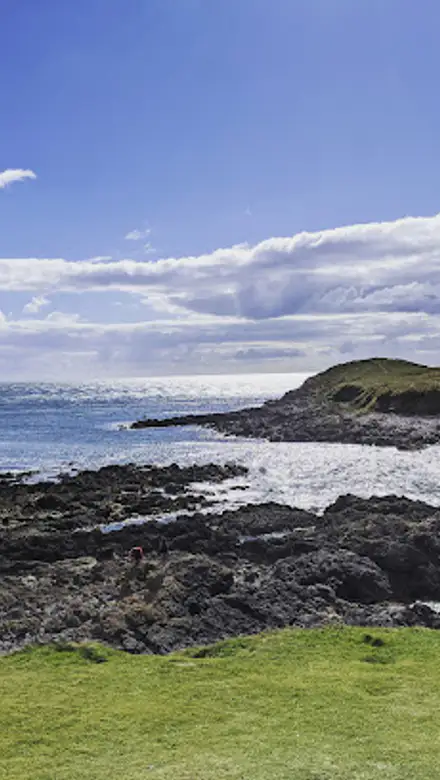
Burry Holms Travel Guide
Free Guide: Discover Burry Holms, a tidal island rich in ancient history and stunning coastal views at the northern end of Rhossili Bay.


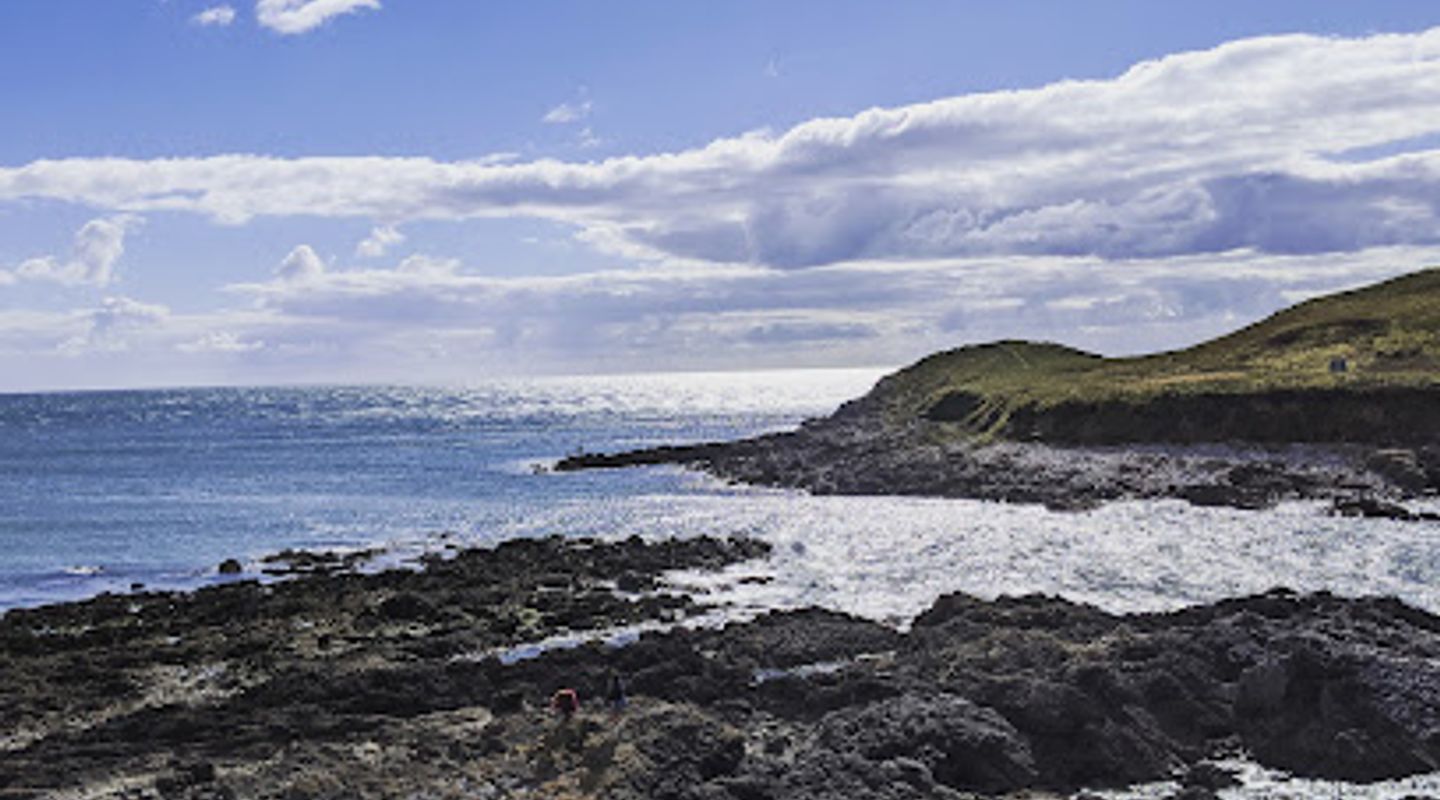
A brief summary of Burry Holms
Discover Burry Holms, a tidal island rich in ancient history and stunning coastal views at the northern end of Rhossili Bay.
Burry Holms is a small tidal island at the northern end of Rhossili Bay on the Gower Peninsula, Wales. Known for its rich archaeological history, it features Mesolithic stone tools, Bronze Age burial mounds, and Iron Age fortifications. Accessible only around low tide, it offers visitors dramatic coastal views, ruins of a 6th-century chapel, and a unique natural environment blending history with scenic beauty.
On-site amenities
 Restrooms
 Food options
 Drink options
 Seating areas
 Trash bins
 Information boards
- Address
- SA3 1JL
Getting there
Walking
Car
Public Transport
Discover more about Burry Holms
Ancient Roots and Archaeological Significance
Burry Holms is steeped in history, with evidence of human activity dating back to the Mesolithic period. Archaeological finds include microliths—small stone spear points used by Stone Age hunters—indicating the island was once a vital hunting and fishing camp. The island's lower sea levels during that era meant it was not an island but a prominent inland hill, ideal for early settlers. Later periods left their mark as well, including a Bronze Age burial mound and an Iron Age fort complete with defensive ditches and banks. These layers of history reveal Burry Holms as a place of continuous human presence and strategic importance over millennia.
Medieval Heritage and Religious Remnants
Among Burry Holms’ most evocative features are the ruins of St. Cennydd's Chapel, dating back to the 6th century. This small chapel offers a glimpse into the island’s medieval spiritual life and is a poignant reminder of the island’s role beyond just a natural landmark. The chapel ruins sit quietly amid the wild landscape, inviting reflection on the centuries of worship and solitude experienced here.
Natural Environment and Coastal Landscape
Situated at the northern tip of Rhossili Bay, Burry Holms is a tidal island accessible only during low tide, approximately 2.5 hours before and after. Its limestone composition and grassy terrain create a striking contrast against the expansive sandy beach and the iconic Worms Head peninsula nearby. The island’s elevated position, reaching about 30 meters (98 feet), offers panoramic views of the bay and surrounding coastline, making it a favorite spot for scenic walks and nature observation. Seabirds and seasonal wildflowers add to the island’s tranquil and vibrant atmosphere.
Visitor Experience and Practical Considerations
Visitors to Burry Holms should plan their visit around the tides to safely access the island on foot from Llangennith Beach. The walk across sand dunes and beach terrain requires suitable footwear and awareness of tidal times to avoid being stranded. Facilities are limited on the island itself, with basic amenities such as restrooms and cafes available at nearby Llangennith Beach car parks. The island’s exposed location means weather conditions can change rapidly, so preparation for wind and rain is advisable.
Cultural and Scenic Importance Today
Today, Burry Holms is cherished both for its archaeological treasures and its natural beauty. It forms part of the Wales Coast Path and is a quieter alternative to the more visited Worms Head. The island’s unique blend of history, geology, and coastal vistas offers an immersive experience for those interested in cultural heritage and the outdoors. It remains a place where visitors can connect with the ancient past while enjoying the serene rhythms of the sea.
Preservation and Access Challenges
As a tidal island with significant archaeological sites, Burry Holms requires careful management to protect its fragile heritage and environment. The limited access window imposed by tides helps minimize human impact, but visitors are encouraged to respect the site by following Leave-No-Trace principles. Conservation efforts focus on preserving both the visible ruins and the subtle traces of prehistoric life embedded in the landscape.
Evendo Review Centre
 Google
Guest reviews
Best time to go
Quietest: Jan, Feb & Dec · before 6am or at 8pm
Busy times are Evendo estimates for a typical year, to help you plan. Actual crowds vary with events, school holidays and the weather.
Explore Burry Holms on the map
A handpicked selection of must-see spots near Burry Holms, mapped for you.
Get your free copy of our complete guide to Burry Holms, delivered straight to you.
Everything on this page, from opening hours and how to get there to Eve’s tips and the best time to go, in one PDF you can read offline, print or share.
Already have an account? Sign in
Your Burry Holms guide is ready.
We'll send it to · Not you? Sign out

Getting your guide ready…
We are putting together a fresh copy of the Burry Holms guide. This can take up to a minute.
This can take a few moments. If your browser asks, choose Allow so the download can start. You'll find the guide in your Downloads folder.
Nothing happened? Download it again
Sorry, the guide is taking longer than usual. Please try again in a minute, or get it by email instead.
Other nearby places you may find interesting
The closest places of the same kind, if this one is not quite what you had in mind.
-
-
-
-
-


Swipe for more places
More to explore near Burry Holms

 Best experiences near Burry Holms
 Best hotels near Burry Holms
 Best landmarks near Burry Holms
 Best attractions near Burry Holms
 Best shops near Burry Holms
 Best restaurants near Burry Holms
 Best bars near Burry Holms
Do you manage this location?
Take control to get all the benefits, like improved information, better appearance, and stronger visibility across AI-powered discovery.
Explore more

Explore more of West Glamorgan
Discover West Glamorgan: Wales’ hidden gem with stunning coastlines, historic landmarks, and vibrant city life in Swansea. An ideal mix of nature, culture, and history.
Explore West Glamorgan
Explore more of United Kingdom
Discover the United Kingdom: A blend of rich history, stunning landscapes, and vibrant cities, offering a unique travel experience for every visitor.
Explore United Kingdom