

Northgate Street & Little Abbey Gateway, Chester
Historic crossroads where medieval Gothic gateway meets Georgian Chester’s vibrant city life and heritage.
Northgate Street & Little Abbey Gateway form a historic crossroads in Chester, England, rich with medieval and Georgian heritage. The Little Abbey Gateway, dating from the 14th century, once served as an entry to the Abbey of St Werburgh, blending Gothic architecture with later additions. Nearby, Northgate Street features Georgian architecture and marks a key route through Chester’s city centre, connecting visitors to landmarks like Chester Cathedral and the city walls.
A brief summary to Northgate St & Little Abbey Gateway
- Chester, CH1 2HT, GB
- Duration: 0.5 to 2 hours
- Free
-
 Outdoor
- Mobile reception: 4 out of 5
Local tips
- Visit during daylight hours to fully appreciate the intricate Gothic stonework of the Little Abbey Gateway.
- Combine your visit with nearby Chester Cathedral and the city walls for a comprehensive historic experience.
- Bring a camera—the gateway and Northgate Street offer excellent photo opportunities with their mix of medieval and Georgian architecture.
- Explore the local shops and cafes along Northgate Street to enjoy Chester’s lively urban atmosphere.

For the on-the-go comforts that matter to you
- Restrooms
- Drink Options
- Food Options
- Seating Areas
- Information Boards
Getting There
-
Bus
Take Chester’s city bus services from the main bus station to stops near Northgate Street, with a journey time of approximately 10–15 minutes. Buses run frequently during the day, with tickets costing around £2–£3. Note that services reduce in frequency in the evenings and on Sundays.
-
Train
Arrive at Chester Railway Station, about 1.5 km from Northgate Street. From there, a 20-minute walk along flat, paved streets leads you to the location. Taxis are also available outside the station for a 5-minute ride costing approximately £5–£7.
-
Car
Driving to Chester city centre is possible, but parking near Northgate Street is limited and often metered. Expect to pay £2–£4 per hour in nearby car parks. Traffic congestion can occur during peak hours, so plan accordingly.
Northgate St & Little Abbey Gateway location weather suitability
-
 Any Weather
-
 Rain / Wet Weather
-
 Clear Skies
-
 Mild Temperatures
Discover more about Northgate St & Little Abbey Gateway
A Medieval Portal to Chester’s Religious Heritage
The Little Abbey Gateway, standing prominently on Northgate Street, is a striking relic from the 14th century that once served as an entrance to the Abbey of St Werburgh. This gateway reflects Chester’s deep ecclesiastical roots, linking the city’s medieval past with its present. The gateway’s Gothic arched structure, originally built around 1300, was later enhanced with an upper floor added approximately 500 years after its initial construction. This blend of architectural eras embodies Chester’s history of economic fluctuations and restoration efforts.Northgate Street: A Georgian Thoroughfare with Historic Layers
Northgate Street itself is a vital artery in Chester’s city centre, lined with Georgian buildings that showcase the city’s architectural evolution. The street has long been a bustling commercial and social hub, connecting key landmarks such as the Chester Cathedral and the city’s famous walls. The intersection at Northgate Street and the Little Abbey Gateway is not only a crossroads in the physical sense but also a meeting point of Chester’s layered history, from medieval ecclesiastical power to Georgian urban development.Architectural Significance and Preservation
The Little Abbey Gateway is listed on the National Heritage List for England, highlighting its importance as a preserved historic structure. The gateway’s Gothic arches and stonework are emblematic of the religious and civic architecture of medieval Chester. Nearby, Northgate Street’s Georgian architecture, including buildings designed by notable architects like Joseph Turner, adds to the area’s heritage value. Turner’s work in the late 18th century, including the construction of the Northgate in 1793, aimed to regulate traffic and maintain the city’s historic character.Atmosphere and Visitor Experience
Visitors to this crossroads experience a palpable sense of history, where centuries-old stonework meets lively urban life. The gateway’s photogenic qualities and the street’s vibrant shops and cafes create a dynamic blend of past and present. The proximity to Chester Cathedral and the city walls invites exploration of the wider historic district, while the gateway itself offers a quiet moment to reflect on Chester’s medieval ecclesiastical prominence.Historical Context and Cultural Legacy
The Abbey of St Werburgh, associated with the gateway, was a Benedictine monastery that played a central role in Chester’s religious and social life until the Reformation. The gateway stands as a testament to the abbey’s influence and the city’s medieval prosperity. Over time, the gateway and Northgate Street have witnessed Chester’s transformation through periods of decline and revival, preserving the city’s unique architectural and cultural heritage.Connecting Past and Present in Chester’s Urban Fabric
Today, Northgate Street & Little Abbey Gateway serve as a vital link between Chester’s historic core and its modern identity. The site is a focal point for understanding the city’s development from a medieval religious centre to a Georgian commercial hub. Its enduring presence invites visitors to engage with Chester’s rich history while enjoying the vibrant atmosphere of one of England’s most charming historic cities.Iconic landmarks you can’t miss

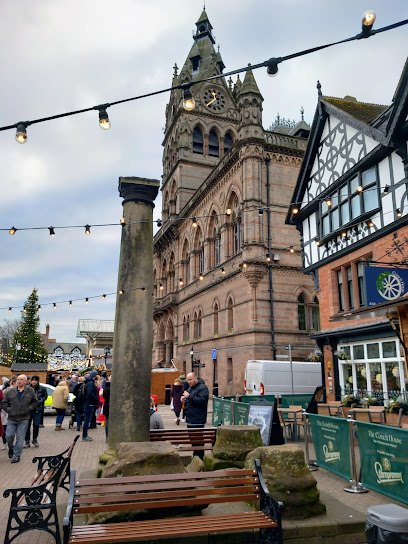
Ancient Roman Columns, Chester
0.1 km
Roman column bases marking Chester's legacy as a major legionary fortress and potential capital of Britannia.
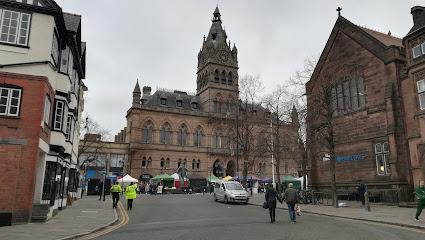
Chester Town Hall
0.1 km
A stunning Victorian Gothic Revival landmark, Chester Town Hall is the historic heart of Chester’s civic and cultural life.
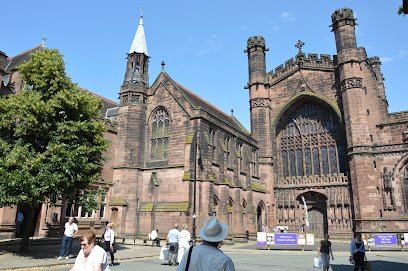
Chester Visitor Information Centre
0.1 km
Explore Chester's rich history and vibrant culture at the Visitor Information Centre, your essential resource for navigating this historic city.
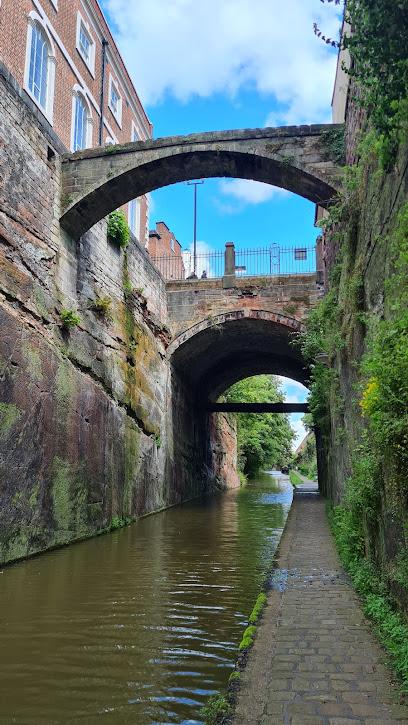
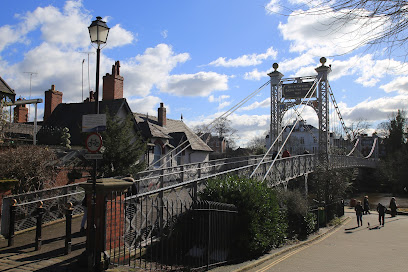
Bridge Of Sighs
0.1 km
A haunting 1793 stone bridge where condemned prisoners took their final steps before execution—Chester's most poignant historical crossing.
Chester War Memorial
0.2 km
A solemn neo-medieval tribute to fallen soldiers, unveiled in 1922 within Chester Cathedral's historic grounds.
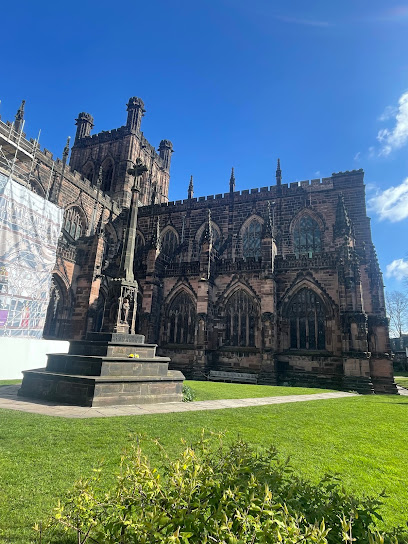
Chester Cross
0.3 km
Medieval heart of Chester where Roman streets meet Tudor architecture and civic tradition.
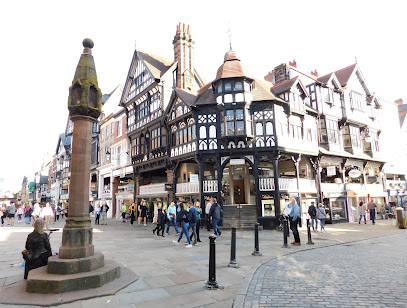
Crypt Chambers
0.3 km
Medieval crypt meets Victorian Gothic Revival in Chester's most architecturally significant commercial building.
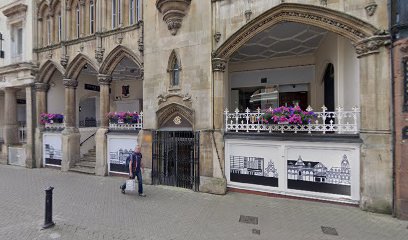
Pemberton's Parlour
0.3 km
Explore Pemberton's Parlour, a striking red sandstone tower on Chester’s historic city walls, revealing centuries of medieval and Victorian heritage.
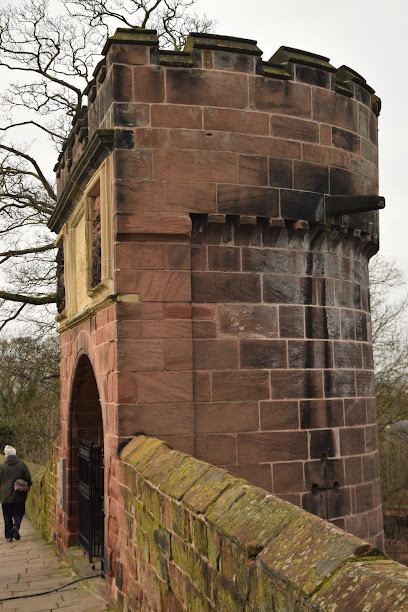
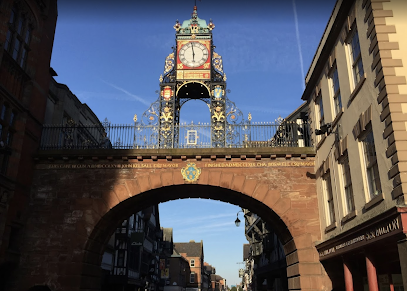
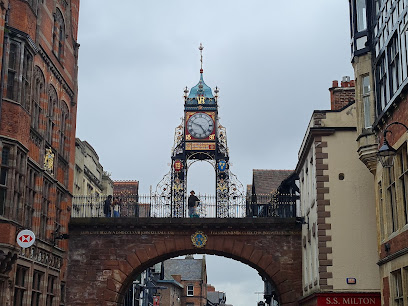
Eastgate Clock
0.3 km
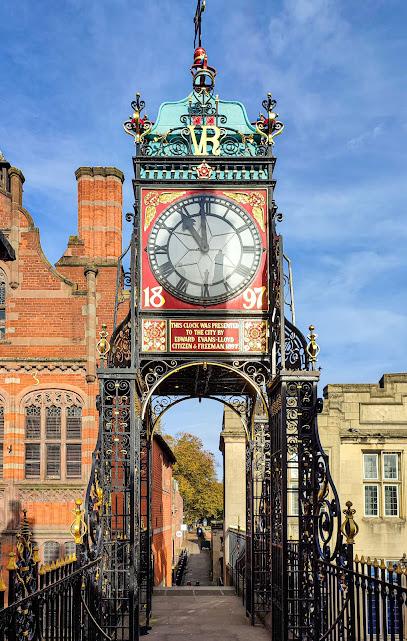
A Victorian clock atop a Roman gateway, Eastgate Clock is Chester’s most iconic meeting point and one of England’s most photographed timepieces.
Bonewaldesthorne's Tower
0.4 km
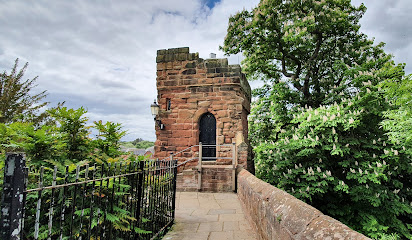
Medieval gatehouse controlling Chester's western defenses, standing sentinel on Britain's most complete city walls.
Roman South East Corner Tower
0.5 km
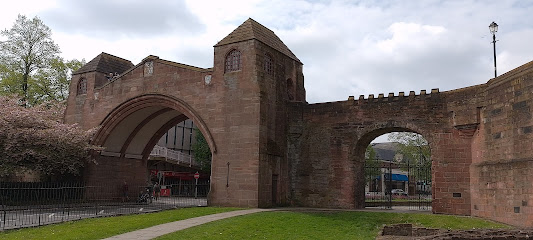
Explore the enduring Roman South East Corner Tower, a sentinel of Chester’s ancient fortress and a testament to Roman military engineering.
Wishing Steps
0.7 km
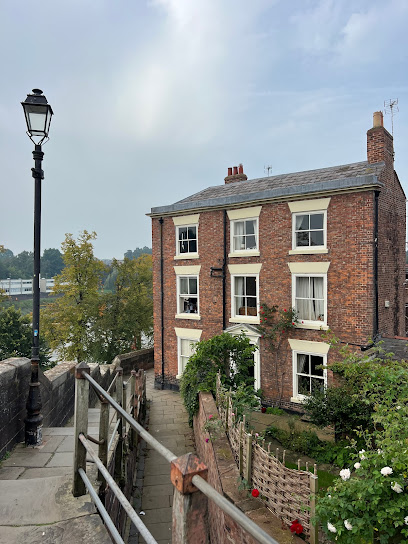
Historic stone steps at Chester’s medieval walls where wishes come true through a charming local tradition.
Bridge Gate and Old Dee Bridge
0.8 km
Historic medieval gateway and ancient stone bridge spanning the scenic tidal River Dee in Chester’s charming riverside setting.
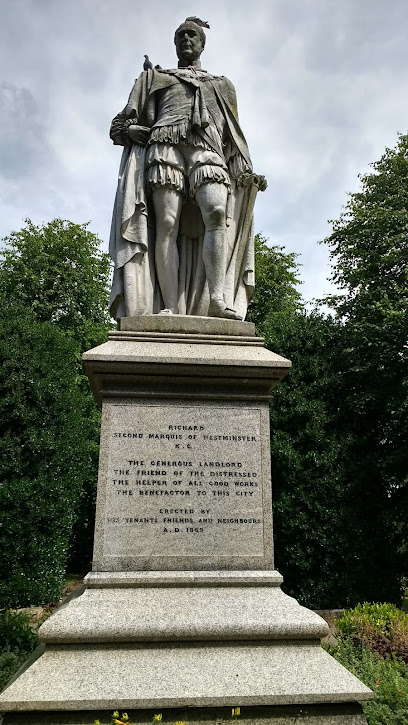
Statue of Richard Grosvenor, Second Marquess of Westminster
0.8 km
Discover the monumental Statue of Richard Grosvenor in Chester, a testament to history and artistry surrounded by the charm of this ancient city.
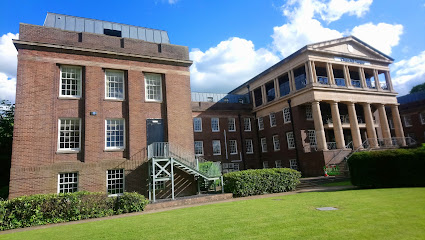
Churchill House
0.9 km
A vibrant academic landmark on Chester’s Queen’s Park campus, blending historic charm with modern learning and scenic riverside views.
Unmissable attractions to see

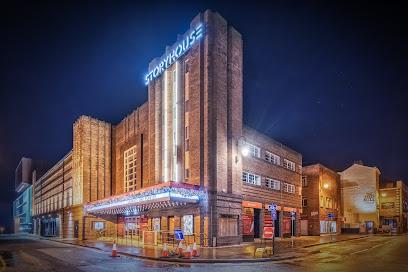
Storyhouse
0.0 km
Chester’s vibrant cultural hub blending theatre, cinema, library, and community in a stunning Art Deco setting.
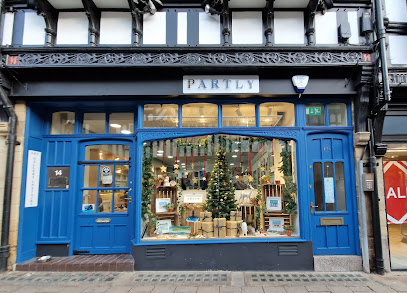
Partly
0.0 km
Chester Market blends local tradition and global flavors in a vibrant, accessible space with award-winning design and community spirit.
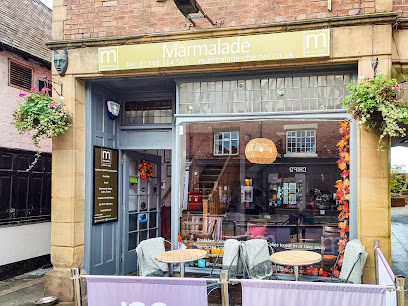
Marmalade
0.1 km
Chester’s cozy café serving generous gluten-free breakfasts and specialty coffees in a friendly, welcoming atmosphere.
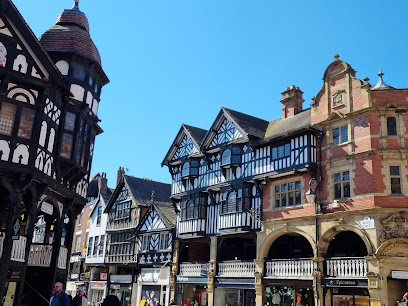
Chester City Streets
0.1 km
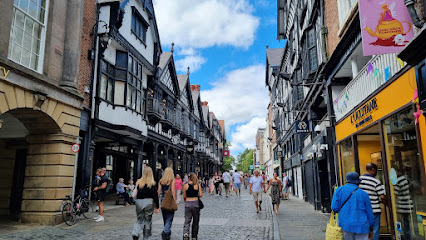
Step into Chester’s historic heart, where Roman foundations meet Tudor Rows and centuries of stories unfold along cobbled lanes and half-timbered streets.
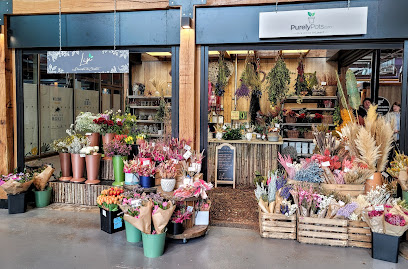
Chester Market
0.1 km
Discover Chester Market’s vibrant mix of local produce, global flavors, artisan crafts, and lively community spirit in a modern, accessible setting.
Chester Town Hall Square
0.1 km
Historic Chester Town Hall Square offers stunning Gothic Revival architecture and a lively cultural hub in the heart of Chester.
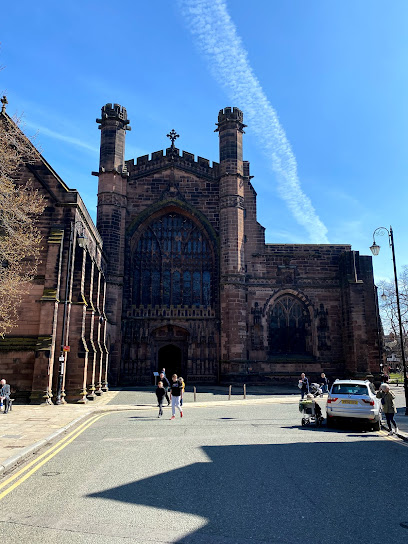
Chester Free Walking Tours
0.1 km
Explore Chester’s rich history and iconic landmarks on a free, expert-led walking tour through the heart of this ancient city.
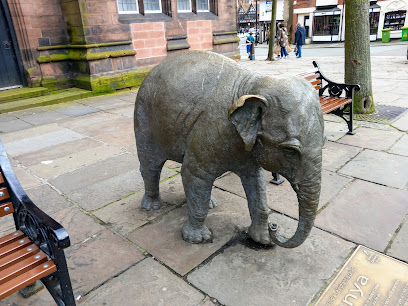
Statue of Janya - the Baby Elephant
0.1 km
A lifelike bronze baby elephant statue symbolizing life, friendship, and Chester’s bond with its zoo, nestled in the historic city center.
Town Hall
0.1 km
Explore Chester Town Hall, a majestic 19th-century Gothic Revival masterpiece and vibrant civic hub in the heart of historic Chester.
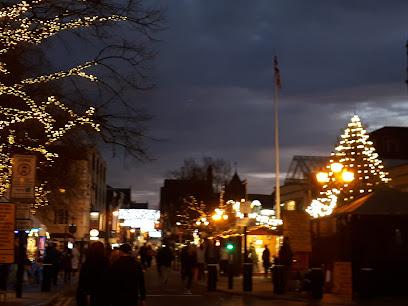
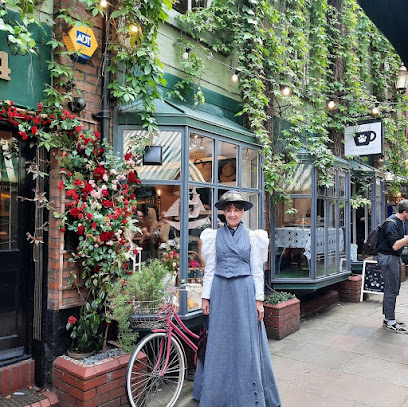
Edwardian Lady Tour
0.1 km
Discover Chester’s Edwardian charm on a captivating walking tour led by a guide in authentic period costume with exclusive Town Hall access.
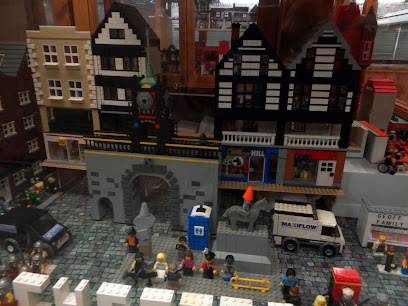
Chester In Lego
0.1 km
Explore Chester’s iconic landmarks reimagined in vibrant Lego bricks at this interactive, family-friendly exhibit in Market Exchange Square.
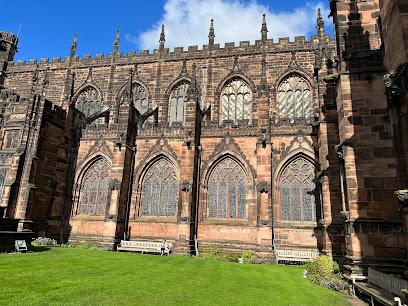
Chester Cathedral
0.1 km
Discover Chester Cathedral’s timeless blend of medieval grandeur, vibrant worship, and breathtaking views atop its historic tower.
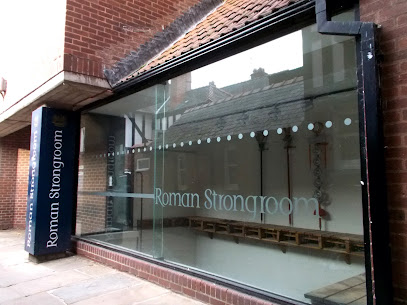
Roman Strongroom
0.2 km
Explore Chester’s Roman Strongroom, a free historic site revealing ancient Roman military architecture and the city’s rich heritage.
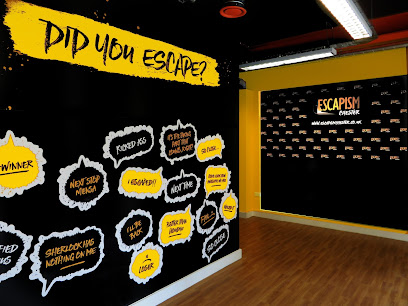
Escapism Chester
0.2 km
Dive into Chester’s top escape room with immersive puzzles, captivating themes, and expert hosts for an unforgettable adventure.
Chester City Walls
0.2 km
Walk Britain’s most complete city walls for panoramic views over Chester’s historic centre, cathedral, Roman amphitheatre and the River Dee.
Essential places to dine

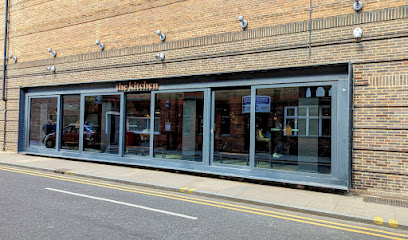
The Kitchen
0.0 km
A vibrant Western-style eatery at Chester’s Storyhouse, blending seasonal local cuisine with a lively cultural atmosphere.
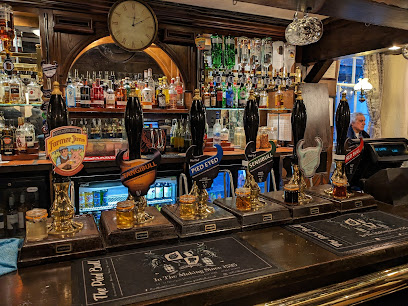
Pied Bull Restaurant
0.0 km
Historic Tudor inn and lively pub in Chester’s city centre, offering hearty British fare and charming accommodation steeped in character.
North Light Chester
0.1 km
A vibrant, stylish restaurant on Chester’s Northgate Street offering fresh, flavorful dishes in a lively, contemporary setting.
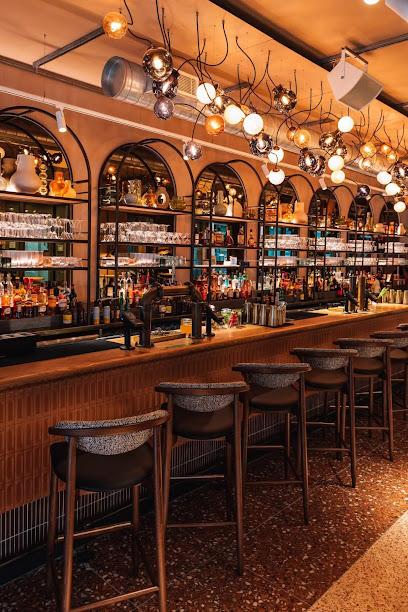
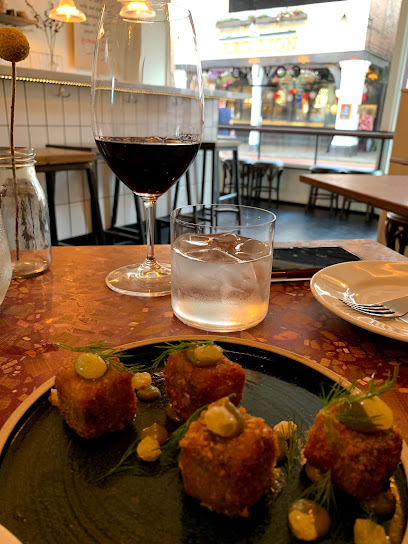
Covino
0.1 km
Discover Covino, Chester’s intimate wine bar pairing exceptional organic wines with inventive small plates in a cozy, historic setting.
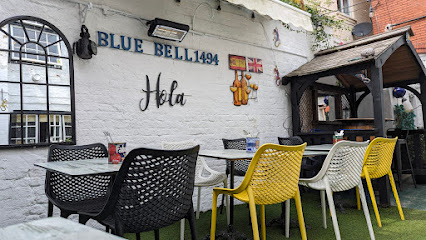
Blue Bell
0.1 km
Experience authentic Spanish tapas in a historic 15th-century setting at The Blue Bell 1494, Chester’s charming culinary gem.
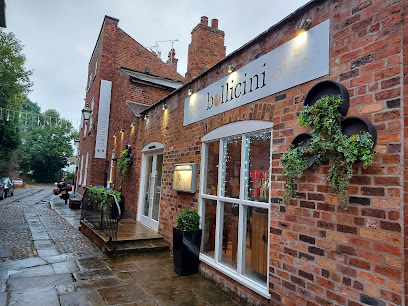
Bollicini
0.1 km
Experience authentic Italian cuisine and stylish Milanese-inspired dining in the heart of Chester’s historic city centre.
Chez Jules in Chester
0.1 km
Historic French bistro in a converted fire station, celebrated for seasonal cuisine and outstanding value.
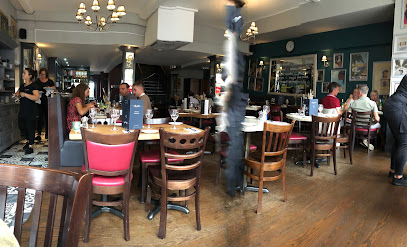
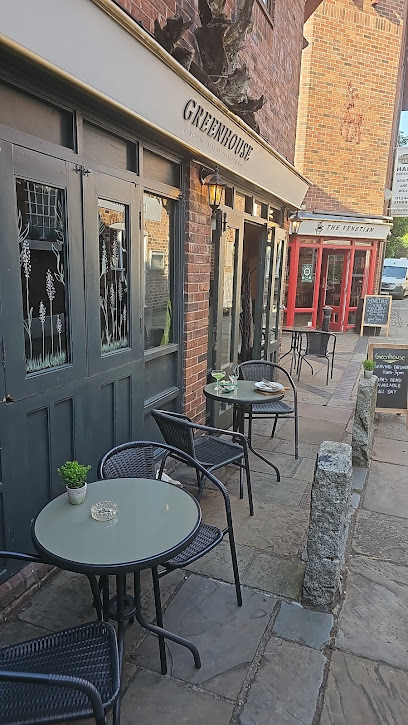
Green House
0.1 km
A stylish Chester tapas restaurant blending gourmet small plates, inventive cocktails, and warm hospitality in a modern setting.
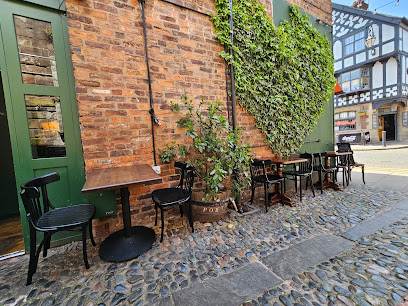
Porta Wine & Tapas Bar
0.1 km
Authentic Spanish tapas and vibrant atmosphere in the heart of Chester’s historic district.
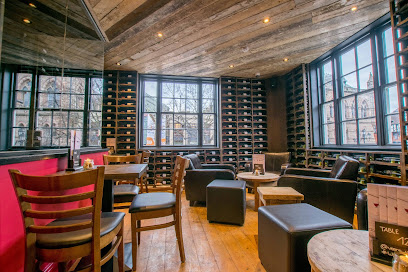
Veeno Chester
0.1 km
Discover authentic Italian flavors at Veeno Chester – where exquisite wine meets delectable cuisine in a charming atmosphere.
The Botanist Chester
0.2 km
Experience the vibrant atmosphere at The Botanist Chester - where delicious food meets live music in a beautifully designed setting.
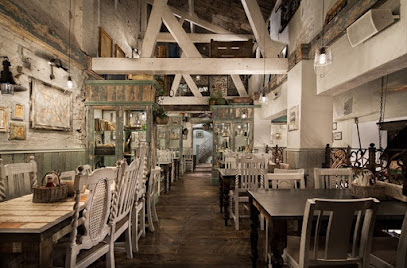
Duttons
0.2 km
Chester’s stylish modern European bistro blending classic charm with fresh seasonal cuisine and vibrant cocktails in a cozy, elegant setting.
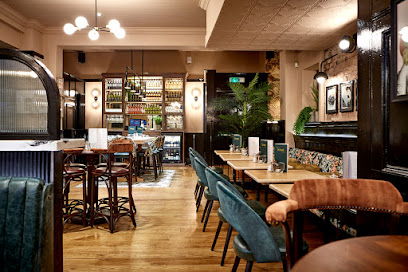
Ristorante Sergio
0.2 km
Cozy Italian dining with authentic flavors and friendly service in the heart of Chester’s historic district.
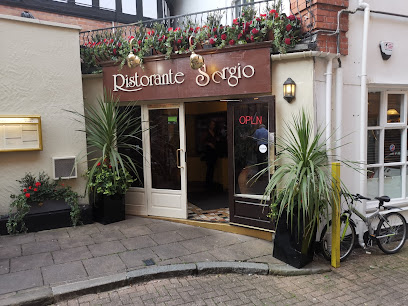
Frodsham's Grill Chester
0.3 km
Authentic Mediterranean and Turkish charcoal-grilled delights served in a welcoming Chester setting with attentive service and a lively atmosphere.
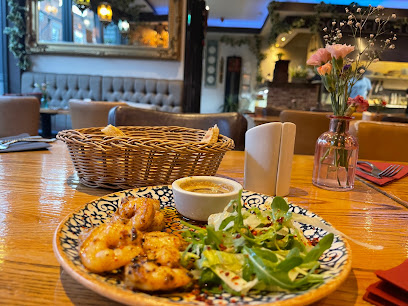
Shrub
0.3 km
Innovative vegan dining with Mediterranean and East Asian flair in Chester’s iconic Eastgate Row, featuring creative cocktails and a relaxed urban pastoral vibe.
Markets, malls and hidden boutiques

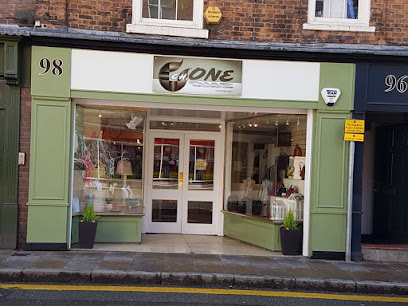
CH.ONE
0.0 km
Discover quirky, stylish bargains at CH.ONE, a unique ladies' clothing boutique in the heart of Chester's vibrant Northgate Street.
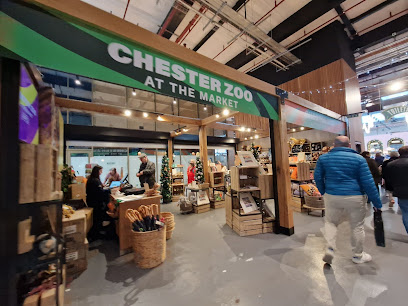
Chester Zoo at The Market
0.1 km
Discover unique wildlife gifts and support global conservation at Chester Zoo’s vibrant market stall in the heart of Chester.
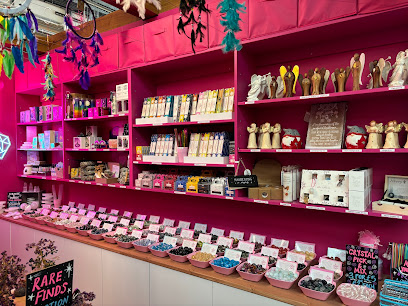
The Crystal Hut New Chester Market
0.1 km
Discover the vibrant world of healing crystals and spiritual gifts at The Crystal Hut, Chester’s colorful gem in Exchange Square market.
The Gift Shop
0.1 km
Unique gifts and novelties in the heart of historic Chester's medieval city center.
The Mug Doctor
0.2 km
Chester's specialist mug retailer offering personalized drinkware and quirky gift finds.

Lily Vintage Boutique
0.2 km
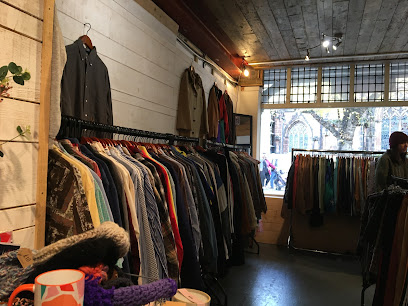
Discover timeless style and unique vintage fashion at Lily Vintage Boutique in Chester’s historic St Werburgh Street.
Foxy Frox Boutique
0.2 km
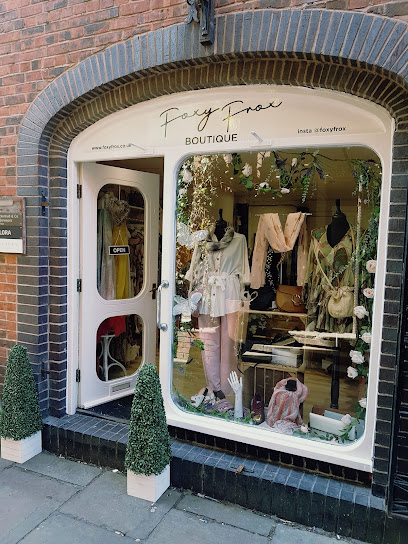
A stylish women’s clothing boutique in Chester’s historic center, offering contemporary fashion with a personal touch and a relaxed, independent vibe.
The 2nd Floor Independent Shop
0.3 km
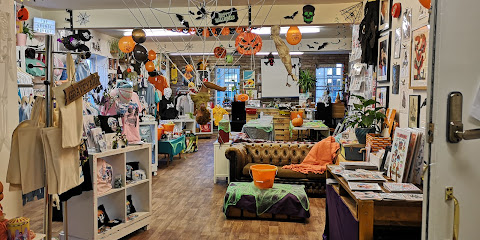
Discover quirky, unique fashion and gifts with friendly service in Chester’s charming independent boutique on Upper Northgate Street.
Harriet & Dee
0.3 km
Charming boutique gift and baby shop in Chester’s historic Watergate Street, known for unique presents and friendly service.
Reminis
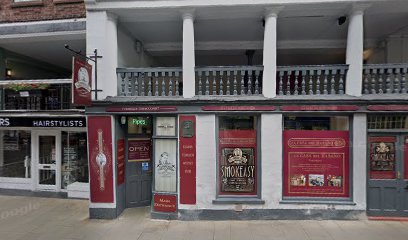
0.3 km
Explore Chester's hidden gem, Reminis Gift Shop, for unique souvenirs and local artisan treasures that capture the essence of your visit.
Menkind
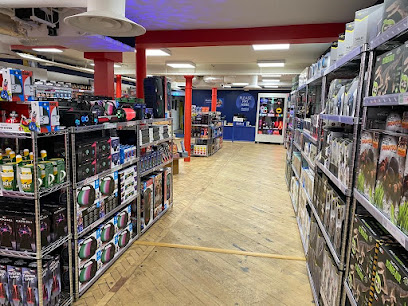
0.3 km
Discover quirky gifts, gadgets, and tech accessories for men and boys in the heart of Chester’s historic shopping district.
Elephant
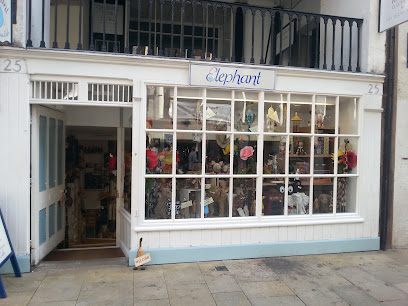
0.3 km
Explore Chester's Elephant Gift Shop for unique, handcrafted gifts that celebrate local artistry and charm.
NICHOLS
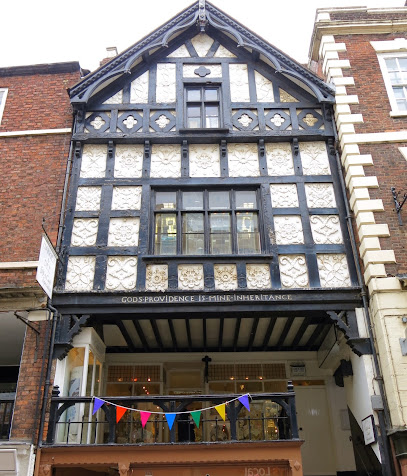
0.3 km
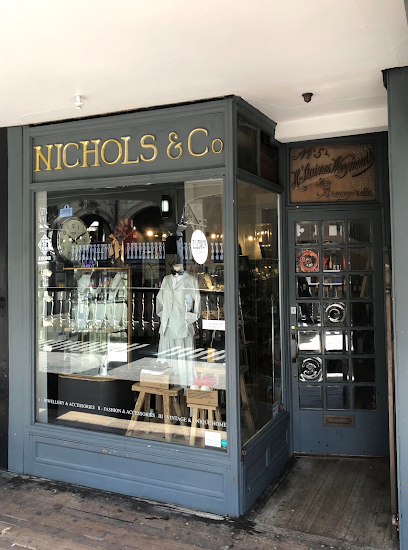
Discover Nichols, Chester’s quirky boutique blending unique ladies’ fashion with antique treasures in a charming historic setting.
Fifi Bambu
0.3 km
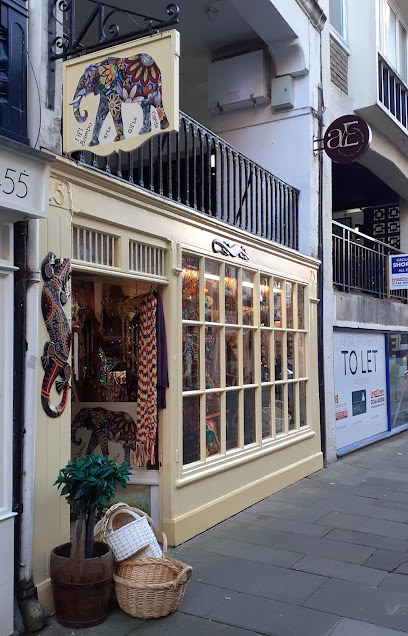
Discover the magic of Chester’s Watergate Street through Fifi Bambu, a charming gift shop filled with unique treasures and enchanting finds.
Rainforest
0.3 km
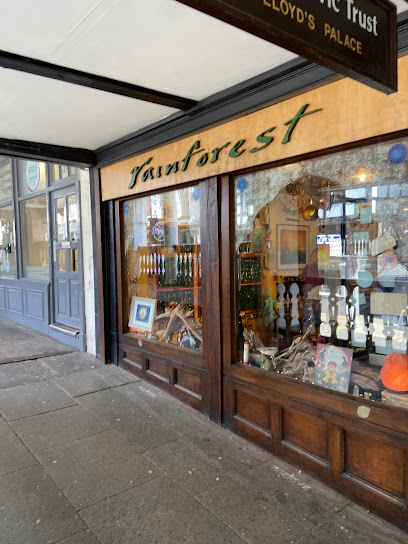
Discover Chester’s serene spiritual gift shop with crystals, mindfulness tools, and warm hospitality at Rainforest on Watergate Street.
Essential bars & hidden hideouts

Music Hall Tap
0.2 km
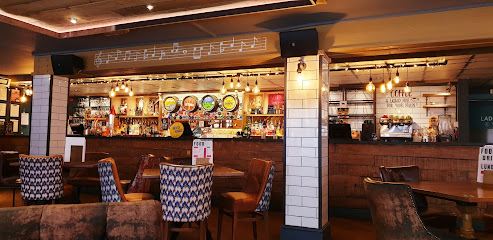
Chester’s lively craft beer pub with rustic charm, live sports, and a vibrant social scene in the heart of the city.
Metronome Jazz Bar
0.2 km
Chester’s intimate jazz bar with live piano, vinyl classics, and a warm, candlelit atmosphere for a perfect night out.
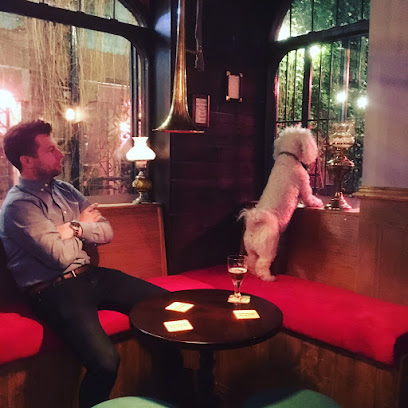
Watergates Bar
0.3 km
Historic 12th-century crypt pub in Chester city centre, serving classic British fare and real ales in a lively, family-friendly atmosphere.
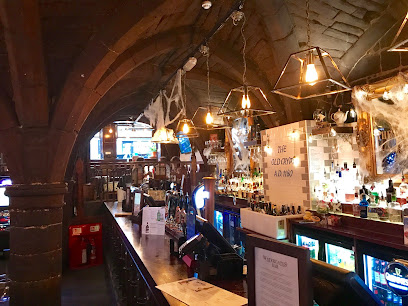
City Tavern
0.3 km
Historic Chester pub blending traditional charm with lively entertainment, great food, and a vibrant community atmosphere.
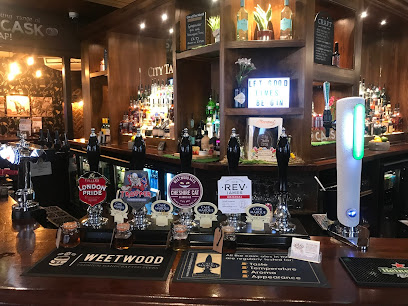
Palm Cocktail Bar & Eatery
0.3 km
Chester’s vibrant cocktail bar with expertly crafted drinks, lively atmosphere, and friendly service on historic Watergate Street.
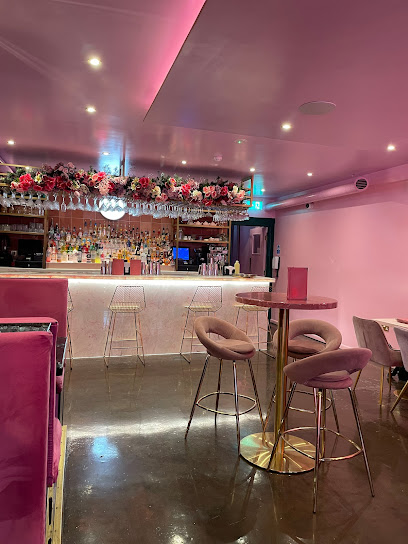
Havana Chester
0.3 km
Lively Cuban-inspired bar and restaurant on Chester’s historic Watergate Street, offering vibrant music, tapas, and creative cocktails.
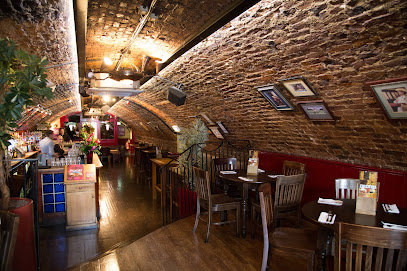
Prohibition
0.3 km
Step into Chester’s Prohibition for expertly crafted cocktails and a vibrant 1920s speakeasy vibe in a cozy, intimate setting.
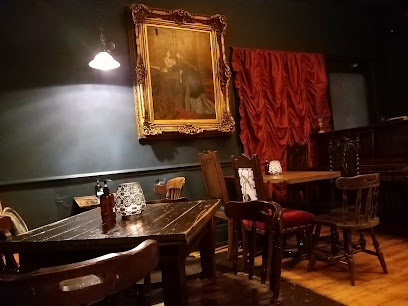
The Guild Chester
0.3 km
Chester’s stylish cocktail bar and live music venue with two bars, terrace, and a vibrant yet intimate atmosphere.
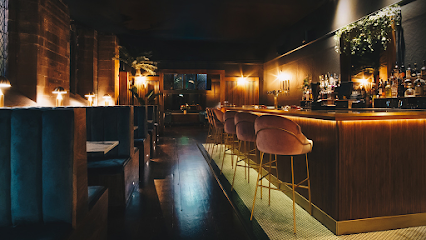
Commonhall Street Social
0.4 km
A cozy, dog-friendly bar with craft beers, delicious food, and a lively outdoor terrace in the heart of Chester’s city centre.
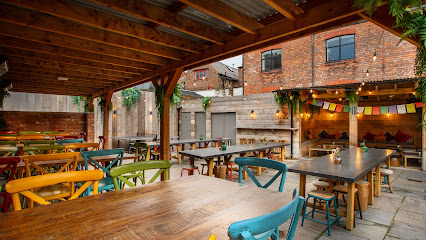
BarLounge - Chester
0.4 km
Chester’s premier lounge bar blending refined comfort food with creative cocktails in a stylish, welcoming setting.
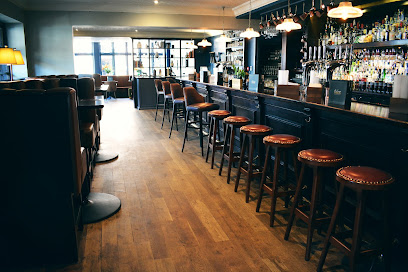
Red Door
0.4 km
Vibrant late-night cocktail bar and restaurant in Chester’s city center, known for creative drinks and lively music.
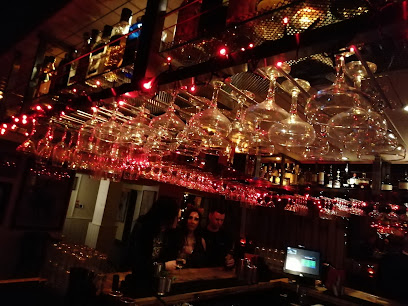
Slug & Lettuce - Chester
0.4 km
Lively cocktail bar and restaurant on Chester’s historic Bridge Street, blending vibrant social vibes with diverse food and drink offerings.
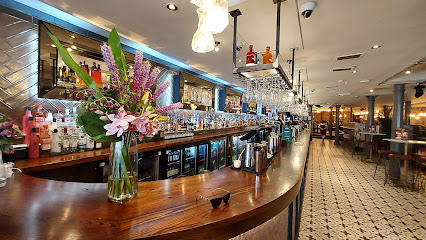
The Cavern of the Curious Gnome
0.4 km
A cozy upstairs bar in Chester famed for its curated Belgian ales, continental lagers, and British craft beers paired with classic comfort food.
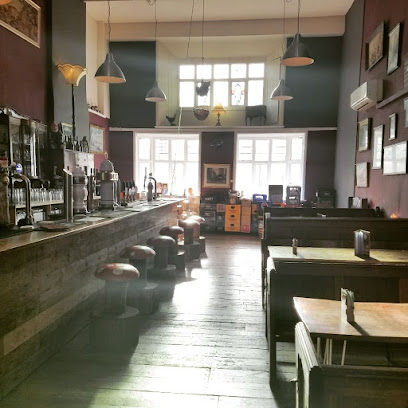
Paysan
0.4 km
Chester’s cozy wine bar with 200+ wines downstairs and a vibrant beer cellar upstairs, perfect for relaxed evenings and casual gatherings.
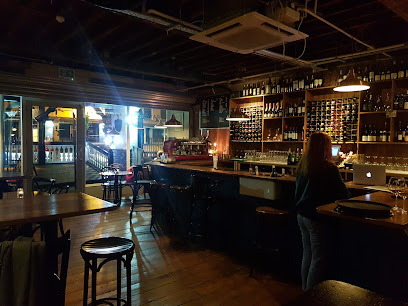
The Church Chester Bar & Restaurant
0.5 km
Historic church turned vibrant bar and restaurant in Chester, blending classic charm with modern dining and lively atmosphere.
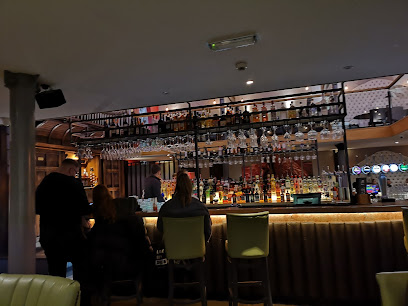
Nightclubs & after hour spots

Rosies - Chester
0.2 km
Experience Chester’s vibrant nightlife at Rosies, a multiroom club with rooftop terrace, VIP lounges, and cutting-edge sound over three lively floors.
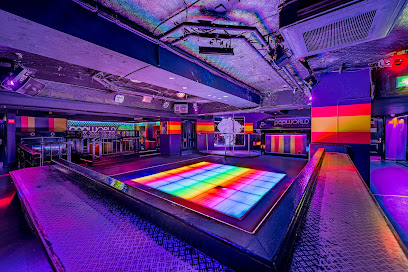
Chester City Club
0.3 km
Experience Chester’s vibrant nightlife at City Club, where modern beats meet historic charm in the heart of St Peters Churchyard.
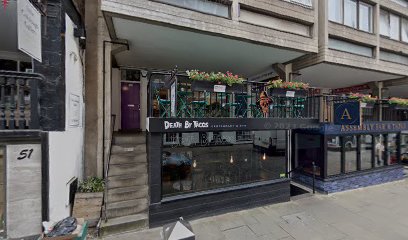
Cruise
0.4 km
A multi-floor nightclub in Chester offering vibrant music, premium drinks, and lively nightlife across seven bars.
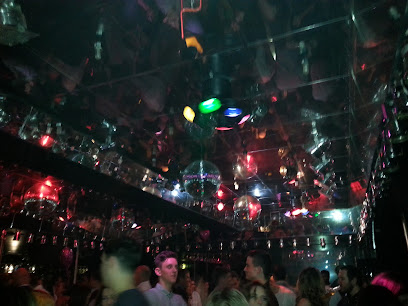
BONOBO Bar & Canteen
0.5 km
A vibrant two-floor bar and canteen in Chester blending American eats, cocktails, video games, and lively music for a unique nightlife experience.
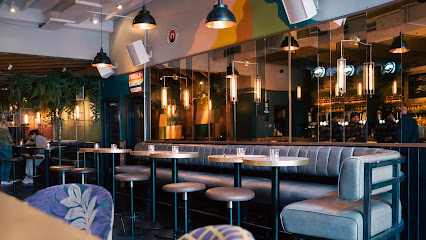
The Live Rooms
0.8 km
Discover Chester's vibrant nightlife at The Live Rooms, where live music, comedy, and unforgettable experiences await.
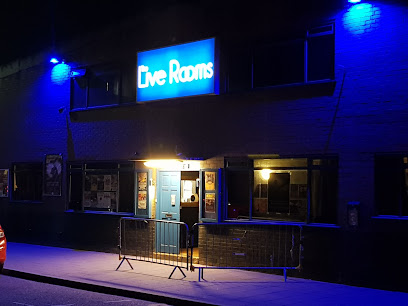
Mandy & Graham’s
2.3 km
Experience Chester’s vibrant nightlife at Mandy & Graham’s, where pulsating beats and lively crowds create unforgettable party nights.
Ewloe Social and Community Club Ltd
10.9 km
Experience the heart of Deeside at Ewloe Social and Community Club, where fun, games, and community spirit come together.
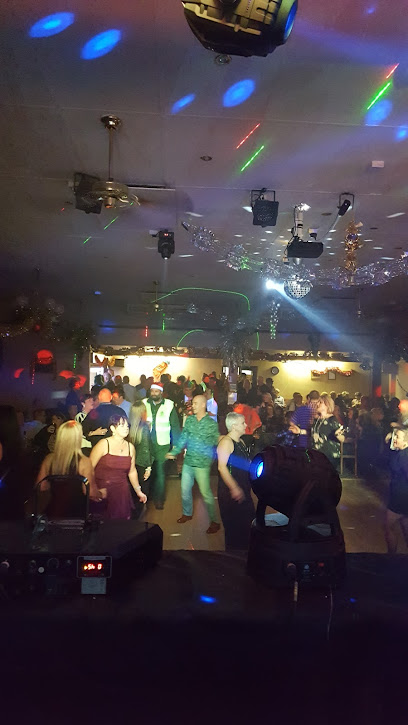
North Wales Celebrations Wedding & Party Disco DJ
16.8 km
Elevate your celebrations with North Wales Celebrations - the premier mobile disco DJ service for unforgettable weddings and parties.
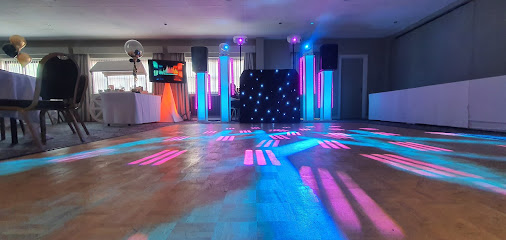
Bryn Griffiths W M Social Club
16.9 km
Discover the vibrant community spirit at Bryn Griffiths W M Social Club in Mold, where fun meets fellowship and local culture thrives.
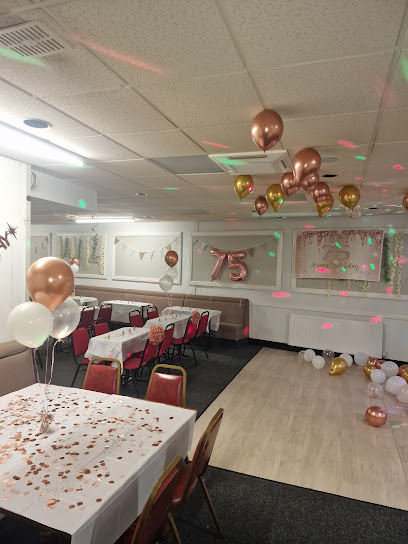
Flint Royal British Legion Social Club
17.3 km
A welcoming social hub in Flint supporting veterans and community through camaraderie, remembrance, and local events.
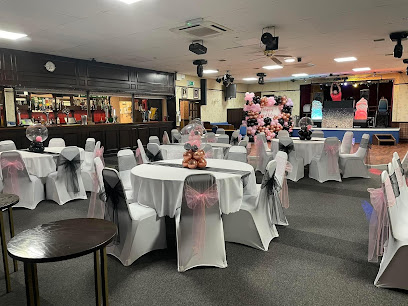
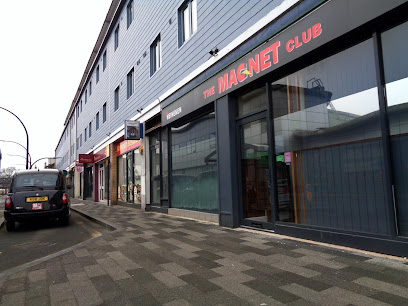
The Magnet Club
17.5 km
Wrexham’s independent venue since 1984, The Magnet Club blends live music, sports, and social games in a welcoming, refurbished space on King Street.
The Establishment
21.6 km
A vibrant Widnes nightclub offering lively events, friendly staff, and a spacious venue for unforgettable nights out.
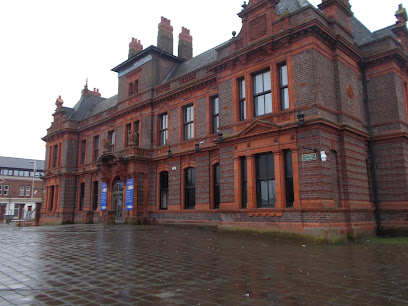
Supper Club at Blundell Street
23.5 km
Liverpool's ultimate supper club: fuel up on hearty meals, then dance the night away to drag shows, tributes, and non-stop hits near Echo Arena.

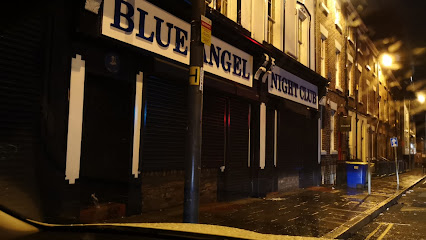
The Blue Angel Nightclub
23.8 km
Liverpool's dingy dive for 60s rock legends, dirt-cheap drinks, and sweaty throwback dances—where The Beatles once rocked and students still rage till dawn.
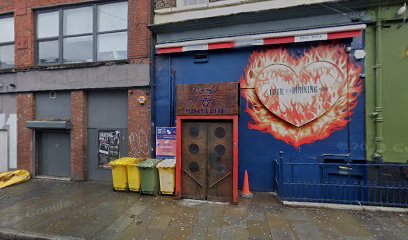
Cool It
23.9 km
A multi-level, student-friendly nightclub on Seel Street offering loud DJ nights, bargain entry and packed late‑night dancefloors.
For the vibe & atmosphere seeker
- Historic
- Scenic
- Lively
- Unique
For the design and aesthetic lover
- Vintage Styles
For the architecture buff
- Historic
- Landmarks
For the view chaser and sunset hunter
- Iconic Views
For the social media creator & influencer
- Instagrammable
- Photo Spots
For the eco-conscious traveler
- Public-Transport Accessible
For the kind of experience you’re after
- Cultural Heritage
- Photowalk
- Day Trip
- Weekend Getaway
For how adventurous you want the journey to be
- Easy Access
Location Audience
- Family Friendly
- Senior Friendly
- Child Friendly
- Teen Friendly
- Wheelchair Access
- Pet Friendly
- Solo Friendly
- Couple Friendly


