

Ancient Roman Columns, Chester
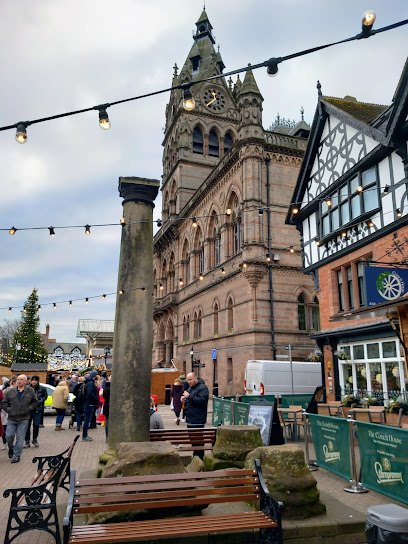
Roman column bases marking Chester's legacy as a major legionary fortress and potential capital of Britannia.
Standing proudly on Northgate Street in the heart of Chester, these relocated Roman column bases represent fragments of the city's extraordinary Roman past. Originally part of a significant structure within the fortress of Deva Victrix, these columns once supported buildings central to Roman civic and military life. Now positioned outside the Coach House Inn, they serve as tangible reminders of Chester's status as one of Britain's most important Roman legionary fortresses, founded in 79 AD and home to the formidable Legio XX Valeria Victrix.
A brief summary to Ancient Roman Columns, Chester
- Northgate St, Chester, CH1 2HS, GB
- Duration: 0.25 to 1 hours
- Free
-
 Outdoor
- Mobile reception: 5 out of 5
Local tips
- Visit early in the morning or late afternoon to photograph the columns with better light and fewer crowds on Northgate Street.
- Read the information boards and plaques nearby to understand the original context and significance of these structures within Roman Chester.
- Combine your visit with other Roman sites nearby, including the Roman Gardens, the Amphitheatre, and the Grosvenor Museum, to gain a comprehensive understanding of Deva Victrix.
- Walk the two-mile circuit of Chester's city walls to experience the Roman defensive structures and see how the fortress was integrated into the landscape.
- Visit the Grosvenor Museum to see the extensive collection of Roman artifacts, including tombstones, pottery, and inscriptions that provide context for these columns.

For the on-the-go comforts that matter to you
- Information Boards
- Seating Areas
- Nearby Food Options
- Nearby Restrooms
Getting There
-
On Foot from Chester City Centre
The columns are located on Northgate Street in Chester's historic city center, approximately 5–10 minutes walking from Chester Railway Station or the main shopping district. The site is easily accessible via pedestrian routes through the city center. No special equipment or fitness level is required. The area is flat and well-paved, suitable for all mobility levels.
-
By Bus
Multiple local bus services operate through Chester city center, with stops near Northgate Street. Journey times from surrounding areas typically range from 10–25 minutes depending on your starting point. Local buses are frequent throughout the day, with services running approximately every 15–30 minutes on main routes. Standard adult fares are approximately £1.50–£3.00 per journey.
-
By Train
Chester Railway Station is the main transport hub, located approximately 1 km south of the columns. Train services connect Chester to Manchester, Liverpool, and other major cities, with journey times varying from 30 minutes to 2 hours depending on origin. From the station, the columns are accessible via a 10–15 minute walk through the city center or a short bus ride. Train fares vary by origin and advance booking, typically ranging from £5–£30 for regional journeys.
-
By Car
Northgate Street is accessible by car, though the historic city center has limited on-street parking. Several multi-story car parks operate nearby, including the Northgate Arena Car Park and Grosvenor Street Car Park, located within 2–5 minutes walking distance. Parking charges typically range from £1.50–£3.00 per hour, with daily rates around £8–£12. The site itself is not a dedicated parking area; visitors must use public car parks.
Ancient Roman Columns, Chester location weather suitability
-
 Any Weather
-
 Clear Skies
-
 Mild Temperatures
Discover more about Ancient Roman Columns, Chester
Remnants of Deva Victrix's Grandeur
These ancient Roman columns stand as silent witnesses to nearly two millennia of history. Originally part of a larger structure within the fortress of Deva Victrix, they once formed part of buildings that played a crucial role in the social and civic life of Roman Chester. The columns have been carefully relocated and repositioned outside the Coach House Inn on Northgate Street, where they now serve as accessible monuments to the city's Roman heritage. Their presence in the modern streetscape creates a striking juxtaposition between ancient engineering and contemporary urban life.The Fortress That Nearly Became an Empire's Capital
Chester was founded in 79 AD as a Roman fortress under Emperor Vespasian, strategically positioned on the banks of the River Dee. The fortress, known as Deva Victrix, was home to the Legio XX Valeria Victrix, one of the most formidable legions of the Roman army. What makes Chester particularly significant is that it was approximately 20 percent larger than other legionary fortresses built at the same time, such as those at York and Caerleon. This exceptional size, combined with its strategic location on the Irish Sea, has led historians to theorize that Deva Victrix may have been intended as the capital of a combined Roman province encompassing Britain and Ireland. Though this ambitious plan never materialized, Chester remained a major military and administrative center throughout the Roman occupation.Architectural Mastery and Urban Development
The structures to which these columns originally belonged demonstrate the sophisticated architectural knowledge of Roman engineers and builders. The columns themselves reflect the classical proportions and construction techniques that characterized Roman civic buildings. During the late second century AD, Chester underwent significant development, with the fortress evolving from purely military installations into a complex urban environment. The presence of these columns suggests they were part of important administrative or public buildings, possibly connected to the headquarters complex or other significant structures within the fortress. The quality of their construction and their prominent placement indicate they were part of buildings of considerable importance to the Roman community.A Living Connection to Roman Britain
These columns represent more than mere archaeological artifacts; they embody the continuity of Chester's identity from Roman times to the present day. The fortress was occupied by Roman forces for over three centuries, until the late fourth or early fifth century AD. Even after the formal Roman withdrawal from Britain around 410 AD, the civilian settlement that had grown around the fortress continued to thrive, with Romano-British inhabitants likely remaining and maintaining aspects of Roman culture and infrastructure. The deliberate relocation and preservation of these columns in a prominent public location demonstrates how modern Chester honors and celebrates its Roman foundations, making the ancient world tangible and accessible to contemporary visitors.Integration Within Chester's Roman Landscape
The columns occupy a significant position within Chester's broader Roman heritage. Located on Northgate Street, they sit within the historic core of the city, surrounded by other Roman remains and medieval structures built upon Roman foundations. The nearby Northgate itself was originally a Roman gatehouse, and the city walls that encircle Chester were first constructed by the Romans. Walking through this area allows visitors to experience the layering of history that defines Chester, where Roman, medieval, and modern elements coexist. The columns serve as a focal point for understanding how Roman Chester functioned as an integrated urban space, with different structures serving military, administrative, and civic purposes.Iconic landmarks you can’t miss

Ancient Roman Columns, Chester
0.0 km
Roman column bases marking Chester's legacy as a major legionary fortress and potential capital of Britannia.
Chester Town Hall
0.0 km
A stunning Victorian Gothic Revival landmark, Chester Town Hall is the historic heart of Chester’s civic and cultural life.
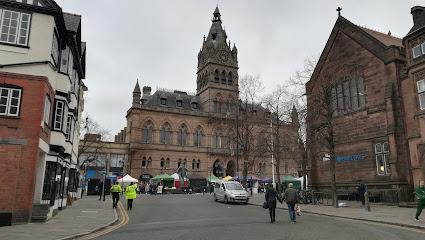
Chester Visitor Information Centre
0.1 km
Explore Chester's rich history and vibrant culture at the Visitor Information Centre, your essential resource for navigating this historic city.
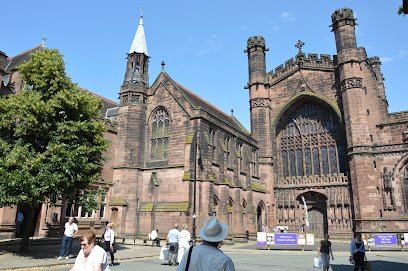
Chester War Memorial
0.1 km
A solemn neo-medieval tribute to fallen soldiers, unveiled in 1922 within Chester Cathedral's historic grounds.
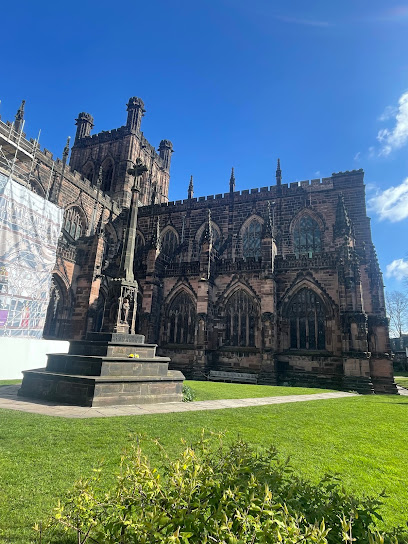
Bridge Of Sighs
0.2 km
A haunting 1793 stone bridge where condemned prisoners took their final steps before execution—Chester's most poignant historical crossing.
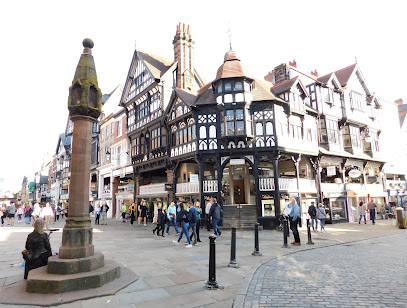
Chester Cross
0.2 km
Medieval heart of Chester where Roman streets meet Tudor architecture and civic tradition.
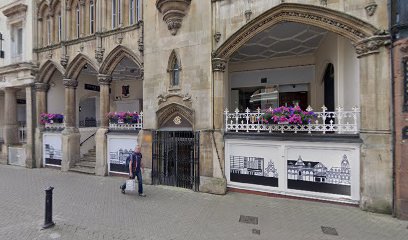
Crypt Chambers
0.2 km
Medieval crypt meets Victorian Gothic Revival in Chester's most architecturally significant commercial building.
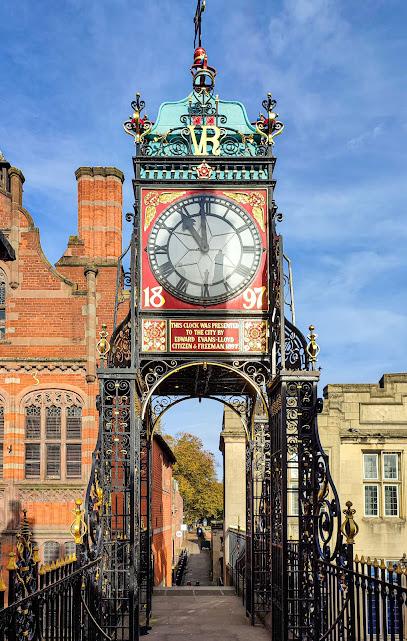
Eastgate Clock
0.3 km
A Victorian clock atop a Roman gateway, Eastgate Clock is Chester’s most iconic meeting point and one of England’s most photographed timepieces.
Pemberton's Parlour
0.3 km
Explore Pemberton's Parlour, a striking red sandstone tower on Chester’s historic city walls, revealing centuries of medieval and Victorian heritage.
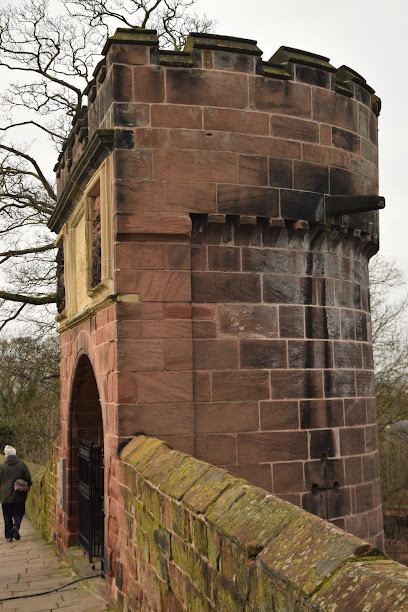
Roman South East Corner Tower
0.4 km
Explore the enduring Roman South East Corner Tower, a sentinel of Chester’s ancient fortress and a testament to Roman military engineering.
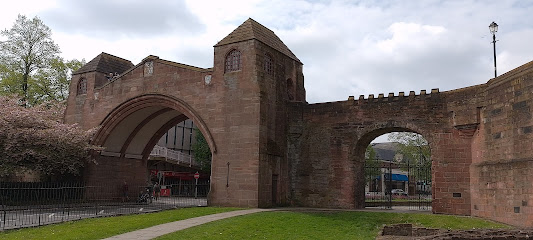
Bonewaldesthorne's Tower
0.4 km
Medieval gatehouse controlling Chester's western defenses, standing sentinel on Britain's most complete city walls.
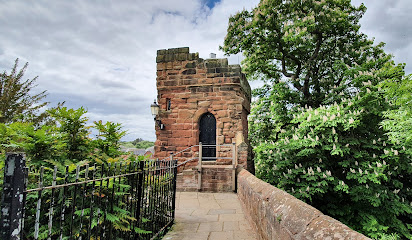
Wishing Steps
0.6 km
Historic stone steps at Chester’s medieval walls where wishes come true through a charming local tradition.
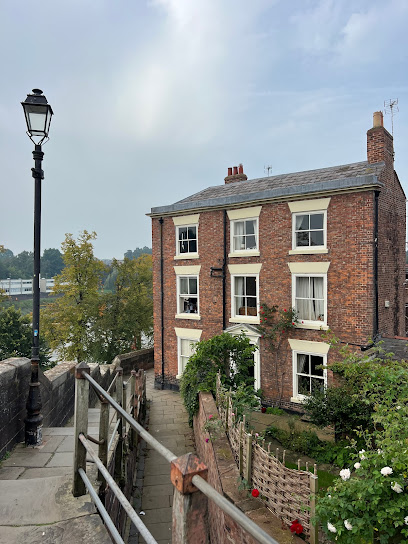
Bridge Gate and Old Dee Bridge
0.7 km
Historic medieval gateway and ancient stone bridge spanning the scenic tidal River Dee in Chester’s charming riverside setting.
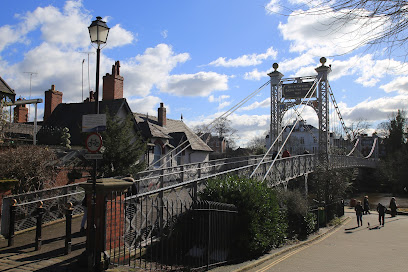
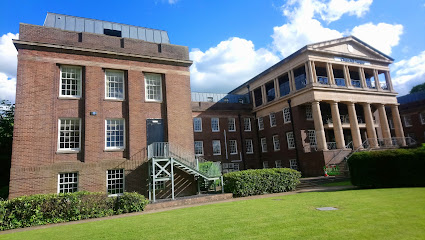
Churchill House
0.8 km
A vibrant academic landmark on Chester’s Queen’s Park campus, blending historic charm with modern learning and scenic riverside views.
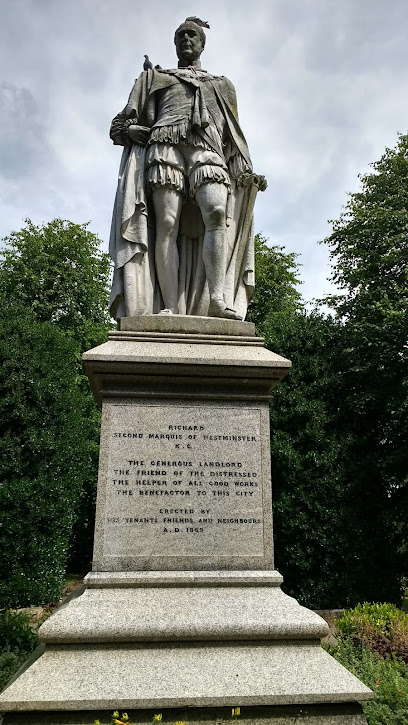
Statue of Richard Grosvenor, Second Marquess of Westminster
0.8 km
Discover the monumental Statue of Richard Grosvenor in Chester, a testament to history and artistry surrounded by the charm of this ancient city.
Unmissable attractions to see

Chester Town Hall Square
0.0 km
Historic Chester Town Hall Square offers stunning Gothic Revival architecture and a lively cultural hub in the heart of Chester.
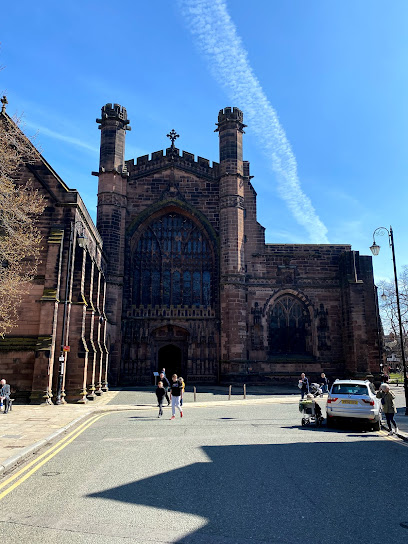
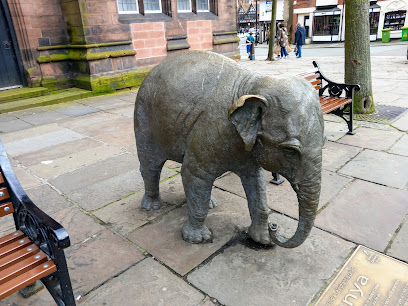
Statue of Janya - the Baby Elephant
0.0 km
A lifelike bronze baby elephant statue symbolizing life, friendship, and Chester’s bond with its zoo, nestled in the historic city center.
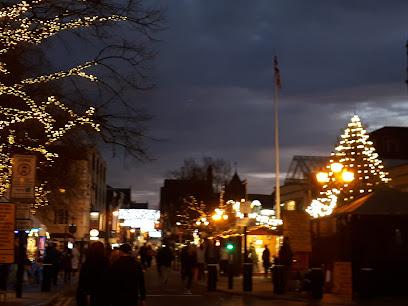
Town Hall
0.1 km
Explore Chester Town Hall, a majestic 19th-century Gothic Revival masterpiece and vibrant civic hub in the heart of historic Chester.
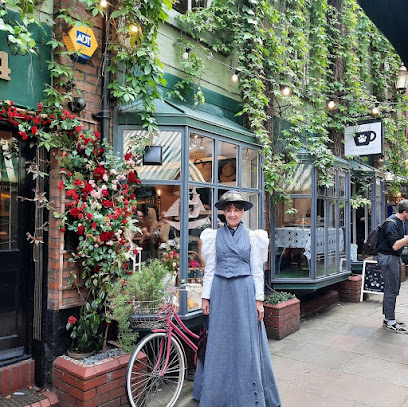
Edwardian Lady Tour
0.1 km
Discover Chester’s Edwardian charm on a captivating walking tour led by a guide in authentic period costume with exclusive Town Hall access.
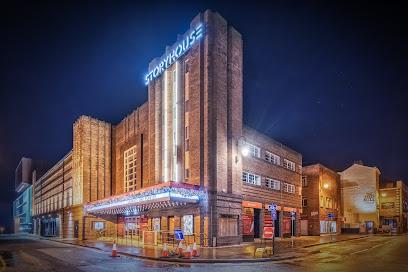
Storyhouse
0.1 km
Chester’s vibrant cultural hub blending theatre, cinema, library, and community in a stunning Art Deco setting.
Northgate St & Little Abbey Gateway
0.1 km
Historic crossroads where medieval Gothic gateway meets Georgian Chester’s vibrant city life and heritage.
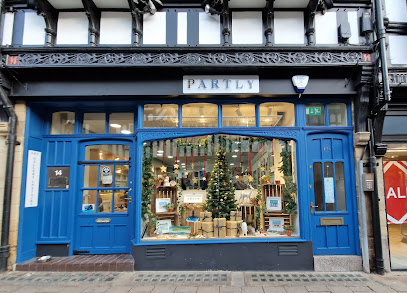
Partly
0.1 km
Chester Market blends local tradition and global flavors in a vibrant, accessible space with award-winning design and community spirit.
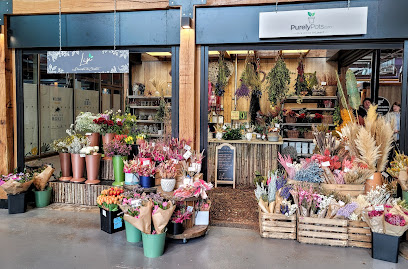
Chester Market
0.1 km
Discover Chester Market’s vibrant mix of local produce, global flavors, artisan crafts, and lively community spirit in a modern, accessible setting.
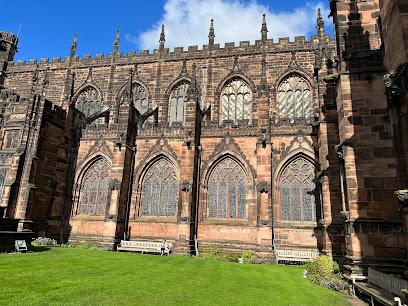
Chester Cathedral
0.1 km
Discover Chester Cathedral’s timeless blend of medieval grandeur, vibrant worship, and breathtaking views atop its historic tower.
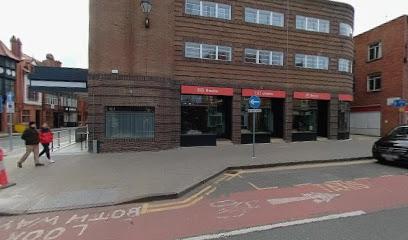
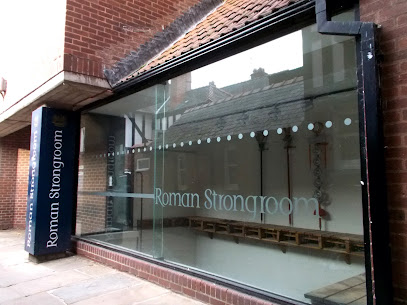
Roman Strongroom
0.1 km
Explore Chester’s Roman Strongroom, a free historic site revealing ancient Roman military architecture and the city’s rich heritage.
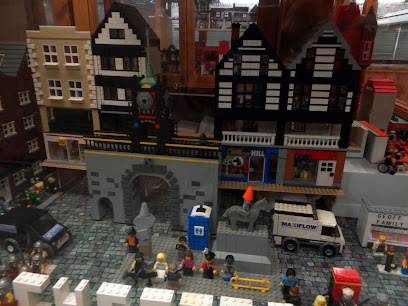
Chester In Lego
0.1 km
Explore Chester’s iconic landmarks reimagined in vibrant Lego bricks at this interactive, family-friendly exhibit in Market Exchange Square.
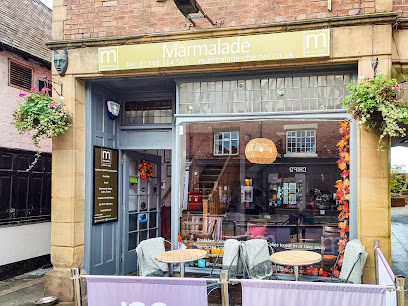
Marmalade
0.1 km
Chester’s cozy café serving generous gluten-free breakfasts and specialty coffees in a friendly, welcoming atmosphere.
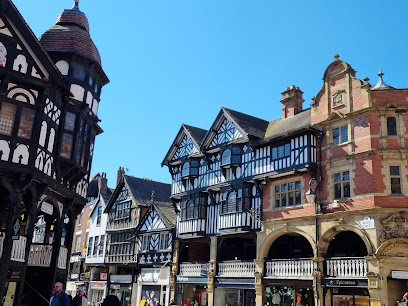
Chester City Streets
0.1 km
Step into Chester’s historic heart, where Roman foundations meet Tudor Rows and centuries of stories unfold along cobbled lanes and half-timbered streets.
Garden of the Honourable Cheshire Regiment
0.2 km
A tranquil memorial garden in Chester Cathedral’s precincts honoring the valor and sacrifice of the Cheshire Regiment’s soldiers.
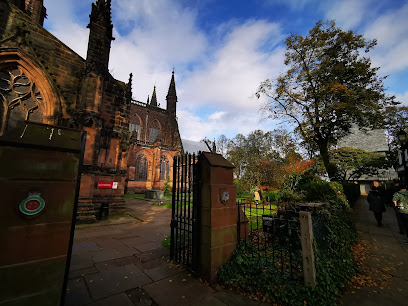
Eastgate St
0.2 km
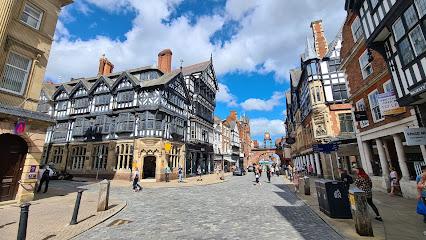
Walk through history on Eastgate Street, Chester’s vibrant Roman-rooted street famed for its medieval Rows and captivating local legends.
Essential places to dine

North Light Chester
0.0 km
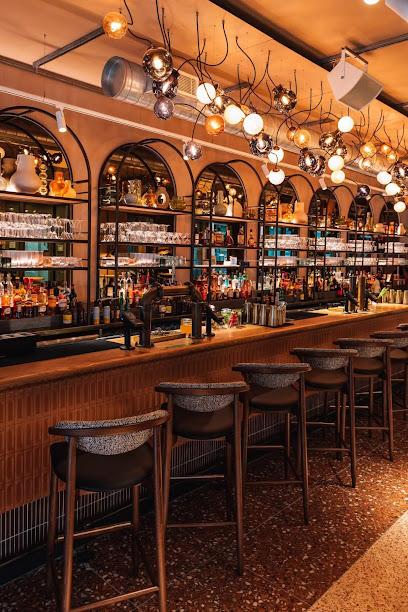
A vibrant, stylish restaurant on Chester’s Northgate Street offering fresh, flavorful dishes in a lively, contemporary setting.
The Kitchen
0.1 km
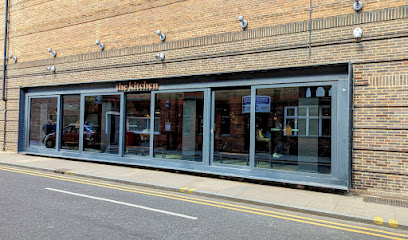
A vibrant Western-style eatery at Chester’s Storyhouse, blending seasonal local cuisine with a lively cultural atmosphere.
Veeno Chester
0.1 km
Discover authentic Italian flavors at Veeno Chester – where exquisite wine meets delectable cuisine in a charming atmosphere.
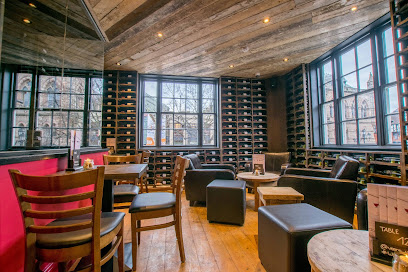
Pied Bull Restaurant
0.1 km
Historic Tudor inn and lively pub in Chester’s city centre, offering hearty British fare and charming accommodation steeped in character.
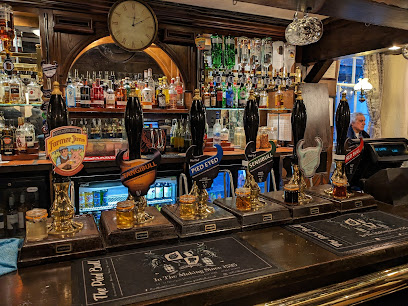
Covino
0.1 km
Discover Covino, Chester’s intimate wine bar pairing exceptional organic wines with inventive small plates in a cozy, historic setting.
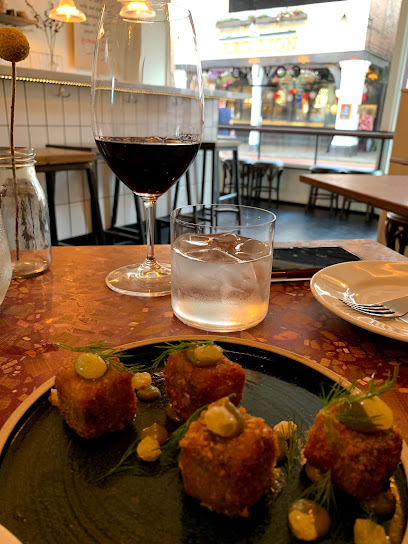
Blue Bell
0.1 km
Experience authentic Spanish tapas in a historic 15th-century setting at The Blue Bell 1494, Chester’s charming culinary gem.
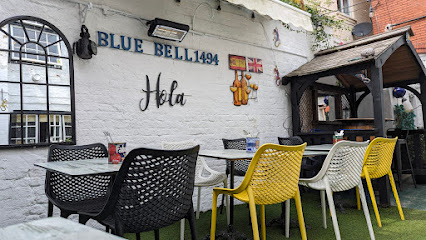
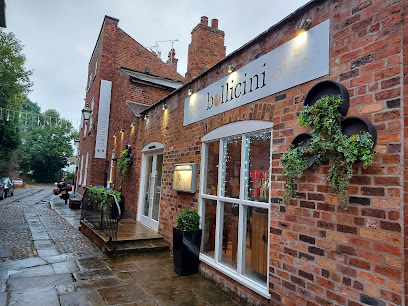
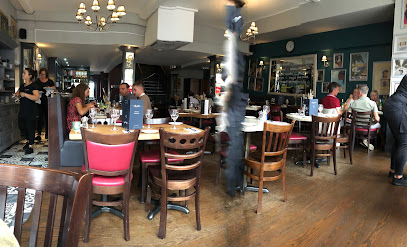
Bollicini
0.1 km
Experience authentic Italian cuisine and stylish Milanese-inspired dining in the heart of Chester’s historic city centre.
Chez Jules in Chester
0.2 km
Historic French bistro in a converted fire station, celebrated for seasonal cuisine and outstanding value.
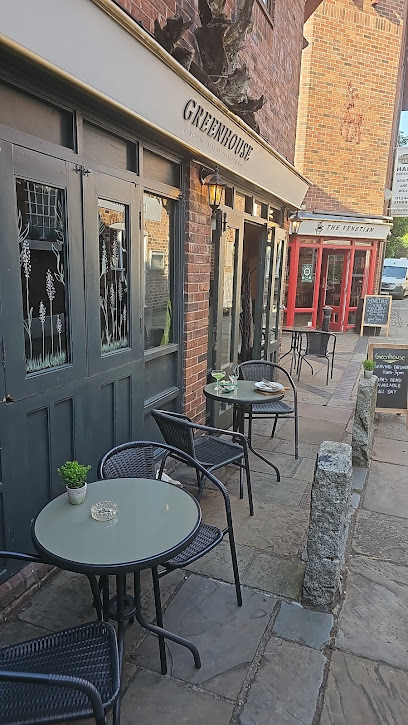
Green House
0.2 km
A stylish Chester tapas restaurant blending gourmet small plates, inventive cocktails, and warm hospitality in a modern setting.
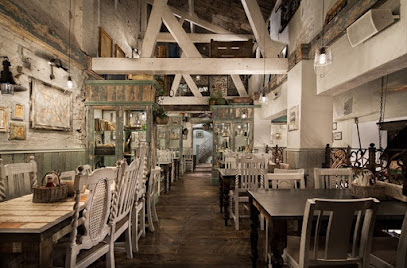
The Botanist Chester
0.2 km
Experience the vibrant atmosphere at The Botanist Chester - where delicious food meets live music in a beautifully designed setting.
Duttons
0.2 km
Chester’s stylish modern European bistro blending classic charm with fresh seasonal cuisine and vibrant cocktails in a cozy, elegant setting.
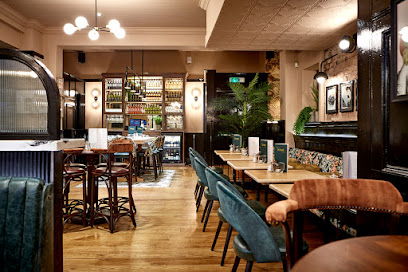
Porta Wine & Tapas Bar
0.2 km
Authentic Spanish tapas and vibrant atmosphere in the heart of Chester’s historic district.
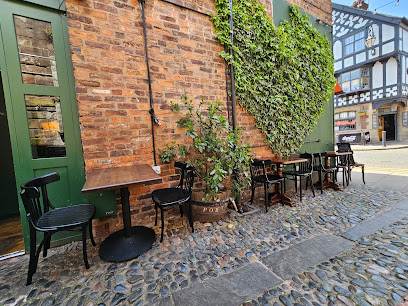
Ristorante Sergio
0.2 km
Cozy Italian dining with authentic flavors and friendly service in the heart of Chester’s historic district.
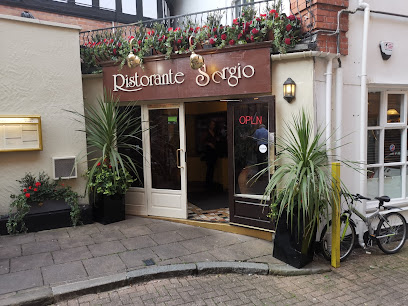
Shrub
0.2 km
Innovative vegan dining with Mediterranean and East Asian flair in Chester’s iconic Eastgate Row, featuring creative cocktails and a relaxed urban pastoral vibe.
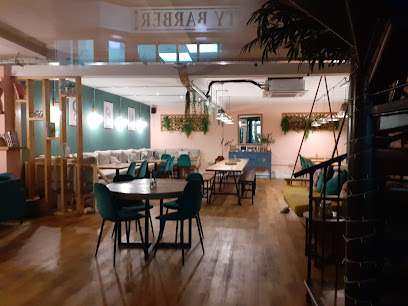
Pars Kahve
0.2 km
Experience authentic Turkish cuisine and warm hospitality in the heart of Chester’s historic Watergate Street.
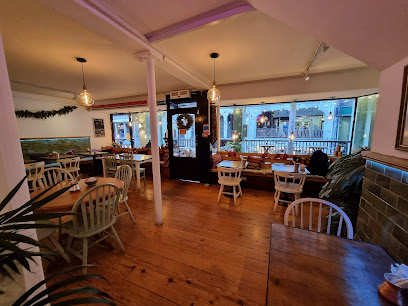
Markets, malls and hidden boutiques

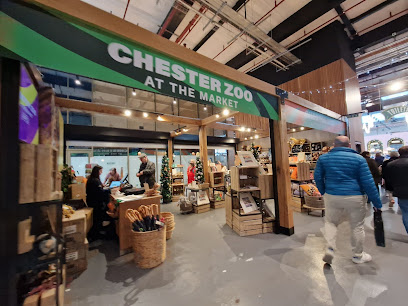
Chester Zoo at The Market
0.1 km
Discover unique wildlife gifts and support global conservation at Chester Zoo’s vibrant market stall in the heart of Chester.
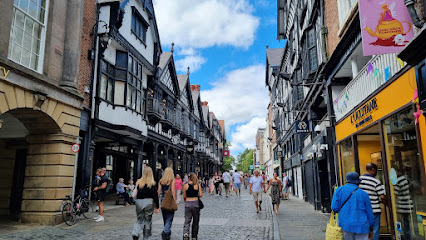
The Gift Shop
0.1 km
Unique gifts and novelties in the heart of historic Chester's medieval city center.
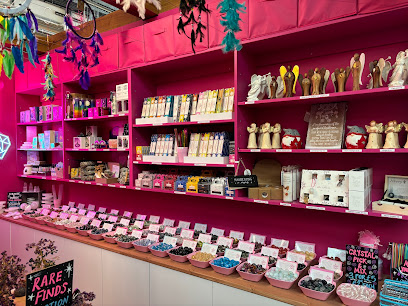
The Crystal Hut New Chester Market
0.1 km
Discover the vibrant world of healing crystals and spiritual gifts at The Crystal Hut, Chester’s colorful gem in Exchange Square market.
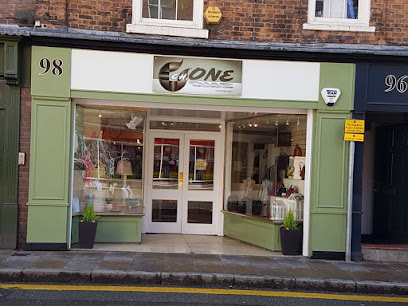
CH.ONE
0.1 km
Discover quirky, stylish bargains at CH.ONE, a unique ladies' clothing boutique in the heart of Chester's vibrant Northgate Street.
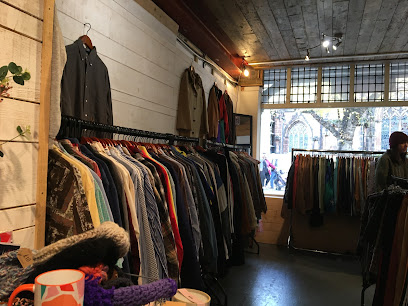
The Mug Doctor
0.1 km
Chester's specialist mug retailer offering personalized drinkware and quirky gift finds.

Lily Vintage Boutique
0.2 km
Discover timeless style and unique vintage fashion at Lily Vintage Boutique in Chester’s historic St Werburgh Street.
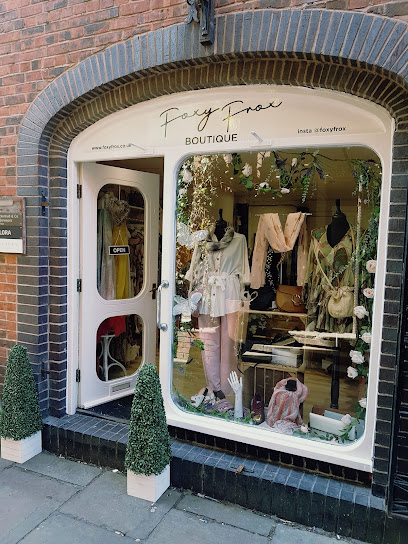
Foxy Frox Boutique
0.2 km
A stylish women’s clothing boutique in Chester’s historic center, offering contemporary fashion with a personal touch and a relaxed, independent vibe.
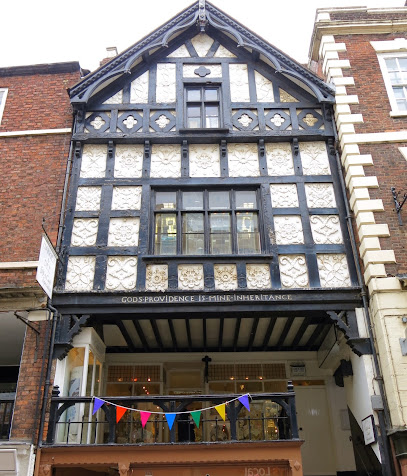
Harriet & Dee
0.2 km
Charming boutique gift and baby shop in Chester’s historic Watergate Street, known for unique presents and friendly service.
Reminis
0.2 km
Explore Chester's hidden gem, Reminis Gift Shop, for unique souvenirs and local artisan treasures that capture the essence of your visit.
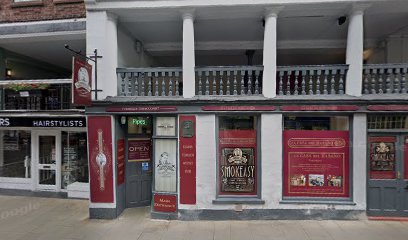
Menkind
0.2 km
Discover quirky gifts, gadgets, and tech accessories for men and boys in the heart of Chester’s historic shopping district.
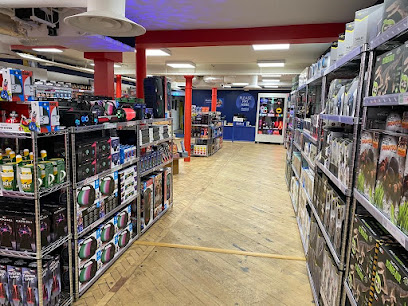
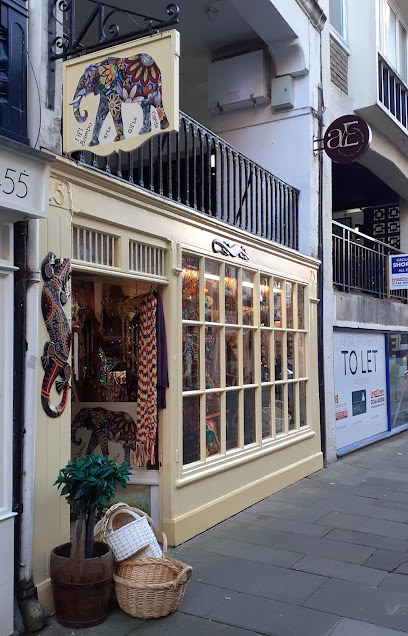
Elephant
0.2 km
Explore Chester's Elephant Gift Shop for unique, handcrafted gifts that celebrate local artistry and charm.
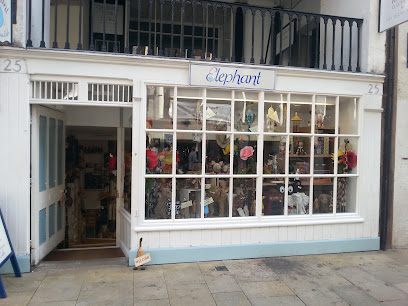
NICHOLS
0.2 km
Discover Nichols, Chester’s quirky boutique blending unique ladies’ fashion with antique treasures in a charming historic setting.
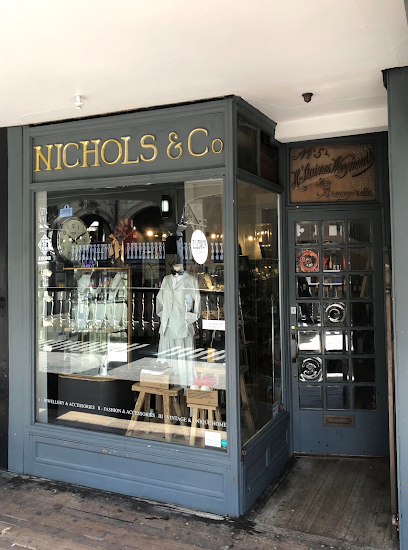
Fifi Bambu
0.2 km
Discover the magic of Chester’s Watergate Street through Fifi Bambu, a charming gift shop filled with unique treasures and enchanting finds.
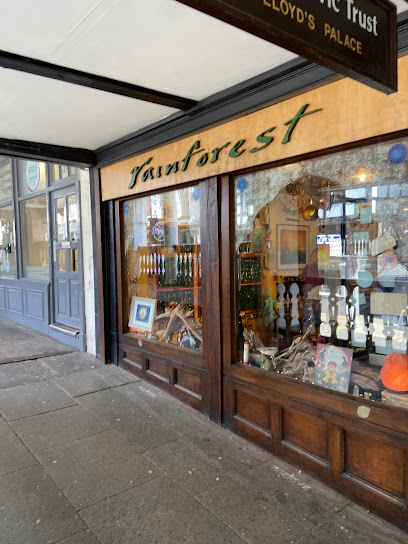
Rainforest
0.3 km
Discover Chester’s serene spiritual gift shop with crystals, mindfulness tools, and warm hospitality at Rainforest on Watergate Street.
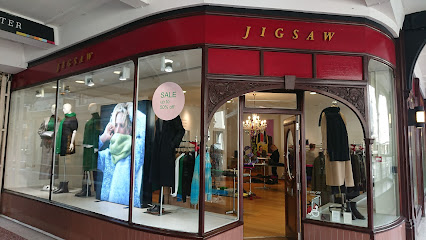
Jigsaw
0.3 km
Upscale women's fashion boutique blending timeless style with Chester’s historic charm on Bridge Street.
Essential bars & hidden hideouts

Music Hall Tap
0.1 km
Chester’s lively craft beer pub with rustic charm, live sports, and a vibrant social scene in the heart of the city.
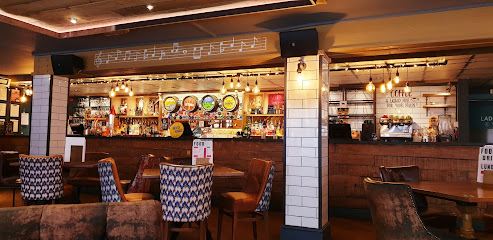
Metronome Jazz Bar
0.2 km
Chester’s intimate jazz bar with live piano, vinyl classics, and a warm, candlelit atmosphere for a perfect night out.
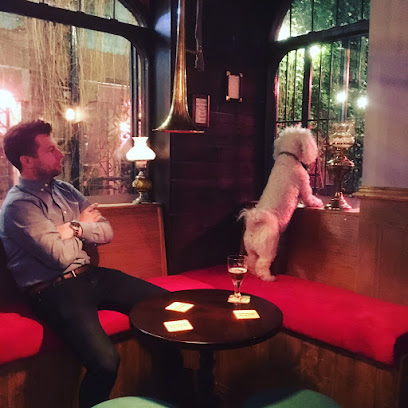
Watergates Bar
0.2 km
Historic 12th-century crypt pub in Chester city centre, serving classic British fare and real ales in a lively, family-friendly atmosphere.
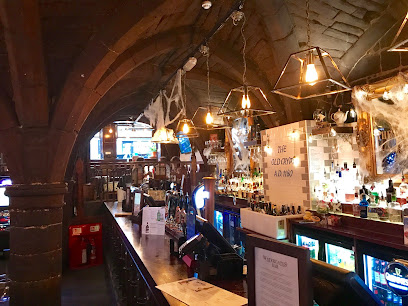
Palm Cocktail Bar & Eatery
0.3 km
Chester’s vibrant cocktail bar with expertly crafted drinks, lively atmosphere, and friendly service on historic Watergate Street.
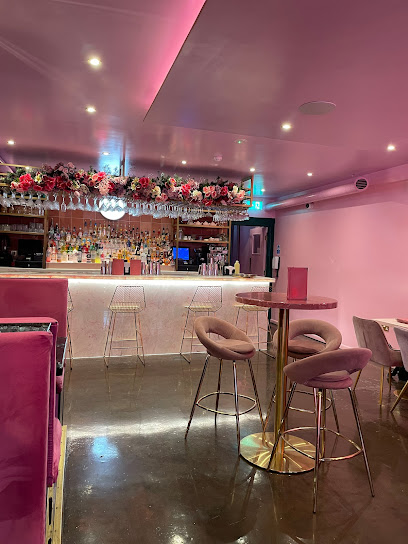
Havana Chester
0.3 km
Lively Cuban-inspired bar and restaurant on Chester’s historic Watergate Street, offering vibrant music, tapas, and creative cocktails.
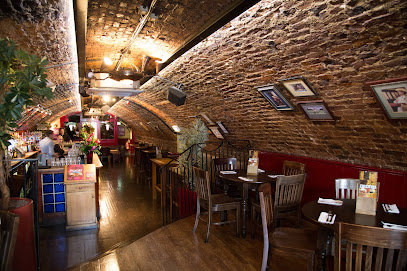
City Tavern
0.3 km
Historic Chester pub blending traditional charm with lively entertainment, great food, and a vibrant community atmosphere.
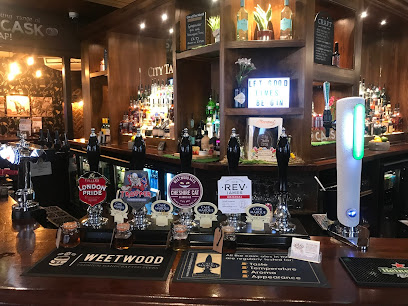
Prohibition
0.3 km
Step into Chester’s Prohibition for expertly crafted cocktails and a vibrant 1920s speakeasy vibe in a cozy, intimate setting.
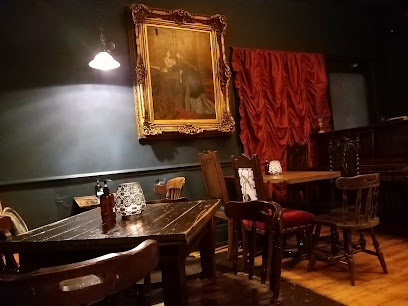
Commonhall Street Social
0.3 km
A cozy, dog-friendly bar with craft beers, delicious food, and a lively outdoor terrace in the heart of Chester’s city centre.
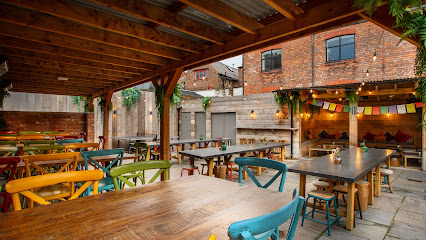
The Guild Chester
0.3 km
Chester’s stylish cocktail bar and live music venue with two bars, terrace, and a vibrant yet intimate atmosphere.
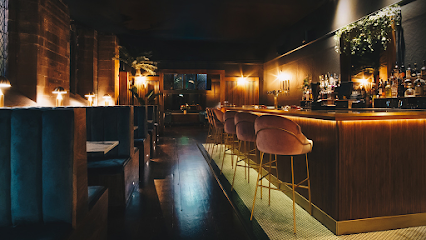
BarLounge - Chester
0.3 km
Chester’s premier lounge bar blending refined comfort food with creative cocktails in a stylish, welcoming setting.
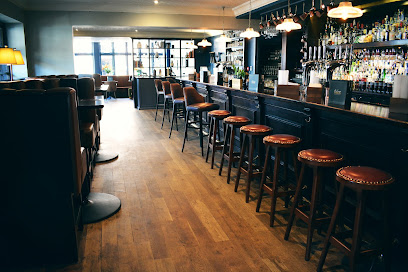
Slug & Lettuce - Chester
0.3 km
Lively cocktail bar and restaurant on Chester’s historic Bridge Street, blending vibrant social vibes with diverse food and drink offerings.
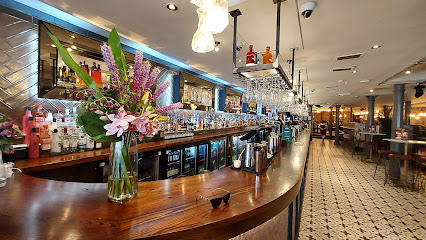
Red Door
0.4 km
Vibrant late-night cocktail bar and restaurant in Chester’s city center, known for creative drinks and lively music.
The Cavern of the Curious Gnome
0.4 km
A cozy upstairs bar in Chester famed for its curated Belgian ales, continental lagers, and British craft beers paired with classic comfort food.
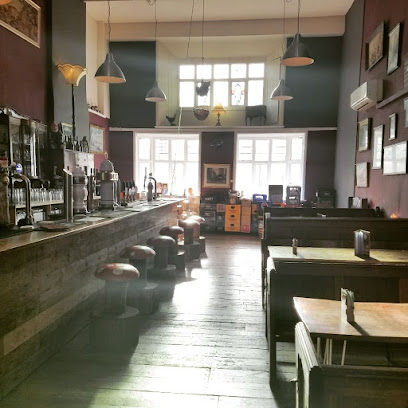
Paysan
0.4 km
Chester’s cozy wine bar with 200+ wines downstairs and a vibrant beer cellar upstairs, perfect for relaxed evenings and casual gatherings.
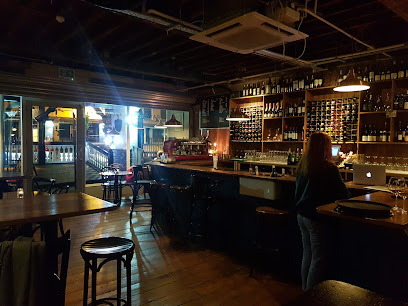
The Church Chester Bar & Restaurant
0.4 km
Historic church turned vibrant bar and restaurant in Chester, blending classic charm with modern dining and lively atmosphere.
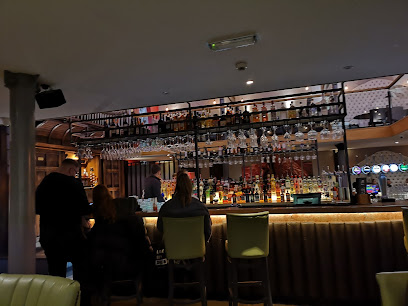
Nightclubs & after hour spots

Rosies - Chester
0.2 km
Experience Chester’s vibrant nightlife at Rosies, a multiroom club with rooftop terrace, VIP lounges, and cutting-edge sound over three lively floors.
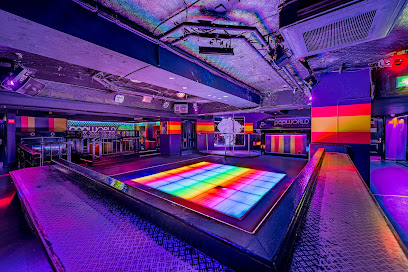
Chester City Club
0.3 km
Experience Chester’s vibrant nightlife at City Club, where modern beats meet historic charm in the heart of St Peters Churchyard.
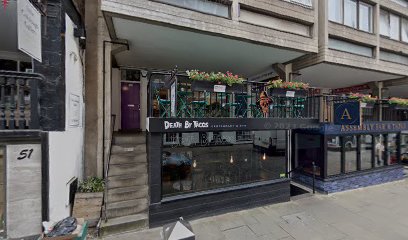
Cruise
0.4 km
A multi-floor nightclub in Chester offering vibrant music, premium drinks, and lively nightlife across seven bars.
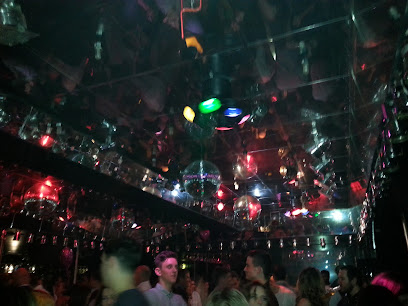
BONOBO Bar & Canteen
0.4 km
A vibrant two-floor bar and canteen in Chester blending American eats, cocktails, video games, and lively music for a unique nightlife experience.
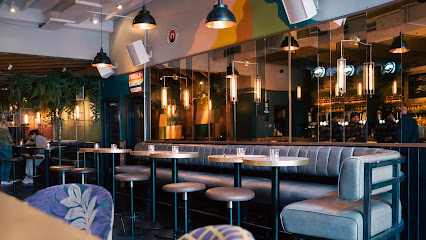
The Live Rooms
0.9 km
Discover Chester's vibrant nightlife at The Live Rooms, where live music, comedy, and unforgettable experiences await.
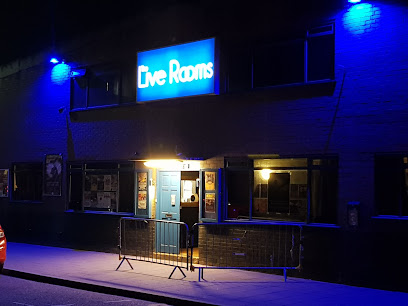
Mandy & Graham’s
2.4 km
Experience Chester’s vibrant nightlife at Mandy & Graham’s, where pulsating beats and lively crowds create unforgettable party nights.
Ewloe Social and Community Club Ltd
10.9 km
Experience the heart of Deeside at Ewloe Social and Community Club, where fun, games, and community spirit come together.
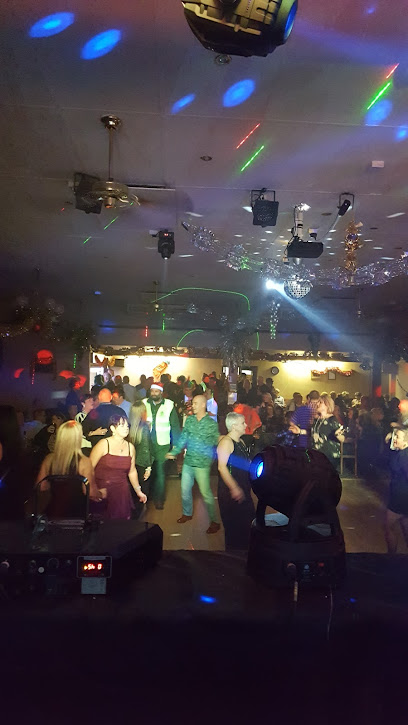
North Wales Celebrations Wedding & Party Disco DJ
16.8 km
Elevate your celebrations with North Wales Celebrations - the premier mobile disco DJ service for unforgettable weddings and parties.
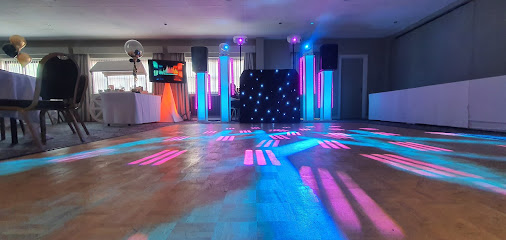
Bryn Griffiths W M Social Club
16.9 km
Discover the vibrant community spirit at Bryn Griffiths W M Social Club in Mold, where fun meets fellowship and local culture thrives.
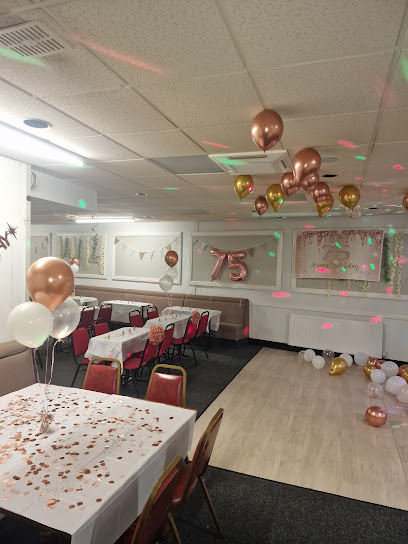
Flint Royal British Legion Social Club
17.4 km
A welcoming social hub in Flint supporting veterans and community through camaraderie, remembrance, and local events.
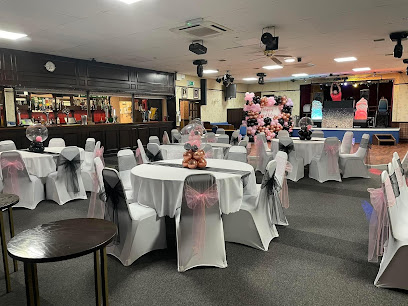
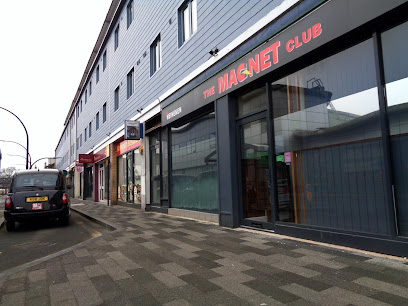
The Magnet Club
17.4 km
Wrexham’s independent venue since 1984, The Magnet Club blends live music, sports, and social games in a welcoming, refurbished space on King Street.
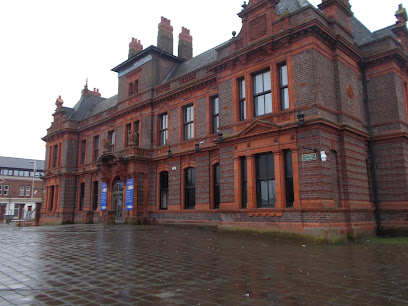
The Establishment
21.7 km
A vibrant Widnes nightclub offering lively events, friendly staff, and a spacious venue for unforgettable nights out.
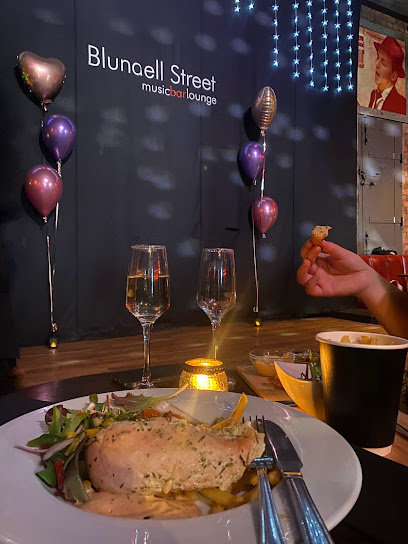
Supper Club at Blundell Street
23.5 km
Liverpool's ultimate supper club: fuel up on hearty meals, then dance the night away to drag shows, tributes, and non-stop hits near Echo Arena.
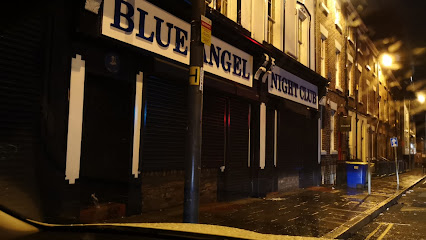
The Blue Angel Nightclub
23.9 km
Liverpool's dingy dive for 60s rock legends, dirt-cheap drinks, and sweaty throwback dances—where The Beatles once rocked and students still rage till dawn.
Cool It
24.0 km
A multi-level, student-friendly nightclub on Seel Street offering loud DJ nights, bargain entry and packed late‑night dancefloors.
For the vibe & atmosphere seeker
- Historic
- Scenic
- Unique
- Casual
For the design and aesthetic lover
- Vintage Styles
- Rustic Designs
For the architecture buff
- Historic
- Landmarks
- Heritage Neighborhoods
For the view chaser and sunset hunter
- Iconic Views
- Architectural Shots
For the social media creator & influencer
- Photo Spots
- Architectural Shots
- Aesthetic Corners
For the eco-conscious traveler
- Protected Area
- Locally Managed
For the kind of experience you’re after
- Cultural Heritage
- Myth & Legends
- Photowalk
- Day Trip
For how adventurous you want the journey to be
- Easy Access
Location Audience
- Family Friendly
- Senior Friendly
- Child Friendly
- Wheelchair Access
- Solo Friendly
- Couple Friendly


