

Woolton Village, Lancashire Travel Guide
Historic Woolton Village blends medieval charm, Victorian mansions, and Beatles heritage in a tranquil Liverpool suburb.
Woolton Village is a charming historic area in southern Liverpool, known for its medieval roots, Victorian-era mansions, and cultural significance including ties to The Beatles. Once a rural village, it blends tranquil green spaces with quaint streets and notable landmarks like the Woolton Cross, reflecting centuries of rich history and community life.
A brief summary to Woolton Village
- Woolton St, Liverpool, L25 5NH, GB
- Duration: 1 to 3 hours
- Free
-
 Outdoor
- Mobile reception: 4 out of 5
- Monday 7 am-10 pm
- Tuesday 7 am-10 pm
- Wednesday 7 am-10 pm
- Thursday 7 am-10 pm
- Friday 7 am-10 pm
- Saturday 7 am-10 pm
- Sunday 10 am-4 pm

Know before you go
Hi, I'm Eve. Here are a few practical things to know before exploring Woolton Village.
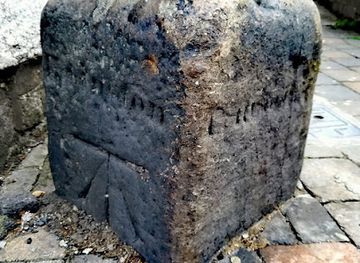
- Visit the Woolton Cross, the oldest man-made structure in the village, dating back to around 1350.
- Explore local pubs and cafes in the village center to experience Woolton’s friendly community atmosphere.
- Take a leisurely walk through the town gardens and nearby parks to enjoy the village’s green spaces.
- Learn about Woolton’s Beatles connection by visiting sites related to John Lennon and Paul McCartney’s first meeting.
Do you manage this location?
Take control to get all the benefits, like improved information, better appearance, and stronger visibility across AI-powered discovery. Learn more about listing your business on Evendo
Activate your presenceOther nearby places you may find interesting
The closest places of the same kind, if this one is not quite what you had in mind.
Explore Woolton Village on the Map
A handpicked selection of must-see spots near Woolton Village, mapped for you.
Unlock the Best of Woolton Village
Buy tickets
-
No tickets available
Book tours with entry


Getting There
-
Bus
Regular bus services connect Liverpool city center to Woolton Village, with journey times of approximately 20 to 30 minutes. Buses run frequently during the day but check schedules for evening and weekend services. Tickets cost around £2–£4.
-
Taxi
Taxis from central Liverpool to Woolton Village take about 15 to 25 minutes depending on traffic. This option offers door-to-door convenience, with fares typically ranging from £10 to £15.
-
Car
Driving to Woolton Village from Liverpool city center takes roughly 15 to 20 minutes. Parking is available but limited near the village center, so plan accordingly. Some streets may have resident-only parking restrictions.
-
Walking
For the adventurous, walking from Liverpool city center to Woolton Village is possible but lengthy, taking around 1.5 to 2 hours over mostly urban terrain. Suitable only for those prepared for a long walk.
For the on-the-go comforts that matter to you
-
 Restrooms
-
 Drink Options
-
 Food Options
-
 Seating Areas
-
 Trash Bins
-
 Information Boards
Discover more about Woolton Village
Medieval Origins and Early Settlement
Woolton Village dates back to medieval times, originally comprising two areas known as Much Woolton and Little Woolton. The earliest records show Woolton as part of the ancient Childwall Parish mentioned in the Domesday Book of 1085-86. The village’s landscape was shaped by small fields, ponds, and meadows, with the Woolton Cross—erected around 1350—marking the historic village boundary. The Knights Hospitaller held lands here from the late 12th century until the mid-16th century, influencing the area's development and land ownership.Transformation During the Victorian Era
The Victorian period brought significant change as Woolton evolved from a rural village into a desirable residential area. Wealthy industrialists built grand mansions alongside workers’ cottages, reflecting a diverse social fabric. The enclosure acts of the early 19th century reorganized land, leading to new roads and increased quarrying activity, which provided local employment. Estates such as Allerton Priory and Camp Hill became notable landmarks, although many historic mansions have since been lost or repurposed.Cultural Significance and The Beatles Connection
Woolton holds a special place in popular culture as the site where John Lennon and Paul McCartney first met in 1957, a meeting that would change music history. The village also features in stories about Eleanor Rigby and other local legends. Woolton Hall and the refurbished Woolton School House add to the cultural tapestry, with the village maintaining its quaint charm while celebrating its musical heritage.Village Character and Visitor Experience
Today, Woolton Village offers a peaceful atmosphere with its historic streets, village green, and local shops and pubs. Visitors can explore the Woolton Cross, town gardens, and remnants of its medieval past. The blend of tranquil green spaces and historic architecture creates a unique setting that invites leisurely strolls and reflection on centuries of community life.Preservation and Modern Identity
Despite urban expansion, Woolton has retained much of its historic character. Conservation efforts protect the village’s heritage landmarks and green spaces, balancing modern living with respect for its past. The community remains active in preserving Woolton’s identity as a distinct and cherished part of Liverpool’s history.Notable Landmarks and Surroundings
Key landmarks include the Woolton Cross, Woolton Hall, and the former quarries that shaped the local economy. Nearby parks and gardens offer scenic views and outdoor relaxation. The village’s location in southern Liverpool makes it a serene retreat while still accessible to the city’s amenities and cultural attractions.












Your all‑in‑one travel companion app
Explore expert travel guides, compare and book tours, experiences, hotels, and more—all from the palm of your hand. Download now for seamless trip planning wherever your wanderlust takes you.


Explore More of Lancashire
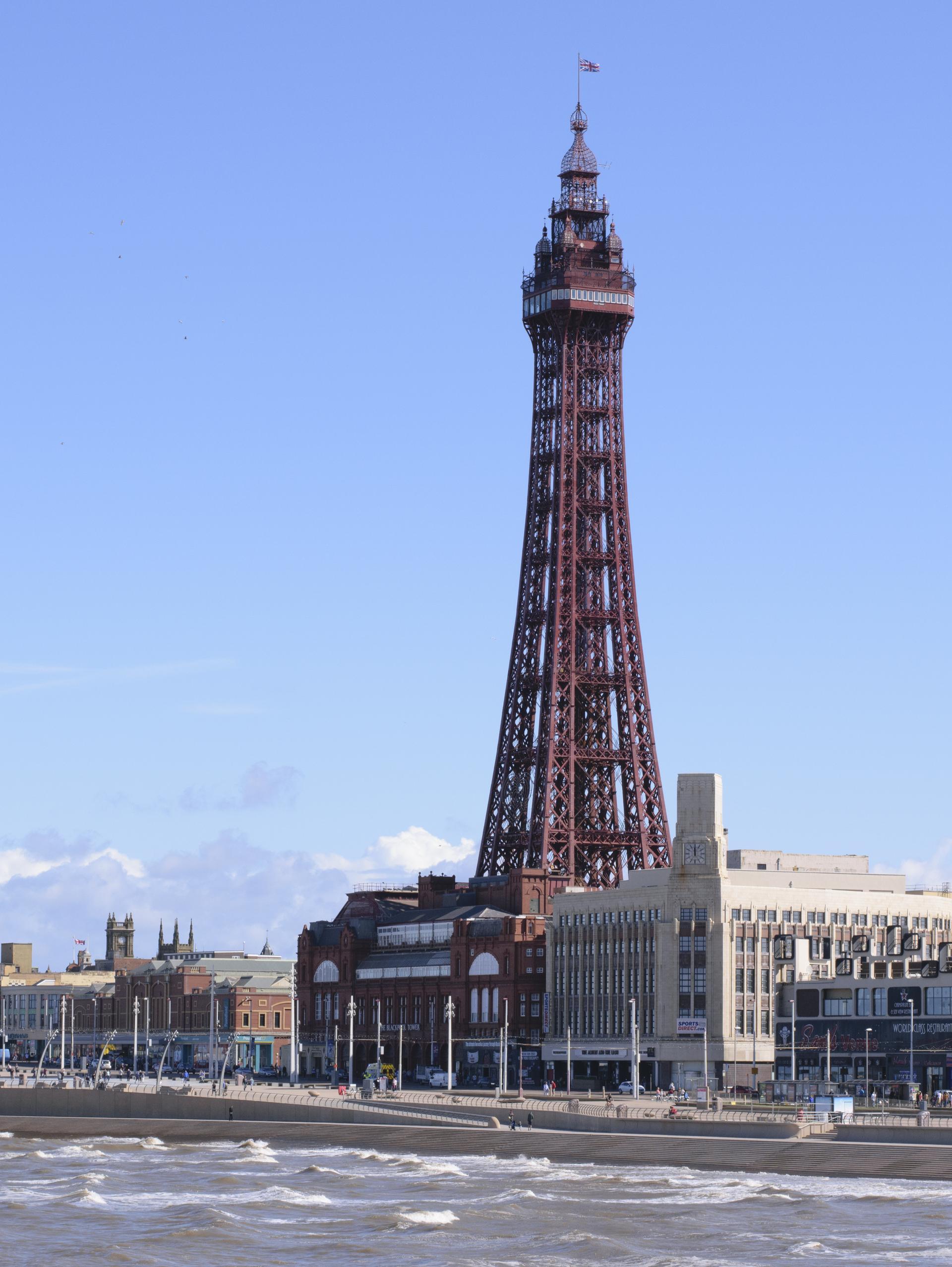
Looking beyond Woolton Village? Discover Lancashire for broader travel guides, local hot-spots, and regional highlights.
Explore Lancashire
Explore Liverpool’s mysterious 19th-century underground tunnels built by Joseph Williamson, blending history, architecture, and intrigue beneath the city streets.

Discover Woolton Village, Liverpool’s historic gem blending medieval roots, Victorian charm, and iconic Beatles heritage in a vibrant suburban setting.
