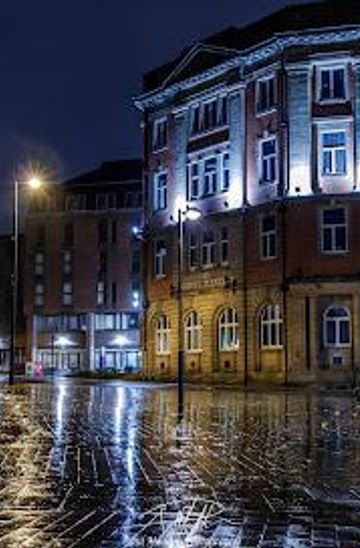
Mount Pleasant
Historic Victorian street in Liverpool's heart, where 19th-century grandeur meets modern cultural vitality.
Mount Pleasant is a historic street in the heart of Liverpool city centre, renowned for its striking Victorian architecture and cultural significance. Located near Hope Street, this atmospheric thoroughfare showcases the city's 19th-century grandeur with beautifully preserved buildings that reflect Liverpool's prosperous maritime past. The street serves as a gateway to major attractions including the Metropolitan Cathedral and offers visitors an authentic glimpse into Liverpool's architectural heritage.
A brief summary to Mount Pleasant
- Liverpool, GB
- Duration: 0.5 to 2 hours
- Free
-
 Outdoor
- Mobile reception: 5 out of 5

Know before you go
Hi, I'm Eve. Here are a few practical things to know before exploring Mount Pleasant.
- Visit early morning or late afternoon to experience Mount Pleasant with fewer crowds and optimal lighting for appreciating the architectural details of the Victorian buildings.
- Combine your visit with the nearby Metropolitan Cathedral and Hope Street to create a comprehensive cultural walking tour of central Liverpool's heritage sites.
- Take time to observe the ornate stonework, decorative elements, and period features on individual buildings—each structure tells a story of Liverpool's prosperous past.
- Use the nearby Liverpool Central station as a reference point; the street is easily accessible via public transport and connects naturally to other city centre attractions.
Do you manage this location?
Take control to get all the benefits, like improved information, better appearance, and stronger visibility across AI-powered discovery. Learn more
Activate your presence


Getting There
-
Train
Liverpool Central station is 4 minutes walk from Mount Pleasant. Services on the Merseyrail network connect to stations across Merseyside. Journey times from Liverpool Central to Mount Pleasant are approximately 4 minutes on foot. Merseyrail operates frequent services throughout the day; check timetables for current schedules. Single fares typically range from £1.75 to £3.50 depending on zone.
-
Bus
Multiple bus routes serve the Mount Pleasant area directly, including routes 7, 17, 21, and 79, with stops within 1-2 minutes walk. Services run regularly throughout the day and evening. Journey times from other city centre locations are typically 5-15 minutes depending on origin. Single fares generally range from £1.75 to £2.80 for city centre journeys.
-
Walking
Mount Pleasant is easily reached on foot from Liverpool city centre. From Liverpool ONE shopping complex, the walk takes approximately 10-12 minutes via Bold Street. From Albert Dock, allow 15-18 minutes. The route is flat, well-lit, and passes through the heart of the cultural quarter. All walking routes are accessible year-round.
-
Taxi
Taxis are readily available throughout Liverpool city centre. Journey times from major landmarks like Albert Dock or Lime Street station are typically 5-10 minutes depending on traffic. Fares from city centre locations generally range from £6 to £12. Ride-hailing apps operate in Liverpool and offer estimated fares before booking.
For the on-the-go comforts that matter to you
-
 Restrooms
-
 Drink Options
-
 Food Options
-
 Seating Areas
-
 Information Boards
Discover more about Mount Pleasant
A Street Shaped by Liverpool's Expansion
Mount Pleasant emerged as Liverpool expanded beyond its original boundaries centuries ago. What was once an area enclosed by natural hills transformed into a carefully planned urban street as the city's commercial and residential districts grew outward. The street's development reflects the broader story of Liverpool's evolution from a modest port town into one of Britain's most important commercial centres during the Industrial Revolution. The name itself evokes the elevated topography that once characterized this part of the city before urban development reshaped the landscape.Victorian Splendour and Architectural Heritage
The buildings lining Mount Pleasant represent some of Liverpool's finest Victorian-era architecture. These structures showcase the wealth and confidence of 19th-century Liverpool, with ornate facades, detailed stonework, and distinctive period features that have been carefully preserved. Notable buildings such as the 56-60 Mount Pleasant Building and the 62 Mount Pleasant Building stand as testament to the craftsmanship and ambition of the era. Walking along the street reveals layers of architectural detail that speak to the prosperity of the merchants and professionals who commissioned these structures. The consistency of architectural style along the street creates a cohesive historical narrative that transports visitors back to Liverpool's golden age.Cultural Significance and Urban Context
Mount Pleasant occupies a strategic position within Liverpool's cultural landscape, positioned at one end of Hope Street—itself a significant thoroughfare lined with cultural institutions. The street's proximity to the Metropolitan Cathedral of Christ the King, one of Liverpool's most iconic religious landmarks, underscores its importance as a cultural hub. The surrounding neighbourhood of Central Liverpool pulses with artistic energy, home to galleries, museums, and independent venues that celebrate the city's creative spirit. This location places Mount Pleasant at the intersection of Liverpool's religious, architectural, and cultural heritage.Gateway to Liverpool's Attractions
The street serves as a natural starting point for exploring the broader city centre. Within walking distance lie numerous museums, galleries, and historic sites that chronicle Liverpool's multifaceted history. The proximity to Liverpool Central station and multiple bus routes makes the area highly accessible to visitors. The Metropolitan Cathedral, with its distinctive modern architecture, provides an intriguing contrast to the Victorian buildings of Mount Pleasant itself, creating a dialogue between different historical periods and architectural philosophies.Atmosphere and Character
Walking Mount Pleasant offers a distinctly atmospheric experience. The street maintains a quieter, more contemplative character compared to the busier shopping districts nearby, allowing visitors to appreciate the architectural details and historical significance without overwhelming crowds. The mix of period buildings, some still in active use as offices and cultural spaces, ensures the street remains a living part of Liverpool rather than a museum piece. The varied uses of the buildings—from professional offices to creative studios—reflect how historic architecture continues to serve contemporary needs.Explore the best of what Mount Pleasant has to offer













More about Lancashire
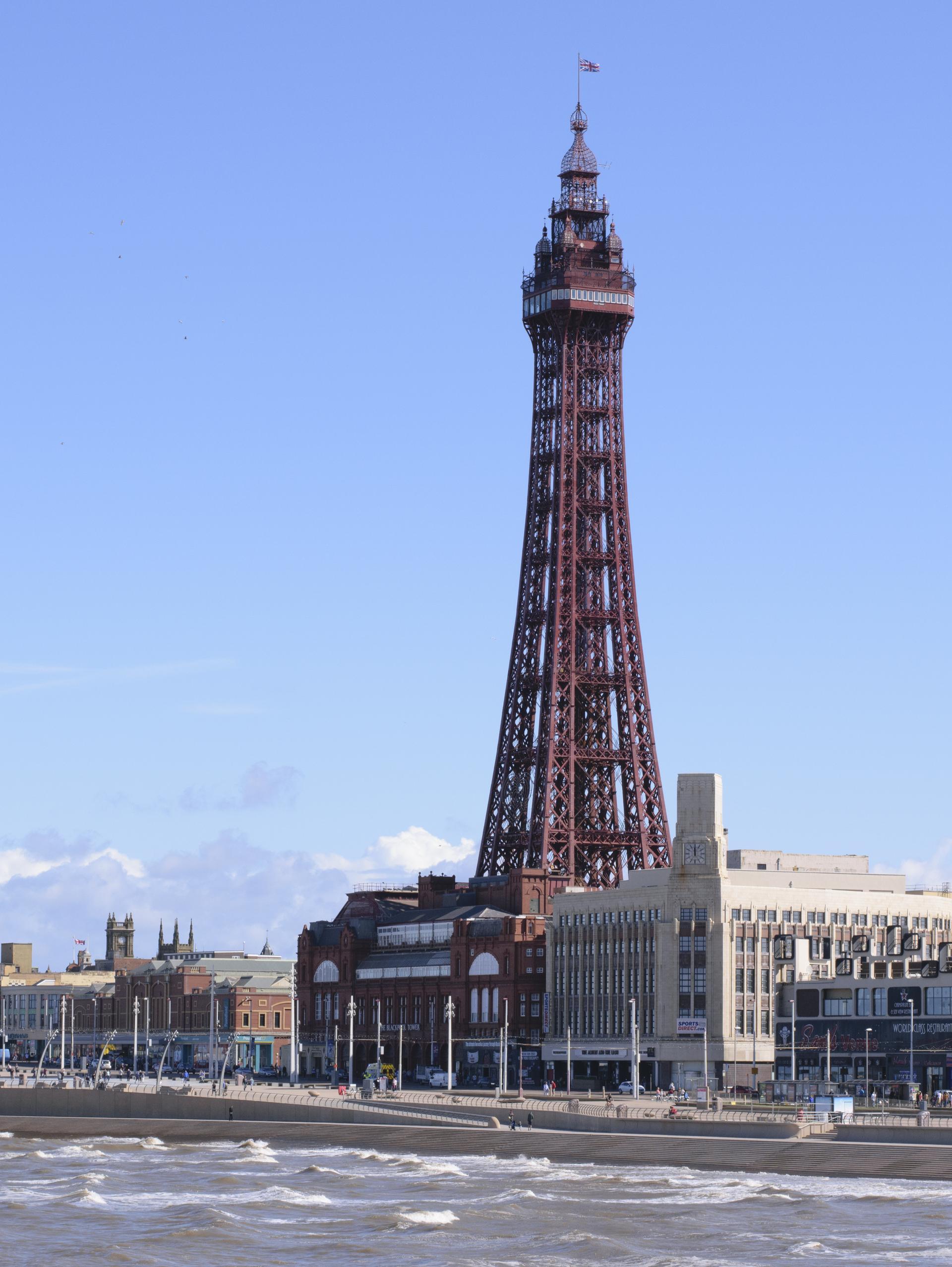
Discover Lancashire: A perfect blend of stunning landscapes, rich history, and vibrant culture in the heart of England's northwest.
Tell me more about Lancashire
Historic Liverpool landmark blending WWII command heritage, architectural grandeur, and commemorative monuments in a striking U-shaped complex.
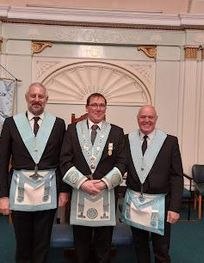
Historic Victorian Masonic lodge in Liverpool's cultural quarter, blending ceremonial tradition with contemporary community purpose.