Menstrie Castle, Clackmannanshire Travel Guide
Explore Menstrie Castle, a historic Scottish manor rich in clan heritage, civil war history, and the birthplace of the founder of Nova Scotia.
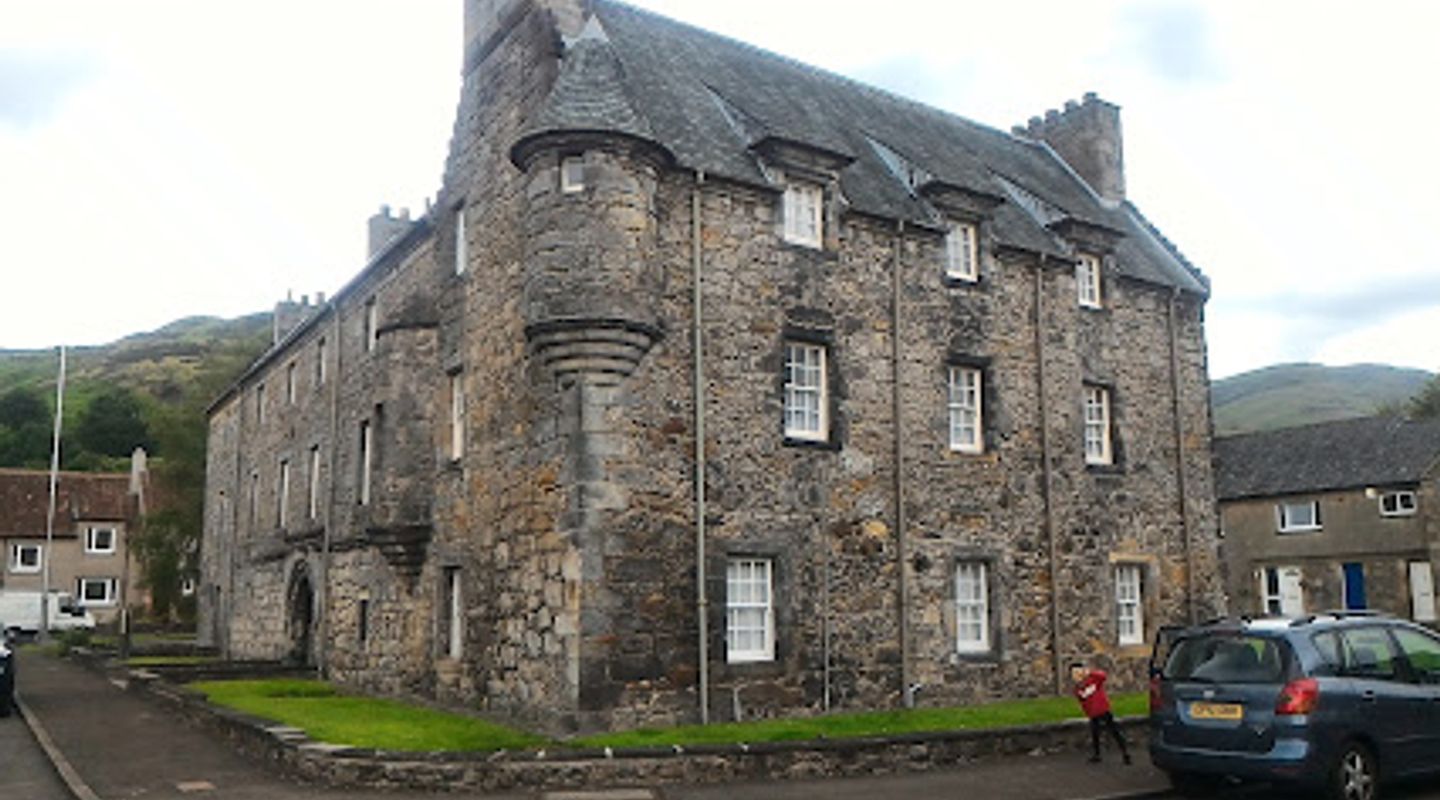
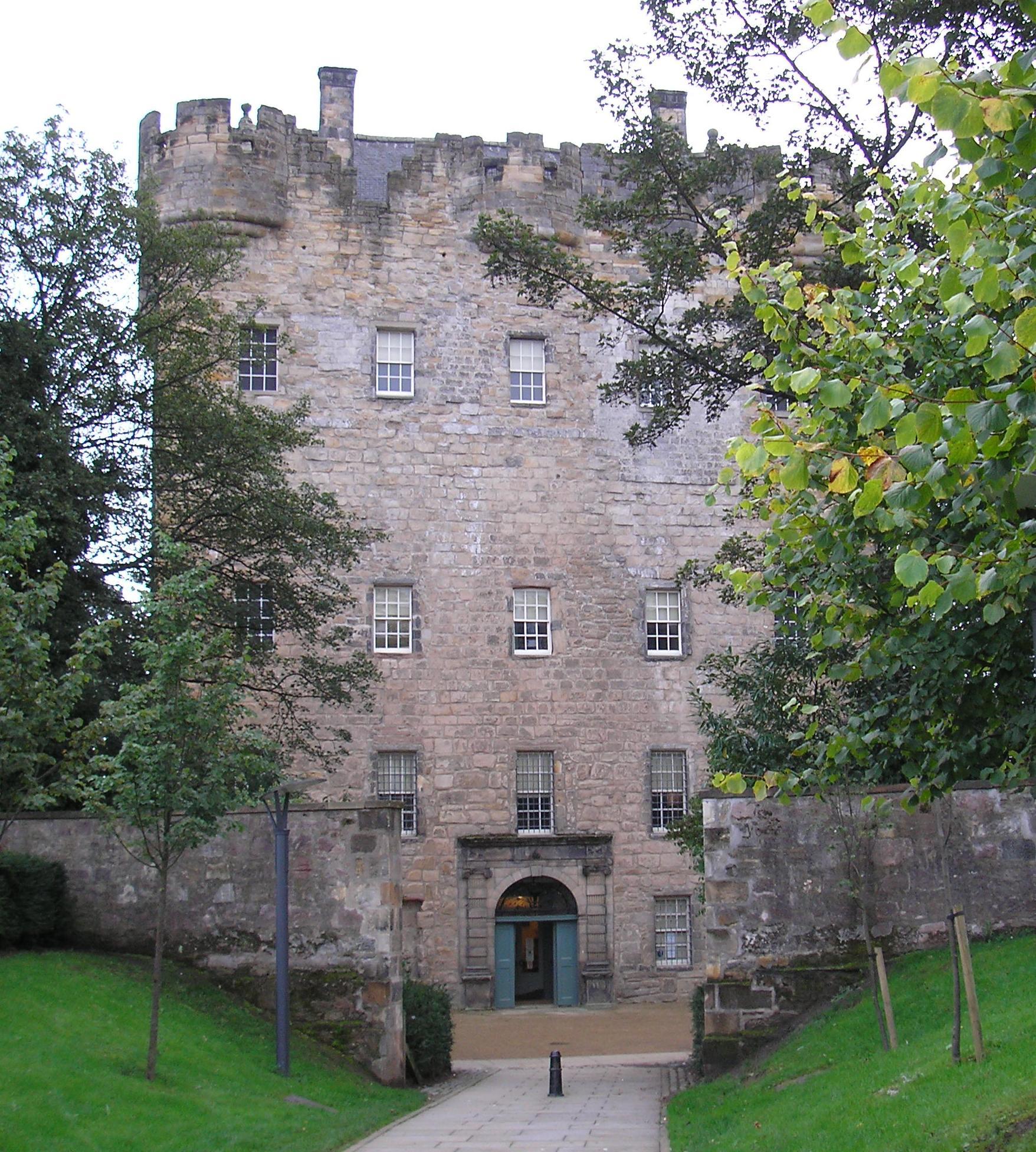
Menstrie Castle, located in Menstrie, Clackmannanshire, Scotland, is a historic 16th-century manor house famously known as the birthplace of Sir William Alexander, 1st Earl of Stirling. The castle, originally built around 1560 by the Alexander family, has witnessed significant historical events including burning during the 17th-century civil wars. Today, it serves as a museum commemorating its heritage, offers holiday accommodation, and stands as a restored architectural landmark blending history with contemporary use.
A brief summary to Menstrie Castle
- 7 Castle Rd, Menstrie, FK11 7AF, GB
- Click to display
- Click to display
- Duration: 1 to 3 hours
- Mid ranged
-
 Outdoor
- Mobile reception: 4 out of 5
- Wednesday 2 pm-5 pm
- Sunday 2 pm-5 pm

Know before you go
Hi, I'm Eve. Here are a few practical things to know before exploring Menstrie Castle.
- Plan your visit on Sundays or Wednesdays when the museum is open from 2 PM to 5 PM, or arrange a visit by request through the Menstrie Community Council.
- Consider staying overnight in one of the castle’s self-catering accommodation rooms for a unique historic experience.
- Take time to explore the exhibitions highlighting Sir William Alexander’s role in founding Nova Scotia and the castle’s connection to Scottish colonial history.
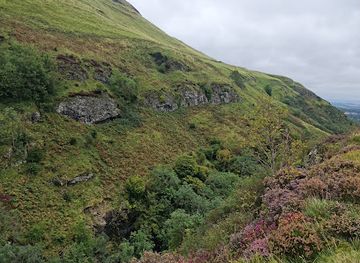
- Enjoy the scenic surroundings near the Ochil Hills, ideal for combining your castle visit with nature walks.
Do you manage this location?
Take control to get all the benefits, like improved information, better appearance, and stronger visibility across AI-powered discovery. Learn more about listing your business on Evendo
Activate your presenceOther nearby places you may find interesting
The closest places of the same kind, if this one is not quite what you had in mind.
Explore Menstrie Castle on the Map
A handpicked selection of must-see spots near Menstrie Castle, mapped for you.
Getting There
-
Train and Bus
Take a train to Stirling from major Scottish cities such as Edinburgh or Glasgow, with journey times ranging from 40 to 60 minutes. From Stirling, catch a local bus to Menstrie village, which takes approximately 15 to 20 minutes. Bus services operate regularly but check schedules in advance; fares typically range from £3 to £6.
-
Car
Driving to Menstrie Castle from Stirling takes about 15 minutes via the A91 road. Parking is available near the castle, but spaces may be limited during peak times. There is no parking fee. The roads are well-maintained and accessible year-round.
-
Walking
For active visitors staying nearby in Menstrie or Clackmannan, walking to the castle is feasible and pleasant, taking around 20 to 30 minutes over mostly flat terrain. The paths are accessible but may be uneven in places, so suitable footwear is recommended.
For the on-the-go comforts that matter to you
-
 Restrooms
-
 Seating Areas
-
 Information Boards
Discover more about Menstrie Castle
Origins and Early Legacy of the Alexander Family
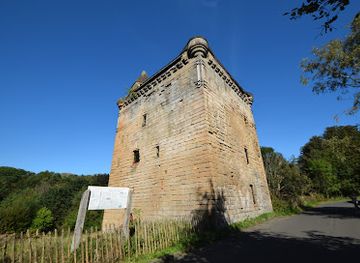
Menstrie Castle was constructed circa 1560 by the Alexander family, a branch of the Clan MacAlister that had anglicised their surname. This three-storey manor house sits on slightly elevated ground in the village of Menstrie, near the Ochil Hills, central Scotland. It is best known as the birthplace of Sir William Alexander in 1567, who rose to prominence as a poet, courtier, and statesman. William Alexander became a member of King James VI's Royal Household, eventually serving as Principal Secretary of State and being created the 1st Earl of Stirling in 1633. His role was pivotal in the founding of the Scottish colony of Nova Scotia, linking Menstrie Castle to transatlantic history.Turmoil and Ownership Changes in the 17th and 18th Centuries
The castle’s history is marked by conflict during the Wars of the Three Kingdoms. In 1645, it was set ablaze by Royalist forces led by James Graham, 1st Marquess of Montrose, due to the family's political allegiances. Shortly after, in 1648, it was acquired by James Holborne, a major general in the Scottish army, whose family became Baronets of Menstrie in 1706. Later, the estate passed to George Abercromby of Tullibody House in 1719. The Abercromby family retained ownership until 1924, although the castle gradually fell into disrepair from the mid-18th century. Ralph Abercromby, a notable British military hero, was born here in 1734, adding further historical significance to the site.Restoration and Modern Use
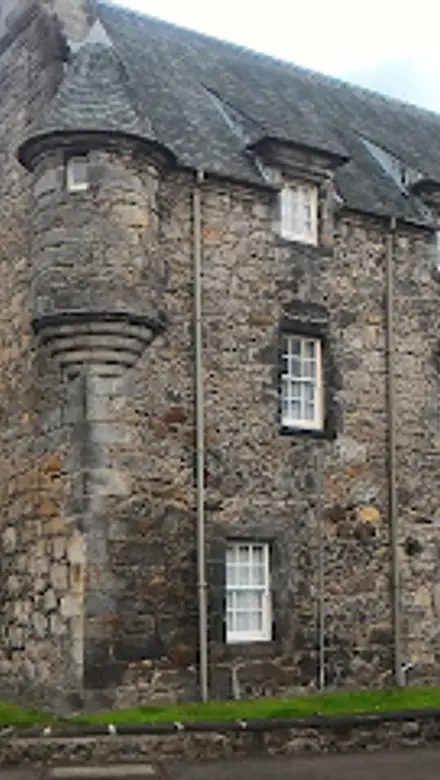
By the end of World War II, Menstrie Castle was in a dilapidated state. The Scottish actor and conservationist Moultrie Kelsall spearheaded efforts to secure funding for its restoration, recognizing its cultural importance. The castle was designated a Category A listed building in 1960, acknowledging its national significance. Restoration work has preserved its distinctive L-plan tower house origins, extended into a U-plan layout with a courtyard enclosed by a curtain wall. Today, the castle houses a museum managed by the National Trust for Scotland and the Menstrie Community Council, featuring exhibitions on William Alexander and the Nova Scotia connection. Additionally, two rooms have been converted into self-catering holiday accommodation, allowing visitors to experience the historic atmosphere firsthand.Architectural Features and Exhibition Highlights
Menstrie Castle’s architecture reflects its evolution from a fortified tower house to a more expansive manor. The original L-plan structure was extended in the 17th century, creating a U-shaped building with a courtyard. Inside, visitors can find rooms adorned with the heraldic arms of the Baronets of Nova Scotia, linking the site to its colonial legacy. The exhibitions focus on the life and achievements of Sir William Alexander, including his literary contributions and political career. The castle’s setting near the Ochil Hills enhances its scenic appeal, combining natural beauty with historical intrigue.Community Engagement and Visitor Experience
The castle is now a focal point for the Menstrie community, with access to the museum available by request through the Menstrie Community Council. This arrangement preserves the castle’s heritage while fostering local stewardship. Visitors can explore the exhibitions, enjoy the tranquil surroundings, and even stay overnight in the castle’s converted accommodation. The blend of history, architecture, and community involvement makes Menstrie Castle a unique destination that connects Scotland’s past with present-day cultural life.Significance in Scottish Heritage and Beyond
Menstrie Castle stands as a testament to Scotland’s rich history, from clan heritage and civil war struggles to colonial ambitions and military heroism. Its association with Sir William Alexander and the founding of Nova Scotia extends its importance beyond Scotland to the wider Atlantic world. The castle’s preservation and adaptive reuse illustrate successful heritage conservation, offering visitors a tangible link to the narratives that shaped the region and its global connections.












Your all‑in‑one travel companion app
Explore expert travel guides, compare and book tours, experiences, hotels, and more—all from the palm of your hand. Download now for seamless trip planning wherever your wanderlust takes you.


Explore More of Clackmannanshire
Looking beyond Menstrie Castle? Discover Clackmannanshire for broader travel guides, local hot-spots, and regional highlights.
Explore Clackmannanshire