
Stirling War Memorial: A Tribute to Sacrifice and Remembrance
A dignified sandstone obelisk honoring Stirling’s fallen heroes from World War I and beyond, standing as a lasting symbol of sacrifice and remembrance.
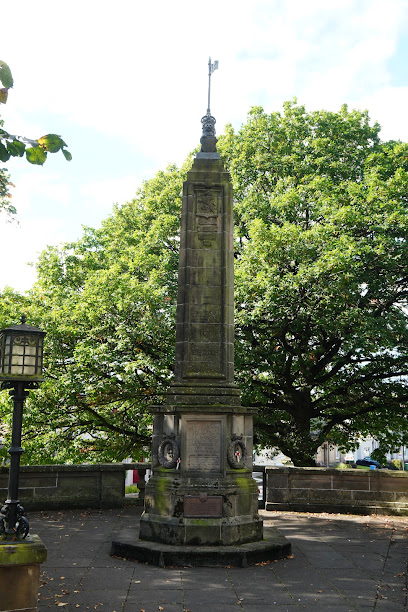
The Stirling War Memorial, erected in 1922 on Corn Exchange Road, is a solemn sandstone obelisk commemorating the 692 Stirling men who died in World War I. Designed by local architect George R Davidson, it features bronze plaques and two bronze lions atop the obelisk. Later additions honor those fallen in subsequent conflicts. The monument is a Category B Listed structure within Stirling Town Conservation Area and underwent significant restoration in 2015 to preserve its dignity and detail.
A brief summary to Stirling War Memorial
- Stirling, GB
- Duration: 0.25 to 1 hours
- Free
-
 Outdoor
- Mobile reception: 4 out of 5
Local tips
- Visit during daylight hours to fully appreciate the intricate bronze plaques and the surrounding landscaped setting.
- Combine your visit with nearby historic sites in Stirling, such as Stirling Castle and the National Wallace Monument.
- Attend on Remembrance Day or Armistice Sunday to experience commemorative ceremonies and wreath-laying.
- Take time to explore the Stirling Town Conservation Area to understand the memorial’s historic urban context.

For the on-the-go comforts that matter to you
- Seating Areas
- Trash Bins
- Information Boards
Getting There
-
Bus
Local bus services connect Stirling city center to Corn Exchange Road, where the memorial is located, with travel times typically between 10 to 15 minutes. Buses run frequently throughout the day, though service intervals may be reduced on weekends and public holidays. A single fare costs approximately £1.50 to £2.50.
-
Train
Stirling railway station is about 2.5 km from the memorial. From the station, a taxi ride takes around 7 minutes and costs about £6 to £10. Alternatively, a 30-minute walk along accessible urban paths leads to the site.
-
Car
Driving to the memorial is straightforward via Stirling’s road network. Public parking is available nearby, though spaces can be limited during peak times. Parking fees typically range from £1 to £3 per hour. The area is accessible year-round.
Stirling War Memorial location weather suitability
-
 Any Weather
-
 Rain / Wet Weather
-
 Clear Skies
-
 Mild Temperatures
-
 Windy Conditions
Discover more about Stirling War Memorial
A Monument Born of Community and Memory
The Stirling War Memorial was erected in 1922 to honor the men of Stirling who sacrificed their lives during the First World War. Funded by public subscription, the memorial reflects the collective grief and respect of the local community. Designed by George R Davidson, a local architect, it embodies a distinctly Scottish character through its tall sandstone obelisk form, standing as a silent sentinel over the city. The unveiling ceremony was a significant event, attended by Field-Marshal Earl Haig, with hundreds of locals paying their respects, marking the memorial as a focal point for remembrance.Architectural Features and Symbolism
The memorial’s sandstone obelisk is complemented by bronze plaques bearing the names of the 692 fallen soldiers from Stirling. Atop the obelisk, two bronze lions flank a standard, symbolizing strength and vigilance. The surrounding area is landscaped and enclosed by a balustraded boundary wall, creating a dignified setting for reflection. Over time, additional plaques were added to commemorate those who died in later conflicts, notably World War II, ensuring the memorial’s ongoing relevance as a site of remembrance.Preservation and Restoration Efforts
By the early 21st century, the memorial required essential repairs to address weathering and structural wear. In 2014-15, the Stirling City Heritage Trust secured nearly £40,000 from various heritage and environment funds to undertake restoration. The work included repointing stonework, reinstating missing architectural details, repairing the balustrade wall, and carefully cleaning the bronze elements. Completed in 2015, these efforts have preserved the memorial’s integrity and ensured its continued role as a poignant historical landmark.Context Within Stirling’s Historic Landscape
Situated on Corn Exchange Road within the Stirling Town Conservation Area, the memorial is part of a rich tapestry of historic sites in the city. Its Category B Listed status recognizes its architectural and cultural significance. The memorial complements Stirling’s other heritage landmarks, such as Stirling Castle and the National Wallace Monument, contributing to the city’s identity as a place deeply connected to Scotland’s history and military heritage.The Memorial’s Role in Commemoration Today
The Stirling War Memorial remains a place for public remembrance, particularly on occasions such as Remembrance Sunday and Armistice Day. It stands as a lasting tribute to the courage and sacrifice of those from Stirling who served in the armed forces. The memorial invites visitors to reflect on the cost of conflict and the enduring importance of honoring those who gave their lives for their country.Engagement and Educational Value
Beyond its commemorative function, the memorial serves as an educational resource, illustrating the impact of global conflicts on local communities. Its presence encourages exploration of Stirling’s military history and fosters appreciation for the sacrifices made by previous generations. The restoration and maintenance efforts highlight the community’s commitment to preserving its heritage for future visitors and residents alike.Iconic landmarks you can’t miss

Stirling War Memorial
0.0 km
A dignified sandstone obelisk honoring Stirling’s fallen heroes from World War I and beyond, standing as a lasting symbol of sacrifice and remembrance.
Rob Roy McGregor Statue
0.0 km
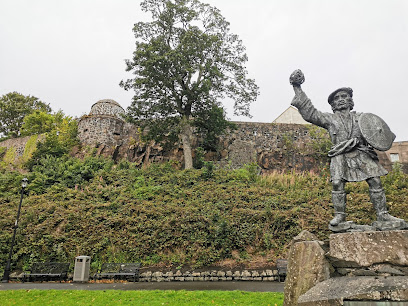
Discover the stirring legacy of Rob Roy MacGregor, Scotland’s legendary outlaw and folk hero, immortalized in bronze in the heart of Stirling.
City Walls
0.1 km
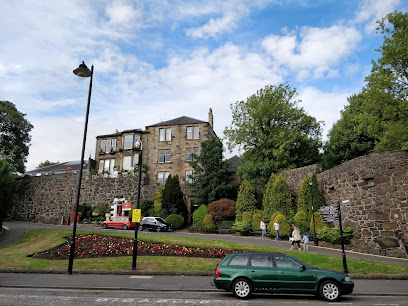
Discover the historic City Walls Pub in Stirling, where ancient charm meets modern Scottish hospitality, offering local dishes and brews.
Monterey Jack's Stirling
0.1 km
Experience the authentic taste of American cuisine at Monterey Jack's Stirling, where delicious burgers and creative cocktails await you in a vibrant atmosphere.
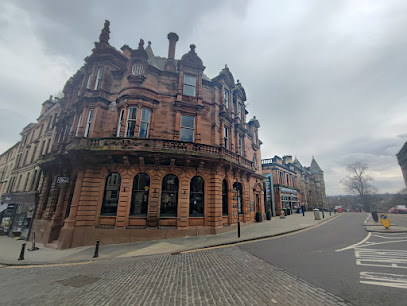
Castle Walk Bed & Breakfast
0.1 km
Discover comfort and Scottish hospitality at Castle Walk Bed & Breakfast, a charming retreat in the heart of Stirling with stunning views and easy access to local attractions.

The Crossed Peels
0.1 km
Historic Stirling pub offering real ales, hearty fare, and a welcoming atmosphere in the heart of the Old Town.
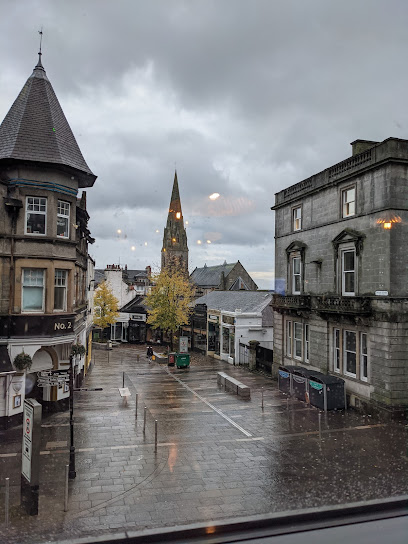
Contempo
0.2 km
Explore Contempo, Stirling's charming gift shop offering unique souvenirs, jewelry, and handcrafted treasures that capture the essence of Scotland.
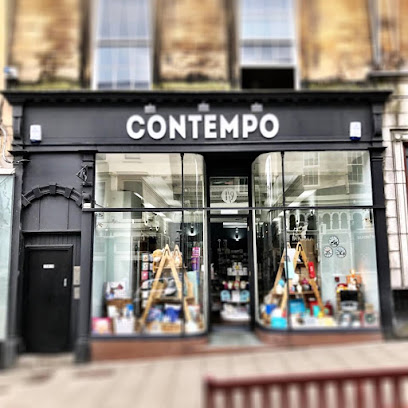
Tinkerbells Emporium
0.2 km
Discover the enchanting Tinkerbells Emporium in Stirling, a magical gift shop filled with unique treasures and delightful souvenirs for every traveler.
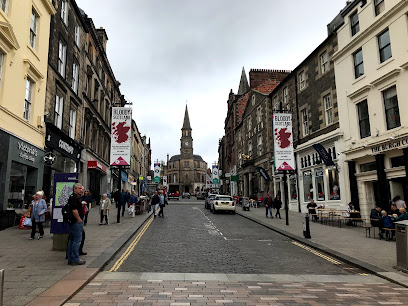
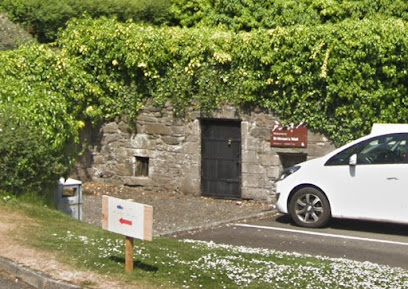
St Ninians Well
0.4 km
Discover Stirling’s historic St Ninians Well, a tranquil stone spring steeped in healing lore and centuries of local tradition.
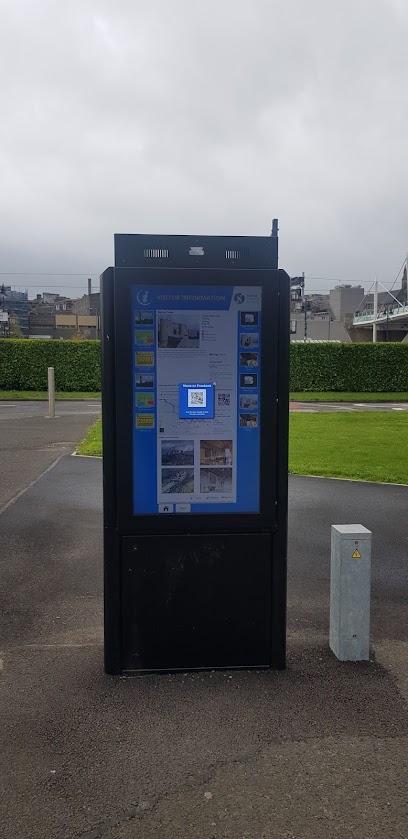
Tourist Information Point
0.5 km
Explore Stirling like a local with insights and resources from the Tourist Information Point, your guide to unforgettable adventures in Scotland.
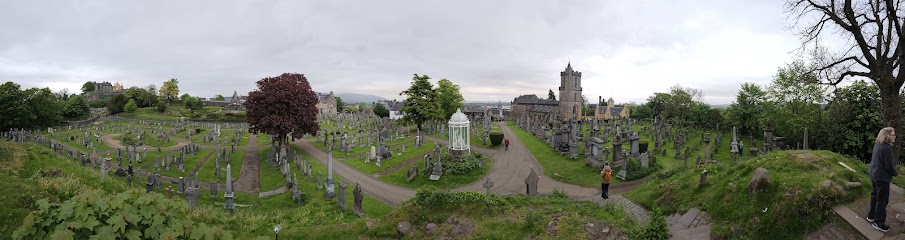
The Statues
0.5 km
Historic statues in Stirling celebrating Scotland’s heroes and cultural legends, set amidst a rich urban heritage landscape.
Stirling City Heritage Trust
0.5 km
Explore the Stirling City Heritage Trust and uncover the stories of Scotland's past through its dedicated preservation efforts.
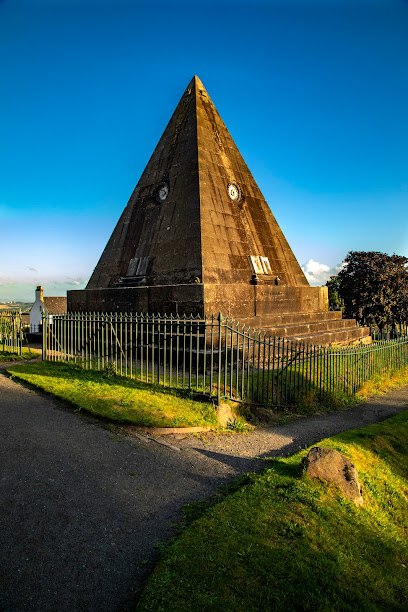
The Star Pyramid
0.6 km
A striking Victorian pyramid honouring Scottish Presbyterian heritage within an ornamental 19th-century cemetery.
Historic Scotland
1.2 km
Discover the artistry of stone-cutting at Historic Scotland, a captivating experience in Stirling that showcases Scotland's rich architectural heritage.

memorial
2.5 km
A solemn stone memorial honouring Stirling's fallen, set within a verdant park of woodland walks and quiet reflection.
Unmissable attractions to see

The Atheneum
0.1 km
A classical 19th-century landmark in Stirling, blending history, culture, and civic heritage at the heart of King Street.

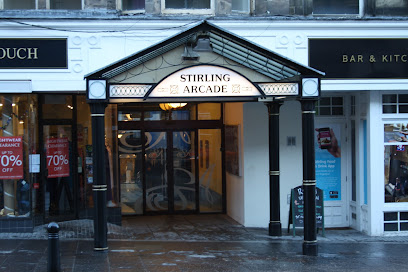
Stirling Arcade
0.1 km
Step into Stirling Arcade, where Victorian elegance meets vibrant independent shopping in the heart of Stirling.
Stirling Spiritualist Church
0.2 km
A welcoming spiritual sanctuary in Stirling offering healing, meditation, and community connection through traditional spiritualist services.
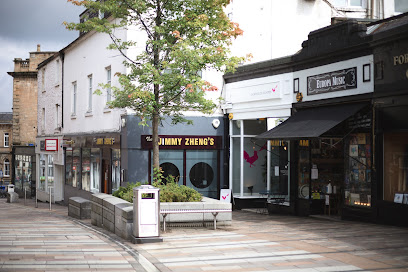
Unorthodox Roasters
0.2 km
Chic specialty coffee roastery in Stirling’s historic old town, blending expert brews with a quirky vibe and a tranquil garden retreat.
The Scottish Gantry
0.2 km
Discover Scotland’s finest whiskies, gins, and wines at The Scottish Gantry, Stirling’s premier boutique spirits shop with expert tastings and warm hospitality.
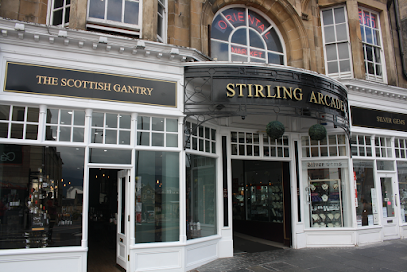
Stirling
0.2 km
Discover Stirling, Scotland’s historic city crowned by its iconic castle, rich heritage, and stunning Highland gateway views.
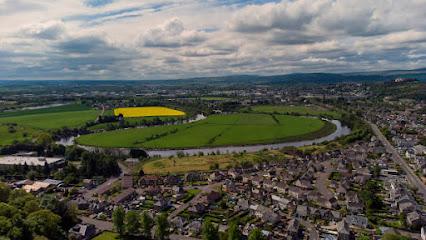
Marks and Spencer
0.2 km
A trusted department store in Stirling offering quality fashion, food, and home goods in a welcoming central location.

Escape Stirling
0.3 km
Dive into Stirling’s top escape rooms for thrilling puzzles, immersive stories, and unforgettable team adventures.
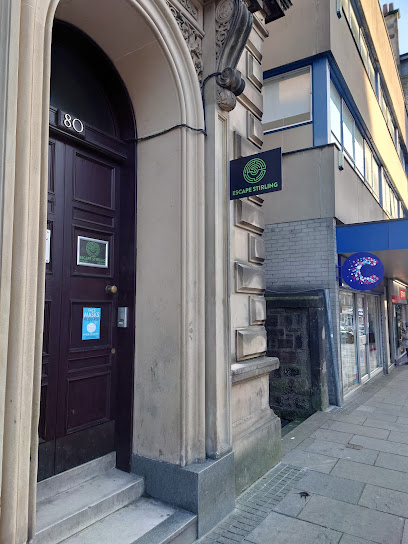
Slanj-A-Va
0.3 km
A spirited live music venue in Stirling blending Scottish flavours, lively events, and a welcoming atmosphere for memorable nights out.
The Bastion
0.3 km
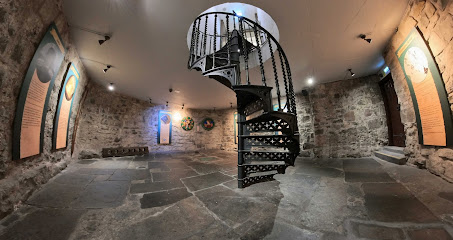
Discover Stirling’s hidden 16th-century bastion and underground prison cell nestled beneath a modern shopping centre.
Stirling - Lower Castlehill
0.3 km
Historic gateway to Stirling Castle’s royal past, where medieval streets lead to grand halls and living history comes alive.
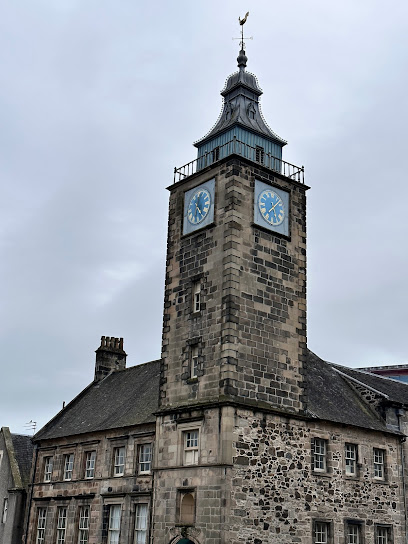
The Thistles Shopping Centre
0.3 km
A modern shopping destination in Stirling’s city centre with diverse stores, dining, and accessible facilities for all visitors.
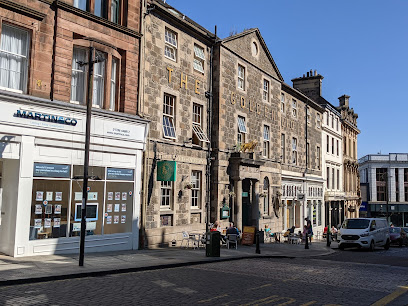
Black Boy
0.3 km
Discover Stirling’s iconic Black Boy Fountain, a historic cast iron landmark blending 19th-century craftsmanship with rich Scottish heritage.
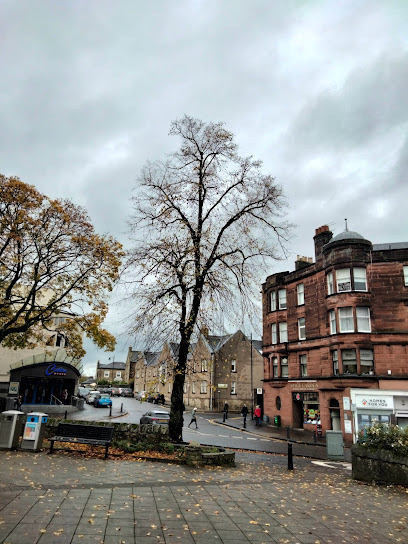
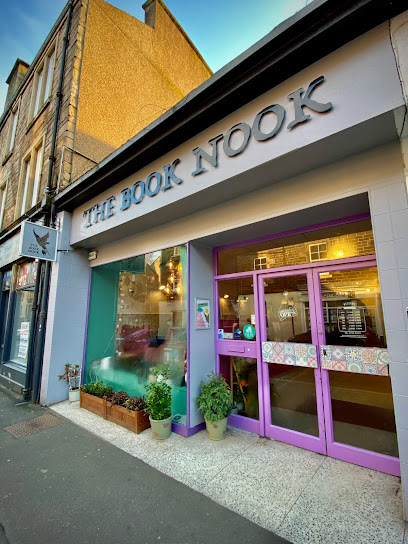
The Book Nook
0.3 km
A cozy, independent bookshop and café in Stirling blending curated fiction, homemade treats, and vibrant community events.
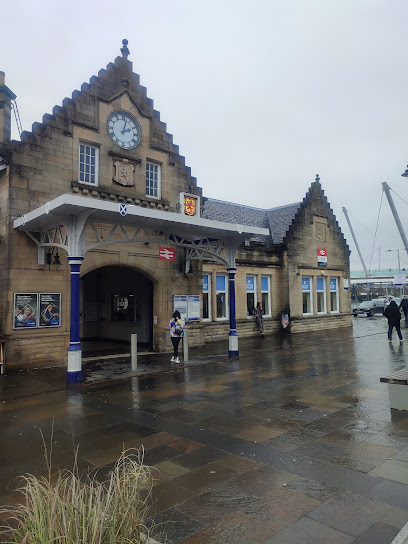
Station Square
0.3 km
Station Square, Stirling’s vibrant transport hub, connects you effortlessly to historic landmarks and scenic Scottish landscapes.
Essential places to dine

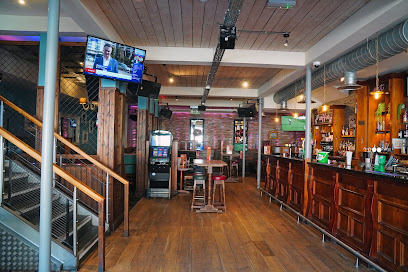
Corn Exchange
0.1 km
A lively Stirling pub and nightclub blending historic charm with vibrant dining and late-night entertainment.
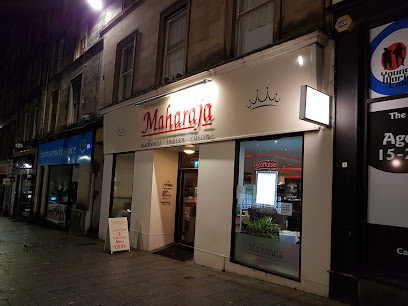
Maharaja Authentic Indian Cuisine
0.1 km
Experience authentic Indian flavors and warm hospitality in the heart of Stirling at Maharaja Authentic Indian Cuisine.
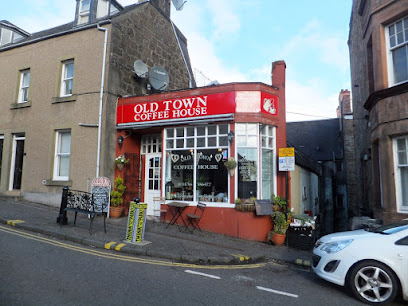
Old Town Coffee House
0.1 km
Cozy family-run café in Stirling’s Old Town, serving fresh baked goods, specialty coffee, and hearty British-Polish fare in a welcoming setting.
Brea - Scottish Restaurant
0.1 km
Experience award-winning modern Scottish cuisine crafted with fresh, local ingredients in a cozy Stirling bistro.
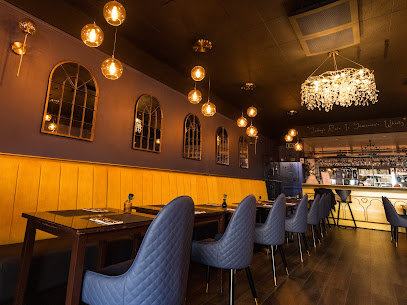
The Wee Wolf Bistro
0.1 km
Cozy and family-friendly bistro in Stirling serving hearty, freshly cooked meals with gluten-free options and welcoming atmosphere.
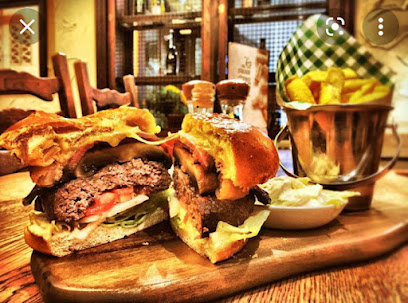
Cafe Aina Restaurant
0.1 km
Discover fresh Greek and vegan flavors in Stirling’s friendly, casual Cafe Aina, where quality meets affordability on King Street.
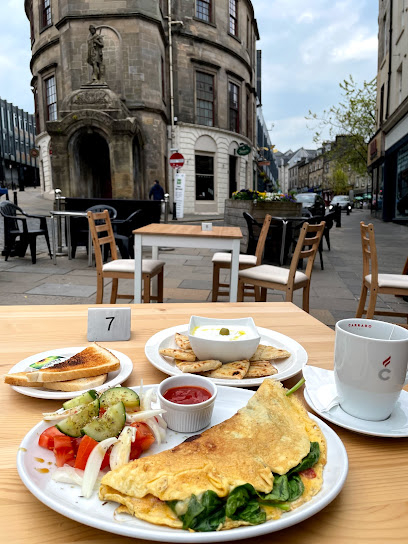
Sida Thai
0.1 km
Experience authentic Thai cuisine in a cozy Stirling setting with fresh, flavorful dishes and friendly service at Sida Thai.
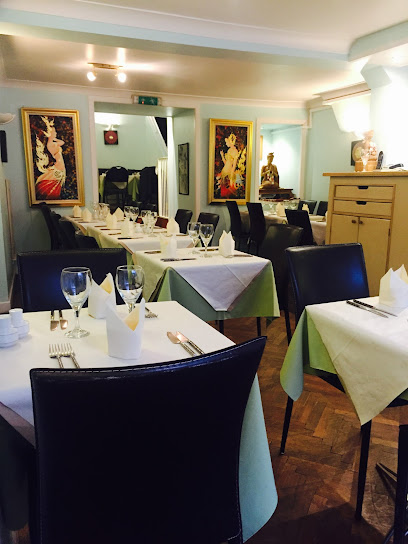
Scholars Restaurant
0.1 km
Classic British dining in the heart of Stirling with welcoming indoor and outdoor settings at the historic Stirling Highland Hotel.
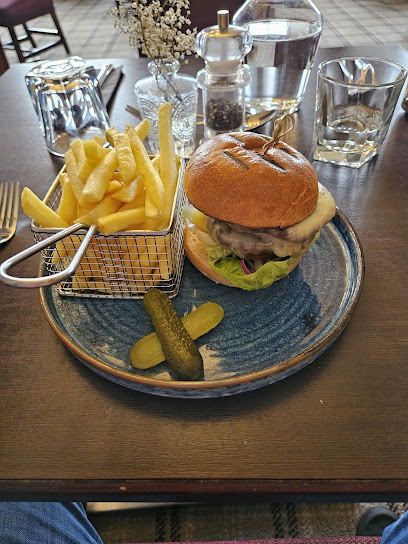
Italia Nostra Ltd
0.2 km
Experience authentic Italian flavors and warm hospitality in the heart of Stirling at Italia Nostra Ltd.
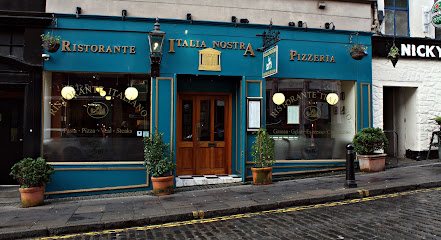
Nicky-Tams Bar & Bothy
0.2 km
Discover Nicky-Tams Bar & Bothy: A vibrant gastropub in Stirling offering delicious food, local ales, and live music in an inviting atmosphere.
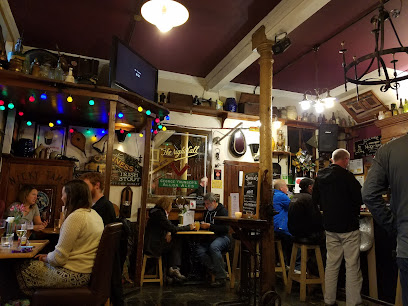
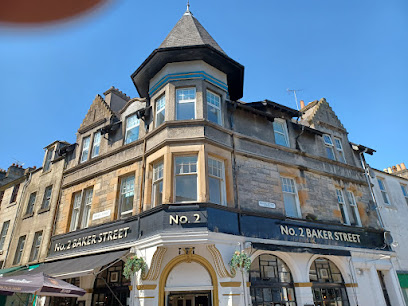
No 2 Baker Street
0.2 km
A cozy Victorian pub in central Stirling serving hearty Scottish classics, real ales, and live music in a warm, welcoming atmosphere.
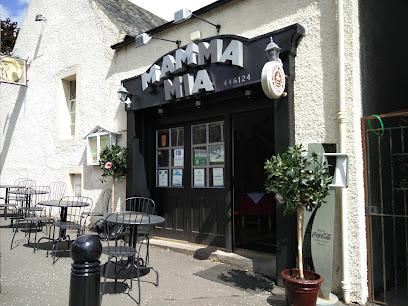
Mamma Mia Restaurant
0.2 km
Authentic Italian flavors and warm hospitality await you in the heart of Stirling at Mamma Mia Restaurant.
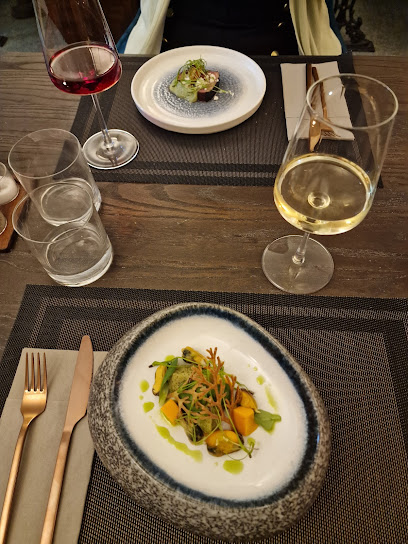
an dárna
0.2 km
Discover Stirling’s premier tasting menu restaurant offering innovative, locally sourced dishes in a relaxed, refined setting.
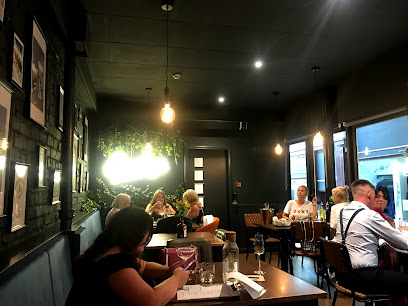
Oscar's Wine Bar
0.2 km
Discover Oscar's Wine Bar in Stirling: A perfect blend of fine wines, delicious tapas, and live music in a welcoming atmosphere.
Allan Park
0.2 km
Historic charm meets hearty Scottish dining in the heart of Stirling at The Allan Park Hotel & Restaurant.
Markets, malls and hidden boutiques

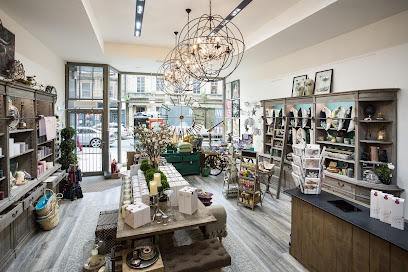
A'ila Home
0.1 km
Discover Stirling’s unique homewares treasure trove offering quirky, quality décor and gifts that add personality to every room.
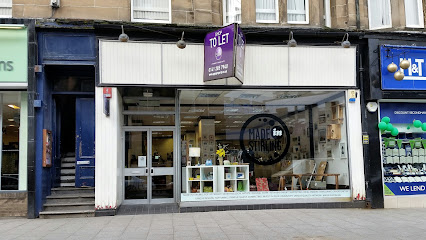
Made In Stirling
0.1 km
Discover Stirling’s vibrant creative heart with unique handmade art, crafts, and workshops at Made in Stirling’s flagship store.
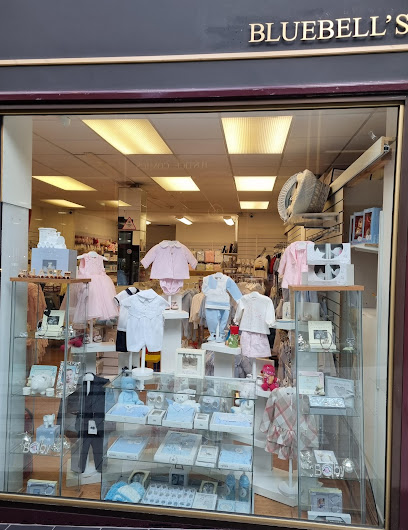
Bluebell's Childrenswear
0.2 km
Discover stylish, quality children's clothing and gifts in Stirling’s charming Bluebell's Childrenswear boutique.
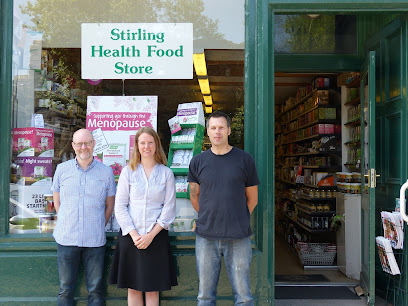
Stirling Health Food Store
0.2 km
Stirling Health Food Store offers over 45 years of trusted natural, vegan, and organic products with expert advice in the heart of Stirling.
Trend
0.2 km
Discover Trend in Stirling, a unique clothing shop offering the latest fashion styles and timeless pieces for every occasion.
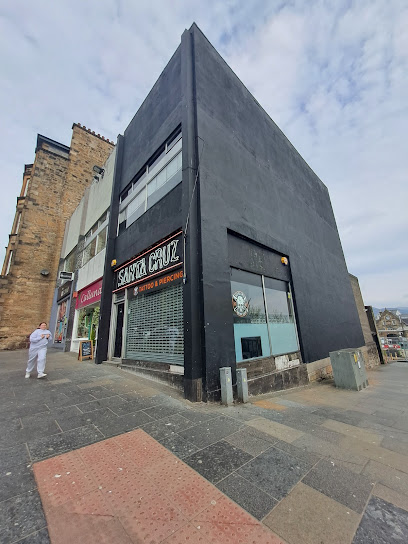
Abbey Antiques Ltd.
0.2 km
Carefully curated antiques and fine art hidden on historic Friars Street in Stirling.
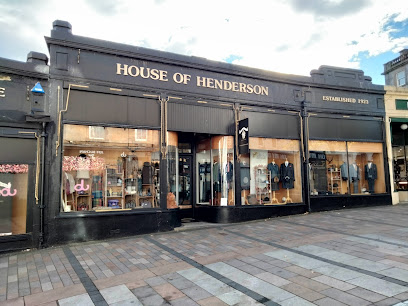
House of Henderson
0.2 km
Discover bespoke Scottish Highlandwear crafted with tradition and care at Stirling’s House of Henderson, kiltmakers since 1923.
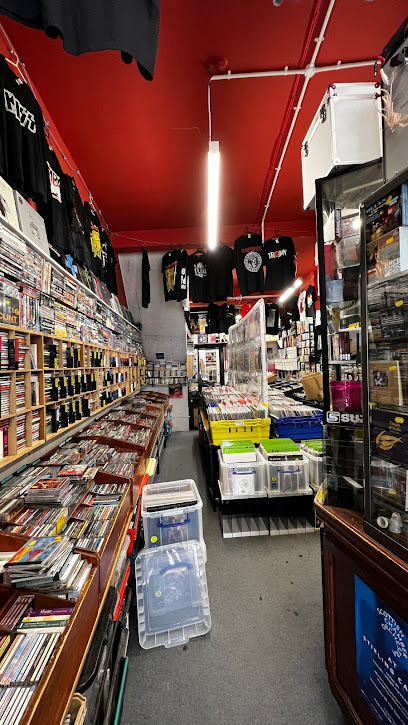
Europa Music
0.2 km
Stirling's independent vinyl and CD sanctuary for collectors and music enthusiasts.
Keepsake Scotland
0.2 km
Authentic Scottish gifts and locally crafted treasures in the heart of Stirling.
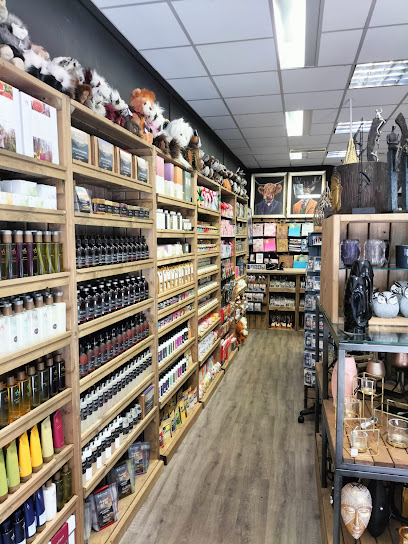
Clan Artisan Ltd
0.2 km
A charming Scottish gift shop in Stirling, where every hamper and handmade item celebrates local makers and the spirit of Scotland.
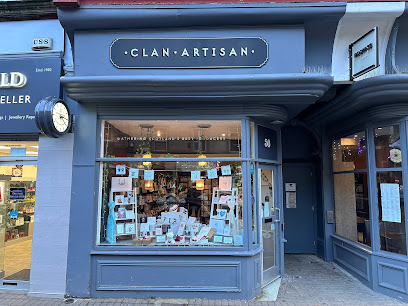
Calluna ethical living
0.3 km
Discover Stirling’s charming hub for sustainable gifts, ethical homewares, and beautiful plants at Calluna Ethical Living.
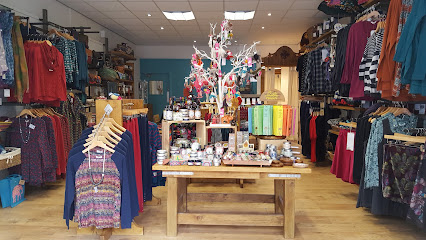
Cancer Research UK
0.3 km
Treasure hunt for a cause—quality secondhand finds funding cancer research in Stirling's heart.

The Fragrance Shop
0.3 km
Discover your signature scent at Stirling’s premier independent fragrance retailer with expert advice and an extensive brand selection.

The Celebrations Card & Gift Shop
0.3 km
Discover unique gifts and heartfelt cards at The Celebrations Card & Gift Shop in Stirling, your perfect stop for special occasions.
Stons
0.3 km
Discover unique, stylish menswear and womenswear at Stons, Stirling’s independent boutique for casual and evening fashion.

Essential bars & hidden hideouts

meraki
0.1 km
A vibrant and quirky cocktail bar in Stirling city centre, known for expertly crafted classics and innovative creations in a relaxed, friendly setting.
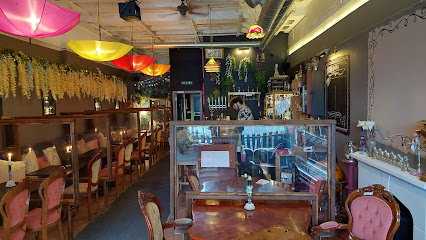
BrewDog Stirling
0.1 km
A lively craft beer bar and restaurant in Stirling offering 15 taps, classic bar food, and a vibrant atmosphere near the castle and station.
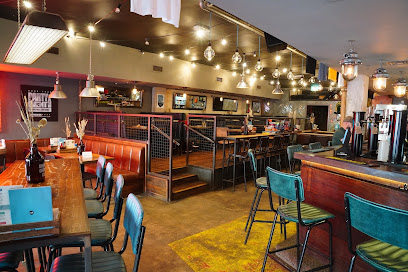
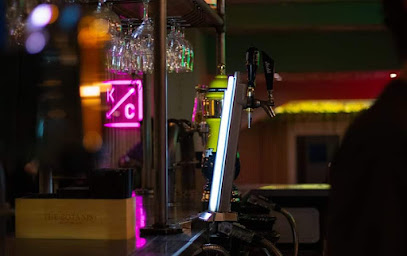
King Cons
0.1 km
Experience Stirling’s vibrant nightlife at King Cons, a lively bar offering great drinks, live music, and a welcoming atmosphere in the city centre.
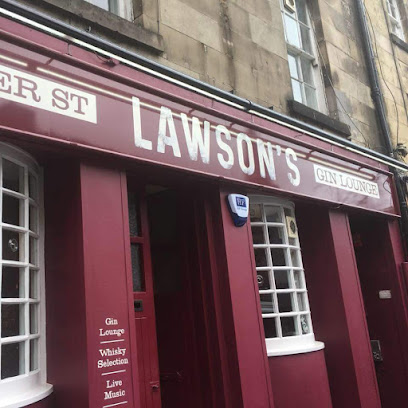
Lawsons
0.2 km
Discover Lawsons, Stirling’s cozy gin lounge with over 95 gins, craft cocktails, and warm Scottish hospitality in a lively, welcoming setting.
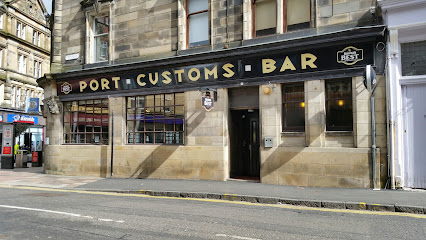
Port Customs Bar
0.3 km
A classic Stirling pub offering well-kept beers, fine whiskies, and a friendly, inviting atmosphere for locals and visitors alike.
Curly Coo Bar
0.3 km
Discover Stirling’s cozy whisky sanctuary with over 130 malt whiskies, warm hospitality, and a quirky yet traditional atmosphere.
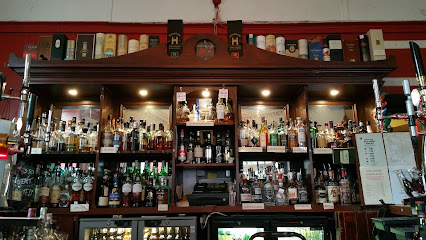
Cross Keys
0.5 km
A cozy historic pub and inn in Stirling offering hearty local fare, guest beers, and comfortable rooms with scenic views.
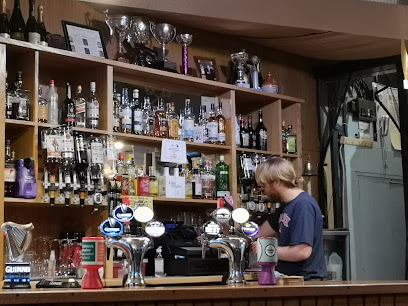
Settle Inn
0.5 km
Historic Stirling pub with cozy charm, lively folk music, and a welcoming atmosphere for ale lovers and locals alike.
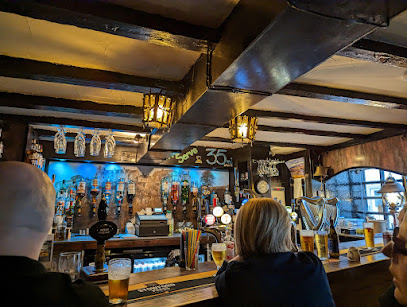
Vinney’s Bar
1.8 km
A friendly, budget-friendly bar in Raploch, Stirling, known for its welcoming vibe and lively local nights.

The Borestone Bar
2.0 km
A friendly and affordable Stirling pub with a spacious lounge, welcoming locals, and a lively atmosphere near Bannockburn Road.
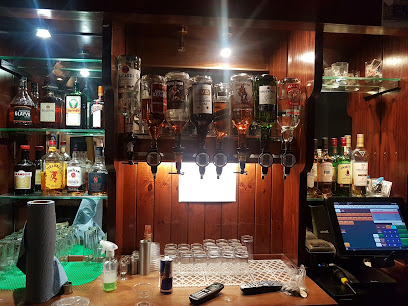
Anchor Bar
2.2 km
A friendly and affordable community pub in Stirling with pool, darts, live sports, and a spacious function room for vibrant local gatherings.
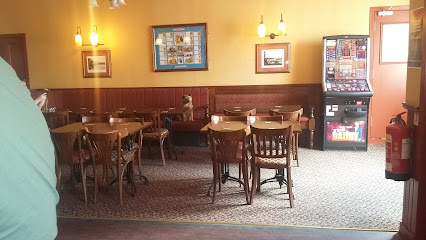
The William Wallace
2.5 km
A cosy, affordable Scottish pub near the Wallace Monument, offering hearty food, fresh beer, and a warm, friendly atmosphere in Stirling's Causewayhead.
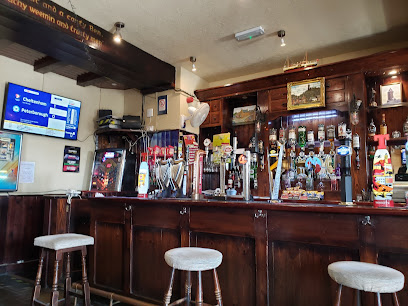
1314 Inn
3.0 km
A friendly Stirling pub offering hearty Scottish fare, generous portions, and a warm community atmosphere at great value.
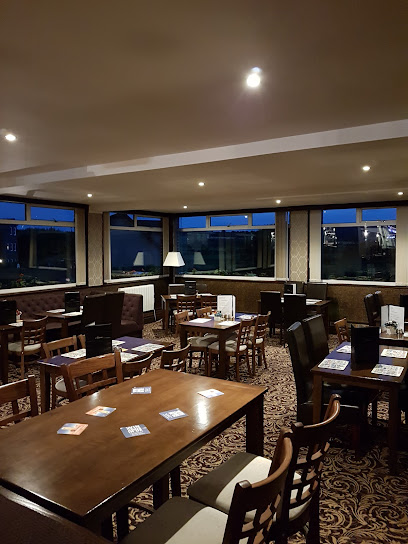
Westerton Arms
4.2 km
A cherished Bridge of Allan pub and restaurant blending hearty Scottish fare with warm hospitality and a cozy atmosphere.
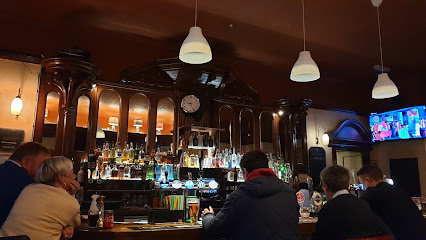
The Bawbee
4.2 km
Vibrant cocktail bar and restaurant in Bridge of Allan, known for lively atmosphere, live music, generous portions, and expertly crafted drinks.
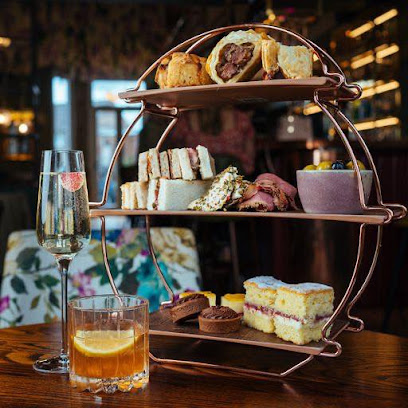
Nightclubs & after hour spots

Castle Leisure Group
0.2 km
Discover the lively atmosphere of Castle Leisure Group in Stirling – a perfect blend of dining, nightlife, and entertainment for tourists.

Fubar Nightclub
0.3 km
Experience Stirling’s energetic student nightlife at Fubar Nightclub, where music, lights, and lively crowds come alive late into the night.

XOXO
16.2 km
Central Scotland’s largest nightclub offering vibrant nightlife, pool hall fun, and private event spaces in the heart of Falkirk.
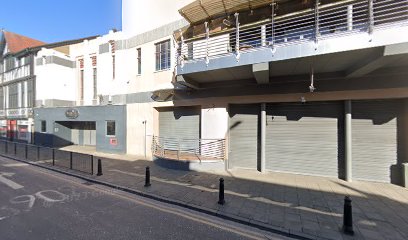
City Nightclub
16.2 km
Experience Falkirk’s vibrant nightlife at City Nightclub, the town’s energetic weekend hotspot for music, dancing, and late-night fun.
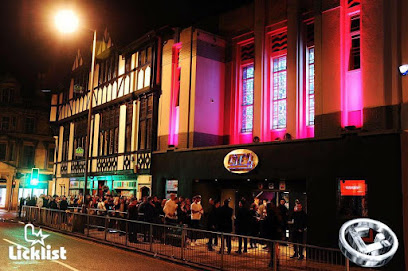
I-Kandy Nightclub
28.0 km
Discover the electrifying nightlife at I-Kandy Nightclub in Airdrie, where vibrant music and a lively atmosphere await!

Pulse
28.1 km
Experience Airdrie’s vibrant nightlife at Pulse Nightclub, where music, dancing, and unforgettable moments come alive.
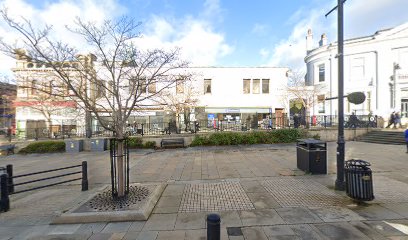
Eden Night Club
28.9 km
Vibrant late-night hotspot in Coatbridge offering house, R&B, and chart music with a lively atmosphere and smart dress code.

Avenue Nightclub Coatbridge
28.9 km
Coatbridge’s premier late-night nightclub for over-21s, offering vibrant music, modern vibes, and a lively weekend party scene.
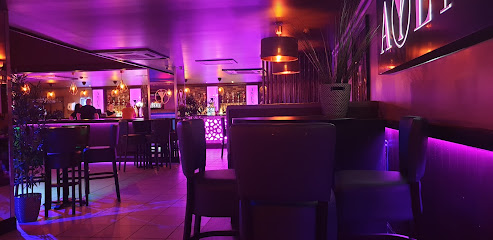
LIFE
30.0 km
Experience vibrant nightlife and late-night fun at LIFE, Dunfermline’s energetic nightclub with a welcoming atmosphere and great music.
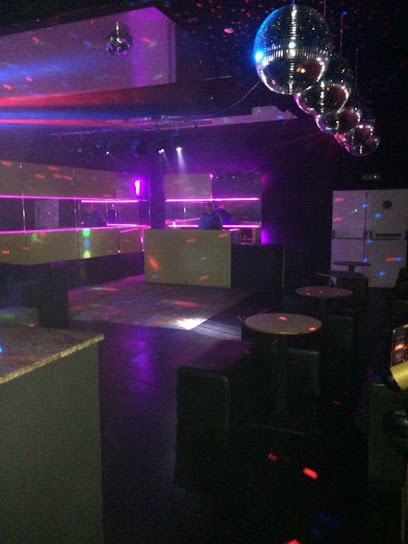
The Twig Nightclub
30.1 km
Bathgate’s oldest nightclub offering lively, affordable, and historic nightlife experiences every Saturday night.
Midnight Breakfast Club
30.3 km
A cozy live music venue and bar in Bathgate known for great tribute acts, strong drinks, and a friendly, lively atmosphere.

DreadnoughtRock Nightclub & Live Music Venue
30.5 km
Experience the pulse of Bathgate's nightlife at DreadnoughtRock, the ultimate live music venue and nightclub in the heart of the city.
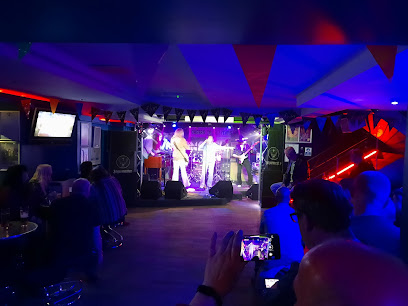
Hustlers Pool Hall
33.2 km
Affordable, lively pool hall and sports bar in Rosyth offering fun games, friendly vibes, and great social atmosphere for all ages.

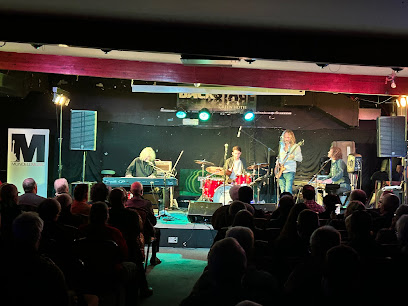
Backstage at The Green
33.5 km
Discover the heart of Kinross' nightlife at Backstage at The Green, a premier live music venue showcasing diverse musical talent.
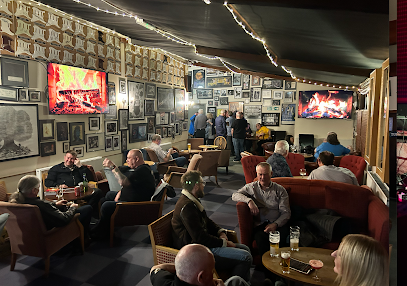
Mundell Music
33.5 km
Discover the heartbeat of Kinross at Mundell Music, where unforgettable live performances and a welcoming atmosphere await every music lover.
For the vibe & atmosphere seeker
- Tranquil
- Scenic
- Historic
- Reflective
For the design and aesthetic lover
- Rustic Designs
For the architecture buff
- Historic
- Landmarks
For the view chaser and sunset hunter
- Iconic Views
For the social media creator & influencer
- Photo Spots
- Architectural Shots
For the eco-conscious traveler
- Public-Transport Accessible
- Locally Managed
For the kind of experience you’re after
- Cultural Heritage
- Myth & Legends
- Mindfulness
- Day Trip
For how adventurous you want the journey to be
- Easy Access
Location Audience
- Family Friendly
- Senior Friendly
- Child Friendly
- Couple Friendly
- Solo Friendly


