Rob Roy McGregor Statue Travel Guide
Free Guide: Discover the stirring legacy of Rob Roy MacGregor, Scotland’s legendary outlaw and folk hero, immortalized in bronze in the heart of Stirling.


A brief summary of Rob Roy McGregor Statue
Discover the stirring legacy of Rob Roy MacGregor, Scotland’s legendary outlaw and folk hero, immortalized in bronze in the heart of Stirling.
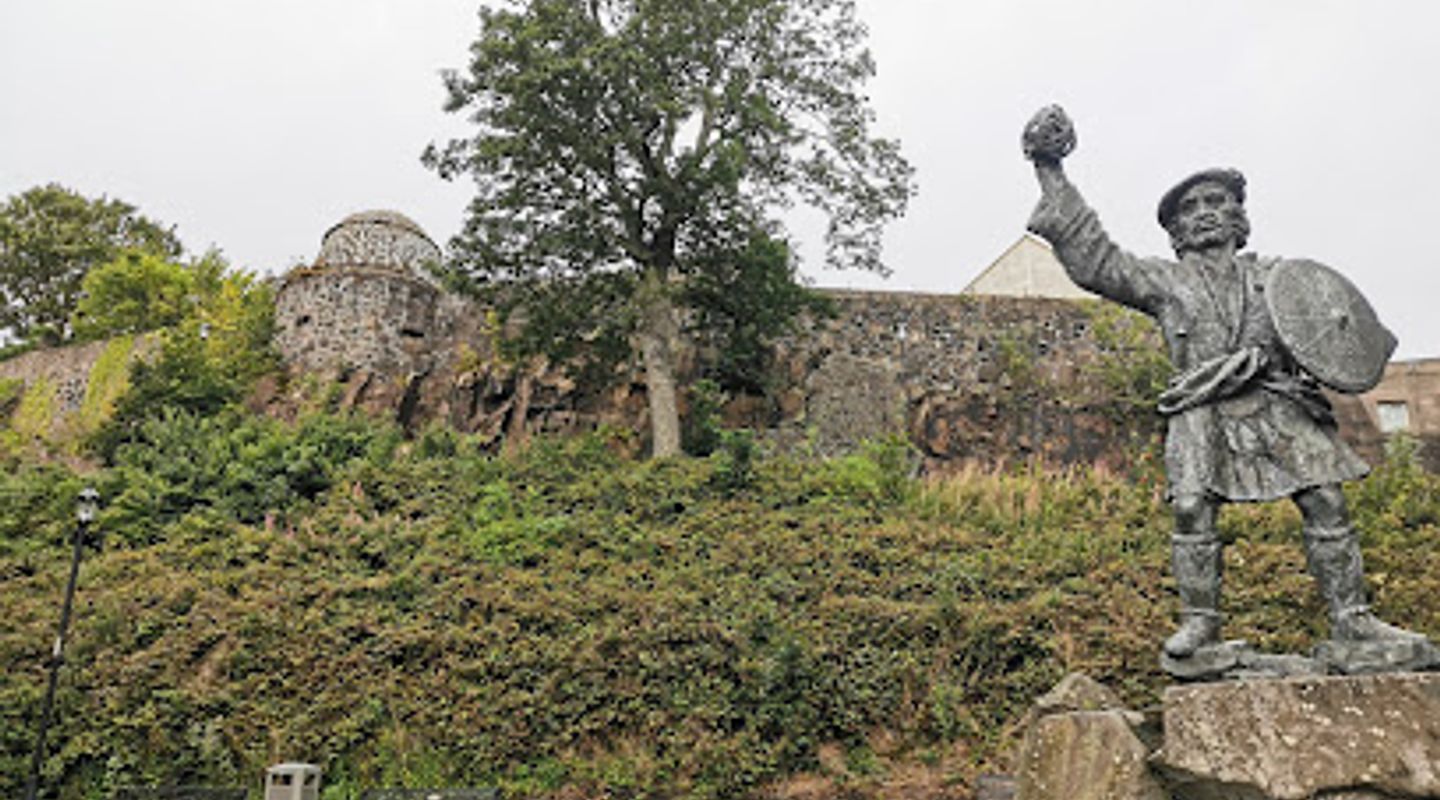
The Rob Roy McGregor Statue in Stirling commemorates the legendary Scottish outlaw and folk hero Rob Roy MacGregor (1671–1734). Crafted in bronze and set on a pink granite pedestal, the statue honors his turbulent life as a Jacobite rebel, cattleman, and symbol of Highland resistance. Located on Corn Exchange Road, this memorial captures the spirit of a man immortalized by Sir Walter Scott’s novel and celebrated for his defiance against oppressive landlords.
On-site amenities
 Seating areas
 Information boards
Opening hours
- Every dayOpen 24 hours
Opening hours as listed on the venue’s Google Business Profile. Hours can change for services and special events, so check with the venue before you go.
- Address
- Corn Exchange Rd, Stirling FK8 2QL
Getting there
Bus
Walking
Taxi
Discover more about Rob Roy McGregor Statue
A Symbol of Highland Defiance
The Rob Roy McGregor Statue stands proudly on Corn Exchange Road in Stirling, marking the legacy of one of Scotland's most iconic historical figures. Rob Roy MacGregor, born in 1671, was a notorious outlaw and clan leader whose life was marked by fierce loyalty to his people and the Jacobite cause. His struggles against powerful landowners and government forces during the early 18th century made him a symbol of resistance and justice for the Highland clans.
Artistic Craftsmanship and Historical Context
The bronze statue, mounted on a pink granite pedestal, was created by the sculptor Paul Raphael Montford in 1913. Montford, a London-born artist renowned for his works across the UK and Australia, captured Rob Roy’s determined stance and rugged character. The pedestal bears a plaque quoting a line from Sir Walter Scott’s famous novel "Rob Roy": ‘My foot is on my native heath and my name it is McGregor’, linking the statue directly to the romanticized image of Rob Roy that has endured worldwide.
Rob Roy’s Life and Legacy
Rob Roy’s life was turbulent and emblematic of the Highland struggle. He fought in the Jacobite risings of 1689 and 1715, enduring imprisonment and outlaw status. His clan, the MacGregors, faced proscription and persecution, with their name banned and lands seized. Despite this, Rob Roy became a folk hero, known for his cattle protection business and defiance against the Duke of Montrose, who seized his lands. His story inspired countless ballads, tales, and the celebrated novel by Sir Walter Scott, which helped immortalize his legend.
The Statue’s Place in Stirling’s Heritage
Situated near other notable statues such as that of Henry Campbell Bannerman, the Rob Roy statue forms part of Stirling’s rich tapestry of historical monuments. It serves not only as a tribute to a man who shaped Scottish cultural identity but also as a reminder of the complex history of clan loyalty, rebellion, and survival in the Highlands. The statue invites reflection on Scotland’s turbulent past and the enduring spirit of its people.
Visiting and Experiencing the Memorial
The statue is accessible year-round in an open public space, allowing visitors to appreciate its artistic detail and historical significance at any time. The surrounding area offers a glimpse into Stirling’s vibrant heritage, making the statue a meaningful stop for those interested in Scottish history, folklore, and the Jacobite era. Nearby information boards provide additional context about Rob Roy’s life and the clan’s legacy.
Enduring Inspiration and Cultural Impact
Rob Roy MacGregor’s legend continues to inspire, symbolizing resistance against injustice and the romantic ideal of the noble outlaw. The statue in Stirling is a focal point for this enduring narrative, connecting visitors with Scotland’s past and the stories that have shaped its national identity. Through literature, art, and public memory, Rob Roy remains a powerful emblem of Highland pride and resilience.
Evendo Review Centre
 Google
Guest reviews
Best time to go
Quietest: Jan, Feb & Dec · before 7am or at 9pm
Busy times are Evendo estimates for a typical year, to help you plan. Actual crowds vary with events, school holidays and the weather.
Explore Rob Roy McGregor Statue on the map
A handpicked selection of must-see spots near Rob Roy McGregor Statue, mapped for you.
Get your free copy of our complete guide to Rob Roy McGregor Statue, delivered straight to you.
Everything on this page, from opening hours and how to get there to Eve’s tips and the best time to go, in one PDF you can read offline, print or share.
Already have an account? Sign in
Your Rob Roy McGregor Statue guide is ready.
We'll send it to · Not you? Sign out

Getting your guide ready…
We are putting together a fresh copy of the Rob Roy McGregor Statue guide. This can take up to a minute.
This can take a few moments. If your browser asks, choose Allow so the download can start. You'll find the guide in your Downloads folder.
Nothing happened? Download it again
Sorry, the guide is taking longer than usual. Please try again in a minute, or get it by email instead.
Unlock the best of Rob Roy McGregor Statue
Skip-the-line tickets, guided tours with entry, and walking tours of the area, booked in a few clicks.

Other nearby places you may find interesting
The closest places of the same kind, if this one is not quite what you had in mind.
-
-
-
-
-


Swipe for more places
More to explore near Rob Roy McGregor Statue
-
 Best experiences near Rob Roy McGregor Statue
-
 Best hotels near Rob Roy McGregor Statue
-
 Best landmarks near Rob Roy McGregor Statue
-
 Best attractions near Rob Roy McGregor Statue
-
 Best shops near Rob Roy McGregor Statue
-
 Best restaurants near Rob Roy McGregor Statue
-
 Best bars near Rob Roy McGregor Statue


Do you manage this location?
Take control to get all the benefits, like improved information, better appearance, and stronger visibility across AI-powered discovery.
Explore more

Explore more of Stirlingshire
Discover Stirlingshire: A historic gem in central Scotland, where ancient castles, scenic landscapes, and vibrant culture unite to create an unforgettable travel experience.
Explore Stirlingshire
Explore more of United Kingdom
Discover the United Kingdom: A blend of rich history, stunning landscapes, and vibrant cities, offering a unique travel experience for every visitor.
Explore United Kingdom