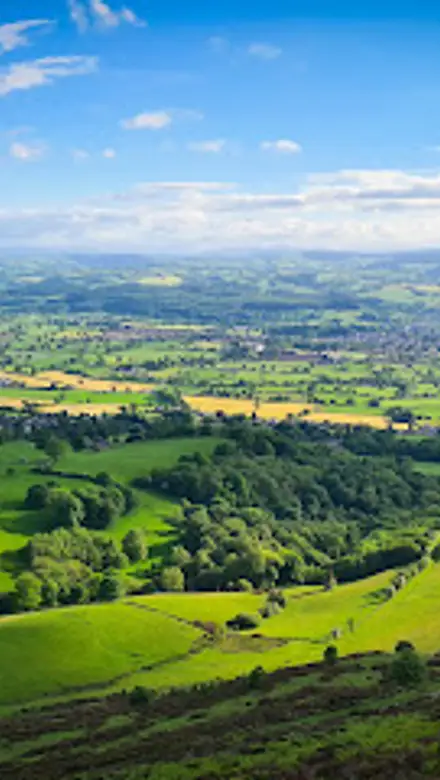
Jubilee Tower Travel Guide
Free Guide: Historic Egyptian-style Jubilee Tower ruins atop Moel Famau offer breathtaking views and a deep connection to Welsh heritage.


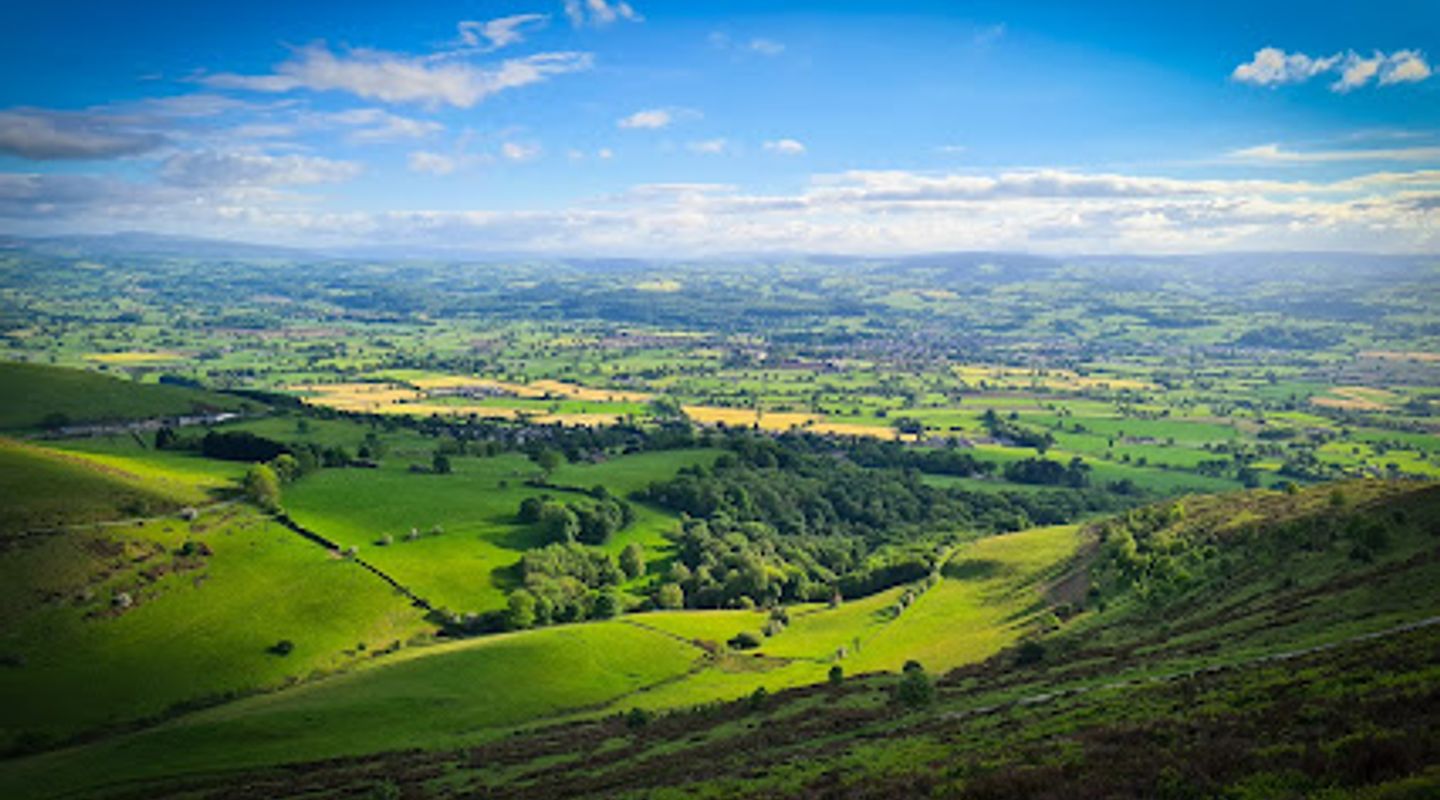
A brief summary of Jubilee Tower
Historic Egyptian-style Jubilee Tower ruins atop Moel Famau offer breathtaking views and a deep connection to Welsh heritage.
The Jubilee Tower, perched atop Moel Famau in North Wales, is a striking early 19th-century monument built to commemorate King George III’s Golden Jubilee. Though never completed and now a romantic ruin, its Egyptian-style architecture and dramatic setting within the Clwydian Range Area of Outstanding Natural Beauty make it a landmark rich with history and spectacular vistas across Flintshire and beyond.
On-site amenities
 Restrooms
 Seating areas
 Information boards
Opening hours
- Every dayOpen 24 hours
Opening hours as listed on the venue’s Google Business Profile. Hours can change for services and special events, so check with the venue before you go.
- Address
- Ffordd Y Llan, Cilcain, Mold CH7 5PH
Getting there
Bus
Car
Walking
Discover more about Jubilee Tower
Origins and Architectural Vision
The Jubilee Tower was conceived in 1810 to celebrate the 50th anniversary of King George III’s reign. Designed by architect Thomas Harrison in a distinctive Egyptian style, the tower featured a rectangular base with four bastions and sloping doorways, crowned by an obelisk. The foundation stone was laid with great ceremony on October 25, 1810, attended by thousands. However, financial difficulties and construction challenges meant the tower was never completed to its original grand design, finishing instead in a more modest form by 1817.
Decline and Ruin
The tower’s fortunes waned rapidly; by the mid-19th century, structural deterioration was evident. One corner collapsed by 1846, and despite fundraising efforts, the tower suffered further damage. In 1862, a fierce gale caused the obelisk to collapse with a tremendous crash audible miles away. The upper parts were later demolished for safety, leaving only the base and bastions visible today. Attempts to rebuild or restore the tower over the decades were hampered by lack of funds and support.
Conservation and Cultural Significance
In 1969, local landowners undertook efforts to stabilize and tidy the ruins as part of European Conservation Year. The area gained further protection when Moel Famau was designated a Country Park in 1974, and the Clwydian Range became an Area of Outstanding Natural Beauty in 1985. The Jubilee Tower itself was granted legal protection as a Grade II listed building by Cadw in 1995, recognizing its architectural and cultural importance.
Modern Restoration and Visitor Experience
Recent conservation work uncovered one of the original bastions and revealed a cylindrical stairway, allowing visitors to explore parts of the tower for the first time since the early 19th century. The tower remains a popular focal point for cultural celebrations, including royal jubilees and local festivals. Its elevated position on Moel Famau offers sweeping views over North East Wales, Cheshire, Merseyside, and on clear days, even Snowdonia and the Irish Sea.
Setting Within the Clwydian Range
Moel Famau, the highest hill in the Clwydian Range and Flintshire, is renowned for its natural beauty and historic sites, including nearby Iron Age hill forts. The Jubilee Tower’s ruins dramatically alter the hill’s skyline, serving as a beacon visible for miles. The surrounding landscape provides excellent opportunities for hiking, wildlife watching, and scenic photography, making the site a treasured destination for nature lovers and history enthusiasts alike.
Legacy and Community Connection
The Jubilee Tower stands as a symbol of local heritage and community pride. It has inspired artistic installations and events that celebrate the region’s history and culture, such as the bicentenary fireworks in 2010 and the “Moelfamaulambanana” sculpture commemorating Liverpool’s European Capital of Culture year. The tower’s enduring presence continues to shape the identity of the surrounding communities and offers visitors a tangible link to the past amid stunning natural surroundings.
Evendo Review Centre
 Google
Guest reviews
Best time to go
Quietest: Jan, Feb & Dec · before 6am or at 9pm
Busy times are Evendo estimates for a typical year, to help you plan. Actual crowds vary with events, school holidays and the weather.
Explore Jubilee Tower on the map
A handpicked selection of must-see spots near Jubilee Tower, mapped for you.
Get your free copy of our complete guide to Jubilee Tower, delivered straight to you.
Everything on this page, from opening hours and how to get there to Eve’s tips and the best time to go, in one PDF you can read offline, print or share.
Already have an account? Sign in
Your Jubilee Tower guide is ready.
We'll send it to · Not you? Sign out

Getting your guide ready…
We are putting together a fresh copy of the Jubilee Tower guide. This can take up to a minute.
This can take a few moments. If your browser asks, choose Allow so the download can start. You'll find the guide in your Downloads folder.
Nothing happened? Download it again
Sorry, the guide is taking longer than usual. Please try again in a minute, or get it by email instead.
Other nearby places you may find interesting
The closest places of the same kind, if this one is not quite what you had in mind.
-
-
-
-
-


Swipe for more places
More to explore near Jubilee Tower

 Best experiences near Jubilee Tower
 Best hotels near Jubilee Tower
 Best landmarks near Jubilee Tower
 Best attractions near Jubilee Tower
 Best shops near Jubilee Tower
 Best restaurants near Jubilee Tower
 Best bars near Jubilee Tower
Do you manage this location?
Take control to get all the benefits, like improved information, better appearance, and stronger visibility across AI-powered discovery.
Explore more
Explore more of Denbighshire
Discover Denbighshire: A blend of stunning landscapes, rich history, and charming towns in North Wales. Perfect for nature lovers, history buffs, and outdoor adventurers alike.
Explore Denbighshire
Explore more of United Kingdom
Discover the United Kingdom: A blend of rich history, stunning landscapes, and vibrant cities, offering a unique travel experience for every visitor.
Explore United Kingdom