

Din Lligwy Travel Guide
Free Guide: Explore the well-preserved ruins of a Romano-British farming village with stone huts, workshops, and a thick enclosing wall on scenic Anglesey.


A brief summary of Din Lligwy
Explore the well-preserved ruins of a Romano-British farming village with stone huts, workshops, and a thick enclosing wall on scenic Anglesey.
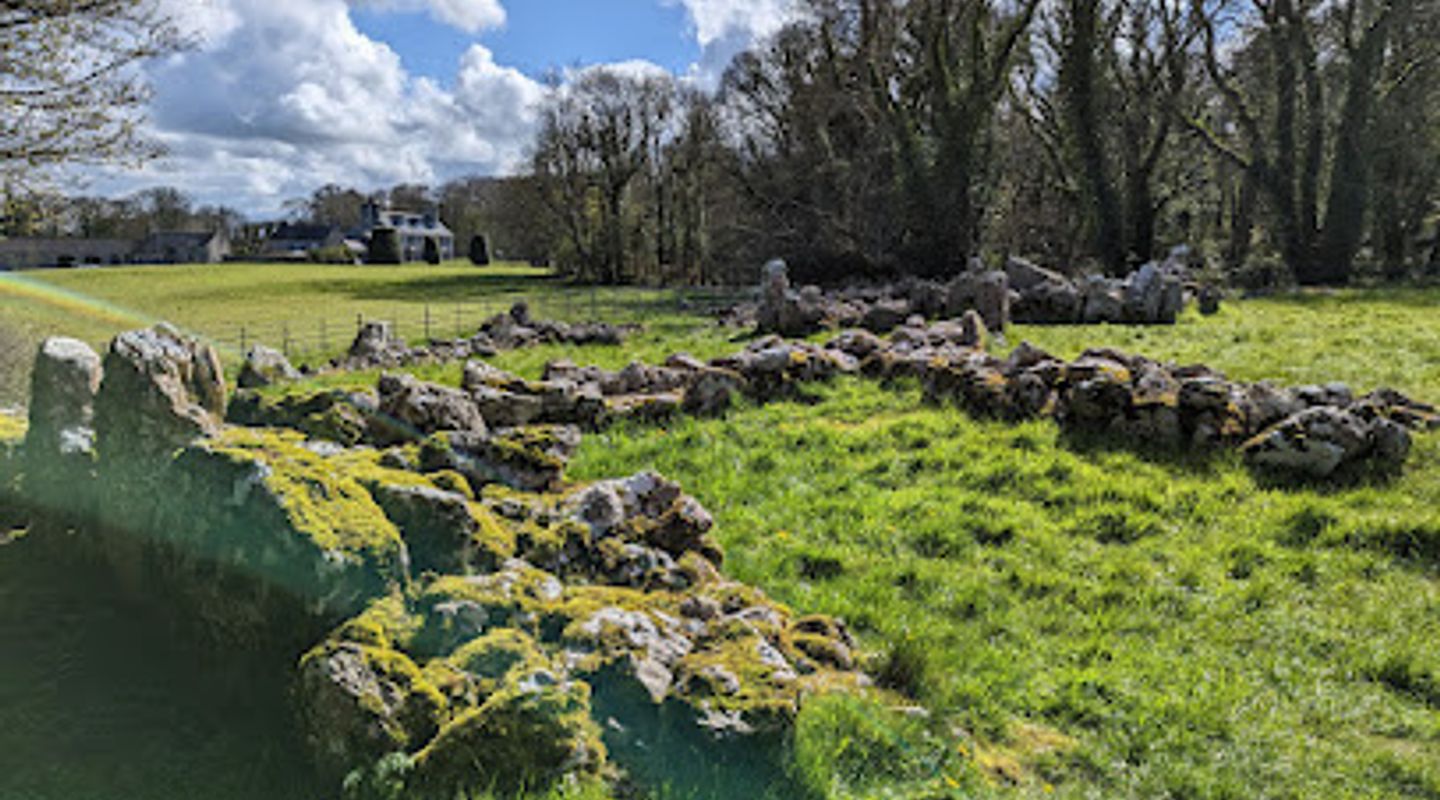
Din Lligwy is a remarkable archaeological site on Anglesey’s east coast, featuring the remains of a Romano-British village dating mainly from the 3rd and 4th centuries AD. The site includes two round stone huts, several rectangular buildings, and a thick enclosing wall, revealing a farming community engaged in ironworking, smithing, and trade. Set on a low hill with historic views over the surrounding landscape, Din Lligwy offers a rare glimpse into late Iron Age and Roman-era life in Wales.
On-site amenities
 Information boards
 Seating areas
 Trash bins
Opening hours
- Every dayOpen 24 hours
Opening hours as listed on the venue’s Google Business Profile. Hours can change for services and special events, so check with the venue before you go.
- Address
- 9P2R+76, Moelfre LL70 9HQ
- Website
Getting there
Car
Bus
Walking
Discover more about Din Lligwy
Echoes of a Romano-British Village Preserved in Stone
Din Lligwy is an ancient settlement located near Moelfre on the east coast of Anglesey, Wales. Excavations conducted in the early 20th century uncovered the foundations of two round huts and multiple rectangular buildings enclosed by a substantial stone wall approximately 1.5 meters thick. The site dates predominantly to the late Roman period, specifically the 3rd and 4th centuries AD, though evidence suggests origins possibly reaching back into the Iron Age. This village was likely a small farming community, with the enclosing wall serving primarily to contain livestock rather than as a defensive fortification.
Architecture Reflecting a Blend of Native and Roman Influences
The round structures at Din Lligwy are typical of Iron Age domestic dwellings, while the rectangular buildings are believed to have functioned as barns, workshops, and metalworking sites. The substantial limestone foundations and the near-intact outer wall, which once stood taller, demonstrate skilled construction techniques. The pentagonal shape of the enclosure and the angularity of the walls hint at Roman military and civilian architectural influences. The site’s layout suggests it may have been an estate center or the residence of a local chieftain, with one roundhouse possibly serving as the chieftain’s dwelling, evidenced by finds such as a silver ingot.
Insights from Archaeological Finds: Economy and Daily Life
Excavations revealed hundreds of Roman-era pottery shards, glassware, coins from emperors like Constantine I, and iron slag indicating extensive ironworking, smithing, and possibly smelting activities. Animal bones shaped into tools and even a musical instrument were found, suggesting a community skilled in craft and trade. The presence of imported goods points to active connections with the wider Roman world. The rectangular buildings with smelting hearths highlight the economic importance of metalworking within the settlement.
Setting and Landscape: From Open Views to Woodland Seclusion
Din Lligwy sits on a low hill providing commanding views over Anglesey and a reliable fresh water source nearby. While today the site is partially enclosed by sycamore and ash trees, historically it likely enjoyed uninterrupted panoramic views of the surrounding countryside and Lligwy Bay. This elevated position would have been strategically advantageous for overseeing farmland and livestock.
Continuity and Change Through the Ages
Though predominantly Roman in character, Din Lligwy’s origins may extend into the Iron Age, with some structures outside the main enclosure hinting at a larger settlement area. The site appears to have been abandoned by the early 5th century after the Roman legions left Britain. Later artifacts like a 17th-century clay pipe and horseshoe indicate transient use or passage through the area long after its primary occupation ended.
Complementary Heritage Nearby
Within a short walking distance are other historic sites including the Neolithic Lligwy Burial Chamber, a massive prehistoric tomb with a 25-ton capstone, and Capel Lligwy, a ruined 12th-century chapel. Together, these sites form a rich tapestry of human history spanning thousands of years, making the area a unique destination for exploring Wales’ ancient past.
Evendo Review Centre
 Google
Guest reviews
Best time to go
Quietest: Jan, Feb & Dec · before 6am or at 8pm
Busy times are Evendo estimates for a typical year, to help you plan. Actual crowds vary with events, school holidays and the weather.
Explore Din Lligwy on the map
A handpicked selection of must-see spots near Din Lligwy, mapped for you.
Get your free copy of our complete guide to Din Lligwy, delivered straight to you.
Everything on this page, from opening hours and how to get there to Eve’s tips and the best time to go, in one PDF you can read offline, print or share.
Already have an account? Sign in
Your Din Lligwy guide is ready.
We'll send it to · Not you? Sign out

Getting your guide ready…
We are putting together a fresh copy of the Din Lligwy guide. This can take up to a minute.
This can take a few moments. If your browser asks, choose Allow so the download can start. You'll find the guide in your Downloads folder.
Nothing happened? Download it again
Sorry, the guide is taking longer than usual. Please try again in a minute, or get it by email instead.
Other nearby places you may find interesting
The closest places of the same kind, if this one is not quite what you had in mind.
-
-
-
-
-


Swipe for more places
More to explore near Din Lligwy

 Best experiences near Din Lligwy
 Best hotels near Din Lligwy
 Best landmarks near Din Lligwy
 Best attractions near Din Lligwy
 Best shops near Din Lligwy
 Best restaurants near Din Lligwy
 Best bars near Din Lligwy
Do you manage this location?
Take control to get all the benefits, like improved information, better appearance, and stronger visibility across AI-powered discovery.
Explore more

Explore more of Clwyd
Discover Clwyd: A picturesque region in North Wales, known for its rolling hills, historic castles, and vibrant cultural events.
Explore Clwyd
Explore more of United Kingdom
Discover the United Kingdom: A blend of rich history, stunning landscapes, and vibrant cities, offering a unique travel experience for every visitor.
Explore United Kingdom
