Horseshoe Falls, Clwyd Travel Guide
Historic Horseshoe Falls in Llangollen blends engineering marvel with tranquil riverside beauty in a UNESCO World Heritage setting.
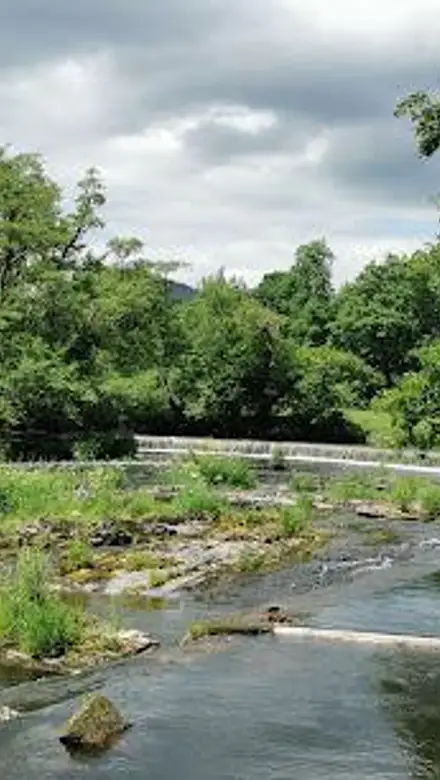
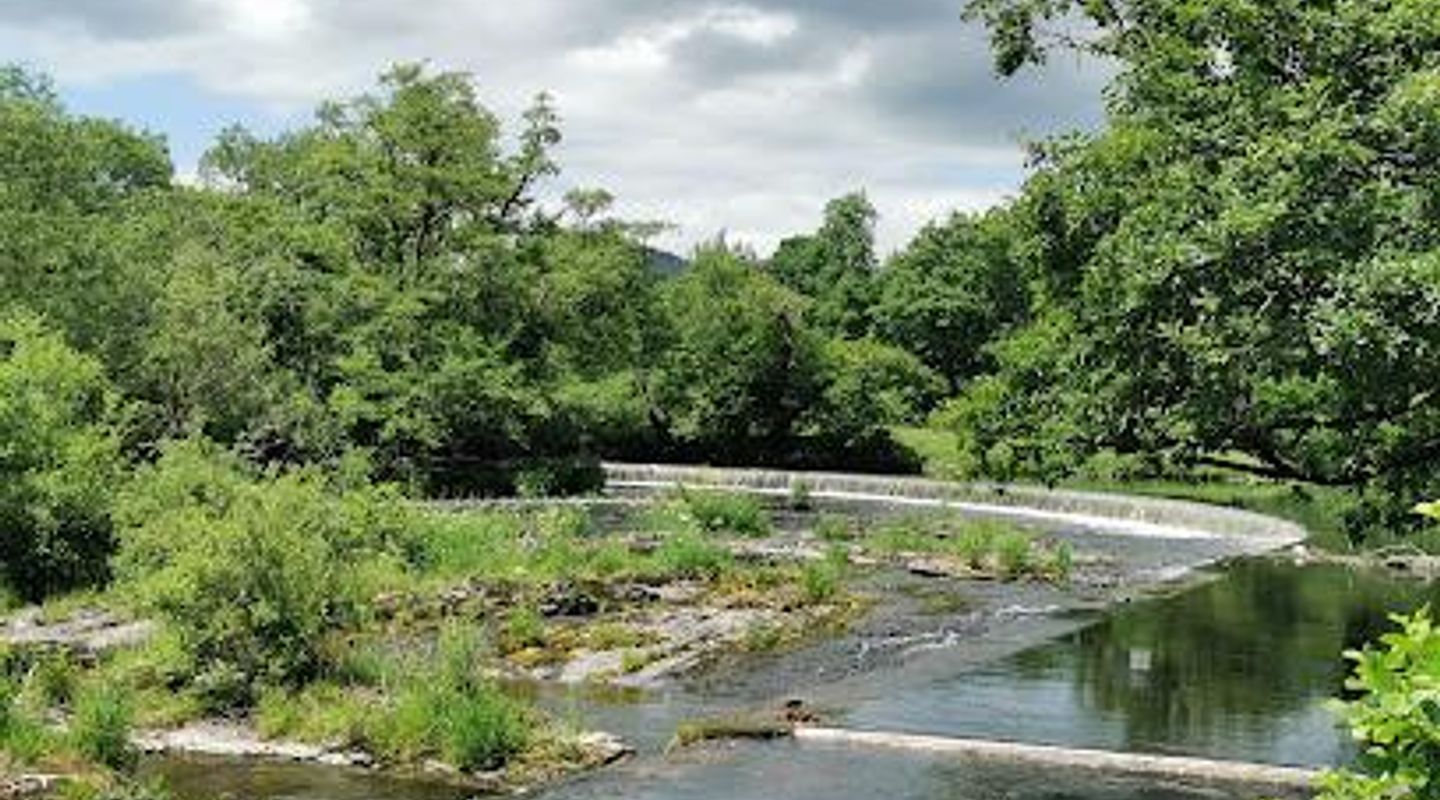
Horseshoe Falls is a historic, horseshoe-shaped weir on the River Dee near Llangollen, North Wales, designed by Thomas Telford in 1808 to feed water into the Llangollen Canal. Part of the Pontcysyllte Aqueduct and Canal UNESCO World Heritage Site, it combines industrial heritage with scenic beauty, offering tranquil riverside walks, wildlife viewing, and access to canal boat trips. The site remains vital for water supply and is a popular spot for visitors seeking nature and history.
A brief summary to Horseshoe Falls
- Llangollen, Llangollen, GB
- Click to display
- Duration: 1 to 3 hours
- Free
-
 Outdoor
- Mobile reception: 4 out of 5

Know before you go
Hi, I'm Eve. Here are a few practical things to know before exploring Horseshoe Falls.
- Wear comfortable shoes for the flat towpath walk from Llangollen to Horseshoe Falls, suitable for all ages and fitness levels.
- Visit the nearby Llangollen Wharf to take a horse-drawn barge trip along the UNESCO-listed canal.
- Bring a camera for scenic views of the River Dee, the weir, and surrounding meadows, especially during sunrise or sunset.
- Be cautious near the water’s edge; the weir and canal feeder can be slippery and swift.
- Combine your visit with exploring Llangollen’s historic sites, shops, and annual cultural events.
Do you manage this location?
Take control to get all the benefits, like improved information, better appearance, and stronger visibility across AI-powered discovery. Learn more about listing your business on Evendo
Activate your presenceOther nearby places you may find interesting
The closest places of the same kind, if this one is not quite what you had in mind.

Explore Horseshoe Falls on the Map
A handpicked selection of must-see spots near Horseshoe Falls, mapped for you.
Unlock the Best of Horseshoe Falls
Buy tickets
-
No tickets available
Book tours with entry
-
No tours available


Getting There
-
Train and Walk
Take the steam train from Llangollen station to Berwyn, a scenic 15-minute ride, then enjoy a 30-minute flat walk along the canal towpath to Horseshoe Falls. The train operates seasonally with tickets around £10-£15.
-
Bus and Walk
Local bus services connect Llangollen with nearby towns; from Llangollen town center, Horseshoe Falls is a 3 km walk along the canal towpath, taking about 45 minutes on mostly flat terrain. Bus fares typically range from £3 to £6.
-
Car Access
Drive to Llangollen and park at designated public car parks in town. From there, Horseshoe Falls is accessible via a 3 km towpath walk. Parking fees vary but generally cost £3-£5 for a day. Note that parking near the falls itself is limited.
For the on-the-go comforts that matter to you
-
 Restrooms
-
 Drink Options
-
 Food Options
-
 Seating Areas
-
 Information Boards
Discover more about Horseshoe Falls
Engineering Heritage and Purpose
Horseshoe Falls, completed in 1808 by renowned engineer Thomas Telford, is a curved stone weir built to divert water from the River Dee into the Llangollen Canal. Unlike a natural waterfall, this man-made structure extends approximately 140 meters and features a distinctive J-shaped curve designed to evenly distribute water pressure. Its primary function was to regulate water flow to the canal, which was crucial for navigation and industrial transport during the canal era. Today, it continues to supply water to the canal network and to reservoirs in Cheshire, maintaining its vital role in regional water management.Integration with the Landscape and Natural Beauty
Despite its industrial origins, Horseshoe Falls blends harmoniously with the surrounding Dee Valley landscape. The gently sloping meadows and ancient trees flanking the weir create a peaceful environment that has attracted visitors since Victorian times. The sound of water cascading over the weir and the scenic riverside views make it a tranquil retreat for walkers, photographers, and nature lovers. The adjacent towpath offers a pleasant, mostly flat walk from Llangollen, passing through lush countryside and providing opportunities to spot local wildlife.UNESCO World Heritage Status and Canal Connections
In 2009, Horseshoe Falls was designated part of the Pontcysyllte Aqueduct and Canal World Heritage Site by UNESCO. This status highlights its significance within an 11-mile canal corridor celebrated for its engineering excellence and cultural heritage. Visitors often combine a trip to Horseshoe Falls with canal boat rides from Llangollen Wharf, including horse-drawn barges that glide along the waterway and cross the iconic Pontcysyllte Aqueduct. The site is a gateway to exploring the broader heritage landscape, including nearby historic landmarks and the charming town of Llangollen.Historical Anecdotes and Local Stories
The weir has long been a popular beauty spot and gathering place. Historical accounts tell of Victorian-era visitors enjoying picnics and river views here. Cautionary tales also exist, such as incidents involving visitors near the water’s edge, underscoring the need for care around the flowing river and canal feeder. The structure itself has been maintained and reinforced over the centuries, including the addition of cast iron edging after flood damage in the early 19th century, preserving its function and form for future generations.Visitor Experience and Activities
Today, Horseshoe Falls offers more than just scenic views. The nearby Chain Bridge Inn and Llantysilio Church provide convenient starting points for easy walks to the site. Visitors can enjoy kayaking and canoeing on the River Dee, or relax with a picnic in the meadows. The area is family-friendly and accessible, making it ideal for leisurely day trips. For those interested in local culture, the town of Llangollen offers historic sites, independent shops, and events like the annual International Musical Eisteddfod, enriching the overall visit.Preservation and Environmental Importance
Managed by the Canal & River Trust in Wales, Horseshoe Falls is protected as part of the region’s industrial heritage and natural environment. It supports a diverse habitat along the Dee Valley and is maintained with sustainability in mind. The continued flow of water from the weir into the canal system exemplifies the balance between historic infrastructure and environmental stewardship, ensuring that this iconic landmark remains both functional and beautiful.












Your all‑in‑one travel companion app
Explore expert travel guides, compare and book tours, experiences, hotels, and more—all from the palm of your hand. Download now for seamless trip planning wherever your wanderlust takes you.


Explore More of Clwyd
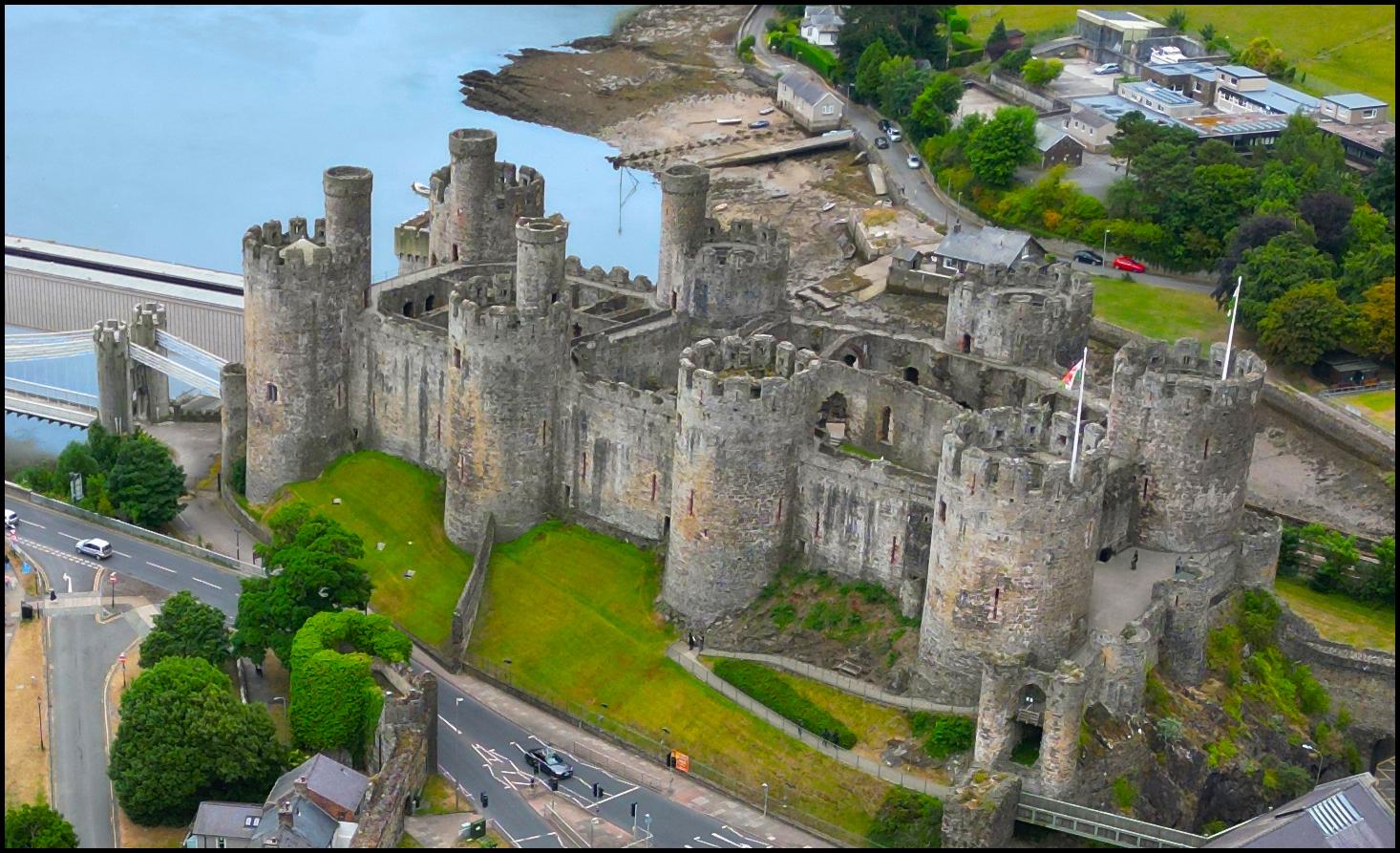
Looking beyond Horseshoe Falls? Discover Clwyd for broader travel guides, local hot-spots, and regional highlights.
Explore Clwyd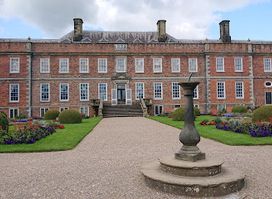
Explore Erddig’s grand historic house, stunning 18th-century walled garden, and vast Welsh parkland for a unique heritage and nature experience.
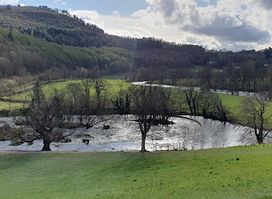
Discover the historic Horseshoe Falls, a stunning horseshoe-shaped weir blending industrial heritage with tranquil Welsh countryside charm.