
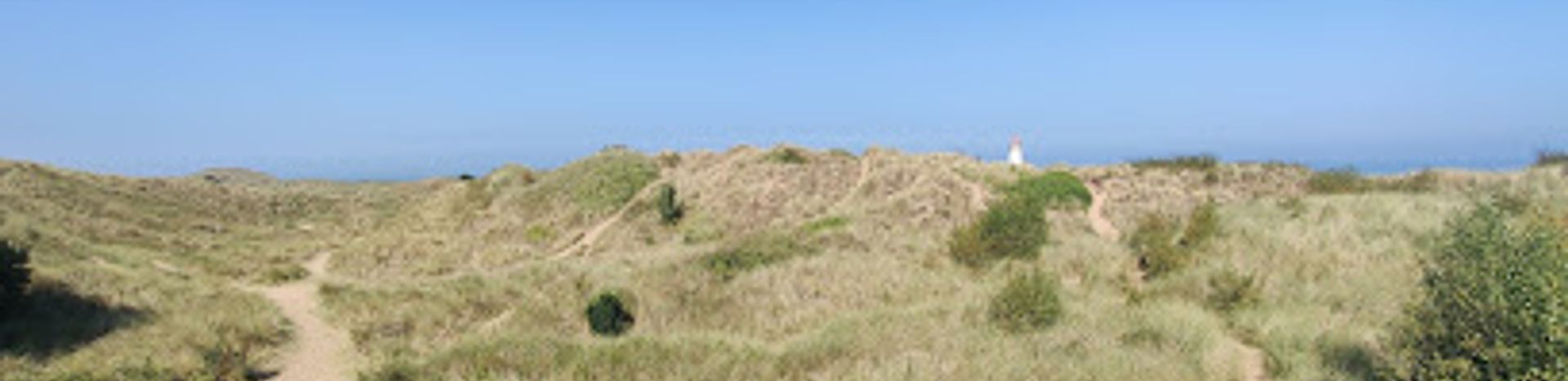
Point of Ayr Lighthouse: Wales’ Historic Coastal Sentinel
Wales’ oldest lighthouse standing sentinel on Talacre beach, rich with maritime history and ghostly legends.
Point of Ayr Lighthouse, also known as Talacre Lighthouse, is Wales’ oldest lighthouse, built in 1776 to guide ships safely into the Dee estuary. Standing on the sandy beach near Talacre, it marks a significant maritime heritage site, witnessing centuries of coastal navigation, shipwrecks, and rescues. Though decommissioned in 1883, the lighthouse remains a striking landmark with a rich history and local ghost stories, restored and preserved as a cultural icon on the North Wales coast.
A brief summary to Point of Ayr Lighthouse
- Dee Rd, Holywell, Talacre, CH8 9RS, GB
- Visit website
- Duration: 0.5 to 2 hours
- Free
-
 Outdoor
- Mobile reception: 4 out of 5
- Monday 12 am-12 am
- Tuesday 12 am-12 am
- Wednesday 12 am-12 am
- Thursday 12 am-12 am
- Friday 12 am-12 am
- Saturday 12 am-12 am
- Sunday 12 am-12 am
Local tips
- Visit at low tide to safely walk out to the lighthouse base and explore the surrounding sandy beach.
- Bring a camera for iconic coastal photos, especially during sunrise or sunset when the light casts dramatic shadows.
- Check weather conditions before visiting, as the beach can be exposed to strong winds and tides.
- Explore the nearby dunes and nature areas for a peaceful walk and to experience local wildlife.

For the on-the-go comforts that matter to you
- Restrooms
- Drink Options
- Food Options
- Seating Areas
- Trash Bins
- Information Boards
Getting There
-
Car
Driving from Holywell takes approximately 15-20 minutes via local roads. Parking is available near Talacre beach, but spaces can be limited during peak times. No parking directly at the lighthouse; a short walk across sandy terrain is required.
-
Bus
Local bus services connect Holywell and nearby towns to Talacre village, with a 20-30 minute walk from the bus stop to the lighthouse. Services run several times daily but check schedules for seasonal variations.
-
Walking
From Talacre village center, it is a 20-minute walk over flat sandy paths to the lighthouse. The terrain is sandy and may be uneven, so suitable footwear is recommended.
Point of Ayr Lighthouse location weather suitability
-
 Any Weather
-
 Windy Conditions
-
 Rain / Wet Weather
-
 Clear Skies
Discover more about Point of Ayr Lighthouse
Origins and Maritime Importance
Point of Ayr Lighthouse was constructed in 1776 in response to the perilous conditions at the mouth of the Dee estuary, a critical maritime route for ships heading to the port of Chester. The lighthouse was built following tragic shipwrecks, including the loss of two Dublin ferries with over 200 lives lost, emphasizing the urgent need for a navigational aid in this treacherous stretch of the Irish Sea. Originally designed by Henry Turner, the lighthouse stood 59 feet tall and was supported by screw piles drilled into the sandy beach, a unique engineering solution for its exposed coastal location.Architectural Evolution and Operational Years
The lighthouse originally displayed two lights: a main light elevated at 63 feet shining towards Llandudno, and a lower light directed at the River Dee. In 1819, Trinity House assumed management, raising the tower’s height and adding a new lantern. The tower was painted with distinctive red and white bands, topped with a red lantern and gallery, making it a visible beacon for mariners. Despite these improvements, the lighthouse was replaced in 1844 by a metal screw-pile structure designed by James Walker, which itself was superseded by a lightship in 1883. The original lighthouse was decommissioned after more than a century of service.Legacy and Preservation
Though no longer operational, Point of Ayr Lighthouse remains a commanding figure on Talacre beach. It was sold into private ownership in 1922 and has undergone restoration efforts, notably in the 1990s and after storm damage in 2007. The lighthouse is surrounded by sandy dunes and is inaccessible at high tide but can be approached carefully at low tide. It stands today not only as a maritime relic but as a symbol of the region’s coastal heritage and community identity.Local Legends and Cultural Significance
The lighthouse is reputed to be one of the most haunted structures in North Wales, with numerous reports of ghostly sightings of a former keeper, believed to have died of a fever and heartbreak. To honor these tales, a sculpted figure was installed on the balcony, adding to the lighthouse’s mystique. Beyond ghost stories, the lighthouse is cherished as a cultural icon, inspiring photographers and visitors who appreciate its dramatic setting where the sea meets the sands.Natural Setting and Visitor Experience
Situated on a long stretch of sandy beach protected by dunes, the lighthouse offers a tranquil and scenic environment perfect for peaceful walks and nature appreciation. Its location at the northernmost point of mainland Wales provides expansive views across the Irish Sea and the Dee estuary. The area’s changing tides and weather add dynamic moods to the landscape, making it a compelling destination for those interested in maritime history, coastal ecology, and atmospheric landscapes.Continuing Maritime Role and Automation
While the original lighthouse ceased operation in the late 19th century, the navigational role at Point of Ayr continued with newer structures and eventually automation. The current operational lighthouse nearby, established in 1818 by Robert Stevenson, was automated in 1993, reflecting the evolution of maritime safety technology in the region. Together, these lighthouses mark the enduring importance of the Point of Ayr for safe passage through the Irish Sea.Iconic landmarks you can’t miss

Naid Y March
11.0 km
Discover the ancient mystery of Naid Y March, the Bronze Age standing stones steeped in legend and Welsh heritage near Holywell.
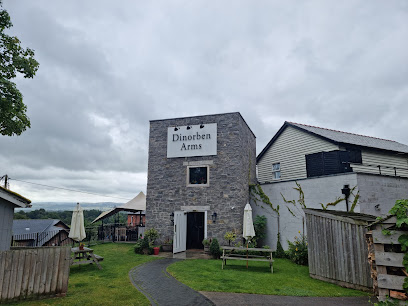
The Dinorben Arms
15.4 km
Experience authentic Welsh hospitality at The Dinorben Arms, a charming pub in Bodfari, offering delicious local cuisine and a warm atmosphere.
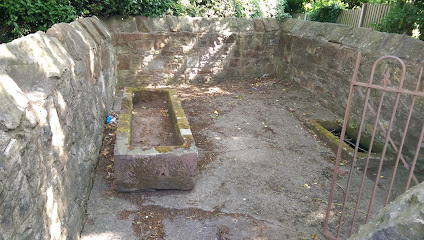
Old Spital Pinfold
21.0 km
Discover the quiet charm of Old Spital Pinfold, a preserved historic livestock enclosure nestled in the peaceful suburb of Bebington, Wirral.
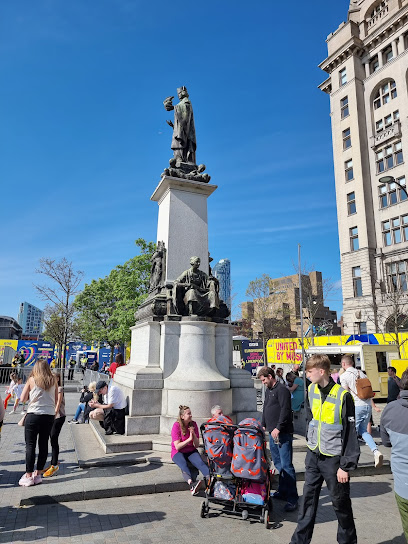
Sir Alfred Lewis Monument
22.2 km
A striking bronze memorial at Liverpool’s Pier Head honoring Sir Alfred Lewis Jones, maritime pioneer and founder of tropical medicine research.
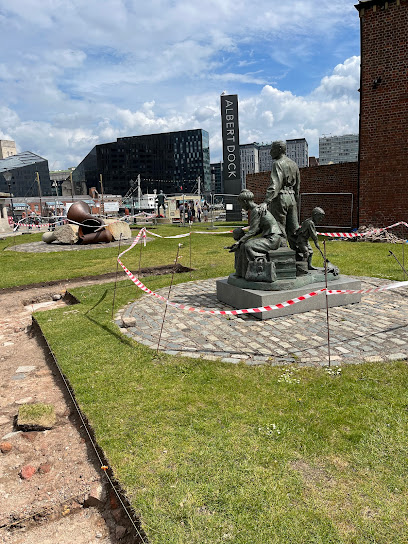
Legacy Sculpture
22.3 km
A powerful bronze tribute at Royal Albert Dock honoring Liverpool’s migrant heritage and the hopeful journeys to the New World.
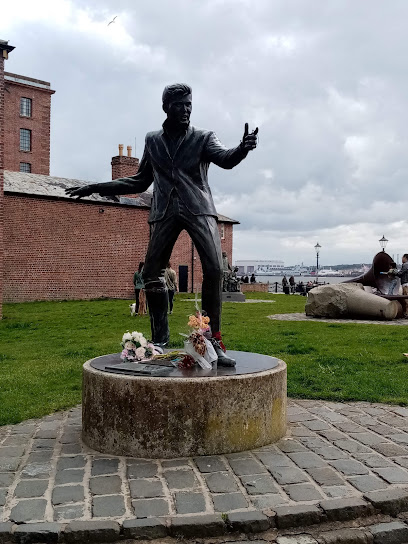
Billy Fury
22.3 km
Celebrate the legacy of Liverpool’s rock and roll pioneer with the iconic Billy Fury statue at the historic Royal Albert Dock.
The Piermaster's House
22.3 km
Explore the rich maritime history of Liverpool at The Piermaster's House, a charming museum in the scenic Albert Dock.
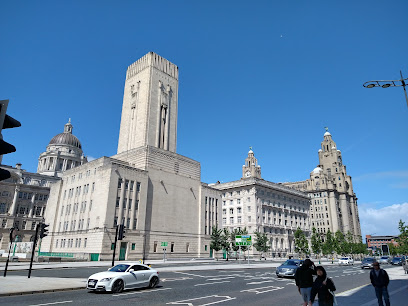
Royal Liver Building
22.3 km
Explore the Royal Liver Building, an iconic symbol of Liverpool's heritage, showcasing stunning architecture and rich maritime history.
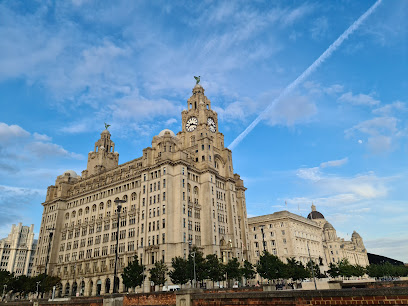
Liverbird Monument
22.3 km
Discover the Liverbird Monument, a majestic symbol of Liverpool's maritime heritage and cultural pride, in the heart of the city.

Mann Island
22.3 km
Contemporary waterfront landmark reflecting Liverpool's maritime heritage through striking architecture and cultural innovation.
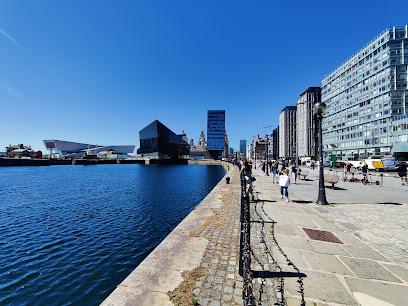
Royal Liver Suite
22.3 km
Celebrate your special moments with panoramic Mersey views in Liverpool’s iconic Royal Liver Suite, blending heritage and elegance.
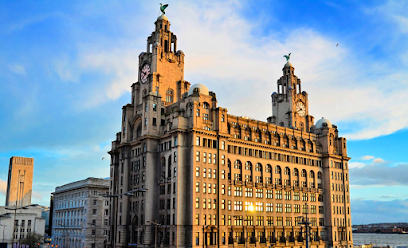
The British Music Experience
22.3 km
Explore the vibrant history of British music at The British Music Experience, an interactive museum celebrating iconic artists and genres in Liverpool.
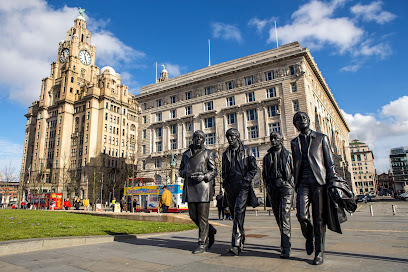
Cunard Building
22.3 km
A majestic waterfront landmark embodying Liverpool’s rich maritime history and Cunard’s legacy of luxury ocean travel.
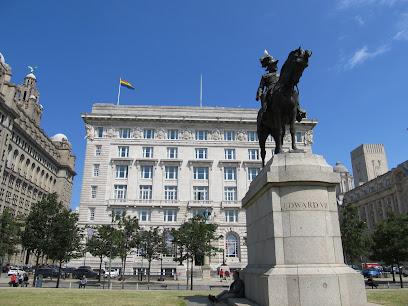
The Three Graces
22.3 km
Iconic trio of waterfront buildings symbolizing Liverpool’s maritime heritage and architectural grandeur at the Pier Head.
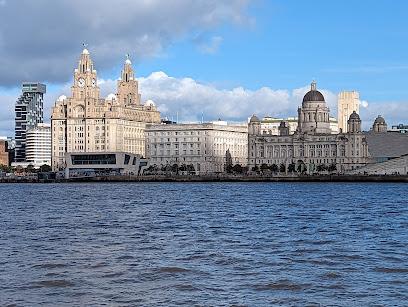
Port of Liverpool
22.3 km
Discover the historic Port of Liverpool, a UNESCO World Heritage Site rich in maritime heritage, stunning views, and vibrant culture.
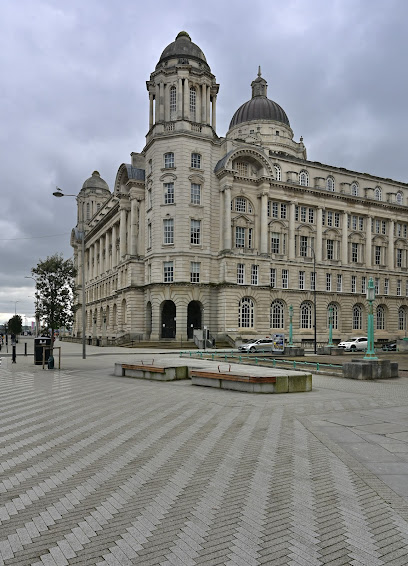
Unmissable attractions to see

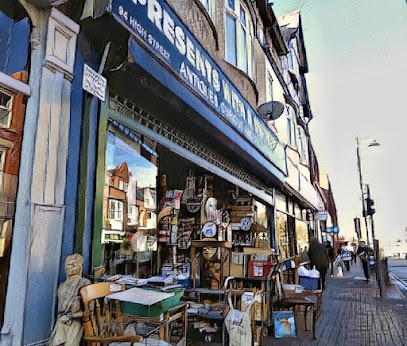
Presents With A Difference
6.0 km
Discover unique vintage treasures and nostalgic finds at Prestatyn’s beloved antique shop on High Street.
Central Beach Club
6.2 km
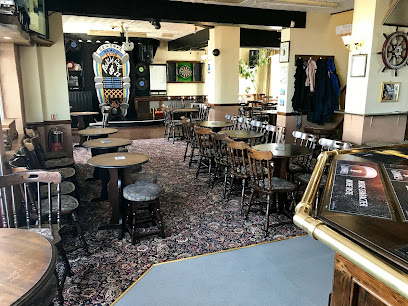
A friendly, family- and dog-friendly pub in Prestatyn offering lively entertainment, great beer, and a warm community atmosphere.
Prestatyn Central Beach
6.4 km
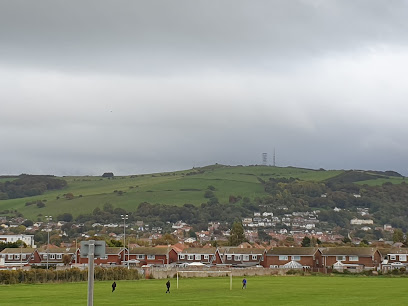
Miles of sandy shores, lively promenade, and watersports make Prestatyn Central Beach a vibrant family-friendly coastal retreat.
Maen Achwyfan Cross
6.5 km
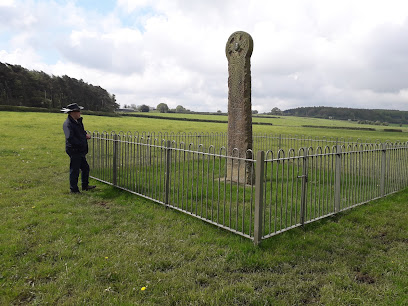
Discover Maen Achwyfan Cross, Britain's tallest medieval wheel cross, blending Viking artistry and Christian heritage in a striking stone monument.
Duke of Lancaster ship
8.0 km
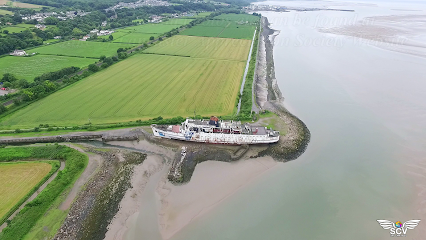
Historic 1955 turbine steam passenger ship turned iconic 'Fun Ship' and ghostly landmark on the North Wales coast.
Rhaeadr Dyserth Waterfall
8.8 km
A 70-foot waterfall in a wooded ravine near Rhyl, with hidden caves, medieval walls, and panoramic views across North Wales.
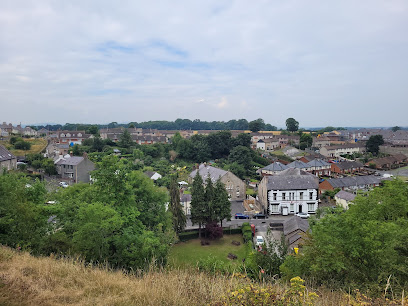
Moel Hiraddug
9.1 km
Explore Moel Hiraddug’s ancient hillfort with breathtaking views and rare limestone grasslands in the heart of North Wales’ Clwydian Range.
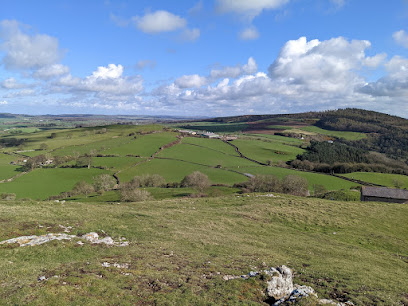
Bodrhyddan Hall
9.9 km
Explore Bodrhyddan Hall, a stunning Grade I listed Welsh stately home with historic gardens, rich collections, and centuries of family heritage.
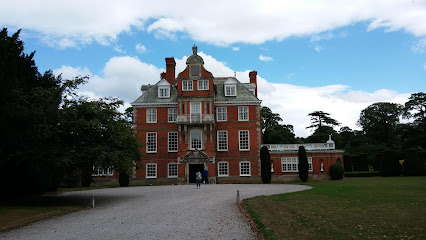
Greenfield Valley Heritage Park
10.8 km
Explore 70 acres of heritage, nature, and family fun in North Wales’ Greenfield Valley Heritage Park.
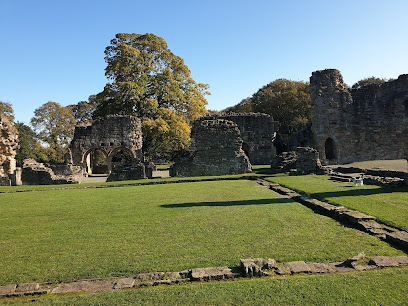
Basingwerk Abbey
10.8 km
Explore the evocative ruins of a 12th-century Cistercian abbey nestled in tranquil North Wales, a place of history, pilgrimage, and peaceful reflection.
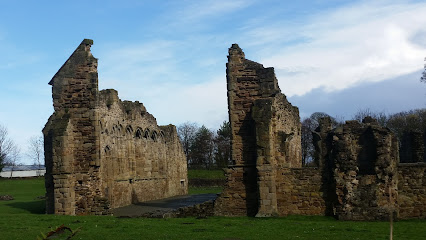
The National Catholic Shrine of St Winefride.
11.0 km
Explore Wales’ oldest pilgrimage site where sacred waters and medieval heritage inspire spiritual reflection and healing.
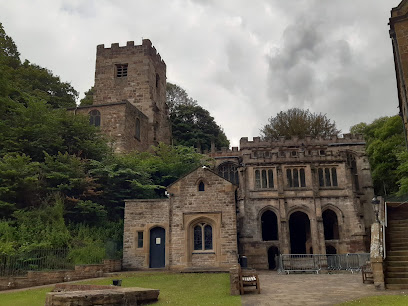
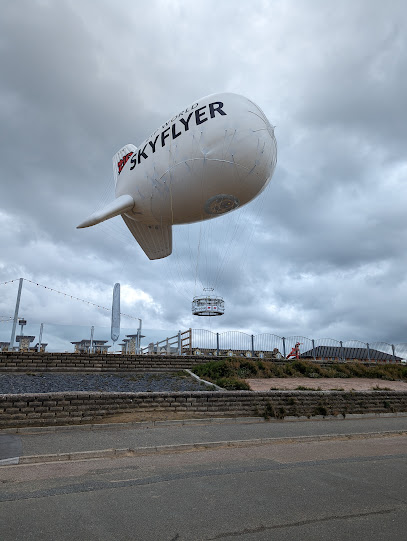
Zip World Rhyl
11.3 km
Experience the UK's only Skyflyer zip line adventure by the Rhyl beach, where adrenaline meets stunning coastal views.
Clwyd Retail Park
11.4 km
A convenient and diverse shopping destination in Rhyl with major retailers, accessible facilities, and extended hours for all your needs.
Ambermaze Fine Dining
11.7 km
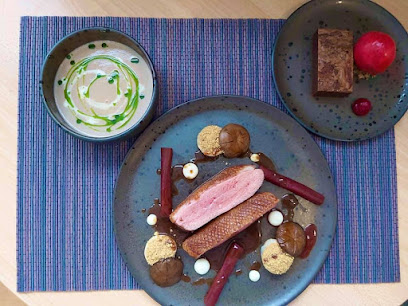
Elegant fine dining in Holywell blending culinary artistry with impeccable service in a refined setting.
Wirral Country Park
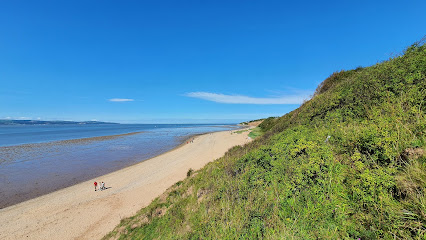
11.8 km
Britain’s first country park offering 12 miles of scenic trails, wildlife watching, and family-friendly outdoor activities on the Dee Estuary.
Essential places to dine

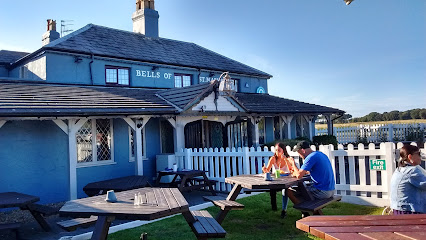
The Bells of St Mary's
2.6 km
Cozy British pub in Gronant offering hearty carvery, fresh pizzas, and warm local hospitality near Prestatyn’s scenic coast.
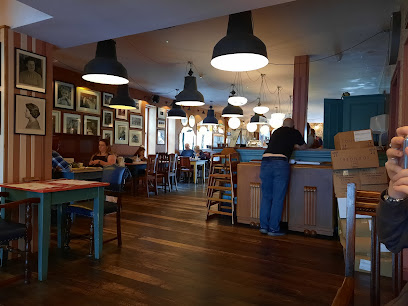
Torello Lounge
6.0 km
A cozy, community-focused café bar in Prestatyn offering diverse menus, friendly service, and a welcoming atmosphere for all ages.
CookHouse Prestatyn
6.1 km
Traditional British carvery and family-friendly dining with warm service in the heart of Prestatyn’s High Street.
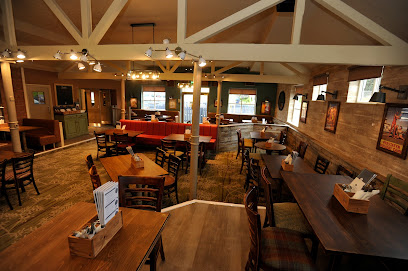
Eagle & Child Inn
6.2 km
Traditional Welsh pub atop Prestatyn Mountain offering hearty fare, rustic charm, and stunning views in the peaceful village of Gwaenysgor.
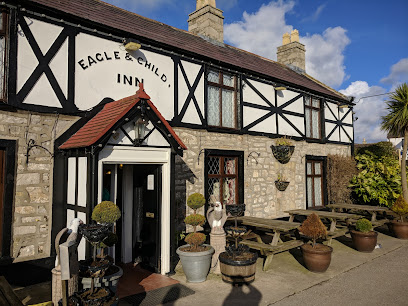
The Crown Inn
6.3 km
A welcoming Welsh pub and restaurant offering hearty local dishes, friendly service, and a cozy atmosphere in the heart of Trelawnyd.
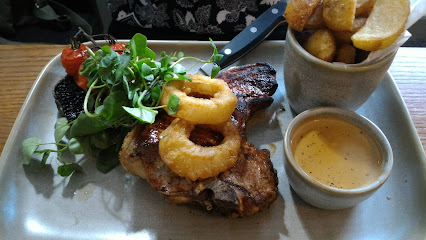
The Red Lion Inn
7.2 km
Traditional British pub in Meliden offering hearty pub-style meals, daily specials, and a welcoming atmosphere in North Wales.
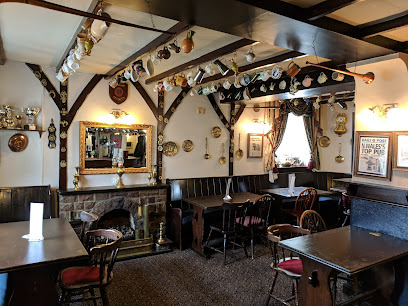
VIEW Restaurant, North Wales
8.2 km
Experience refined dining with scenic views at VIEW Restaurant, nestled in the heart of Marian Resort and Spa, North Wales.
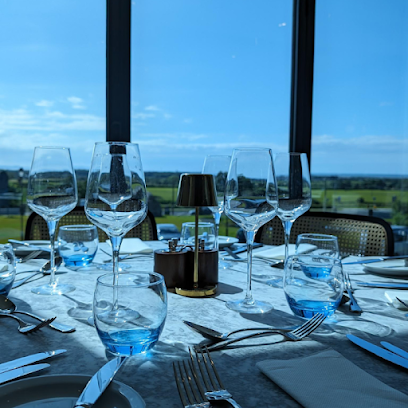
The New Inn
8.8 km
A welcoming historic pub in Dyserth offering hearty British fare, cozy charm, and friendly service near North Wales’ scenic beauty.
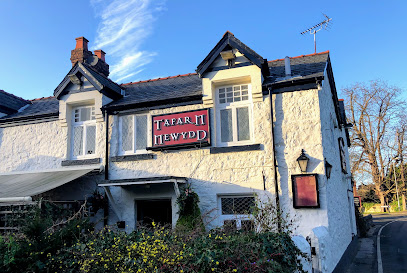
Barratt's of Tyn Rhyl - Boutique bed & breakfast.
11.3 km
Charming boutique bed & breakfast in historic Rhyl with elegant rooms, stunning conservatory dining, and exceptional breakfasts.

1891 Restaurant and Bar, Rhyl
11.3 km
Stylish waterfront dining at Rhyl’s Pavilion Theatre with locally sourced Welsh cuisine, stunning sea views, and versatile menus for every occasion.
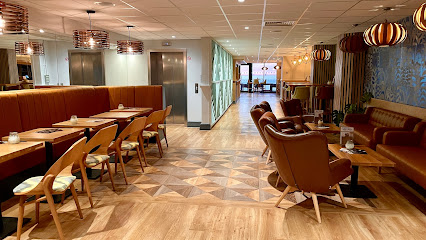
White House Restaurant & Rooms
11.5 km
A charming family-run restaurant and cozy rooms nestled in the scenic village of Rhuallt, offering hearty British cuisine and warm hospitality.
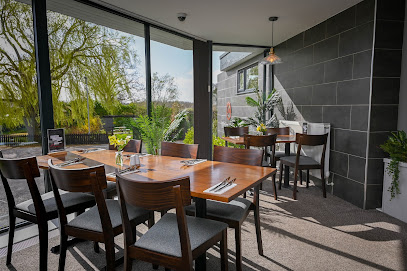
Front Room
11.8 km
A friendly, themed British pub in Rhyl offering quality food, lively sports viewing, and a versatile function room for local events.
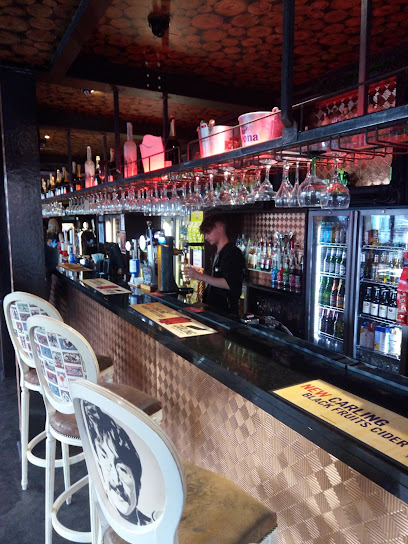
Green Island Bistro
12.0 km
Cozy vegan bistro in Rhuddlan serving generous, flavorful plant-based dishes with a welcoming community vibe.
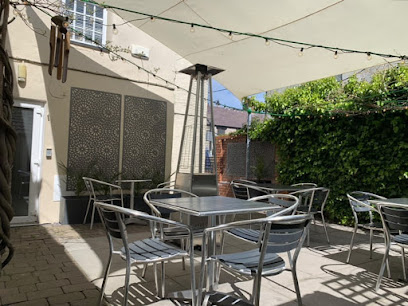
The New Inn Hotel
12.1 km
A traditional Welsh inn on Rhuddlan’s High Street offering hearty food, friendly service, and cozy accommodations with historic charm.
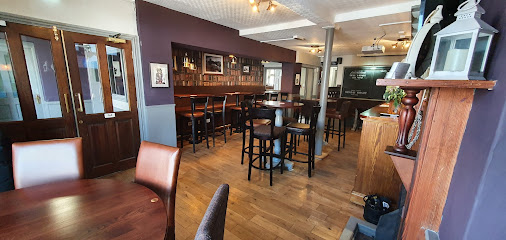
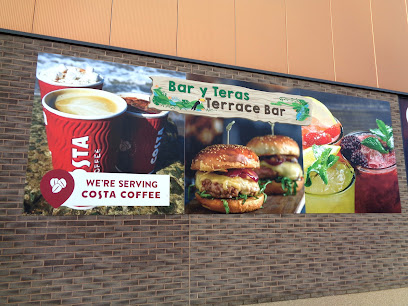
The Rainforest Diner & Terrace Bar
12.2 km
A vibrant tropical-themed diner and terrace bar offering diverse flavors and lively atmosphere in Rhyl’s SC2 complex.
Markets, malls and hidden boutiques

Vagabonds
5.9 km
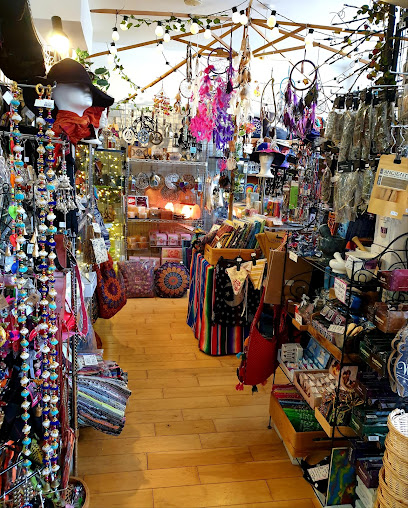
Bohemian gift shop brimming with eclectic clothing, jewellery, and spiritual treasures on Prestatyn's High Street.
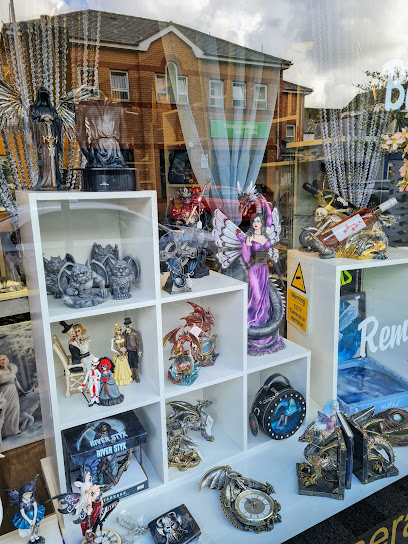
Different Worlds
11.8 km
Rhyl's premier destination for crystals, witchcraft supplies, and gothic-inspired gifts.
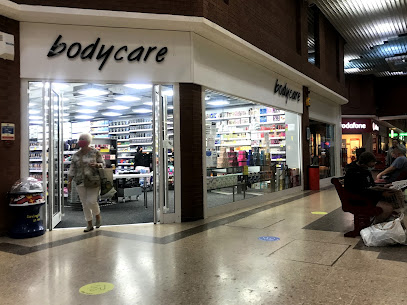
White Rose Shopping Centre
11.8 km
Covered shopping and dining hub in the heart of Rhyl's seaside town centre.
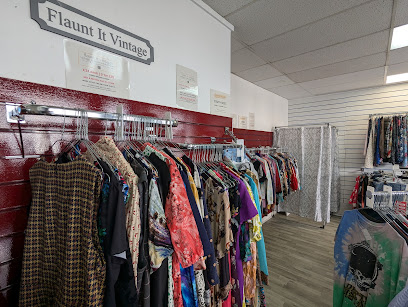
Flaunt It Vintage
11.9 km
Discover timeless style and sustainable fashion treasures at Rhyl’s unique vintage boutique, Flaunt It Vintage.
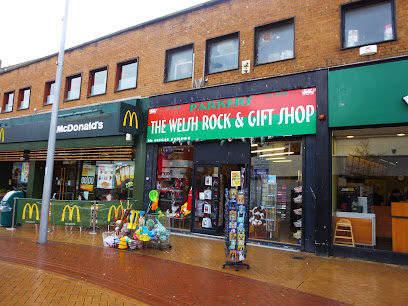
Parkers The Welsh Rock & Gift Shop
11.9 km
Discover authentic Welsh souvenirs, local crafts, and unique treasures at Parkers The Welsh Rock & Gift Shop in the heart of Rhyl.
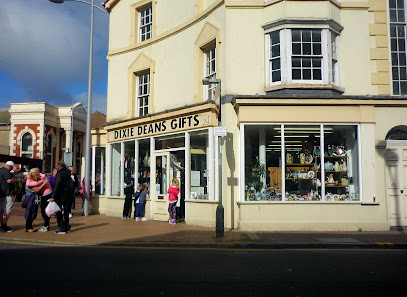
Dixie Deans
12.0 km
Explore Rhyl's charm at Dixie Deans, where unique gifts and local treasures await to create lasting memories.
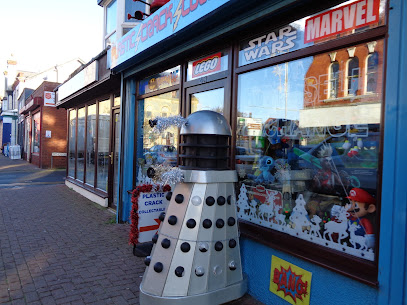
Plastic Crack Collectables
12.0 km
Discover vintage treasures and modern collectibles in Rhyl’s quirky Plastic Crack Collectables, a haven for toy enthusiasts and pop culture fans.
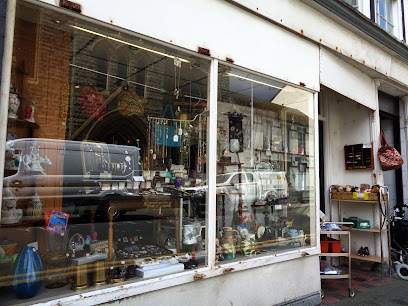
Nice Things
12.0 km
Discover vintage treasures and nostalgic collectibles in the heart of Rhyl at Nice Things, your local haven for unique finds.
FAD Clothing and Gifts
14.0 km
Discover unique gifts and local treasures at FAD Clothing and Gifts in Saint Asaph, a must-visit for every tourist seeking memorable souvenirs.

Bonmarché
15.2 km
Affordable and stylish women's fashion nestled within Saint Asaph’s vibrant Tweedmill Shopping Outlet.

Tweedmill Shopping Outlet
15.2 km
Discover over 300 brands, local Welsh produce, and leisure facilities all under one roof at Tweedmill Shopping Outlet in North Wales.
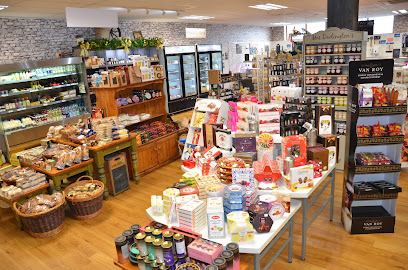
Flintshire Retail Park
17.0 km
A convenient and diverse shopping centre in Flint offering essential retailers, ample parking, and a practical shopping experience for all visitors.
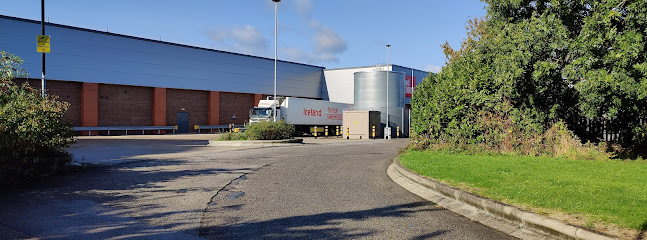
MijMoj Design Ltd
17.1 km
Hand-crafted Welsh wooden gifts and bespoke furniture where traditional craftsmanship meets modern design innovation.

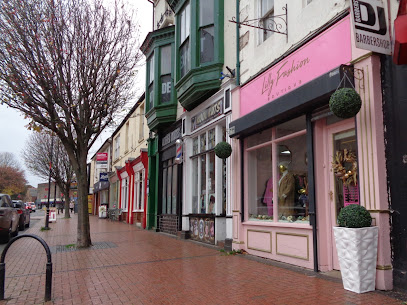
Lilly Fashion Boutique
17.3 km
Explore Lilly Fashion Boutique in Flint for a unique shopping experience with high-quality clothing and personalized service.
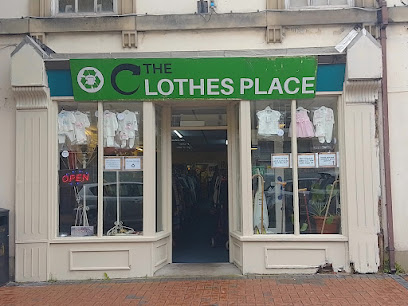
The clothes place
17.3 km
Independent fashion boutique offering quality clothing and personalized service in Flint town center.
Essential bars & hidden hideouts

The Hideaway
5.9 km
A lively cocktail bar in Prestatyn known for friendly service, creative drinks, and a welcoming atmosphere on High Street.
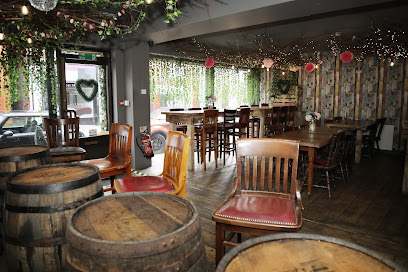
Archies Bar
5.9 km
A vibrant modern British bar in Prestatyn’s High Street, offering great drinks, hearty food, and a lively social scene with indoor and outdoor spaces.
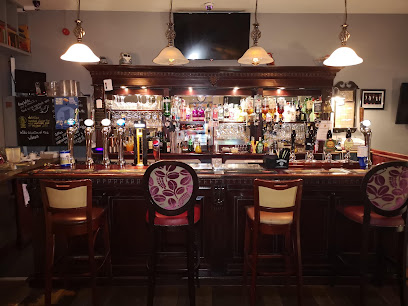
The William Morgan
6.0 km
A vibrant, retro-styled pub in Prestatyn offering great food, drinks, live sports, and a welcoming atmosphere for all ages and tastes.
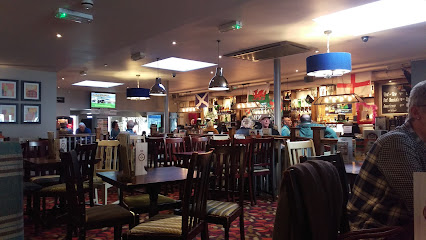
The Miners Arms
7.3 km
A cozy village pub in Meliden offering hearty homemade dishes, lively pub games, and a warm Welsh welcome for all visitors.
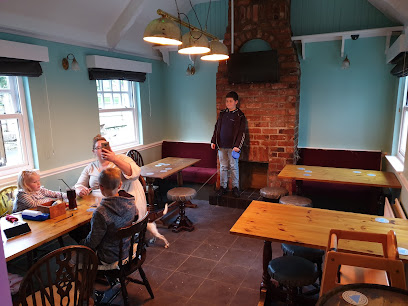
The Druid Inn
9.2 km
A beautifully restored country pub in Gorsedd offering hearty British fare, local ales, and a warm, welcoming atmosphere in scenic Holywell.
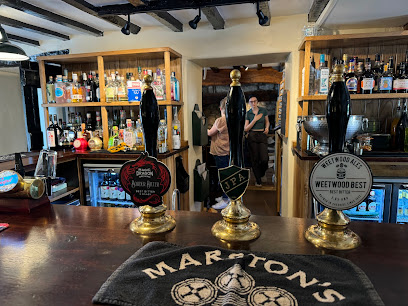
The Blue Lion Inn Cwm
9.6 km
Experience authentic Welsh hospitality with hearty food and a warm atmosphere at The Blue Lion Inn in scenic Cwm Dyserth.
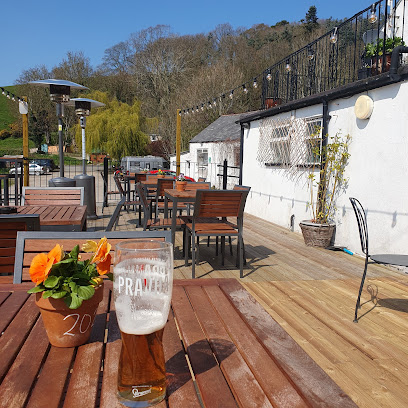
Tafarn Fach (was The Dove at Rhyl)
11.2 km
Discover authentic Welsh ales and warm camaraderie in the cozy, welcoming micropub of Tafarn Fach in the heart of Rhyl.
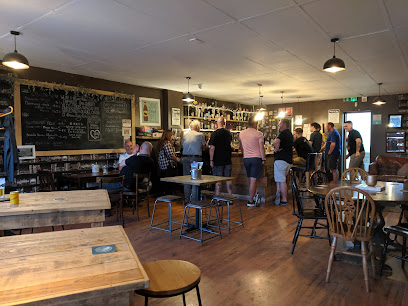
Ffordd Derwen
11.3 km
A friendly community pub in Rhyl offering traditional British fare, cask ales, and a welcoming atmosphere for all ages and pets.
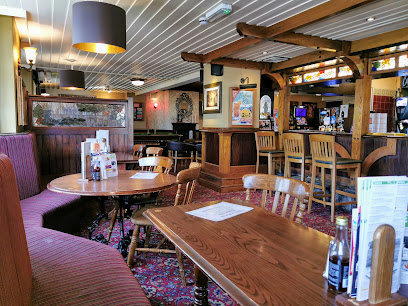
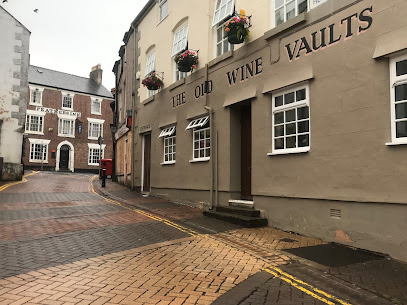
Old Wine Vaults
11.3 km
Historic family-owned pub in Holywell offering lively sports, live music, extensive drinks, and a welcoming atmosphere with a charming beer garden.
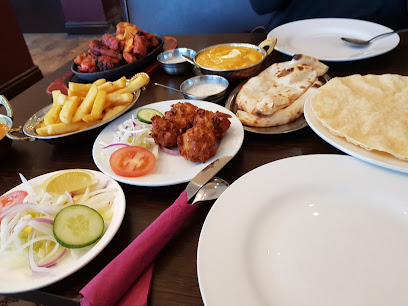
Millbank Inn
11.4 km
A cozy pub and Indian restaurant in Rhyl offering warm hospitality and authentic flavors in a welcoming coastal setting.
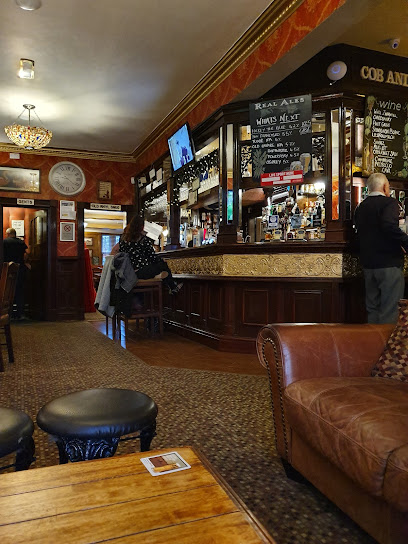
The Cob & Pen
11.8 km
A lively and welcoming three-storey pub in Rhyl with quirky outdoor seating and a vibrant local atmosphere.
The Swan Inn
11.8 km
A traditional, friendly pub in Rhyl offering classic drinks and a welcoming atmosphere for locals and visitors alike.
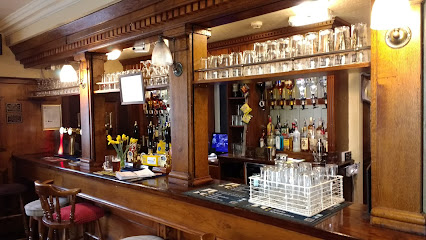
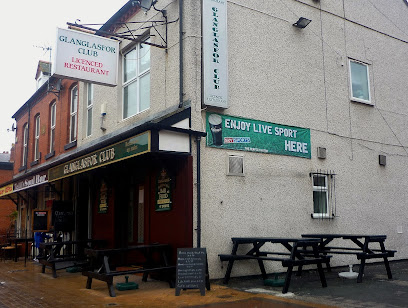
The Glanglasfor Pub
11.9 km
A friendly, affordable Rhyl pub serving hearty meals, live 90s Brit pop, and sports in a relaxed community atmosphere.
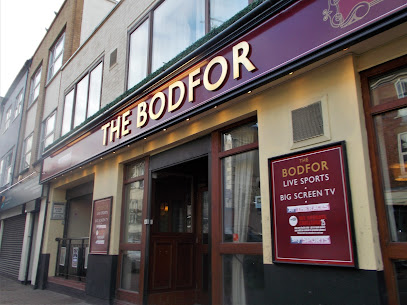
The Bodfor
11.9 km
A lively, affordable pub in Rhyl with friendly service, great drinks, and a spacious beer garden for all to enjoy.
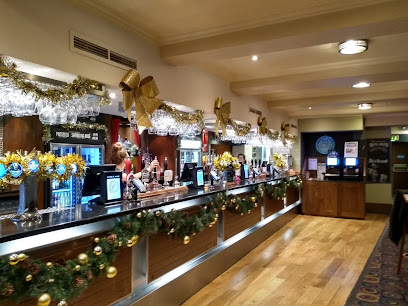
The Sussex - JD Wetherspoon
12.0 km
A friendly, affordable JD Wetherspoon pub in Rhyl offering hearty meals and a wide drink selection in a casual, modern setting.
Nightclubs & after hour spots

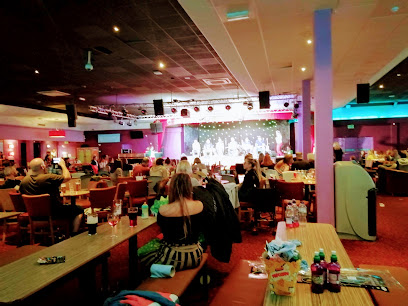
Live Lounge
2.1 km
Experience lively evenings with live music and entertainment at Presthaven’s vibrant Live Lounge, set within a family-friendly coastal resort.
Pendyffryn Club
6.7 km
A cosy and tranquil social club in Prestatyn offering a friendly atmosphere to enjoy a pint and good company without distractions.
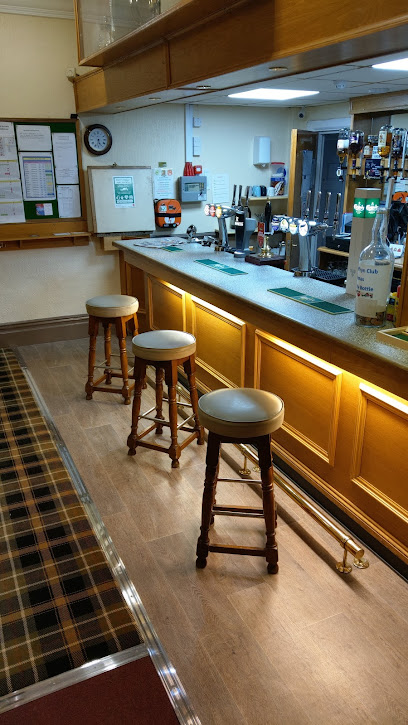
Esplanade Social Club
10.4 km
A lively coastal social club in Rhyl offering themed nights, local ales, and a welcoming community atmosphere near the beach.
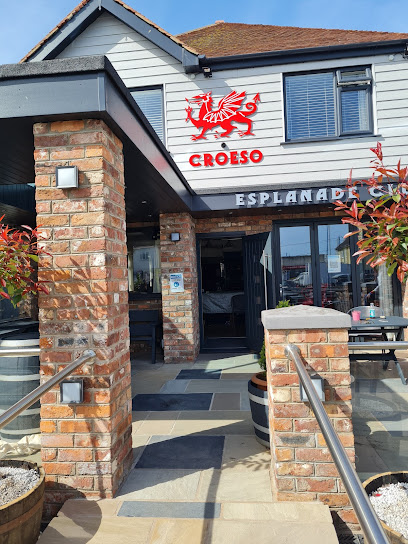
The Tiki Room
12.0 km
Rhyl’s vibrant tropical-themed nightclub with dual music floors offering modern beats and 80s classics for lively weekend nights.
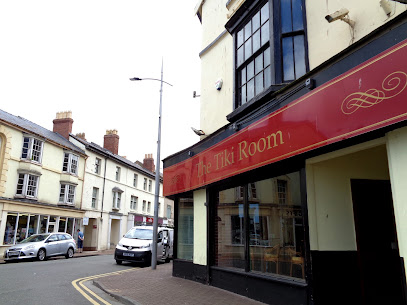
Victory Club
12.0 km
Rhyl’s last members-only club, offering traditional real ale, live music, and a welcoming community atmosphere steeped in 70 years of history.
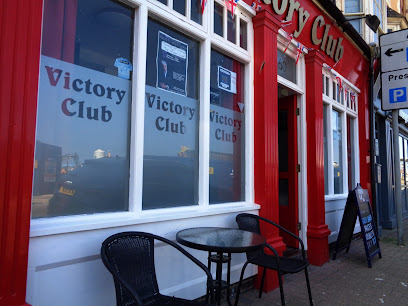
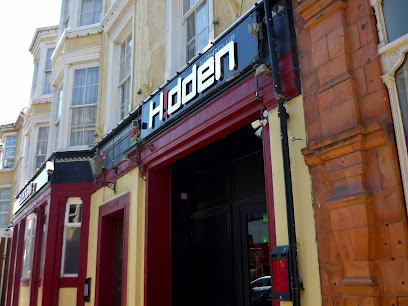
Hidden Nightclub
12.1 km
Discover the vibrant nightlife at Hidden Nightclub in Rhyl, where electrifying music and an energetic atmosphere create unforgettable nights out.
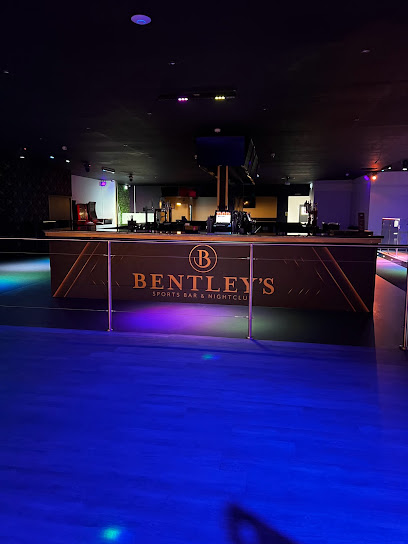
Bentley’s Sports Bar & NightClub
15.4 km
Experience Towyn’s vibrant nightlife at Bentley’s Sports Bar & NightClub, where music, dancing, and great vibes come alive every weekend.
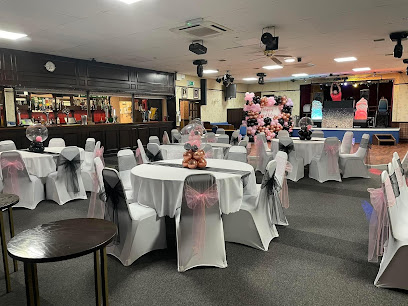
Flint Royal British Legion Social Club
17.4 km
A welcoming social hub in Flint supporting veterans and community through camaraderie, remembrance, and local events.
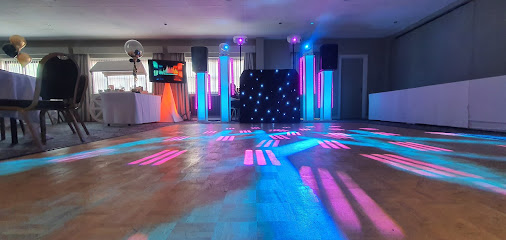
North Wales Celebrations Wedding & Party Disco DJ
18.0 km
Elevate your celebrations with North Wales Celebrations - the premier mobile disco DJ service for unforgettable weddings and parties.
Playground Liverpool
22.7 km
Liverpool's luxury nightclub haven in the Hilton, pulsing with upscale beats by the Mersey waterfront – exclusive nights await in the heart of the city.

GBar Liverpool
22.8 km
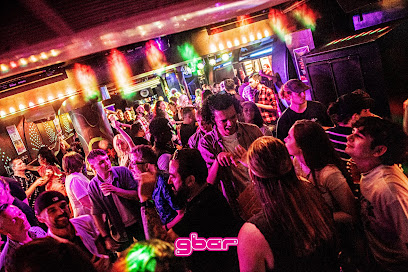
Liverpool's legendary late-night gay club: pop upstairs, bass downstairs, dancing till dawn on Eberle Street's vibrant strip.
Elysium Nightclub
22.8 km
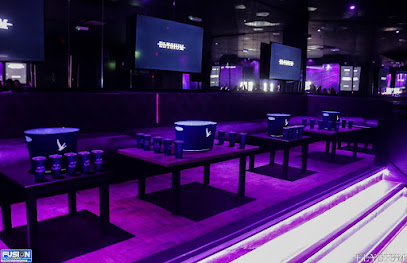
Experience Liverpool’s vibrant nightlife with dynamic DJ events and an energetic atmosphere at Elysium Nightclub, open late on weekends.
Mambo Club Liverpool
22.8 km
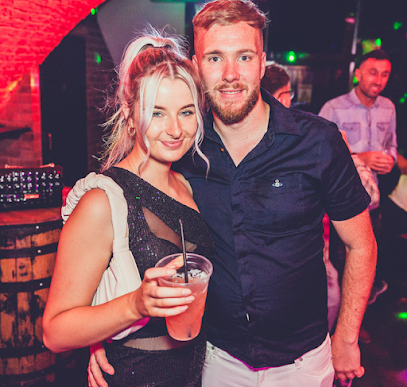
Experience Liverpool’s vibrant nightlife at Mambo Club, where electrifying music and lively crowds create unforgettable Saturday nights.
Flares - Liverpool
22.9 km
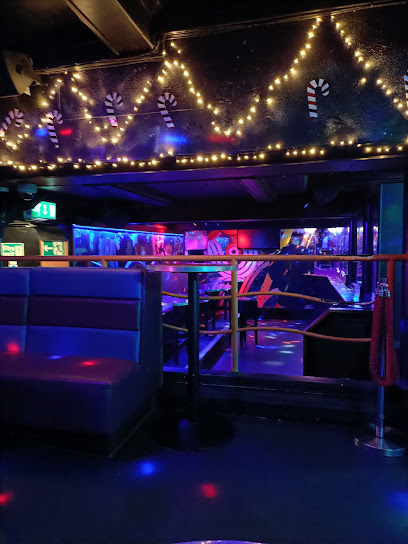
Experience Liverpool’s vibrant nightlife at Flares on Mathew Street, where great cocktails and unbeatable party vibes meet iconic music heritage.
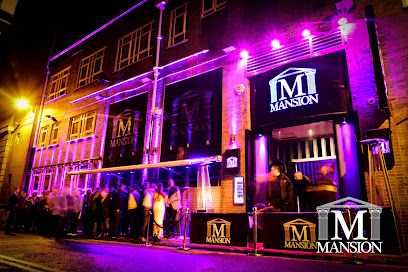
Mansion Nightclub
22.9 km
Liverpool’s vibrant nightclub with the UK’s largest LED ceiling, laser shows, and a dynamic party atmosphere in the city centre.
For the vibe & atmosphere seeker
- Scenic
- Tranquil
- Unique
- Relaxing
For the design and aesthetic lover
- Rustic Designs
- Vintage Styles
For the architecture buff
- Historic
- Landmarks
For the view chaser and sunset hunter
- Iconic Views
- Sunset Spots
- Waterfront
For the social media creator & influencer
- Instagrammable
- Photo Spots
- Selfie Spots
For the eco-conscious traveler
- Low Impact
- Public-Transport Accessible
For the kind of experience you’re after
- Cultural Heritage
- Photowalk
- Nature Escape
- Day Trip
- Myth & Legends
For how adventurous you want the journey to be
- Easy Access
Location Audience
- Family Friendly
- Senior Friendly
- Child Friendly
- Teen Friendly
- Wheelchair Access
- Pet Friendly
- Solo Friendly
- Couple Friendly


