
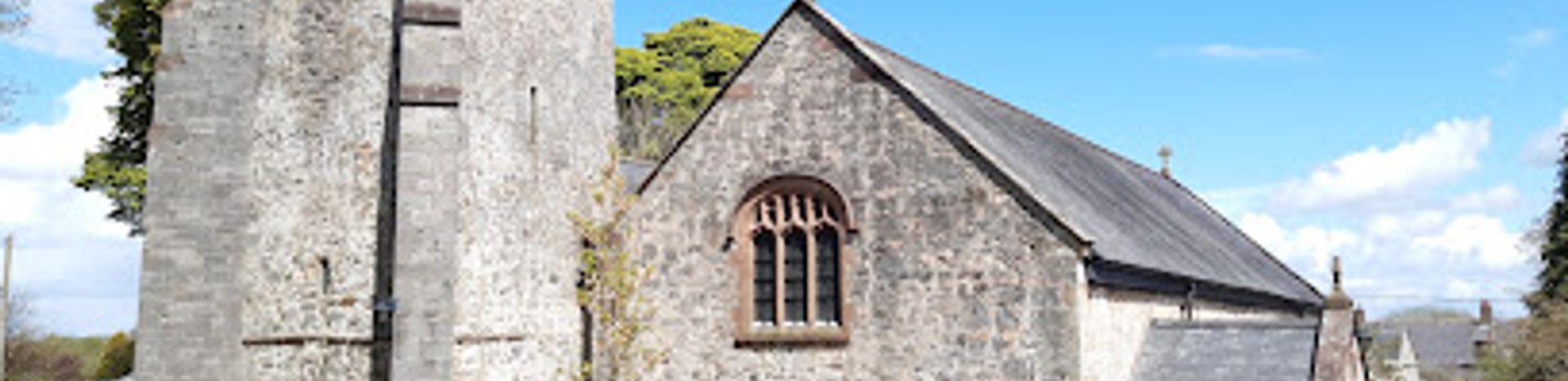
St Mary's Church, Cilcain: A Historic Welsh Parish with Medieval Roots
Discover the medieval charm and historic roof artistry of St Mary's Church, a spiritual and architectural gem in the heart of Cilcain village.
St Mary's Church in Cilcain, Flintshire, is a remarkable Anglican church with origins dating back to the 12th or 13th century. Known for its distinctive double-naved structure and a celebrated late medieval carved roof, the church stands in a sub-circular churchyard on the village's western edge. It houses an important collection of medieval funerary fragments and features a Norman font, reflecting centuries of spiritual and architectural heritage.
A brief summary to St Mary's Church
- The Square, Mold, Cilcain, CH7 5NN, GB
- Visit website
- Duration: 0.5 to 1.5 hours
- Free
-
 Outdoor
- Mobile reception: 4 out of 5
Local tips
- Visit on a Sunday morning to experience one of the varied traditional services held in the south aisle under the medieval roof.
- Take time to examine the Norman font near the pulpit, a rare and fascinating artifact buried for centuries.
- Explore the medieval funerary fragments displayed inside the church, offering insight into local noble heritage.
- Admire the 19th-century lych gate and hearse house in the churchyard, reflecting the village’s historical customs.

For the on-the-go comforts that matter to you
- Restrooms
- Seating Areas
- Information Boards
Getting There
-
Bus
Take the local bus service from Mold to Cilcain, which runs approximately every 1-2 hours. The journey takes around 25 to 35 minutes. Note that services may be limited on Sundays and public holidays. A single fare costs about £3 to £5.
-
Car
Driving from Mold to Cilcain takes about 15 minutes via local roads. Parking is available near The Square, but spaces are limited, so early arrival is recommended. The roads are rural and may be narrow in places.
-
Walking
For the adventurous, a scenic 1.5-hour walk from Mold to Cilcain is possible, mostly on quiet country lanes and footpaths. Terrain is gentle but may be muddy in wet weather. Suitable for those with moderate fitness and proper footwear.
St Mary's Church location weather suitability
-
 Any Weather
-
 Rain / Wet Weather
-
 Clear Skies
-
 Mild Temperatures
Discover more about St Mary's Church
Ancient Origins and Architectural Evolution
St Mary's Church in Cilcain is steeped in history, with its earliest fabric believed to date from the late 12th or early 13th century. The church is first documented in the Lincoln Taxation of 1291 as 'Ecclia de Kylkeyn,' valued at 11 pounds, 1 shilling, and 8 pence. It occupies a distinctive sub-circular churchyard on the western edge of the village, a shape often indicative of pre-Norman ecclesiastical sites. The church's double-naved layout features a north nave, thought to be the oldest part, and a south nave added in the 15th century, along with a western tower from the same period.The Medieval Roof and Interior Highlights
One of the church’s most celebrated features is its ornately carved late medieval roof, believed to have been sourced from Basingwerk Abbey following its dissolution in 1535. This roof, with its intricate hammerbeam angels, creates a striking visual centerpiece within the south aisle, where most services are held. The interior also contains a remarkable Norman font, discovered buried beneath the pulpit in 1845, notable for its rare conical interior and interlaced ornamentation.Fire, Restoration, and Community Use
The north aisle suffered devastating fire damage after a Plygain service on Christmas morning in 1532, leaving it roofless for over two centuries. It was restored in the 18th century at the personal expense of the then vicar, Rev. Richard Davies, and has since been renewed for use as a meeting and service space. The south aisle remains the main worship area, hosting a variety of services throughout the month and midweek communions, reflecting the church’s ongoing role in village life.Medieval Funerary Artifacts and Local Heritage
St Mary’s holds a significant assemblage of medieval funerary fragments, including effigies and inscribed slabs dating from the 13th and 14th centuries. These memorials, many of local nobles and high-status individuals, provide a tangible link to the area's medieval past. The churchyard also features a hearse house from around 1810 and a 19th-century lych gate with Welsh inscriptions, adding layers to the site’s historical narrative.Spiritual and Cultural Significance Today
Beyond its architectural and historical importance, St Mary's Church remains an active place of worship within the Bro Famau group of parishes. It welcomes visitors and locals alike, offering a peaceful and inspiring environment that connects centuries of faith, art, and community. The church’s setting provides scenic views over the Vale of Clwyd, enhancing its tranquil and contemplative atmosphere.Preservation and Visitor Experience
Ongoing care and restoration efforts, notably those funded by the Buddicom family in the late 19th century, have preserved the church’s fabric and unique features. Visitors can explore the church’s rich heritage through its architecture, funerary monuments, and evocative interior details, making St Mary’s a compelling destination for those interested in medieval history, ecclesiastical art, and Welsh cultural heritage.Iconic landmarks you can’t miss

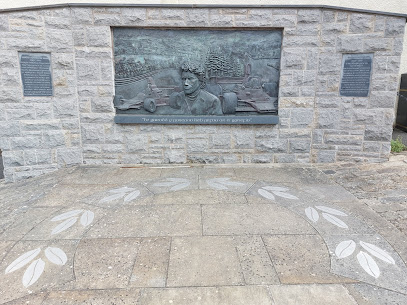
Tom Pryce Memorial
8.7 km
A poignant tribute in Ruthin to Tom Pryce, Wales’ only Formula 1 Grand Prix winner and a motorsport legend remembered for his talent and tragic fate.
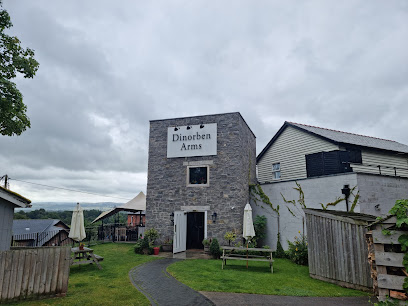
The Dinorben Arms
9.6 km
Experience authentic Welsh hospitality at The Dinorben Arms, a charming pub in Bodfari, offering delicious local cuisine and a warm atmosphere.
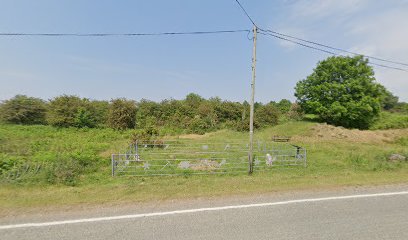
Naid Y March
10.2 km
Discover the ancient mystery of Naid Y March, the Bronze Age standing stones steeped in legend and Welsh heritage near Holywell.
Dyfed Drive
14.2 km
Discover Deeside with ease from Dyfed Drive, your essential bus stop connecting you to local attractions and scenic landscapes.
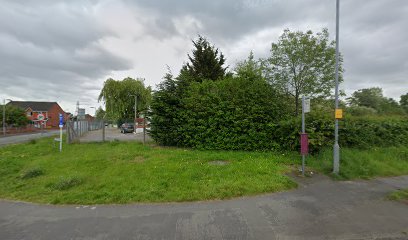
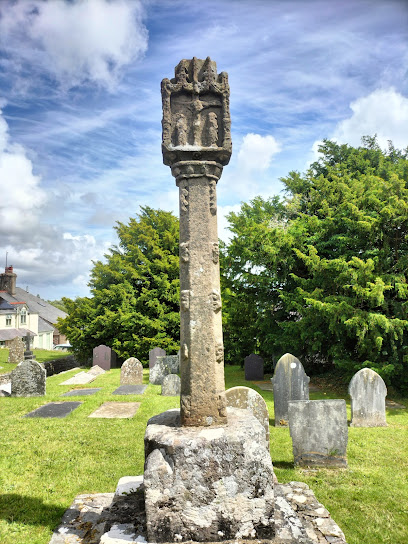
Derwen Churchyard Cross
17.9 km
Explore the intricately carved 15th-century Derwen Churchyard Cross, a rare medieval Welsh monument set in a serene circular churchyard near Corwen.
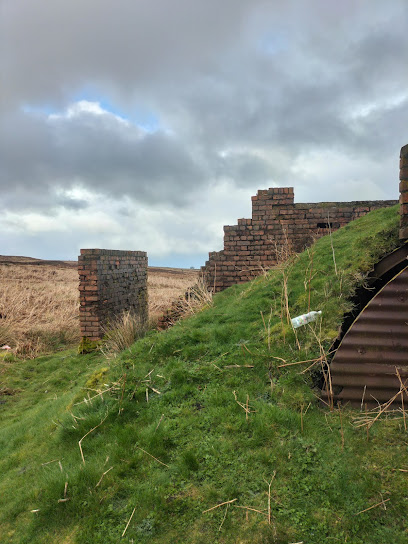
Cae-Llywd Bunker
18.7 km
Explore the Cold War era at Cae-Llywd Bunker, a hidden historical landmark nestled in the scenic landscapes of Llangollen, Wales.
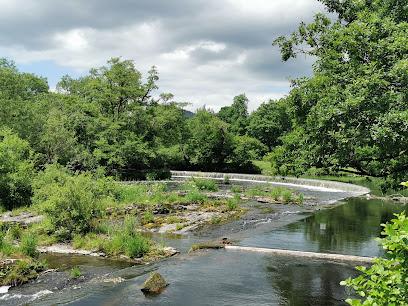
Horseshoe Falls
21.9 km
Discover the enchanting Horseshoe Falls in Llangollen, a historical landmark where nature meets engineering marvels amidst stunning Welsh scenery.
The Water Tower
22.3 km
Explore the Water Tower in Chester, a historic gem offering stunning views and a glimpse into the city's architectural heritage.
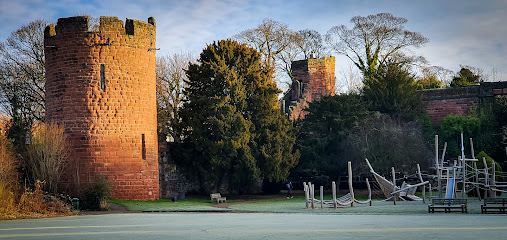
Bonewaldesthorne's Tower
22.4 km
Medieval gatehouse controlling Chester's western defenses, standing sentinel on Britain's most complete city walls.
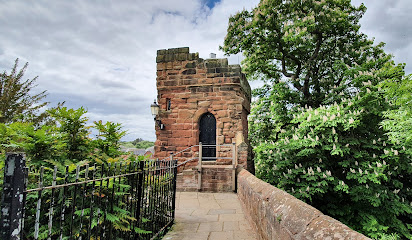
Countess of Chester Country Park
22.4 km
Discover the tranquil beauty of Countess of Chester Country Park, a lush oasis perfect for nature lovers and outdoor enthusiasts in Chester.
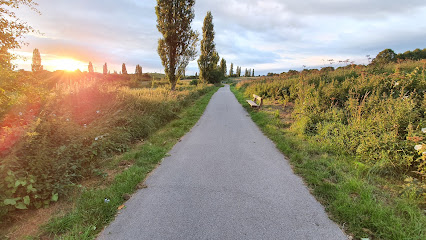
Pemberton's Parlour
22.5 km
Explore Pemberton's Parlour, a striking red sandstone tower on Chester’s historic city walls, revealing centuries of medieval and Victorian heritage.
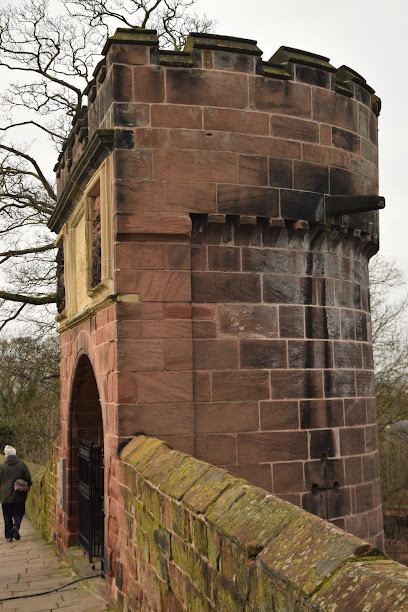
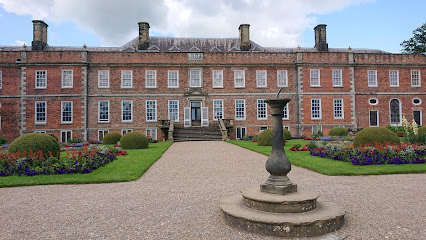
National Trust - Erddig
22.6 km
Discover the captivating history and stunning gardens of Erddig, a National Trust treasure in Wrexham, blending culture and nature beautifully.
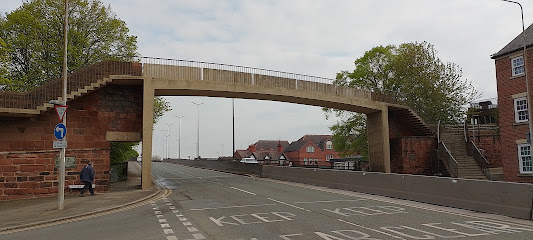
North West Angle Tower
22.6 km
Explore the North West Angle Tower in Chester, a historic landmark offering stunning views and a glimpse into medieval England's architectural marvels.
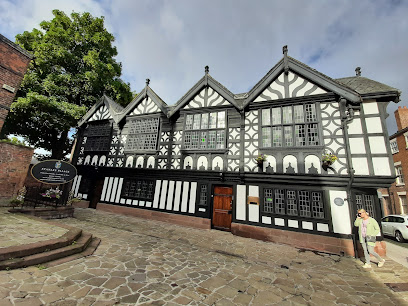
Stanley Palace
22.6 km
Experience the historic charm of Stanley Palace, an iconic events venue in Chester offering a perfect blend of heritage and modern functionality.
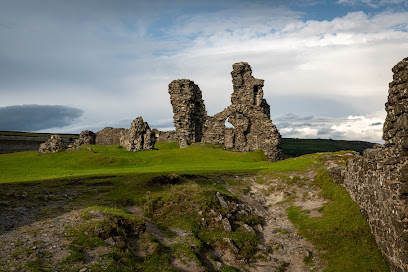
Castell Dinas Brân
22.6 km
Explore Castell Dinas Brân, a stunning historical landmark in Llangollen, Wales, offering breathtaking views and a glimpse into medieval history.
Unmissable attractions to see

Clwydian Range
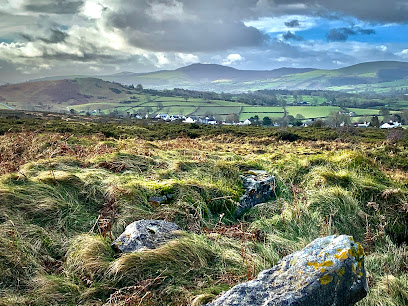
1.3 km
Explore North Wales’ breathtaking uplands where ancient hillforts meet heather moorlands and scenic trails invite discovery.
Jubilee Tower
2.9 km
Historic Egyptian-style Jubilee Tower ruins atop Moel Famau offer breathtaking views and a deep connection to Welsh heritage.
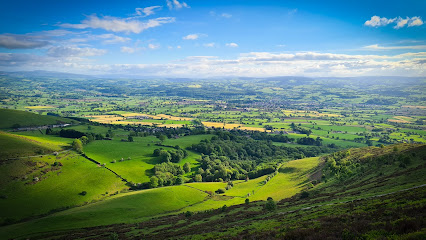
Clwydian Range and Dee Valley AONB
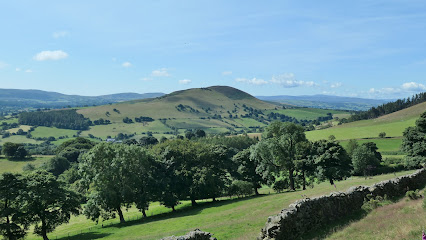
3.2 km
Explore the historic and scenic Clwydian Range and Dee Valley AONB, where ancient borders and natural beauty meet along the iconic Offa's Dyke Path.
Loggerheads Country Park
3.3 km
Explore dramatic cliffs, lush woodlands, and rich heritage at Loggerheads Country Park, the scenic gateway to the Clwydian Range.
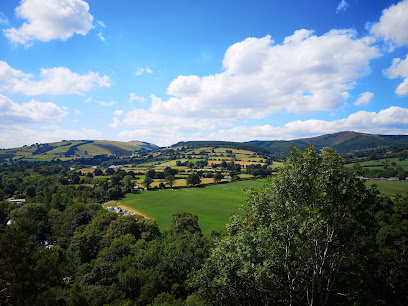
Moel y Gaer
5.2 km
Explore Moel y Gaer, a commanding Iron Age hillfort with ancient earthworks and sweeping views across North Wales and beyond.
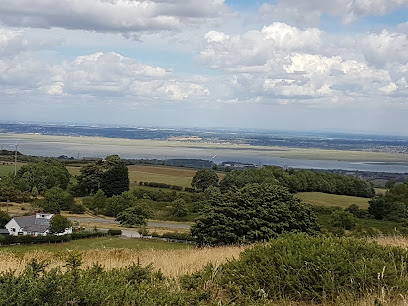
Mold Castle
5.9 km
Explore the historic Norman earthworks of Mold Castle, a serene memorial garden blending medieval heritage with community spirit in Flintshire.
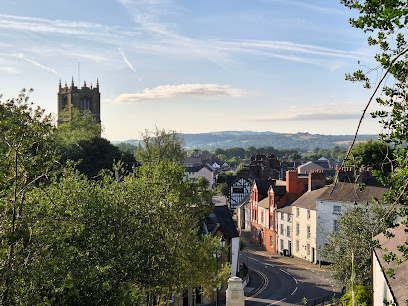
Bryn Griffiths W M Social Club
6.1 km
A welcoming community club in Mold offering casual fun, pool, and affordable drinks in a lively, friendly atmosphere.
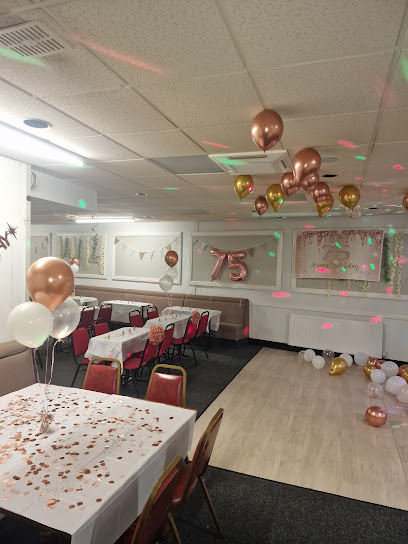
Hungry Cow
6.2 km
Savor fresh, flavorful burgers in a lively, welcoming setting at Mold’s favorite casual dining spot on High Street.
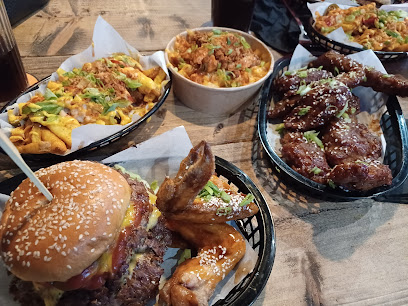
Theatr Clwyd
6.5 km
Discover Theatr Clwyd, Mold’s vibrant performing arts theatre blending Welsh culture, dynamic performances, and scenic beauty in North Wales.
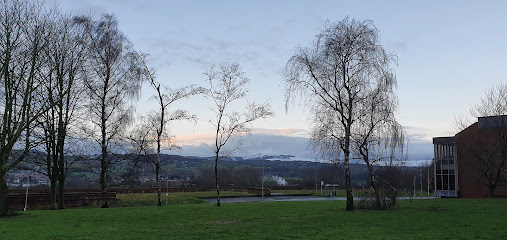
Clwyd Gate Manor
7.0 km
A stunning 11-bedroom manor with pool, sauna, and panoramic countryside views, perfect for large groups and luxury escapes in North Wales.
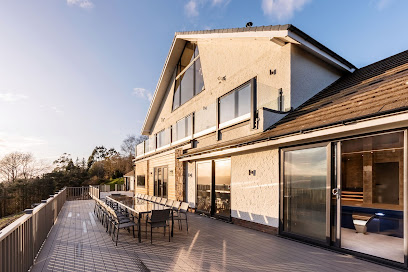
The Woodworks Garden Centre & Café
7.2 km
A family-run garden centre and award-winning café near Mold, North Wales, where plants, gifts, and hearty British food come together in a relaxed, timber-clad setting.

Afonwen Craft & Antique Centre
7.7 km
Discover centuries of antiques, vibrant crafts, and delicious local cuisine in the heart of North Wales’ scenic beauty.
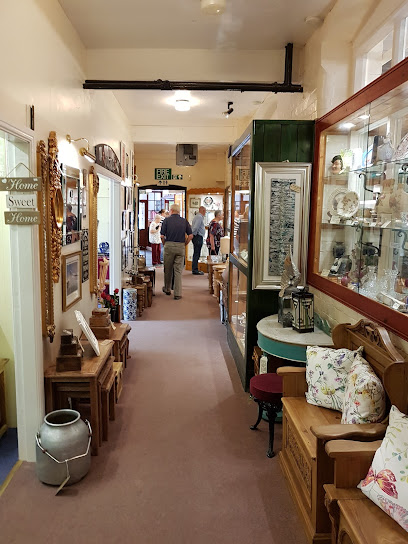
Nercwys Forest
7.8 km
Discover peaceful woodland trails, abundant wildlife, and stunning views in the scenic Nercwys Forest near Mold, North East Wales.
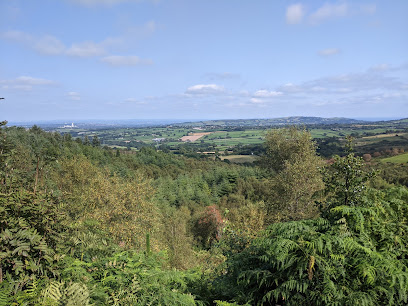
The Sun Inn
7.8 km
Traditional Welsh village pub in Eryrys offering award-winning ales, hearty home-cooked food, and a warm community atmosphere.
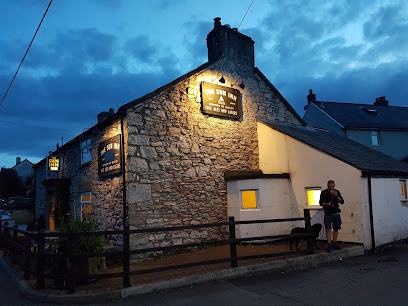
Wildwood Quarry
7.8 km
Secluded woodland cabins with mountain views, open-air hot bath, and year-round comfort near Mold in North Wales.
Essential places to dine

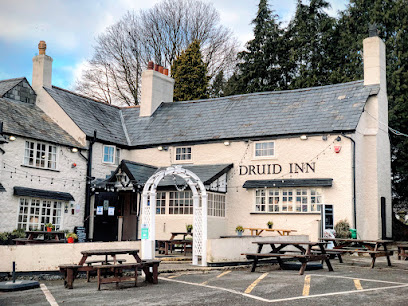
Druid Inn
4.8 km
A cozy country pub and guesthouse in Llanferres offering hearty Welsh fare, local ales, and warm hospitality amid stunning rural landscapes.
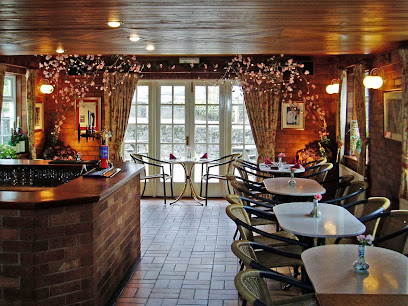
The Cherry Pie Inn
5.4 km
Traditional British hospitality and homemade classics await at The Cherry Pie Inn near Mold, a cozy family-run gem with a welcoming atmosphere.
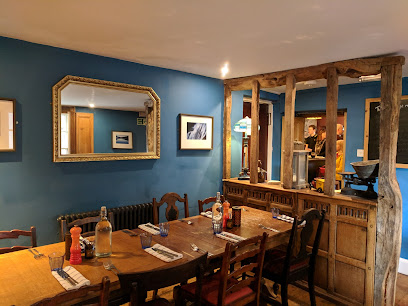
The White Horse Restaurant
5.7 km
Cozy countryside dining in Hendrerwydd offering hearty British classics and renowned Sunday lunches in a warm, welcoming setting.
Just Steak
6.1 km
Savor expertly grilled steaks and vibrant flavors in the heart of Mold’s bustling High Street at Just Steak.
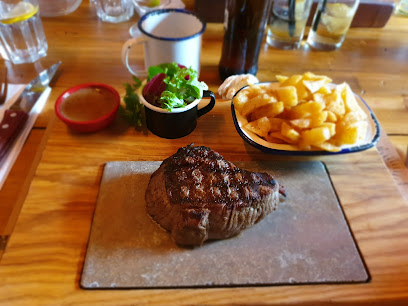
Primo Amore Italian Restaurant Mold
6.2 km
Authentic Southern Italian flavors and lively ambiance await at Primo Amore, Mold’s beloved Italian dining destination.
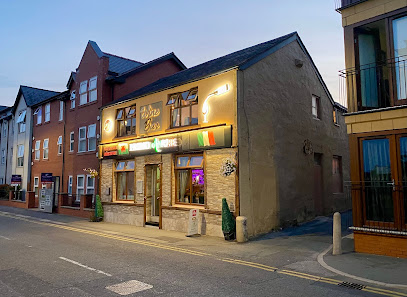
Y Delyn
6.2 km
Experience the charm of Y Delyn, Mold's premier wine bar offering an exquisite selection of wines and delightful small plates in a cozy atmosphere.
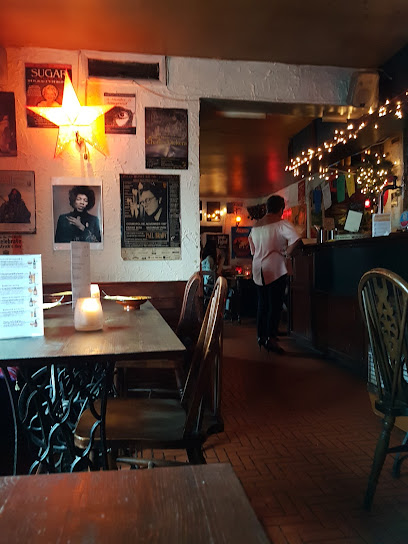
The Fat Boar Mold
6.4 km
A stylish gastro pub in Mold blending hearty British fare with a lively atmosphere and friendly service in a cozy, contemporary setting.
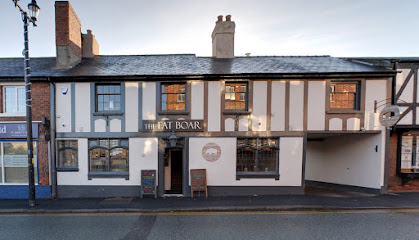
Belvedere
6.4 km
Authentic Italian flavors and warm ambiance await you at Belvedere, Mold’s cherished Italian restaurant on Wrexham Street.
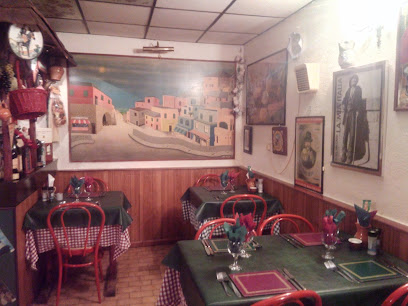
Edenshine Restaurant
7.7 km
Traditional Welsh and English cuisine served fresh in a charming antique centre setting near Mold, North Wales.
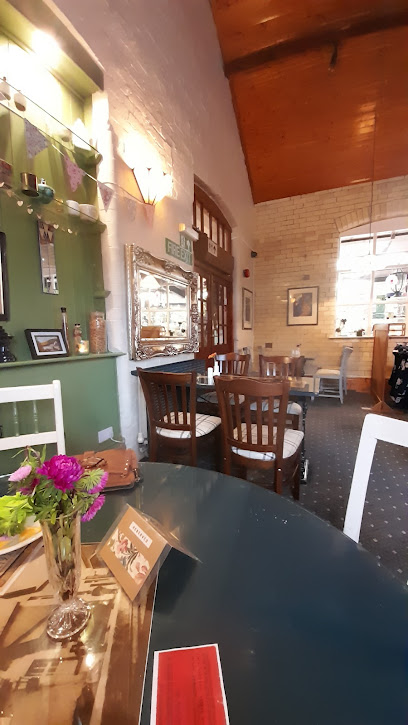
The Celtic Arms
7.9 km
A welcoming countryside restaurant and bar offering freshly cooked British cuisine, extensive drinks, and a charming setting at Northop Country Park.
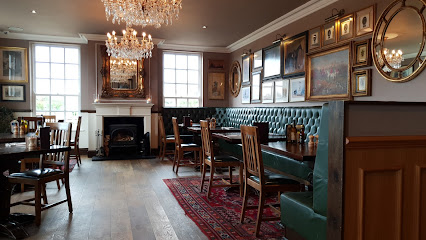
The Drovers Rhewl
8.2 km
A warm and welcoming country pub near Ruthin serving delicious traditional fare and real ales in a cozy village setting.
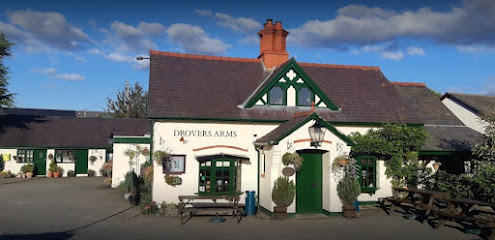
Small Plates Ruthin
8.7 km
Discover Small Plates Ruthin, where intimate sharing plates meet warm ambiance in the heart of historic North Wales.
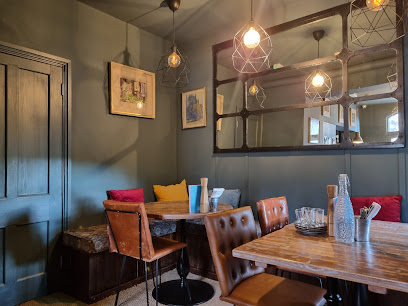
The Crooked Horn & rae's restaurant
9.0 km
Experience modern British cuisine at The Crooked Horn & Rae's Restaurant – where tradition meets innovation in a cozy gastropub setting.
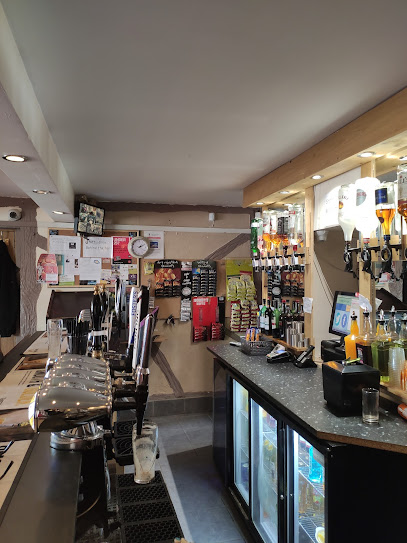
The Farmers Arms
9.0 km
A charming Welsh pub and restaurant in Ruthin offering traditional cuisine, local ales, and a warm, lively atmosphere.
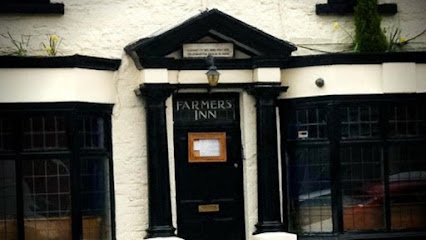
Nant Y Felin Restaurant
9.3 km
Experience authentic Welsh hospitality and hearty local cuisine in a charming rustic setting near Denbigh.
Markets, malls and hidden boutiques

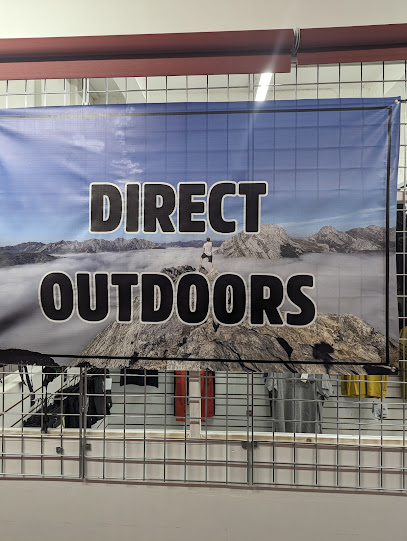
Direct Outdoors
6.2 km
Your friendly local shop for quality outdoor clothing and equipment, located inside Mold’s Indoor Market.
Daniel Owen Shopping Centre
6.2 km
A vibrant indoor market and shopping hub in Mold blending local culture, diverse retail, and community spirit under one roof.
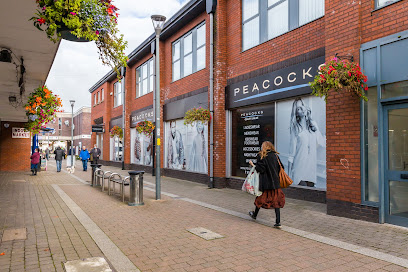
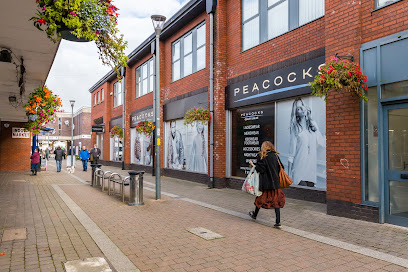
Peacocks
6.2 km
Affordable, trendy fashion for the whole family in the heart of Mold’s Daniel Owen Shopping Centre.
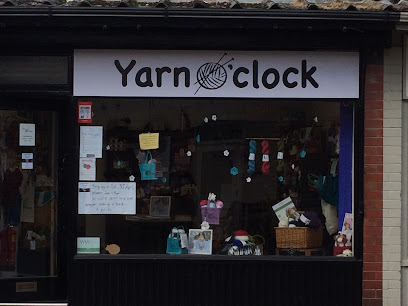
Yarn O'clock
6.2 km
Discover quality yarns and warm community spirit at Mold’s cozy wool shop, Yarn O'clock.
Staggered boutique interiors
6.2 km
Explore Staggered Boutique Interiors in Mold, where style meets comfort in exquisite bedding and decor, perfect for enhancing your home.
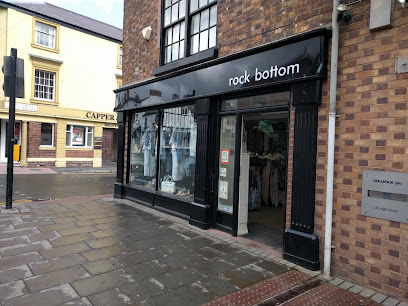
Rock Bottom
6.2 km
Independent women's fashion boutique offering quality styles at accessible prices in Mold town centre.
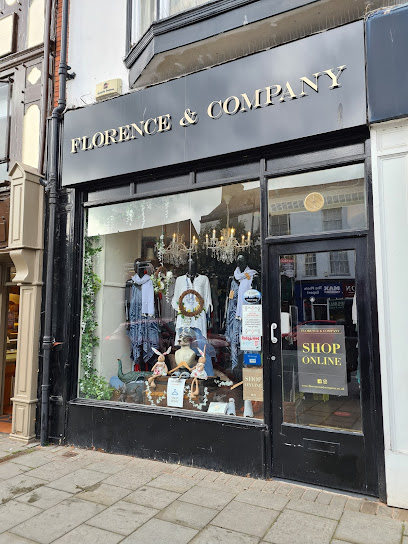
Florence & company
6.2 km
Discover unique fashion treasures at Florence & Company, a charming clothing boutique in the heart of Mold, perfect for local styles and personalized service.
The Craft Shack
6.2 km
Independent craft shop celebrating local artisans and creative inspiration in Mold's heart.
Simmi
6.2 km
A cozy boutique in Mold offering stylish ladies' clothing, jewellery, and gifts with friendly service and on-trend brands.
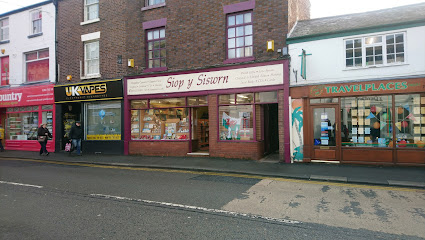
Siop Y Siswrn
6.3 km
Independent Welsh bookshop and art gallery celebrating language, literature, and local creativity in historic Mold.
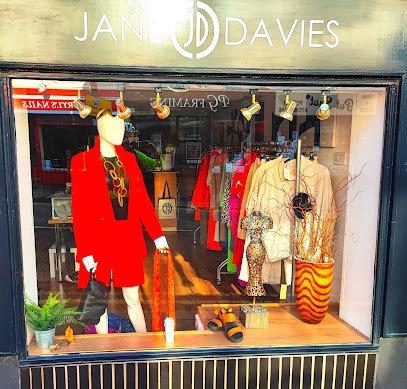
Jane Davies
6.3 km
Independent designer boutique in Mold offering curated fashion with personal service and timeless style.
Jennings Antiques
6.5 km
British antique and vintage furniture specialists with export expertise and period pieces from Victorian to retro eras.

Ty Ceffyl Bach
6.9 km
Discover unique, handcrafted Welsh gifts and artisan treasures in the peaceful village of Llandyrnog at Ty Ceffyl Bach.
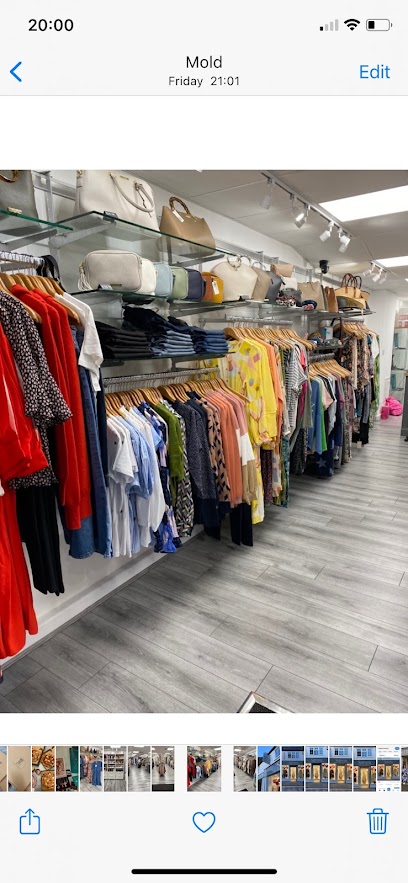
The De-Part-Mental Store
7.2 km
Treasure hunting meets sustainability in Mold's premier secondhand and upcycled goods destination.

Retro Styler Ltd
7.3 km
Discover unique gifts, collectibles, and nostalgic fashion at Retro Styler Ltd in Mold’s Bromfield Industrial Estate.
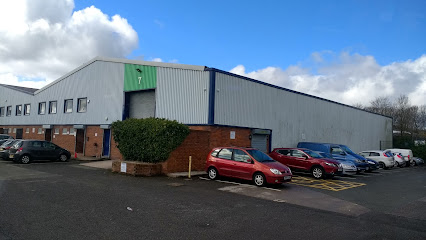
Essential bars & hidden hideouts

Cross Foxes
4.5 km
Experience authentic Welsh hospitality and hearty local fare at Cross Foxes, Nannerch’s beloved historic village pub.
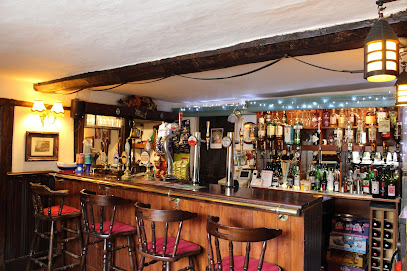
The Drovers Arms - Mold - Als Smokehouse
5.8 km
A lively smokehouse pub in Mold offering hearty barbecue dishes, live entertainment, and a warm, family-friendly atmosphere.
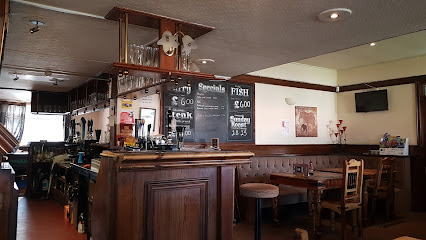
The Ruthin Castle
6.1 km
A welcoming pub in Mold’s vibrant center, blending local history with lively community spirit and traditional charm.
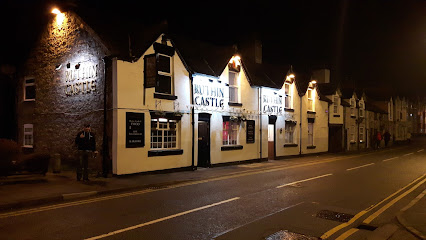
Blue Bell Inn, Halkyn
6.1 km
A cozy, welcoming pub on Halkyn Mountain offering fine ales, hearty food, and scenic North Wales charm.
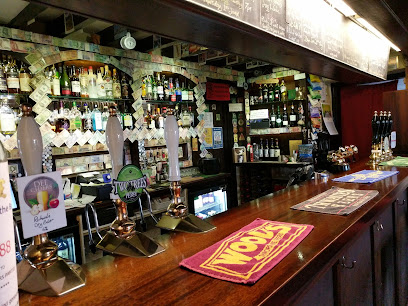
Mold Alehouse
6.1 km
Discover Mold Alehouse, a cozy micropub in Mold offering ever-changing cask ales and craft beers in a welcoming, conversation-friendly space.
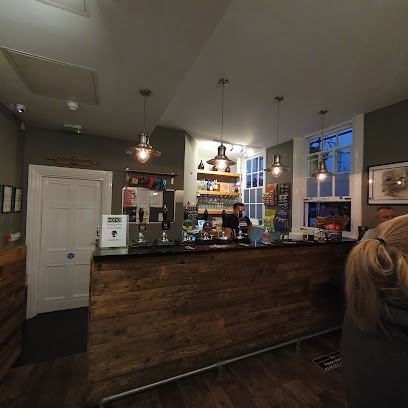
The Griffin, High Street, Mold
6.2 km
A welcoming traditional pub on Mold’s High Street, offering classic fare, lively events, and a true community spirit.
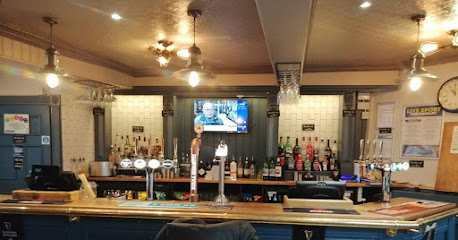
Y Pentan
6.2 km
Experience the heart of Mold’s social life at Y Pentan, a traditional pub known for friendly vibes and classic British fare.
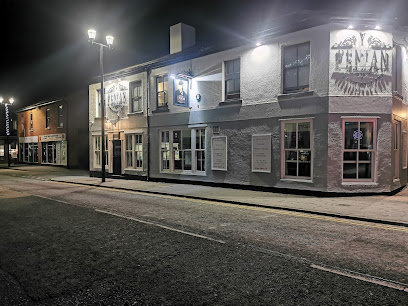
Glasfryn
6.3 km
Charming Mold pub with seasonal menus, local ales, cozy fires, and a scenic garden terrace for a welcoming dining experience.
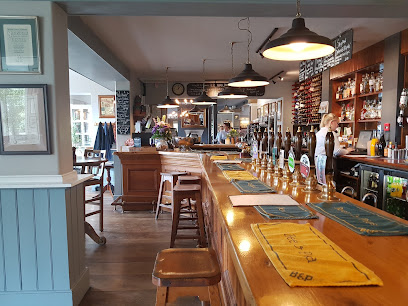
Crown Inn Lixwm
6.3 km
A classic British village pub in Lixwm offering hearty food, real ales, and a warm, welcoming atmosphere in the heart of North Wales.
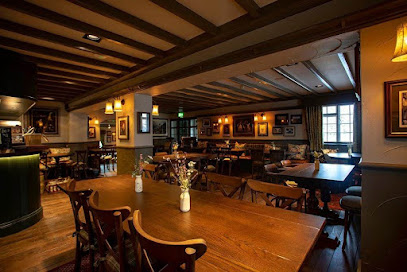
The Cross Keys
6.8 km
Experience authentic Welsh pub culture with hearty meals, local ales, and a warm community atmosphere at The Cross Keys in Sychdyn.
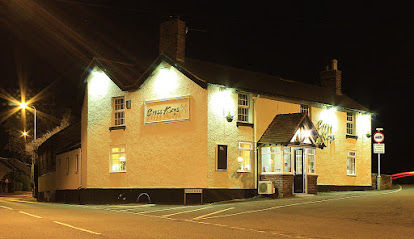
The golden lion llandyrnog
6.8 km
A classic Welsh village pub and lively sports bar offering cozy charm, quality ales, and acclaimed homemade food in the heart of Llandyrnog.
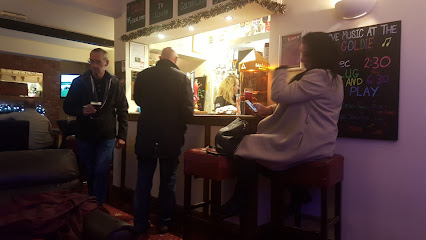
Queens Head Inn
7.1 km
Classic Welsh pub charm with hearty food, diverse drinks, and lively entertainment in the heart of Mold.
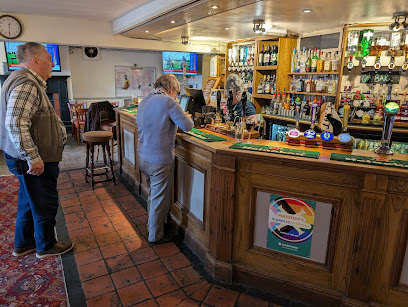
Pen Y Bont Farm
7.3 km
Historic riverside pub in Mold blending 17th-century charm with modern comfort, family-friendly dining, and scenic outdoor spaces.
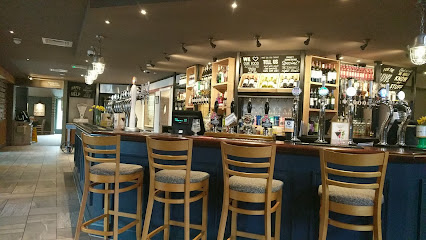
Boot Inn
7.5 km
Historic 18th-century pub in Northop offering hearty home-cooked meals, friendly service, and a cozy family-friendly atmosphere year-round.
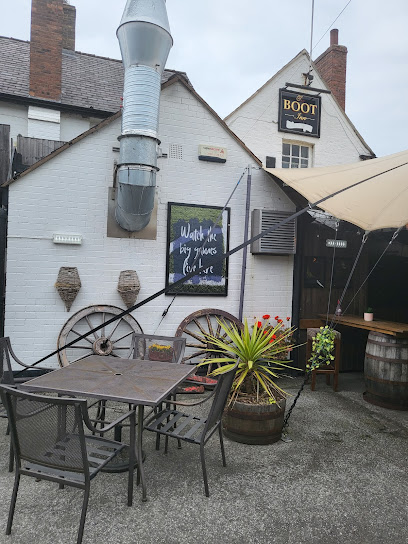
The Coach & Horses Flint Mountain
8.2 km
A cozy traditional pub in Flint Mountain offering hearty meals, friendly service, and a warm, inviting atmosphere with a classic Welsh charm.
Nightclubs & after hour spots

Dj Tony B Disco Karaoke & video Roadshow
7.6 km
Dive into a night of music and fun at Dj Tony B Disco Karaoke & Video Roadshow, where every guest gets to shine on stage!
North Wales Celebrations Wedding & Party Disco DJ
10.0 km
Elevate your celebrations with North Wales Celebrations - the premier mobile disco DJ service for unforgettable weddings and parties.
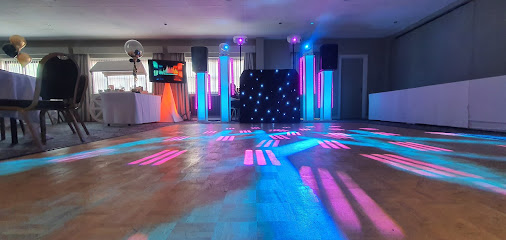
Flint Royal British Legion Social Club
10.1 km
A welcoming social hub in Flint supporting veterans and community through camaraderie, remembrance, and local events.
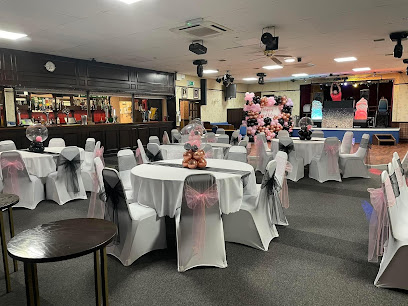
Live Lounge
20.7 km
Experience lively evenings with live music and entertainment at Presthaven’s vibrant Live Lounge, set within a family-friendly coastal resort.
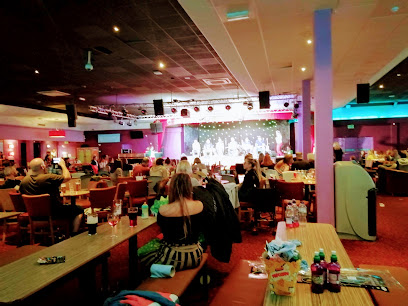
The Magnet Club
21.4 km
Wrexham’s independent venue since 1984, The Magnet Club blends live music, sports, and social games in a welcoming, refurbished space on King Street.
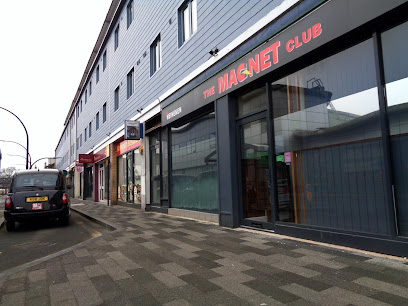
Pendyffryn Club
21.4 km
A cosy and tranquil social club in Prestatyn offering a friendly atmosphere to enjoy a pint and good company without distractions.
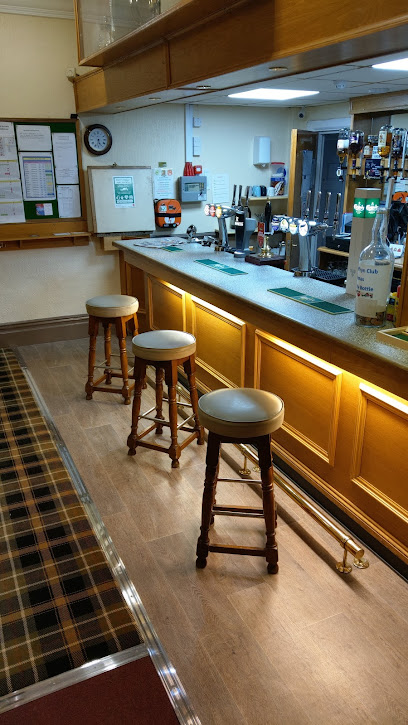
Chester City Club
22.7 km
Experience Chester’s vibrant nightlife at City Club, where modern beats meet historic charm in the heart of St Peters Churchyard.
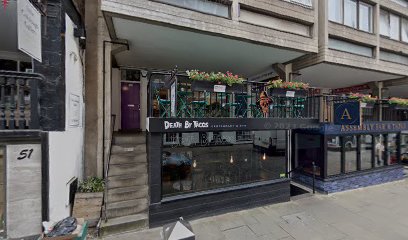
Rosies - Chester
22.9 km
Experience Chester’s vibrant nightlife at Rosies, a multiroom club with rooftop terrace, VIP lounges, and cutting-edge sound over three lively floors.
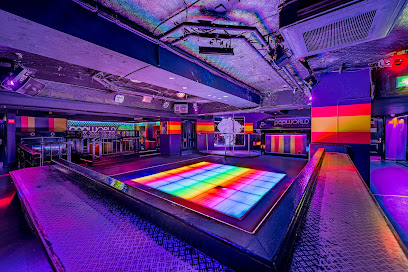
Metronome Jazz Bar
22.9 km
Discover the enchanting Metronome Jazz Bar in Chester, where soulful performances and a cozy atmosphere create unforgettable musical nights.
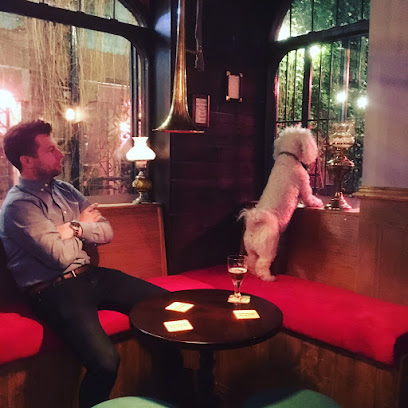
Esplanade Social Club
23.0 km
A lively coastal social club in Rhyl offering themed nights, local ales, and a welcoming community atmosphere near the beach.
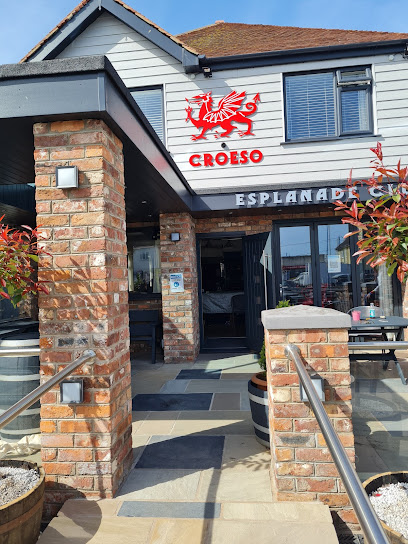
Red Door
23.1 km
Discover Chester's vibrant nightlife at Red Door, a stylish cocktail bar offering innovative drinks and a chic atmosphere for the perfect night out.
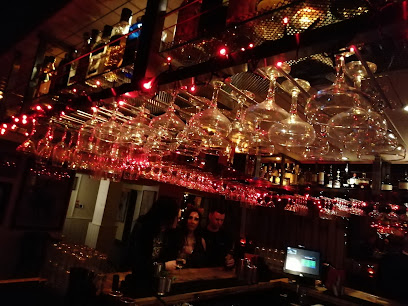
BONOBO Bar & Canteen
23.1 km
A vibrant two-floor bar and canteen in Chester blending American eats, cocktails, video games, and lively music for a unique nightlife experience.
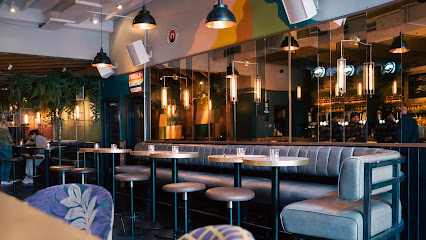
Cruise
23.1 km
A multi-floor nightclub in Chester offering vibrant music, premium drinks, and lively nightlife across seven bars.
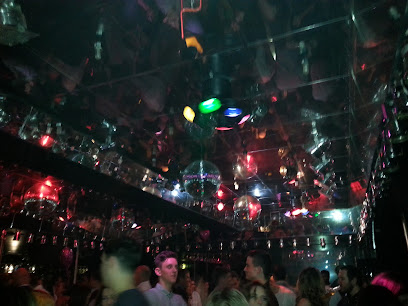
Revolution Chester
23.4 km
Experience vibrant nightlife, creative cocktails, and lively music at Revolution Chester, the city’s premier lounge and party venue.
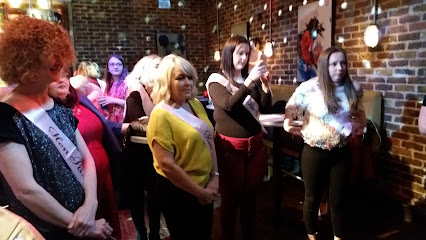
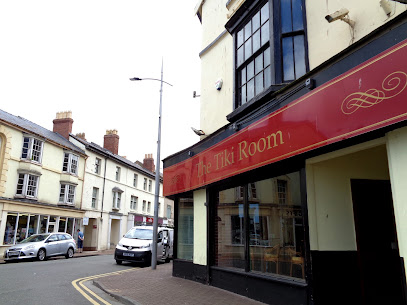
The Tiki Room
23.5 km
Rhyl’s vibrant tropical-themed nightclub with dual music floors offering modern beats and 80s classics for lively weekend nights.
For the vibe & atmosphere seeker
- Tranquil
- Scenic
- Cultural Heritage
- Unique
For the design and aesthetic lover
- Vintage Styles
- Rustic Designs
For the architecture buff
- Historic
- Landmarks
- Sacred Sites
For the view chaser and sunset hunter
- Iconic Views
- Panoramas
For the social media creator & influencer
- Instagrammable
- Photo Spots
- Architectural Shots
For the eco-conscious traveler
- Public-Transport Accessible
- Locally Managed
For the kind of experience you’re after
- Cultural Heritage
- Photowalk
- Day Trip
- Weekend Getaway
- Myth & Legends
For how adventurous you want the journey to be
- Easy Access
Location Audience
- Family Friendly
- Senior Friendly
- Child Friendly
- Solo Friendly
- Couple Friendly
- Vegetarian Friendly
- Vegan Friendly


