Moel y Gaer, Merionethshire Travel Guide
Explore Moel y Gaer, a commanding Iron Age hillfort with ancient earthworks and sweeping views across North Wales and beyond.
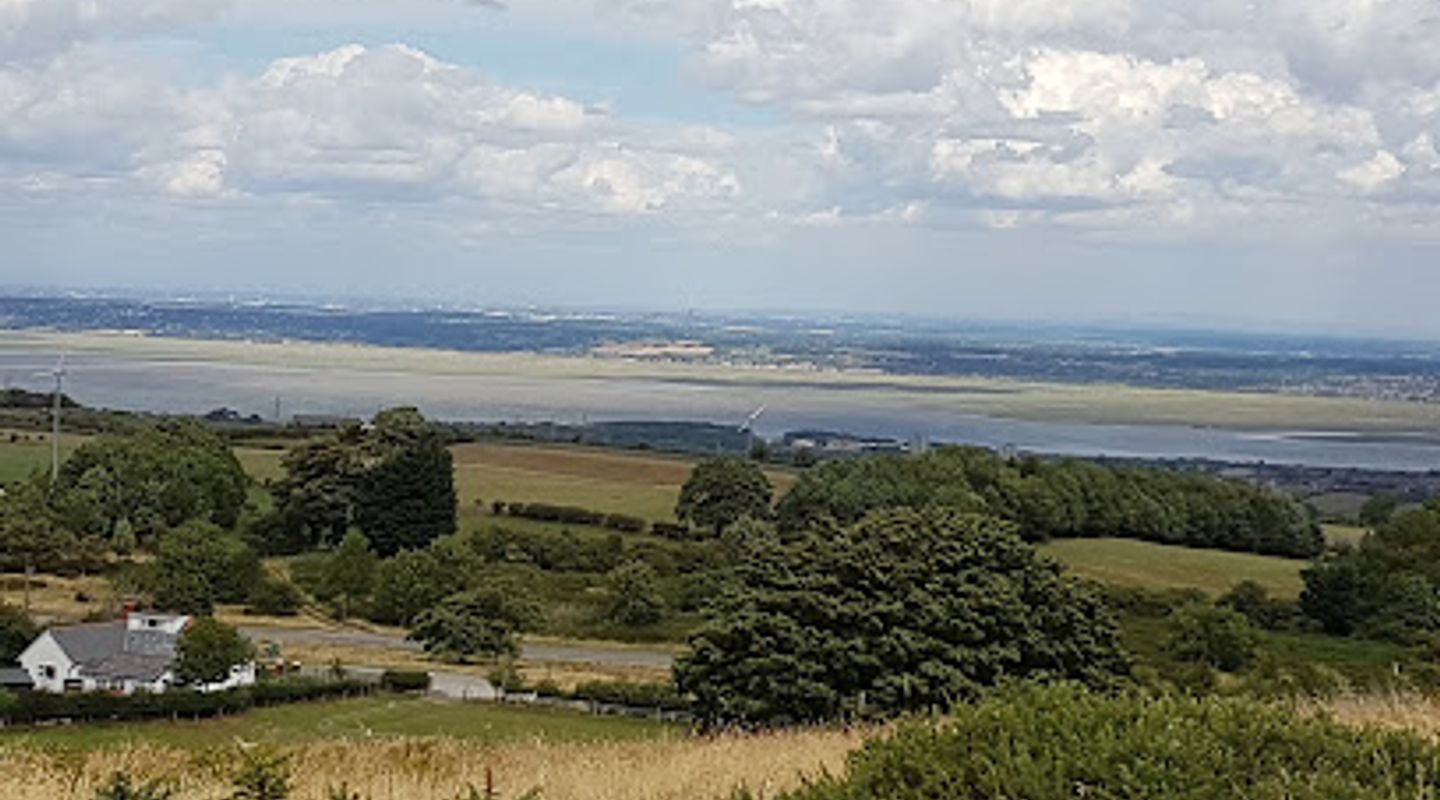
Moel y Gaer is an Iron Age hillfort perched atop Halkyn Mountain near Rhosesmor, Flintshire, Wales. This well-preserved site features ancient earth ramparts and offers sweeping 360-degree views over the Dee Estuary, Wirral, Cheshire, and the Clwydian Range. With evidence of Neolithic, Bronze Age, and Iron Age occupation, it is a significant archaeological landmark rich in history and legend.
A brief summary to Moel y Gaer
- Mold, Halkyn, GB
- Click to display
- Duration: 1 to 3 hours
- Free
-
 Outdoor
- Mobile reception: 4 out of 5

Know before you go
Hi, I'm Eve. Here are a few practical things to know before exploring Moel y Gaer.
- Bring binoculars to enjoy panoramic views stretching to Liverpool, the Wirral, and the Clwydian Range.
- Wear sturdy shoes for the easy 20-minute uphill walk along a well-defined footpath from Rhosesmor.
- Visit during clear weather for the best visibility and photo opportunities of the surrounding landscape.
- Respect the grazing sheep and stay on marked paths to help preserve the site’s delicate earthworks.
Do you manage this location?
Take control to get all the benefits, like improved information, better appearance, and stronger visibility across AI-powered discovery. Learn more about listing your business on Evendo
Activate your presenceOther nearby places you may find interesting
The closest places of the same kind, if this one is not quite what you had in mind.
Explore Moel y Gaer on the Map
A handpicked selection of must-see spots near Moel y Gaer, mapped for you.
Getting There
-
Car
Driving from Mold, take the A541 towards Denbigh, then the B5123 to Rhosesmor. Park at the community centre car park near St Paul’s church. The drive takes approximately 15-20 minutes. Note that parking spaces may be limited during peak times.
-
Walking
From Rhosesmor village, follow the well-marked footpath to Moel y Gaer summit. The 0.5-mile walk takes about 20 minutes over easy terrain with some gentle uphill sections, suitable for most fitness levels.
-
Public Transport
Bus services connect Mold to nearby villages including Rhosesmor, with variable frequency. From the bus stop in Rhosesmor, the hillfort is a 20-minute walk. Check local bus schedules in advance as services may be limited on weekends.
For the on-the-go comforts that matter to you
-
 Restrooms
-
 Drink Options
-
 Food Options
-
 Seating Areas
-
 Information Boards
Discover more about Moel y Gaer
Ancient Origins and Archaeological Significance
Moel y Gaer stands as a remarkable testament to prehistoric settlement, with evidence of human activity dating back over 5,000 years. Excavations have revealed a Neolithic rectangular building, Bronze Age cairns, and a sequence of Iron Age fortifications. The hillfort’s earliest phase featured a wooden palisade, later replaced by substantial earth ramparts and ditches around the 6th century BC. These defensive structures enclose an area of approximately 2.7 hectares, with 21 roundhouses and later rectangular buildings uncovered during archaeological digs. The site’s layered history provides invaluable insight into the lives and societal structures of late Bronze Age and Iron Age communities in Wales.Strategic Location and Spectacular Vistas
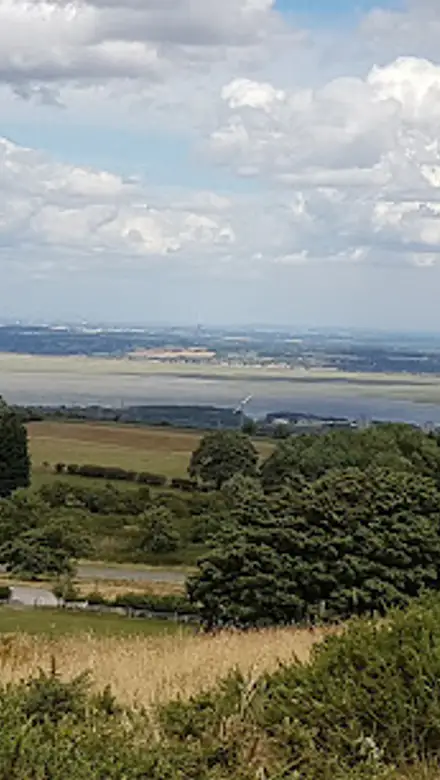
Situated at 984 feet (300 meters) above sea level on a limestone knoll, Moel y Gaer commands commanding views across the surrounding landscape. From the summit, visitors can gaze north towards Liverpool and the Wirral, spot the Cheshire Plain and Beeston Castle to the east, and admire the Clwydian Range and Moel Famau to the south. The fort’s elevated position historically offered strategic oversight of approaches from the south and the Dee Estuary, making it a vital defensive site. Today, the panoramic views remain a major draw for visitors, providing a breathtaking natural backdrop to the ancient earthworks.Historical Layers and Cultural Resonance
Beyond its prehistoric roots, Moel y Gaer is entwined with Welsh history and legend. It is reputedly linked to the uprising of Owain Glyndŵr in the early 15th century, when Howel Gwynedd used the site as a stronghold against English forces. The hillfort’s long occupation and strategic importance have sparked theories connecting it to the legendary Avalon of Arthurian myth. In more recent centuries, it played a role during the Napoleonic Wars as a fire beacon site to warn of invasion. This rich tapestry of historical and mythical associations imbues the site with a deep cultural resonance.Visitor Experience and Natural Setting
Accessed by a well-defined 0.5-mile (0.8 km) footpath from the village of Rhosesmor, the walk to Moel y Gaer is relatively easy and suitable for most visitors. The summit area, covered in rough pasture and gorse scrub, invites picnics and quiet contemplation amid the earth ramparts. The site is popular with dog walkers and local sheep grazing continues, blending natural and historical elements. The presence of a modern water reservoir and a communications mast atop the hill subtly contrasts with the ancient surroundings. Visitors are encouraged to bring binoculars to fully appreciate the extensive views and to explore the visible archaeological features such as the ramparts and entrance.Preservation and Archaeological Research
Moel y Gaer has benefited from extensive archaeological investigation, particularly in the 1970s, which uncovered key insights into its multiple phases of occupation. The construction of a covered reservoir on the summit prompted detailed excavations that revealed the complexity of the site’s development. Despite the acidic sub-soil limiting metal artifact preservation, finds such as pottery shards, stone tools, and loom weights have enriched understanding of the site’s past. The earthworks remain well-preserved, and the site is managed to balance public access with conservation, ensuring this remarkable hillfort endures as a window into Wales’s ancient past.Local Context and Surrounding Landscape
Moel y Gaer is part of a wider landscape rich in archaeological and natural interest. The surrounding Halkyn Mountain area has a history of lead mining and limestone quarrying, which shaped local communities over centuries. Nearby hills like Moel Arthur and Penycloddiau form part of the Clwydian Range, a chain of hillforts that collectively illustrate the region’s Iron Age heritage. The village of Rhosesmor, nestled below the hillfort, offers a glimpse into rural Welsh life, with local amenities including pubs and community facilities. The blend of cultural heritage, natural beauty, and accessible terrain makes Moel y Gaer a rewarding destination for history enthusiasts and nature lovers alike.












Your all‑in‑one travel companion app
Explore expert travel guides, compare and book tours, experiences, hotels, and more—all from the palm of your hand. Download now for seamless trip planning wherever your wanderlust takes you.


Explore More of Merionethshire
Looking beyond Moel y Gaer? Discover Merionethshire for broader travel guides, local hot-spots, and regional highlights.
Explore Merionethshire
A welcoming community club in Mold offering casual fun, pool, and affordable drinks in a lively, friendly atmosphere.

Discover Theatr Clwyd, Mold’s vibrant performing arts theatre blending Welsh culture, dynamic performances, and scenic beauty in North Wales.