Clwydian Range, Clwyd Travel Guide
Explore North Wales’ breathtaking uplands where ancient hillforts meet heather moorlands and scenic trails invite discovery.
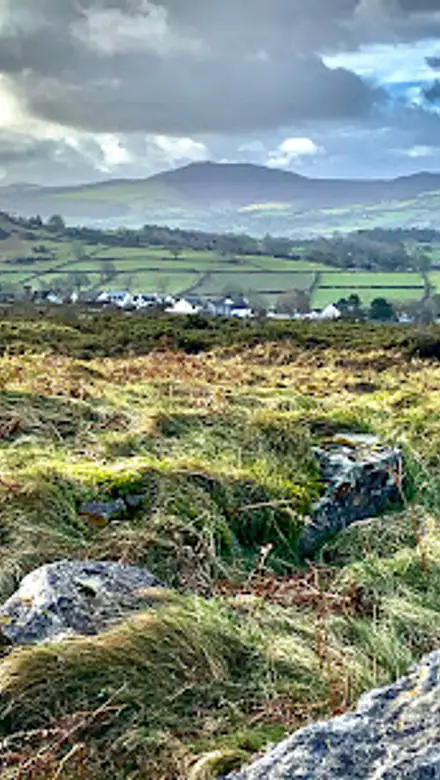
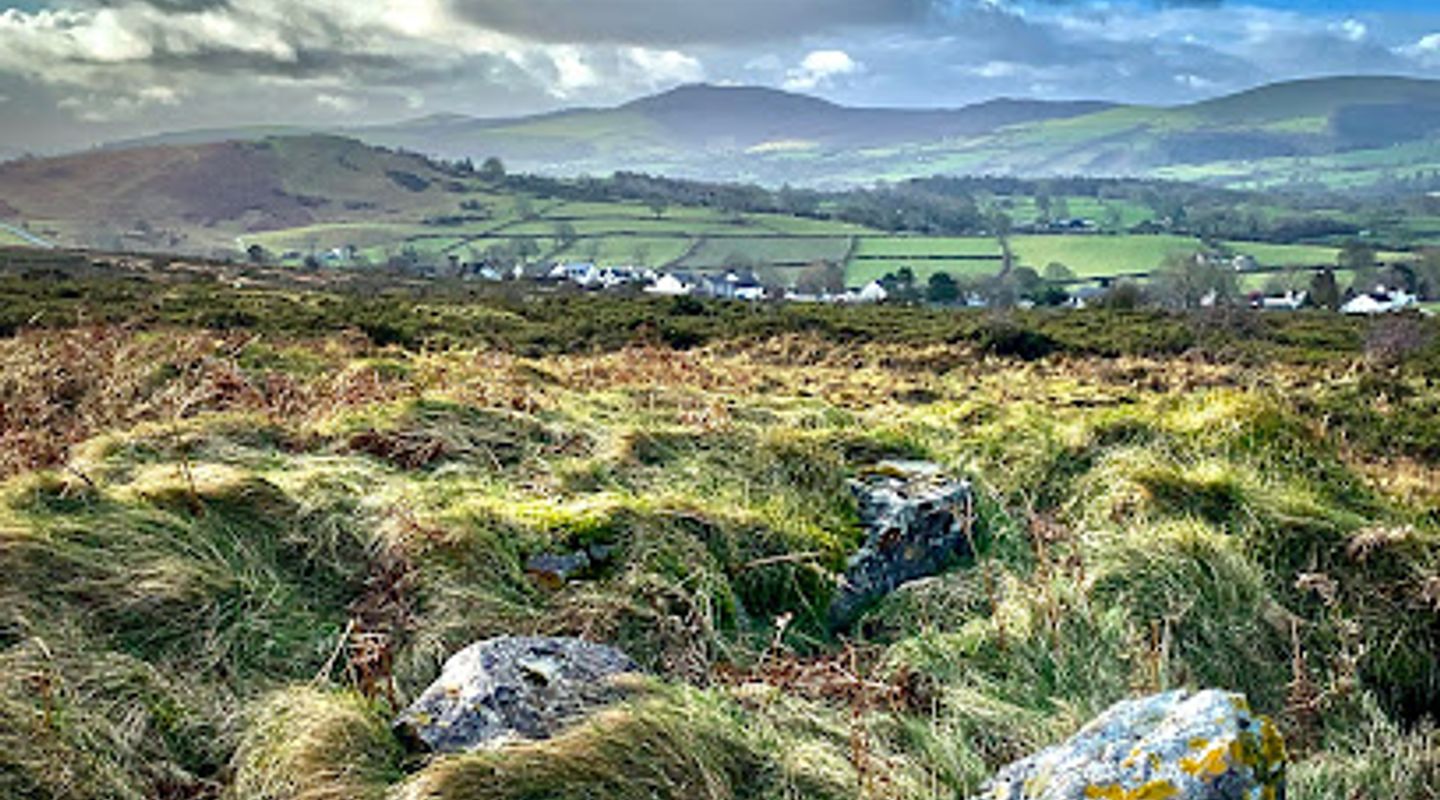
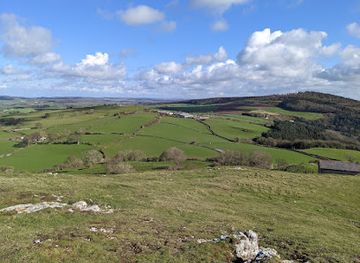
The Clwydian Range and Dee Valley form a stunning upland frontier in North East Wales, featuring heather-clad hills, ancient hillforts, limestone crags, and wooded valleys. This Area of Outstanding Natural Beauty offers dramatic summits, rich cultural heritage, and diverse outdoor activities including walking, cycling, and horse riding, making it a perfect destination for nature lovers and history enthusiasts alike.
A brief summary to Clwydian Range
- Mold, GB
- Duration: 2 to 6 hours
- Free
-
 Outdoor
- Mobile reception: 4 out of 5

Know before you go
Hi, I'm Eve. Here are a few practical things to know before exploring Clwydian Range.
- Bring sturdy walking shoes to comfortably explore the varied terrain of hills, forests, and rocky escarpments.
- Visit in late summer to see the heather in full bloom, painting the hillsides vibrant purple.
- Plan some time for stargazing; the area’s dark skies offer excellent conditions away from city lights.
- Consider renting a bike or booking a horse riding session to experience the landscape from different perspectives.
Do you manage this location?
Take control to get all the benefits, like improved information, better appearance, and stronger visibility across AI-powered discovery. Learn more about listing your business on Evendo
Activate your presenceOther nearby places you may find interesting
The closest places of the same kind, if this one is not quite what you had in mind.

Explore Clwydian Range on the Map
A handpicked selection of must-see spots near Clwydian Range, mapped for you.
Getting There
-
Car
Driving from Liverpool or Manchester takes approximately 1.5 to 2 hours via the A55 and A494, with parking available at key trailheads such as Moel Famau Visitor Centre. Parking may be limited during peak seasons.
-
Train and Bus
Take a train to Mold or Llangollen from major cities, then connect with local bus services that run approximately every 1-2 hours to various access points around the Clwydian Range. Bus services may have reduced frequency on weekends.
-
Cycling
Experienced cyclists can access the Clwydian Range via regional cycle routes, including the North Wales Cycling Centre of Excellence trails. Terrain varies from moderate to challenging with some steep climbs.
For the on-the-go comforts that matter to you
-
 Restrooms
-
 Drink Options
-
 Food Options
-
 Seating Areas
-
 Information Boards
-
 Visitor Center
-
 Trash Bins
Discover more about Clwydian Range
A Landscape of Natural Splendor and Heritage
The Clwydian Range and Dee Valley National Landscape, formerly an Area of Outstanding Natural Beauty, stretches across 390 square kilometres of North East Wales. It encompasses a diverse terrain of heather-covered hills, limestone escarpments, and lush wooded valleys. The range’s highest point, Moel Fferna, rises to 630 metres, offering panoramic views of the surrounding countryside. This landscape is not only visually striking but also ecologically significant, supporting a variety of flora and fauna that thrive in its heathlands and forests.Ancient History Embedded in the Hills
The area is steeped in history dating back millions of years, with prominent Iron Age hillforts such as Caer Drewyn and Moel Hiraddug dotting the hilltops. These ancient fortifications bear witness to the region’s strategic importance in prehistoric times. Nearby, Denbigh Castle, a 13th-century fortress, adds medieval grandeur to the landscape. The Dee Valley’s industrial heritage complements this ancient past, weaving a rich cultural tapestry that invites exploration and discovery.Outdoor Pursuits for Every Enthusiast
The Clwydian Range and Dee Valley offers extensive opportunities for outdoor activities. Walkers can follow sections of the famous Offa’s Dyke Path National Trail, which traces the hilltops from Prestatyn to Chirk, with numerous shorter circular walks available for all levels. Cyclists are drawn to the network of roads and forest tracks, including Coed Llandegla Forest Park, a renowned mountain biking centre. Horse riding is also popular, with stables providing access to trails through forests, meadows, and streams, allowing riders to immerse themselves in the natural beauty.Scenic Views and Wildlife Watching
The heather moorlands burst into vibrant purple hues during late summer, creating breathtaking vistas. Limestone crags like the Eglwyseg Escarpment offer dramatic rocky outcrops and are a haven for climbers and bird watchers. The area’s dark skies are prized for stargazing, free from urban light pollution. Wildlife enthusiasts can spot diverse species, from soaring birds of prey to rare plants adapted to the upland environment.Welcoming Villages and Local Flavours
Nestled within the landscape are charming towns and villages such as Mold and Llangollen, where visitors can enjoy local produce, artisan food, and traditional Welsh hospitality. The region’s visitor centres and tourism points provide information and support for exploring the area, as well as details about local events and cultural experiences. Accommodation ranges from luxury hotels to cozy B&Bs and countryside campsites, catering to a variety of tastes and budgets.Accessibility and Visitor Experience
The Clwydian Range and Dee Valley is easily accessible from major cities like Liverpool, Manchester, and Birmingham, with good road links and public transport options. Its proximity to the English border makes it a convenient destination for day trips or longer stays. The area’s well-maintained trails, visitor facilities, and diverse activities ensure a rewarding experience for nature lovers, history buffs, and outdoor adventurers alike.












Your all‑in‑one travel companion app
Explore expert travel guides, compare and book tours, experiences, hotels, and more—all from the palm of your hand. Download now for seamless trip planning wherever your wanderlust takes you.


Explore More of Clwyd
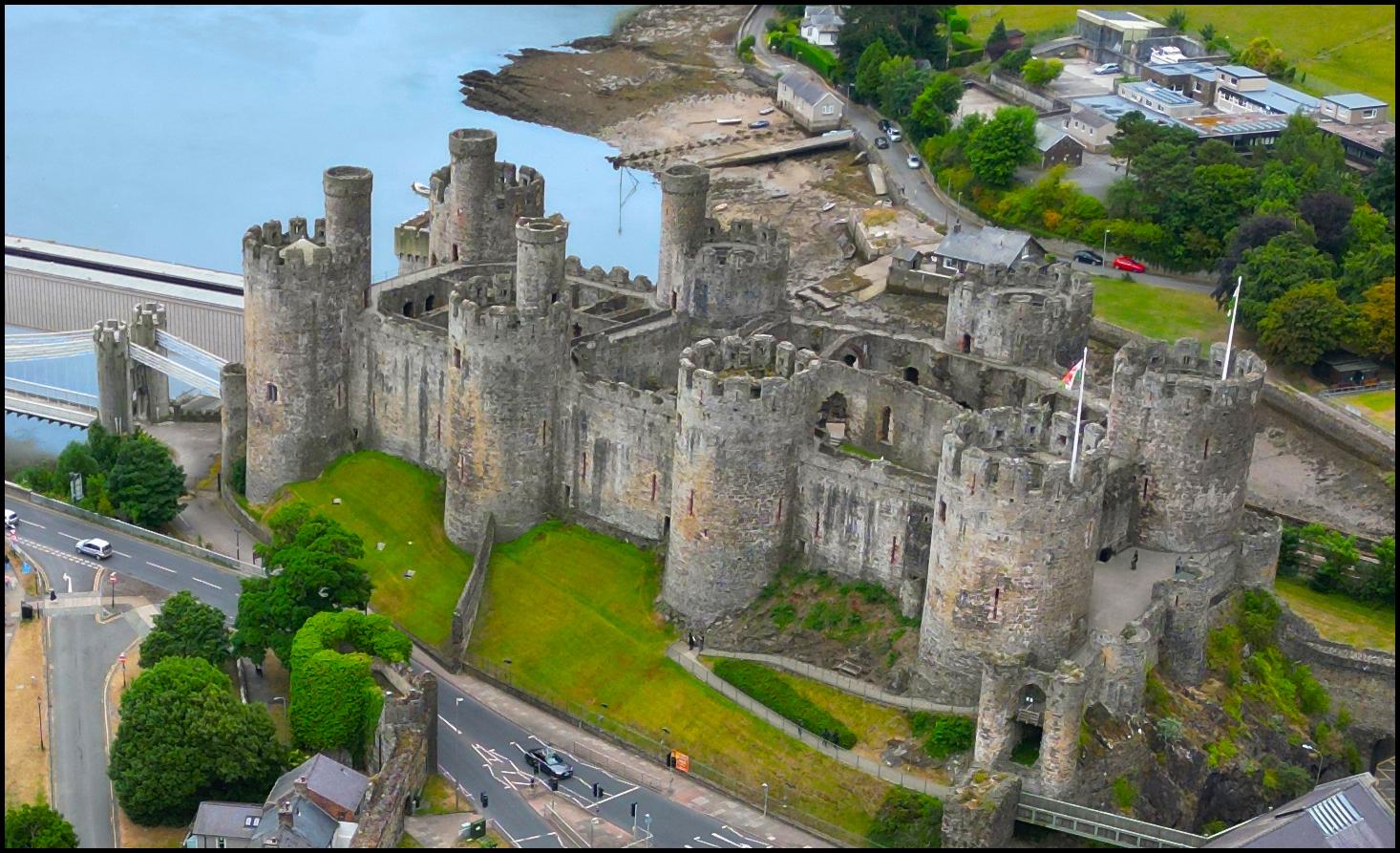
Looking beyond Clwydian Range? Discover Clwyd for broader travel guides, local hot-spots, and regional highlights.
Explore Clwyd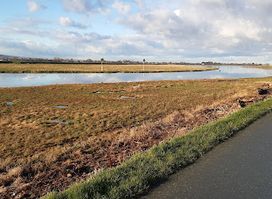
Flowing 35 miles through North Wales, the River Clwyd nourishes fertile valleys, historic sites, and rich wildlife before meeting the Irish Sea.
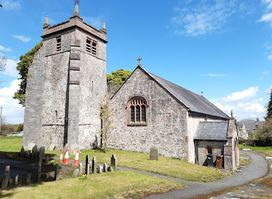
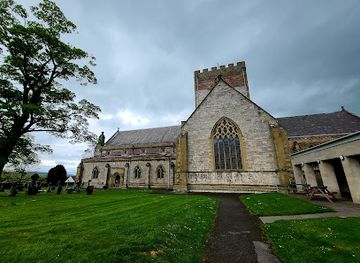
Discover the medieval charm and historic roof artistry of St Mary's Church, a spiritual and architectural gem in the heart of Cilcain village.