Knocknakilla Stone Circle: Ancient Bronze Age Megalithic Complex in County Cork
Explore Knocknakilla Stone Circle, a serene Bronze Age megalithic site with ancient stones set against stunning Cork landscapes and mysterious ceremonial origins.
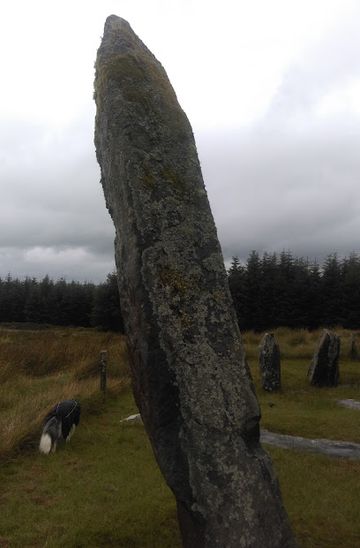
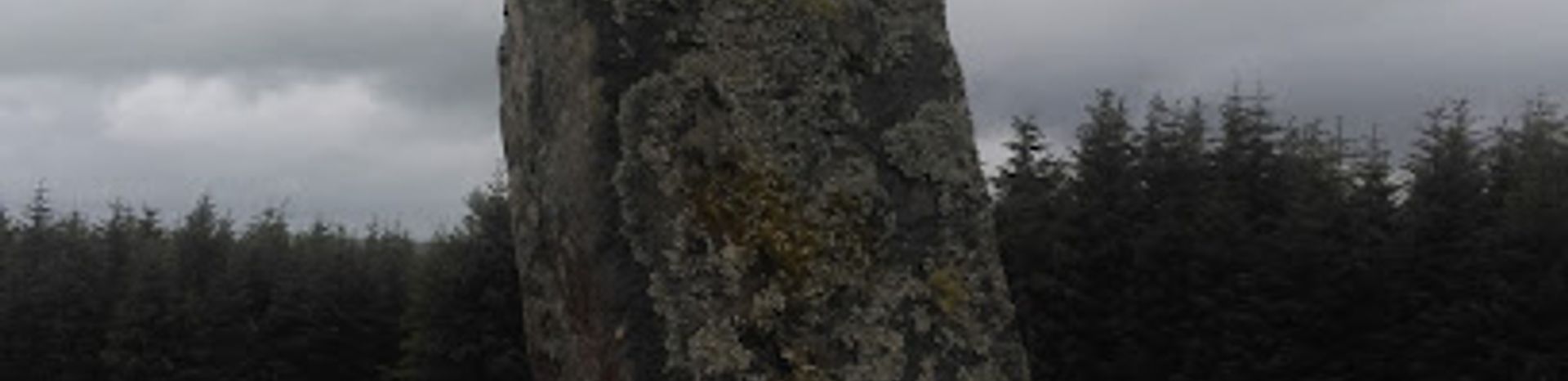
Knocknakilla Stone Circle is a prehistoric megalithic site located on the upper slopes of Musherabeg Mountain in County Cork, Ireland. Dating back to the Middle Bronze Age (c. 1600–1800 BCE), the complex features a five-stone circle, two standing portal stones, and a radial stone cairn. The site is renowned for its ceremonial and possible astronomical significance, set amidst scenic bogland with panoramic views over Cork’s valleys.
A brief summary to Knocknakilla Stone Circle
- Knocknakilla, Co. Cork, IE
- Duration: 0.5 to 1.5 hours
- Free
-
 Outdoor
- Mobile reception: 3 out of 5

Know before you go
Hi, I'm Eve. Here are a few practical things to know before exploring Knocknakilla Stone Circle.
- Wear sturdy footwear suitable for boggy and uneven terrain around the stone circle.
- Visit during clear weather to fully appreciate the panoramic views of the surrounding valleys.
- Bring water and snacks, as there are no facilities or food options near the site.
- Respect the site by not climbing on the stones and adhering to Leave No Trace principles.
- Combine your visit with nearby historic sites like Macroom Castle or Mullinhassig Waterfalls for a full day of exploration.
Do you manage this location?
Take control to get all the benefits, like improved information, better appearance, and stronger visibility across AI-powered discovery. Learn more
Activate your presence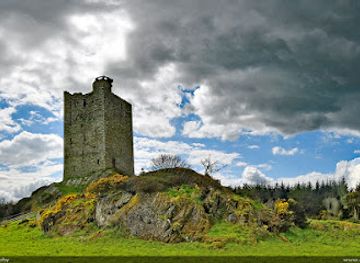
Getting There
-
Car
Driving from Cork city to Knocknakilla takes approximately 1 to 1.5 hours via the N22 and local roads. Parking is limited near the site, so arrive early to secure a spot. The last stretch involves rural roads with narrow lanes.
-
Bus and Taxi
Public buses run from Cork to Millstreet village, about 6 km from Knocknakilla. From Millstreet, a taxi ride of 10-15 minutes can reach the site. Bus services are infrequent, so plan accordingly. Taxi fares typically range from €15 to €25.
-
Walking
For active visitors staying near Millstreet or Carriganimmy, a hike of around 1.5 to 2 hours over uneven, boggy terrain leads to Knocknakilla. Suitable for experienced walkers with good footwear.
For the on-the-go comforts that matter to you
-
 Information Boards
Discover more about Knocknakilla Stone Circle
Origins and Historical Significance
Knocknakilla Stone Circle is a striking remnant of Ireland’s Bronze Age heritage, constructed approximately 3,500 years ago during the Middle to Late Bronze Age (circa 1600–1800 BCE). This megalithic complex was likely built by communities engaged in early agricultural expansion and ritual practices. The name Knocknakilla derives from the Irish "Cnoc na Cille," meaning "Hill of the Church," hinting at the spiritual importance of the location through the ages.Architectural Features and Layout
The site comprises a distinctive five-stone circle, with stones ranging from 1.3 to 1.5 meters in height, accompanied by two tall portal stones, one of which stands impressively at 3.7 meters. A radial stone cairn is also part of the complex, adding to its ceremonial character. The portal stones are aligned roughly NNE-SSW, suggesting an intentional orientation possibly linked to solar or lunar cycles. The circle’s interior once included a flat-stoned pavement, indicating a carefully constructed ritual space.Ceremonial and Astronomical Roles
Archaeological interpretations suggest Knocknakilla served multiple functions: a ceremonial site for rituals and possibly a calendrical monument marking key solar and lunar events. The stone circle’s alignment and form may have facilitated community gatherings, feasts, or dances tied to seasonal festivals. While no burials have been definitively linked to Knocknakilla, cremated remains found at similar stone circles in the region imply a funerary or memorial aspect to these monuments.Setting and Visitor Experience
Perched on the slopes of Musherabeg Mountain at an elevation of about 320 meters (1,050 feet), the site overlooks a deep valley and expansive bogland, offering visitors panoramic views of Cork’s natural landscape. The terrain around Knocknakilla is relatively level but boggy, contributing to the site's tranquil and remote atmosphere. The surrounding environment enhances the sense of stepping back into Ireland’s ancient past.Conservation and Accessibility
Knocknakilla is a protected National Monument, carefully preserved to maintain its integrity. Access to the site is free and unrestricted, with no formal visitor facilities on-site, preserving its natural and historic ambiance. The location’s rural setting means visitors should prepare for uneven ground and limited amenities nearby.Regional Context and Nearby Attractions
Situated between the villages of Macroom and Millstreet, Knocknakilla is part of a rich archaeological landscape that includes other megalithic sites, castles, and natural attractions such as Mullinhassig Wood and waterfalls. This makes it an excellent destination for those interested in Ireland’s prehistoric heritage and scenic countryside exploration.Explore the best of what Knocknakilla Stone Circle has to offer













More about County Cork

Discover County Cork: Ireland's Southern Gem with stunning landscapes, rich history, and vibrant culture. Explore city wonders and coastal beauty in the heart of the Emerald Isle.
Tell me more about County Cork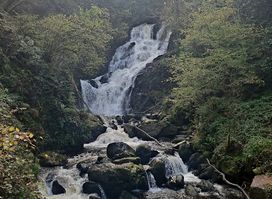
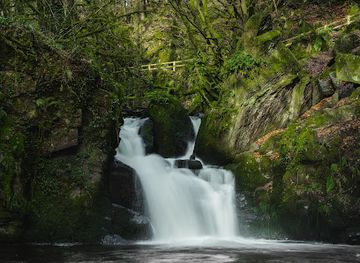
Experience the natural beauty of Cascade de Torc, a stunning waterfall in Killarney National Park, perfect for nature lovers and adventure seekers.
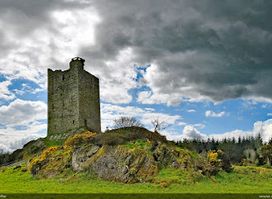
Explore the haunted ruins of Carrigaphooca Castle in County Cork, a medieval tower house with a rich history and ghostly legends overlooking the Sullane River.