
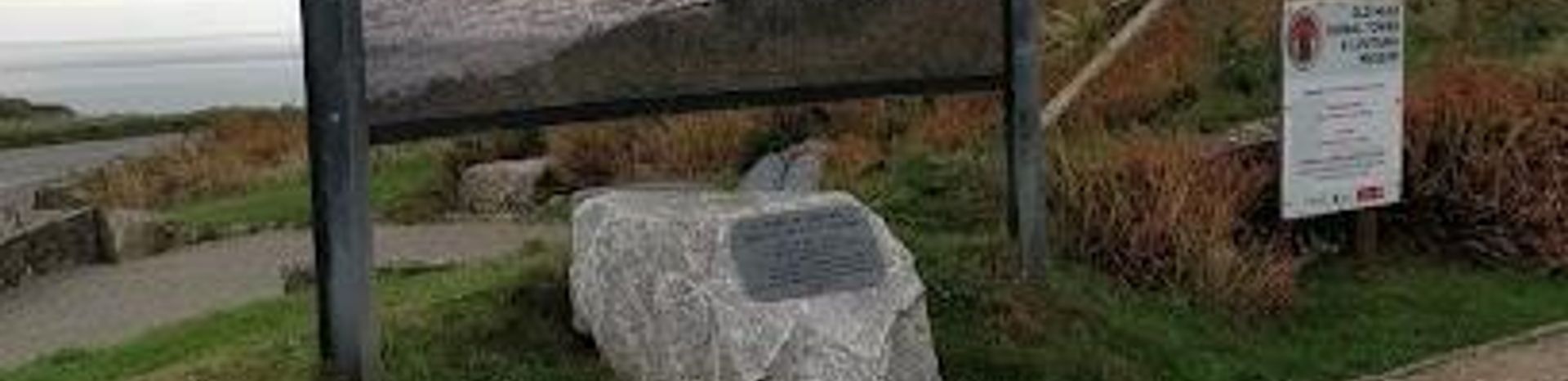
Lusitania Museum & Old Head Signal Tower
A Napoleonic signal tower turned poignant Lusitania museum, with sweeping Atlantic views and a powerful bronze memorial to the liner’s victims on the Old Head of Kinsale.
Perched on the dramatic cliffs of the Old Head of Kinsale, this restored Napoleonic-era signal tower houses the Lusitania Museum, telling the tragic story of the RMS Lusitania torpedoed off this coast in 1915. Inside, the ground floor explores the history of Ireland’s coastal signal towers and the region’s ancient past, while the first floor is dedicated to the liner’s final voyage, with artefacts, survivor memorabilia, and poignant displays. Outside, the Lusitania Memorial Garden features a striking 20-metre bronze wave sculpture that traces the fate of every person aboard. From the tower’s roof, panoramic views stretch across the Atlantic, making this a powerful blend of history, memory, and wild coastal scenery.
A brief summary to Lusitania Museum & Old Head Signal Tower
- Lusitania Museum & Old Head Signal Tower Project, Old Head, Ballymackean, Co. Cork, P17 T683, IE
- +353214191285
- Visit website
- Duration: 1 to 1.5 hours
- Mid ranged
-
 Mixed
Mixed
- Mobile reception: 4 out of 5
Local tips
- Allow 1–1.5 hours for a full visit: time to explore the museum floors, read the memorial sculpture, and enjoy the views from the tower roof.
- Bring a windproof jacket and sturdy shoes; the headland is exposed, and the tower roof can be very windy even on mild days.
- Check opening times in advance, as the tower is seasonally operated and may be closed outside the main tourist season.
- Combine your visit with a coastal walk along the Old Head of Kinsale or a meal in nearby Kinsale to make a full day of it.
- Photography is excellent from the tower roof and memorial garden; a telephoto lens can help capture seabirds and distant views.

For the on-the-go comforts that matter to you
- Restrooms
- Drink Options
- Drinking Water
- Food Options
- Seating Areas
- Sheltered Areas
- Trash Bins
- Information Boards
- Visitor Center
Getting There
-
By car from Kinsale
From Kinsale town centre, follow the coastal road towards the Old Head of Kinsale. The drive takes about 10–15 minutes along a narrow but well-maintained road. Parking is available at the Lusitania Museum & Old Head Signal Tower site, with spaces for standard vehicles and limited space for larger ones. The road is shared with golf course traffic, so drive cautiously, especially during peak season.
-
By local bus from Cork City
Regular regional buses run from Cork City to Kinsale, with a journey time of around 30–40 minutes. From Kinsale, a local taxi or a 30–40 minute walk along the coastal road leads to the Old Head Signal Tower. The walk is scenic but exposed and can be challenging in strong wind or rain; a taxi is recommended if carrying luggage or with limited mobility.
-
By taxi from Kinsale
Taxis are readily available in Kinsale and can take you directly to the Lusitania Museum & Old Head Signal Tower in about 10 minutes. The fare from Kinsale town is typically in the range of €15–20 each way, depending on time of day and demand. This is the most convenient option if arriving without a car or with limited time.
-
By foot from Kinsale
From Kinsale town, a coastal footpath leads to the Old Head of Kinsale. The walk takes about 45–60 minutes each way on a mix of paved and gravel paths, with some exposed sections and steep climbs. It’s a scenic route with sea views, but can be slippery in wet weather and is not suitable for those with mobility issues.
Lusitania Museum & Old Head Signal Tower location weather suitability
-
 Any Weather
-
 Clear Skies
-
 Mild Temperatures
Discover more about Lusitania Museum & Old Head Signal Tower
A Tower of Warnings and Warnings of War
Standing sentinel on the windswept Old Head of Kinsale, the Old Head Signal Tower dates from 1804, built during the Napoleonic Wars as part of a chain of 81 coastal towers stretching from Dublin to Donegal. Designed to relay visual signals between towers in case of French invasion, it served as a vital early-warning system for the British military. The tower’s thick stone walls and compact, circular design reflect its defensive purpose, and today the ground floor exhibition brings this era to life with maps, models, and audio-visual displays on the signal system, local rebellions, and the ancient history of this headland. Climbing the narrow spiral staircase, you move from the age of flags and cannon to the dawn of modern warfare.The Lusitania’s Last Landfall
The first floor is devoted to the RMS Lusitania, the great Cunard liner torpedoed by a German U-boat on 7 May 1915, just 19 km off this very headland. The museum presents the ship’s luxurious transatlantic life, its final voyage from New York, and the devastating 18-minute sinking that claimed over 1,100 lives. Artefacts recovered from the wreck, personal effects of survivors, and period photographs help convey the human scale of the disaster. The exhibition also examines the political and military context of the attack, its impact on public opinion, and its role in drawing neutral powers into the First World War, making it a deeply moving chapter in both maritime and 20th-century history.A Memorial in Bronze and Sea Air
In front of the tower lies the Lusitania Memorial Garden, centred on a powerful 20-metre bronze wave sculpture. This artwork unfolds the story of the Lusitania’s final hours, incorporating the names and fates of every person on board on that fateful day. The memorial serves as a permanent, contemplative space honouring the victims and reflecting on the cost of war to civilian lives. Benches and open grassy areas invite quiet reflection, while the constant sound of waves and seabirds underscores the proximity of the tragedy to this rugged coastline.Views from the Edge of Europe
From the top of the signal tower, a 360-degree viewing platform offers sweeping panoramas of the Atlantic Ocean, the Kinsale coastline, and the distant hills of West Cork. On clear days, the vista stretches for miles, encompassing shipping lanes, offshore rocks, and the dramatic cliffs where puffins, guillemots, kittiwakes, and peregrine falcons nest. Binoculars are often available to scan the horizon and the protected bird colonies on the western cliffs, adding a strong natural-history dimension to the visit. As the first Signature Discovery Point on the Wild Atlantic Way, this spot captures the essence of Ireland’s wild western seaboard.Practical Details and Atmosphere
The site is compact but richly layered: a small but well-curated museum, a moving memorial garden, and a historic tower with outstanding views. A café on-site offers refreshments, and a gift shop stocks books and souvenirs related to the Lusitania and local history. The experience is suitable for history enthusiasts, families, and anyone drawn to dramatic coastal scenery, though the lack of a lift means the tower is not accessible for those unable to climb stairs. The atmosphere is respectful and reflective, with a strong sense of place – this is where land meets sea, and where a major historical event unfolded just beyond the horizon.Iconic landmarks you can’t miss

Downmacpatrick (Old Head) Castle
0.3 km
Ancient promontory fort on the Old Head of Kinsale, guarding centuries of Irish coastal history and overlooking the site of the Lusitania sinking.
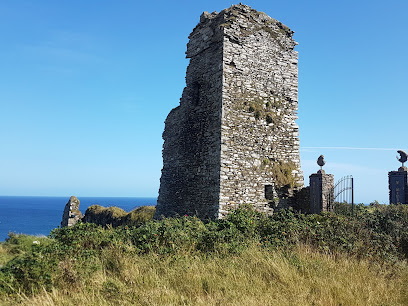
Old Head of Kinsale
1.4 km
Explore the stunning Old Head of Kinsale, a captivating peninsula in County Cork, featuring breathtaking cliffs, rich history, and picturesque landscapes.
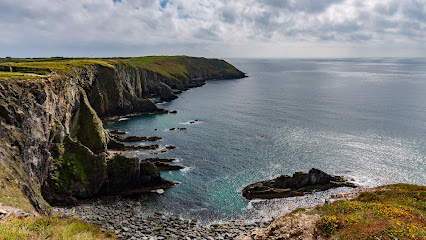
Kinsale Beach
8.6 km
Discover the breathtaking beauty of Kinsale Beach in Co. Cork, Ireland – a perfect blend of relaxation, adventure, and stunning coastal views.
Trident Hotel Kinsale
9.1 km
Experience luxury and vibrant local culture at Trident Hotel Kinsale, your perfect base for exploring the stunning Irish coast.
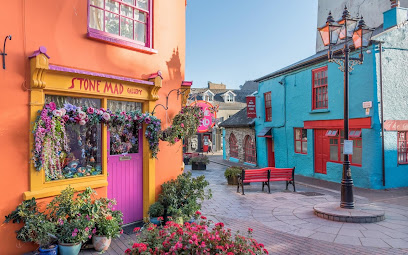
James Fort Blockhouse
9.2 km
Explore the historic James Fort Blockhouse in Kinsale, Co. Cork, where Ireland's military history meets stunning coastal beauty.
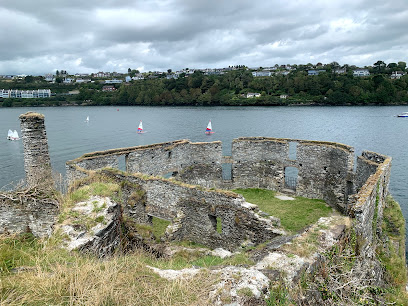
The Black Pig
9.3 km
Discover the essence of modern European cuisine at The Black Pig in Kinsale, where fresh ingredients and culinary creativity come together for an unforgettable dining experience.
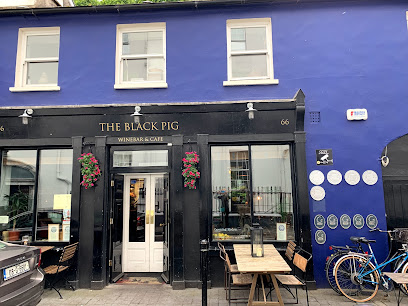
Kinsale Harbour Cruises
9.3 km
Experience the stunning coastal beauty and rich maritime history of Kinsale with unforgettable cruises in scenic Kinsale Harbour.
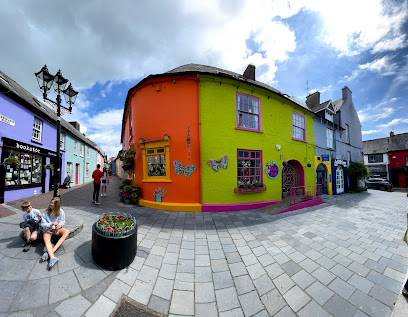
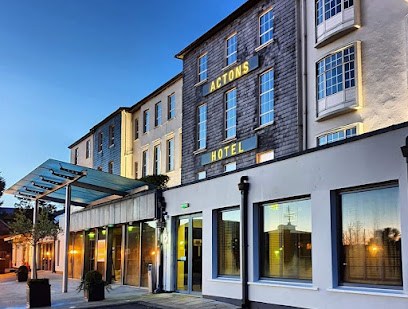
Actons Hotel Kinsale
9.3 km
Discover the elegance of Actons Hotel Kinsale, where luxury meets the charm of Ireland's culinary capital, offering breathtaking harbor views and exceptional hospitality.
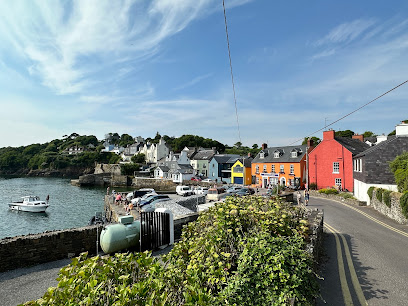
The Bulman Bar & Restaurant Kinsale
9.3 km
Experience the heart of Kinsale at The Bulman Bar & Restaurant, where traditional Irish fare meets stunning harbor views in a warm, welcoming atmosphere.
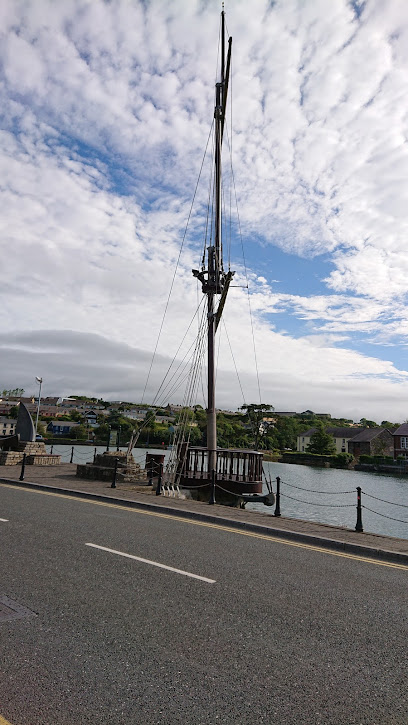
Galleon Mast
9.4 km
Explore the Galleon Mast in Kinsale, a cherished historical landmark that represents Ireland's rich maritime heritage and offers stunning coastal views.
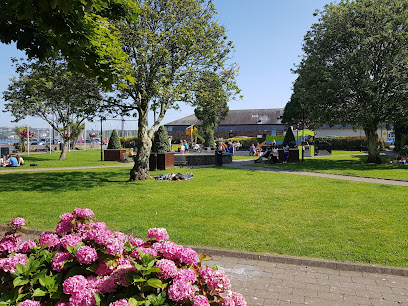
Gairdín Féileacán agus Clós Súgartha
9.4 km
Explore Gairdín Féileacán agus Clós Súgartha, a vibrant playground in Kinsale, perfect for family fun and outdoor adventures.
Fishy Fishy Kinsale
9.4 km
Experience the ultimate seafood dining at Fishy Fishy Kinsale, where fresh catches and local flavors meet stunning harbor views.
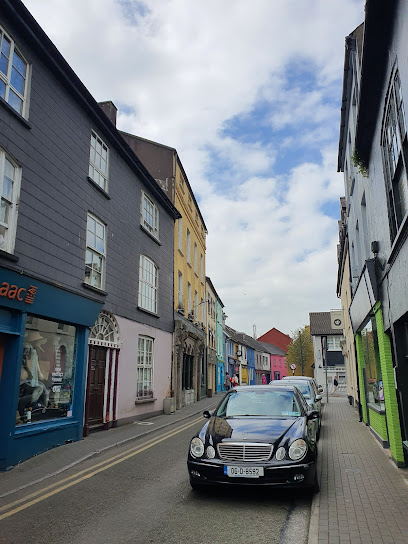
War of Independence Memory Stone
9.4 km
Explore the War of Independence Memory Stone in Kinsale, a significant historical landmark that embodies Ireland's struggle for freedom and rich heritage.

The Flying Poet Aviation Café - Coffee, Food, and Wine
9.4 km
Discover a unique blend of gourmet coffee, delicious food, and literary treasures at The Flying Poet Aviation Café in Kinsale.
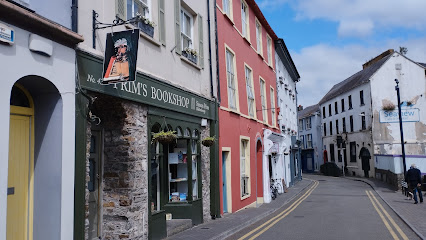
Dinos
9.5 km
Experience the best fish and chips in Kinsale at Dino's, where fresh seafood meets stunning coastal views in a vibrant dining atmosphere.
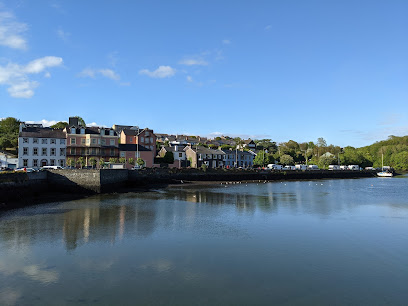
Unmissable attractions to see

The Cush Wall
1.2 km
Discover the historical charm of The Cush Wall in Co. Cork, a captivating landmark that embodies Ireland's rich cultural heritage and scenic beauty.
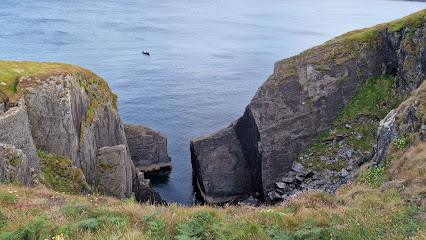
Old Head Golf Links
1.4 km
Discover the breathtaking Old Head Golf Links in Kinsale, where golfing blends perfectly with stunning coastal views.
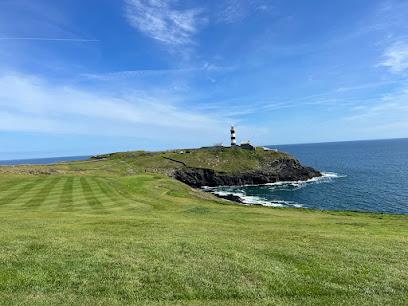
Garretstown Beach
3.7 km
Experience the stunning beauty and tranquil vibes of Garretstown Beach in Co. Cork, the perfect escape for relaxation and adventure.
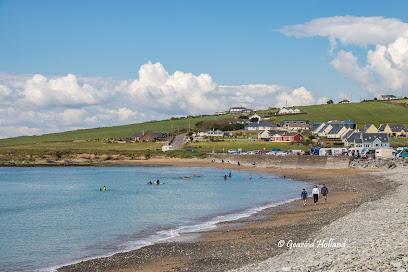
Garrettstown House Holiday Park
4.9 km
Experience the charm of Garrettstown House Holiday Park in Kinsale, Co. Cork, where nature meets comfort for the ultimate holiday escape.
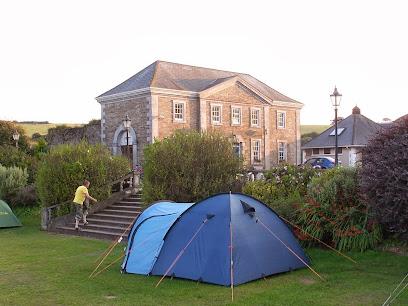
Ringfinnan Garden of Remembrance
7.7 km
Discover serenity at Ringfinnan Garden of Remembrance, a tranquil haven in Kinsale, perfect for reflection and appreciating nature's beauty.
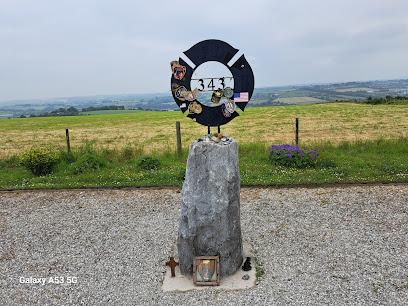
Dock Beach
8.6 km
Experience the tranquil beauty of Dock Beach, Kinsale – the perfect family-friendly destination for relaxation and seaside fun.
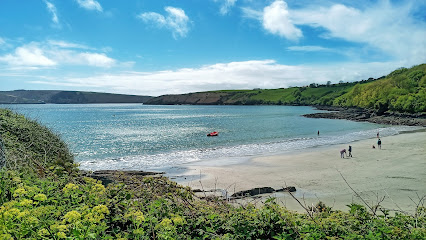
James Fort
8.9 km
Explore the historical significance and breathtaking views at James Fort in County Cork, a must-visit for history enthusiasts and nature lovers alike.
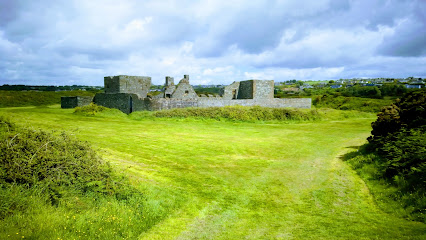
Kinsale War Memorial
9.0 km
Explore the Kinsale War Memorial, a poignant tribute nestled in the charming town of Kinsale, honoring local heroes and their sacrifices.
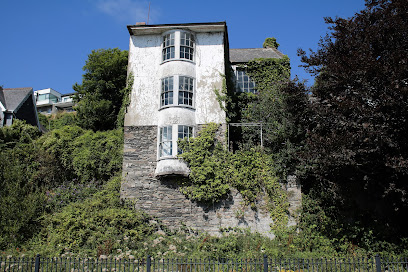
Charles Fort
9.1 km
Discover the historical charm and breathtaking views at Charles Fort, a stunning coastal fortress in Kinsale, County Cork, Ireland.
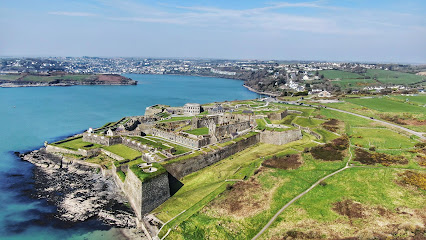
P&S Place
9.1 km
Experience the tranquil beauty of P&S Place in Kinsale, where lush greenery meets the coastal charm of Ireland.
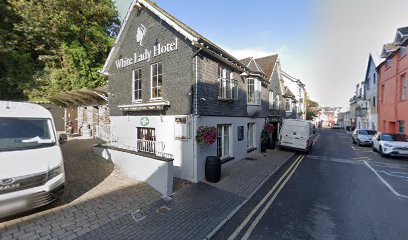
Kinsale Town Park
9.4 km
Discover the tranquility of Kinsale Town Park, a lush sanctuary perfect for relaxation and family fun amidst the stunning backdrop of County Cork.
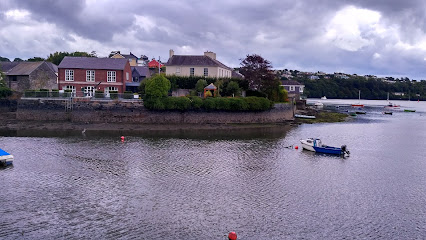
kinsale heritage.com
9.5 km
Explore Kinsale Heritage, a vibrant coastal town in County Cork known for its rich history, stunning scenery, and delightful culinary experiences.
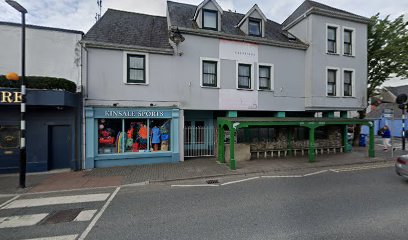
Historic Stroll Kinsale Walking Tours
9.5 km
Explore the enchanting coastal town of Kinsale through engaging walking tours that reveal its rich history and stunning scenery.
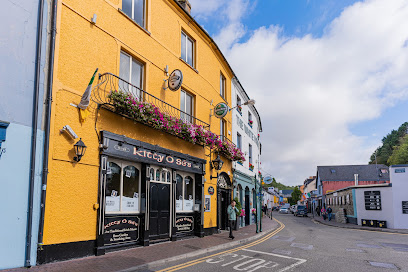
Kinsale Tourist Information Centre
9.5 km
Your welcoming gateway to Kinsale’s rich heritage, scenic beauty, and vibrant local culture on Pier Road.
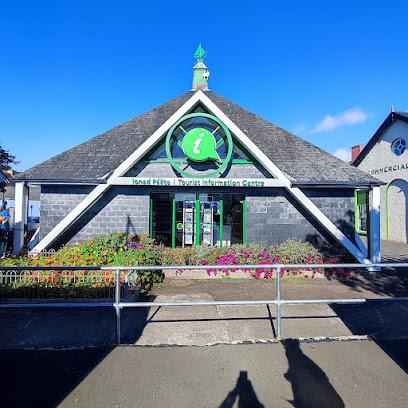
Dermot Ryan's Kinsale Heritage Town Walks
9.5 km
Explore Kinsale's rich history and scenic beauty with Dermot Ryan's Heritage Town Walks, an unforgettable journey through Ireland's charming coastal gem.
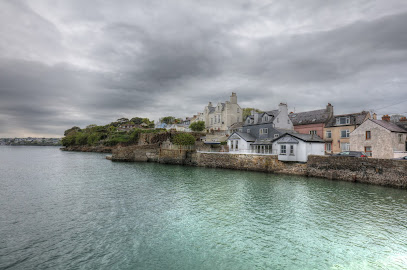
Essential places to dine

The speckled door
2.2 km
Discover authentic Irish flavors at The Speckled Door in Old Head—where great food meets warm hospitality amidst stunning coastal views.
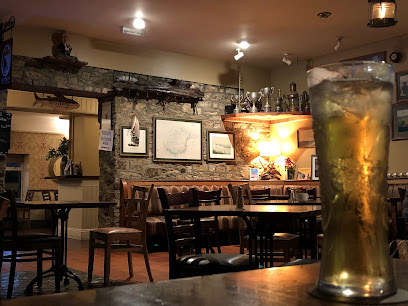
Wild Restaurant Cork
6.3 km
Experience authentic Irish cuisine at Wild Restaurant Cork, where local flavors meet innovative culinary artistry in a warm atmosphere.
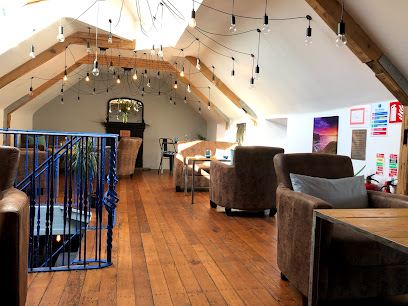
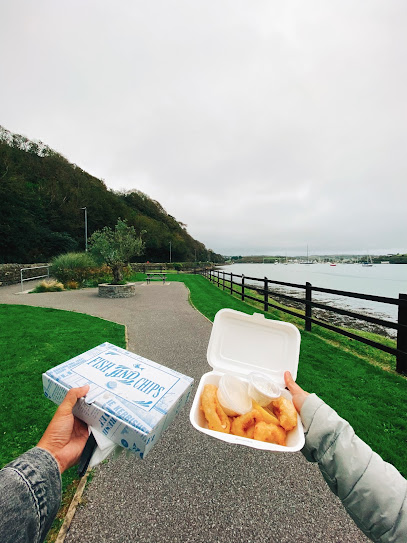
Fisherman’s Catch (food truck)
8.3 km
Discover Fisherman’s Catch: A charming food truck in Kinsale serving fresh fish and chips amidst stunning coastal views.
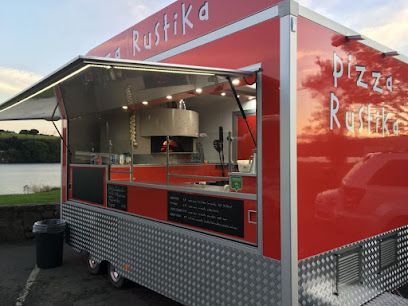
P I Z Z A R U S T I K A
8.3 km
Discover Pizzarustika in Kinsale – where gourmet pizza meets mobile catering for an unforgettable dining experience.
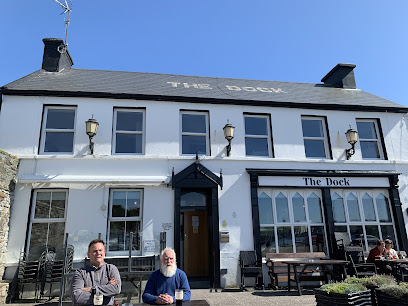
The Dock Bar
8.7 km
Experience authentic Irish hospitality at The Dock Bar in Kinsale—savor local cuisine and enjoy live music in a cozy setting.
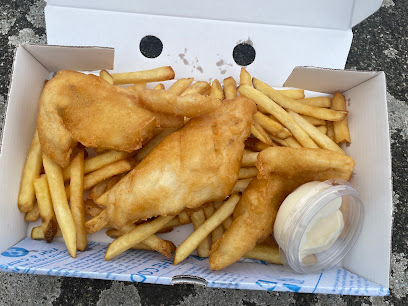
Shirley's - Fish & Chips, Kinsale
9.1 km
Discover Kinsale's culinary gem at Shirley's - Fish & Chips, where fresh ingredients meet traditional flavors by the beautiful coast.
Wharf Tavern
9.1 km
Experience authentic Irish cuisine at Wharf Tavern in Cork - where local flavors meet warm hospitality in a charming setting.
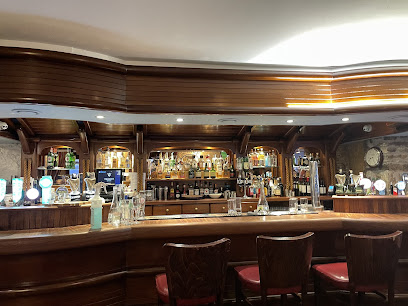
The White Lady Restaurant
9.1 km
Discover authentic Irish cuisine at The White Lady Restaurant in Kinsale - where local flavors meet exceptional dining experiences.
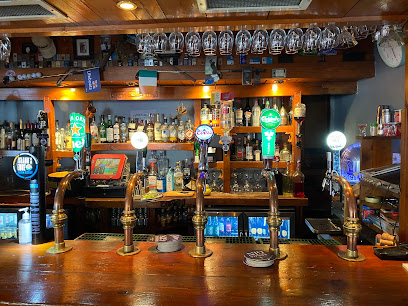
Food U
9.2 km
Experience authentic Irish cuisine at Food U in Kinsale – where local ingredients meet delicious flavors.
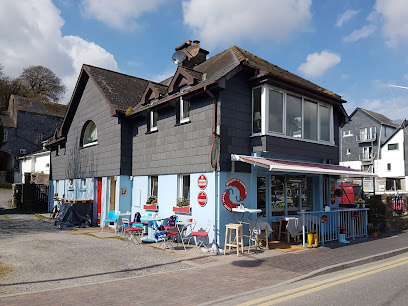
Pizza
9.2 km
Experience Kinsale's culinary delight with fresh and flavorful pizzas at this charming takeout spot – perfect for tourists exploring Ireland's beautiful coast.
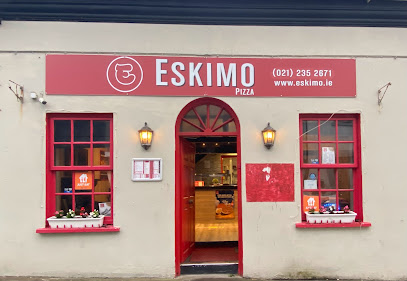
No. 19 Restaurant
9.2 km
Experience exquisite Irish cuisine at No. 19 Restaurant in Kinsale - where local flavors meet exceptional dining in a charming atmosphere.
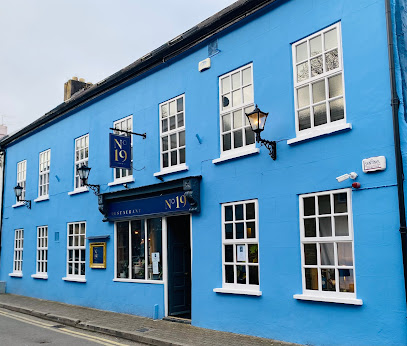
Sigarca Limited
9.3 km
Discover Sigarca Limited in Kinsale for an authentic taste of Irish cuisine blended with contemporary flair amidst stunning coastal scenery.
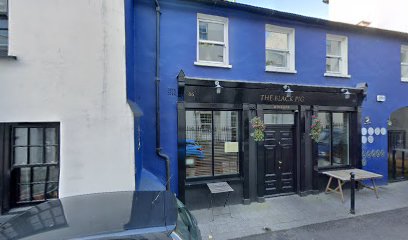
Sidneys Bar & Brasserie
9.3 km
Discover Kinsale's culinary gem at Sidneys Bar & Brasserie - where local flavors meet exquisite dining.
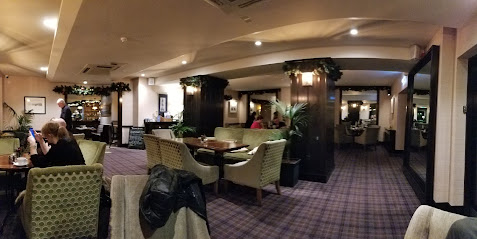
Pier Road Social
9.4 km
Discover the culinary treasures of Kinsale at Pier Road Social - where local flavors meet modern dining in a stunning waterfront setting.
Bruno's Italian Eatery
9.4 km
Experience authentic Italian flavors at Bruno's Italian Eatery in Kinsale – where every meal feels like a special occasion.
Markets, malls and hidden boutiques

jane
9.2 km
Explore Kinsale's fashion scene at Jane, a charming clothing store offering unique styles and personalized shopping experiences.
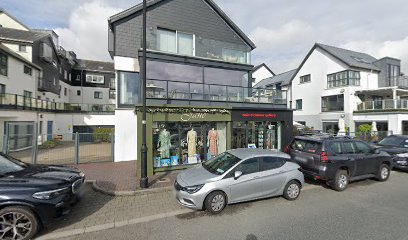
Lindas Of Kinsale
9.4 km
Explore the exquisite jewelry and unique craftsmanship at Lindas of Kinsale, a gem in the heart of Kinsale, Ireland.
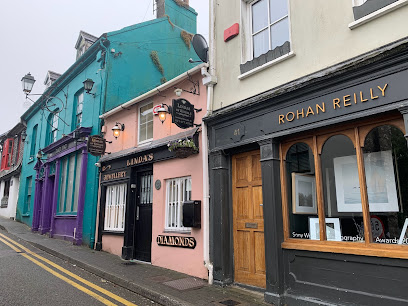
Rain Kinsale
9.4 km
Explore Rain Kinsale for unique health and beauty products that capture the essence of Ireland's natural beauty and wellness.
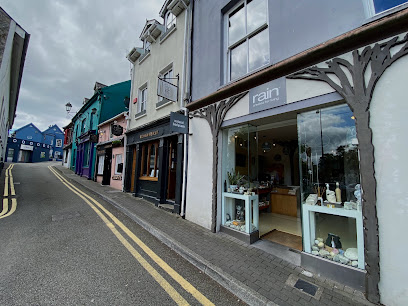
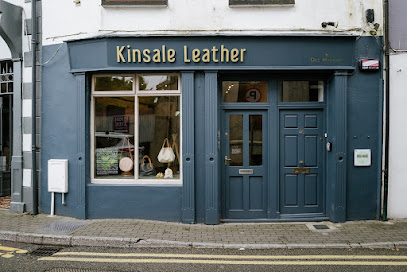
Kinsale Leather
9.5 km
Explore Kinsale Leather, where exquisite craftsmanship meets the rich heritage of Ireland in the heart of Kinsale, Co. Cork.
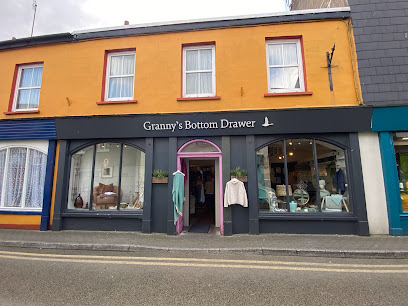
Granny's Bottom Drawer
9.5 km
Explore Granny's Bottom Drawer: Kinsale's eclectic gift shop filled with unique Irish goods, women's fashion, and charming home decor.
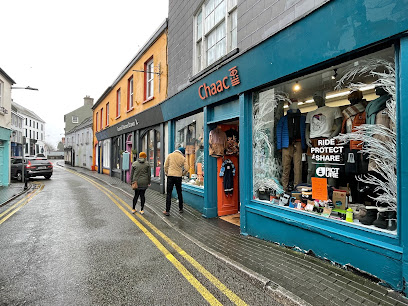
Chaac
9.5 km
Explore the vibrant fashion scene at Chaac, Kinsale's top clothing store for stylish outdoor gear and chic apparel.
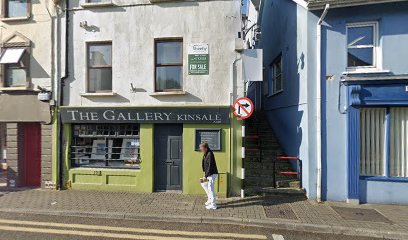
Firkail
9.5 km
Explore Firkail in Kinsale – your destination for unique Irish gifts and local crafts in a charming coastal town.
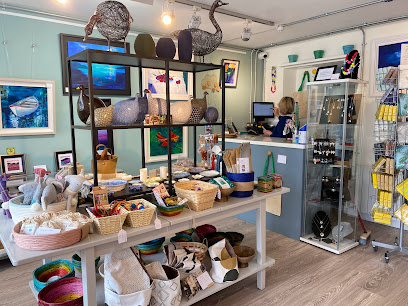
Scilly Art
9.5 km
Discover unique gifts and local artistry at Scilly Art, Kinsale's charming gift shop that captures the creativity of Ireland.
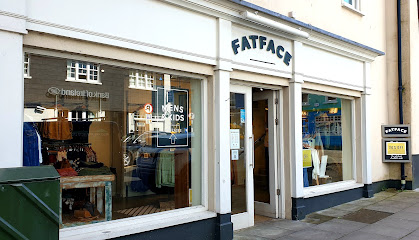
FatFace
9.5 km
Explore contemporary fashion at FatFace in Kinsale, where quality meets style for both men and women.
Koko Kinsale
9.5 km
Discover Koko Kinsale, a chocolate lover's paradise in Co. Cork, offering exquisite handcrafted chocolates and unique liquor-infused delights.
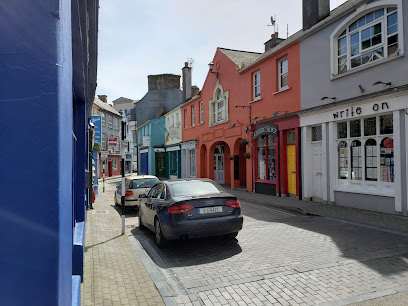
enibas
9.5 km
Explore Enibas Jewelry Store in Kinsale for handcrafted pieces that reflect Ireland's rich artistry and coastal charm.
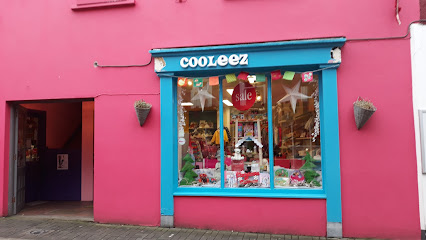
COOLEEZ Kids Kinsale
9.5 km
Discover the latest trends in children's fashion at COOLEEZ Kids Kinsale, where comfort meets style in a beautiful coastal town.
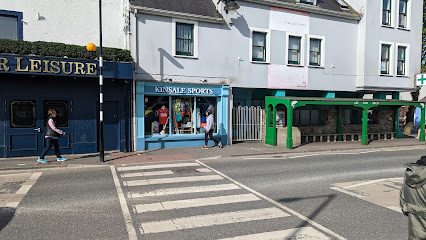
Kinsale Sports Store
9.5 km
Explore Kinsale with the best sportswear and outdoor gear at Kinsale Sports Store, your ideal stop for adventure essentials.
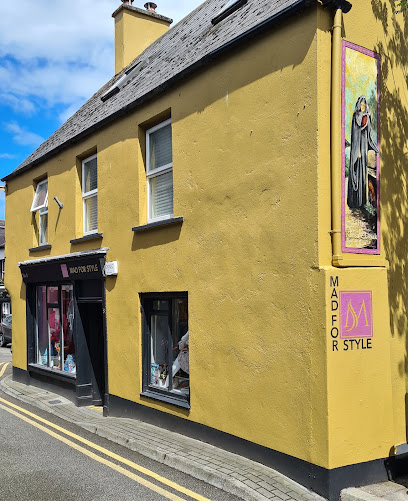
Mad For Style
9.5 km
Experience the unique styles and friendly atmosphere at Mad For Style, Kinsale's premier women's clothing boutique.
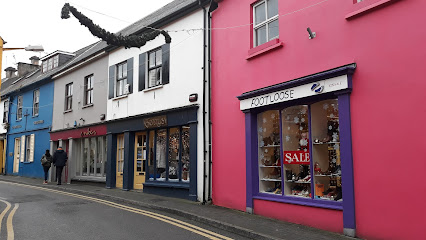
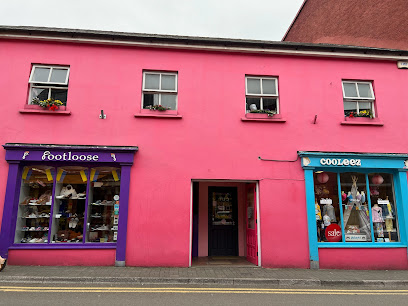
Footloose
9.5 km
Footloose in Kinsale: Discover unique shoes and local charm in the heart of Ireland's scenic coastal town.
Essential bars & hidden hideouts

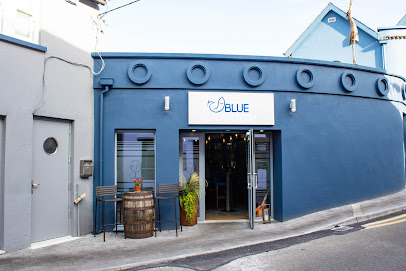
The Blue Room
9.4 km
Discover the exquisite charm of The Blue Room in Kinsale, a wine bar offering a curated selection of wines in a cozy, elegant setting.
Oscar Madisons
9.5 km
Experience the vibrant atmosphere of Oscar Madisons in Kinsale, where great drinks and friendly faces create unforgettable memories.
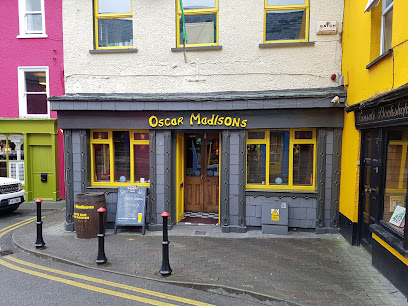
The Tap Tavern
9.6 km
Discover The Tap Tavern, Kinsale's charming pub offering authentic Irish food, diverse drinks, and a warm atmosphere perfect for all visitors.
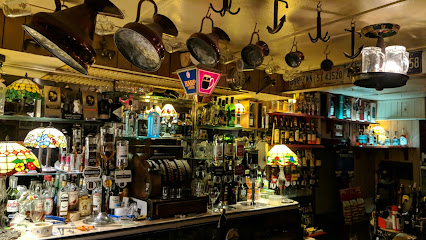
Dalton's Bar and Accommodation Kinsale
9.6 km
Discover the heart of Kinsale at Dalton's Bar and Accommodation, where cozy hospitality meets vibrant local culture.
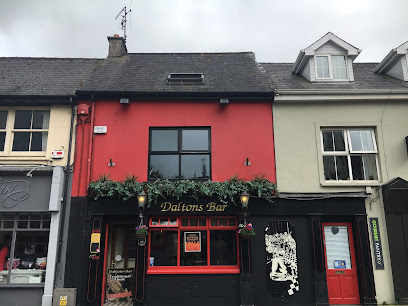
The Market Bar
9.6 km
Discover the charm of The Market Bar in Kinsale—where music, drinks, and a warm atmosphere come together for an unforgettable experience.
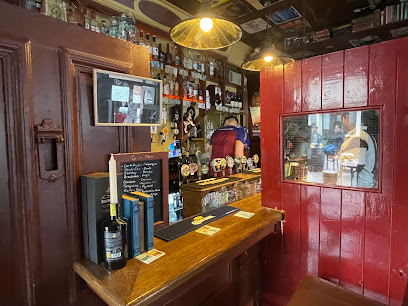
The Grey Hound
9.7 km
Experience the charm of The Grey Hound Pub in Kinsale, where great food, local brews, and a lively atmosphere await every visitor.
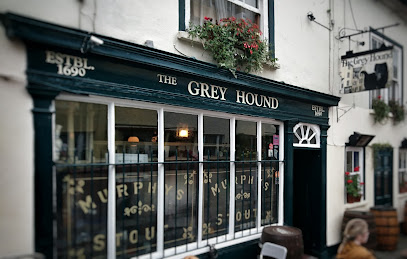
Sams Bar
9.7 km
Experience the warmth of Kinsale at Sams Bar, where great pints and local charm come together in a cozy atmosphere.
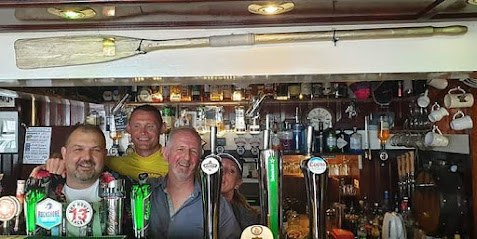
O'Sullivans Bar & Restaurant, Douglas
29.3 km
Experience authentic Irish cuisine and vibrant hospitality at O'Sullivans Bar & Restaurant in Douglas, Cork's culinary gem for tourists and locals alike.
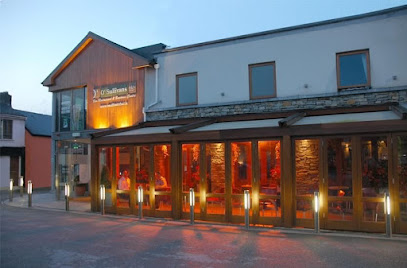
South County
29.3 km
Discover the heart of Irish culture at South County, a traditional pub in Douglas offering hearty meals, local brews, and live music.
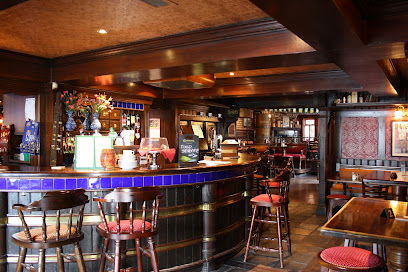
The Beer Garden
30.2 km
Experience the vibrant atmosphere of The Beer Garden in Cork, where delicious food, refreshing drinks, and live music blend seamlessly.
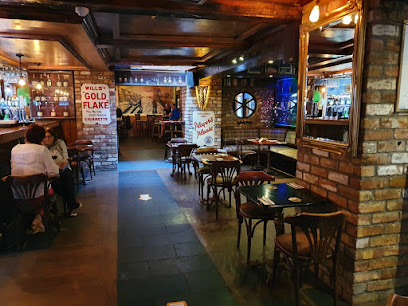
Gaia
30.5 km
Experience the vibrant cocktail culture of Cork at Gaia, where innovative drinks and a welcoming ambiance await your arrival.
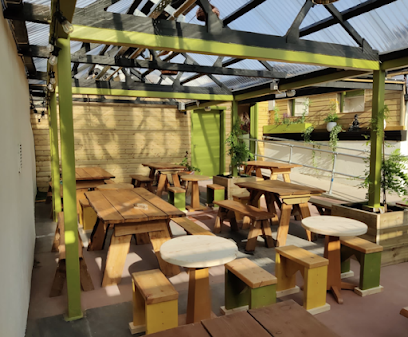
Coughlans Bar
30.7 km
Discover the vibrant atmosphere of Coughlans Bar, where live music, sports, and a cozy beer garden meet in the heart of Cork.
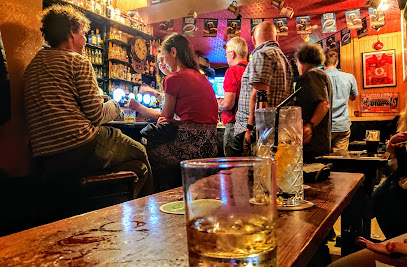
The Oval
31.1 km
Discover the essence of Irish culture at The Oval, Cork's lively pub known for craft beers, live music, and a vibrant social atmosphere.
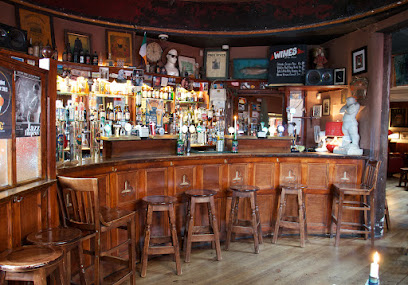
The Silly Goose
31.1 km
A lively Cork bar and grill blending traditional charm with modern flair, famed for grilled delights, craft drinks, and weekend live music.
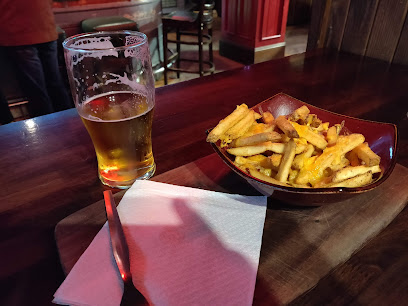
The Alibi Bar + Kitchen
31.1 km
Vibrant cocktail bar and tapas kitchen in Cork city centre with lively atmosphere, diverse menu, and welcoming beer garden.
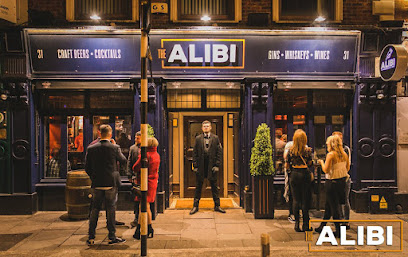
Nightclubs & after hour spots

The Bishopstown Bar & Restaurant
28.9 km
Discover the heart of Irish culture at The Bishopstown Bar & Restaurant, where traditional fare meets a lively pub atmosphere in Cork.
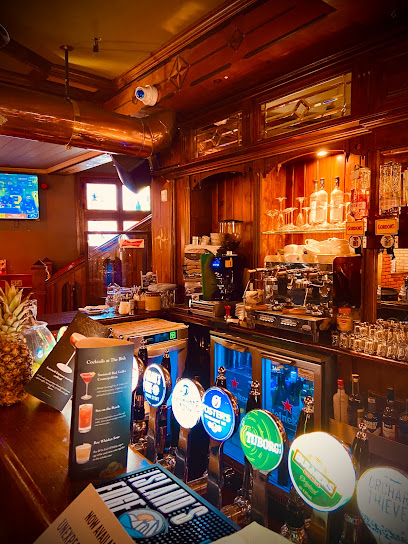
The Hanover
31.0 km
Discover the charm of traditional Irish hospitality at The Hanover, Cork's quintessential pub for a taste of local flavors and vibrant culture.
The Secret Garden
31.1 km
Discover the vibrant nightlife at The Secret Garden, Cork's enchanting night club offering unforgettable experiences and lively entertainment.
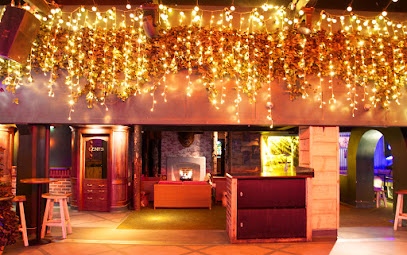
Le Cabaret, Cork
31.1 km
Discover Cork's nightlife at Le Cabaret, where vibrant music, a lively atmosphere, and unforgettable experiences await every night.
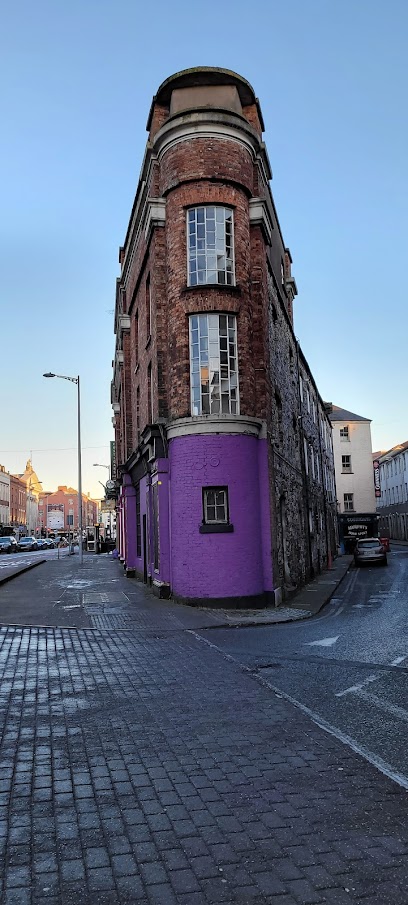
Vibe Gay Nightclub Cork
31.1 km
Experience the vibrant LGBTQ+ nightlife at Vibe Gay Nightclub Cork, where inclusivity meets electrifying entertainment.
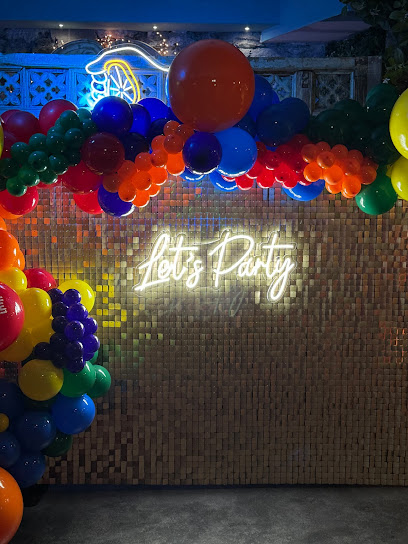
Eclipse Nightclub
31.1 km
Discover Cork's nightlife at Eclipse Nightclub, a premier disco club with electrifying music, vibrant crowds, and unforgettable experiences.
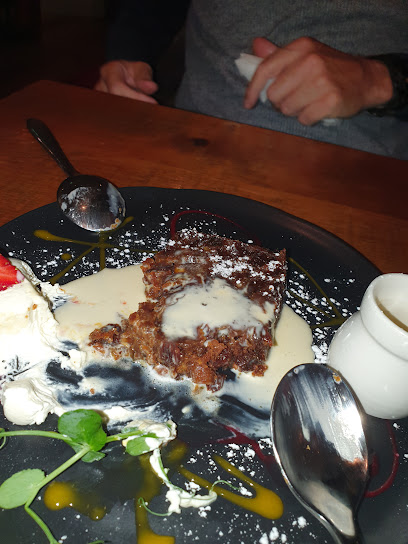
Voodoo Rooms
31.1 km
Experience the vibrant nightlife of Cork at Voodoo Rooms, where eclectic music and a lively atmosphere come together for an unforgettable night.
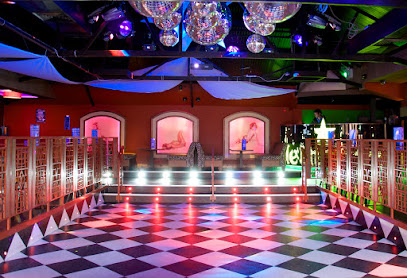
The Crane Lane Theatre
31.2 km
Experience Cork's vibrant nightlife at The Crane Lane Theatre, where live music, cocktails, and a lively atmosphere await.
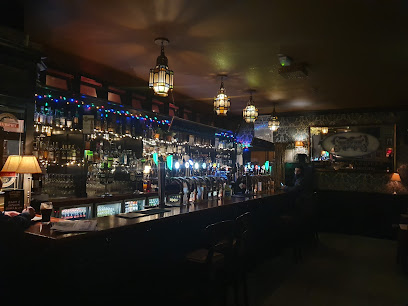
Dali
31.3 km
Experience Cork's nightlife at Dali Nightclub, where music and energy collide in an unforgettable evening of fun and dancing.
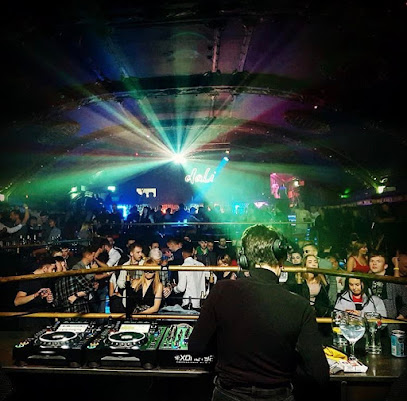
Angels Cork t/a The Asylum Bar
31.7 km
Discover the vibrant nightlife of Cork at The Asylum Bar, where entertainment meets a classy and casual atmosphere.
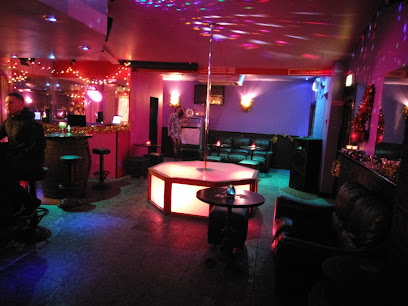
Tanyard
50.7 km
Experience the vibrant nightlife of Skibbereen at Tanyard, a lively bar offering a fantastic selection of drinks and live entertainment.
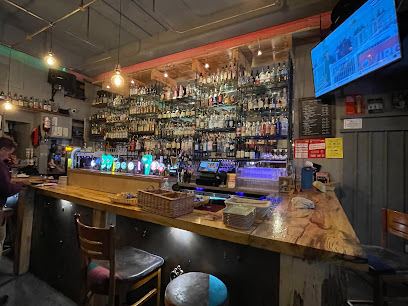
Cotter's Bar & Chaser's Nightclub
50.7 km
Discover the vibrant nightlife of Gortnaclohy at Cotter's Bar & Chaser's Nightclub, where great drinks and music create unforgettable memories.
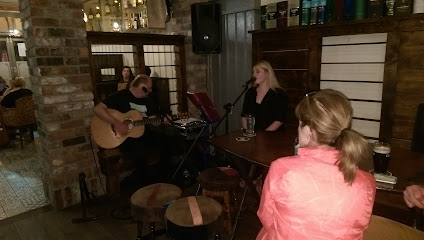
Levis Corner House
63.7 km
Experience the heart of Ballydehob at Levis Corner House, where local culture meets charming hospitality in a vibrant bar setting.
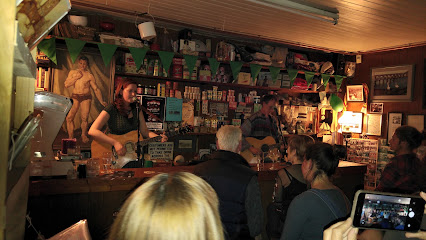
Club Chléire
69.5 km
Discover the charm of Club Chléire, a lively bar in Co. Cork offering local drinks and a vibrant atmosphere perfect for relaxation and socializing.
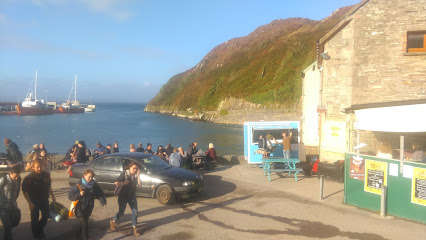
Hackett's Bar
70.1 km
Experience the warmth of Irish hospitality at Hackett's Bar in Schull, where delicious drinks and live music create unforgettable memories.
For the vibe & atmosphere seeker
- Scenic
- Tranquil
- Relaxing
- Unique
- Historic
For the design and aesthetic lover
- Rustic Designs
- Vintage Styles
For the architecture buff
- Historic
- Landmarks
- Parks & Gardens
- Heritage Neighborhoods
For the view chaser and sunset hunter
- Panoramas
- Waterfront
- Skyline
- Sunset Spots
For the social media creator & influencer
- Instagrammable
- Photo Spots
- Selfie Spots
- Aesthetic Corners
- Architectural Shots
For the eco-conscious traveler
- Public-Transport Accessible
- Protected Area
- Leave-No-Trace Critical
For the kind of experience you’re after
- Cultural Heritage
- Photowalk
- Nature Escape
- Day Trip
- Weekend Getaway
For how adventurous you want the journey to be
- Easy Access
Location Audience
- Family Friendly
- Senior Friendly
- Child Friendly
- Teen Friendly
- Solo Friendly
- Couple Friendly
- Solo Female Friendly
- Vegetarian Friendly
- Vegan Friendly


