
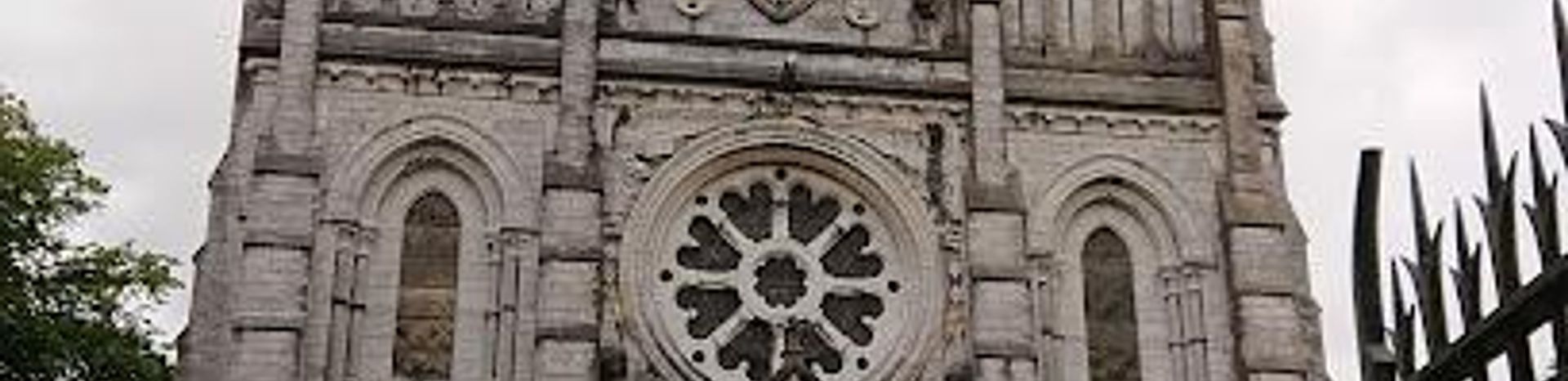
Saint Fin Barre's Cathedral, Cork
A Gothic Revival masterpiece in Cork, blending medieval inspiration with Victorian artistry and rich spiritual symbolism.
Saint Fin Barre's Cathedral is a striking Gothic Revival masterpiece in Cork, Ireland, designed by Victorian architect William Burges. Completed in 1879, this cathedral features three soaring spires, intricate stone carvings, and 74 stained glass windows depicting biblical scenes. It stands on a site with Christian worship dating back to the 7th century and is renowned for its coherent design, rich symbolism, and the largest cathedral organ in Ireland.
A brief summary to Saint Fin Barre's Cathedral
- Bishop St, Cork, The Lough, IE
- +353214963387
- Visit website
- Duration: 1 to 2.5 hours
- Mid ranged
-
 Outdoor
- Mobile reception: 4 out of 5
Local tips
- Visit during guided tour times at 10am, 2pm, or 4pm to gain deeper insight into the cathedral’s history and symbolism.
- Take time to study the west front carvings, especially the depiction of the Wise and Foolish Virgins and the Last Judgement scene.
- Don’t miss the stained glass windows, which narrate biblical stories from the Old to the New Testament.
- Listen for the cathedral organ in the north transept, the largest in Ireland, known for its unique pit placement.

For the on-the-go comforts that matter to you
- Restrooms
- Drink Options
- Food Options
- Seating Areas
- Information Boards
- Visitor Center
Getting There
-
Bus
Take the local Bus Éireann routes serving Cork city center, with stops near Bishop Street. Travel time from Cork Bus Station is approximately 10–15 minutes. Buses run frequently throughout the day, with a single fare costing around €2.50. Note that services may be less frequent on Sundays.
-
Taxi
A taxi from Cork city center to Saint Fin Barre's Cathedral typically takes 5–10 minutes depending on traffic, with fares ranging from €7 to €12. Taxis are readily available but may have limited availability late at night.
-
Walking
From Cork city center, it is a pleasant 20–25 minute walk to Bishop Street where the cathedral is located. The route is mostly flat and suitable for most visitors, with well-maintained sidewalks and street lighting.
Saint Fin Barre's Cathedral location weather suitability
-
 Any Weather
-
 Rain / Wet Weather
-
 Clear Skies
-
 Mild Temperatures
Discover more about Saint Fin Barre's Cathedral
Legacy of Saint Fin Barre and Early Christian Roots
Saint Fin Barre's Cathedral stands on a site steeped in religious history dating back to 606 AD, when Saint Fin Barre founded a monastery and a renowned monastic school here. This location has been a continuous center of Christian worship and learning for over 1,400 years. The cathedral's dedication honors Saint Fin Barre, the patron saint of Cork, whose legacy shaped the spiritual life of the city. The medieval cathedral that once stood here was replaced over centuries, with only fragments such as a doorway and carved stone heads surviving from earlier structures.Architectural Vision of William Burges
The present cathedral was designed by William Burges, a leading figure of the Gothic Revival movement, who won a competition in 1863 to create a new building that would reflect both medieval inspiration and Victorian innovation. Construction began in 1865 and the cathedral was consecrated in 1870, with final completion in 1879. Burges’s design is a cohesive work of art, encompassing not only the architecture but also the stained glass, sculptures, mosaics, metalwork, and furnishings. The cathedral is built primarily from Cork limestone and Bath stone, featuring three spires—the central spire reaching 73 meters—dominating Cork’s skyline.Symbolism and Artistic Details
The cathedral is rich in symbolism, especially evident in the west front’s portals and carvings. The imagery includes biblical scenes such as the Last Judgement, the Wise and Foolish Virgins, and the Resurrection of the Dead. Every element, from the tympanum above the doors to the gargoyles and statues, was carefully designed to convey spiritual messages. The stained glass windows, numbering 74, follow an iconographic scheme progressing from Old Testament themes at the west end to New Testament stories in the ambulatory. Burges’s attention to detail extends to the interior, where Cork Red Marble lines the walls and the nave’s tall Bath stone columns draw the eye upward to an exquisitely decorated timber ceiling.Musical Heritage and Interior Highlights
Inside, the cathedral houses the largest cathedral organ in Ireland, installed in 1889 in the north transept. It is unique for being placed in a pit, a rarity in Britain and Ireland. The interior also features over 1,200 stone carvings, mosaics, and finely crafted metalwork, all designed by Burges. The overall effect is an intoxicating blend of artistry and spirituality, creating a space that is both awe-inspiring and deeply contemplative.Historical Context and Construction Challenges
The cathedral replaced a classical-style building from 1735, which itself had replaced a medieval cathedral damaged during the Siege of Cork in 1690. Burges’s ambitious design encountered technical challenges, particularly with the construction of the three spires, which significantly increased costs. The Bishop of Cork, John Gregg, played a key role in securing funding, capitalizing on local business competition to finance the project. Burges personally gifted the gilded 'Resurrection Angel' that crowns the sanctuary roof, symbolizing his commitment to the cathedral and the city.Present-Day Significance and Visitor Experience
Today, Saint Fin Barre's Cathedral remains a major landmark and a testament to 19th-century ecclesiastical architecture. It is celebrated internationally as Burges’s greatest architectural achievement in Ireland. Visitors can admire its stunning exterior, rich symbolism, and breathtaking interior artistry. Guided tours are offered regularly, allowing visitors to explore the cathedral’s history, architecture, and art in depth. The cathedral continues to serve as a place of worship and a cultural treasure in Cork.Iconic landmarks you can’t miss

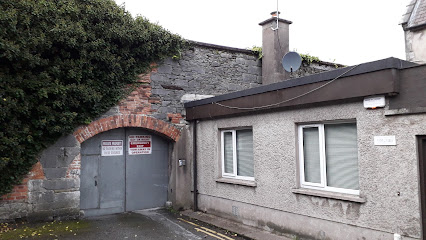
Original Walls of Saint Mary of the Isle
0.1 km
Discover the historic Original Walls of Saint Mary of the Isle in Cork's scenic The Lough area, open daily for a reflective journey into the past.
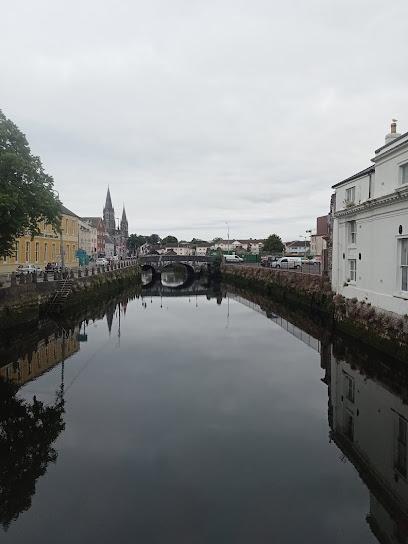
Nano Nagle Bridge
0.5 km
Experience the beauty and history of Nano Nagle Bridge in Cork, an architectural marvel connecting communities and offering stunning riverside views.
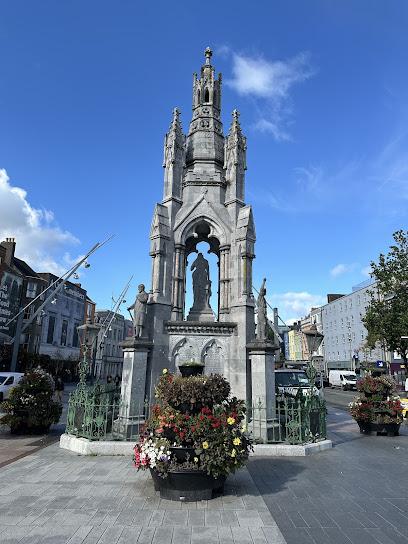
National Monument - Cork
0.5 km
Discover the National Monument in Cork, a stunning historical landmark celebrating Ireland's rich heritage and independence.
Medieval City Wall (Balla Cathrach na Meánaoise)
0.5 km
Explore Cork's Medieval City Wall: A journey through history in the heart of the city, revealing ancient defenses and architectural ingenuity.
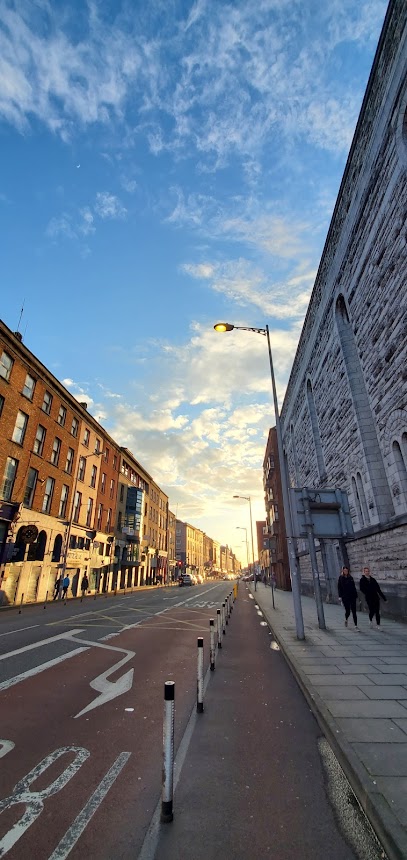
S Mall
0.8 km
Cork's elegant Georgian shopping street where historic architecture meets contemporary retail and culinary excellence.
Father Mathew Statue
1.0 km
Discover the Father Mathew Statue in Cork, a historic landmark symbolizing the city's rich heritage and vibrant community spirit.
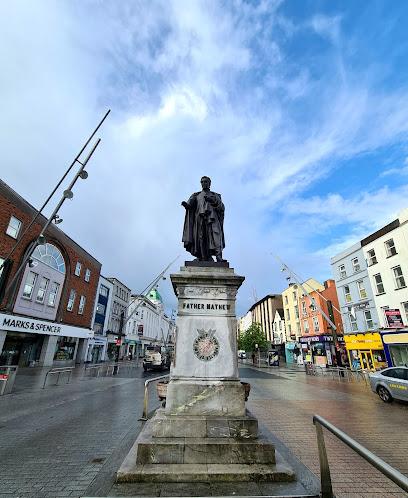
Eamon de Valera Bridge
1.3 km
Discover the Eamon de Valera Bridge in Cork, a stunning architectural landmark steeped in history, perfect for leisurely strolls and breathtaking views.
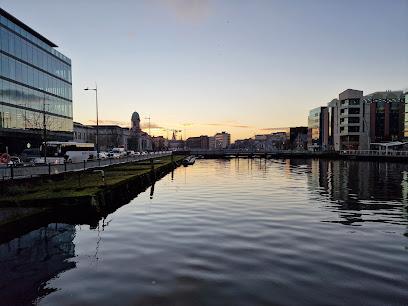
Dundanion House Bridge
4.1 km
Discover the historic charm of Dundanion House Bridge in Cork: scenic views, rich history, and architectural beauty await!
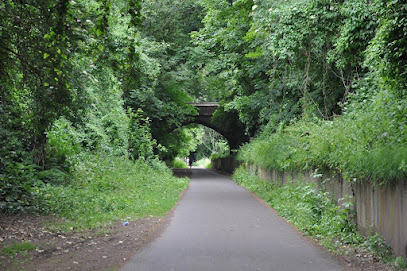
Blarney Castle & Gardens
7.3 km
Experience the charm of Blarney Castle & Gardens in Ireland, where history, beauty, and legends come together in a breathtaking setting.
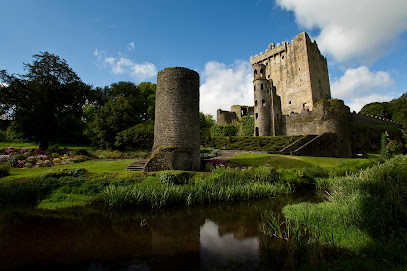
Blarney Stone
7.3 km
Experience the magic of the Blarney Stone at breathtaking Blarney Castle, where history, beauty, and charm await every visitor.
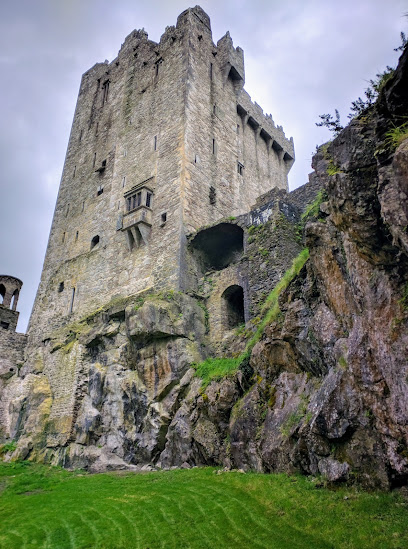
Old Church
13.0 km
Explore the historic Old Church of Cloyne in Co. Cork, a serene site rich in ecclesiastical heritage and stunning architecture amidst picturesque landscapes.

Cobh
13.6 km
Discover Cobh, a vibrant seaside town in County Cork, rich in maritime history and stunning coastal views, perfect for a memorable Irish getaway.
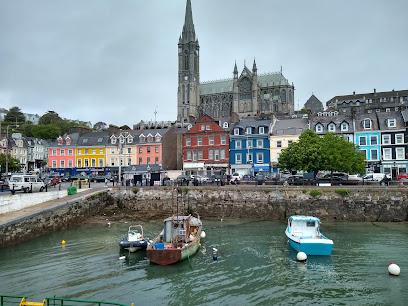
1 Pearse Square
13.7 km
Explore the enchanting Pearse Square in Cobh, a serene spot filled with historical significance and stunning coastal views.
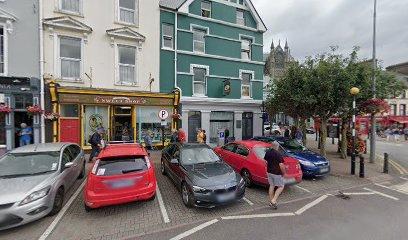
Camden Fort Meagher
16.8 km
Explore Camden Fort Meagher: A historic fortress with breathtaking views, a local café, and engaging exhibits on Ireland's military history.
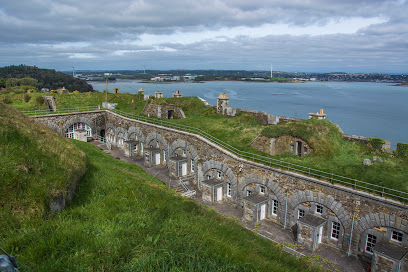
Stone of Destiny - Site of Battle of Kinsale
20.3 km
Explore the Stone of Destiny, a historic landmark in County Cork, where the Battle of Kinsale shaped Ireland's quest for independence and sovereignty.
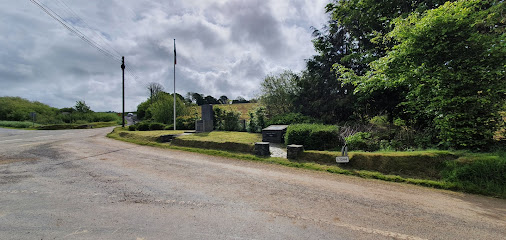
Unmissable attractions to see

Elizabeth Fort
0.2 km
Explore the historic Elizabeth Fort in Cork, a remarkable fortress offering stunning views and a glimpse into Ireland's storied past.
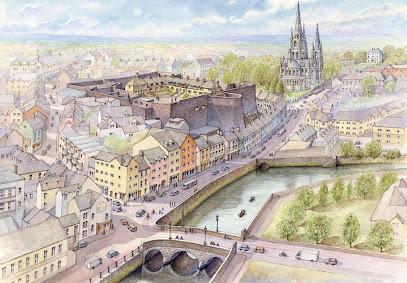
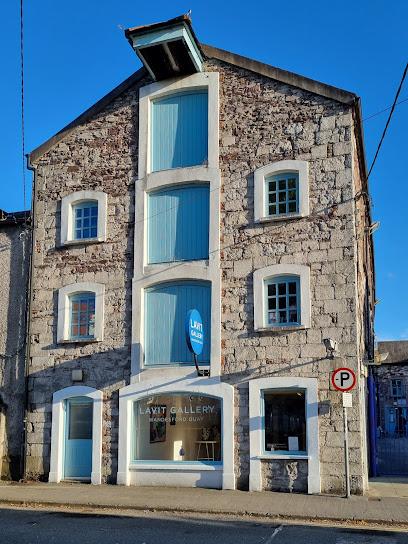
Lavit Gallery
0.2 km
Discover contemporary Irish art at Lavit Gallery, a cultural gem in Cork, showcasing diverse exhibitions and local artistic talent.
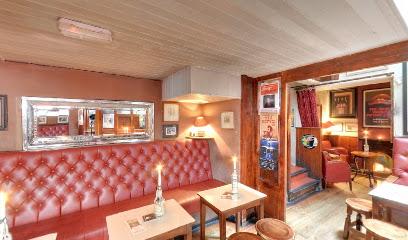
The Hanover
0.3 km
A lively Irish pub in Cork’s heart, blending traditional charm with vibrant nightlife and welcoming local spirit.
The Oval
0.4 km
Experience the essence of Irish culture at The Oval, Cork's iconic pub known for its lively atmosphere, local brews, and delicious traditional fare.
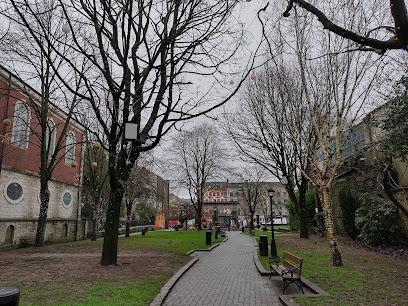
Bishop Lucey Park
0.5 km
Experience tranquility in Bishop Lucey Park, Cork, a lush urban retreat perfect for relaxation, picnics, and enjoying local culture.
Michael Collins Statue
0.5 km
A lifelike tribute to Michael Collins, capturing the spirit of Ireland’s revolutionary hero in the heart of Cork city.
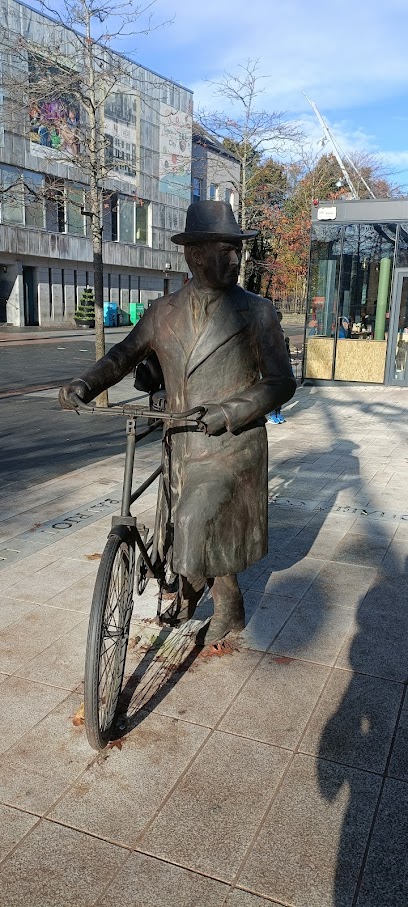
Cork Historic Walking Tours
0.5 km
Discover Cork’s layered history on foot with a local guide, from medieval streets to modern markets in the heart of Ireland’s second city.
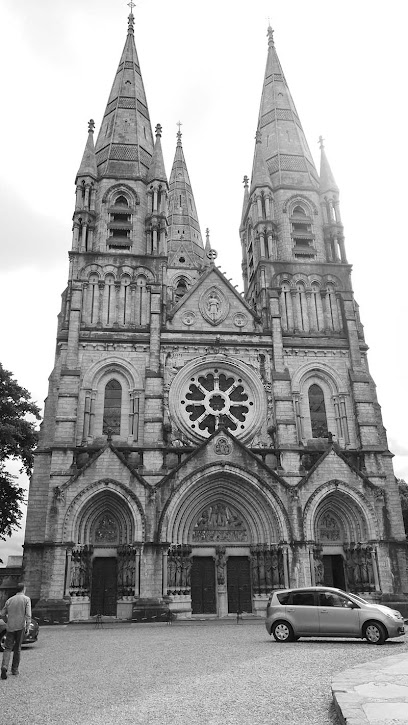
Berwick Fountain
0.5 km
A historic fountain in Cork's Grand Parade, symbolizing gratitude and civic pride since 1860. A popular meeting point and landmark.
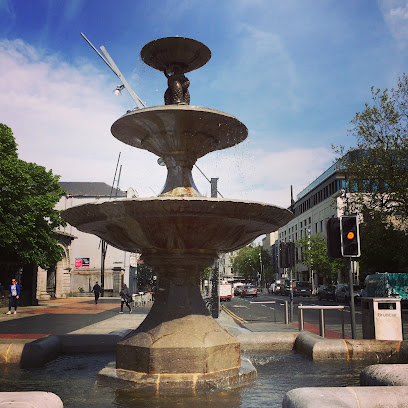
Grand Parade
0.5 km
Experience the vibrant atmosphere of Grand Parade in Cork, where history meets modern charm and local culture thrives.
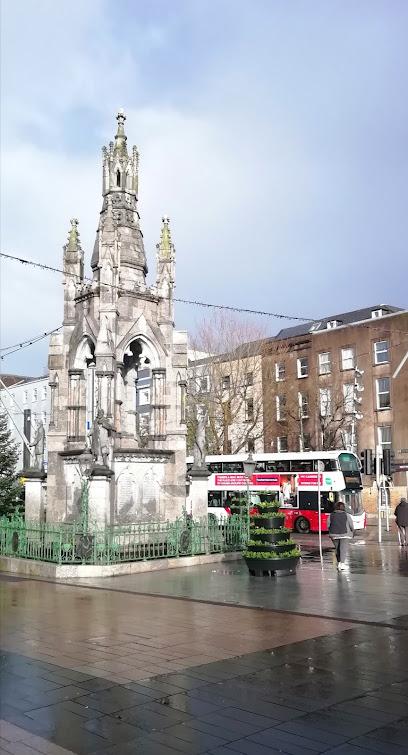
Nano Nagle Place
0.5 km
Discover Nano Nagle Place in Cork City: a historic oasis celebrating education, compassion, and the enduring legacy of Nano Nagle and the Presentation Sisters.
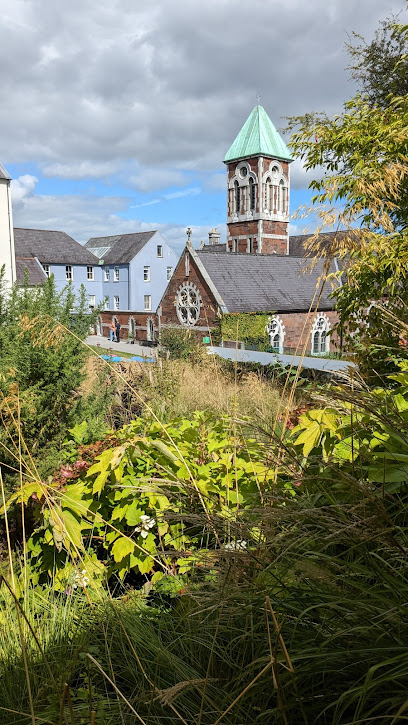
Nano Nagle Heritage Centre
0.5 km
Discover the inspiring legacy of Nano Nagle through immersive history, tranquil gardens, and vibrant community life in the heart of Cork City.
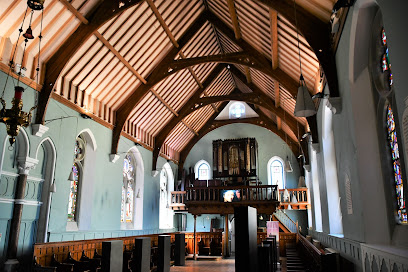
Red Abbey Tower
0.6 km
Explore the historic Red Abbey Tower in Cork, a remarkable landmark showcasing Ireland's architectural heritage and rich history.
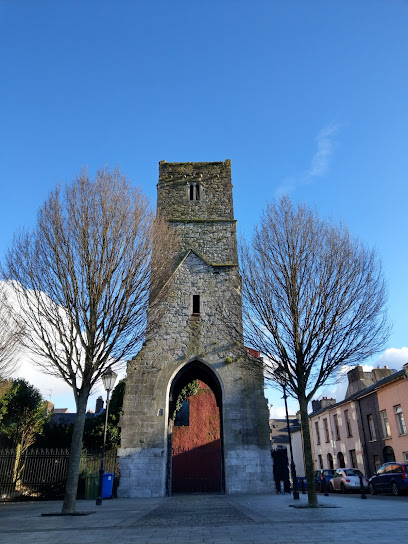
St. Peter's
0.6 km
Explore the dynamic blend of art, culture, and culinary delights at St. Peter's, Cork's premier cultural center and visitor hub.
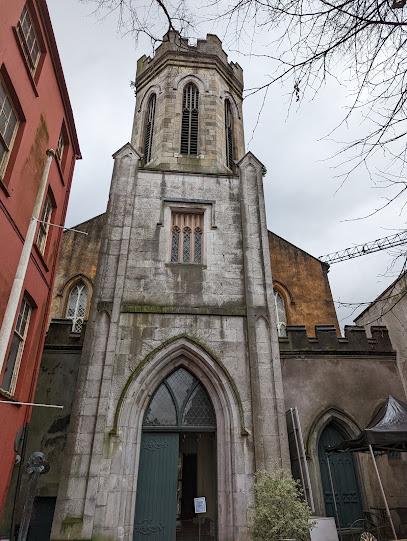
The Coal Quay
0.7 km
A vibrant Saturday market on historic Cornmarket Street, celebrating Cork’s rich food heritage and lively community spirit.
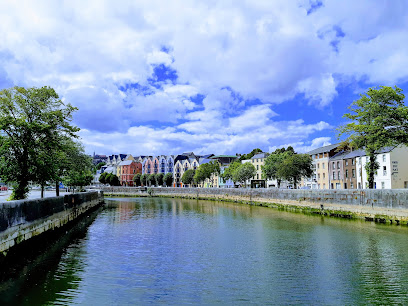
Saints Peter and Paul's Roman Catholic Church
0.7 km
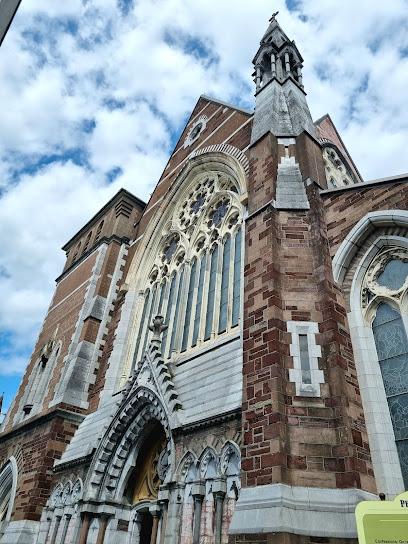
Explore the stunning Saints Peter and Paul's Roman Catholic Church in Cork, a masterpiece of architecture and a serene spiritual retreat in a bustling city.
Essential places to dine

The River Club
0.3 km
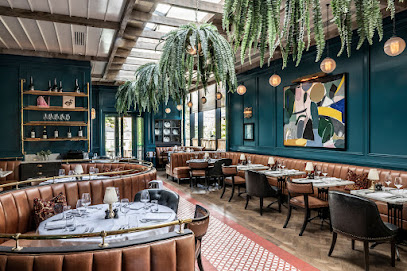
Elegant modern European dining with stunning River Lee views, seasonal menus, and a relaxed Mediterranean terrace in the heart of Cork.
Paradiso
0.3 km
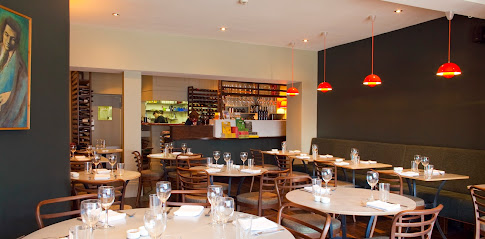
Discover Paradiso in Cork: A haven for vegetarians offering innovative dishes crafted from local ingredients.
Dwyers of Cork
0.4 km
Experience the vibrant culinary scene at Dwyers of Cork – where delicious food meets live music in a welcoming gastropub atmosphere.
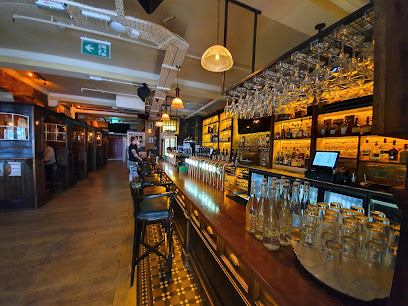
Liberty Grill
0.4 km
A vibrant New England-inspired eatery in Cork city centre, serving fresh, locally sourced brunch, lunch, and dinner with vegan and vegetarian options.
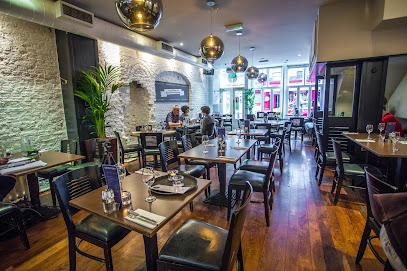
Ichigo Ichie Bistro and Natural Wine
0.4 km
Discover refined Japanese flavors and natural wines in a lively, casual bistro setting at Ichigo Ichie, Cork’s celebrated culinary gem.
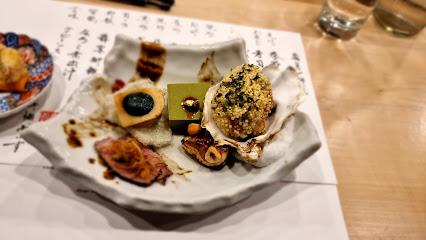
The SpitJack Cork
0.4 km
Award-winning rotisserie brasserie in Cork City offering locally sourced meats, innovative brunch, and a lively, welcoming atmosphere.
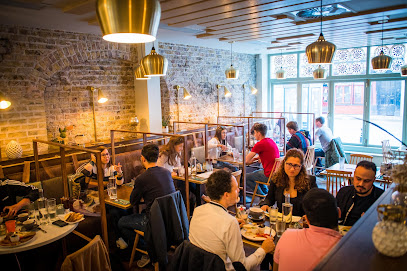
Brick Lane
0.5 km
Experience Cork's culinary delights at Brick Lane – where vibrant flavors meet warm hospitality in a lively grill and bar setting.
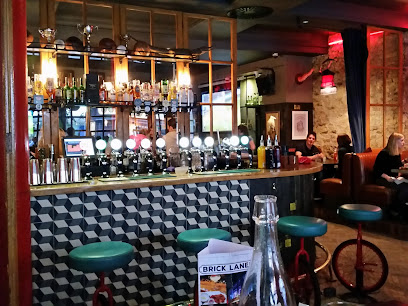
Tony's Bistro
0.5 km
Cork's beloved mafia-themed bistro serving generous Irish breakfasts and creative lunch fare in a warm, family-run setting.
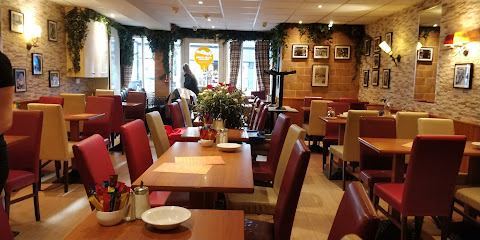
Cornstore Cork
0.6 km
Discover the best of modern European cuisine at Cornstore Cork - where every dish tells a story of flavor and freshness.
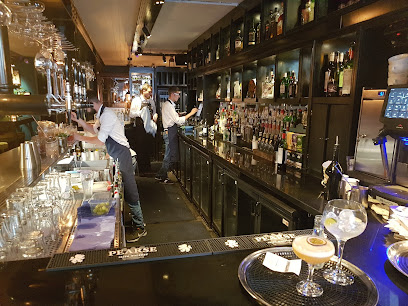
Ristorante Rossini
0.6 km
Experience authentic Italian flavors and lively ambiance in the heart of Cork at Ristorante Rossini, a beloved city centre dining destination.
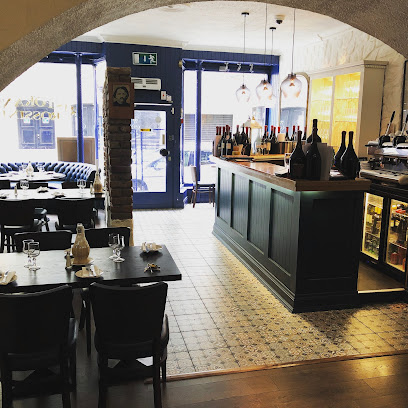
The Oyster Tavern
0.6 km
Discover Cork’s culinary treasure at The Oyster Tavern – where fresh seafood meets vibrant flavors in an inviting atmosphere.
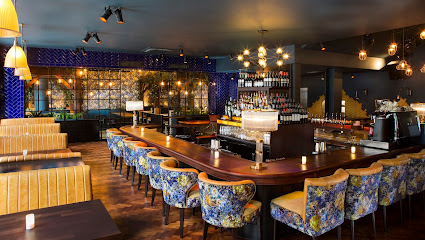
Quinlans Seafood Bar Cork
0.6 km
Experience authentic Irish seafood at Quinlans Seafood Bar in Cork - where freshness meets tradition.
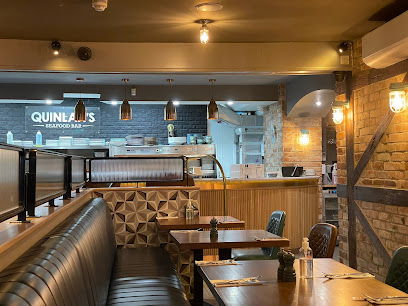
The Woodford
0.6 km
A vibrant gastropub in Cork city centre offering fresh food, craft cocktails, and a lively atmosphere for locals and visitors alike.
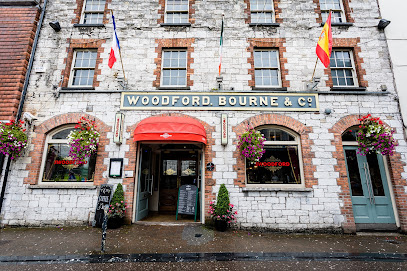
Jacobs on the Mall
0.6 km
Experience modern European cuisine at Jacobs on the Mall in Cork – where local flavors meet contemporary dining.
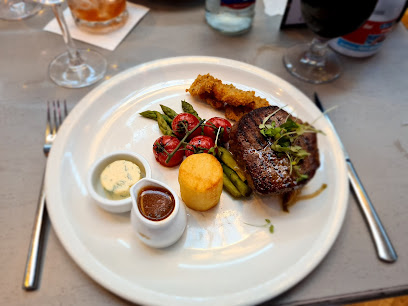
The Old Town Whiskey Bar at Bodega
0.6 km
A lively gastropub in Cork’s heart, famed for its vast whiskey range, traditional music, and welcoming atmosphere.
Markets, malls and hidden boutiques

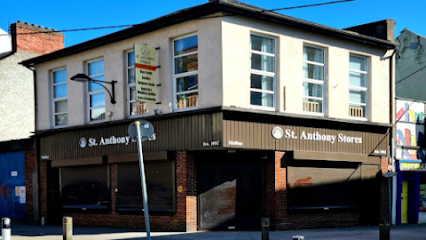
St Anthony Stores
0.5 km
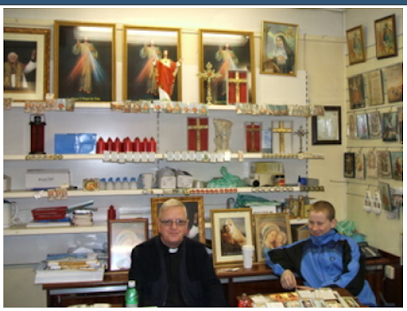
A cherished family-run religious goods shop in Cork’s heart, offering spiritual treasures and a deep connection to local heritage.
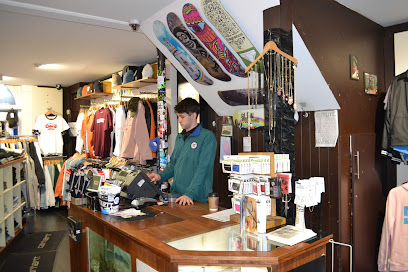
Primetime Streetwear
0.5 km
Explore Primetime Streetwear in Cork for the latest trendy clothing and accessories that embody unique urban styles.
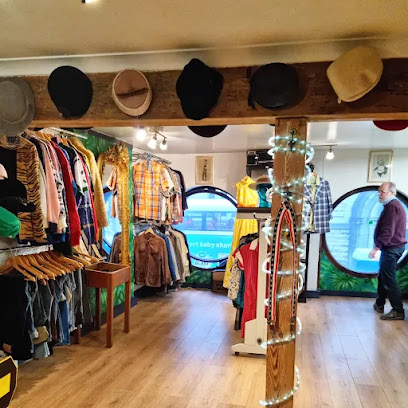
The Retro Workshop Cork
0.5 km
Discover timeless vintage fashion and sustainable style at The Retro Workshop Cork, a cozy boutique in the heart of Cork city.
St Augustine's Shop
0.5 km
Cork's specialist religious goods shop, serving pilgrims and seekers of spiritual artifacts since the early 20th century.
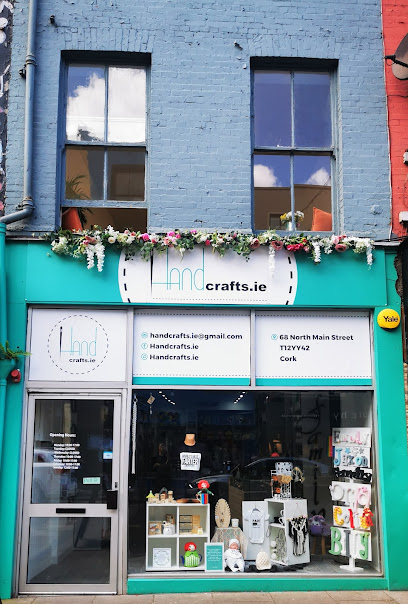
Handcrafts Cork
0.5 km
Discover unique handcrafted gifts and baby clothing at Handcrafts Cork, the perfect place for memorable souvenirs in the heart of Cork.
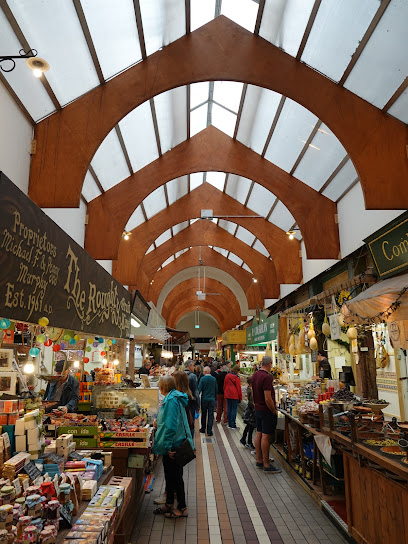
The English Market
0.6 km
Explore the vibrant flavors of Ireland at The English Market in Cork, a culinary destination filled with fresh local produce and artisan delights.
Cork Vintage Quarter
0.6 km
Multi-floor vintage marketplace in a converted grain store, brimming with curated antiques, retro fashion, and one-of-a-kind treasures.
Agora
0.6 km
Discover unique Irish-crafted homewares and gifts in a welcoming boutique at Cork’s vibrant city centre.
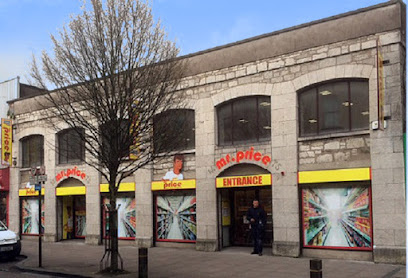
MrPRICE Cork City
0.6 km
Explore MrPRICE Cork City for unbeatable deals on fashion, home essentials, and unique finds, all in a vibrant shopping atmosphere.
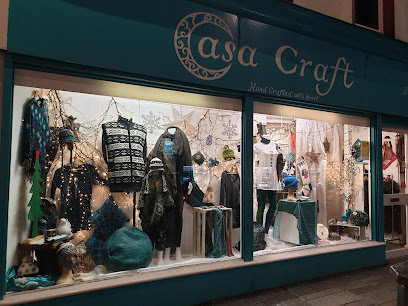
Casa Craft
0.6 km
Discover unique fashion and artisan homeware at Casa Craft, Cork’s vibrant boutique in the heart of the city.
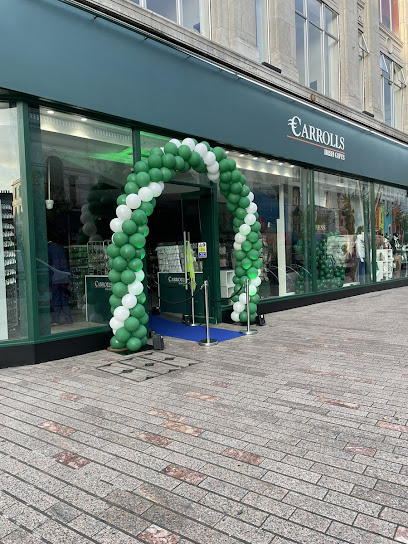
Carrolls Irish Gifts Store
0.6 km
Discover authentic Irish gifts and souvenirs at Carrolls Irish Gifts, a cherished Cork city store blending tradition with quality craftsmanship.
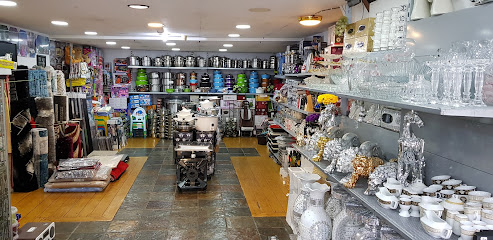
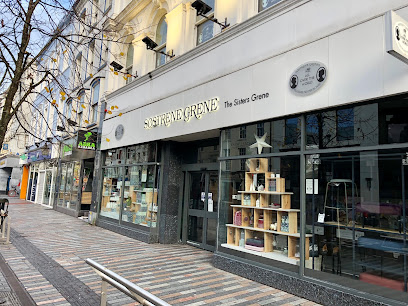
Søstrene Grene Cork
0.6 km
Experience the eclectic charm of Søstrene Grene Cork, where creativity meets unique home decor and art supplies in a delightful shopping adventure.
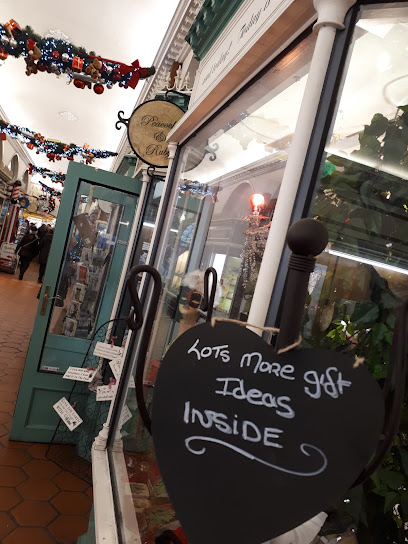
Peacock & Ruby
0.6 km
Discover timeless vintage fashion treasures and unique style stories at Peacock & Ruby, Cork’s beloved boutique on Cornmarket Street.
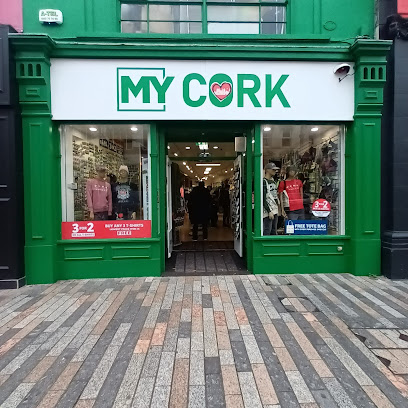
My Cork Gifts
0.7 km
Discover authentic Irish souvenirs at My Cork Gifts, a charming shop in Cork that captures the essence of Ireland with every unique item.
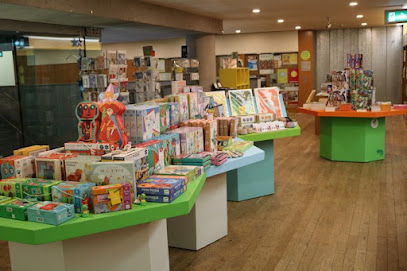
Glucksman shop
0.7 km
Discover the charm of Irish craftsmanship at Glucksman Shop, your go-to destination for unique gifts and artisan treasures in Cork.
Essential bars & hidden hideouts

Gaia
0.3 km
Experience the vibrant cocktail culture of Cork at Gaia, where innovative drinks and a welcoming ambiance await your arrival.
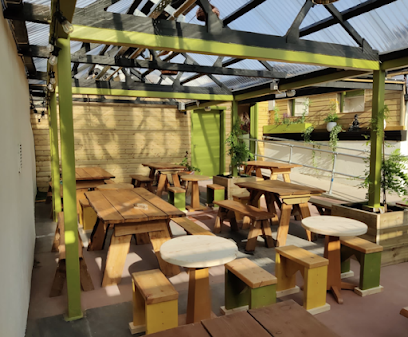
The Silly Goose
0.4 km
A lively Cork bar and grill blending traditional charm with modern flair, famed for grilled delights, craft drinks, and weekend live music.
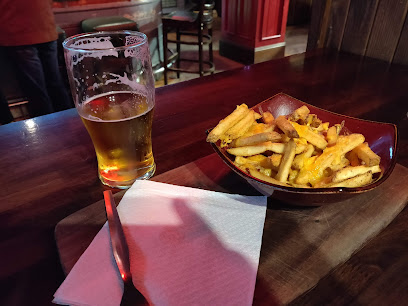
The Alibi Bar + Kitchen
0.4 km
Vibrant cocktail bar and tapas kitchen in Cork city centre with lively atmosphere, diverse menu, and welcoming beer garden.
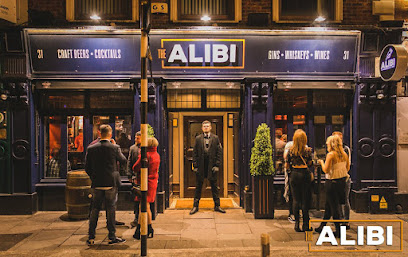
The Liberty Bar X Resistance
0.5 km
A spirited Cork pub where Irish history meets craft cocktails, live music, and lively community vibes in an industrial-chic setting.
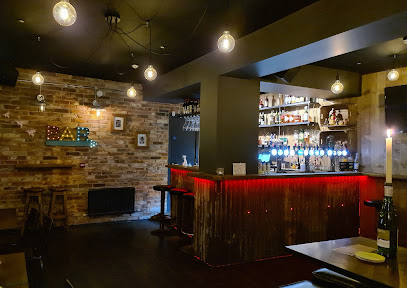
Impala
0.5 km
Discover the vibrant cocktail scene at Impala in Cork, where expertly crafted drinks meet a lively atmosphere.
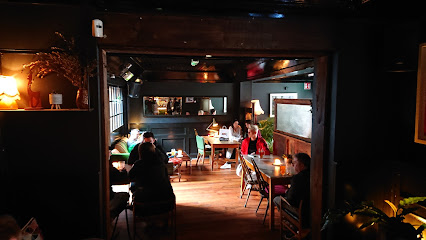
Edison
0.5 km
A vibrant cocktail bar on Washington Street offering expertly crafted drinks in Cork’s lively city centre.
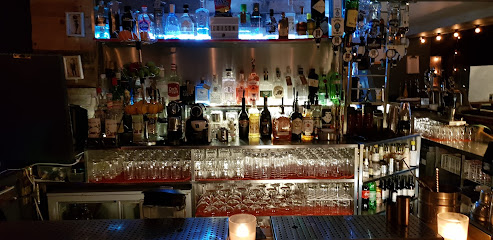
The Raven Bar
0.5 km
Experience the vibrant atmosphere and authentic Irish cuisine at The Raven Bar in Cork, a must-visit pub for tourists and locals alike.
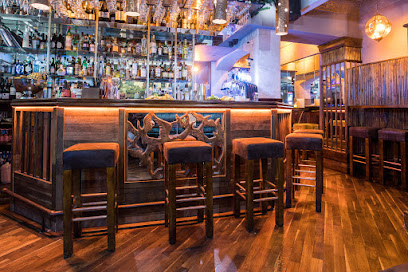
The Black Dog
0.5 km
A dynamic cocktail bar and taqueria in Cork’s city centre, blending authentic Mexican cuisine with alternative music vibes.
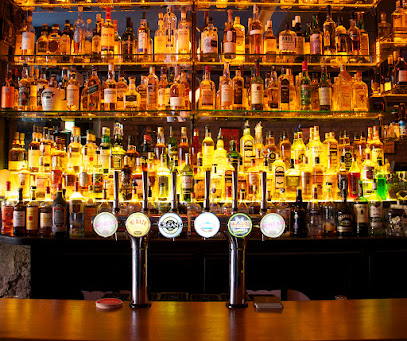
An Bróg Bar + Kitchen
0.6 km
Discover the vibrant atmosphere of An Bróg Bar + Kitchen, Cork's premier Irish pub offering delicious food, DJ nights, and a welcoming vibe.
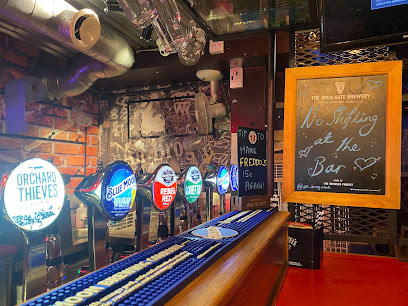
Popscene Late Bar & Club
0.6 km
A lively late-night venue on Oliver Plunkett Street blending 80s tunes with a welcoming atmosphere for all ages in the heart of Cork.
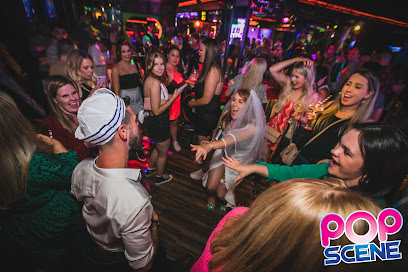
Mutton Lane Inn
0.6 km
Experience the heart of Cork at Mutton Lane Inn, a historic pub serving traditional Irish drinks and vibrant local culture.
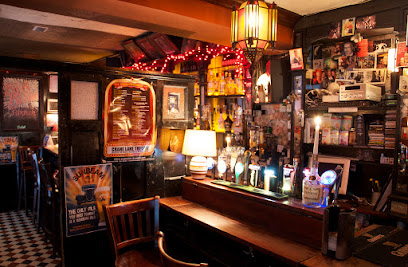
The Thomond Bar
0.7 km
Discover the heart of Cork's nightlife at The Thomond Bar, where authentic Irish culture meets delicious food and live entertainment.
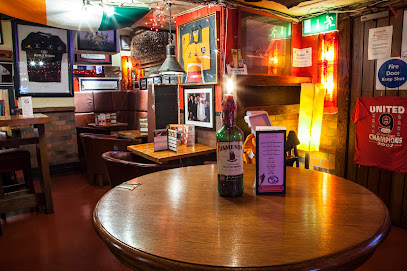
Le Chateau
0.7 km
Discover the vibrant atmosphere and creative cocktails at Le Chateau, Cork's premier bar for relaxation and entertainment.
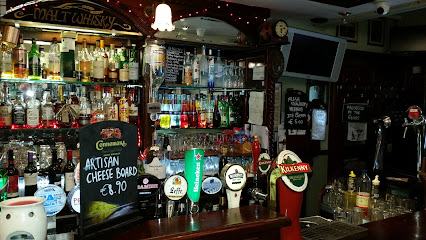
No.76
0.8 km
A vibrant cocktail bar and live music venue blending modern style with historic charm in the heart of Cork City.
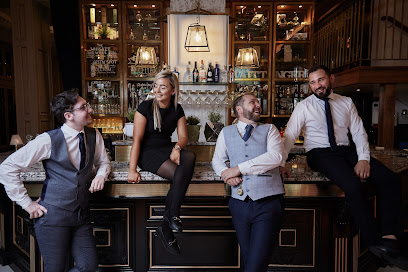
The Hi-B Bar
0.8 km
Step into The Hi-B Bar, a cozy 1920s Cork pub where tradition, live music, and heartfelt conversation create an unforgettable Irish experience.
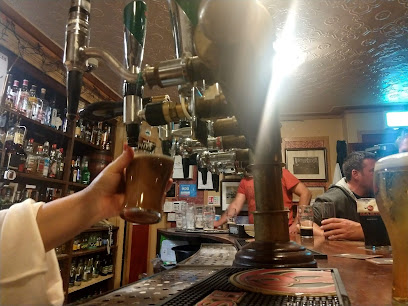
Nightclubs & after hour spots

Le Cabaret, Cork
0.4 km
Discover Cork's nightlife at Le Cabaret, where vibrant music, a lively atmosphere, and unforgettable experiences await every night.
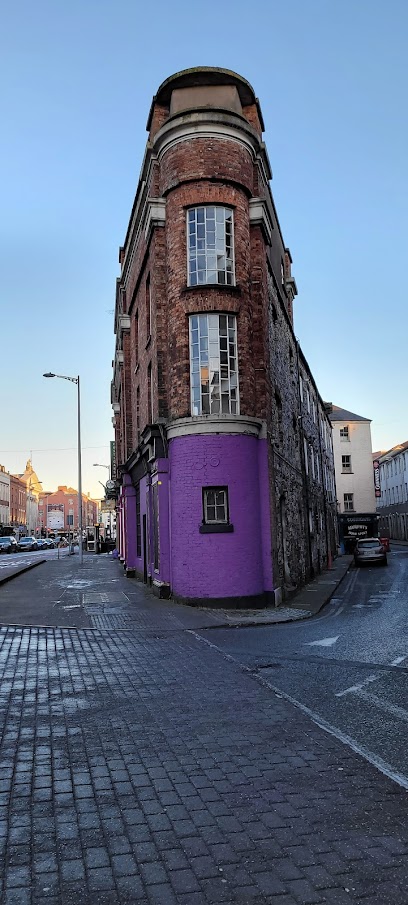
The Secret Garden
0.4 km
Discover the vibrant nightlife at The Secret Garden, Cork's enchanting night club offering unforgettable experiences and lively entertainment.
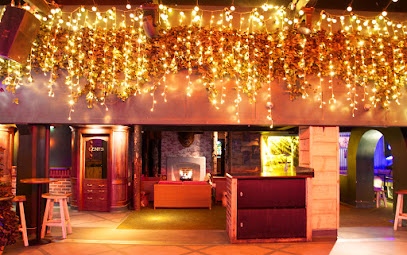
Voodoo Rooms
0.6 km
Experience the vibrant nightlife of Cork at Voodoo Rooms, where eclectic music and a lively atmosphere come together for an unforgettable night.
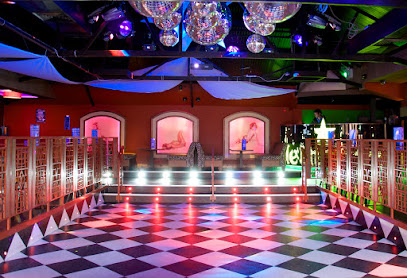
Vibe Gay Nightclub Cork
0.6 km
Experience the vibrant LGBTQ+ nightlife at Vibe Gay Nightclub Cork, where inclusivity meets electrifying entertainment.
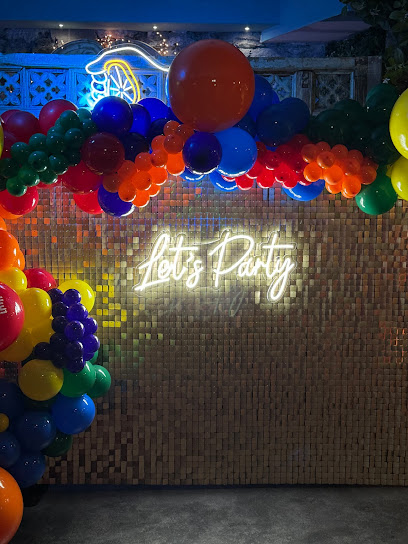
Eclipse Nightclub
0.6 km
Discover Cork's nightlife at Eclipse Nightclub, a premier disco club with electrifying music, vibrant crowds, and unforgettable experiences.
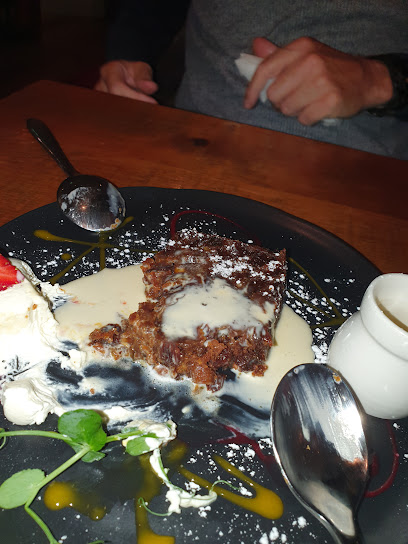
Dali
0.7 km
Experience Cork's nightlife at Dali Nightclub, where music and energy collide in an unforgettable evening of fun and dancing.
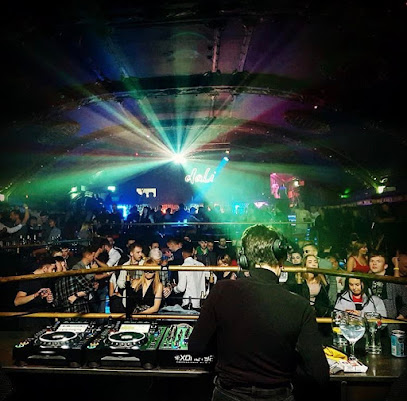
The Crane Lane Theatre
0.8 km
Experience Cork's vibrant nightlife at The Crane Lane Theatre, where live music, cocktails, and a lively atmosphere await.
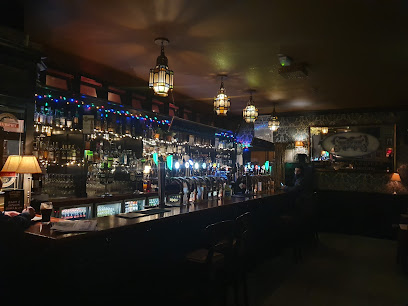
Angels Cork t/a The Asylum Bar
1.1 km
Discover the vibrant nightlife of Cork at The Asylum Bar, where entertainment meets a classy and casual atmosphere.
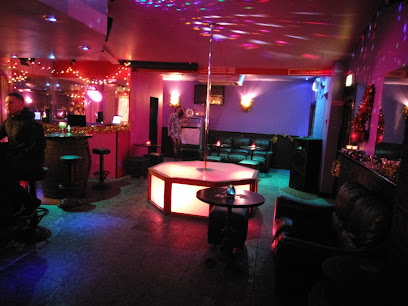
The Bishopstown Bar & Restaurant
3.0 km
Discover the heart of Irish culture at The Bishopstown Bar & Restaurant, where traditional fare meets a lively pub atmosphere in Cork.
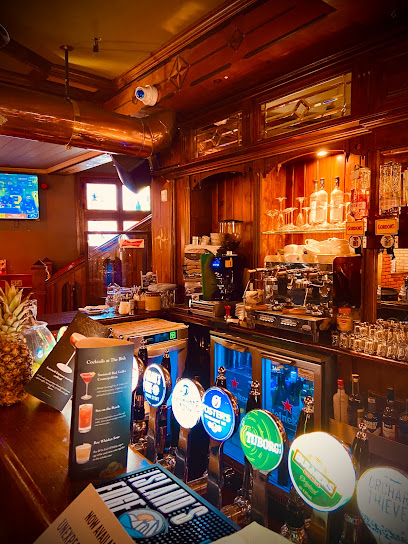
ExpressDjs
49.1 km
ExpressDJs offers top-notch DJ services for any event in Ireland, ensuring unforgettable musical experiences tailored to your celebrations.
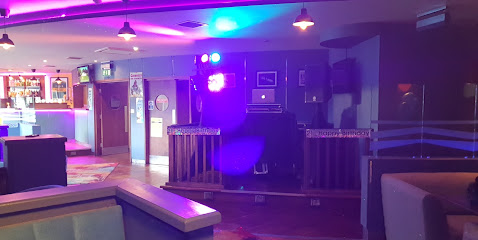
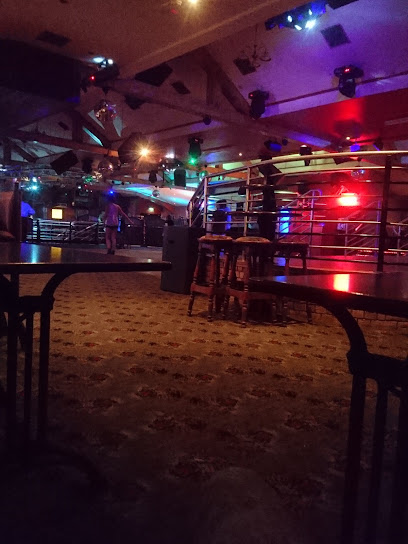
The Hiland
49.6 km
Discover electrifying nights at The Hiland, Co. Cork's top nightclub with dazzling lights, multiple dance floors, and vibrant nightlife.
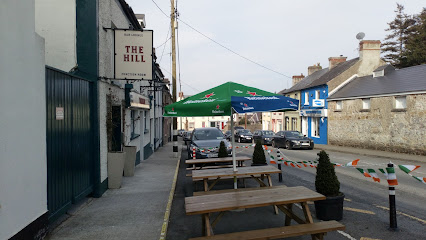
The Hill Inn
65.4 km
Discover the vibrant atmosphere and local charm of The Hill Inn in Carrigeen, Co. Tipperary, a must-visit bar for every traveler.
Tanyard
66.3 km
Experience the vibrant nightlife of Skibbereen at Tanyard, a lively bar offering a fantastic selection of drinks and live entertainment.
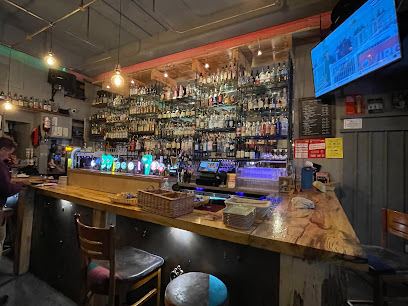
Cotter's Bar & Chaser's Nightclub
66.4 km
Discover the vibrant nightlife of Gortnaclohy at Cotter's Bar & Chaser's Nightclub, where great drinks and music create unforgettable memories.
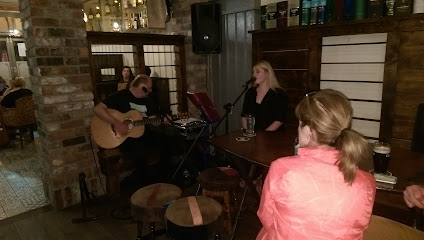
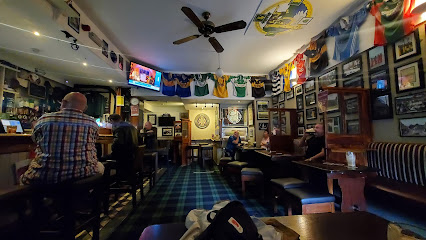
Jimmy Brien's Bar
72.6 km
Experience the vibrant atmosphere of Jimmy Brien's Bar in Killarney, where sports, local brews, and hearty meals come together in a warm, inviting setting.
For the vibe & atmosphere seeker
- Scenic
- Tranquil
- Unique
- Romantic
For the design and aesthetic lover
- Vintage Styles
- Art Deco Styles
For the architecture buff
- Historic
- Landmarks
- Sacred Sites
- Heritage Neighborhoods
For the view chaser and sunset hunter
- Iconic Views
- Sunset Spots
For the social media creator & influencer
- Instagrammable
- Photo Spots
- Architectural Shots
For the eco-conscious traveler
- Public-Transport Accessible
- Locally Managed
For the kind of experience you’re after
- Cultural Heritage
- Myth & Legends
- Photowalk
- Day Trip
For how adventurous you want the journey to be
- Easy Access
Location Audience
- Family Friendly
- Senior Friendly
- Child Friendly
- Teen Friendly
- Wheelchair Access
- Couple Friendly
- Solo Friendly
- Solo Female Friendly


