Cirencester Park Travel Guide
Free Guide: Explore Cirencester Park, a historic 3,000-acre estate blending aristocratic heritage, exquisite landscape gardens, and tranquil Cotswold beauty.


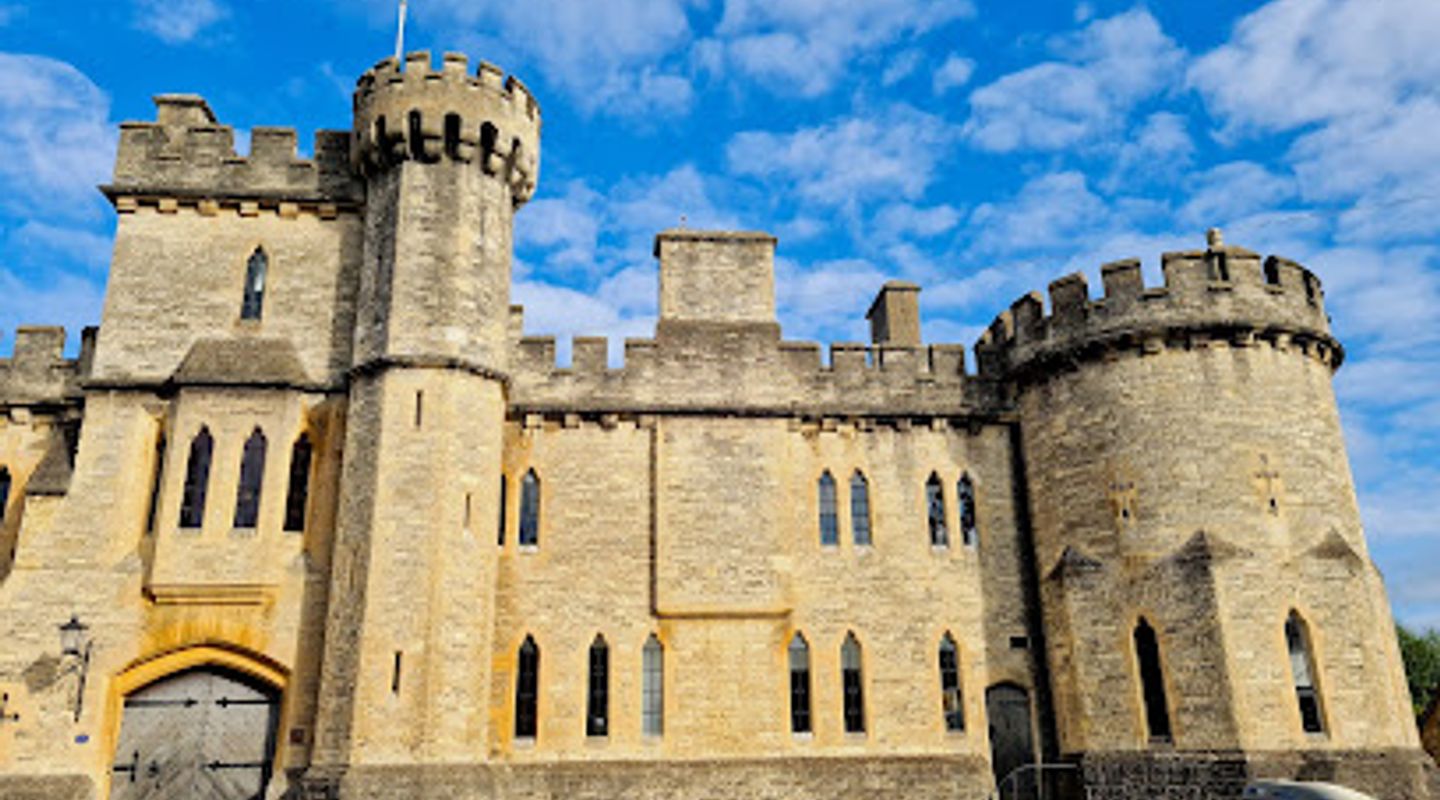
A brief summary of Cirencester Park
Explore Cirencester Park, a historic 3,000-acre estate blending aristocratic heritage, exquisite landscape gardens, and tranquil Cotswold beauty.
Cirencester Park, located in Gloucestershire, England, is a vast historic estate and Grade I listed parkland surrounding the Bathurst family seat. Established in the early 18th century by the 1st Earl Bathurst, it features one of England’s finest landscape gardens, monumental yew hedges, and a rich heritage linked to prominent figures like Alexander Pope. Today, the 3,000-acre park offers scenic walks, heritage architecture, and a connection to centuries of English aristocratic history.
On-site amenities
 Restrooms
 Drink options
 Food options
 Seating areas
 Trash bins
 Information boards
Opening hours
- Every day8 am–5 pm
Opening hours as listed on the venue’s Google Business Profile. Hours can change for services and special events, so check with the venue before you go.
- Address
- The Old Kennels, The Bathurst Estate, Cirencester GL7 1UR
- Phone
- Website
Getting there
Train and Bus
Car
Walking
Discover more about Cirencester Park
Origins and Aristocratic Heritage
Cirencester Park is the ancestral home of the Bathurst family, with origins dating back to 1695 when Sir Benjamin Bathurst purchased the estate. The current mansion, built by Allen Bathurst, 1st Earl Bathurst, stands on the site of the former Tudor-Jacobean house and is believed to occupy the grounds of the original Cirencester Castle. The estate has been the Bathurst family seat for over three centuries, with the 9th Earl Bathurst residing there today. The estate’s history is intertwined with England’s political and social evolution, reflecting the legacy of aristocratic landownership.
Landscape Design and Artistic Influence
The parkland, spanning approximately 3,000 acres, was meticulously laid out by the 1st Earl Bathurst from 1714 onwards, with expert advice from notable figures such as the poet Alexander Pope. Pope not only contributed financially but also designed features like Pope’s Seat, which offers commanding views over the woodlands and avenues arranged in baroque geometric patterns. The estate is renowned for its monumental yew hedge, claimed to be the tallest in the world, planted in the 1720s. The park includes historic follies, grottos, and ruins, exemplifying early Gothic revival garden architecture.
Architectural Evolution and Estate Features
The mansion has undergone several architectural modifications, including significant additions by Sir Robert Smirke in the early 19th century. The classical facades replaced the Jacobean wings, and new wings were added to enhance the house’s grandeur. The estate also encompasses villages such as Sapperton and Coates, with connections to the Arts and Crafts movement through figures like Ernest Gimson and the Barnsley brothers who worked locally. The estate’s buildings and landscape reflect layers of English heritage, from medieval origins to Victorian influences.
Modern-Day Experience and Access
Cirencester Park is open daily to visitors from 8am to 5pm, offering tranquil walks through its extensive woodlands and pasture. Since spring 2024, access to the park requires a Community, Annual, or Day Pass, reflecting recent changes in estate management. The Old Kennels, situated on the estate’s edge, serves as a welcoming spot with dog-friendly facilities and dining options including a new artisan pizzeria emphasizing local and seasonal produce. The park’s proximity to the historic market town of Cirencester enhances its appeal as a cultural and natural retreat.
Complex Legacy and Contemporary Context
The Bathurst Estate’s history includes wealth derived from colonial enterprises and the transatlantic slave trade, a legacy that informs ongoing debates about land ownership and public access. Recent introduction of entry charges has sparked discussions on the balance between private estate rights and community access to green spaces. Despite these complexities, Cirencester Park remains a significant cultural landscape, embodying centuries of English history, art, and nature conservation.
Connection to Wider Heritage and Community
The estate maintains strong ties with the local community and beyond, exemplified by the Cirencester Bathurst Friendship linking Cirencester with Bathurst in Australia. This partnership celebrates shared heritage and fosters economic and cultural collaboration. The park and estate continue to play a role in regional identity, heritage tourism, and conservation efforts, inviting visitors to explore a unique blend of history, landscape, and living tradition.
Evendo Review Centre
 Google
Guest reviews
Best time to go
Quietest: Jan, Feb & Dec · before 6am or at 8pm
Busy times are Evendo estimates for a typical year, to help you plan. Actual crowds vary with events, school holidays and the weather.
Explore Cirencester Park on the map
A handpicked selection of must-see spots near Cirencester Park, mapped for you.
Get your free copy of our complete guide to Cirencester Park, delivered straight to you.
Everything on this page, from opening hours and how to get there to Eve’s tips and the best time to go, in one PDF you can read offline, print or share.
Already have an account? Sign in
Your Cirencester Park guide is ready.
We'll send it to · Not you? Sign out

Getting your guide ready…
We are putting together a fresh copy of the Cirencester Park guide. This can take up to a minute.
This can take a few moments. If your browser asks, choose Allow so the download can start. You'll find the guide in your Downloads folder.
Nothing happened? Download it again
Sorry, the guide is taking longer than usual. Please try again in a minute, or get it by email instead.
Unlock the best of Cirencester Park
Skip-the-line tickets, guided tours with entry, and walking tours of the area, booked in a few clicks.

Other nearby places you may find interesting
The closest places of the same kind, if this one is not quite what you had in mind.
-
-
-
-
-


Swipe for more places
More to explore near Cirencester Park

 Best experiences near Cirencester Park
 Best hotels near Cirencester Park
 Best landmarks near Cirencester Park
 Best attractions near Cirencester Park
 Best shops near Cirencester Park
 Best restaurants near Cirencester Park
 Best bars near Cirencester Park
Do you manage this location?
Take control to get all the benefits, like improved information, better appearance, and stronger visibility across AI-powered discovery.
Explore more
Explore more of Cotswolds
Discover the idyllic beauty of the Cotswolds, where timeless villages and rolling hills create a perfect escape into England's pastoral heartland.
Explore Cotswolds
Explore more of United Kingdom
Discover the United Kingdom: A blend of rich history, stunning landscapes, and vibrant cities, offering a unique travel experience for every visitor.
Explore United Kingdom