The Ridgeway Travel Guide
Free Guide: Walk Britain’s oldest road, The Ridgeway, an 87-mile ancient trail rich with history, stunning landscapes, and legendary tales near Wantage.


A brief summary of The Ridgeway
Walk Britain’s oldest road, The Ridgeway, an 87-mile ancient trail rich with history, stunning landscapes, and legendary tales near Wantage.
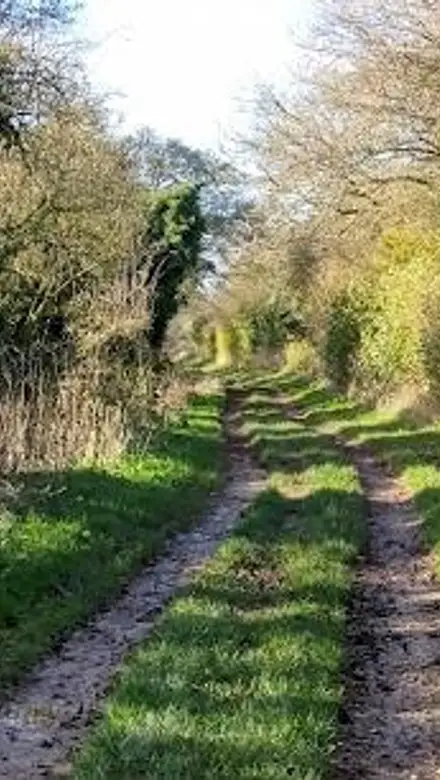
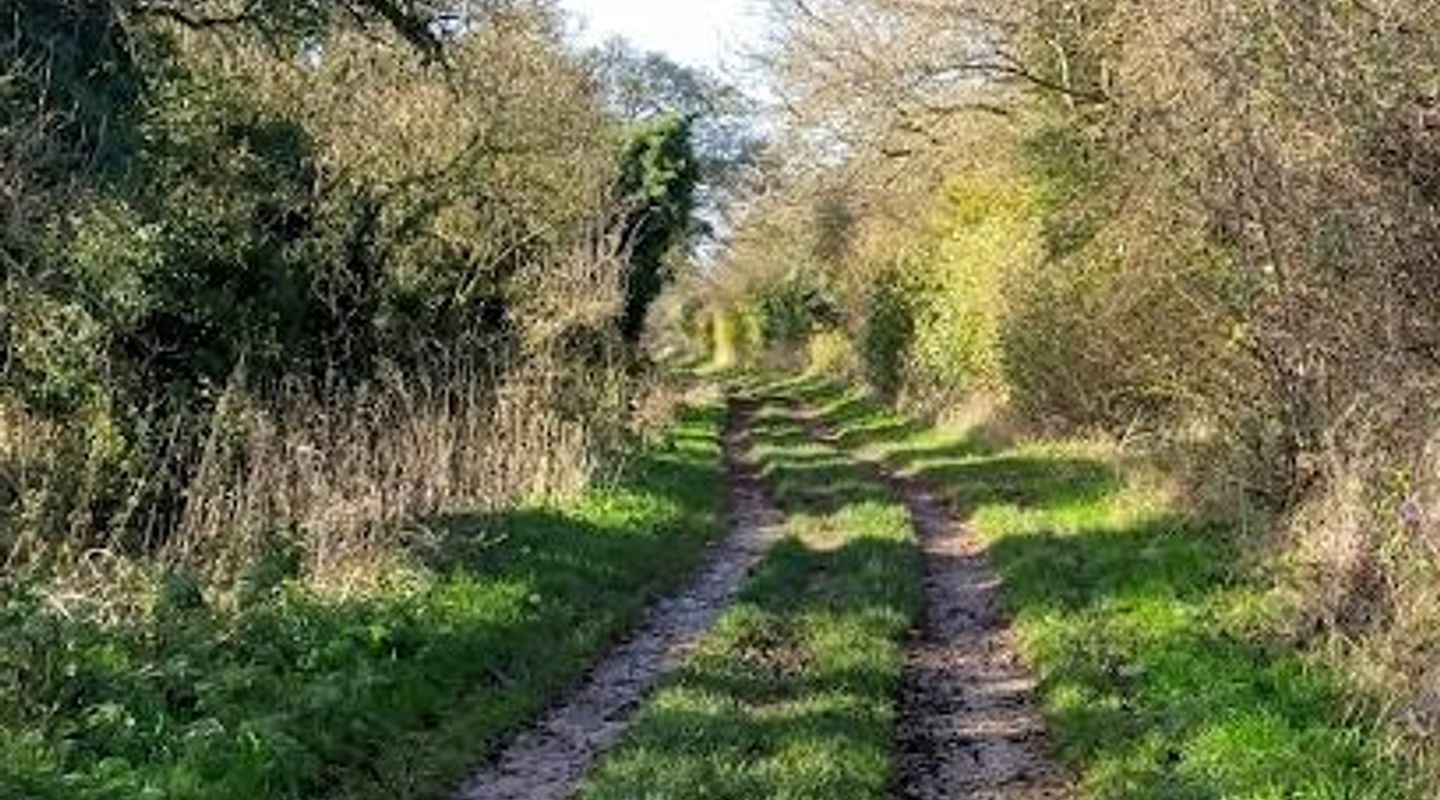
The Ridgeway is Britain's oldest road, an 87-mile ancient trackway stretching from Overton Hill near Avebury to Ivinghoe Beacon in Buckinghamshire. Used for over 5,000 years by traders, soldiers, and drovers, it traverses chalk ridges, historic hillforts, and picturesque villages, offering a rich journey through England’s natural beauty and deep history.
On-site amenities
 Restrooms
 Drink options
 Food options
 Seating areas
 Information boards
- Address
- Wantage
Getting there
Train and Bus
Car
Long-Distance Bus
Discover more about The Ridgeway
Enduring Legacy of a Prehistoric Route
For more than 5,000 years, The Ridgeway has served as a vital corridor across southern England, making it the oldest continuously used road in Britain. Originally a series of informal paths across high chalk ridges, it provided a reliable, dry route for prehistoric travellers, traders, and armies. The elevated terrain offered strategic advantages, including protection from attackers and commanding views of the surrounding landscape. Its origins trace back to Neolithic times, with nearby ancient monuments such as the Uffington White Horse and burial chambers highlighting its prehistoric significance.
Historic Fortifications and Medieval Use
During the Iron Age, the Ridgeway’s importance was underscored by the construction of hillforts like Uffington Castle, Barbury, and Liddington. These earthworks served as defensive strongholds overseeing the trade route. After the Roman withdrawal from Britain, Saxons and Vikings utilized the Ridgeway for military movements, while medieval drovers moved livestock along its length towards London markets. The Enclosure Acts of the 18th century formalized its path with hedgerows and earth banks, shaping the route recognizable today.
Natural Beauty and Cultural Heritage Along the Trail
The Ridgeway passes through two Areas of Outstanding Natural Beauty: the North Wessex Downs and the Chiltern Hills. Walkers encounter a diverse landscape of rolling hills, woodlands, and open fields interspersed with quaint villages. Along the way, sites such as Wayland’s Smithy, a Neolithic burial chamber, and the Blowing Stone near Wantage enrich the trail with myth and legend. The route invites exploration of England’s layered history amid serene countryside vistas.
Modern National Trail and Recreational Use
Designated a National Trail in 1973, The Ridgeway today attracts walkers, cyclists, horse riders, and mobility scooter users. The well-marked path offers a multi-day journey typically completed in about six days, with opportunities to rest in charming villages. Seasonal wildlife flourishes in nature reserves along the way, enhancing the experience. The trail’s accessibility and historical resonance make it a cherished route for both casual visitors and history enthusiasts.
Connection to Alfred the Great and Wantage
The Ridgeway’s proximity to Wantage, the birthplace of King Alfred the Great in 849 AD, adds a royal dimension to its story. Alfred famously used the Ridgeway area strategically during his battles against Viking invaders, helping to unify England. The nearby Blowing Stone is linked to his legend as a rallying horn. This connection enriches the trail’s narrative, blending ancient pathways with pivotal moments in English history.
Preservation and Cultural Significance Today
Efforts to protect The Ridgeway emphasize its status as a cultural and natural treasure. The trail is maintained with clear signposts, oak markers, and white acorn symbols, guiding visitors along its historic course. It remains a living link to Britain’s past, offering a tangible connection to prehistoric peoples, medieval societies, and modern outdoor enthusiasts. The Ridgeway stands as a testament to enduring human movement and landscape interaction across millennia.
Evendo Review Centre
 Google
Guest reviews
Best time to go
Quietest: Jan, Feb & Dec · before 6am or at 10pm
Busy times are Evendo estimates for a typical year, to help you plan. Actual crowds vary with events, school holidays and the weather.
Explore The Ridgeway on the map
A handpicked selection of must-see spots near The Ridgeway, mapped for you.
Get your free copy of our complete guide to The Ridgeway, delivered straight to you.
Everything on this page, from opening hours and how to get there to Eve’s tips and the best time to go, in one PDF you can read offline, print or share.
Already have an account? Sign in
Your The Ridgeway guide is ready.
We'll send it to · Not you? Sign out

Getting your guide ready…
We are putting together a fresh copy of the The Ridgeway guide. This can take up to a minute.
This can take a few moments. If your browser asks, choose Allow so the download can start. You'll find the guide in your Downloads folder.
Nothing happened? Download it again
Sorry, the guide is taking longer than usual. Please try again in a minute, or get it by email instead.
Unlock the best of The Ridgeway
Skip-the-line tickets, guided tours with entry, and walking tours of the area, booked in a few clicks.


Other nearby places you may find interesting
The closest places of the same kind, if this one is not quite what you had in mind.
-
-
-
-
-


Swipe for more places
More to explore near The Ridgeway

 Best experiences near The Ridgeway
 Best hotels near The Ridgeway
 Best landmarks near The Ridgeway
 Best attractions near The Ridgeway
 Best shops near The Ridgeway
 Best restaurants near The Ridgeway
 Best bars near The Ridgeway
Do you manage this location?
Take control to get all the benefits, like improved information, better appearance, and stronger visibility across AI-powered discovery.
Explore more
Explore more of Cotswolds
Discover the idyllic beauty of the Cotswolds, where timeless villages and rolling hills create a perfect escape into England's pastoral heartland.
Explore Cotswolds
Explore more of United Kingdom
Discover the United Kingdom: A blend of rich history, stunning landscapes, and vibrant cities, offering a unique travel experience for every visitor.
Explore United Kingdom