Wittenham Clumps Travel Guide
Free Guide: Historic chalk hills crowned by ancient beeches offering breathtaking views, rich archaeology, and vibrant wildlife in Oxfordshire’s Thames Valley.


A brief summary of Wittenham Clumps
Historic chalk hills crowned by ancient beeches offering breathtaking views, rich archaeology, and vibrant wildlife in Oxfordshire’s Thames Valley.
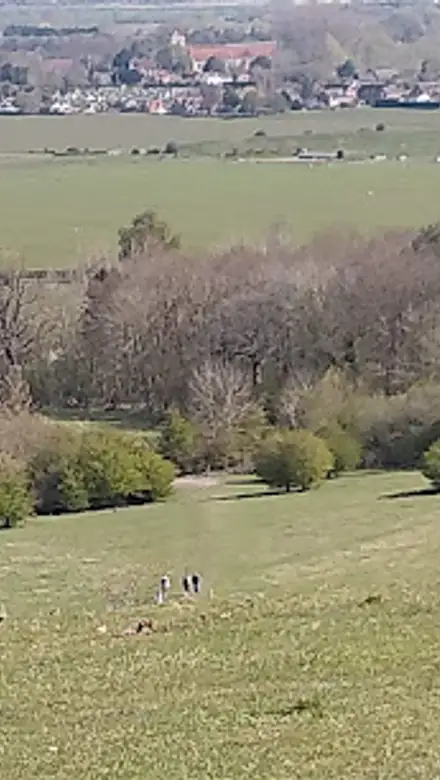
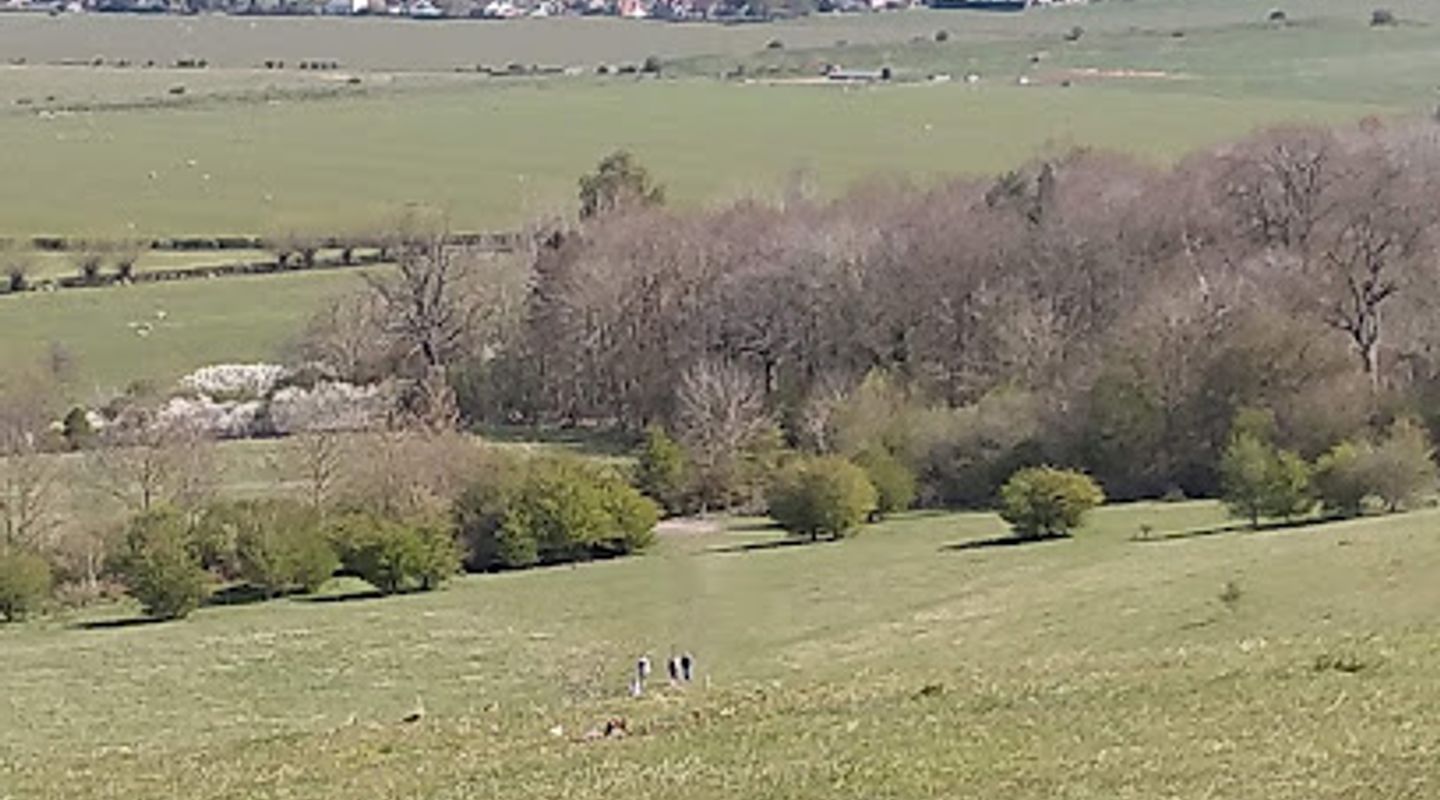
Wittenham Clumps are two iconic wooded chalk hills near Little Wittenham, Oxfordshire, crowned by the oldest planted hilltop beech trees in England. These hills offer spectacular panoramic views across the Thames Valley and south Oxfordshire countryside. Rich in history, archaeology, and wildlife, the site features Iron Age hillfort remains, Roman villa traces, and Bronze Age settlements, making it a captivating destination for nature lovers, history enthusiasts, and hikers alike.
On-site amenities
 Restrooms
 Seating areas
 Information boards
 Picnic areas
 Trash bins
Opening hours
- Every dayOpen 24 hours
Opening hours as listed on the venue’s Google Business Profile. Hours can change for services and special events, so check with the venue before you go.
- Address
- Little Wittenham, Didcot OX14 4QZ
- Phone
- Website
Getting there
Car
Bus
Walking
Discover more about Wittenham Clumps
Ancient Landscape and Archaeological Heritage
Wittenham Clumps, also known historically as the Sinodun Hills, consist of two prominent chalk hills named Round Hill and Castle Hill. Castle Hill, the smaller of the two at approximately 110 meters, hosts the earthworks of an Iron Age hillfort dating back to around 600 BC, with evidence of earlier Bronze Age settlements. Archaeological excavations have uncovered remnants of a Romano-British villa on Round Hill, alongside Iron Age and Roman artifacts such as mosaic floors, food storage pits, and tools. The site’s history spans from prehistoric times through Roman occupation and possibly into the Anglo-Saxon era, reflecting its long-standing strategic and cultural significance in the Thames Valley.
Natural Beauty and Ecological Importance
The hills are crowned by ancient clumps of beech trees, the oldest known planted hilltop beeches in England, dating back over 300 years. These trees create a distinctive silhouette visible for miles and contribute to the area's unique character. The chalk grassland and surrounding woodlands support diverse flora and fauna, including frequent sightings of majestic red kites soaring overhead. Seasonal changes paint the landscape with vibrant wildflowers in spring and rich autumnal hues, offering visitors a sensory connection to the natural environment.
Panoramic Views and Outdoor Recreation
From the summits of the Clumps, visitors are rewarded with sweeping views over south Oxfordshire, the River Thames, and beyond to landmarks such as Faringdon Folly and the town of Didcot. The site offers well-maintained walking trails, including a popular figure-of-eight route around both hills, suitable for families and casual hikers. The open grass slopes and wooded areas provide ample space for picnics, wildlife watching, and photography, making it a favored spot for both locals and tourists seeking tranquility and scenic beauty.
Cultural Significance and Local Legends
The Clumps have inspired artists and poets, notably Paul Nash, who described the landscape as "a beautiful legendary country haunted by old gods long forgotten." The site’s name has evolved through colorful local nicknames, and folklore speaks of giants and ancient rituals linked to the hills. The Victorian 'Poem Tree,' once carved into a beech tree on the site, reflects the longstanding cultural connection people have had with this landscape. Ongoing conservation efforts aim to preserve both the natural and historical heritage of the Clumps for future generations.
Conservation and Visitor Engagement
Managed by Earth Trust, Wittenham Clumps is the most visited free greenspace in South Oxfordshire. The beech trees require active management due to threats from climate change and aging, with new plantings of hornbeam and lime ensuring the continuity of the iconic tree clumps. Visitors are encouraged to support conservation through membership or volunteering. Informative signage throughout the site provides context on its ecological and archaeological importance, enhancing the educational experience.
Visitor Experience and Amenities
The site is open year-round with free access and offers a peaceful retreat with opportunities for stargazing, birdwatching, and exploring ancient earthworks. While there are no onsite restrooms or food outlets, nearby parking is available, and the terrain is moderately challenging with some steep sections. The Clumps’ combination of natural splendor, rich history, and accessible trails makes it an enriching destination for a wide range of visitors.
Evendo Review Centre
 Google
Guest reviews
Best time to go
Quietest: Jan, Feb & Dec · before 6am or at 9pm
Busy times are Evendo estimates for a typical year, to help you plan. Actual crowds vary with events, school holidays and the weather.
Explore Wittenham Clumps on the map
A handpicked selection of must-see spots near Wittenham Clumps, mapped for you.
Get your free copy of our complete guide to Wittenham Clumps, delivered straight to you.
Everything on this page, from opening hours and how to get there to Eve’s tips and the best time to go, in one PDF you can read offline, print or share.
Already have an account? Sign in
Your Wittenham Clumps guide is ready.
We'll send it to · Not you? Sign out

Getting your guide ready…
We are putting together a fresh copy of the Wittenham Clumps guide. This can take up to a minute.
This can take a few moments. If your browser asks, choose Allow so the download can start. You'll find the guide in your Downloads folder.
Nothing happened? Download it again
Sorry, the guide is taking longer than usual. Please try again in a minute, or get it by email instead.
Other nearby places you may find interesting
The closest places of the same kind, if this one is not quite what you had in mind.
-
-
-
-
-


Swipe for more places
More to explore near Wittenham Clumps

 Best experiences near Wittenham Clumps
 Best hotels near Wittenham Clumps
 Best landmarks near Wittenham Clumps
 Best attractions near Wittenham Clumps
 Best shops near Wittenham Clumps
 Best restaurants near Wittenham Clumps
 Best bars near Wittenham Clumps
Do you manage this location?
Take control to get all the benefits, like improved information, better appearance, and stronger visibility across AI-powered discovery.
Explore more

Explore more of Oxfordshire
Discover Oxfordshire: Experience the timeless charm of England's countryside, historic landmarks, and cultural treasures in the heart of the United Kingdom.
Explore Oxfordshire
Explore more of United Kingdom
Discover the United Kingdom: A blend of rich history, stunning landscapes, and vibrant cities, offering a unique travel experience for every visitor.
Explore United Kingdom