Donnington Castle, Berkshire Travel Guide
Explore the evocative ruins and rich history of Donnington Castle, a medieval fortress with royal ties and Civil War legacy near Newbury.
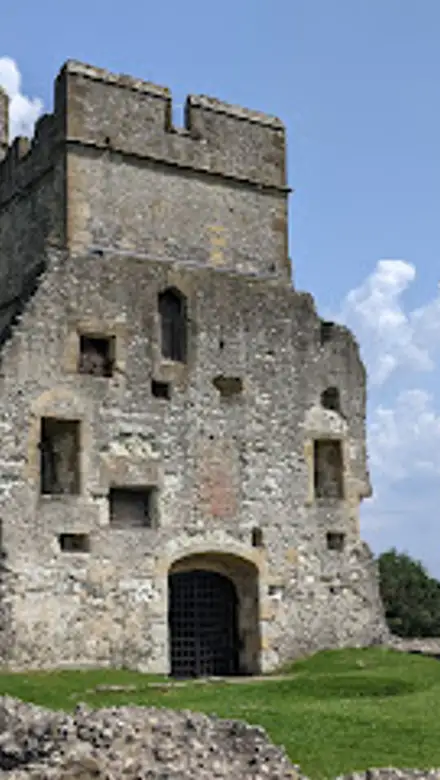
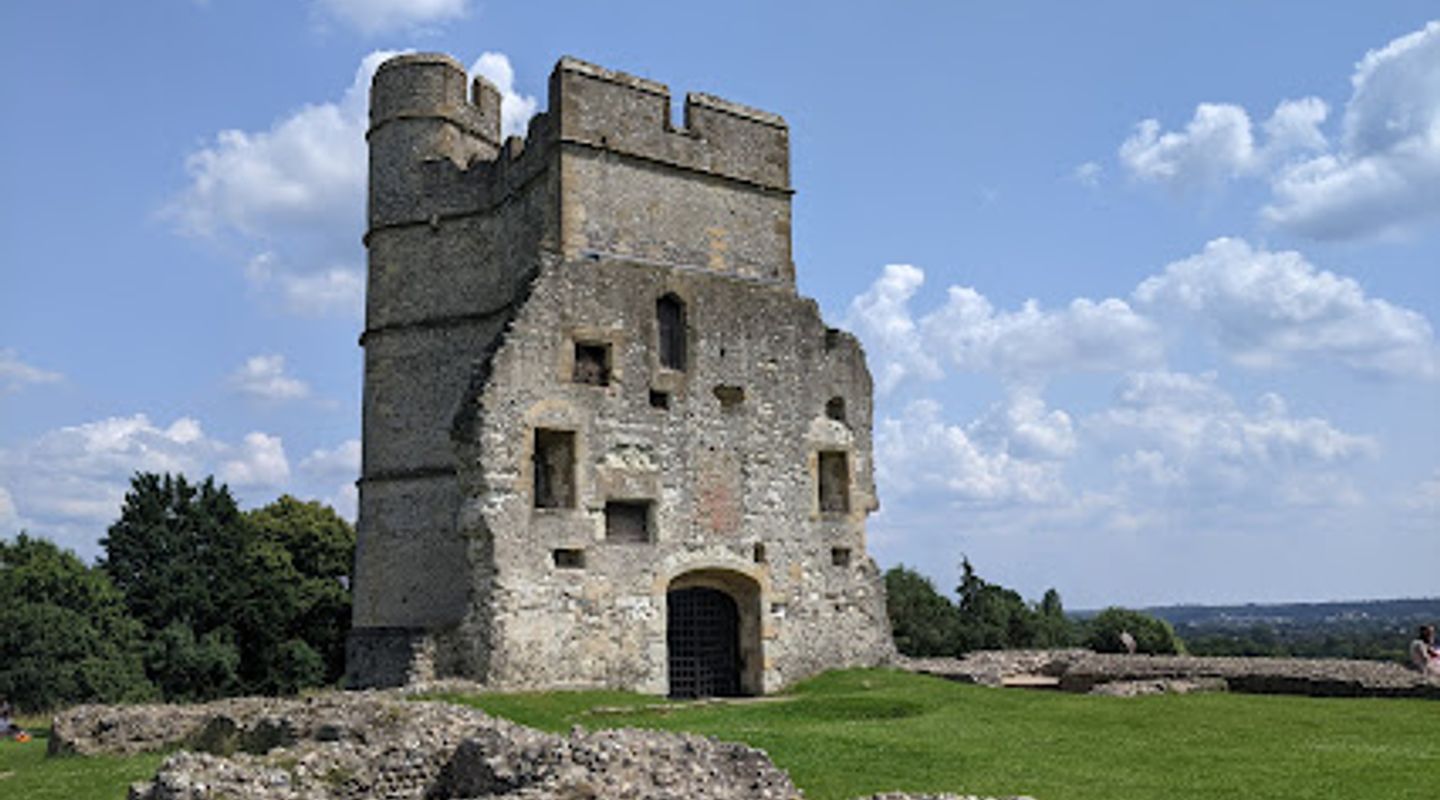
Donnington Castle, near Newbury in Berkshire, is a striking 14th-century ruined castle famed for its impressive twin-towered gatehouse and extensive earthwork defences. Built by Sir Richard Abberbury in 1386, it served as a luxurious residence and played a pivotal role during the English Civil War. Today, the site offers panoramic views of the surrounding valley and Newbury landmarks, with free public access to the grounds and a glimpse into England’s turbulent past.
A brief summary to Donnington Castle
- Donnington Castle Farm Cottage, Castle Ln, Newbury, Donnington, RG14 2LE, GB
- Click to display
- Click to display
- Duration: 1 to 2.5 hours
- Budget
-
 Outdoor
- Mobile reception: 4 out of 5
- Monday 7 am-7 pm
- Tuesday 7 am-7 pm
- Wednesday 7 am-7 pm
- Thursday 7 am-7 pm
- Friday 7 am-7 pm
- Saturday 7 am-7 pm
- Sunday 7 am-7 pm

Know before you go
Hi, I'm Eve. Here are a few practical things to know before exploring Donnington Castle.
- Visit during daylight hours to fully appreciate the panoramic views and detailed medieval architecture.
- Bring sturdy footwear to explore the earthworks and surrounding grounds comfortably.
- Check the weather forecast as the site is outdoors and offers little shelter.
- Combine your visit with a trip to nearby Newbury to explore local history and amenities.
Do you manage this location?
Take control to get all the benefits, like improved information, better appearance, and stronger visibility across AI-powered discovery. Learn more about listing your business on Evendo
Activate your presenceOther nearby places you may find interesting
The closest places of the same kind, if this one is not quite what you had in mind.

Explore Donnington Castle on the Map
A handpicked selection of must-see spots near Donnington Castle, mapped for you.
Getting There
-
Train and Bus
Travel by train to Newbury station from London Paddington or Reading, taking approximately 50–70 minutes. From Newbury station, take a local bus or taxi for a 10–15 minute journey to Donnington Castle. Bus services may be infrequent on weekends, so check schedules in advance. Taxi fares from Newbury to Donnington typically range from £10 to £15.
-
Car
Driving to Donnington Castle from central Newbury takes about 10 minutes via local roads. Parking is available near the site with a £2 charge for non-English Heritage members. Note that the castle grounds are on a hill with uneven terrain, so plan for a short uphill walk from the parking area.
-
Walking
For active visitors, a scenic 30–40 minute walk from Newbury town centre to Donnington Castle is possible via well-marked footpaths. The route includes some gentle uphill sections and is suitable for those comfortable with moderate terrain. Wear appropriate footwear and allow extra time for stops to enjoy the countryside views.
For the on-the-go comforts that matter to you
-
 Restrooms
-
 Seating Areas
-
 Trash Bins
-
 Information Boards
-
 Parking
Discover more about Donnington Castle
Origins and Noble Foundations
Donnington Castle was constructed in the late 14th century by Sir Richard Abberbury the Elder, a distinguished soldier and courtier who served under the Black Prince and King Richard II. Granted a licence to crenellate in 1386, Abberbury transformed the manor into a fortified yet luxurious residence. The castle was likely built in a single campaign, with the east curtain wall preceding the addition of the twin-towered gatehouse, which remains the most prominent surviving feature today. Its elevated position on a hill crest allowed control over a vital river crossing and road junction, underscoring its strategic importance.Royal Connections and Tudor Era
The castle passed through notable hands, including Thomas Chaucer, son of the poet Geoffrey Chaucer, who acquired it in the early 15th century. His daughter Alice, Duchess of Suffolk, used Donnington as her home. Later, the castle came under royal control during the Tudor period, with visits from Henry VIII and Elizabeth I recorded. In 1601, Queen Elizabeth I granted the manor and castle to Charles Howard, Earl of Nottingham, famed for his role against the Spanish Armada. A fierce dispute over ownership ensued between the Earl and Lady Elizabeth Russell, reflecting the castle’s prestige.The English Civil War and Siege
Donnington Castle’s most dramatic chapter unfolded during the English Civil War. In 1643, Royalist Colonel John Boys took command, fortifying the castle with extensive earthwork defences featuring pointed bastions designed for artillery. The Parliamentarian forces besieged the castle from October 1644, bombarding it heavily over 18 months. Despite severe damage, including to the walls and gatehouse, the Royalist garrison held out with remarkable resilience until surrendering with full military honours in April 1646. Parliament then ordered the castle’s demolition, sparing only the gatehouse, which stands as a testament to the siege.Architectural Features and Landscape
The surviving gatehouse is a fine example of 14th-century military architecture, built with flint and stone and adorned with grotesque heads typical of medieval decoration. The castle’s curtain walls, once topped with four round and two square towers, are now mostly reduced to low ruins, with visible cannonball damage and brick repairs. The surrounding star-shaped earthworks constructed during the Civil War remain visible, providing insight into the castle’s defensive adaptations. The site offers sweeping views over the Newbury valley and the surrounding countryside, enhancing its historic ambiance.Modern Preservation and Visitor Experience
Today, Donnington Castle is a scheduled ancient monument managed by English Heritage and open to the public without charge. While access inside the gatehouse is restricted, visitors can explore the grounds and earthworks at leisure. The castle’s location near Newbury makes it accessible for day trips, offering a peaceful setting rich in history. Nearby amenities include parking with a small fee for non-members and information boards that contextualize the site’s significance. The castle remains a poignant symbol of England’s medieval nobility and civil strife.Legacy and Cultural Significance
Donnington Castle’s story intertwines noble ambition, royal favour, and military endurance. Its survival as a ruin encapsulates centuries of English history from medieval times through the Tudor monarchy to the upheavals of the Civil War. The site continues to inspire visitors with its evocative atmosphere and commanding views, preserving the legacy of Sir Richard Abberbury and the generations who shaped its fate.












Your all‑in‑one travel companion app
Explore expert travel guides, compare and book tours, experiences, hotels, and more—all from the palm of your hand. Download now for seamless trip planning wherever your wanderlust takes you.


Explore More of Berkshire
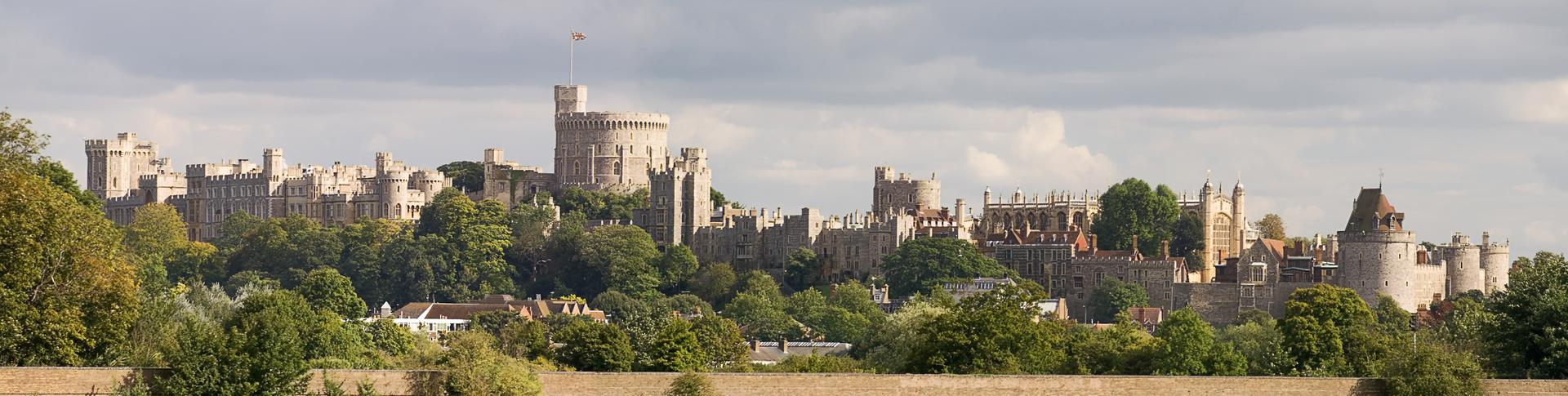
Looking beyond Donnington Castle? Discover Berkshire for broader travel guides, local hot-spots, and regional highlights.
Explore Berkshire
Historic chalk hills crowned by ancient beeches offering breathtaking views, rich archaeology, and vibrant wildlife in Oxfordshire’s Thames Valley.
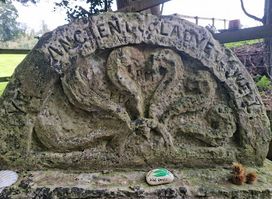
Discover The Ladywell at Speen, a serene ancient holy well steeped in history, healing legends, and tranquil rural charm in Berkshire.