
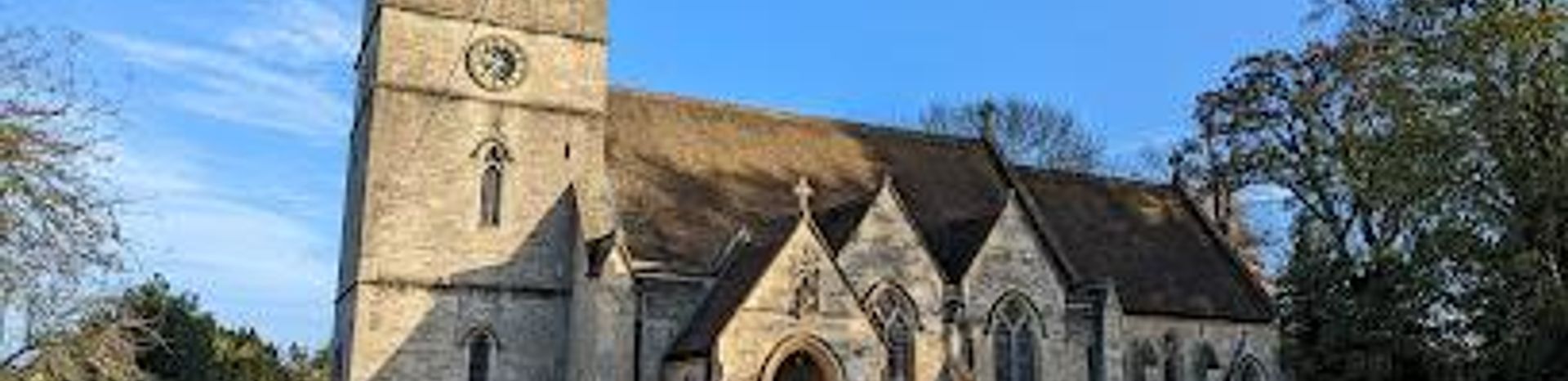
St Martin's Church, Bladon
Medieval roots, Victorian restoration, and Churchill's final resting place in rural Oxfordshire.
St Martin's Church in Bladon, near Woodstock, Oxfordshire, is a Grade II listed parish church with roots stretching back to the 11th century. Best known as the final resting place of Sir Winston Churchill and his family, the church combines medieval heritage with Victorian restoration. The current structure dates to 1804, with significant 1891 renovations by architect A.W. Blomfield. A striking stained glass memorial window dedicated to Churchill features intricate symbolism and his famous quotations, making this a site of considerable historical and cultural significance.
A brief summary to St Martin's Church
- 5 Church St, Woodstock, Bladon, OX20 1RS, GB
- +441993812915
- Visit website
- Duration: 0.5 to 2 hours
- Free
-
 Mixed
Mixed
- Mobile reception: 4 out of 5
Local tips
- Visit the churchyard to locate the graves of the Spencer-Churchill family, including Sir Winston Churchill. The graves are situated in a peaceful, well-maintained section of the grounds.
- Take time to study the Churchill Memorial stained glass window on the south side of the church. The intricate symbolism, military badges, and quotations reward close examination and offer insight into Churchill's life and achievements.
- The church interior is relatively intimate and shadowed due to the absence of a clerestory. Allow your eyes time to adjust to appreciate the architectural details and the 1891 restoration work by A.W. Blomfield.
- Contact the church in advance if you wish to view the interior or attend a service. The church remains an active parish church with regular worship, and opening hours may vary seasonally.
- Combine your visit with exploration of nearby Woodstock, home to Blenheim Palace and other historic attractions. The two locations are within easy walking distance.

For the on-the-go comforts that matter to you
- Restrooms
- Seating Areas
- Information Boards
Getting There
-
By Car
From Woodstock town center, St Martin's Church is approximately 2 kilometers away. Travel south on Oxford Street, then follow signs toward Bladon village. The church is located at 5 Church Street, Bladon, with limited on-street parking available near the church entrance. Journey time is approximately 5–10 minutes depending on traffic. Parking is informal and subject to availability; consider parking in Woodstock and walking if the church car park is full.
-
On Foot
From Woodstock town center, the walk to St Martin's Church takes approximately 25–35 minutes. Head south from the town center toward the outskirts, following signs for Bladon village. The route is mostly along quiet country roads with some sections lacking dedicated pavements; exercise caution when sharing the road with vehicles. The final approach to the church is via Church Street, a peaceful lane lined with trees.
-
By Bicycle
Cycling from Woodstock to St Martin's Church is feasible via quiet country roads, taking approximately 10–15 minutes. The terrain is gently rolling with no steep gradients. Park your bicycle securely near the church entrance. This option is suitable for those comfortable cycling on minor roads with occasional traffic.
-
By Local Bus
Public transport options to Bladon are limited. Check with Woodstock town information for current bus services connecting Woodstock to Bladon village. Service frequency may be infrequent, particularly on weekends and evenings. Journey time is typically 15–20 minutes. Confirm schedules in advance, as rural services are subject to change.
St Martin's Church location weather suitability
-
 Any Weather
Discover more about St Martin's Church
A Church Through the Centuries
St Martin's Church stands on a site with continuous ecclesiastical presence since the 11th or 12th century. The earliest documented reference dates to 1269, when John de London, chaplain to Henry III, obtained a grant of the Manor of Bladon along with the church's advowson. A surviving print of the medieval structure reveals an ornate Norman doorway and a clerestory that would have flooded the nave with natural light—features lost in later reconstructions. By 1802, the original building had deteriorated so severely that the parish petitioned the Bishop of Oxford for permission to rebuild. The medieval church was demolished, and with financial support from the 4th Duke of Marlborough, a new structure opened in 1804.Victorian Transformation and Architectural Character
The church underwent its most significant transformation in 1891 when architect A.W. Blomfield undertook comprehensive restoration and rebuilding work. Blomfield reconstructed the chancel, restored the nave, added new windows, and crowned the tower with decorative pinnacles. Much of this work was funded by the rector, Arthur Majendie, whose dedication is commemorated in three chancel windows dedicated to his memory by his widow and children. In 1893, Majendie donated a lych gate in memory of his mother. The 1891 renovations created the church that stands today, though the loss of the medieval clerestory means the interior remains relatively intimate and shadowed despite Blomfield's new windows. The church houses a 1906 pipe organ, which underwent comprehensive rebuilding in 2022.Churchill's Legacy and the Memorial Window
St Martin's Church achieved international prominence as the burial place of Sir Winston Churchill, who was interred in the churchyard following his death in 1965. For over fifty years, no formal memorial existed within the church itself. In response, a remarkable stained glass window was commissioned to honor Churchill's extraordinary life and service. Created by award-winning artist Emma Blount, the window depicts St Martin, the patron saint of soldiers, and St Alban, the first English Christian martyr. The left light features the cap badge of the Queen's Fourth Own Hussars, the cavalry regiment with which Churchill served, while the right light displays badges representing all his major military units. Vines and grapes frame St Martin's light, referencing his patronage of vintners. The window's borders contain carefully selected symbols representing Churchill's multifaceted life: a Spitfire, a book, Churchill playing polo, and the Nobel Literature Prize. Quotations from Churchill's speeches and writings run throughout the composition, each verified as authentic, creating a visual narrative of his military campaigns, political career, and enduring influence on British history.Spiritual and Community Significance
Beyond its historical importance, St Martin's serves as the parish church of Bladon-with-Woodstock and functions as the mother church of St Mary Magdalene at Woodstock, which originated as a chapel of ease. The church remains an active place of worship and community gathering. In 1937, a statue of Saint Martin was installed in a niche above the porch, reinforcing the church's dedication to the saint. The Friends of St Martin's, a registered charity established in 2001, has raised over £35,000 to support the church's maintenance and enhancement, funding projects including heating systems, interior painting, and liturgical furnishings. The Church Room adjacent to the building serves as a community center for the village, extending the church's role beyond purely religious functions.Iconic landmarks you can’t miss

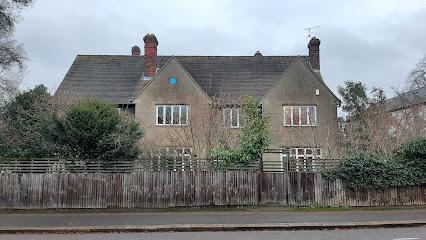
Blue Plaque: J.R.R. Tolkien
9.0 km
The Oxford home where Tolkien wrote The Hobbit and The Lord of the Rings, marked by a historic blue plaque.
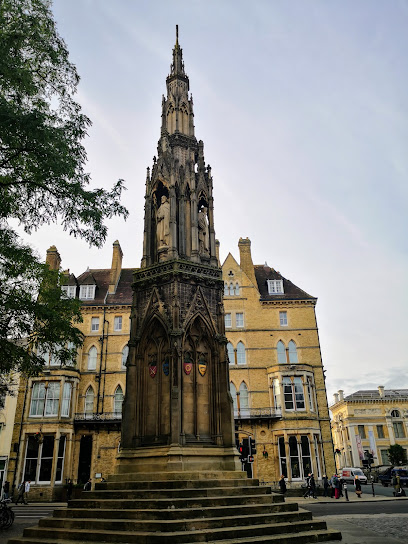
Martyrs' Memorial
10.4 km
A towering Gothic Revival monument in Oxford honoring three Reformation martyrs who stood firm in faith during religious upheaval.
IF Oxford: The Oxford Science and Ideas Festival
10.5 km
Discover cutting-edge science and creative ideas at Oxford’s vibrant annual festival blending research, arts, and community engagement.
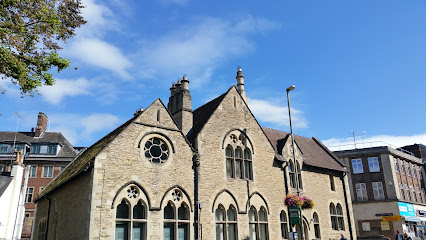
Oxford Ecclesia Walking Tours
10.6 km
Uncover the hidden gems of Oxford with Ecclesia Walking Tours, where history and culture converge in a captivating exploration of this iconic city.
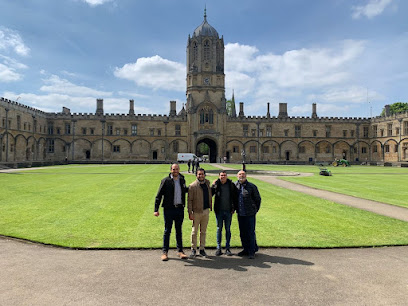
Oxford Magic Walking tours
10.6 km
Explore Oxford's hidden gems and rich history with expert-led Magic Walking Tours, revealing the city's enchanting past and vibrant present.
Visit Oxford Tours
10.6 km
Explore the captivating history and stunning architecture of Oxford with expert-guided tours for an unforgettable experience.
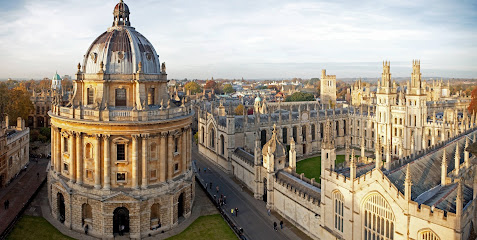
Oxford Tours UK
10.6 km
Discover Oxford’s rich history and literary heritage through personalized, expert-led walking tours in the city’s vibrant heart.
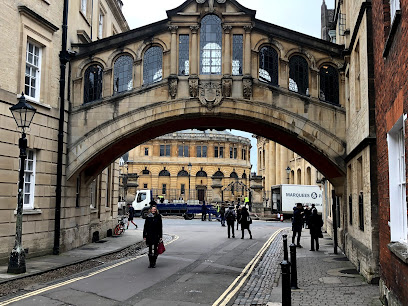
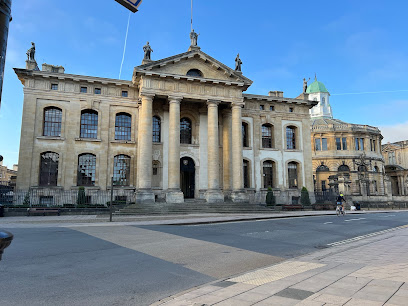
Clarendon Building
10.7 km
An iconic neoclassical landmark in Oxford’s academic heart, blending historic grandeur with university tradition on Broad Street.
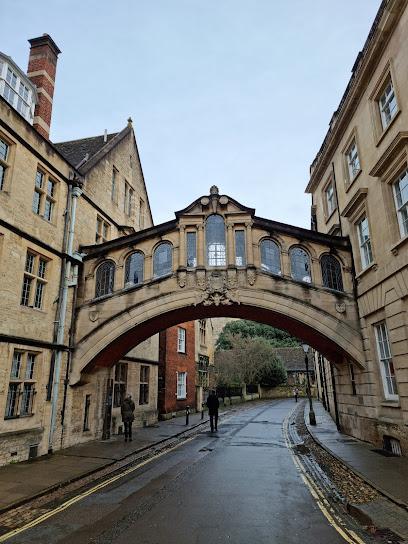
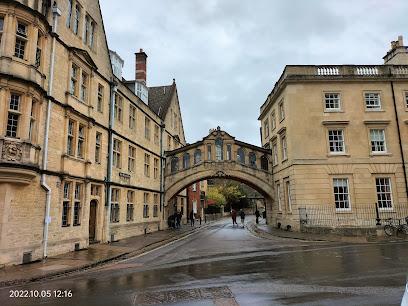
Bridge of Sighs
10.7 km
An iconic covered bridge connecting Hertford College’s quadrangles, blending Gothic charm with Oxford’s academic spirit.
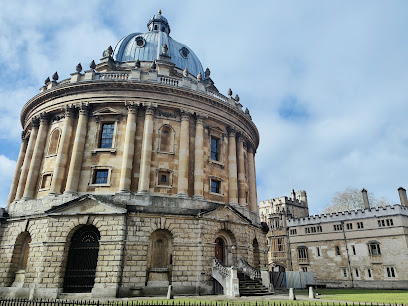
Bodleian Library
10.7 km
Discover the Bodleian Library, an iconic historical landmark in Oxford, home to millions of texts and a hub for cultural events and tours.
The Covered Market
10.7 km
Experience the vibrant atmosphere of The Covered Market in Oxford, home to local artisans, gourmet food, and unique shopping.
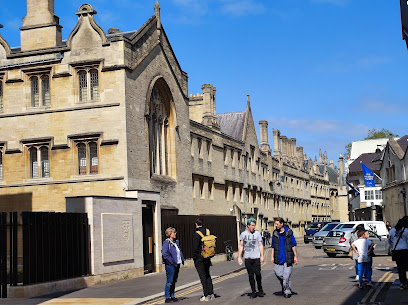
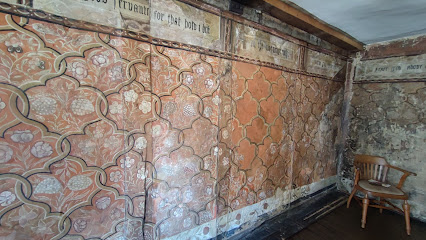
The painted room
10.7 km
Explore The Painted Room in Oxford, a historical museum showcasing exquisite frescoes and captivating artistry that reflects the city's rich cultural heritage.
New College Ln
10.7 km
Explore the enchanting New College Lane in Oxford, where history, architecture, and student life come together in a picturesque setting.
Carfax Tower
10.7 km
Historic 12th-century tower at Oxford’s crossroads with panoramic city views and a timeless symbol of civic heritage.

Oxford Experience (University Official Souvenirs)
10.8 km
Discover unique Oxford souvenirs and authentic memorabilia at the Oxford Experience, your ultimate shopping destination in this historic city.
Unmissable attractions to see

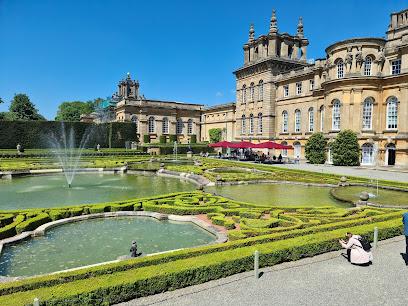
Blenheim Palace
1.5 km
Explore Blenheim Palace’s grand Baroque architecture, vast Capability Brown parkland, and immersive historic experiences in Oxfordshire’s UNESCO World Heritage gem.
The Oxfordshire Museum
2.0 km
Discover Oxfordshire’s rich heritage from dinosaurs to Victorians in the historic Fletcher’s House with engaging exhibits and tranquil gardens.
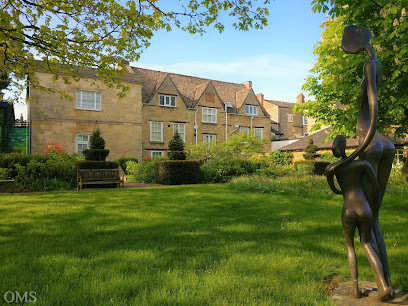
Blenheim Park
2.3 km
Explore Blenheim Park’s vast historic landscape, where heritage monuments and serene gardens meet the idyllic Oxfordshire countryside.
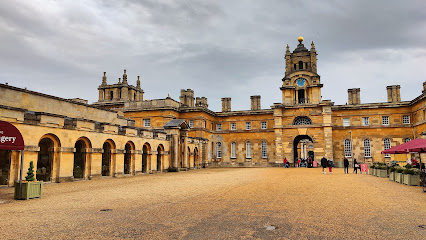
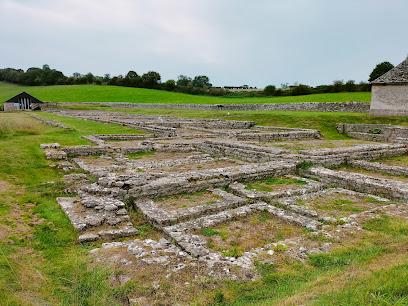
North Leigh Roman Villa
5.3 km
Explore one of Britain’s largest Roman villas nestled in a tranquil Oxfordshire valley, famed for its mosaics, baths, and ancient rural luxury.
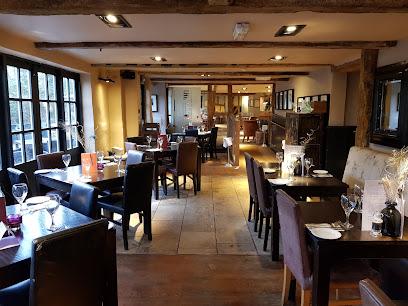
The Trout Inn
6.6 km
Historic riverside gastropub in Oxford offering seasonal British dishes, scenic terrace, and a charming garden with a roaming peacock.
Godstow Abbey
6.7 km
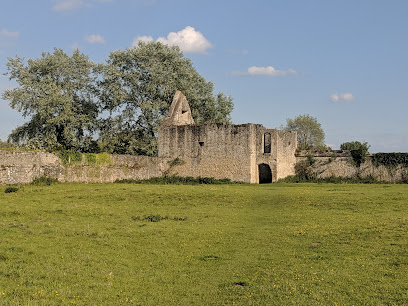
Explore the evocative ruins of Godstow Abbey, a serene medieval nunnery steeped in royal history and riverside beauty near Oxford.
Wolvercote Cemetery
6.7 km
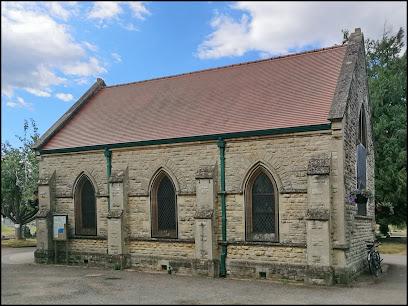
A tranquil historic cemetery in Oxford, famed for J.R.R. Tolkien’s grave and diverse cultural heritage.
Cutteslowe and Sunnymead Park
7.7 km
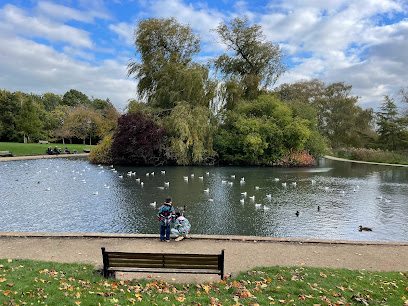
A sprawling green haven in Oxford with playgrounds, sports courts, a splash park, and a charming miniature railway for all ages.
Port Meadow
7.9 km
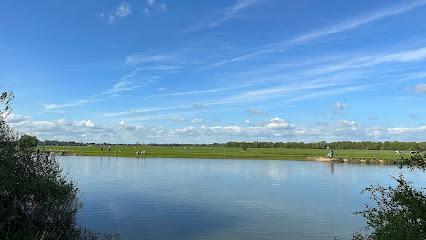
Historic riverside commonland near Oxford city centre, perfect for wildlife, walking, and open-air relaxation.
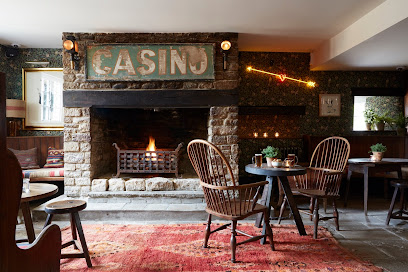
The Mason Arms
8.5 km
A charming 16th-century farmhouse boutique inn blending rustic English countryside with bohemian style and contemporary art near Oxford and the Cotswolds.
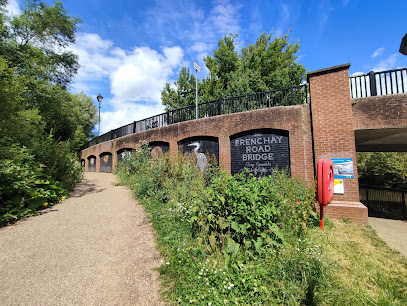
Trap Grounds
8.6 km
A tranquil urban nature reserve in Oxford, offering rich wildlife habitats and peaceful green space along the historic Oxford Canal.
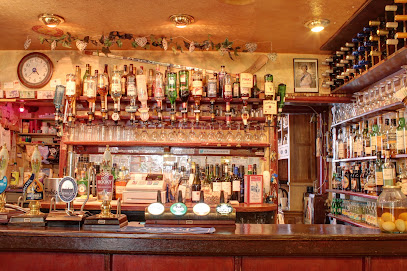
Rose & Crown PH
9.5 km
A charming Victorian pub in Oxford offering traditional ales, hearty fare, and a warm, welcoming atmosphere with live jazz.
North Parade Market
9.5 km
A vibrant, artisan street market in North Oxford offering local organic produce, crafts, and lively community spirit every second and fourth Saturday.
The Old Flight House
9.8 km
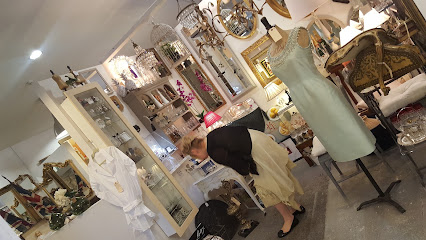
Explore a stylish emporium of antiques, vintage treasures, and a charming café in a spacious, light-filled setting near Bicester.
Lady Margaret Hall, University of Oxford
9.8 km
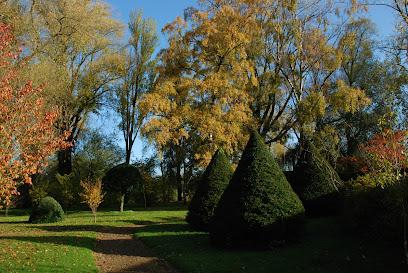
Historic Oxford college blending rich heritage, scenic riverside gardens, and a vibrant academic community.
Essential places to dine

Pompette
8.1 km
Experience authentic French flavors and warm hospitality in Oxford’s charming Summertown at Pompette, a refined brasserie with seasonal delights.
The Oxford Kitchen
8.3 km
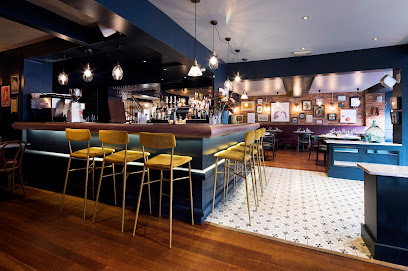
Michelin-starred British fine dining in Oxford’s Summertown, blending seasonal ingredients with elegant ambiance and impeccable service.
The Perch
8.4 km
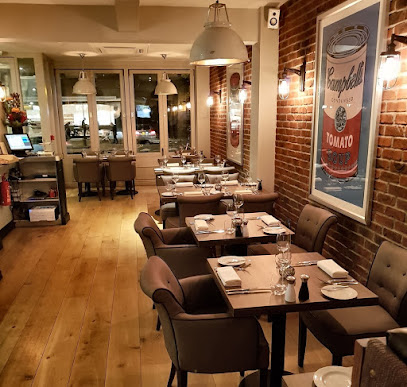
A charming thatched pub by Oxford’s Port Meadow, blending historic ambiance with hearty British fare and riverside tranquility.
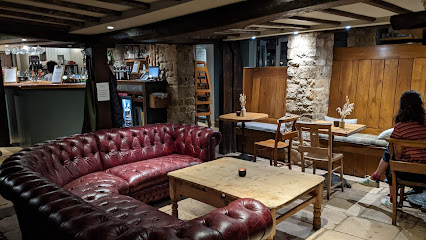
Cherwell Boathouse Restaurant
9.4 km
Historic riverside dining in Oxford offering modern British cuisine, award-winning wines, and scenic boat hire in a charming Victorian boathouse.
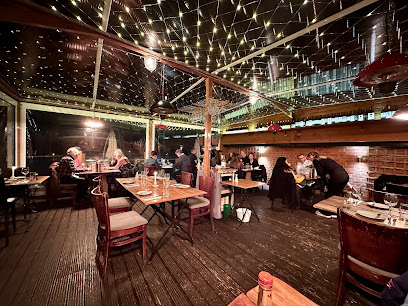
Restaurant 66A at Cotswold Lodge Hotel
9.5 km
Elegant British dining in a charming Victorian villa at Oxford’s Cotswold Lodge Hotel, blending classic and contemporary flavors.
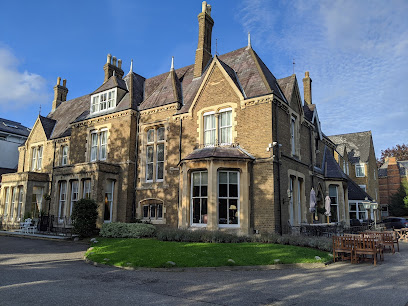
Gees Restaurant & Bar
9.5 km
A Mediterranean culinary retreat in a stunning Victorian glasshouse, blending seasonal dishes with elegant charm in Oxford’s Park Town.
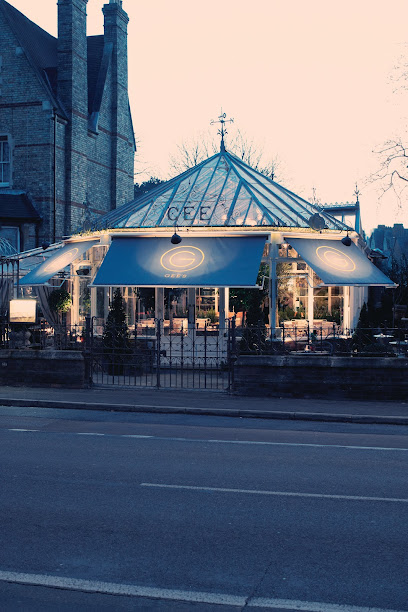
Brasserie Blanc
9.6 km
Classic French brasserie charm meets vibrant Oxford dining in Jericho’s warm and inviting Brasserie Blanc.
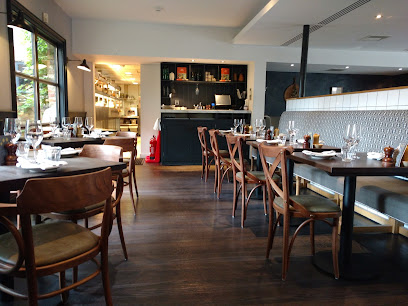
Branca Bar, Restaurant and Deli
9.6 km
A lively Mediterranean gastropub and deli in Oxford’s Jericho, serving authentic wood-fired pizzas and fresh seasonal dishes in a stylish, family-friendly setting.
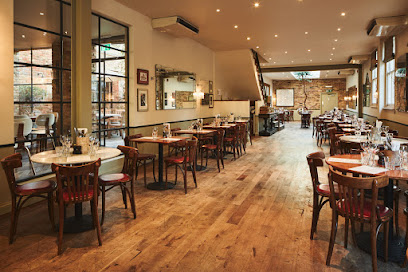
The Standard
9.7 km
Discover authentic Indian cuisine at The Standard in Oxford – a delightful blend of tradition and flavor awaits every visitor.
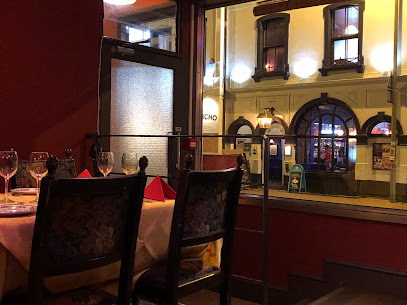
The Old Bookbinders Ale House
9.7 km
A charming Oxford pub blending traditional ales with authentic French bistro fare in Jericho’s quirky heart.
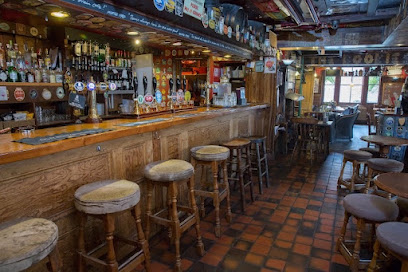
Parsonage Grill
10.0 km
Sophisticated British dining in Oxford with art-filled ambiance, impeccable service, and a charming garden terrace for all-day enjoyment.
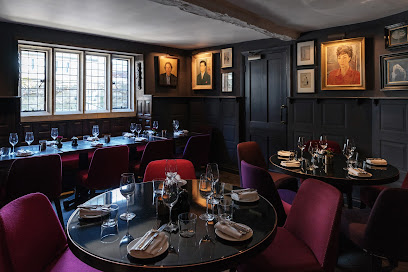
Browns Oxford
10.0 km
A stylish Oxford brasserie blending French bistro charm with classic British fare and a lively, welcoming atmosphere.
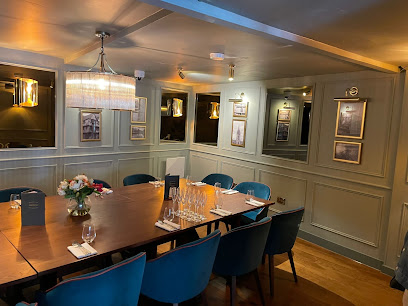
Wilding Oxford - Wine Dine Shop
10.0 km
A vibrant Oxford wine bar and restaurant blending inventive small plates with a unique, expertly curated wine selection.
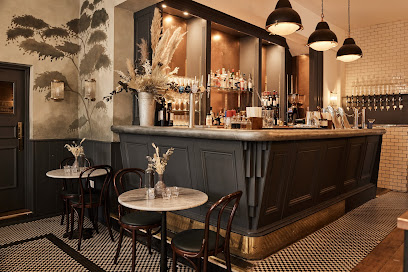
Pierre Victoire
10.0 km
Authentic French bistro in Oxford since 1996, offering classic cuisine, prix fixe menus, and a warm, intimate atmosphere with excellent value.
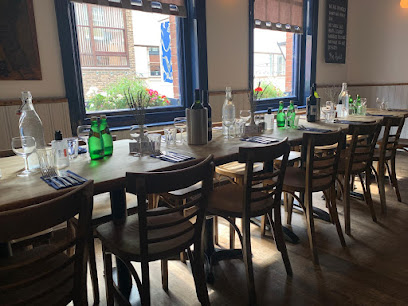
Lula's Ethiopian and Eritrean Cuisine
10.3 km
Experience authentic Ethiopian and Eritrean flavors in a warm, communal setting at Lula's in the heart of Oxford.
Markets, malls and hidden boutiques

Gatineau Artisan Patisserie & Bakery
8.3 km
Authentic French artisan patisserie in Oxford’s Summertown, crafting exquisite pastries, breads, and bespoke cakes with premium ingredients.
Rainbow and Spoon Boutique - Ladies Fashion in Oxford
10.3 km
Discover Oxford’s beloved independent boutique offering ethically sourced, unique women’s fashion with a personal touch and timeless style.
Flying Tiger Copenhagen
10.5 km
Discover quirky Danish design and colorful everyday essentials at Flying Tiger Copenhagen, Oxford’s lively variety store on Magdalen Street.
The Shop of Secrets
10.5 km
Discover magical collectibles and Harry Potter treasures in a warm, inviting Oxford shop with a personal touch.
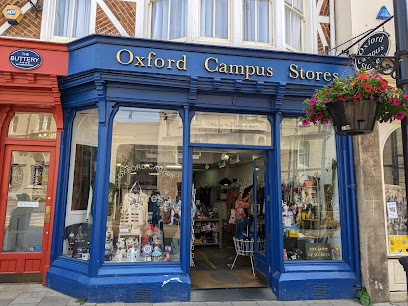
Oxford Gifts & Candyland
10.6 km
Explore unique gifts and delicious sweets at Oxford Gifts & Candyland, the heart of local craftsmanship in Oxford.
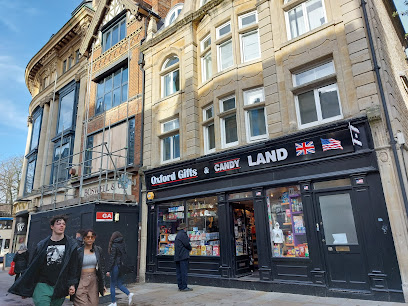
Watsons of Oxford
10.6 km
Discover unique gifts and local crafts in a charming Oxford shop offering authentic souvenirs and stylish finds in the city center.
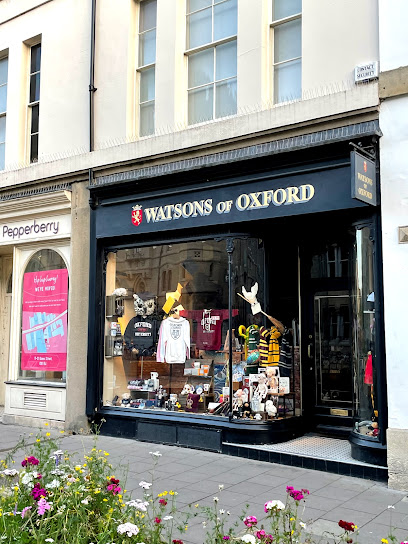
The Crafters Emporium
10.6 km
Discover unique handmade crafts and local artistry at The Crafters Emporium, Oxford’s charming gift shop on historic Cornmarket Street.
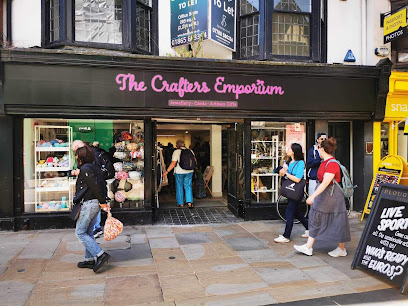
Broad Canvas
10.6 km
Oxford’s trusted art and craft supply store since 1981, offering expert advice and quality materials for artists and creatives.
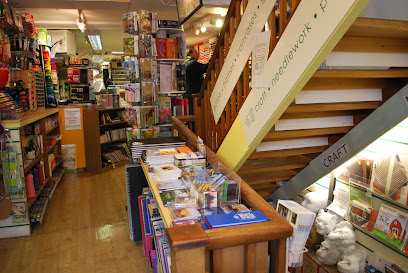
Cool Britannia
10.6 km
Discover authentic British souvenirs and unique gifts in the heart of Oxford at Cool Britannia, your go-to shop for memorable memorabilia and more.
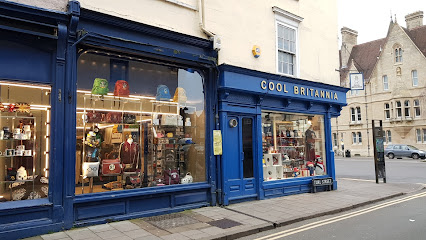
Bodleian Weston Library Shop
10.6 km
Explore exclusive literary gifts and scholarly treasures at the Bodleian Weston Library Shop in Oxford’s iconic Weston Library.
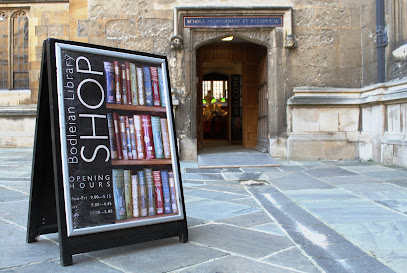
The Oxford Gift Shop
10.6 km
Discover unique Oxford souvenirs and local crafts in the heart of the city at The Oxford Gift Shop, open daily with a warm and welcoming atmosphere.
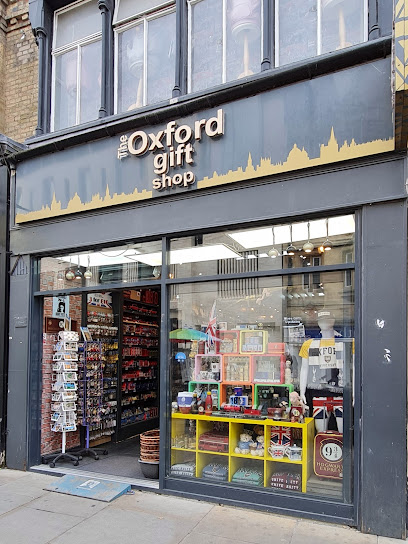
Objects of Use
10.7 km
Discover beautifully crafted, sustainable household tools and unique gifts at Objects of Use, Oxford’s modern hardware store with a global soul.
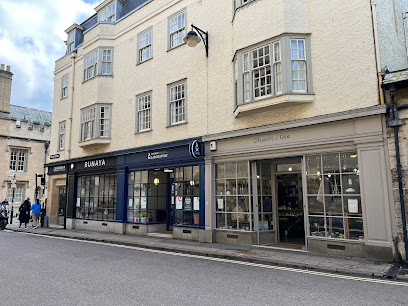
Bodleian Libraries Shop in Old School's Quad
10.7 km
Discover exclusive scholarly gifts and rare books in the historic heart of Oxford’s Bodleian Libraries.
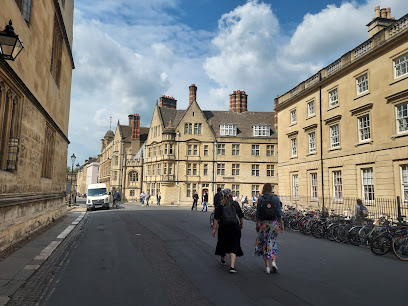
Crystal Spirit Emporium
10.7 km
Discover unique crystals, minerals, and artisanal gifts in Oxford’s historic Covered Market at Crystal Spirit Emporium.
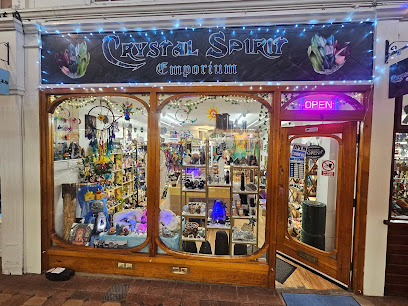
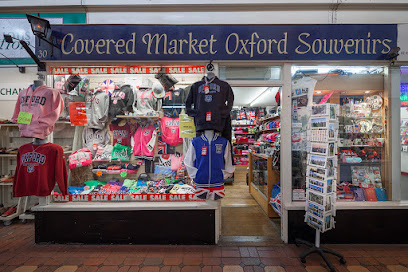
Oxford Souvenirs
10.7 km
Explore Oxford Souvenirs: Your destination for unique gifts and locally crafted treasures in the heart of Oxford's Covered Market.
Essential bars & hidden hideouts

The Rickety Press
9.6 km
A lively Jericho pub blending funky vibes, quality pizzas, inventive burgers, and a welcoming community spirit in the heart of Oxford.
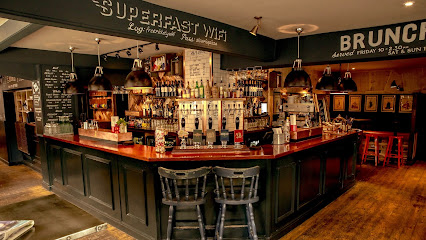
Jude The Obscure
9.7 km
A literary-inspired British pub in Oxford’s Jericho with award-winning food, lively sports viewing, and a dog-friendly heated beer garden.
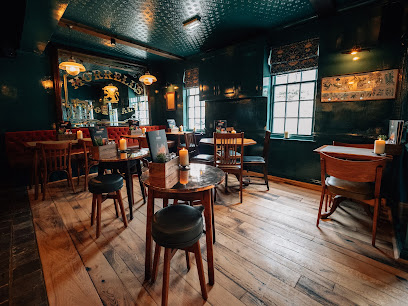
LJ - Love Jericho Cocktail Bar
10.0 km
Experience Oxford’s best cocktails and vibrant nightlife at LJ - Love Jericho, where expert mixology meets a lively, welcoming atmosphere.

The Duke Of Cambridge
10.0 km
A stylish Oxford cocktail bar blending traditional pub charm with expert mixology and a lively, welcoming atmosphere.
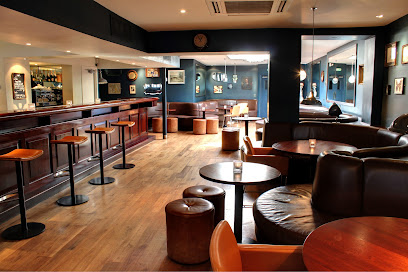
Thirst Bar
10.4 km
Lively cocktail bar and nightclub in Oxford with expert bartenders, heated outdoor terrace, and a vibrant late-night atmosphere.
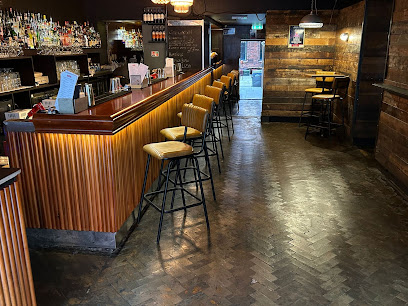
The Lighthouse
10.4 km
A stylish riverside cocktail bar and tapas restaurant blending classic charm with modern flair in the heart of Oxford.
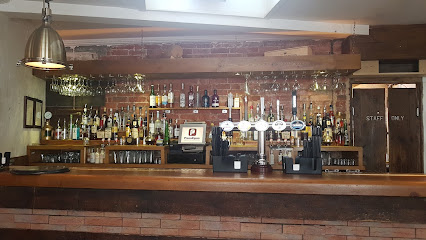
OXO BAR
10.4 km
A stylish and lively cocktail bar in Oxford’s heart, known for expertly crafted drinks and a vibrant social atmosphere.
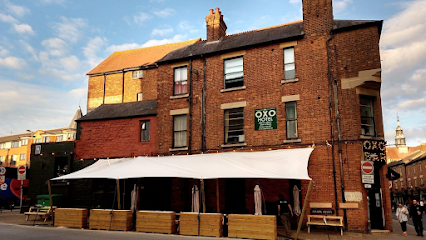
The Grapes
10.5 km
A classic Oxford pub renowned for award-winning ales, hearty food, and warm, friendly hospitality in a historic city-center setting.
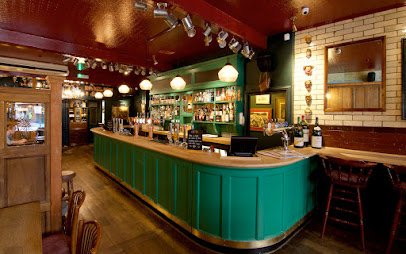
Slug & Lettuce - Oxford
10.6 km
Vibrant cocktail bar and restaurant set within historic Oxford Castle, offering stylish drinks, global cuisine, and lively brunches in a chic, welcoming atmosphere.
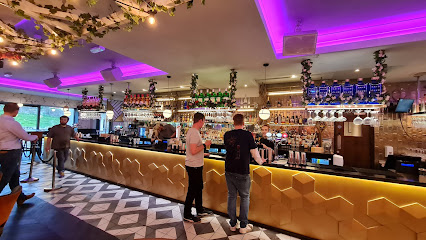
The Three Goats Heads Pub
10.6 km
A historic Oxford pub offering traditional ales, hearty food, and a relaxed, phone-free atmosphere in a charming Victorian setting.
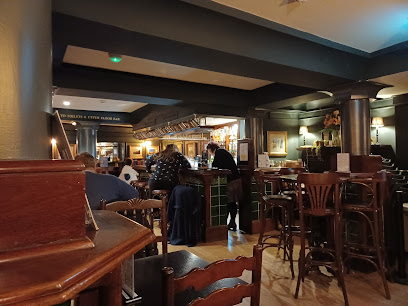
White Horse
10.6 km
A classic Oxford pub on Broad Street offering cozy charm, well-kept ales, and a taste of local history and culture.
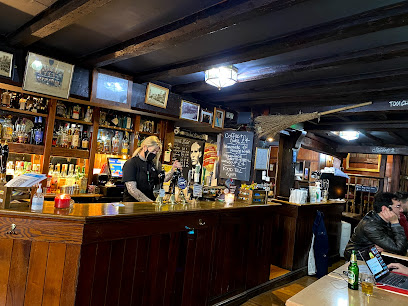
King's Arms, Oxford
10.6 km
Oxford’s oldest pub since 1607, famed for its literary heritage, academic ties, and ghostly whispers in a historic setting.
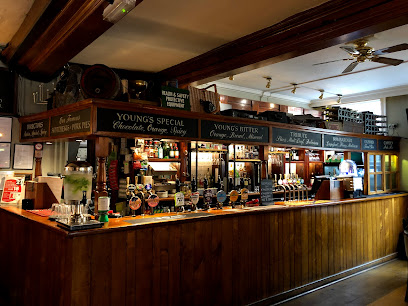
Cow & Creek
10.7 km
A vibrant Oxford pub blending funky neon vibes with hearty burgers, local brews, and a lively social scene for day and night enjoyment.
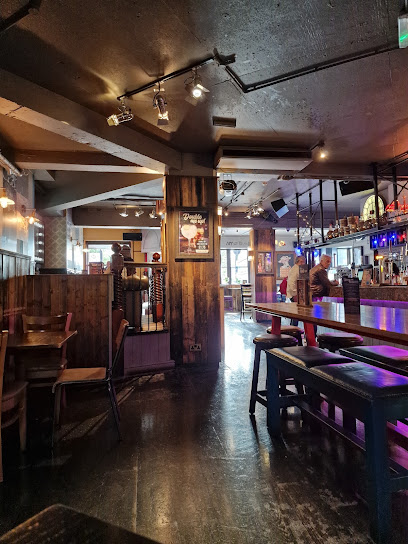
Hanks Bar
10.7 km
Experience Oxford’s vibrant nightlife at Hanks Bar, where classic American style meets energetic dance floors and expertly crafted cocktails.
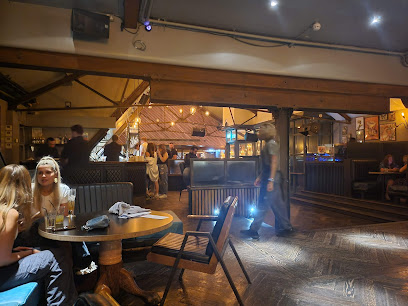
The Varsity Club
10.8 km
Experience Oxford’s best rooftop views and vibrant nightlife at The Varsity Club, a stylish multi-floor venue blending cocktails, music, and cityscape charm.
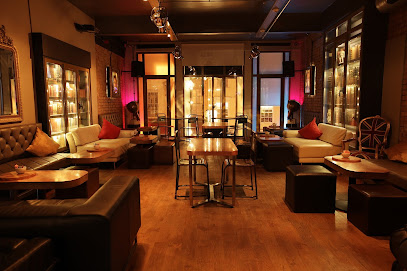
Nightclubs & after hour spots

The Bridge Nightclub
10.3 km
Oxford’s lively student-focused nightclub with diverse music, multiple dance floors, and a spacious pub garden for late-night socializing.
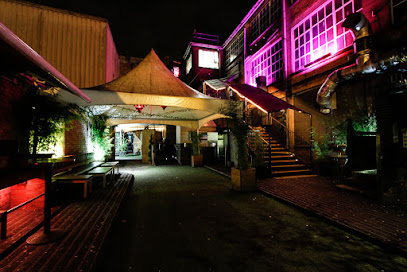
Oxford Leisure Ltd
10.4 km
Experience Oxford’s vibrant nightlife with dynamic music, themed events, and a lively dance floor at Oxford Leisure Ltd.

Kiss Bar
10.4 km
An intimate late-night club in Oxford known for its vibrant atmosphere and close-knit party scene until its recent closure.
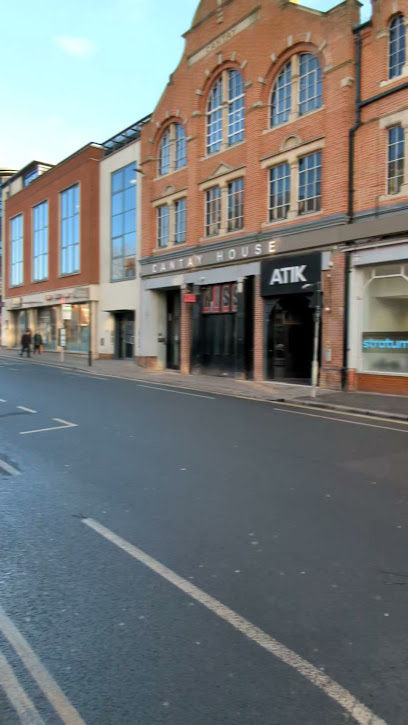
ATIK Oxford
10.4 km
Oxford’s largest nightclub with diverse music rooms, vibrant atmosphere, and strong security, offering a late-night hub for students and locals alike.
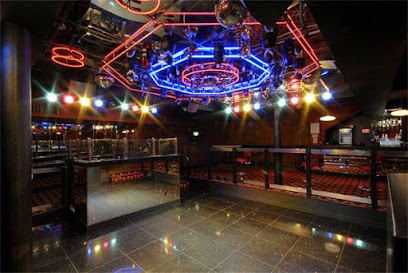
Fever Oxford
10.4 km
Experience Oxford’s vibrant nightlife at Fever, a multi-room nightclub blending live DJs, dynamic music, and a lively party atmosphere.

Plush Oxford
10.6 km
Experience Oxford’s vibrant, inclusive nightlife hotspot with great music, cocktails, and a welcoming atmosphere at Plush Oxford.
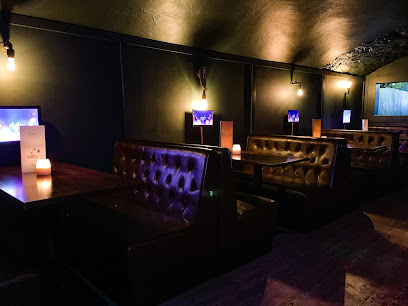
Mirage Aylesbury
36.9 km
Experience Aylesbury’s vibrant nightlife at Mirage, a lively nightclub offering music, dancing, and late-night fun in the heart of town.
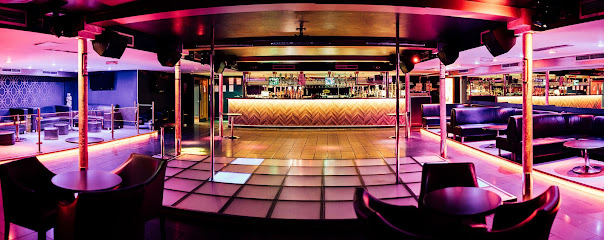
TWC
43.5 km
Experience the vibrant nightlife and energetic party scene at TWC, Aylesbury’s premier nightclub destination.
ReVA Nightclub
44.4 km
Cirencester’s largest nightclub offering electrifying music, stylish cocktails, and a vibrant atmosphere for unforgettable nights.
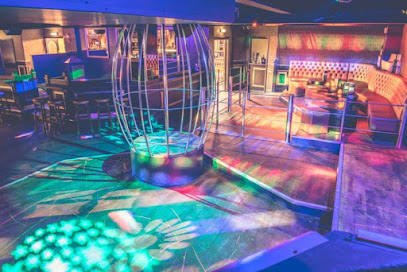
17 Black Restaurant, Cocktail and Wine Bar complete with Nightclub and Karaoke Room.
44.4 km
Indulge in exquisite seafood and handcrafted cocktails at 17 Black, where dining meets vibrant nightlife in Cirencester.
Garudaa
46.6 km
A spacious, welcoming gentlemen’s club in Milton Keynes offering VIP areas, game rooms, and late-night entertainment in a relaxed, darkly lit setting.
The Stratford Upon Avon Bridge Club
46.8 km
Explore the vibrant community of The Stratford Upon Avon Bridge Club, where bridge enthusiasts gather for games, camaraderie, and local culture in a picturesque setting.

The Venue, Bucks
46.8 km
Experience High Wycombe’s vibrant nightlife at The Venue, Bucks – a lively nightclub with great music, friendly staff, and a welcoming atmosphere.
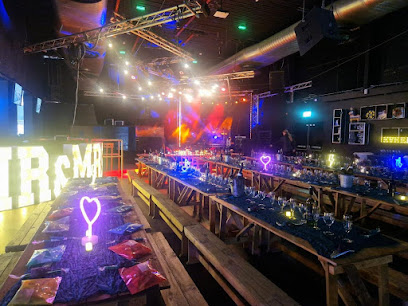
Trilogy Nightclub High Wycombe
46.9 km
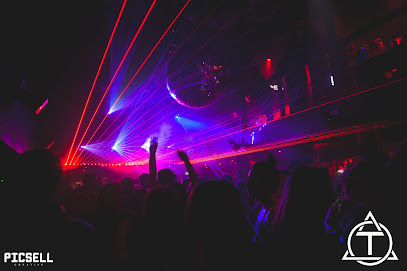
A lively multi-room nightclub in High Wycombe offering dynamic music, vibrant crowds, and late-night fun on Paul’s Row.
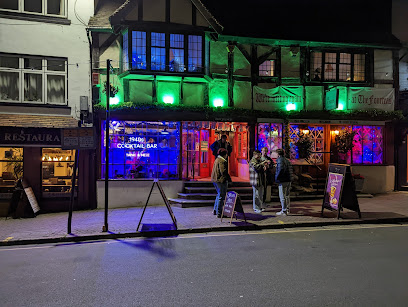
Officers Mess - 1940's Cocktail Bar
46.9 km
Discover the enchanting Officers Mess, a 1940's cocktail bar in Stratford-upon-Avon, offering a unique blend of vintage charm and modern mixology.
For the vibe & atmosphere seeker
- Romantic
- Tranquil
- Scenic
- Unique
For the design and aesthetic lover
- Historic
- Vintage Styles
For the architecture buff
- Historic
- Landmarks
- Sacred Sites
- Heritage Neighborhoods
For the view chaser and sunset hunter
- Iconic Views
For the social media creator & influencer
- Instagrammable
- Architectural Shots
- Photo Spots
For the eco-conscious traveler
- Protected Area
- Locally Managed
For the kind of experience you’re after
- Myth & Legends
- Cultural Heritage
- Spiritual / Energy Spot
- Day Trip
For how adventurous you want the journey to be
- Easy Access
Location Audience
- Family Friendly
- Senior Friendly
- Solo Friendly
- Couple Friendly
- Wheelchair Access


