Holme Cultram Travel Guide
Free Guide: Explore the medieval grandeur and resilient spirit of Holme Cultram Abbey, a historic Cistercian site and vibrant parish church in Cumbria.


A brief summary of Holme Cultram
Explore the medieval grandeur and resilient spirit of Holme Cultram Abbey, a historic Cistercian site and vibrant parish church in Cumbria.
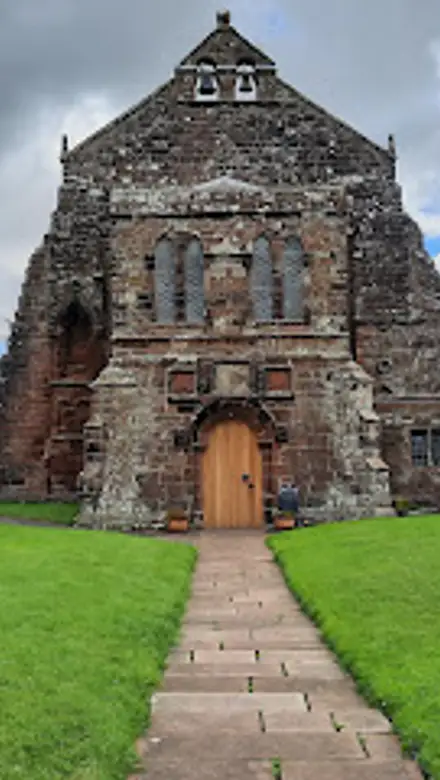
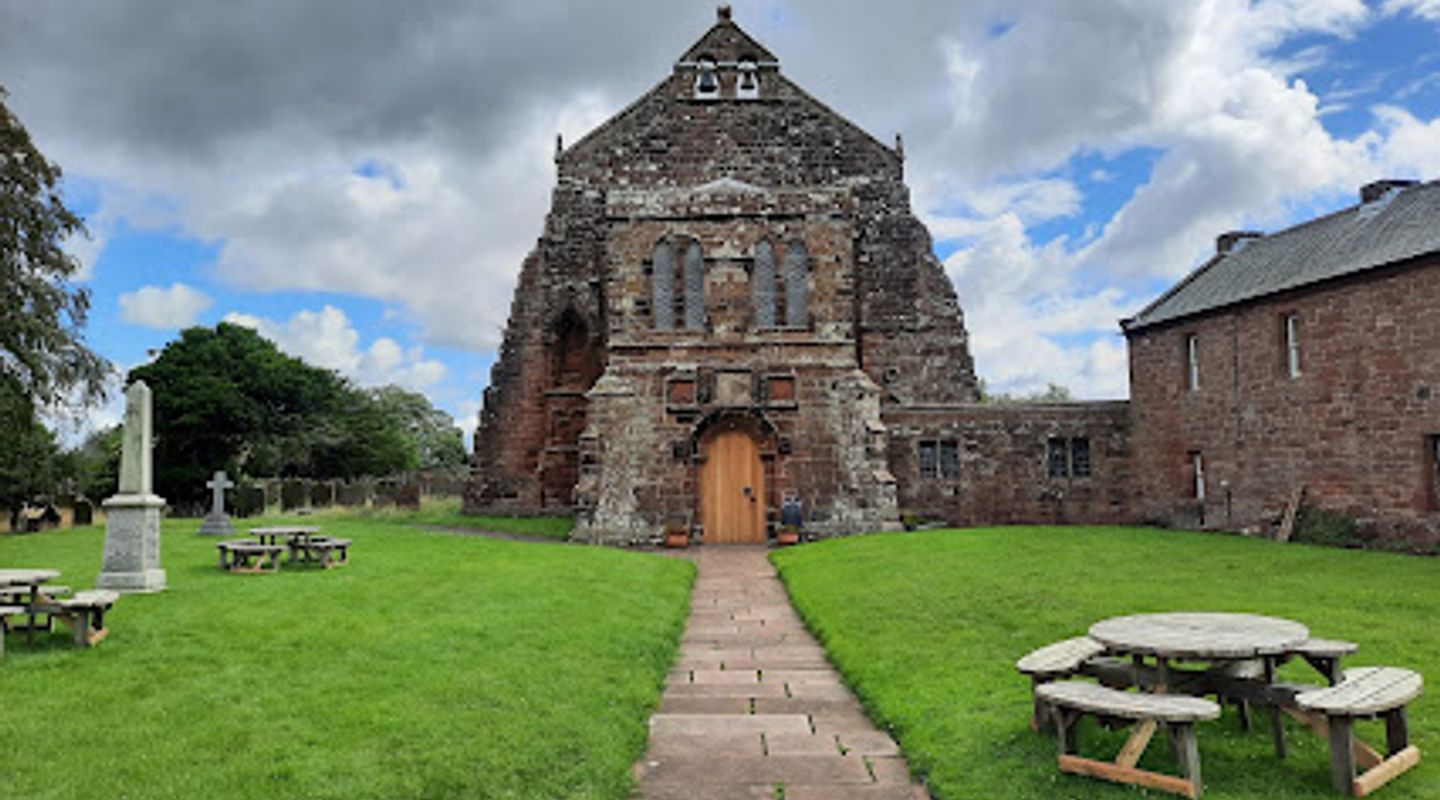
Holme Cultram Abbey, founded in 1150 by Cistercian monks from Melrose Abbey, stands as a remarkable medieval site in Abbeytown, Cumbria. Once a vast monastic complex and a major wool producer, it now serves as the parish church after surviving dissolution, war raids, and a devastating fire. Visitors can explore its restored nave, medieval sculptures, and an exhibition revealing its rich history and archaeological finds.
On-site amenities
 Restrooms
 Seating areas
 Information boards
Opening hours
- Every day9 am–5 pm
Opening hours as listed on the venue’s Google Business Profile. Hours can change for services and special events, so check with the venue before you go.
- Address
- 68 Friars Garth, Abbeytown, Wigton CA7 4SG
Getting there
Car
Train
Bus
Walking & Cycling
Discover more about Holme Cultram
Origins and Monastic Influence
Founded in 1150 by Cistercian monks from Melrose Abbey in Scotland, Holme Cultram Abbey quickly became one of the most important religious and economic centers in Cumbria. The monks were masterful land and water managers, transforming the Solway Plain through draining marshes, building sea dykes, and establishing farms. Their extensive activities included sheep grazing, wool production—the abbey was the largest wool producer in northwest England—salt production, fishing, iron smelting, and leather tanning. The abbey’s influence extended beyond spiritual matters to shaping the local landscape and economy.
Architectural Grandeur and Medieval Life
The original abbey was a massive structure, with the main building stretching 256 feet and a tower soaring 110 feet high, dominating the flat landscape. The stone used for construction likely came from quarries across the Solway Firth or nearby Cumbrian coasts, transported by land or sea in a significant engineering feat. Though much of the abbey fell into ruin after the Dissolution of the Monasteries in 1538, the nave was preserved as the parish church, becoming a vital community refuge during turbulent Anglo-Scottish conflicts. Medieval sculptures and grave slabs survive, offering a glimpse into the abbey’s rich artistic heritage.
Trials, Restoration, and Modern Use
The abbey endured multiple challenges: raids during the Border Wars severely damaged the site, and the tower collapsed in 1600. Fires in 1604 and again in 2006 caused further destruction, but extensive restoration efforts, including a £2 million project, have revived the church’s grandeur. Today, the restored nave serves as the parish church of Abbeytown, featuring a simple yet beautiful interior with a restored altar and a viewing platform that allows visitors to appreciate the structure from above. An on-site exhibition details the abbey’s history and archaeological discoveries.
Community and Cultural Significance
Holme Cultram Abbey has long been central to local life, not only as a religious institution but also as a community hub. The monks cared for the sick, aided travelers, and supported education. The abbey’s lands and lordship shaped the surrounding townships, with agriculture remaining the economic backbone through centuries. The abbey’s legacy is also marked by notable historical figures, such as the burial of Robert the Bruce’s father within its grounds, linking it to wider British history.
Visitor Experience and Facilities
Visitors today can explore the abbey’s captivating architecture, medieval memorials, and furnishings. The site offers free parking and disabled access, with visitor exhibitions providing context to the abbey’s past. The spiral staircase to the viewing gallery is a highlight, offering panoramic views of the interior. The abbey welcomes walkers, cyclists, and dog owners, making it an accessible and engaging destination for a broad range of visitors.
Preservation and Archaeological Importance
Beneath the surrounding fields lie the remains of the abbey’s precincts, with ongoing archaeological excavations uncovering fragments of its monastic past. These efforts contribute to understanding the abbey’s historical footprint and preserving its cultural heritage. The site is a protected landmark that continues to inspire interest in medieval monastic life and the history of Cumbria.
Evendo Review Centre
 Google
Guest reviews
Best time to go
Quietest: Jan, Feb & Dec · before 6am or at 9pm
Busy times are Evendo estimates for a typical year, to help you plan. Actual crowds vary with events, school holidays and the weather.
Explore Holme Cultram on the map
A handpicked selection of must-see spots near Holme Cultram, mapped for you.
Get your free copy of our complete guide to Holme Cultram, delivered straight to you.
Everything on this page, from opening hours and how to get there to Eve’s tips and the best time to go, in one PDF you can read offline, print or share.
Already have an account? Sign in
Your Holme Cultram guide is ready.
We'll send it to · Not you? Sign out

Getting your guide ready…
We are putting together a fresh copy of the Holme Cultram guide. This can take up to a minute.
This can take a few moments. If your browser asks, choose Allow so the download can start. You'll find the guide in your Downloads folder.
Nothing happened? Download it again
Sorry, the guide is taking longer than usual. Please try again in a minute, or get it by email instead.
Other nearby places you may find interesting
The closest places of the same kind, if this one is not quite what you had in mind.
-
-
-
-
-


Swipe for more places
More to explore near Holme Cultram

 Best experiences near Holme Cultram
 Best hotels near Holme Cultram
 Best landmarks near Holme Cultram
 Best attractions near Holme Cultram
 Best shops near Holme Cultram
 Best restaurants near Holme Cultram
 Best bars near Holme Cultram
Do you manage this location?
Take control to get all the benefits, like improved information, better appearance, and stronger visibility across AI-powered discovery.
Explore more

Explore more of Cumbria
Discover the natural beauty and rich heritage of Cumbria, from the stunning Lake District to historic landmarks and vibrant local culture.
Explore Cumbria
Explore more of United Kingdom
Discover the United Kingdom: A blend of rich history, stunning landscapes, and vibrant cities, offering a unique travel experience for every visitor.
Explore United Kingdom