Brow Well Travel Guide
Free Guide: Discover Brow Well, the iron-rich healing spring where Robert Burns sought relief, set in tranquil Dumfries countryside near the Solway Firth.


A brief summary of Brow Well
Discover Brow Well, the iron-rich healing spring where Robert Burns sought relief, set in tranquil Dumfries countryside near the Solway Firth.
Brow Well, located near Ruthwell in Dumfries, Scotland, is a historic spring famed for its iron-rich waters once believed to have healing properties. This tranquil site is closely linked to the poet Robert Burns, who visited in 1796 seeking relief from illness. Set beside the Brow Burn stream near the Solway Firth, the well is marked by informative plaques and surrounded by peaceful rural landscapes, offering a unique glimpse into Scotland’s cultural heritage.
On-site amenities
 Information boards
- Address
- Brow Burn
- Phone
- Website
Getting there
Car
Bus
Walking
Discover more about Brow Well
Origins and Historical Significance of Brow Well
Brow Well gained prominence in the 18th century as a natural spring reputed for its therapeutic qualities, particularly for ailments such as rheumatic fever. The water’s distinctive brown hue is due to a high concentration of iron salts, which contributed to its reputation as a healing source. The well attracted local residents and visitors alike who sought its restorative powers. Its most famous visitor was Scotland’s national poet, Robert Burns, who came here in July 1796 on medical advice to drink the waters and bathe in the nearby Solway Firth to alleviate his declining health.
Robert Burns’ Connection and Legacy
During his stay in the nearby hamlet of Ruthwell, Burns lodged at the now-demolished Brow Inn and penned several letters reflecting on his condition and hopes for recovery. Although the well did not ultimately save him, it remains a poignant symbol of his final months. The site commemorates his visit with plaques and interpretive signs that detail his story and the well’s historical context, making it a place of literary pilgrimage and cultural reflection.
Setting and Natural Environment
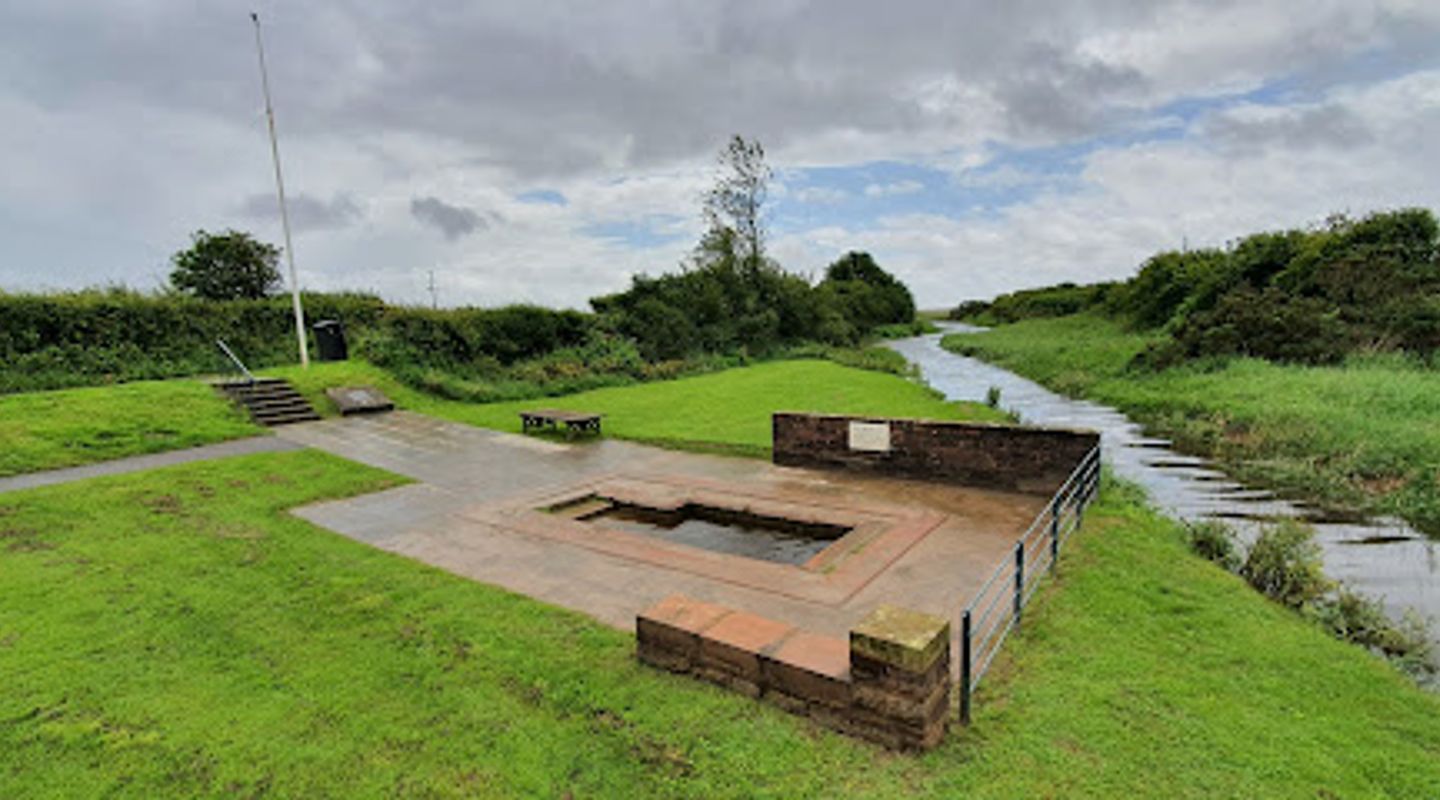
Brow Well is nestled beside the Brow Burn, a stream flowing into the Solway Firth, surrounded by pastoral farmland and natural wetlands. The area offers tranquil walks and opportunities to enjoy the scenic beauty of Dumfries and Galloway’s coastal landscape. Nearby nature reserves, such as the Caerlaverock National Nature Reserve, enhance the experience for visitors interested in wildlife and nature escapes. The well’s modest size and rural setting contribute to a peaceful atmosphere that contrasts with more frequented tourist sites.
Visitor Experience and Site Features
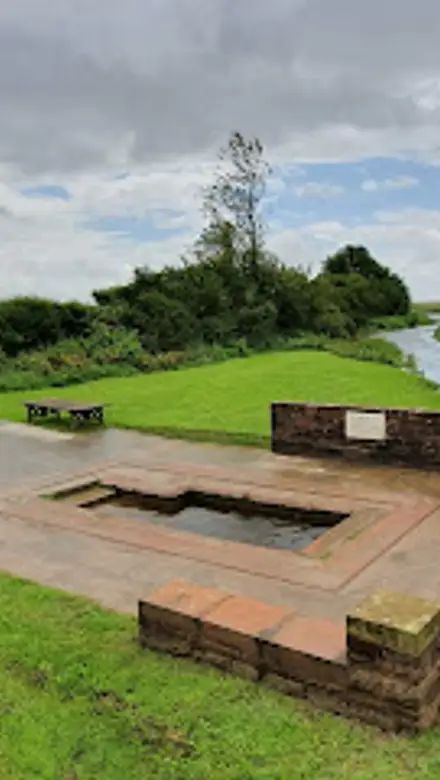
Visitors to Brow Well find a well-maintained site with clear signage explaining the historical and cultural importance of the spring. The iron-rich waters are visible in the well’s basin, and the surrounding area is accessible via a roadside layby, though parking is limited. The site is small and easily explored on foot, offering a quiet spot for contemplation and appreciation of Scotland’s heritage. Nearby amenities are limited, so visitors often combine a trip here with excursions to Ruthwell village or the Solway coast.
Preservation and Cultural Importance
Brow Well is valued not only for its historical association with Robert Burns but also as a preserved example of Scotland’s rural heritage and traditional healing practices. The site is cared for to maintain its condition and interpretive value, ensuring that future generations can connect with this unique aspect of Scottish history. Its presence enriches the Burns Heritage Trail and complements other cultural landmarks in the region.
Exploring the Surrounding Area
The wider Ruthwell area offers additional attractions such as the Ruthwell Cross, an early medieval stone cross with intricate carvings, and coastal nature walks. Accommodations and dining options in nearby Dumfries and Ruthwell provide comfortable bases for visitors. The combination of literary history, natural beauty, and rural charm makes Brow Well a meaningful stop for travelers exploring southern Scotland.
Evendo Review Centre
 Google
Guest reviews
Best time to go
Quietest: Jan, Feb & Dec · before 6am or at 10pm
Busy times are Evendo estimates for a typical year, to help you plan. Actual crowds vary with events, school holidays and the weather.
Explore Brow Well on the map
A handpicked selection of must-see spots near Brow Well, mapped for you.
Get your free copy of our complete guide to Brow Well, delivered straight to you.
Everything on this page, from opening hours and how to get there to Eve’s tips and the best time to go, in one PDF you can read offline, print or share.
Already have an account? Sign in
Your Brow Well guide is ready.
We'll send it to · Not you? Sign out

Getting your guide ready…
We are putting together a fresh copy of the Brow Well guide. This can take up to a minute.
This can take a few moments. If your browser asks, choose Allow so the download can start. You'll find the guide in your Downloads folder.
Nothing happened? Download it again
Sorry, the guide is taking longer than usual. Please try again in a minute, or get it by email instead.
Other nearby places you may find interesting
The closest places of the same kind, if this one is not quite what you had in mind.
-
-
-
-
-


Swipe for more places
More to explore near Brow Well

 Best experiences near Brow Well
 Best hotels near Brow Well
 Best landmarks near Brow Well
 Best attractions near Brow Well
 Best shops near Brow Well
 Best restaurants near Brow Well
 Best bars near Brow Well
Do you manage this location?
Take control to get all the benefits, like improved information, better appearance, and stronger visibility across AI-powered discovery.
Explore more

Explore more of Lanarkshire
Discover Lanarkshire: Where Scotland's rich history, stunning landscapes, and vibrant local culture come together for an unforgettable travel experience.
Explore Lanarkshire
Explore more of United Kingdom
Discover the United Kingdom: A blend of rich history, stunning landscapes, and vibrant cities, offering a unique travel experience for every visitor.
Explore United Kingdom