
Hardwick Hall: Elizabethan Masterpiece and Historic Estate
Explore Hardwick Hall, an Elizabethan architectural marvel with stunning glass façades, rich tapestries, and a storied past atop Derbyshire’s scenic hills.
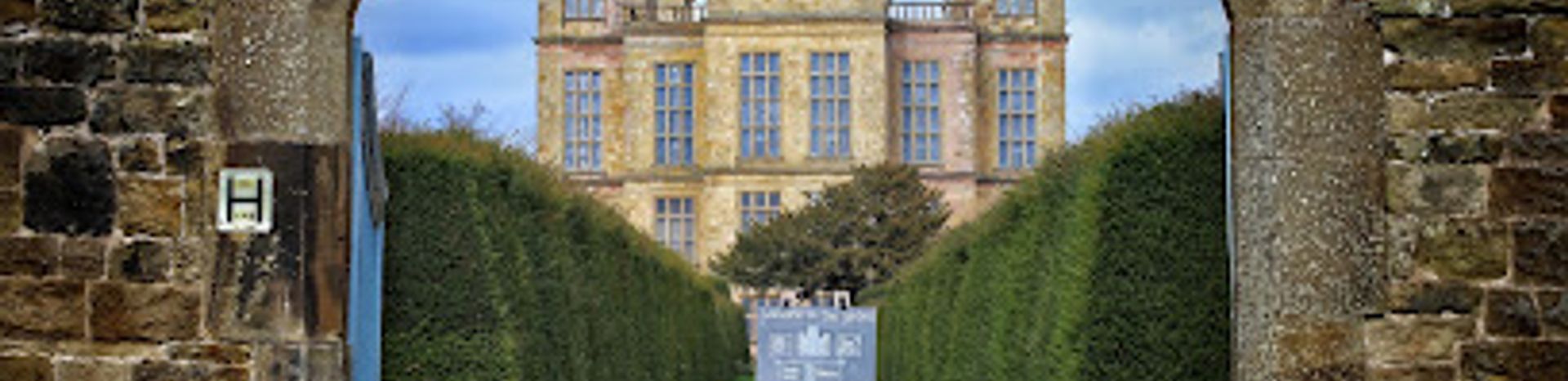
Hardwick Hall, an iconic Elizabethan country house in Derbyshire, England, was built between 1590 and 1597 for Bess of Hardwick. Designed by Robert Smythson, it is famed for its expansive glass windows and richly preserved interiors featuring 16th-century tapestries and furnishings. Set atop a hill with sweeping views, the estate includes the ruins of Hardwick Old Hall and extensive gardens, offering visitors a vivid glimpse into Tudor aristocratic life and architecture.
A brief summary to National Trust - Hardwick Hall
- Hardwick Old Hall, Hardwick Gardens, Chesterfield, Doe Lea, S44 5QJ, GB
- +441246850430
- Visit website
- Duration: 1.5 to 3 hours
- Mid ranged
-
 Outdoor
- Mobile reception: 4 out of 5
- Monday 9 am-6 pm
- Tuesday 9 am-6 pm
- Wednesday 9 am-6 pm
- Thursday 9 am-6 pm
- Friday 9 am-6 pm
- Saturday 9 am-6 pm
- Sunday 9 am-6 pm
Local tips
- Wear comfortable shoes as the hall has multiple floors and some areas may be challenging for those with mobility issues.
- Visit the adjacent Hardwick Old Hall ruins for a contrasting glimpse of the estate’s earlier history.
- Allow ample time to explore the extensive gardens and enjoy panoramic views of the Derbyshire countryside.
- Check the National Trust website for seasonal events and guided tours to enrich your visit.
- The on-site café offers refreshments, but consider bringing snacks if you prefer more variety or budget options.

For the on-the-go comforts that matter to you
- Restrooms
- Drink Options
- Food Options
- Seating Areas
- Information Boards
- Visitor Center
- Trash Bins
Getting There
-
Car
Driving from Chesterfield to Hardwick Hall takes approximately 20 to 30 minutes via the A6175. Limited parking is available on-site free of charge, but spaces can fill during peak times.
-
Bus
The Pronto bus service connects Chesterfield town center to the vicinity of Hardwick Hall in about 40 to 50 minutes. Service frequency is moderate, and check schedules in advance as weekend services may be limited.
-
Train and Taxi
The nearest train station is Chesterfield. From there, a taxi ride of roughly 15 minutes will bring you directly to Hardwick Hall. Taxi fares typically range from £15 to £25.
-
Walking
For active visitors, walking from Doe Lea village to Hardwick Hall is possible within 30 to 40 minutes over gently rolling terrain. Paths are mostly unpaved and may be muddy in wet weather.
National Trust - Hardwick Hall location weather suitability
-
 Any Weather
-
 Rain / Wet Weather
-
 Clear Skies
-
 Mild Temperatures
Discover more about National Trust - Hardwick Hall
A Testament to Elizabethan Ambition and Architecture
Hardwick Hall stands as a quintessential example of the Elizabethan prodigy house, constructed between 1590 and 1597 by the renowned architect Robert Smythson. Commissioned by Elizabeth Talbot, Countess of Shrewsbury—better known as Bess of Hardwick—the hall symbolizes the wealth and social ascent of one of England’s most formidable women. Its design boldly embraces Renaissance influences, notable for its vast, multi-paned windows which earned it the local nickname “more glass than wall.” This architectural feature was a deliberate display of opulence at a time when glass was a luxury, with chimneys ingeniously built into internal walls to maximize window space.Preserved Interiors Rich with History and Art
Inside, Hardwick Hall retains an extraordinary collection of original Elizabethan furnishings, tapestries, and artworks. The house’s three main storeys rise with increasingly lofty ceilings, culminating in one of England’s longest long galleries, which historically served as a space for exercise, entertainment, and display of wealth. The extensive tapestry collection, some commissioned by Bess herself, showcases exquisite craftsmanship and offers insight into the cultural tastes of the period. The interiors have been carefully preserved to reflect the atmosphere of the early 17th century, allowing visitors to experience the hall much as it was when inhabited by the Cavendish family, descendants of Bess.The Estate’s Layered Historical Landscape
The Hardwick estate encompasses more than the grand hall. Adjacent lies Hardwick Old Hall, the birthplace of Bess, now a romantic ruin managed by English Heritage. This earlier manor was relegated to a service and guest house after the new hall was built. The grounds feature decorative gardens, an orchard, and herb and vegetable plots, as well as rare breeds of sheep and cattle, reflecting the estate’s agricultural heritage. The hilltop setting provides panoramic views over the Derbyshire countryside, enhancing the sense of place and historical continuity.From Aristocratic Residence to National Trust Treasure
Hardwick Hall remained in the hands of Bess’s descendants, the Dukes of Devonshire, for nearly 450 years. While Chatsworth House became the family’s principal seat, Hardwick was used as a hunting retreat and dower house, which contributed to its remarkable preservation with minimal modern alterations. In the mid-20th century, facing estate duties, the 11th Duke of Devonshire transferred the property to the National Trust in 1959. Since then, the Trust has maintained the hall and opened it to the public, ensuring its survival as a vital link to England’s Elizabethan past.Visitor Experience and Cultural Significance
Visitors to Hardwick Hall can immerse themselves in the grandeur of Elizabethan aristocracy through guided tours that highlight the hall’s architectural innovations and the fascinating life of Bess of Hardwick. The estate’s combination of historic interiors, expansive grounds, and the evocative ruins of the Old Hall offers a multifaceted experience. Educational programs and exhibitions deepen understanding of the social, cultural, and political contexts of the era. The hall’s role in military history during World War II, when the British Army’s 1st Parachute Brigade was formed on the grounds, adds another layer to its rich narrative.Enduring Legacy of Bess of Hardwick
Bess of Hardwick’s legacy as a builder, businesswoman, and collector is palpably felt throughout the estate. Her vision and ambition shaped not only Hardwick Hall but also other significant English country houses. The hall stands as a monument to her life and times, reflecting the rise of a woman who defied convention to become one of the wealthiest and most influential figures of her day. Today, Hardwick Hall invites visitors to step back into the Elizabethan era and appreciate the artistry, power, and history embodied in its walls.Iconic landmarks you can’t miss

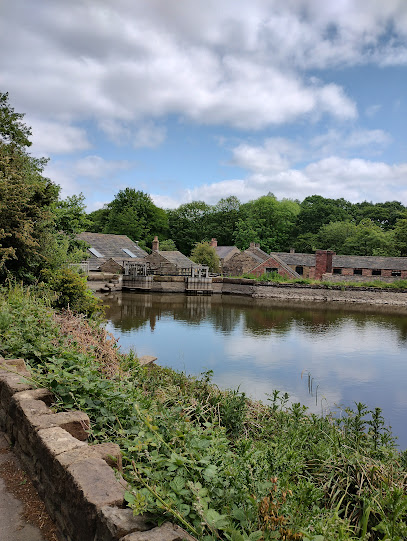
Abbeydale Industrial Hamlet
22.8 km
Explore the rich industrial heritage of Sheffield at Abbeydale Industrial Hamlet, where history comes to life in a beautifully preserved setting.
Haddon Hall
23.0 km
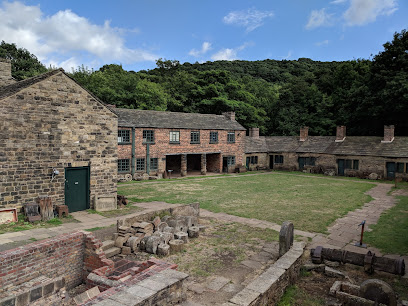
Explore the enchanting Haddon Hall, a historical gem in the Peak District with stunning architecture, beautiful gardens, and delightful dining experiences.
Baslow Edge
23.0 km
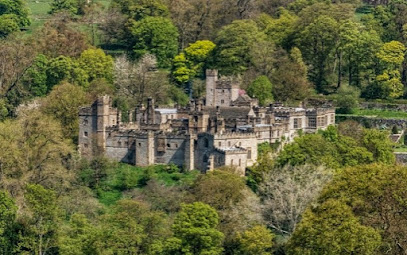
Experience stunning panoramas and serene walks at Baslow Edge in Peak District National Park, the perfect escape for nature lovers and photographers.
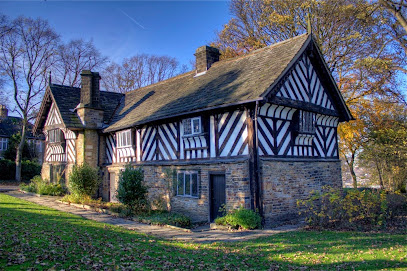
Bishops' House
23.0 km
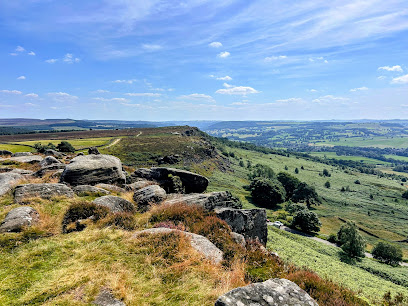
Explore Bishops' House in Sheffield: a historical gem blending rich heritage, stunning architecture, and vibrant community events.
Ecclesall Woods
23.4 km
Ecclesall Woods: A lush escape in Sheffield, perfect for outdoor adventures, serene walks, and connecting with nature amidst stunning landscapes.
Things to do in Nottinghamshire
23.4 km
Explore the enchanting Nottinghamshire, where history, nature, and adventure await every traveler.
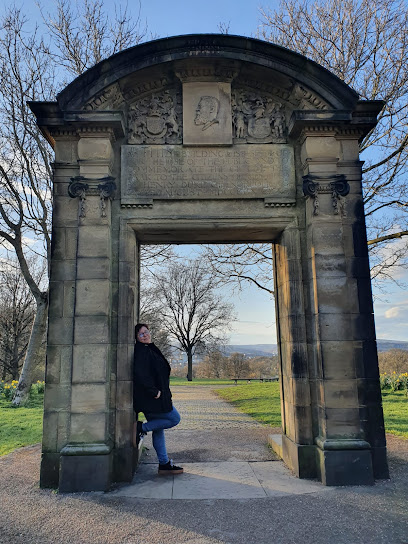
Norfolk Heritage Park
24.1 km
Discover the beauty of Norfolk Heritage Park, a serene urban oasis in Sheffield featuring lush gardens, scenic views, and endless recreational opportunities.
Sheffield Manor Lodge
24.4 km
Experience the historical charm and scenic beauty of Sheffield Manor Lodge, a premier events venue and heritage site in Sheffield.
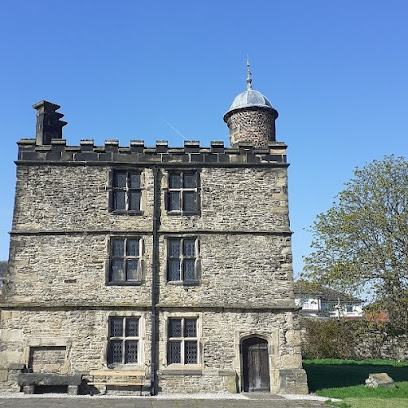
Chelsea Park
24.7 km
Discover Chelsea Park in Sheffield: a peaceful retreat with stunning gardens, perfect for leisurely strolls and picnics in a tranquil environment.
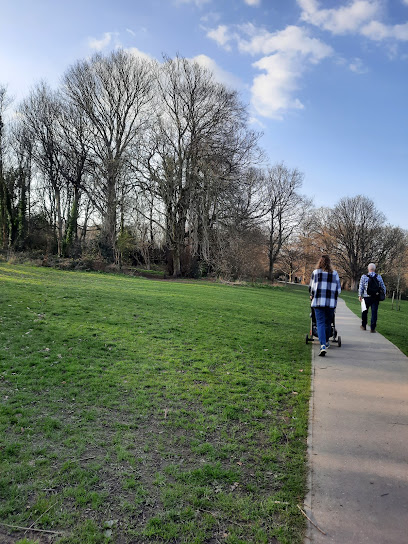
Wollaton Village Dovecote Museum
24.7 km
Discover history at Wollaton Village Dovecote Museum, where the architectural beauty of cultural heritage meets the charm of Nottinghamshire's rural past.
Skye Edge AveSheffield
24.8 km
Discover the stunning vistas of Skye Edge in Sheffield, a serene tourist attraction perfect for nature lovers and urban explorers alike.
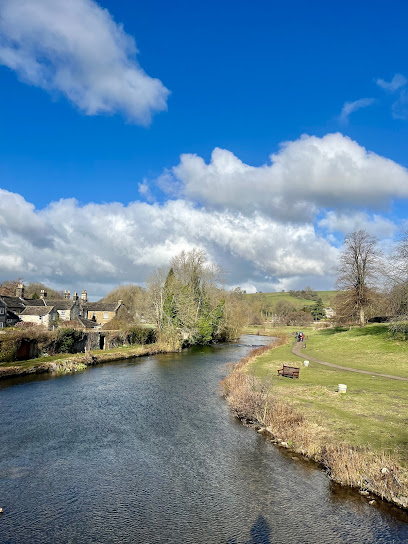
Bakewell Bridge
24.8 km
A stunning 14th-century stone bridge over the River Wye, Bakewell Bridge is a historic and scenic landmark at the heart of Derbyshire’s Peak District.
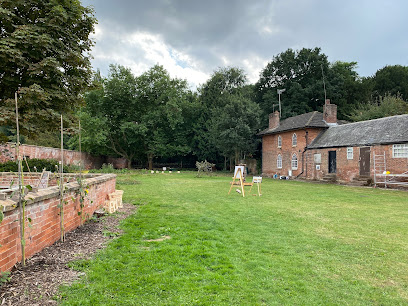
Walled Garden, Wollaton Park
24.8 km
Explore the enchanting Walled Garden at Wollaton Park, a serene community garden showcasing stunning flora and rich history in Nottingham.
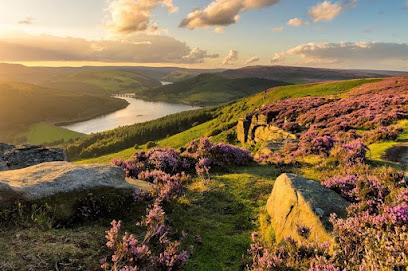
Peak District National Park Authority
24.9 km
Explore the breathtaking landscapes and rich heritage of Peak District National Park, a haven for outdoor enthusiasts and nature lovers.
The Hemlock Stone
25.1 km
Towering sandstone sentinel amid Nottinghamshire woods, blending ancient geology, whispered legends, and sweeping valley views for an effortless nature immersion.
Unmissable attractions to see

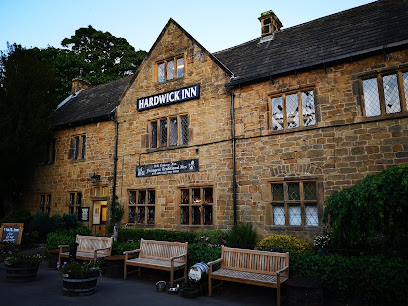
The Hardwick Inn
0.6 km
Historic 16th-century gastropub nestled in scenic Hardwick Park, offering hearty British fare and a welcoming countryside atmosphere.
Rowthorne Lodge
1.3 km
Historic gatehouse retreat nestled on the edge of Hardwick Estate, perfect for a romantic and tranquil escape in Derbyshire’s countryside.

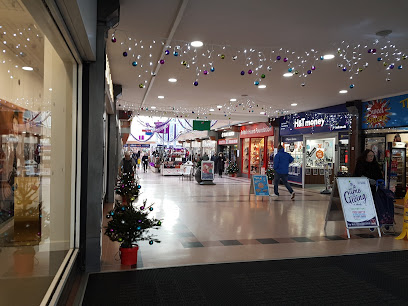
Idlewells Shopping Centre
5.7 km
A vibrant indoor shopping and market centre in Sutton-in-Ashfield with over 45 retailers and a lively traditional market under a stunning glass roof.
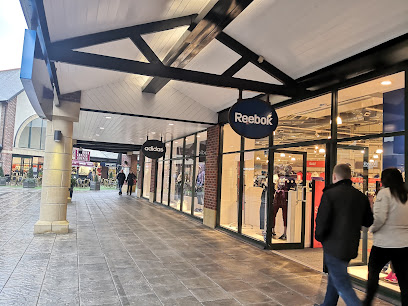
Designer Outlet East Midlands
6.9 km
Shop top designer brands with up to 60% off, enjoy diverse dining, and experience a welcoming, accessible retail hub in the heart of the Midlands.
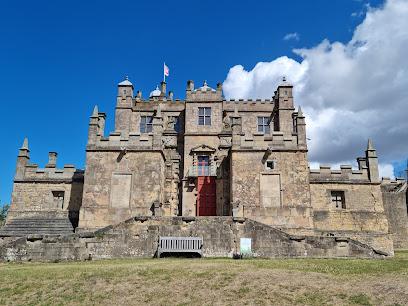
Bolsover Castle
7.0 km
Explore Bolsover Castle’s lavish 17th-century party palace, scenic gardens, and rich history set atop Derbyshire’s rolling hills.
Derbyshire Antiques and Interiors
10.7 km
Discover timeless antiques and elegant interiors in a charming rural setting near Matlock, where history and craftsmanship meet.
Market Pl
10.9 km
A vibrant community shopping center in North Chesterfield offering diverse retail, dining, and entertainment along a bustling corridor.
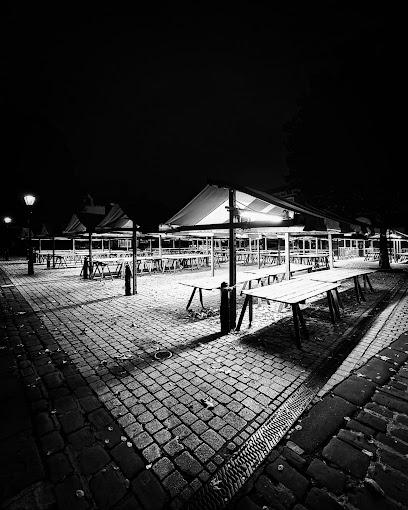
Tapton Lock
11.9 km
Your friendly gateway to the Chesterfield Canal – perfect for walks, boat trips, and a relaxing coffee by the water.
Wingfield Manor
12.6 km
Explore the evocative ruins of Wingfield Manor, a medieval fortress and royal prison steeped in history and intrigue.
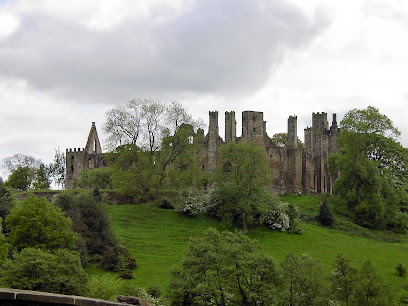
Newstead Abbey
12.7 km
Medieval priory and Lord Byron's ancestral home set within 300 acres of romantic gardens and lakeside grounds.
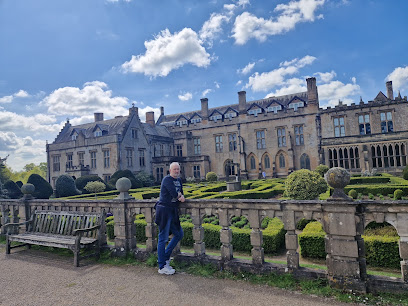
Barrow Hill Roundhouse Railway Centre
12.7 km
Explore the UK's last operational railway roundhouse with historic locomotives, live turntable demos, and vibrant heritage events every weekend.
Creswell Crags
13.0 km
Explore Britain's only Ice Age cave art and ancient refuge nestled in a stunning limestone gorge with rich archaeology and natural beauty.
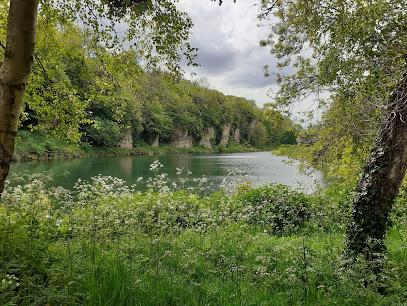
Highfield House Farm Shop
13.4 km
Family-run farm shop and tea rooms offering fresh local produce, hearty meals, and a warm atmosphere near the Peak District.
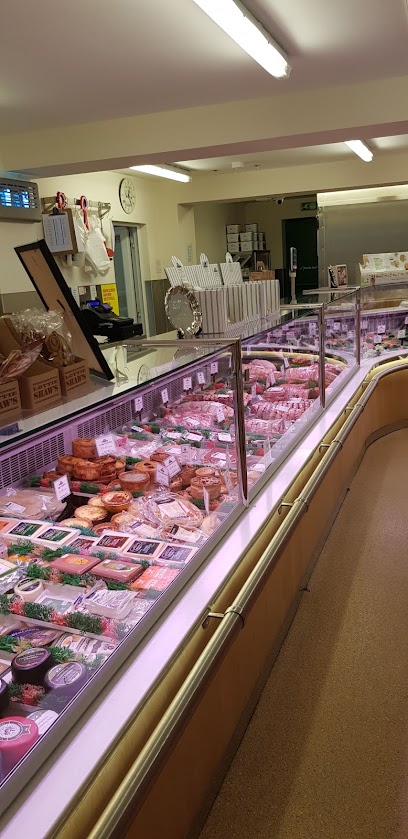
Revolution House
13.7 km
Step inside the 17th-century cottage where a secret meeting sparked the Glorious Revolution and reshaped British monarchy forever.
Holmebrook Valley Country Park
14.0 km
A vast, regenerated country park blending nature, recreation, and scenic views just west of Chesterfield.
Essential places to dine

The Hilcote Country Club
5.9 km
A cozy British country club offering fresh cuisine, charming events spaces, and a warm, rustic atmosphere near Alfreton.
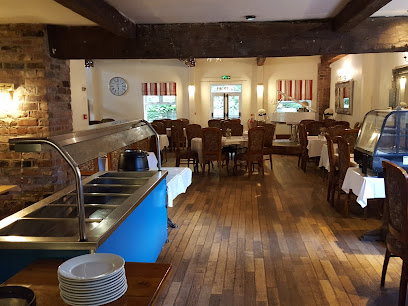
The Schoolhouse Restaurant Bar And Garden
7.0 km
A welcoming modern British restaurant in South Normanton, known for hearty meals, local produce, and a friendly garden setting.
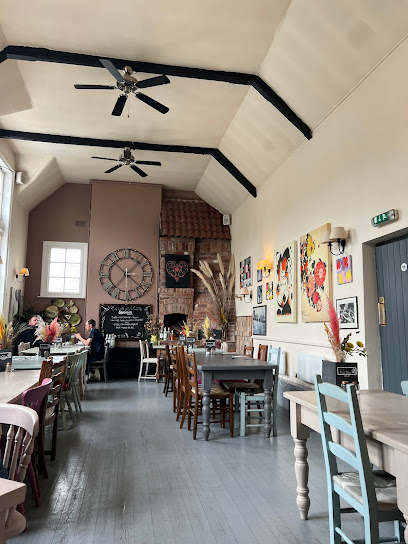
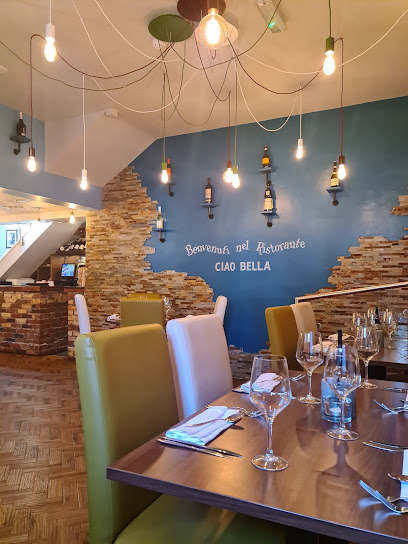
Ciao Bella
8.2 km
Experience authentic Italian flavors and vibrant dining in Mansfield’s charming Ciao Bella, where tradition meets modern comfort.
Refined
9.4 km
Experience fine dining excellence crafted by aspiring chefs at Mansfield’s top culinary training restaurant, Refined.
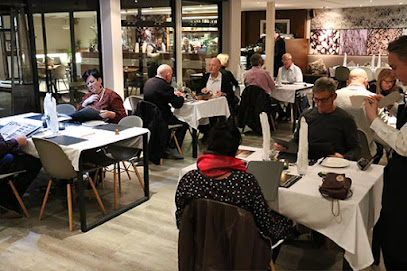
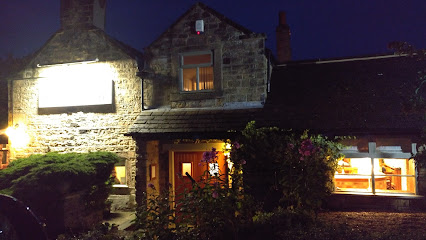
The White Horse
9.8 km
A charming country inn and restaurant on the edge of the Peak District, offering modern British cuisine and cozy accommodations in a tranquil setting.
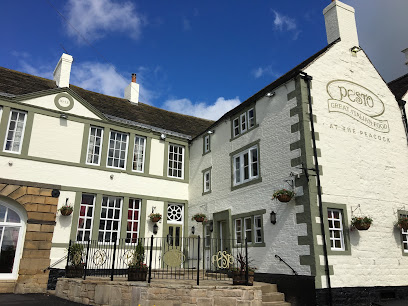
Pesto At The Peacock
10.8 km
Savor authentic Italian flavors in a relaxed, friendly setting at Pesto At The Peacock, Alfreton’s go-to for quality casual dining.
The Peacock At Barlow
16.0 km
Discover The Peacock At Barlow - A scenic pub offering delicious breakfasts and stunning views over Low Peak District.
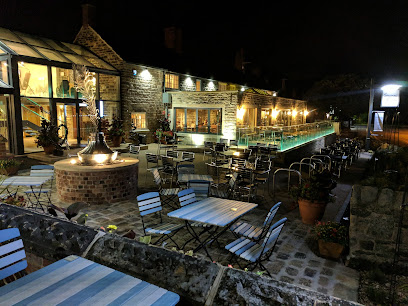
The Family Tree
16.1 km
A cozy family-run restaurant and B&B offering homemade food and charming rooms on the edge of the Peak District in Derbyshire.
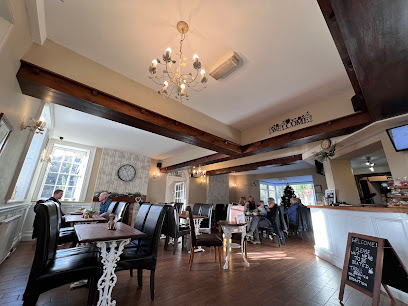
Stones
16.9 km
Elegant modern British dining with Mediterranean flair beside Matlock’s scenic River Derwent, perfect for relaxed yet refined meals.
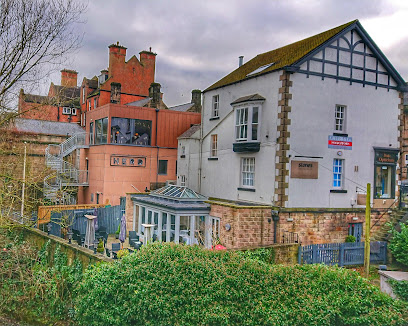
The Tickled Trout
17.1 km
A charming British gastro pub in Barlow offering exquisite trout dishes, warm hospitality, and a perfect blend of rustic and modern dining.
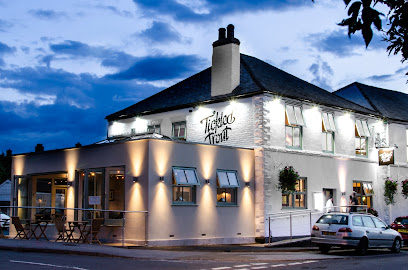
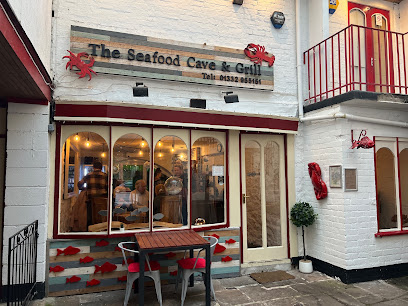
The Seafood Cave & Grill
17.5 km
Discover premium Scottish seafood in a cozy cave-like setting, where warm hospitality and exquisite flavors meet in Matlock Bath.
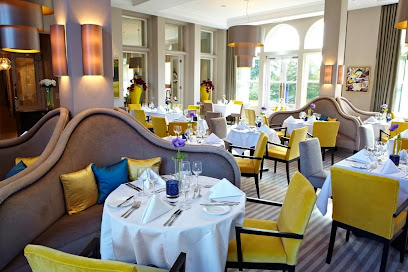
The Orangery Restaurant
18.2 km
Refined British dining in a historic setting within Audley St Elphin’s Park, blending heritage charm with tranquil gardens near the Peak District.
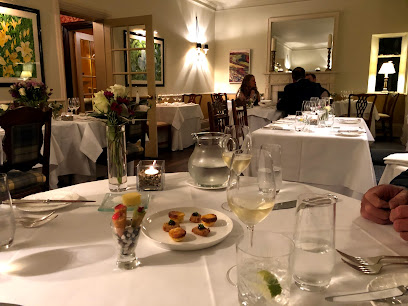
The Old Vicarage
18.6 km
Elegant fine dining in a historic Victorian vicarage on Sheffield’s peaceful outskirts, offering refined British cuisine with local flair.
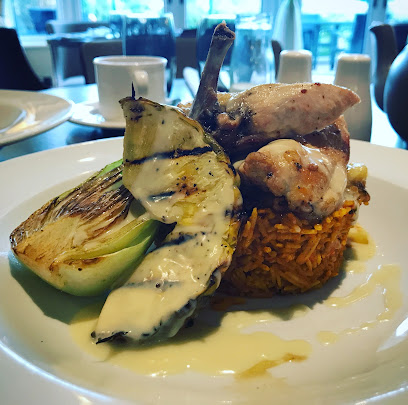
The Peacock at Rowsley
20.8 km
Historic riverside inn offering refined rooms, acclaimed dining, and exclusive fishing on Derbyshire’s scenic Haddon Estate.
The Restaurant at Horsley
21.2 km
Elegant dining with scenic golf course views, serving British classics and steaks in a tranquil Derbyshire setting.
Markets, malls and hidden boutiques

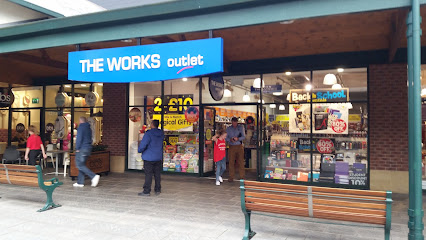
The Works
6.9 km
Affordable books, crafts, toys, and stationery await at The Works in East Midlands Designer Outlet, South Normanton.
Something Different chesterfield
8.0 km
Explore Chesterfield's creative gem, Something Different, for unique crafts and handmade treasures that reflect local artistry and charm.
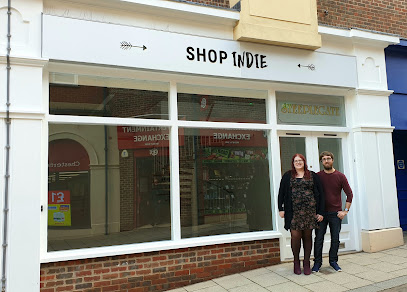
Shop Indie
10.7 km
Quirky independent gifts from over 250 makers across the UK, curated with care in Chesterfield.
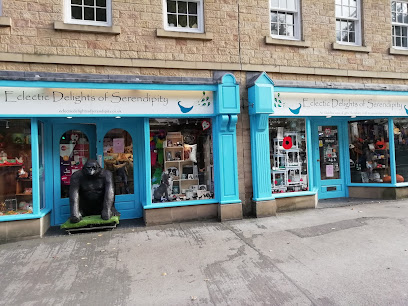
Eclectic Delights of Serendipity
10.9 km
Discover Chesterfield’s quirky gift shop offering unique homewares, artisan crafts, and friendly service in a vibrant High Street setting.
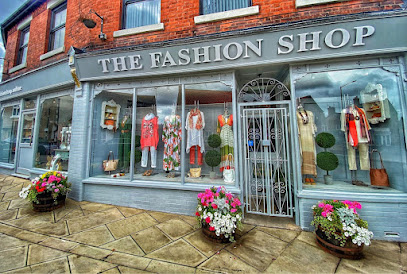
The Fashion Shop @Market Warsop
11.0 km
Discover timeless style and personalized service at The Fashion Shop @Market Warsop, your destination for quality ladies' fashion at affordable prices.
Ferreterium.co.uk
12.4 km
Explore Ferreterium.co.uk in Jacksdale for unique gifts and local treasures that capture the essence of Nottingham's charm.
The Lost Cauldron
16.4 km
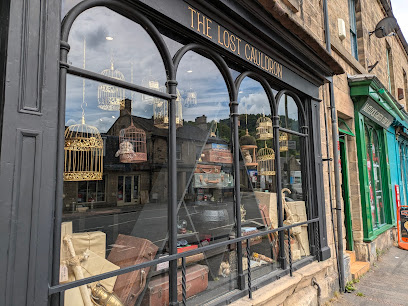
Where an antique cauldron sparked a magical dream, now a beloved destination for enchanted treasures.
Bella Figura
16.5 km
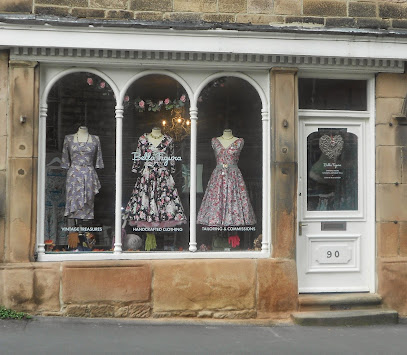
Matlock’s bespoke bridal and vintage boutique offering personalized wedding dresses and expert alterations with a vintage charm.
The Original Factory Shop (Matlock)
16.6 km
Affordable shopping with big-brand discounts in the heart of Matlock, offering fashion, beauty, and homeware under one roof.
Ashgate Hospice Matlock Shop
16.6 km
Discover bargains with heart at Ashgate Hospice Matlock Shop, supporting vital palliative care across North Derbyshire.
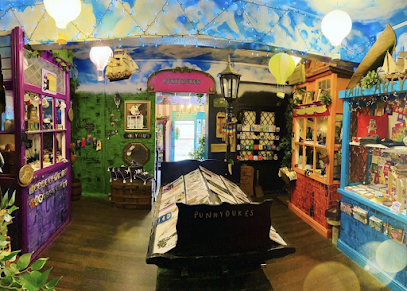
Punnydukes
16.9 km
Whimsical gift shop brimming with unique treasures across multiple enchanting floors.
Millie Edith Emporium
17.2 km
Discover unique costumes and clothing with vintage charm at Millie Edith Emporium, Eastwood’s beloved boutique on Nottingham Road.
The Old Apothecary Shop
17.6 km
Step into Victorian charm and natural wellness at The Old Apothecary Shop, Matlock Bath’s historic haven for handmade beauty and nostalgic gifts.
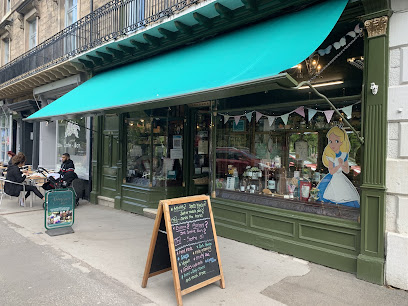
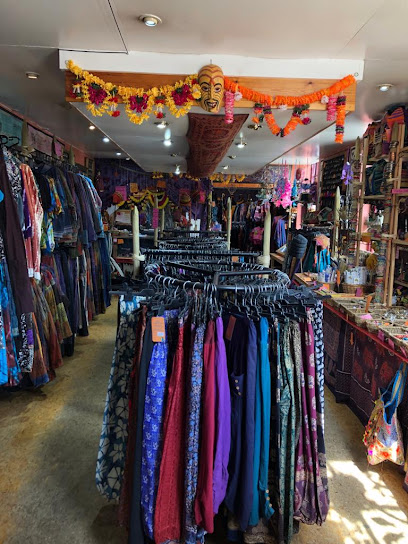
Equatorial Shop
17.8 km
Discover vibrant fair trade fashion and crafts at Equatorial Shop, Matlock’s hub for ethical, colorful, and culturally rich shopping.
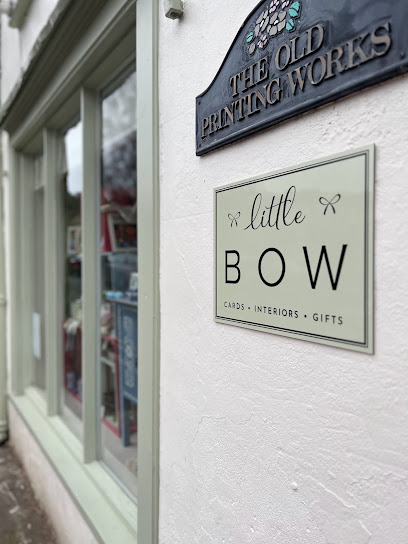
Little Bow
18.1 km
Discover unique fashion accessories and gifts in the charming village setting of Little Bow Boutique, Cromford’s stylish hidden gem.
Essential bars & hidden hideouts

Duke Of Sussex
6.1 km
A warm, affordable pub in Sutton-in-Ashfield offering hearty home-cooked meals, local ales, and lively entertainment in a dog-friendly setting.
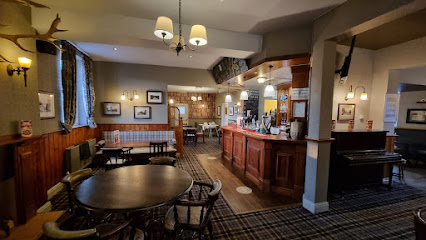
The Old Black Swan Public House
14.7 km
A welcoming traditional pub in Crich serving hearty British fare and well-kept ales in a cozy, community-focused setting.
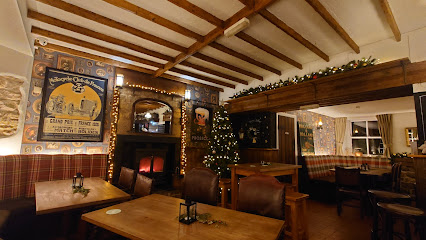
Cliff Inn
14.8 km
Cozy traditional pub in Crich serving hearty Derbyshire classics with stunning countryside views and a warm, welcoming atmosphere.
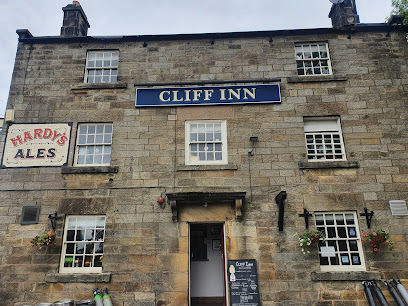
The Jug And Glass
15.0 km
Historic 18th-century pub and inn in Lea, Matlock offering traditional British fare, real ales, cozy rooms, and a gateway to the Peak District.
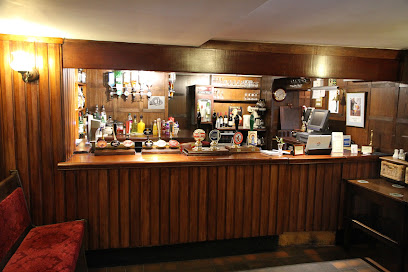
The Newsroom
16.4 km
A cozy micro pub in Matlock offering an excellent selection of local craft beers and a welcoming atmosphere for all beer lovers.
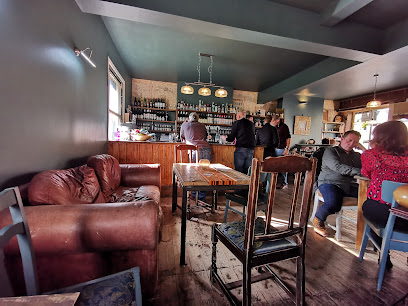
The Thorn Tree Inn
16.5 km
A traditional Matlock pub offering hearty homemade food, excellent ales, and stunning views over the Derbyshire Dales and Riber Castle.
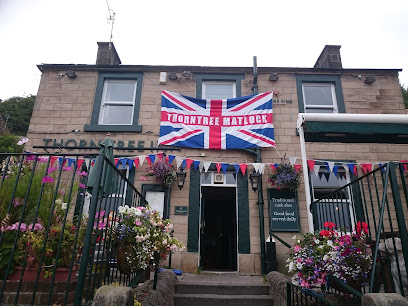
Monk Bar
16.8 km
Monk Bar Matlock: Stylish cocktails, vibrant nights, and a welcoming atmosphere in the heart of Derbyshire.
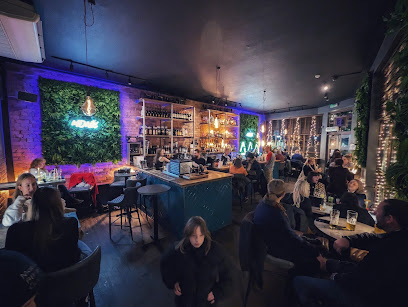
Twenty Ten
16.9 km
A rustic and lively bar in Matlock, offering great drinks, live music, and a welcoming atmosphere for all.
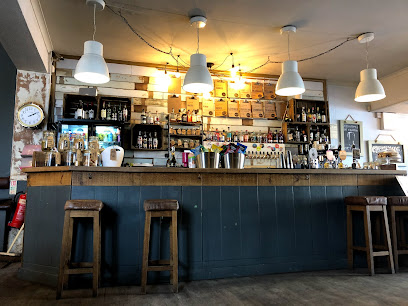
The Tipsy Toad
16.9 km
A vibrant cocktail bar in Matlock with funky vibes, great drinks, and friendly staff, open late for memorable nights out.
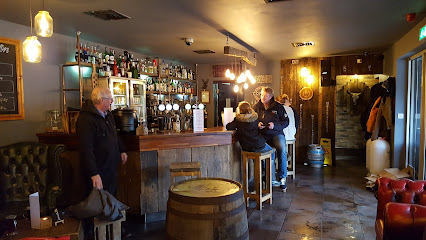
The Flying Childers Inn
22.2 km
A cozy, dog-friendly country pub in Stanton in Peak offering fresh, mostly vegan fare and a warm, welcoming atmosphere in the heart of the Peak District.
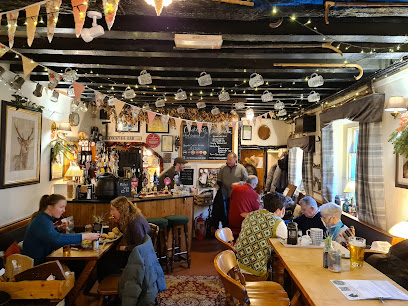
The Pelican
23.3 km
Cozy Nottingham pub on Bracebridge Drive, pouring pints and pub classics in a relaxed suburban haven—perfect for casual drinks and community vibes.
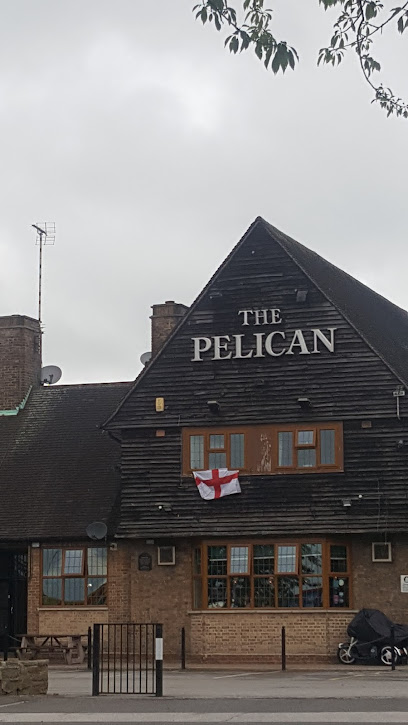
Picture House Social
24.1 km
A retro-inspired social hub in Sheffield blending great pizza, lively bar games, a mini cinema, and a welcoming atmosphere for all occasions.
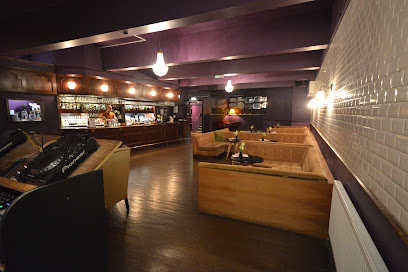
Castle
24.8 km
A classic Greene King pub in Bakewell serving hearty British fare in a warm, historic setting near the Peak District.
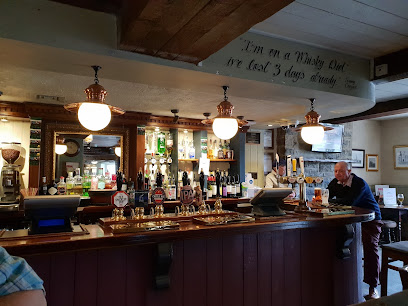
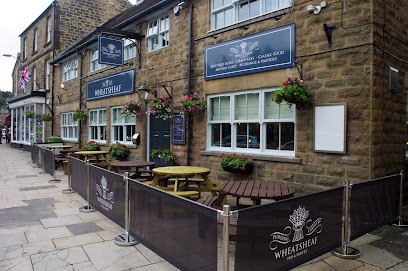
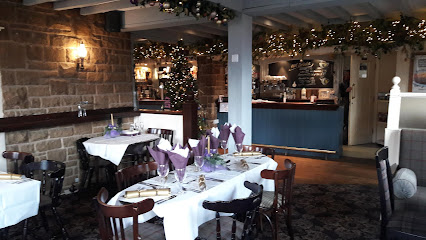
Wheatsheaf Pub and Pantry
24.9 km
Cozy Bakewell pub blending traditional charm with modern pantry dining, serving generous portions in a warm, dog- and child-friendly setting.
The Eyre Arms
24.9 km
A charming historic pub in Hope Valley offering hearty Derbyshire fare and warm hospitality in the heart of the Peak District.
Nightclubs & after hour spots

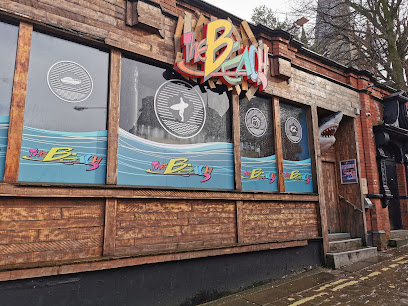
Waikiki Beach Bar
10.8 km
Experience the vibrant nightlife at Waikiki Beach Bar, Derbyshire's go-to destination for dancing, drinks, and unforgettable memories.
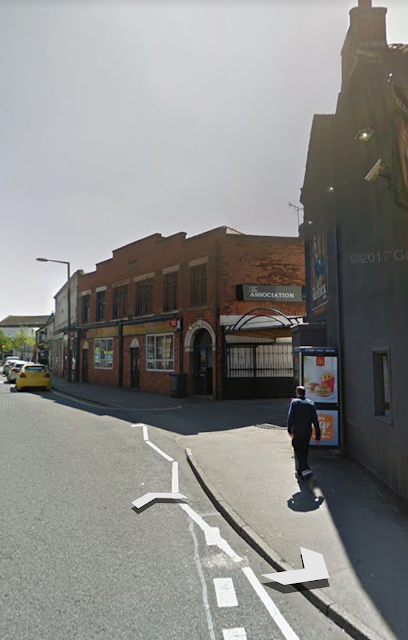
The Association Nightclub
14.6 km
Ripley's vibrant weekend nightclub offering late-night music, dancing, and a welcoming atmosphere in the heart of town.
The Regal Nightclub
14.6 km
Experience Ripley’s vibrant nightlife at The Regal Nightclub, where lively music and a welcoming atmosphere keep the party going late into the weekend.
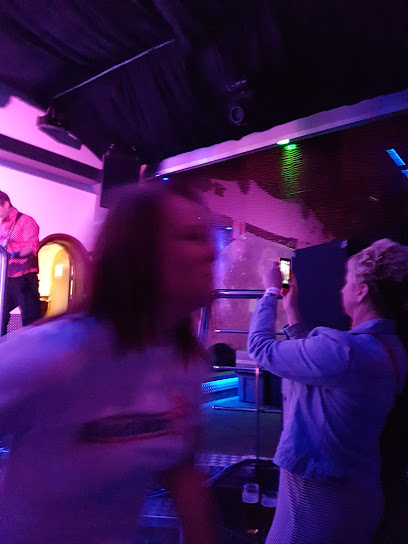
The Loft
16.8 km
A vibrant, intimate nightclub in Matlock offering lively music, friendly service, and a cozy atmosphere in the town center.
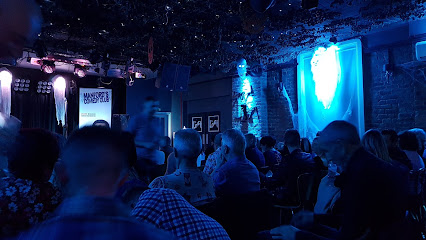
Temple Sheffield
24.9 km
Dive into Sheffield's underground heartbeat at Temple Nightclub, where beats thump till 6am, drinks flow affordably, and nights ignite with raw energy.
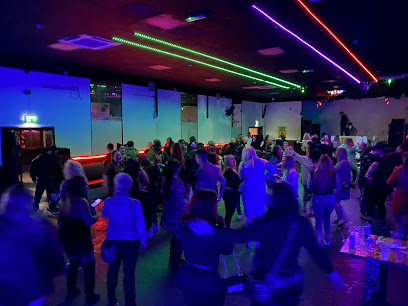
The Leadmill
25.3 km
Sheffield's 40-year heartbeat of live music, club nights, and comedy in a gritty, immersive venue near the station—where crowds roar and nights ignite.
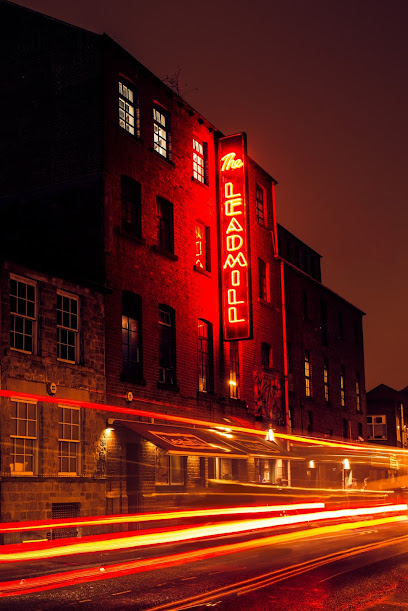
Dempseys Bar and Club
25.4 km
Sheffield's enduring gay bar and club: two floors of drinks, dances, karaoke, and late-night energy from noon till dawn in the city centre.
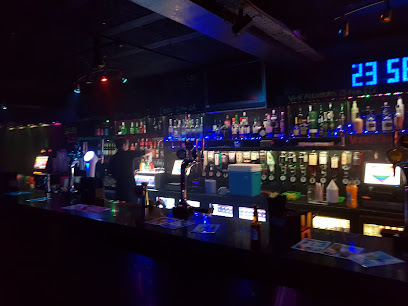
Code Sheffield
25.5 km
Sheffield's ultimate nightclub: massive dance floor, six bars, LED lights, and epic nights till 6am—student favorites and global DJs collide in city-centre chaos.
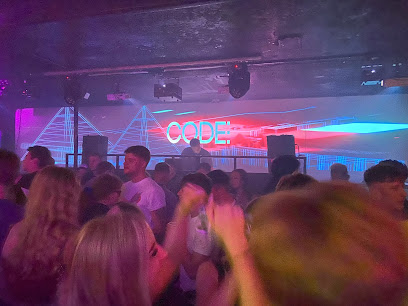
Corporation
25.7 km
Sheffield’s iconic nightclub with non-stop dance beats and an electric atmosphere in the heart of the city centre.
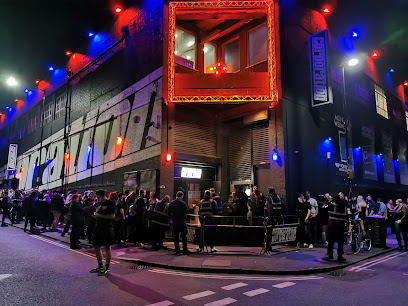
Tank
25.8 km
A gritty, late‑night underground club on Arundel Gate — loud sound, house and techno nights, and a compact, rave‑style dancefloor.
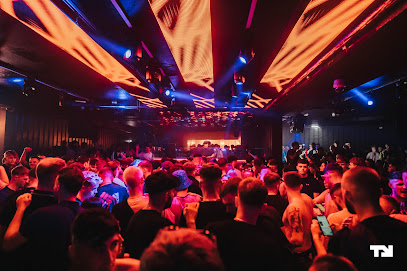
Rock City
25.8 km
Experience Nottingham’s iconic live music and nightclub venue, where legendary acts and vibrant club nights come alive in an intimate, energetic setting.
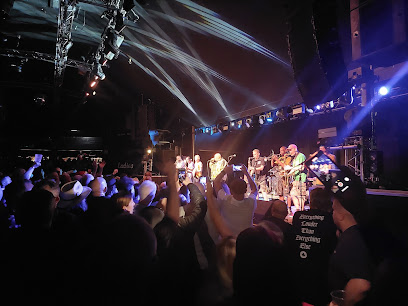
CRISIS
25.8 km
Experience Nottingham’s legendary live music and nightlife at Rock City, a vibrant venue with a rich history and dynamic club nights.
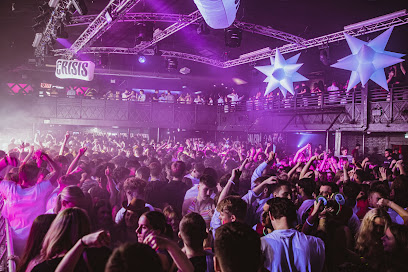
Stealth
25.8 km
Nottingham's drum and bass dynamo: world-ranked beats, epic nights, and unrelenting energy since 2004 in the heart of Goldsmith Street.
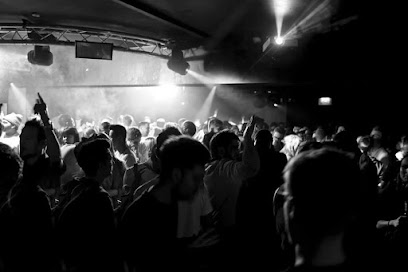
Rescue Rooms
25.8 km
Nottingham's intimate live music powerhouse: raw gigs, electric crowds, and beats till 3am in a historic nook.
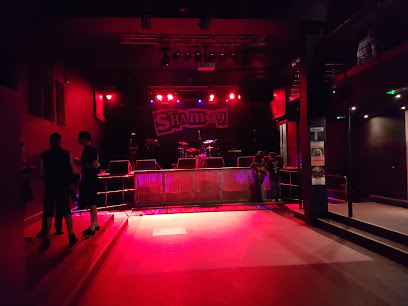
Unit 13
25.9 km
Dive into Nottingham's underground bassline haven at Unit 13, where industrial beats and stellar DJs fuel unforgettable warehouse raves.

For the vibe & atmosphere seeker
- Scenic
- Relaxing
- Tranquil
- Historic
- Unique
For the design and aesthetic lover
- Vintage Styles
- Rustic Designs
For the architecture buff
- Historic
- Landmarks
- Heritage Neighborhoods
- Parks & Gardens
For the view chaser and sunset hunter
- Iconic Views
- Panoramas
- Sunset Spots
For the social media creator & influencer
- Instagrammable
- Photo Spots
- Selfie Spots
- Architectural Shots
For the eco-conscious traveler
- Protected Area
- Public-Transport Accessible
- Locally Managed
For the kind of experience you’re after
- Cultural Heritage
- Photowalk
- Nature Escape
- Day Trip
- Weekend Getaway
- Myth & Legends
For how adventurous you want the journey to be
- Easy Access
Location Audience
- Family Friendly
- Senior Friendly
- Child Friendly
- Teen Friendly
- Wheelchair Access
- Solo Friendly
- Couple Friendly
- Vegetarian Friendly
- Vegan Friendly


