
Wingfield Manor, Derbyshire Travel Guide
Explore the evocative ruins of Wingfield Manor, a medieval fortress and royal prison steeped in history and intrigue.
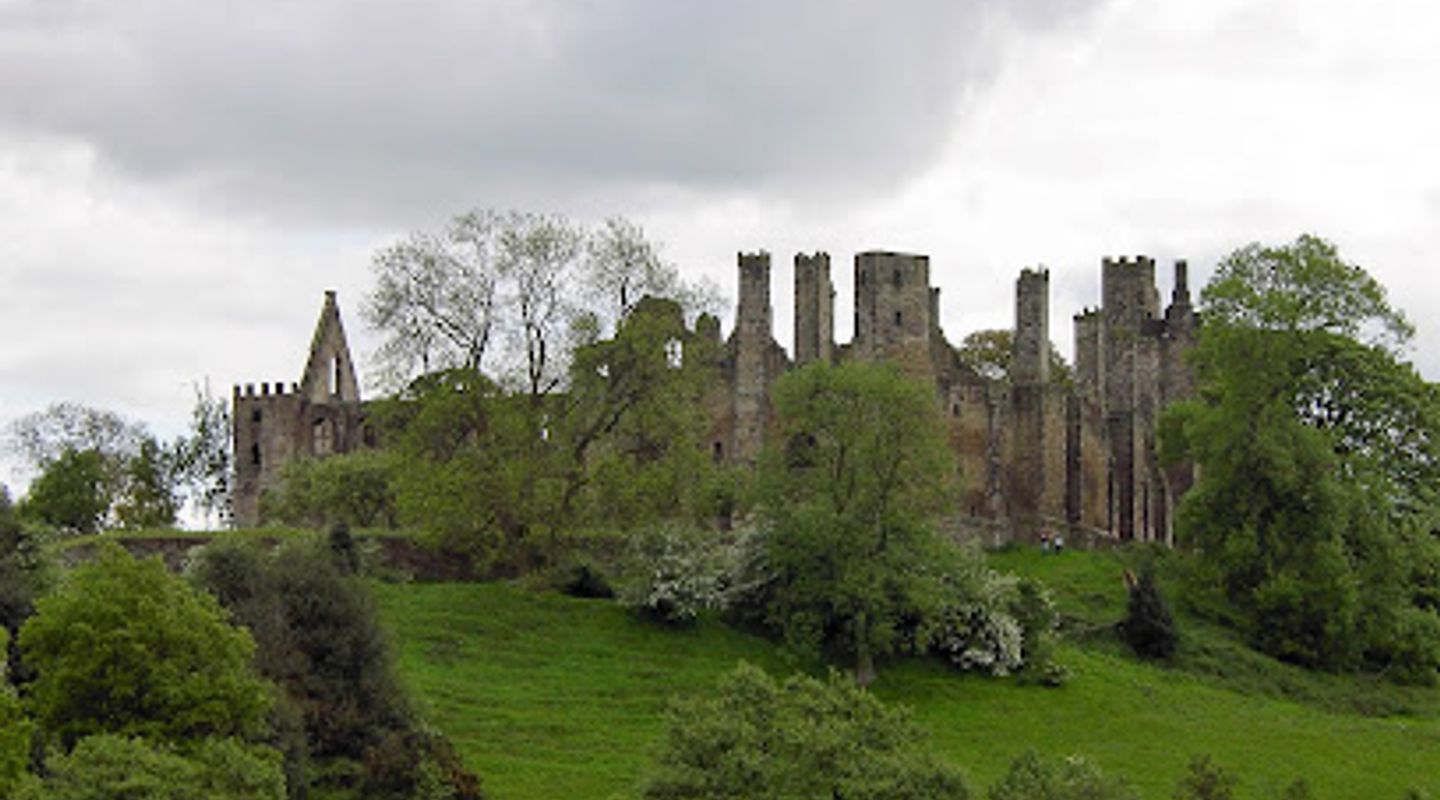
Wingfield Manor is a striking Grade I listed ruined fortified manor house near South Wingfield, Derbyshire. Built in the 1440s for Ralph, Lord Cromwell, it later became the prison of Mary, Queen of Scots. The manor witnessed sieges during the English Civil War and was partially demolished to prevent military use. Now a haunting ruin under English Heritage care, it offers a glimpse into medieval power, royal intrigue, and architectural grandeur.
A brief summary to Wingfield Manor
- Alfreton, South Wingfield, DE55 7NH, GB
- Click to display
- Click to display
- Duration: 1 to 2 hours
- Free
-
 Outdoor
- Mobile reception: 4 out of 5

Know before you go
Hi, I'm Eve. Here are a few practical things to know before exploring Wingfield Manor.
- Wear sturdy footwear as the site is a ruin with uneven ground and no public access inside for safety reasons.
- Visit the nearby South Wingfield village for local history and views of the manor from a safe distance.
- Check English Heritage updates for future conservation progress and potential reopening.
- Bring a camera to capture the dramatic medieval stonework and panoramic views of Amber Valley.
Do you manage this location?
Take control to get all the benefits, like improved information, better appearance, and stronger visibility across AI-powered discovery. Learn more about listing your business on Evendo
Activate your presenceOther nearby places you may find interesting
The closest places of the same kind, if this one is not quite what you had in mind.

Explore Wingfield Manor on the Map
A handpicked selection of must-see spots near Wingfield Manor, mapped for you.
Getting There
-
Bus
Take the local bus service from Alfreton town center to South Wingfield, which runs approximately every hour. The journey takes about 20–30 minutes. From the bus stop, the manor ruins are a 15-minute walk uphill on uneven terrain. Tickets cost around £3–£5 one way.
-
Car
Driving from Alfreton or Derby takes about 20–30 minutes via local roads. Limited roadside parking is available near South Wingfield village; expect a 10–15 minute walk uphill to the site. The access road is narrow and may be challenging for large vehicles.
-
Taxi
Taxis from Alfreton or nearby towns offer a convenient 15–20 minute ride to South Wingfield Manor. Fares typically range from £15 to £25 depending on the pickup location. Taxi services may need to be pre-booked due to limited availability in rural areas.
For the on-the-go comforts that matter to you
-
 Seating Areas
-
 Information Boards
Discover more about Wingfield Manor
A Medieval Stronghold of Power and Wealth
Wingfield Manor was constructed between 1439 and 1455 by Ralph, Lord Cromwell, Treasurer of England, who sought to build a grand fortified residence reflecting his status and wealth. Situated on a strategic hill overlooking Amber Valley, the manor featured a double courtyard design with massive ashlar and gritstone walls, a great hall for banquets, and a colossal tower offering panoramic views. Cromwell’s emblem of moneybags above the main entrance symbolized his financial power. The manor’s architecture was innovative for its time, blending defensive features with opulent living spaces, and is said to have influenced later grand houses such as Hampton Court Palace.Royal Imprisonment and Intrigue
Wingfield Manor is famously known as one of the prisons of Mary, Queen of Scots, who was held here during two separate periods in the late 16th century under the custody of the Earl of Shrewsbury. Mary’s imprisonment was marked by harsh conditions and political tension, with the manor described as both a palace and a prison. The site is linked to the Babington Plot, a conspiracy to rescue Mary and restore her claim to the English throne. Despite attempts to move her between various castles, Wingfield’s water supply and strategic location made it a key holding place. The manor’s history is deeply entwined with the turbulent politics of Elizabethan England.Conflict and Decline during the English Civil War
During the English Civil War, Wingfield Manor was a contested stronghold. Initially held by Parliamentarian forces, it was captured by Royalists in 1643 after a siege, then retaken by Parliament in 1644 following the destruction of parts of its western curtain wall. To prevent further military use, Parliament ordered the manor to be deliberately slighted—partially demolished to render it indefensible. This marked the beginning of its long decline. The manor’s strategic importance faded, and it transitioned from a fortress to a ruin, with stone quarried for other local buildings.Post-war Adaptations and Abandonment
After the Civil War, the manor was partially restored by Immanuel Halton, a noted astronomer who converted the great hall into a two-storey dwelling and used the site for scientific observations, including early eclipse studies. However, by the late 18th century, much of the manor was dismantled further, with stones repurposed to build Wingfield Hall in the valley below. The site was gradually abandoned except for a farmhouse in the center of the ruins, which remains inhabited. Over the centuries, the manor has stood as a powerful symbol of England’s medieval heritage and aristocratic history.Current Status and Conservation Efforts
Today, Wingfield Manor is a scheduled ancient monument under the guardianship of English Heritage, though it remains closed to the public due to safety concerns from its deteriorating condition. It is listed on Historic England’s Heritage at Risk Register. Local heritage groups and political representatives have petitioned for government action to secure its future and enable public access once conservation work is completed. The ruins offer a poignant window into England’s past, embodying stories of power, imprisonment, war, and scientific inquiry amidst evocative stonework and dramatic landscapes.Architectural and Historical Significance
The manor’s surviving structures include the great hall’s undercroft, bread ovens, large fireplaces, a stone barn with remarkable timbering, and the gatehouse adorned with Cromwell’s exchequer symbol. Its layered history from medieval lordship to royal prison and Civil War fortress makes Wingfield Manor a unique heritage site. Though in ruins, it remains a testament to the architectural ambition and historical drama that shaped Derbyshire and England over six centuries.












Your all‑in‑one travel companion app
Explore expert travel guides, compare and book tours, experiences, hotels, and more—all from the palm of your hand. Download now for seamless trip planning wherever your wanderlust takes you.


Explore More of Derbyshire
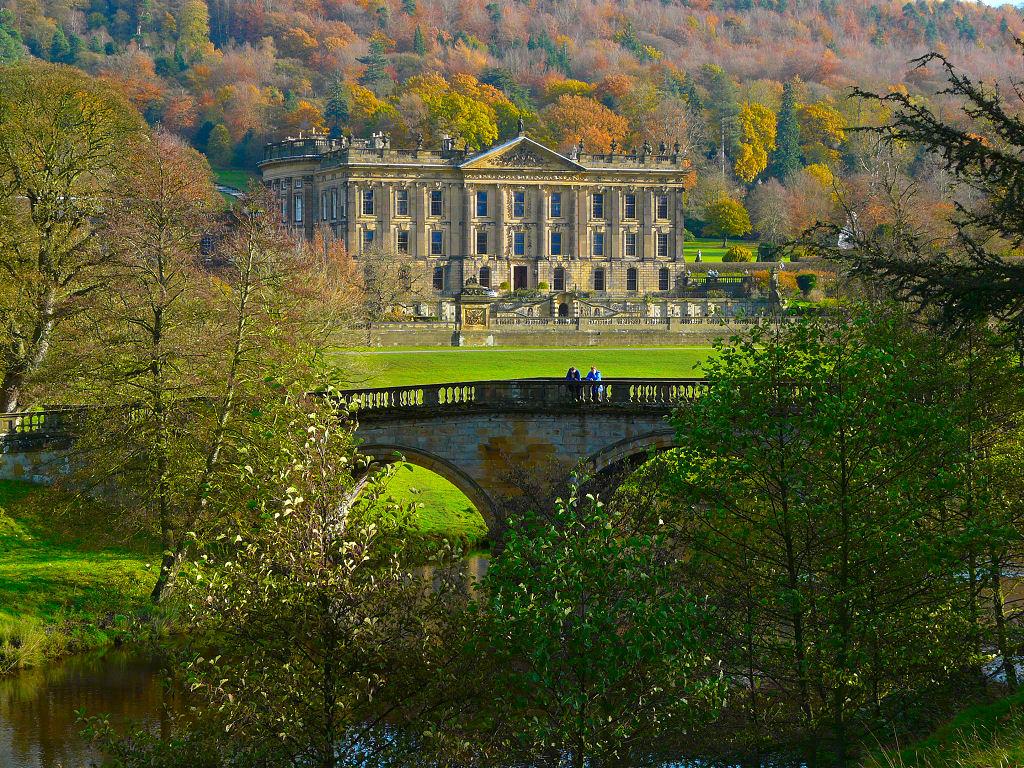
Looking beyond Wingfield Manor? Discover Derbyshire for broader travel guides, local hot-spots, and regional highlights.
Explore Derbyshire
Explore 17.5 miles of historic railway trail with stunning Peak District views, wildflowers, and accessible paths for walking, cycling, and horse riding.
Step back in time with vintage trams, a charming period village, and scenic woodland walks at Crich Tramway Village, the home of the National Tramway Museum.
