

Reform Bill Heads (Friar Gate Heads), Derby
Historic sculptural heads on Friar Gate commemorating Derby’s pivotal role in the 19th-century Reform Bill riots and political change.
The Reform Bill Heads, also known as the Friar Gate Heads, are a striking sculptural landmark located at 93a Friar Gate in Derby. These heads commemorate the 19th-century Reform Bill riots, symbolizing the crowds that gathered in Derby to demand political change during a pivotal era in British democracy. Set against the historic Friar Gate Conservation Area, the heads offer a tangible connection to Derby’s rich political and social history.
A brief summary to Reform Bill Heads (Friar Gate Heads)
- 93a Friar Gate, Derby, DE1 1HE, GB
- Visit website
- Duration: 0.5 to 1.5 hours
- Free
-
 Outdoor
- Mobile reception: 4 out of 5
Local tips
- Visit during daylight hours to fully appreciate the detailed craftsmanship of the heads and surrounding historic architecture.
- Combine your visit with a walk along Friar Gate to explore other heritage sites such as the Blackfriar Pub and Friar Gate Goods Yard.
- Bring a camera to capture the heads against the backdrop of the Georgian and Victorian streetscape.
- Learn about the Reform Bill riots beforehand to enrich your understanding of the heads’ historical significance.

For the on-the-go comforts that matter to you
- Restrooms
- Drink Options
- Food Options
- Seating Areas
- Information Boards
Getting There
-
Bus
Take the local bus services from Derby city centre, which run frequently and stop within a 5-minute walk of Friar Gate. The journey typically takes 10-15 minutes. Tickets cost around £2-£3. Note that services may be less frequent in evenings and on Sundays.
-
Train
Derby Railway Station is approximately 1.5 km from Friar Gate. From the station, a 20-minute walk through the city centre brings you to the location. Alternatively, local buses or taxis can reduce travel time to around 5-10 minutes. Taxi fares start at £5.
-
Car
Driving to Friar Gate is possible with several nearby public car parks available, including the Riverside Car Park about 10 minutes' walk away. Parking fees range from £3 to £8 depending on duration. Street parking is limited and subject to restrictions.
Reform Bill Heads (Friar Gate Heads) location weather suitability
-
 Any Weather
-
 Rain / Wet Weather
-
 Clear Skies
-
 Mild Temperatures
Discover more about Reform Bill Heads (Friar Gate Heads)
Origins of the Reform Bill Heads
The Reform Bill Heads, situated on Friar Gate in Derby, are sculptural representations inspired by the crowds who rallied during the Reform Bill riots of the early 19th century. These riots were a response to the undemocratic electoral system of the time, where only about 5% of the population could vote, and voting practices were often corrupt. The Reform Bill sought to address these inequalities but faced fierce opposition, leading to unrest in Derby and other cities. The heads symbolize the voices of those demanding political reform and greater representation.Historical Context of Friar Gate
Friar Gate itself is steeped in history, named after a 13th-century Dominican friary that once stood nearby. Over centuries, the area evolved from medieval origins into a Georgian and Victorian urban district, with significant architectural and social developments. The Reform Bill Heads stand within this conservation area, which preserves the character of Friar Gate’s historic streetscape, including Georgian townhouses and industrial heritage sites.Artistic and Cultural Significance
The heads are more than mere decorations; they are a powerful artistic tribute to Derby’s role in the struggle for electoral reform. By embodying the faces of protestors, they evoke the spirit of civic engagement and social change. Their placement on Friar Gate situates them within a broader narrative of Derby’s political history, including the nearby sites of former prisons and public gathering places linked to the era’s social tensions.Friar Gate Conservation Area and Surroundings
The conservation area around Friar Gate is notable for its blend of historic architecture and modern redevelopment. Nearby landmarks include the Blackfriar Pub, a Grade II listed building with Art Nouveau features built on the site of the original friary, and remnants of Victorian industrial infrastructure such as the Friar Gate Goods Yard. This juxtaposition of old and new enriches the visitor experience, offering insights into Derby’s layered urban fabric.Legacy of the Reform Bill and Its Impact on Derby
The Reform Bill, eventually passed after initial resistance, marked a turning point in British democracy by expanding the electorate and making voting fairer. Derby’s active participation in the riots and reform movement is commemorated by the heads, reminding visitors of the city’s contribution to social justice and political progress. The heads serve as a historical marker of the community’s resilience and demand for representation.Visiting the Reform Bill Heads Today
Today, the Reform Bill Heads are an accessible and evocative landmark for visitors exploring Derby’s historic core. They offer a moment to reflect on the struggles for democratic rights and the power of collective action. Positioned along a vibrant street with cafes, pubs, and heritage sites, the heads enrich the cultural landscape and invite deeper exploration of Derby’s past and present.Iconic landmarks you can’t miss

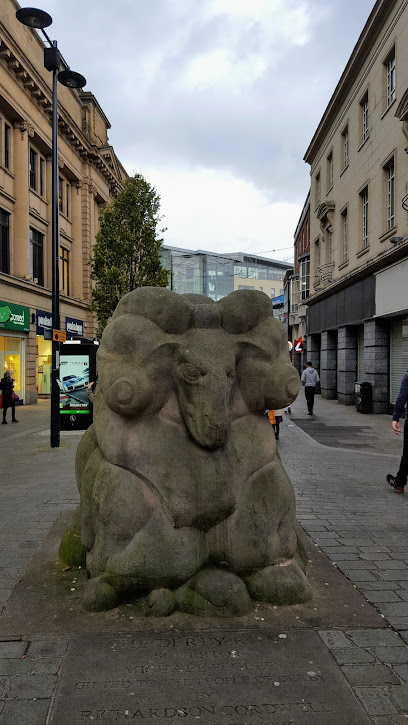
The Derby Ram Statue
0.8 km
Discover Derby’s iconic ram statue, a vibrant symbol of local legend, heritage, and community pride in the heart of the city.
The Hemlock Stone
17.4 km
Towering sandstone sentinel amid Nottinghamshire woods, blending ancient geology, whispered legends, and sweeping valley views for an effortless nature immersion.
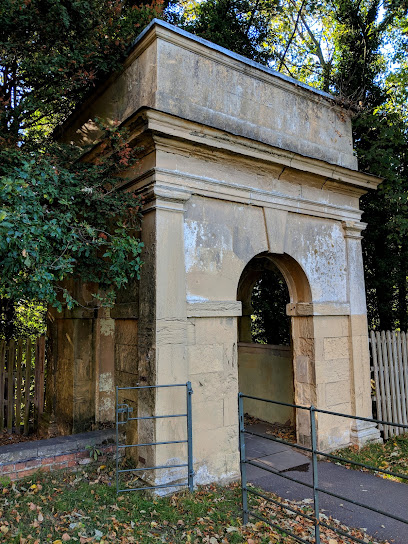
Gazebo
18.7 km
A serene early 19th-century stone pavilion nestled in Wollaton Park, blending heritage charm with tranquil garden beauty.
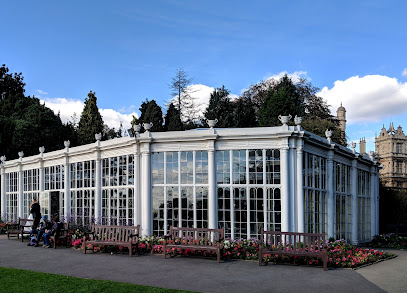
Camellia House
18.7 km
Explore the historical beauty of Camellia House in Nottingham, a landmark showcasing exquisite architecture and serene gardens.
Cathedral Hall
22.3 km
Pugin's masterpiece: England's grandest post-Reformation Catholic cathedral, where Gothic Revival vision endures.
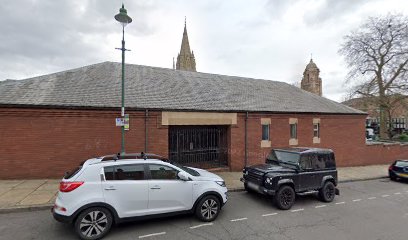
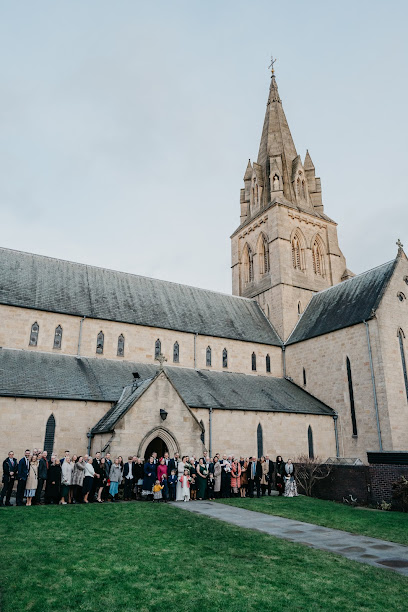
St Barnabas Cathedral Nottingham
22.3 km
A Gothic Revival masterpiece in the heart of Nottingham, home to centuries of Catholic worship and Pugin’s architectural vision.
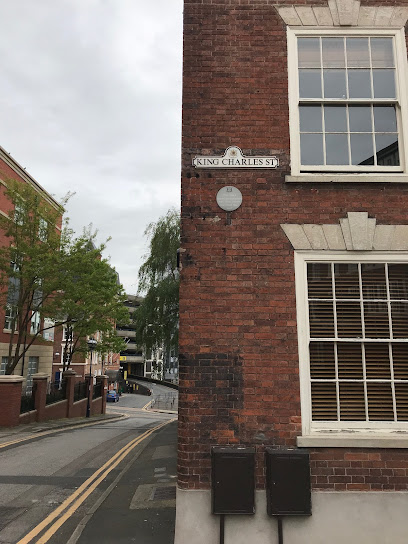
King Charles I Standard Hill Monument
22.3 km
Historic site where King Charles I raised his standard in 1642, igniting the English Civil War and shaping Nottingham’s rich heritage.
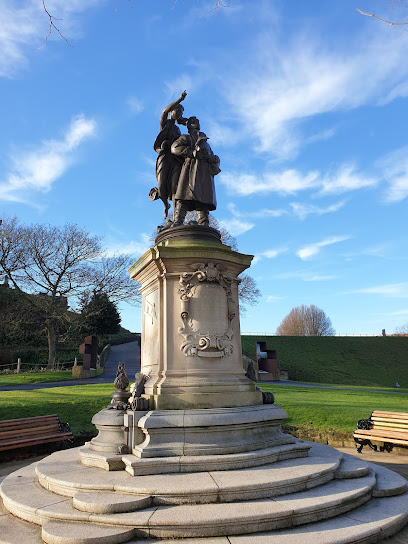
Statue of Captain Albert Ball
22.5 km
A striking bronze tribute in Nottingham Castle Gardens honoring WWI flying ace Captain Albert Ball’s valor and legacy.
Nottingham Castle Visitors Centre
22.5 km
Discover the captivating history of Nottingham at the Nottingham Castle Visitors Centre, where legends come alive through engaging exhibits and rich narratives.
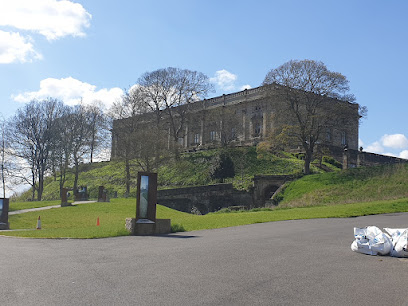
Mortimer’s hole
22.5 km
Explore Mortimer's Hole in Nottingham - a captivating historical landmark steeped in legend and medieval intrigue.
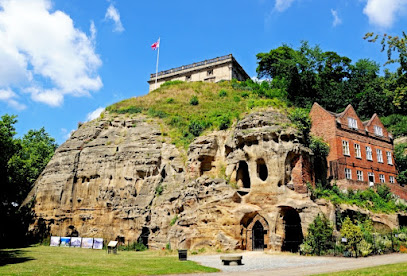
Scale Space Nottingham
22.5 km
Experience collaboration and innovation at Scale Space Nottingham, the premier co-working space in the heart of the city, perfect for entrepreneurs and remote workers.
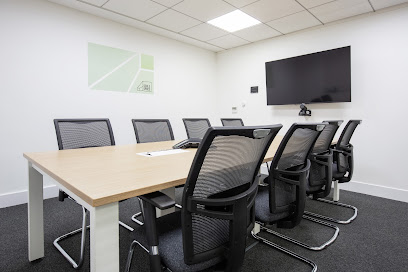
Robin Hood Statue
22.5 km
Explore Nottingham's rich heritage at the Robin Hood Statue, a captivating monument celebrating the legendary outlaw and his enduring legacy.
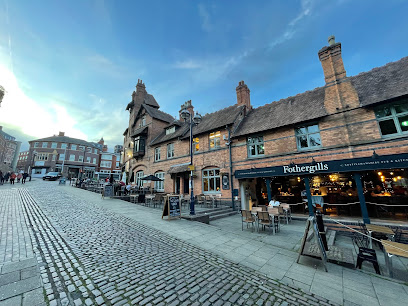
Museum of Nottingham Life
22.5 km
Discover Nottingham's rich history at the Museum of Nottingham Life, where captivating exhibits and engaging artifacts await every visitor.
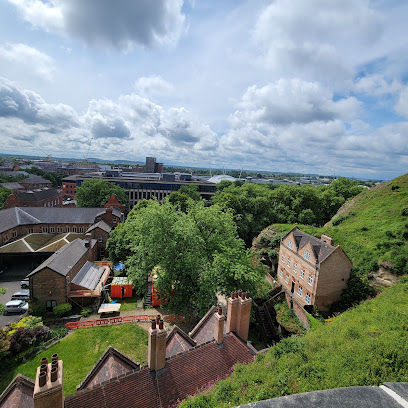
Cryptology Escape Rooms Nottingham
22.5 km
Experience the thrill of adventure at Cryptology Escape Rooms Nottingham with unique puzzles and immersive storytelling.
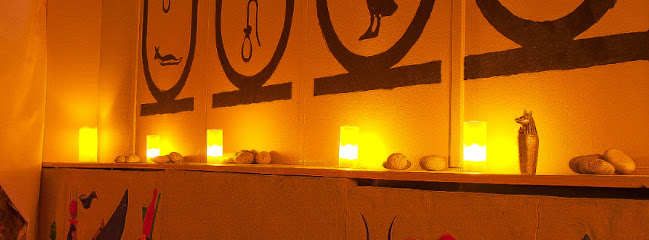
The Original Nottingham Ghost Walk
22.5 km
Discover the chilling history of Nottingham on the Original Nottingham Ghost Walk, where haunted tales and eerie legends come to life in the shadowy streets.
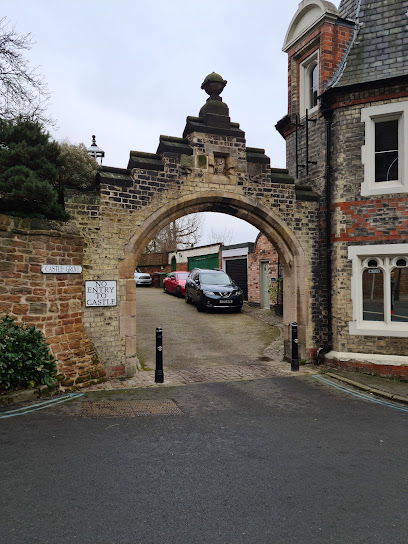
Unmissable attractions to see

Pickford's House
0.0 km
Discover Georgian elegance, local legends, and cultural heritage at Derby’s Pickford's House Museum, a free-entry historic gem with period rooms and unique exhibitions.
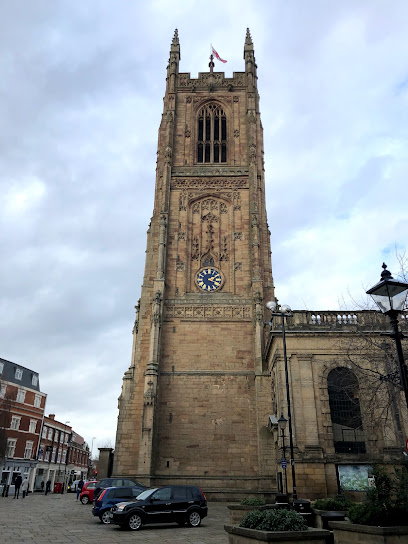
Derby Ghost Walk and Jail
0.1 km
An 18th-century haunted prison where history, paranormal mystery, and immersive theatre converge in England's ghost capital.
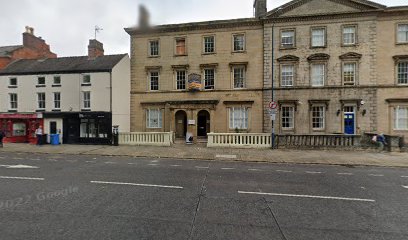
Derby Museum & Art Gallery
0.4 km
Free world-class art and antiquities in Derby's cultural heart, anchored by the world's largest Joseph Wright collection.

Cathedral Quarter Derby
0.5 km
Derby’s historic heart: cobbled lanes, Victorian arcades, independent boutiques, cafés and culture around the cathedral.
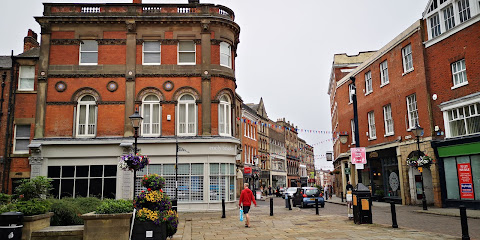
Derby Cathedral
0.6 km
Discover Derby’s historic cathedral blending Georgian elegance, rich heritage, and vibrant cultural life in the city centre.
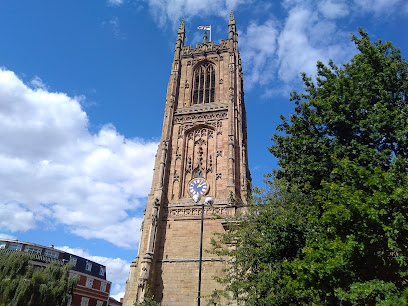
Five Lamps Pub
0.6 km
A friendly and lively traditional pub on Duffield Road, offering a welcoming atmosphere and classic British drinks in Derby.
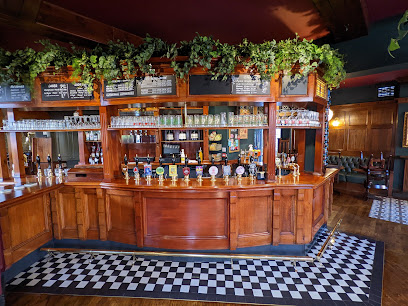
Derbion shopping centre
0.8 km
Derbion Shopping Centre: Over 200 shops, vibrant dining, and entertainment in the heart of Derby city centre.
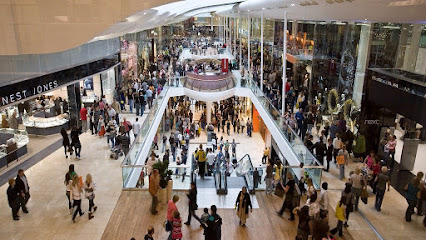
Derbion
1.1 km
Derbion: Derby’s vibrant heart for shopping, dining, entertainment, and culture under one roof.
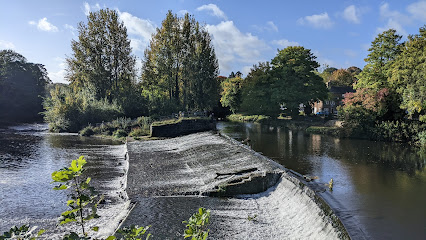
Darley Park
1.5 km
An 80-acre riverside park in Derby blending lush gardens, open fields, sports, and vibrant community events in a historic natural setting.
Alvaston Park
3.9 km
A scenic riverside park in Derby with inclusive playgrounds, BMX tracks, sports courts, and vibrant community events for all ages.
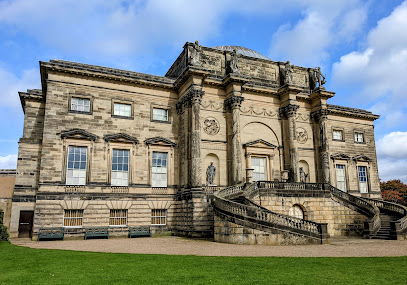
Kedleston Hall
5.2 km
Explore Kedleston Hall’s stunning 18th-century Neo-classical mansion, rich collections, and sweeping historic parkland near Derby.
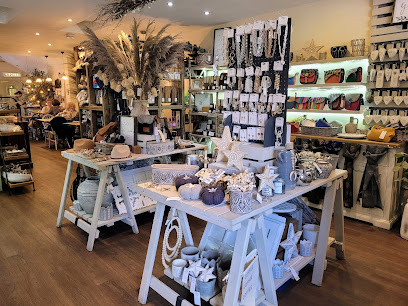
The Apple Tree Gift Shop and Teahouse
7.6 km
A charming village teahouse and gift shop in Ockbrook, blending homemade treats with unique gifts in a cozy, rustic setting.
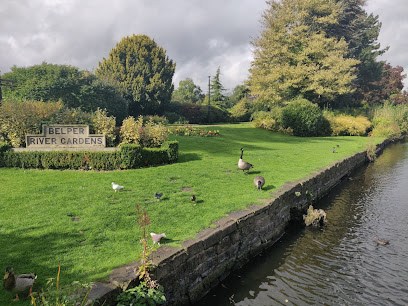
Belper River Gardens
11.8 km
A century-old riverside sanctuary where Victorian heritage meets natural tranquility along the Derwent.
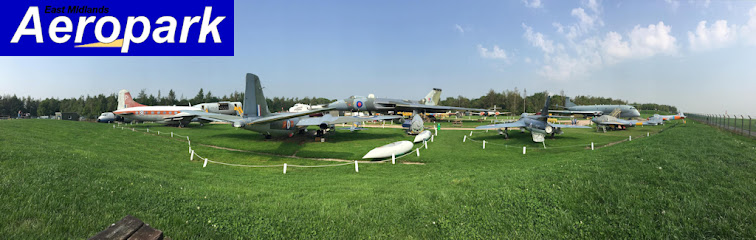
East Midlands Aeropark
13.8 km
Explore historic aircraft and watch modern airliners take off at East Midlands Aeropark, a unique aviation museum and viewing spot near Castle Donington.
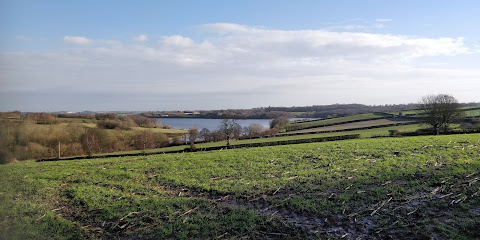
Calke Explore
13.8 km
Explore ancient woodlands, accessible trails, and natural play areas at Calke Explore, the perfect outdoor adventure base within Calke Abbey’s historic estate.
Essential places to dine

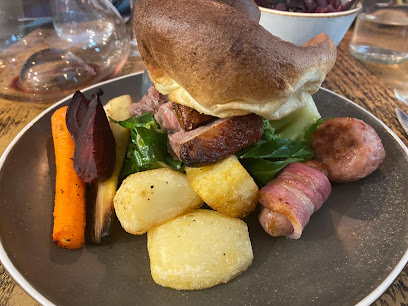
The Dining Room
0.3 km
An intimate Derby restaurant serving exquisite, locally sourced British dishes with warm, attentive service in a cozy setting.
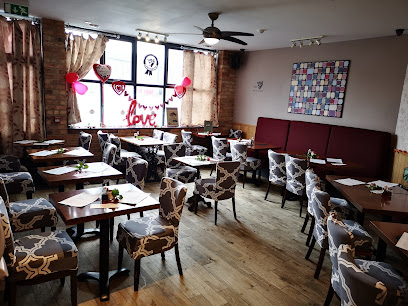
Emily's Steakhouse
0.4 km
Cozy British steakhouse in Derby offering expertly cooked steaks with classic sides and friendly service in a relaxed setting.
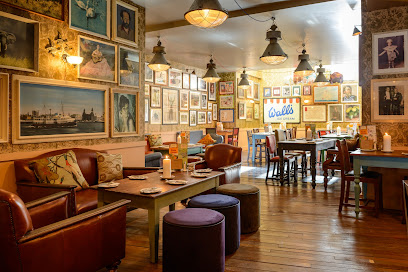
Carnero Lounge
0.7 km
A welcoming Derby lounge offering vibrant vegan and gluten-free dishes in a relaxed, dog-friendly setting with excellent coffee and friendly service.
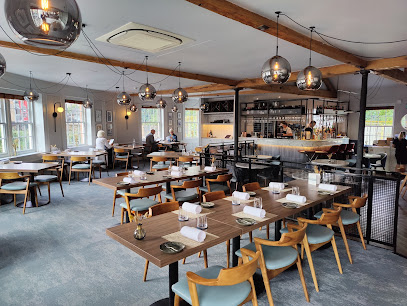
Darleys Restaurant & Terrace
2.2 km
Contemporary British dining with scenic river views in a historic mill setting at Darley Abbey, Derby.
Clock Bistro
5.5 km
A cozy bistro in Spondon blending English, Italian, and Mediterranean flavors with friendly service and a welcoming atmosphere.
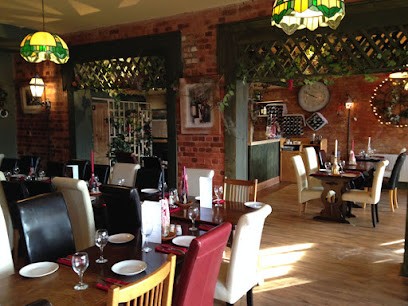
Dovecote Restaurant
7.9 km
Elegant countryside dining with seasonal British cuisine and serene views at Morley Hayes Golf Club near Ilkeston.
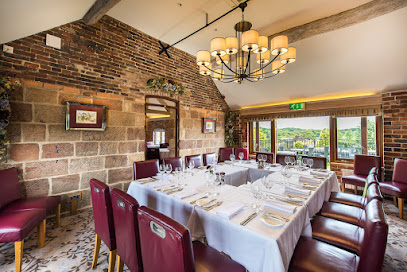
The Restaurant at Horsley
8.6 km
Elegant dining with scenic golf course views, serving British classics and steaks in a tranquil Derbyshire setting.
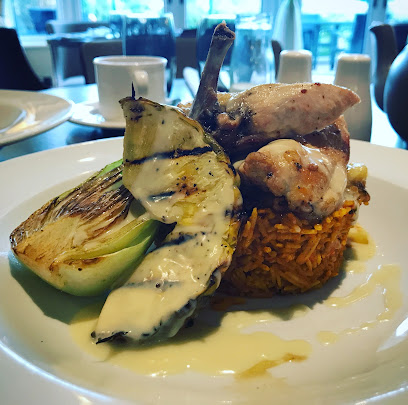
The Boot Inn
10.3 km
Historic 17th-century coaching inn in Repton offering award-winning British cuisine, boutique rooms, and a lively, welcoming atmosphere.
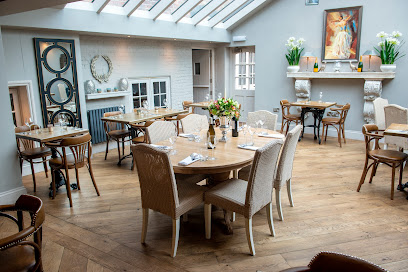
The Tasting Club Restaurant
10.3 km
An intimate tasting menu experience blending rustic charm and refined flavors in Ashbourne’s historic Buttermilk Coffee House.
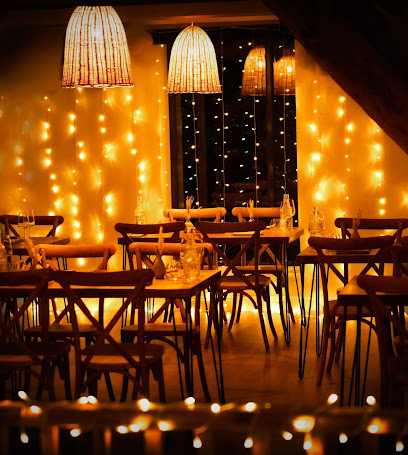
The Bulls Head Repton
10.6 km
A vibrant and quaint pub in Repton serving generous, delicious meals in a warm, historic setting with a lively atmosphere.
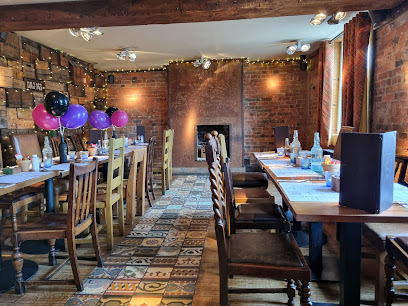
Amalfi White
11.6 km
Stylish modern European dining and elegant events venue with inclusive menus and a grand ballroom in Melbourne, Derbyshire.
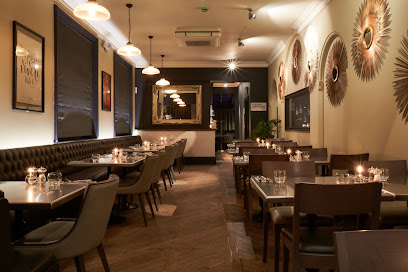
La Rock Restaurant
13.4 km
Experience refined Modern European cuisine with impeccable service in the warm, elegant setting of La Rock Restaurant, Sandiacre’s fine dining jewel.
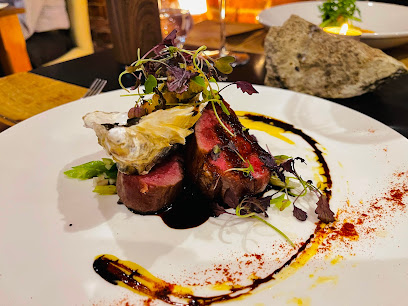
Craig Riley @ Donington Manor Hotel
13.5 km
Experience Michelin-level modern British cuisine in the historic charm of Donington Manor with Chef Craig Riley’s exceptional culinary artistry.
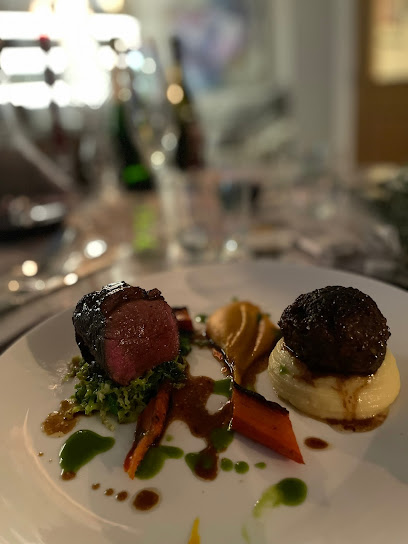
The Lighthouse Restaurant
16.9 km
An intimate fine dining gem in Derbyshire offering inventive seasonal British cuisine with impeccable service and a cozy countryside setting.
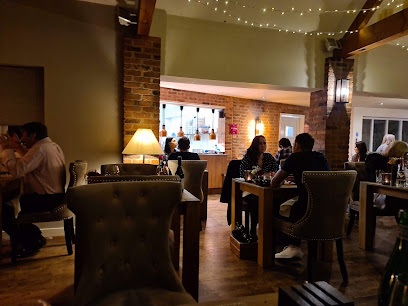
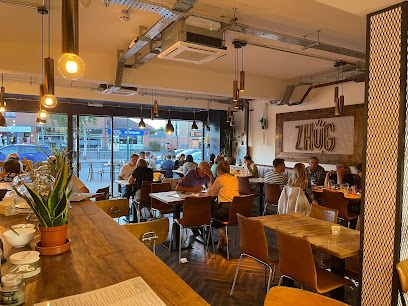
ZHUG
17.2 km
Savor vibrant Middle Eastern and Mediterranean flavors with fresh, bold dishes and a lively atmosphere in Nottingham’s Bramcote Lane.
Markets, malls and hidden boutiques

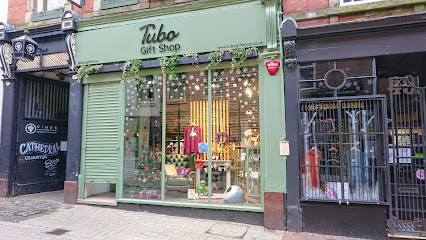
Tubo Gift Shop
0.6 km
Discover handcrafted gifts and eco-friendly treasures at Tubo Gift Shop, Derby’s award-winning indie gem in the historic Cathedral Quarter.
Park Farm Shopping Centre
2.3 km
A welcoming local shopping centre in Allestree, Derby, blending independent stores with essential services in a relaxed community setting.
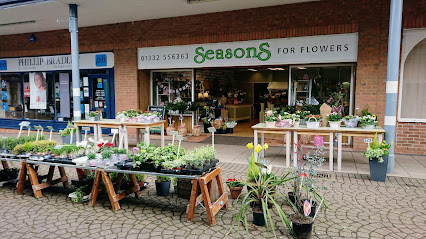
Typically Unique
9.8 km
Discover beautiful, realistic gifts and exceptional service at Typically Unique, a beloved shop in the historic village of Aston-on-Trent.
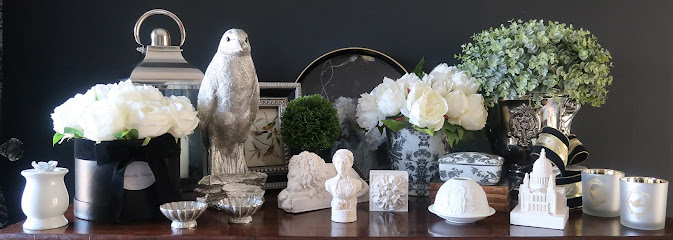
England Pellegrino
11.0 km
Discover unique, handcrafted gifts in Belper’s historic England Pellegrino, nestled within the Derwent Valley Mills World Heritage Site.
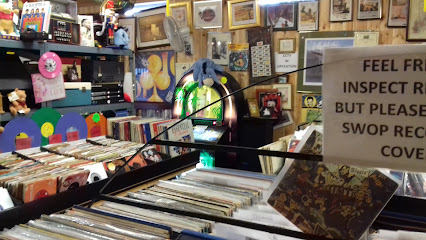
Something Different
14.9 km
Discover vintage treasures and unique collectibles in a charming Stapleford shop filled with antiques, records, and secondhand gems.
Kim's Handmade Gift Shop
14.9 km
Explore Kim's Handmade Gift Shop in Long Eaton for unique handcrafted gifts that celebrate local artistry and creativity.
World Duty Free - East Midlands Airport
15.1 km
Shop premium beauty, fragrances, spirits, and more at East Midlands Airport’s World Duty Free with convenient Reserve & Collect service.
Millie Edith Emporium
16.3 km
Discover unique costumes and clothing with vintage charm at Millie Edith Emporium, Eastwood’s beloved boutique on Nottingham Road.
Shop
16.4 km
Discover Derby's unique shop filled with local crafts and artisanal treasures, a must-visit for every tourist.
Catherine’s Exclusive Fashion
17.2 km
Discover unique fashion treasures at Catherine's Exclusive Fashion, Nottingham's premier boutique for stylish clothing and accessories.

Grocery Store & Florist
17.3 km
Explore Nottingham's local culture at this delightful grocery store and florist, perfect for unique gifts and fresh flowers.
Indigo Ladieswear, Gifts & Accessories
17.3 km
Discover unique ladies' fashion, gifts, and jewelry at Indigo Ladieswear, Gifts & Accessories in Nottingham, a stylish destination for every shopper.
Marks and Spencer
17.4 km
24-hour M&S haven at Wollaton BP: gourmet groceries, stylish clothes, and convenience essentials in Nottingham's suburban heart.
Stratus Wallets
17.9 km
Discover unique gifts and treasures at Stratus Wallets, Nottingham's charming gift shop for memorable souvenirs and accessories.
Aryaan Straps
18.0 km
Explore the vibrant world of fashion accessories at Aryaan Straps in Beeston, Nottingham, where style meets uniqueness in every piece.
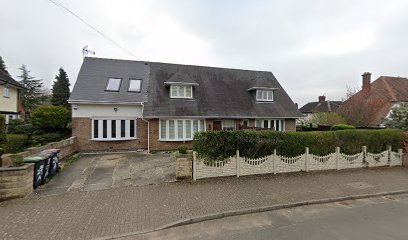
Essential bars & hidden hideouts

The Mixing House
0.2 km
A lively Derby cocktail bar offering creative drinks, delicious tapas, and a vibrant social atmosphere on historic Friar Gate.
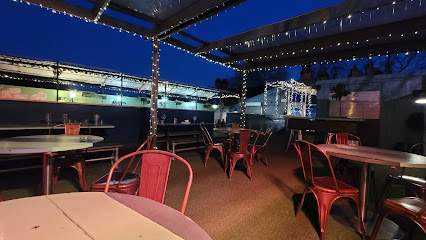
the Orange tree
0.2 km
A stylish and welcoming cocktail bar and events venue in Derby’s city centre, known for quality drinks and versatile social spaces.
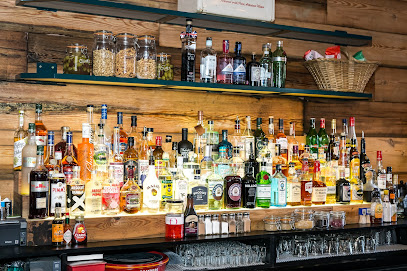
The Last Post, Derby
0.3 km
A cozy micro pub in Derby offering a friendly vibe, excellent local ales, live music, and a quaint garden retreat.
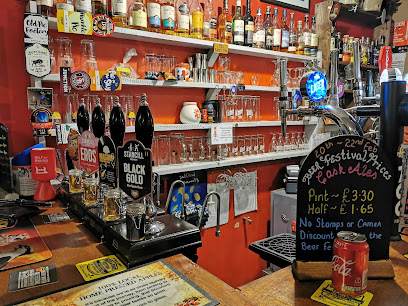
The Distillery
0.3 km
Derby’s independent bar and restaurant with the largest spirit collection, innovative menus, and a lively atmosphere in the Cathedral Quarter.
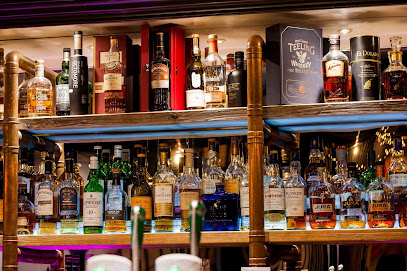
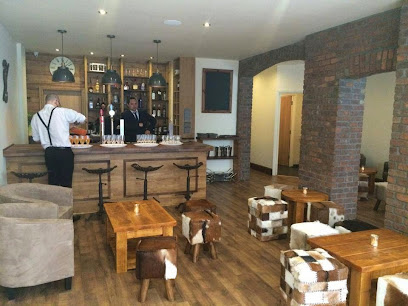
Blacksmiths Lounge
0.5 km
Lively cocktail bar and live music venue in Derby’s historic Sadler Gate, blending rustic charm with vibrant entertainment.
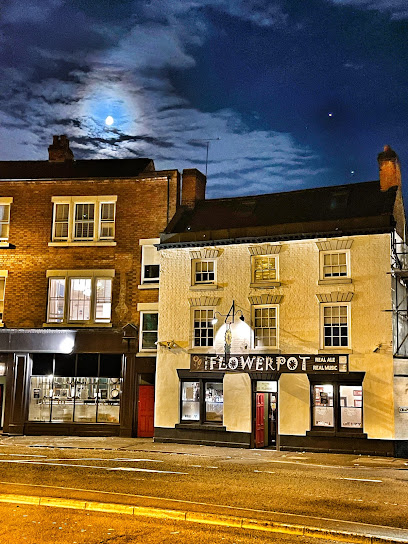
The Flowerpot
0.5 km
Derby’s iconic real ale pub and live music venue blending traditional brews, vibrant gigs, and authentic Gurkha curries in a lively setting.
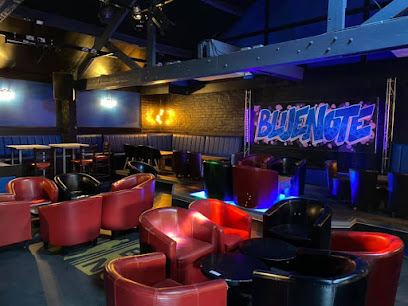
BlueNote
0.5 km
Derby’s late-night hotspot for live music and DJ-driven clubbing in the heart of the city’s vibrant nightlife scene.
Bunk
0.5 km
Lively Derby bar specializing in chicken wings and cocktails, perfect for casual evenings and vibrant nightlife.
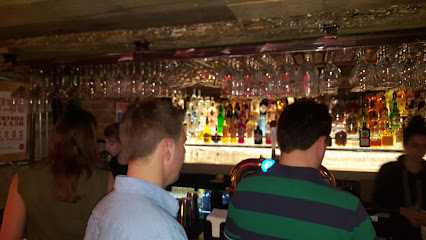
Slug & Lettuce - Derby
0.6 km
Lively cocktail bar and casual dining venue in Derby city centre, perfect for drinks, socialising, and celebrations with stylish vibes and great deals.
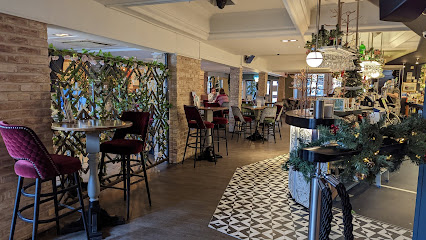
The Hideout Derby
0.6 km
A vibrant Derby pub blending gaming fun, street food, and bottomless brunch in a lively, social atmosphere.
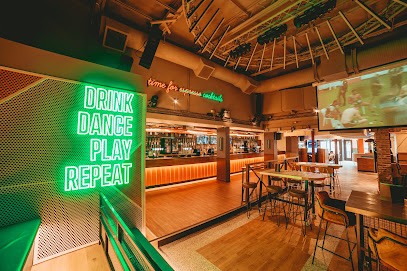
Silk Mill Derby
0.6 km
Historic Derby pub blending British culinary heritage with craft ales and a lively, welcoming atmosphere in the Cathedral Quarter.
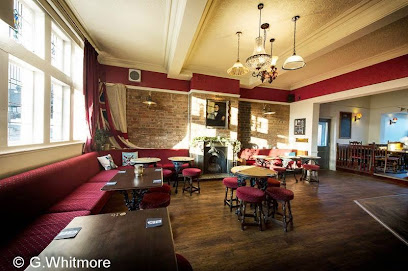
Cosy Club
0.7 km
Historic elegance and modern dining converge in Cosy Club Derby’s vibrant Royal Buildings setting.
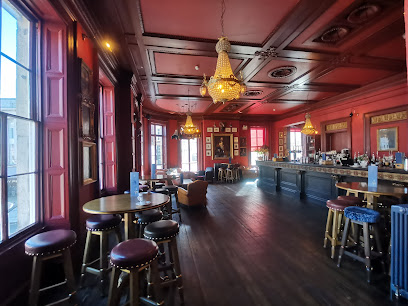
The White Horse
0.9 km
A lively Derby city-centre pub famed for live music, friendly vibes, and a solid selection of ales and ciders.
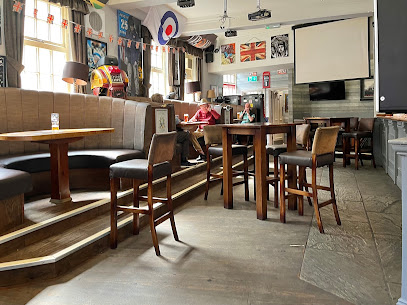
Exeter Arms
0.9 km
A cozy, traditional Derby pub offering hearty meals, excellent ales, and a warm, rustic atmosphere in the city center.
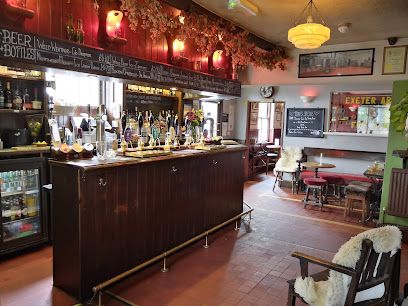
The Bell & Castle
1.0 km
A lively and welcoming Irish-style pub in Derby offering great drinks, casual dining, and a friendly community atmosphere.
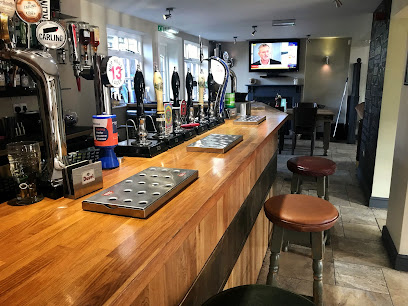
Nightclubs & after hour spots

Mosh
0.3 km
Three floors of diverse music and affordable drinks make Mosh a lively, student-friendly nightclub in Derby’s city center.
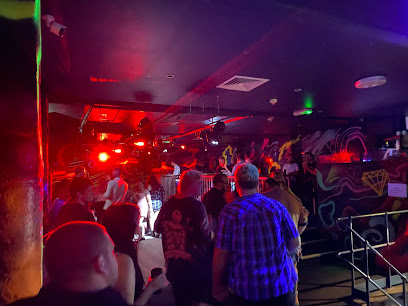
Together
0.5 km
Vibrant Afrobeat nightclub and cocktail bar in Derby’s city centre with affordable drinks and lively events.
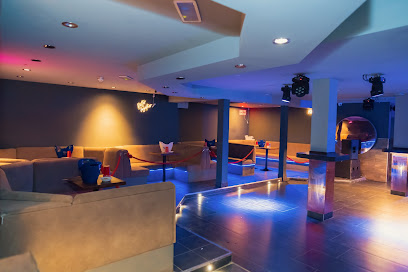
Bar Fever Derby
0.5 km
Experience Derby’s vibrant nightlife at Fever Derby, a dynamic three-floor nightclub with diverse music, lively bars, and exclusive VIP areas.
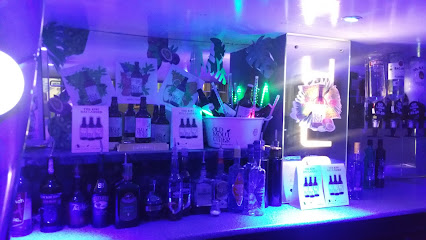
MooMoo Nightclub Derby
0.6 km
Experience Derby’s vibrant nightlife with diverse music rooms, premium booths, and affordable drinks at MooMoo Nightclub on St James's Street.
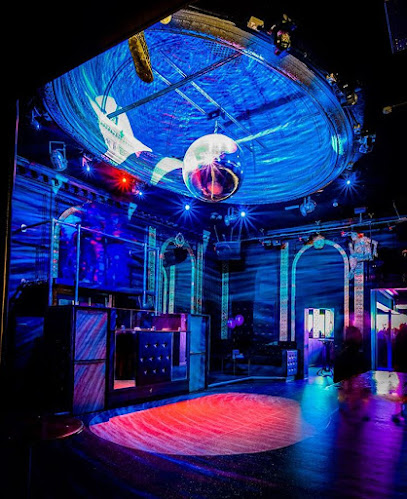
The Attic Adult Club
3.5 km
An intimate adult nightclub in Derby offering lively entertainment, friendly staff, and affordable fun in a welcoming atmosphere.
The Regal Nightclub
15.1 km
Experience Ripley’s vibrant nightlife at The Regal Nightclub, where lively music and a welcoming atmosphere keep the party going late into the weekend.
The Association Nightclub
15.1 km
Ripley's vibrant weekend nightclub offering late-night music, dancing, and a welcoming atmosphere in the heart of town.
Ciros Nightclub
19.6 km
Energetic nightlife hotspot in Ashby-de-la-Zouch offering music, dancing, and a vibrant social scene in a central market town setting.
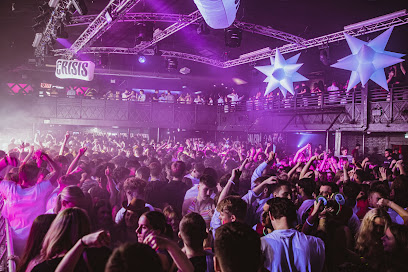
CRISIS
22.5 km
Experience Nottingham’s legendary live music and nightlife at Rock City, a vibrant venue with a rich history and dynamic club nights.
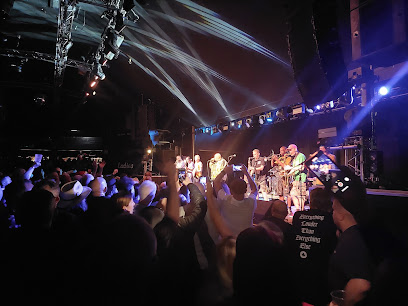
Rock City
22.5 km
Experience Nottingham’s iconic live music and nightclub venue, where legendary acts and vibrant club nights come alive in an intimate, energetic setting.
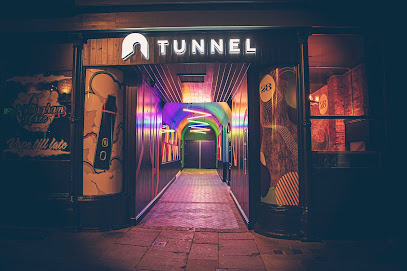
Tunnel Club
22.6 km
Loud. Intimate. Disruptive. Dive into Nottingham's raw underground beats at this city-center nightclub powerhouse.
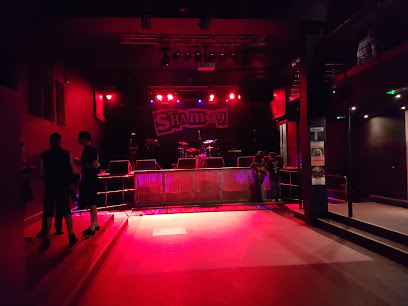
Rescue Rooms
22.6 km
Nottingham's intimate live music powerhouse: raw gigs, electric crowds, and beats till 3am in a historic nook.
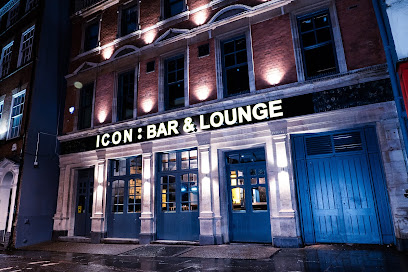
ICON
22.6 km
A compact, DJ-driven late-night club on St James’s Street — small footprint, high-energy nights and a tight city-centre atmosphere.
Stealth
22.6 km
Nottingham's drum and bass dynamo: world-ranked beats, epic nights, and unrelenting energy since 2004 in the heart of Goldsmith Street.
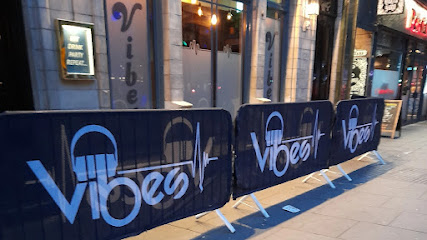
VIBES NIGHTLIFE
22.6 km
Dive into Nottingham's pulsating party hub where weekend beats, neon lights, and vibrant crowds fuel epic nights until 2am—pure vibes unleashed.
For the vibe & atmosphere seeker
- Historic
- Scenic
- Unique
- Casual
For the design and aesthetic lover
- Vintage Styles
For the architecture buff
- Historic
- Heritage Neighborhoods
For the view chaser and sunset hunter
- Iconic Views
For the social media creator & influencer
- Instagrammable
- Photo Spots
For the eco-conscious traveler
- Public-Transport Accessible
- Locally Managed
For the kind of experience you’re after
- Cultural Heritage
- Photowalk
- Day Trip
- Weekend Getaway
For how adventurous you want the journey to be
- Easy Access
Location Audience
- Family Friendly
- Senior Friendly
- Child Friendly
- Teen Friendly
- Wheelchair Access
- Solo Friendly
- Couple Friendly


