

St Barnabas Cathedral Nottingham, Nottingham Travel Guide
Free Guide: A Gothic Revival masterpiece in the heart of Nottingham, home to centuries of Catholic worship and Pugin’s architectural vision.


A brief summary of St Barnabas Cathedral Nottingham
A Gothic Revival masterpiece in the heart of Nottingham, home to centuries of Catholic worship and Pugin’s architectural vision.
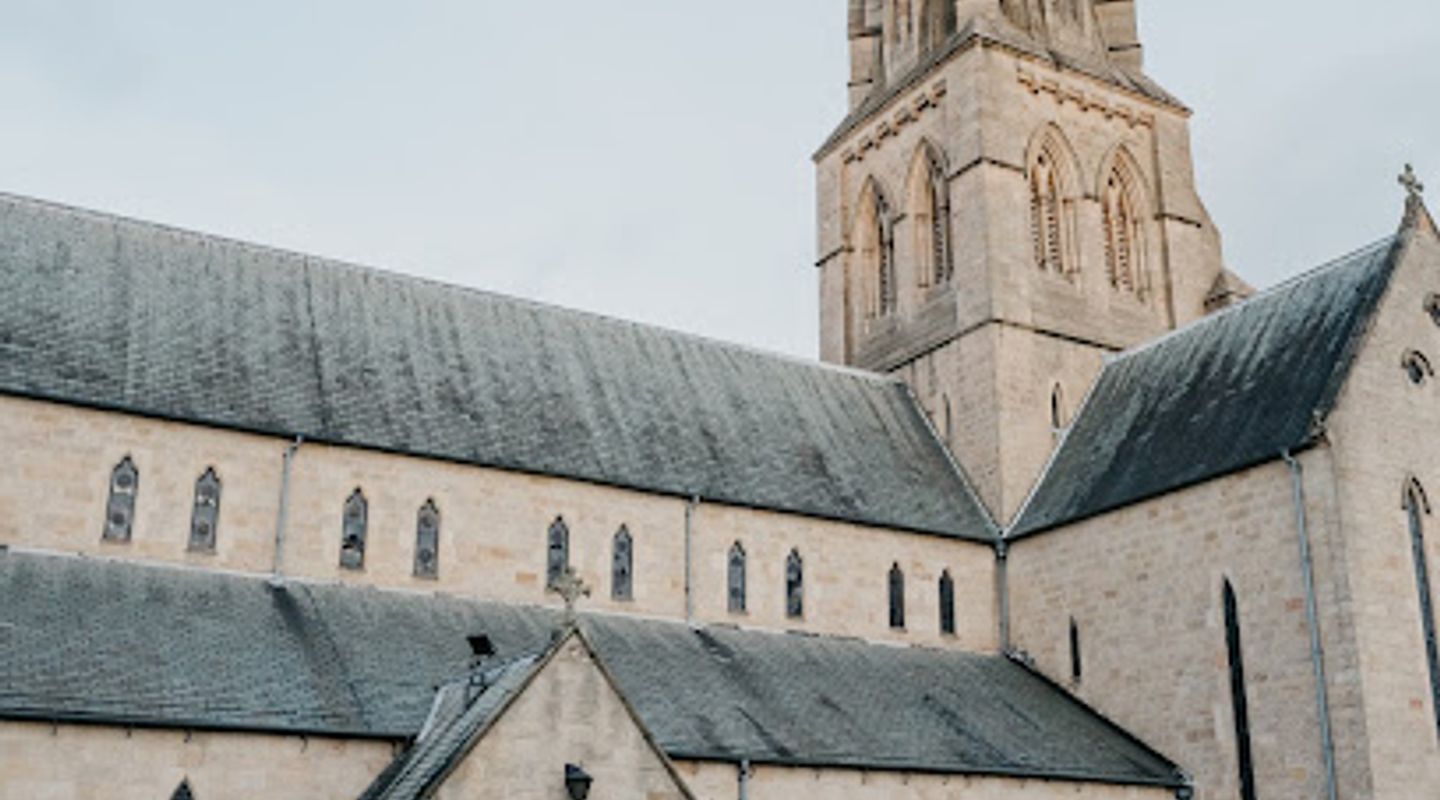
Standing proudly on North Circus Street, Nottingham Cathedral Church of St Barnabas is a Grade II* listed Catholic cathedral designed by Augustus Welby Northmore Pugin in the 1840s. As one of the first Catholic cathedrals built in England after the Reformation, it combines Early English Gothic architecture with a rich spiritual history. The cathedral’s striking spire, intricate stonework and beautifully restored Sacrament Chapel make it a quiet architectural gem in the heart of the city, open to worshippers and visitors alike.
On-site amenities
 Restrooms
 Drinking water
 Seating areas
 Information boards
Opening hours
- Every day8 am–7 pm
Opening hours as listed on the venue’s Google Business Profile. Hours can change for services and special events, so check with the venue before you go.
- Address
- Cathedral Church of St Barnabas, N Circus St, Nottingham NG1 5AE
- Phone
- Website
Getting there
On foot from Nottingham city centre
By bus
By car
By train
Discover more about St Barnabas Cathedral Nottingham
A Gothic Revival Landmark in the City
Rising above the rooftops of Nottingham, the Cathedral Church of St Barnabas is a powerful example of Augustus Welby Northmore Pugin’s Early English Gothic Revival style. Built between 1841 and 1844, it was consecrated in 1844 as the largest Catholic church constructed in England since the Reformation, a bold statement of faith in a time when Catholic worship was still emerging from centuries of restriction. Designed for the 16th Earl of Shrewsbury and Ambrose Philipps de Lisle, the cathedral’s ashlar stonework, lancet windows and soaring 150-foot spire create a dignified presence on the corner of Derby Road and North Circus Street. Its prominent location and elegant proportions make it one of Nottingham’s most distinctive religious buildings.
From Church to Cathedral
The church’s significance grew rapidly after its opening. In 1850, with the restoration of the Catholic hierarchy in England and Wales, St Barnabas was elevated to cathedral status, becoming the seat of the Bishop of Nottingham and the mother church of the diocese. The first bishop, Joseph Hendren, was enthroned here in 1851, marking the start of its role as a central place of Catholic worship and administration for much of the East Midlands. Over the decades, the cathedral has seen various interior changes, including the introduction of Italianate elements in the late 19th century and later 20th-century reforms that simplified much of Pugin’s original rich decoration, though fragments of his scheme survive and have been carefully restored.
The Heart of the Interior
Inside, the cathedral’s nave stretches beneath a high, vaulted ceiling, its stone pillars and pointed arches drawing the eye toward the sanctuary. The Blessed Sacrament Chapel, often described as the jewel of the cathedral, stands out for its richly decorated interior, reflecting Pugin’s original vision of a vibrant, colour-filled sacred space. Stained glass windows from the 19th century bathe the interior in soft, coloured light, while later additions such as the shrine to St Joseph in the north transept add further layers of devotional art. Though much of the original painted scheme was covered over in the mid-20th century, conservation work has uncovered and restored some of Pugin’s decorative details, gradually bringing back a sense of the cathedral’s intended atmosphere.
A Living Place of Worship
Beyond its architecture, St Barnabas remains a vibrant centre of Catholic life in Nottingham. Regular Masses, confessions and sacraments are held throughout the week, and the cathedral’s music department, with its cathedral choir and youth choir, continues a long tradition of choral worship. The building is not only a place of prayer but also a venue for concerts, recitals and community events, drawing both parishioners and visitors. Its peaceful ambience, even in the midst of the city, offers a space for quiet reflection, meditation and spiritual connection, making it more than just a historic monument.
Visiting the Cathedral
The cathedral is open daily to visitors, with generous visiting hours that allow time to explore its architecture and atmosphere. Entry is free, though donations are welcome to support ongoing maintenance and restoration. Visitors are encouraged to dress modestly and to be respectful of services and private prayer. The main areas of the cathedral are generally accessible, though some older or upper sections may have limited access; those with specific mobility needs are advised to contact the cathedral in advance. Information boards and occasional guided tours help explain the building’s history, architecture and role in the life of the diocese.
Evendo Review Centre
 Google
Guest reviews
Best time to go
Quietest: Jan, Feb & Mar · before 3am
Busy times are Evendo estimates for a typical year, to help you plan. Actual crowds vary with events, school holidays and the weather.
Explore St Barnabas Cathedral Nottingham on the map
A handpicked selection of must-see spots near St Barnabas Cathedral Nottingham, mapped for you.
Get your free copy of our complete guide to St Barnabas Cathedral Nottingham, delivered straight to you.
Everything on this page, from opening hours and how to get there to Eve’s tips and the best time to go, in one PDF you can read offline, print or share.
Already have an account? Sign in
Your St Barnabas Cathedral Nottingham guide is ready.
We'll send it to · Not you? Sign out

Getting your guide ready…
We are putting together a fresh copy of the St Barnabas Cathedral Nottingham guide. This can take up to a minute.
This can take a few moments. If your browser asks, choose Allow so the download can start. You'll find the guide in your Downloads folder.
Nothing happened? Download it again
Sorry, the guide is taking longer than usual. Please try again in a minute, or get it by email instead.
Unlock the best of St Barnabas Cathedral Nottingham
Skip-the-line tickets, guided tours with entry, and walking tours of the area, booked in a few clicks.


Other nearby places you may find interesting
The closest places of the same kind, if this one is not quite what you had in mind.
-
-
-
-
-


Swipe for more places
More to explore near St Barnabas Cathedral Nottingham
-
 Best experiences near St Barnabas Cathedral Nottingham
-
 Best hotels near St Barnabas Cathedral Nottingham
-
 Best landmarks near St Barnabas Cathedral Nottingham
-
 Best attractions near St Barnabas Cathedral Nottingham
-
 Best shops near St Barnabas Cathedral Nottingham
-
 Best restaurants near St Barnabas Cathedral Nottingham
-
 Best bars near St Barnabas Cathedral Nottingham


Do you manage this location?
Take control to get all the benefits, like improved information, better appearance, and stronger visibility across AI-powered discovery.
Explore more

Explore more of Nottingham
Explore Nottingham, a dynamic city where history meets modernity, with its legendary tales, cultural vibrancy, and stunning natural landscapes.
Explore Nottingham
Explore more of United Kingdom
Discover the United Kingdom: A blend of rich history, stunning landscapes, and vibrant cities, offering a unique travel experience for every visitor.
Explore United Kingdom
