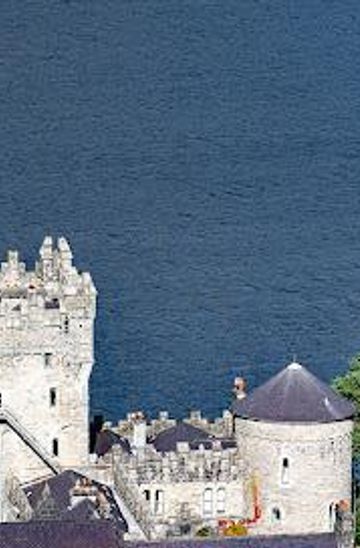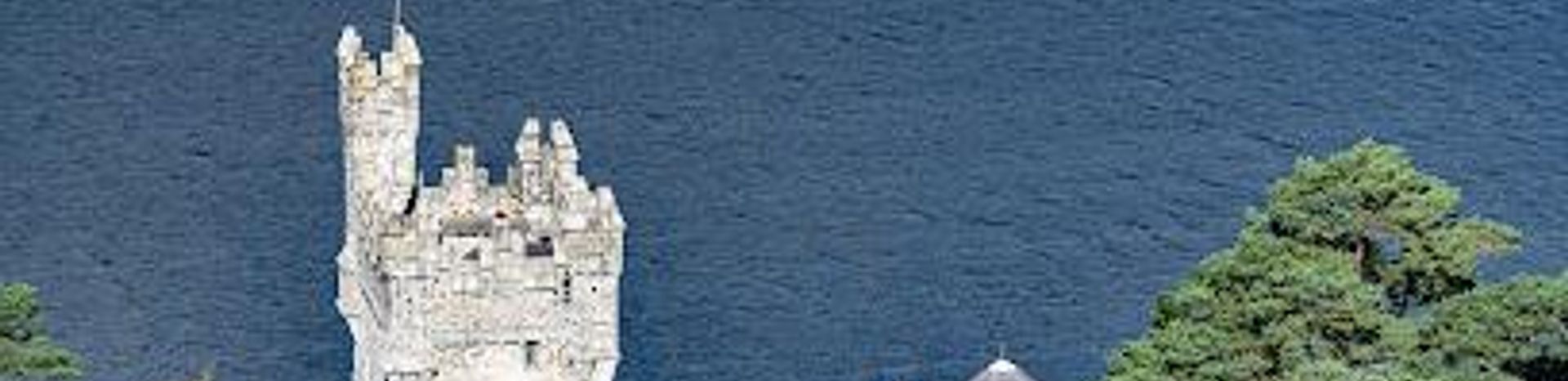
Glenveagh Castle in Glenveagh National Park, County Donegal
Explore the romantic Glenveagh Castle and its exquisite gardens nestled in the wild beauty of County Donegal’s Glenveagh National Park.
Glenveagh Castle, nestled within Glenveagh National Park in County Donegal, Ireland, is a striking Victorian-era castle built between 1867 and 1873. Surrounded by extensive gardens and set against the rugged backdrop of the Derryveagh Mountains, the castle offers visitors a blend of rich history, dramatic landscapes, and beautifully maintained grounds. Open year-round, it is a focal point for exploring the park’s natural beauty and cultural heritage.
A brief summary to Glenveagh Castle
- Glenveagh National Park, Church Hill, Gartan Mountain, Co. Donegal, F92 HR77, IE
- Click to display
- Click to display
- Duration: 2 to 4 hours
- Mid ranged
-
 Outdoor
- Mobile reception: 4 out of 5
- Monday 9 am-5 pm
- Tuesday 9 am-5 pm
- Wednesday 9 am-5 pm
- Thursday 9 am-5 pm
- Friday 9 am-5 pm
- Saturday 9 am-5 pm
- Sunday 9 am-5 pm

Know before you go
Hi, I'm Eve. Here are a few practical things to know before exploring Glenveagh Castle.
- Visit the castle on days when self-guided tours are available: Tuesday, Wednesday, Thursday, Saturday, and Sunday.
- Wear sturdy footwear for exploring the extensive walking trails around the castle and through the national park.
- Check seasonal opening times for the visitor centre restaurant and tearooms, which close during winter months.
- Keep an eye out for wildlife such as red deer and the rare golden eagle while walking the park trails.
- Allow at least 2–3 hours to fully enjoy the castle, gardens, visitor centre, and some of the shorter walking routes.
Do you manage this location?
Take control to get all the benefits, like improved information, better appearance, and stronger visibility across AI-powered discovery. Learn more
Activate your presence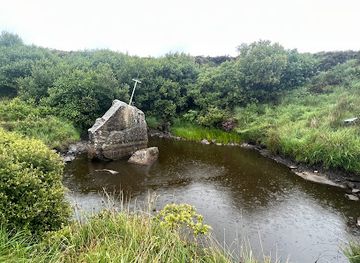


Getting There
-
Bus
Take the local bus service from Letterkenny to Glenveagh National Park, which runs several times daily with a journey time of approximately 40–50 minutes. Bus stops are near the visitor centre, but service frequency can be limited on weekends. Tickets cost around €5–€8 one way.
-
Car
Driving from Letterkenny to Glenveagh Castle takes about 30–40 minutes via the N56 and local roads. Parking is available at the visitor centre and castle grounds free of charge. Note that some roads are narrow and winding; winter driving conditions may require caution.
-
Walking
For active visitors, walking from the Glenveagh visitor centre to the castle gardens is an easy, mostly flat 3.5 km route along well-maintained paths, taking about 40 minutes. Terrain is suitable for most fitness levels but may be slippery in wet weather.
For the on-the-go comforts that matter to you
-
 Restrooms
-
 Drinking Water
-
 Food Options
-
 Seating Areas
-
 Trash Bins
-
 Information Boards
-
 Visitor Center
Discover more about Glenveagh Castle
A Storied Past of Glenveagh Castle
Glenveagh Castle was constructed between 1867 and 1873 by Captain John George Adair, a wealthy Irish land speculator who established the Glenveagh estate in the late 1850s. Designed in a Scottish baronial style, the castle features a four-story rectangular keep built from locally quarried granite. Adair’s tenure was marked by controversy, notably the harsh eviction of 244 tenants in 1861 following disputes over hunting rights, an event known as the Derryveagh Evictions. This dark chapter left a lasting legacy, including a reputed curse that no owner of the castle would have heirs. After Adair’s death in 1885, his American-born wife Cornelia enhanced the estate, introducing deer and developing the gardens extensively.The Castle’s Architecture and Gardens
The castle’s architecture reflects Victorian romanticism with influences from Scottish tower houses, blending robust granite construction with castellated features. Extensions added in the late 19th and early 20th centuries include a two-story wing and a round tower, enhancing its grandeur. The surrounding gardens are among Ireland’s finest, featuring the Gothic Orangery, Italian Terrace, Tuscan Garden, and Pleasure Gardens. These cultivated spaces contrast beautifully with the wild landscape of the park, showcasing rare and exotic plants such as rhododendrons and the white-flowered Eucryphia tree.Glenveagh National Park’s Natural Setting
Set within the vast Glenveagh National Park, the castle is surrounded by 16,000 hectares of pristine wilderness including mountains, lakes, waterfalls, and native woodlands. The park is home to wildlife such as red deer and the rare golden eagle, reintroduced to the area. Visitors can explore numerous walking and hiking trails that traverse glaciated valleys and offer panoramic views of the Derryveagh Mountains, making the park a haven for nature lovers.From Private Estate to Public Treasure
The estate changed hands several times after the Adair family, including ownership by American art historian Arthur Kingsley Porter and later Henry McIlhenny, who further developed the gardens and interiors. Concerned about the Troubles in Northern Ireland and the estate’s isolation, McIlhenny donated the castle and gardens to the Irish State in 1983. Glenveagh National Park opened to the public in 1984, and the castle followed in 1986, becoming a treasured cultural and natural landmark.Visitor Experience and Facilities
Today, Glenveagh Castle offers self-guided tours showcasing its elegant Victorian interiors and original furnishings. The visitor centre nearby features award-winning design with a living heather roof, providing exhibitions on the park’s natural history and conservation efforts. Facilities include a restaurant (seasonal), tearooms, toilets, information boards, and a playground. The extensive gardens invite peaceful strolls year-round, with summer blooms and autumn colors providing particularly scenic experiences.Preserving Heritage and Nature
Glenveagh National Park prioritizes conservation and sustainable visitor practices to protect its unique habitats and wildlife. Visitors are encouraged to respect the natural environment and historical significance of the site. The park’s combination of cultural heritage, dramatic landscapes, and biodiversity makes it a compelling destination for those seeking both history and nature in Ireland’s rugged northwest.Explore the best of what Glenveagh Castle has to offer















More about Londonderry
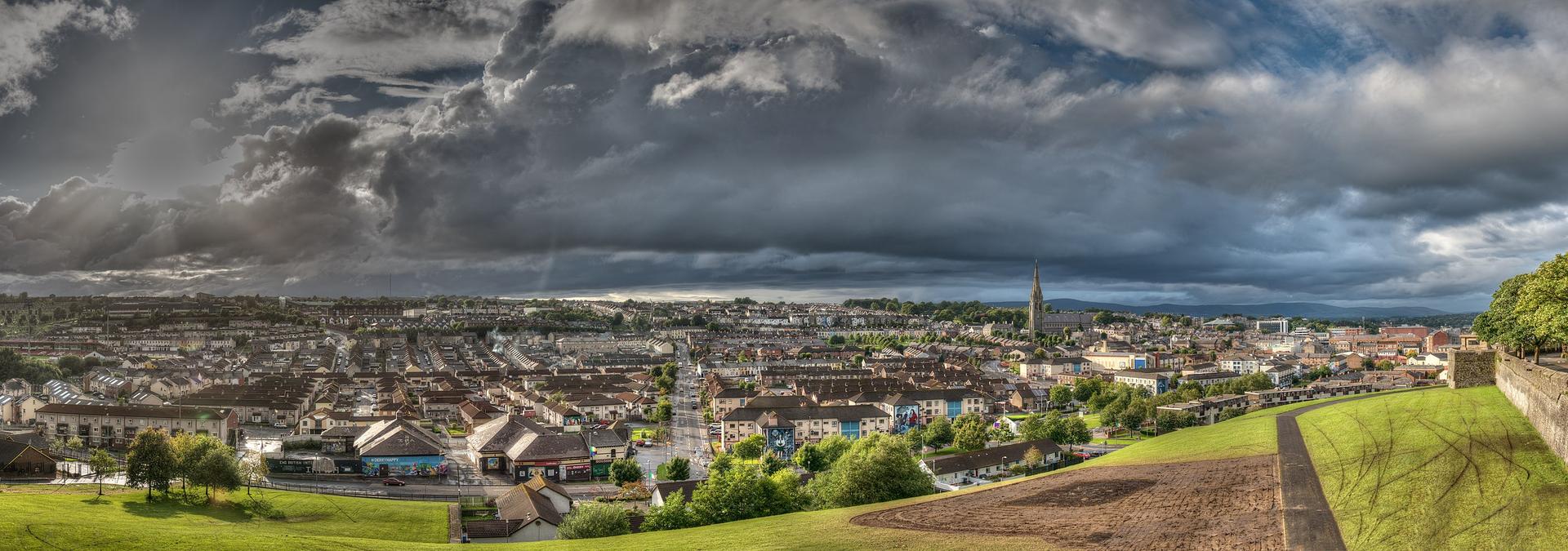
Discover Londonderry: A historic walled city with a rich cultural heritage, vibrant arts scene, and stunning natural landscapes in Northern Ireland.
Tell me more about Londonderry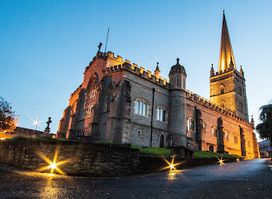
Derry’s oldest building and first post-Reformation cathedral, where history, silver, and song echo through centuries within the city walls.

Discover the mystical Sword in the Stone in Donegal: a modern legend amidst Ireland's breathtaking landscapes and rich folklore.